Introduction
In an unpredictable world, where the unexpected can strike at any moment, the safety of roadside workers-especially tow truck operators-cannot be overstated. These dedicated professionals often find themselves in precarious situations, working on busy highways and roads to assist those in need. The visibility of tow trucks is crucial not only for the safety of the operators but also for the motorists they assist and the many drivers who share the roadway. Proper lighting solutions, including the strategic use of bright and effective light bars, play a fundamental role in ensuring that tow trucks are easily recognized from a distance, even in low-light conditions. This can be especially vital during nighttime operations or inclement weather when visibility is reduced.
However, the question remains: Can tow trucks utilize red and blue lights, historically associated with emergency vehicles, to enhance their visibility? The answer varies across states, with some jurisdictions allowing limited use of red and blue lights under certain conditions, often tied to special situations such as responding to law enforcement directives. This nuanced legal landscape highlights the importance of understanding the regulations that govern your area, particularly for local auto repair shops, car dealerships, property managers, resort operators, and commercial fleet operators, all of whom have a stake in the matter. Learn more about emergency preparedness for fleet operators to better navigate these regulations and enhance roadside safety in your operations.
As we delve into this topic, it is essential to remember that the stakes are high. Understanding the ins and outs of tow truck lighting and its legal implications is not just a matter of compliance; it is a matter of protecting lives-both on the road and off. Join us as we explore the fascinating balance between safety, visibility, and legality surrounding the use of red and blue lights on tow trucks.
Local Regulations on the Use of Red and Blue Lights on Tow Trucks
As auto repair shops, car dealerships, and fleet operators in our island community, it’s crucial to familiarize yourself with the local regulations surrounding the use of red and blue lights on tow trucks. These lights, often associated with emergencies, must be used in compliance with state laws to ensure safety and avoid legal issues. Below is a summary of relevant regulations:
-
Texas: Tow trucks can legally use red and blue flashing lights but only under the direction of law enforcement during emergency operations. Regulations are in place to prevent misuse and ensure lights are properly activated only for specific purposes. This focus on safety is supported by Katie Alexander from the Texas Municipal Police Association. Learn more about emergency vehicle lighting here.
-
Canada (Saskatchewan): In provinces like Saskatchewan, blue lights on tow trucks have been allowed since 2017 to improve visibility and safety after unfortunate incidents involving tow truck operators. This has set a precedent across various regions as safety awareness grows. Discover more about blue lights on tow trucks.
-
New York: In New York, red and blue lights are typically activated when the tow truck is stationary and involved in emergency operations. The emphasis here is on safety when the vehicle is not in transit, ensuring it remains visible to passing motorists.
When operating tow trucks, it is vital to remain informed about these regulations and comply with them. Misuse of emergency lights can lead to hefty fines and legal issues. Stay ahead and prioritize safety on the roads!
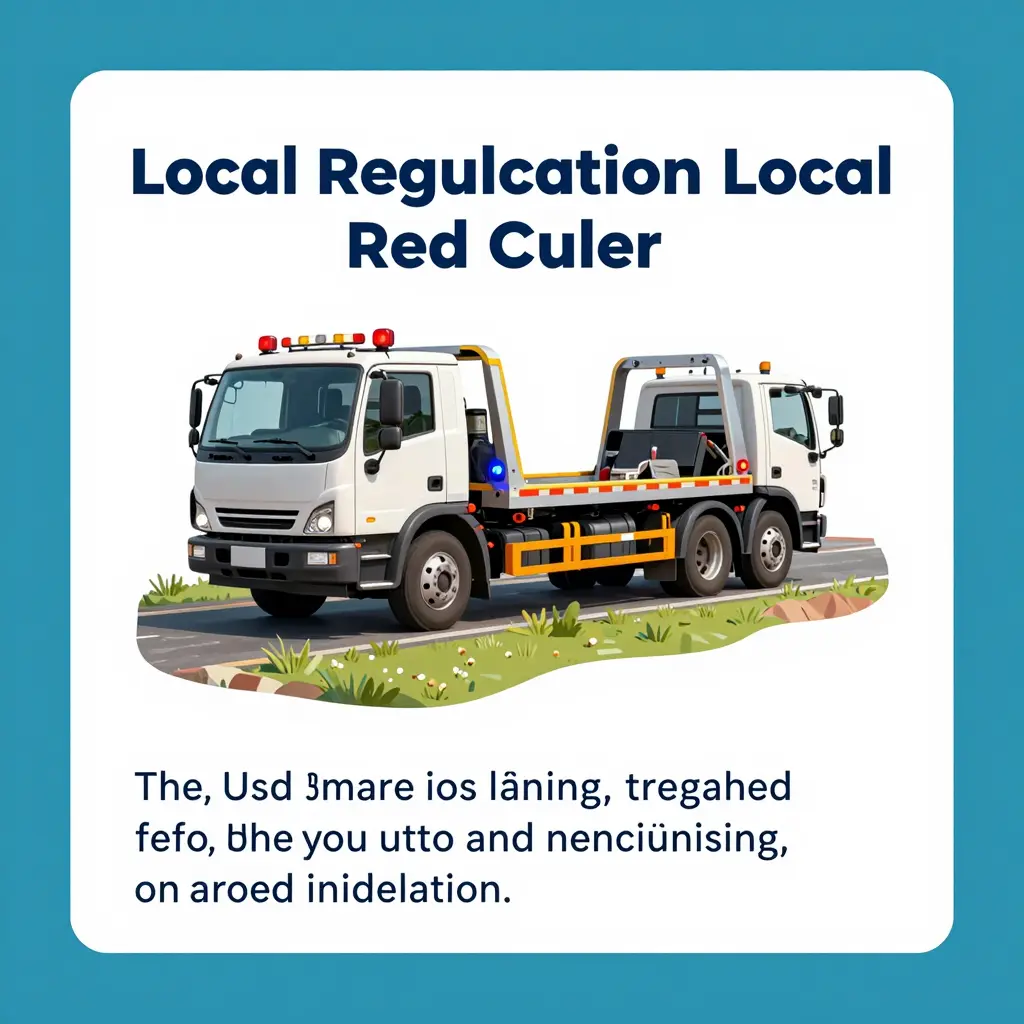
By adhering to local laws, you not only contribute to safer roads but also reinforce the professionalism of your fleet. Please refer to state legislation or consult local authorities for the most accurate and detailed information about these regulations.
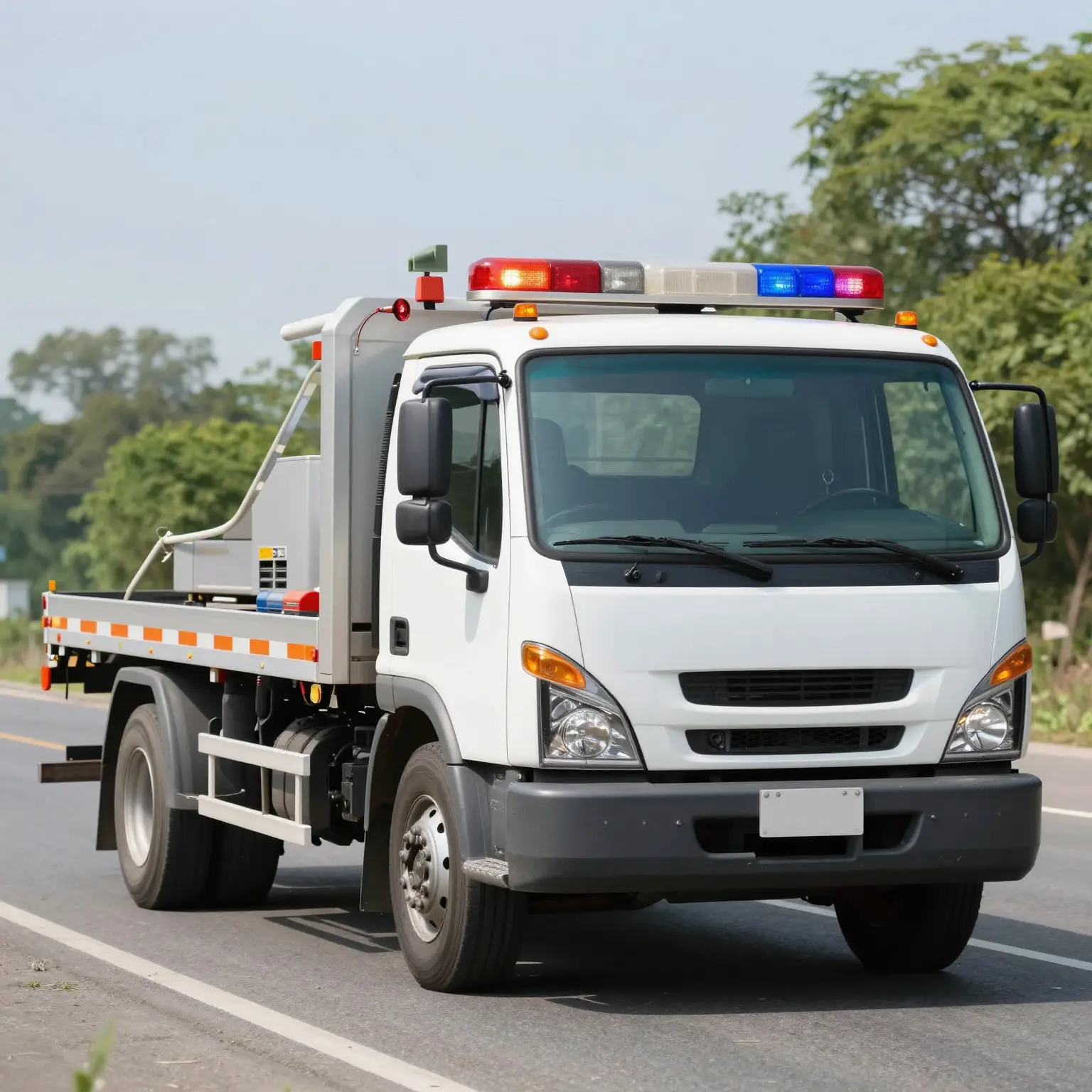
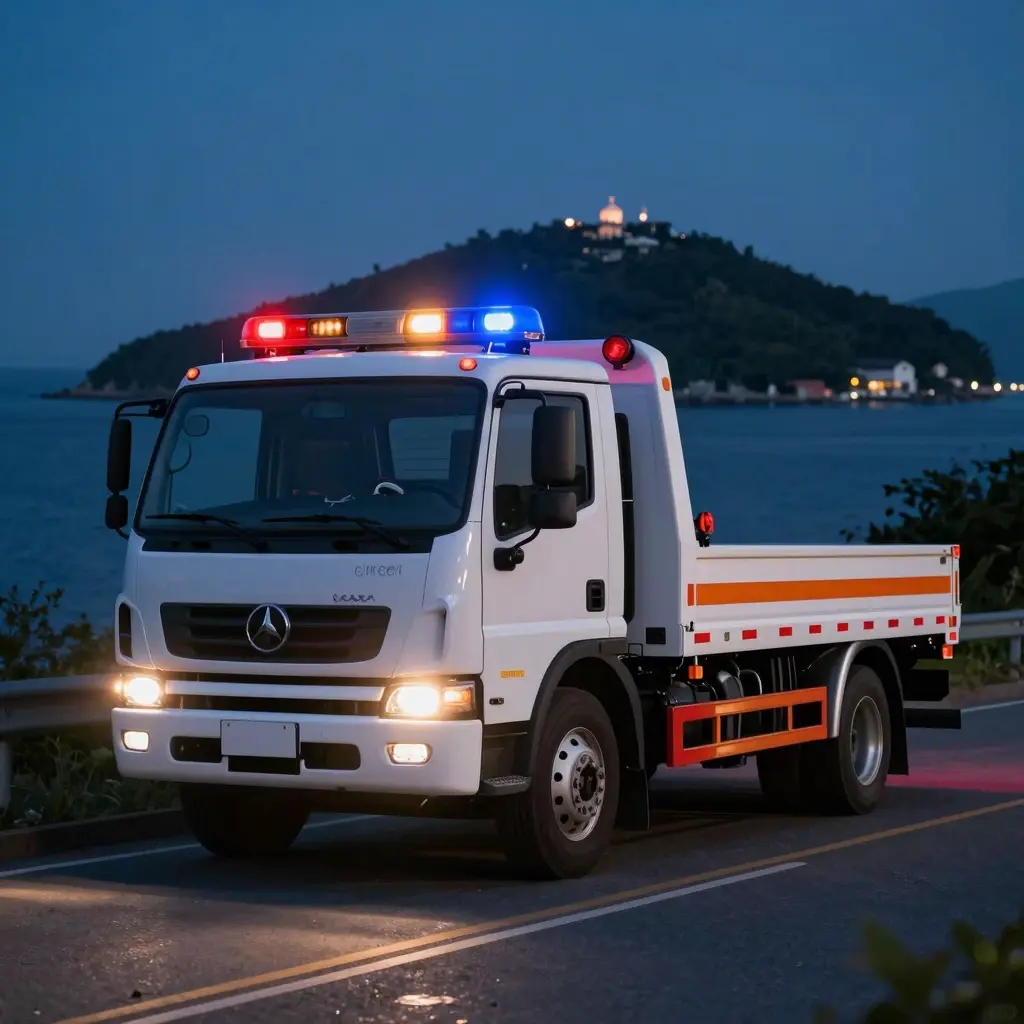
This image illustrates a tow truck equipped with red and blue lights, exemplifying its essential role in roadside assistance and emergency situations.
Legal Implications of Tow Trucks Having Red and Blue Lights
The utilization of red and blue lights by tow trucks brings about significant legal implications that can affect various stakeholders, including tow truck operators, commercial fleet operators, property managers, and the general public. Understanding these implications is crucial to avoid misinterpretations and potential legal consequences.
Understanding Legal Framework
In many jurisdictions, the use of red and blue lights is heavily regulated. For instance, emergency vehicle regulations often permit red and blue lights exclusively for law enforcement agencies, thereby ensuring a clear distinction between authorized emergency vehicles and those for roadside assistance. Various states, such as Florida, Texas, and California, allow tow trucks to utilize red and blue lights under specific conditions, primarily designed to enhance visibility during roadside operations. However, unauthorized use can lead to significant fines and penalties.
| State | Red & Blue Lights Allowed | Only Amber Lights Allowed | Restrictions/Regulations on Misusing Emergency Lights |
|---|---|---|---|
| Alabama | Yes | No | Yes |
| Florida | Yes | No | Yes |
| California | Yes | No | Yes |
| Texas | Yes | No | Yes |
| Iowa | No | Yes | Yes |
The table above summarizes the regulations regarding tow truck lights in various states.
Potential Misunderstandings
The misapplication of lighting laws can lead to confusion among drivers and law enforcement. Tow truck operators may unintentionally misuse red and blue lights, believing that it aids in their visibility. However, this could lead to the perception that the operator is acting as an emergency vehicle. This misunderstanding presents serious concerns regarding public safety and could potentially endanger both the operators and other drivers on the road.
Moreover, property managers and commercial fleet operators should be aware of how tow truck lighting policies align with community safety regulations. Misusing lighting systems could result in legal ramifications for businesses, including lawsuits or public relations issues stemming from accidents or misunderstandings.
Impact on Fleet Operations
For commercial fleet operators, it’s vital to stay informed about state regulations regarding light usage on towing vehicles. Non-compliance could lead to operational setbacks, increased insurance rates, or even a license suspension. Additionally, maintaining a well-informed fleet ensures that property managers can effectively manage towing needs while adhering to local laws, helping maintain a positive relationship with community stakeholders.
Conclusion
Ultimately, understanding the legal implications of using red and blue lights on tow trucks is essential for avoiding potential fines and promoting safety on the roads. It requires collaborative efforts among tow truck operators, fleet managers, and property managers to ensure that the usage of these lights is both legal and beneficial to the community. For those in need of further guidance on emergency preparedness for island fleets or essential strategies for fleet emergency response-learn more here.
Additionally, safe and informed towing practices can significantly reduce risks related to roadside emergencies-discover more about these practices.
“Tow trucks play an essential role in emergency roadside assistance, and as such, must adhere to the specific regulations governing their lighting. Proper visibility is not only a legal requirement but a crucial aspect of safety for all roadway users.”
- Expert Source: NAPA Blog (Emergency Vehicle Lighting for Crews & Fleets)
When it comes to the legality of tow truck lights, understanding local regulations is key. In many jurisdictions, tow trucks are allowed to use emergency lights to enhance visibility, particularly during roadside assistance. This includes the use of amber, red, and blue lights, although specifics can vary widely based on state laws.
Legal Considerations for Tow Truck Lights
Different regions impose specific rules concerning the colors and types of lights that can be used. For instance, Texas permits the use of red and blue lights for emergencies, enhancing operational efficiency when assisting stranded motorists (Five Fu). Meanwhile, regulations may differ significantly in states like Ontario where compliance with local traffic codes is emphasized (Strobe My Ride).
It’s essential for towing companies and fleet operators to stay informed about these regulations to ensure compliance and promote safety on the roads. For further insights into establishing safe operating practices, learn more about emergency preparedness for island fleets.
Comparison of Light Colors for Visibility Effectiveness on Tow Trucks
When considering the use of light colors on tow trucks, it’s important to analyze their visibility effectiveness in terms of safety. Below is a comprehensive table that compares red, blue, and amber lights based on various parameters:
| Light Color | Visibility in Daylight | Visibility in Fog/Rain | Human Perception | Usage in Emergency Contexts |
|---|---|---|---|---|
| Red | Moderate | High | Recognized as urgency | Commonly used in emergency vehicles |
| Blue | High | Moderate | Associated with law enforcement | Increasingly used on tow trucks for visibility |
| Amber | High | High | Recognized as caution | Traditional for tow trucks and warning signs |
Sources:
- Blue Lights on Tow Trucks: How They Can Boost Road Safety – AMA
- Visibility – Wikipedia
- Tow Truck Lights | Firewire LEDs
This table highlights the strengths of different light colors:
- Red lights indicate urgency and are found in emergency contexts, making them recognizable to drivers.
- Blue lights enhance visibility, especially in lower light conditions, and are increasingly being adopted on tow trucks.
- Amber lights are most effective during daylight as well as in adverse weather, traditionally serving cautionary roles on tow trucks and similar vehicles.
In conclusion, when equipping tow trucks, establishing a blend of these light colors can effectively bolster safety and enhance visibility, especially in challenging driving conditions. For further reading on emergency preparedness for island fleets, check out emergency preparedness for island fleets or learn about essential fleet emergency response strategies.
Safety Recommendations for Tow Trucks
Ensuring safety in tow truck operations is paramount for auto repair shops, car dealerships, property managers, resort operators, and commercial fleet operators. Here are some key recommendations regarding lighting, signage, and visibility that can effectively enhance safety:
1. Use Appropriate Lighting
Tow trucks should be equipped with compliant warning lights that are visible from great distances. Key points include:
- Colors & Regulations: Most regions use amber lights for tow trucks. However, regulations vary, so it’s crucial to check local laws regarding light colors and configurations. For instance, in some states, blue or red may be restricted only for emergency vehicles. Learn more about state regulations here.
- Flashing Lights: Utilizing flashing lights not only catches the attention of other drivers but is legally required in many states when a truck is parked on a roadside or obstructing traffic.
2. Signage Best Practices
Clear signage is vital in alerting other road users of a tow truck’s presence. Here are some best practices:
- Reflective Signs: Install bright, reflective signs on the back of the tow truck indicating it is a towing vehicle. This helps other drivers notice it, especially in low-light conditions.
- Warning Decals: Use clear warning decals that state the operations being performed (e.g., “Towing in Progress”) to communicate to oncoming vehicles.
3. **Increase Visibility
Visibility is critical to ensuring the safety of both the towed vehicle and the tow truck. Consider the following strategies:
- Positioning: When responding to a towing incident, position the tow truck in a way that provides maximum visibility to oncoming traffic. This includes using cones or barriers to mark off danger zones.
- Reflective Material: Utilize reflective tape or paint on the truck to enhance visibility during nighttime or inclement weather conditions.
4. Visibility Enhancements
- Emergency Equipment: Have cones, flares, and reflective triangles available to set up a safe perimeter around the tow area. This creates additional visual cues for traffic to steer clear.
- Safety Training: Regularly conduct safety training sessions for tow truck operators focusing on effective use of lights and signage, emphasizing personal safety and the safety of the public.
Conclusion
Implementing these safety recommendations for tow trucks will significantly enhance safety for tow operators and road users alike. Explore more about emergency preparedness for island fleets. Participants in this industry must adapt these practices to foster a safer environment for towing operations.
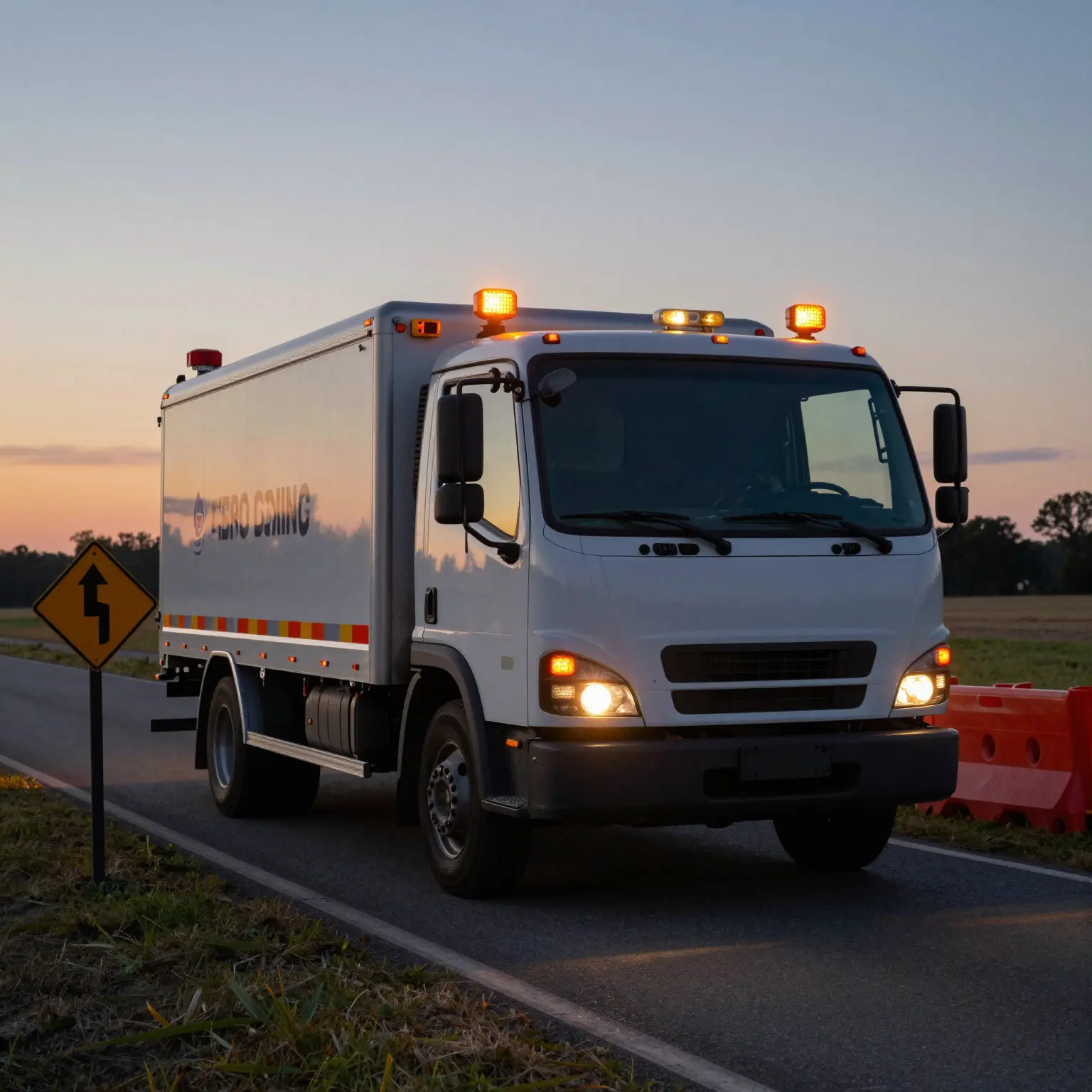
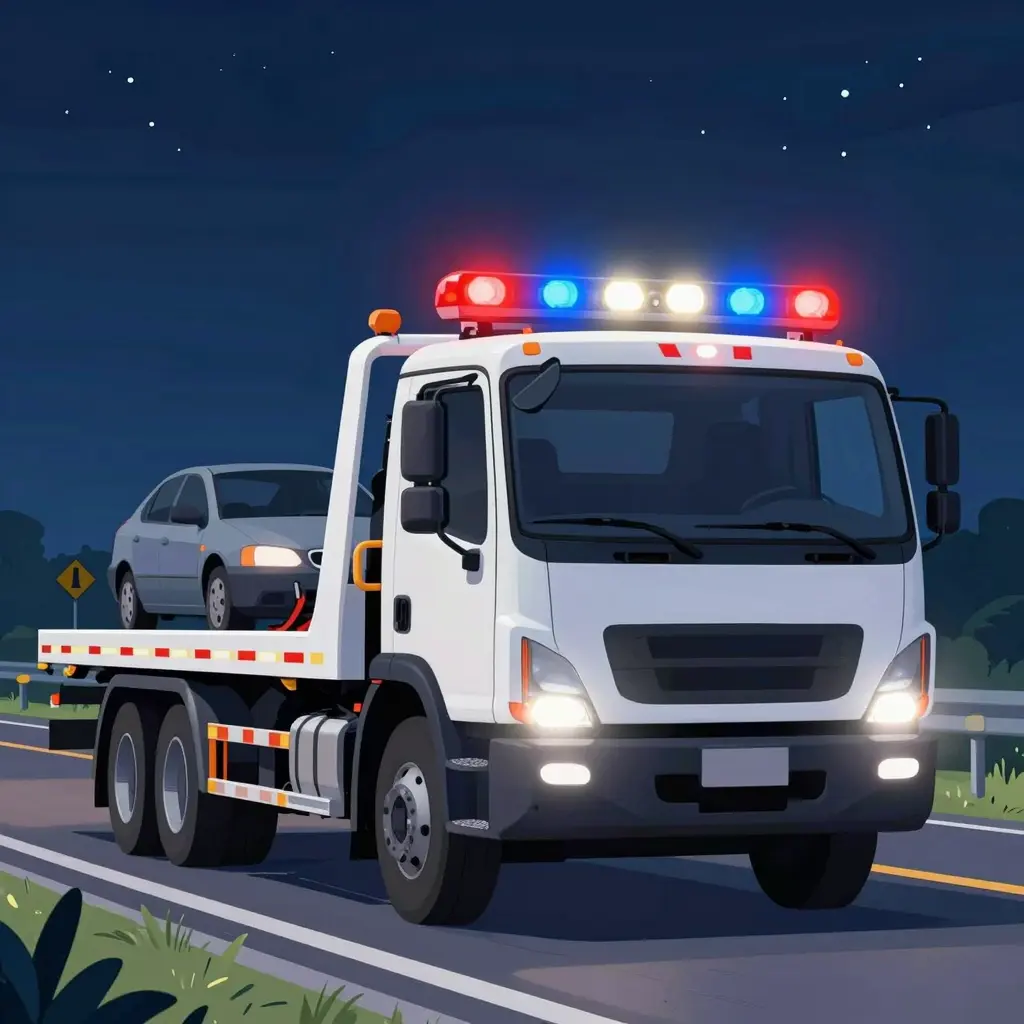
Conclusion: The Essential Role of Proper Lighting Systems for Tow Trucks
Proper lighting systems are vital for ensuring safety and legal compliance among tow trucks, especially when it comes to the use of red and blue lights. These colored lights play a crucial role in enhancing visibility during roadside assistance and emergencies, protecting both tow truck operators and motorists alike. According to various sources, the use of blue and red lights is becoming more accepted in certain jurisdictions, with regulations evolving to allow these colors for increased safety in emergency zones.
Key Benefits of Proper Lighting:
- Increased Visibility: Using bright, compliant lights helps tow truck operators be seen from a distance, significantly reducing the risk of accidents while they are performing their duties.
- Regulatory Compliance: Many states have specific regulations regarding the types of lights tow trucks can utilize. Understanding and following these regulations ensures not only legal compliance but also contributes to public safety. For instance, while amber lights are traditionally used for warning, the movement towards red and blue lights can further enhance safety by clearly indicating the presence of a recovery operation in progress.
- Enhanced Safety: The installation of proper warning lights moves tow trucks from simply being seen as vehicles towards being recognized as emergency responders on the road. This is integral in establishing safer conditions for all road users by clearly delineating the tow truck’s working area.
Tow truck operators must stay informed about local regulations regarding lighting to ensure they are compliant and fully equipped to handle emergencies. Embracing proper lighting systems not only promotes the safety of the operator but also significantly improves overall road safety. For further insights on maintaining your fleet’s safety, explore our emergency preparedness strategies and essential response tactics.
By investing in appropriate lighting systems, we ensure the safety of our operators and the motoring public, paving the way for better practices in roadside assistance.
Call to Action: Enhance Tow Truck Visibility with Summit Fairings
Improving the visibility of your tow trucks is crucial for ensuring safety and efficiency on our roads. At Summit Fairings, we understand the unique challenges faced by local auto repair shops, car dealerships, property managers, resort operators, and commercial fleet operators. Our innovative lighting systems not only enhance safety but also increase the overall effectiveness of your towing operations.
Why Choose Summit Fairings?
- High-Quality Equipment: Our lighting solutions utilize the latest technology, ensuring durability and brightness that stand out even in the toughest conditions.
- Tailored Solutions: We provide customized lighting systems that fit your specific needs, whether for emergency response or everyday operations.
- Seamless Integration: Our products are designed to integrate effortlessly with your existing fleet, ensuring a quick and efficient installation process.
Take the first step towards safer towing practices today! Learn more about our emergency preparedness for island fleets and see how you can revolutionize your fleet’s visibility with Summit Fairings.
Don’t wait for an emergency to improve your safety protocols; invest in reliability and visibility now!
To discover more about how our innovative solutions can transform your operations, contact us today!