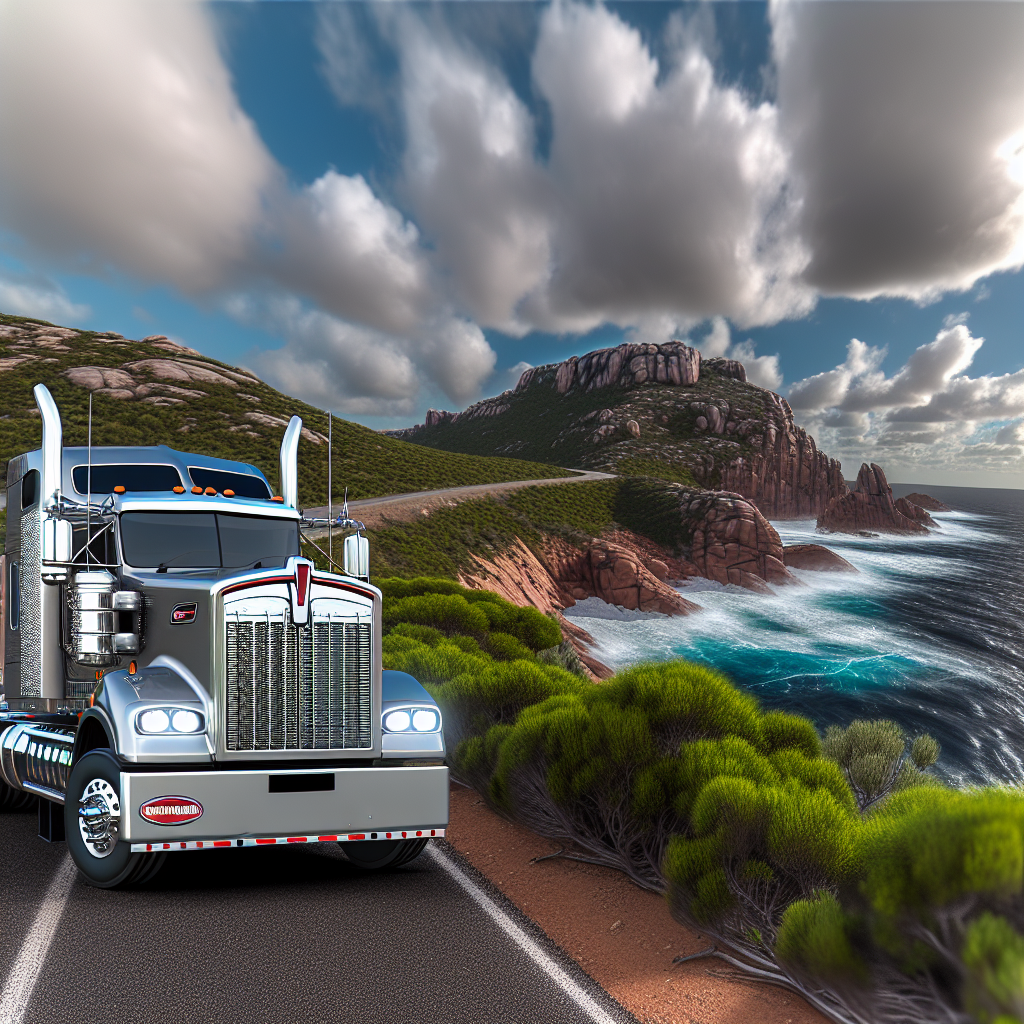
Cash vs Card Tipping: Weighing the Options
If you tip a tow truck driver, how you pay changes what the driver actually takes home. Cash and card each have their own tradeoffs, and knowing them makes the choice easier when you are standing on a roadside.
-
Speed and immediacy: Cash is in the driver’s hand the moment the job ends. There is no app to wait on and no transaction to clear, and for a driver working a shift of quick calls, that matters.
-
Driver preference: Many tow operators quietly prefer cash because it avoids processing fees and payout delays. A few folded bills also feel more personal than a line item on a receipt.
-
Convenience on the spot: Card and app payments win when you have no cash, which is common after a surprise breakdown. Tapping your phone beats hunting for an ATM.
-
Record-keeping: Card tips leave an automatic paper trail, which helps if you track vehicle expenses or file for reimbursement. Cash leaves no digital footprint, which some drivers like and some accountants do not.
-
App or receipt tracking: If you paid for the tow through a platform, adding the tip in-app or on the receipt keeps everything in one place. Fleet owners who need clean records will appreciate it.
-
Flexibility and etiquette: Neither method is wrong. A small cash tip is a warm gesture, and a card tip is perfectly acceptable when that is all you carry.
Understanding the driver’s role in roadside emergencies can also shape how generous you feel. Tip in whichever form you can, and do it with a sincere thank-you.
Do You Tip a Tow Truck Driver? A Quick Service-by-Service Guide
It is awkward to stand on the shoulder, watch a stranger rescue your car, and wonder whether to tip and how much. The table below gives a starting range by service type so you can decide in a few seconds. For how first responders and drivers coordinate during these calls, see what your role is in roadside emergencies.
| Service Type | Typical Duration | Suggested Tip Range | Cash vs Card Note |
|---|---|---|---|
| Jump start | 5-15 minutes | $5 – $10 | Cash is easiest; small bills are ideal |
| Tire change | 15-30 minutes | $10 – $20 | Cash preferred; card tipping often unavailable |
| Lockout | 10-25 minutes | $5 – $15 | Cash best; keep a few singles handy |
| Short tow (local) | 30-60 minutes | $10 – $20 | Card accepted for the bill; tip in cash |
| Long tow (highway/intercity) | 1-3+ hours | $20 – $50+ | Ask about card tipping; cash for the tip is safest |
Quick rule of thumb: the longer, harder, or more dangerous the job, the more a tip is appreciated. A five-minute jump start on a warm afternoon usually calls for a modest thank-you, while a two-hour highway tow in bad weather justifies something closer to the top of the range.
Does a Five-Minute Jump Start Change Tipping?
Short answer: not really. A quick five minute jump start feels minor because it takes less time than brewing a pot of coffee, but time on the clock is a poor measure of roadside work. What you are paying for is not the five minutes themselves – it is the driver’s training, the equipment, the fuel, the insurance, and the willingness to show up when your day has stalled.
A driver still had to dispatch, navigate traffic, park safely, and work out why your battery died rather than your alternator. Those skills took years to build. The service is short only because the driver is good at it.
Why Short Calls Still Deserve Consideration
How long a call takes is a weak reason to tip or to skip it. A few other signals matter more:
- Effort and care: Did the driver arrive quickly, work neatly, and explain what was wrong?
- Conditions: A jump start in freezing rain or on a busy shoulder is worth more than one in a sunny driveway.
- Attitude: Friendly, patient help on a stressful day earns goodwill.
- Flat vs. tiered fee: If your base call-out fee already covers the visit, a small tip is still a warm gesture, not a required charge.
For a genuinely quick job, a modest tip – a few dollars, or simply rounding up – is plenty. Nobody expects a full-service gratuity for two minutes of clipping cables. But treating the call as “too small to matter” also dismisses real labor.
Even a brief roadside visit involves more than it looks. This overview of the driver’s role in roadside emergencies shows what every call carries, whether it lasts five minutes or five hours.
So no, a five minute jump start does not erase tipping expectations – it simply lowers the amount. Tip what feels fair for the help you received, and you will rarely go wrong.
The Tipping Decision, Mapped Out
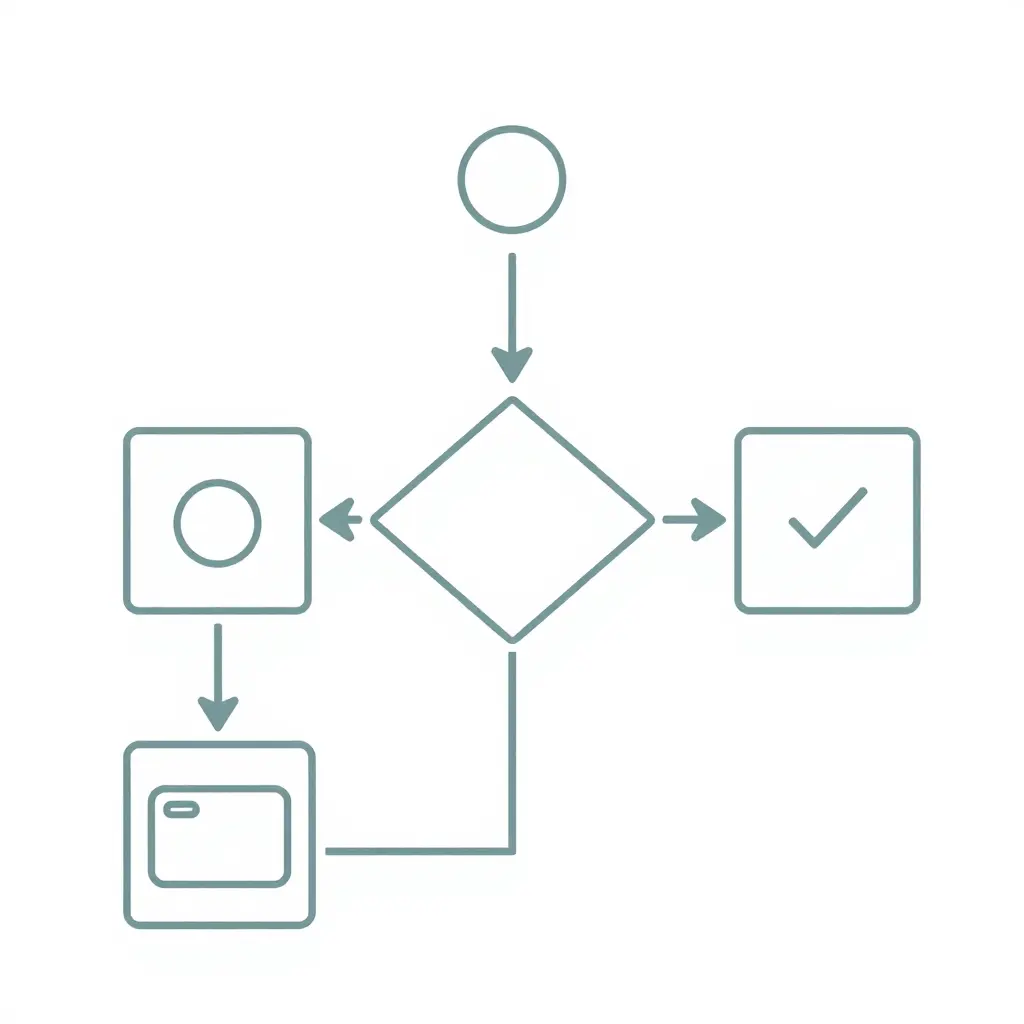
Before you reach for your wallet, the choice comes down to two questions: did the driver go above and beyond, and do you have a way to pay that actually reaches them? The diagram below traces that logic from the first decision point to two end paths, one for cash and one for card, so you can see where a simple jump start fits versus a full tow off the shoulder.
How Much to Tip a Tow Truck Driver
When you are stranded on the shoulder with your hazards clicking, a tow truck driver can feel like a hero. Once your vehicle is hooked up and safely delivered, the awkward question creeps in: how much to tip a tow truck driver? Tipping is not required, but it is genuinely appreciated. For most calls, $5 to $20 is the range drivers appreciate, and the right amount hinges on how demanding the job turned out to be.
Good tow truck tipping etiquette is refreshingly simple: reward effort, care, and speed. These factors influence the amount most.
- Service complexity. A quick battery jump or tire change is a light lift, while a winch-out from a ditch or a multi-car recovery demands real skill and time. The harder the job, the more generous the tip.
- Time of day. A midday assist is one thing; getting hauled out of a dark lot at 2 a.m. is another. Late-night, holiday, and weekend calls deserve extra.
- Distance. Long hauls and remote pickups eat up fuel, hours, and patience. If your driver crossed the island to reach you, bump it up.
- Physical effort. Heavy vehicles, tight garages, and awkward angles all take muscle and finesse, and that sweat is worth acknowledging.
- Overall attitude. A calm, courteous driver who keeps you informed earns genuine goodwill.
Cash is the easiest way to tip, since many drivers split tips on the spot. A card tip through the company app or office works fine when you are caught without bills. Tip what feels fair for the effort, and you will have done right by the person who got you moving again. For the skill behind every call, see the skill behind every roadside emergency call.
Typical Tip Ranges by Roadside Service Type
Before you reach for your wallet, it helps to know what a normal tip looks like. The table above lists the usual range for the calls we get most often: jump starts, tire changes, lockouts, and tows. Effort, not minutes on the clock, sets the amount. A five-minute jump start sits at the bottom of the scale, while a full tow carries the widest range, because distance, hookup difficulty, and traffic vary so much. A small cash tip for a fast boost is reasonable; a long tow justifies more.
To see how these roles play out on a real call, read how a driver’s role in roadside emergencies shapes the service you receive.
Tipping Etiquette and When Not to Tip
There is no formal rule for tipping a tow truck driver, which is what makes it confusing when you are standing on the shoulder with your hazards flashing. A tip thanks someone for good service; it is never required. If the driver arrived quickly, handled your vehicle with care, and made a bad day easier, a gratuity is a kind gesture. If the service was ordinary or the experience was rough, you can skip it. Whether you use cash or card depends on what the driver can accept, so ask before you assume.
When a Tip Isn’t Expected
Some calls are not tipping situations at all. If the fee is fixed by policy – a contracted rate through your motor club, or a municipal towing schedule – the price is the price and no gratuity is built in. When the job is billed to insurance, the transaction runs through a claim rather than your pocket, so there is nothing to tip on. Fleet accounts and prepaid roadside plans work the same way. In all of these cases, a sincere thank-you costs nothing and still means something.
It also helps to know what legitimate service looks like, since sketchy operators sometimes pressure drivers for extra cash on the spot. If something feels off, our guide to recognizing and reporting illegal towing practices is a solid place to start.
Tip when you are grateful, skip it when the setup does not call for it, and do not let anyone pressure you into paying more than the job requires.
Tipping a Tow Truck Driver: The Final Word
Whether you tip a tow truck driver comes down to gratitude, not obligation. Cash is the simplest option and the most appreciated, because the driver receives it instantly with no processing fees. A tip through the company’s card payment system is fine too, especially when you do not carry bills. The gesture matters more than the method.
Does a five-minute jump start change the decision? Not really. A quick jump start is a small, low-cost service, so a modest tip of a few dollars is plenty, and many drivers do not expect one at all. The length of the job should not determine whether you tip, only how much. Consistency matters more than the clock, and understanding the driver’s role in roadside emergencies helps you see the effort behind even the shortest call.
As a vehicle owner, keep your approach practical. Keep a few small bills in your glovebox so a tip is always easy to offer. Ask about accepted payment methods before the job is finished. Tip based on service, professionalism, and attitude, not just the minutes spent on scene.
- Bottom line: Tip what feels right, use cash when possible and card when needed, and let good service, not job length, guide your decision.
Stay prepared, be kind to those who help you get moving again, and drive safe.
Related Resources
If tipping left you with questions about how roadside service works, these reads go deeper. Understanding the role drivers play during roadside emergencies explains why a five-minute jump start or a late-night tow deserves a thank-you. Knowing your rights matters before you are stuck negotiating a bill on the shoulder, so brush up on recognizing and reporting illegal towing practices in your community. To see how the pros prepare, read how modern roadside assistance teams train and use technology for exactly these situations. And if you manage several vehicles rather than one, emergency preparedness for island fleets covers planning ahead.