What “Tow Truck Driver Pay” Actually Means
Tow truck driver pay is the total compensation an operator earns for answering calls, hooking up vehicles, and finishing a tow. There is no single flat rate. Most towing companies assemble it from a base rate, commission, and on-call hours, and the way those three interact decides what a job offer is actually worth.
The Three Core Components of Towing Pay
Base rate is what an operator is guaranteed for showing up and completing a standard tow, regardless of job volume. It does not move with the call count, which makes it the predictable floor of a shift.
Commission is a percentage of service revenue paid on top of the base, typically tied to the value of the job or the number of calls completed. It creates upside, and it also ties income directly to dispatch volume and seasonal demand.
On-call hours are the standby periods when an operator must stay available for dispatch, often at night, on weekends, and on holidays. They are frequently unpaid, or paid at a rate below active towing time.
How These Components Fit Together
Each component is easy to define and harder to read on a real paycheck. The sections below show how they work in practice, and how standby time can pull an operator’s effective hourly wage below the advertised rate even when the base and commission figures look competitive.
Drivers, dispatchers, and fleet managers all make better decisions when they separate the advertised rate from the paid one. The plan that looks strongest on a recruitment page is not always the one that pays the most per hour actually worked. Tracking standby time alongside active tow time shows what a schedule really costs. Availability and response speed define the role tow truck drivers play in roadside emergencies, which is why the compensation attached to being on call deserves the same scrutiny as the rate itself.
What the Base Rate Really Covers
The base rate is the foundation of most tow truck pay and the most misunderstood number on a paycheck. A tow truck base rate is the fixed amount an operator earns before commission, tips, or add-ons are calculated: the starting number, not the final one.
How the Base Rate Is Set
- Per call: A flat base rate for each dispatched call, regardless of how long the job takes.
- Per hour: An hourly base rate that applies only to active, billable working time.
- Per shift: A flat daily or shift rate that covers a set window of availability.
What the Base Rate Typically Includes
- The dispatch assignment itself: being sent to a job and completing the basic hook-up.
- Standard mileage within a local radius: often the first few miles.
- Basic equipment: the truck, winch, and standard rigging.
After-hours premiums, long-distance mileage, and specialty recovery work usually sit outside it.
Why Operators Assume the Base Rate Equals Their Hourly Wage
The confusion is easy to understand. If a driver is told “$18 base,” it sounds like an hourly wage. But a base rate is calculated against billable or dispatched time, while an hourly wage covers every hour on the clock. Add unpaid on-call hours, waiting time, and slow days, and the effective hourly figure drops well below the base.
Base Rate vs. Guaranteed Hourly Wage
| Feature | Base Rate | Guaranteed Hourly Wage |
|---|---|---|
| Trigger | Per call, hour, or shift | Every hour on the clock |
| On-call hours | Usually unpaid | Typically paid |
| Commission | Often added on top | Sometimes separate |
| Predictability | Variable | Fixed |
A guaranteed hourly wage pays for time; a base rate pays for production. Which one you are on changes the arithmetic of your earnings, and those working hours shape the job in ways the rate alone does not capture. For a broader look, see the role drivers play in roadside emergencies.
A headline rate can mislead. A tow truck commission pay plan quoting “$30 per call” can pay less than a steady base rate once unpaid on-call hours, fuel, and slow nights are counted. The only fair comparison is the effective hourly wage: total weekly earnings divided by every hour you are committed to the job, including the ones spent waiting for the phone. The table below breaks down the three most common tow truck driver pay models and where each one hides its costs. Those waiting hours are demanding in their own right, which is why a driver’s role in roadside emergencies involves far more than the tow itself.
| Pay Model | How the Driver Is Paid | Typical Effective Pay Range per Hour | Main Advantages | Main Drawbacks | Best Fit For |
|---|---|---|---|---|---|
| Base Rate Only | Fixed hourly wage for scheduled shifts; on-call standby is often unpaid or paid at a reduced rate. | $16 – $24 | Predictable paycheck; overtime eligibility; no pressure to chase volume; easy to budget. | Lower earning ceiling; no reward for high call volume; total hours capped by employer scheduling. | Drivers who value stability, new drivers building experience, and fleets with steady scheduled work. |
| Commission Based | Percentage of each job (commonly 25% – 40%) or a flat per-call fee; income tied directly to dispatched work. | $18 – $35 (varies widely) | High earning ceiling on busy days; rewards hustle and speed; simple, transparent incentive. | Income swings with season and call volume; unpaid on-call time drags down effective wage; no pay when slow. | Self-motivated drivers in high-traffic markets with consistent dispatch volume. |
| Hybrid (Base + Commission) | Guaranteed base hourly rate or salary plus a commission or bonus on completed jobs. | $20 – $30 (stabilized) | Balances security with upside; cushions slow periods; helps attract and retain skilled drivers. | More complex payroll; base rate may be set low; caps or tiers can limit top-end earnings. | Established operators wanting to retain experienced drivers through mixed seasonal demand. |
Reading the Numbers
The ranges overlap. A commission driver with strong volume can beat a hybrid driver in July, then fall well below them in February when calls dry up. That is why the effective hourly wage, not the advertised rate, is the number that pays the rent.
Before evaluating an offer, answer three questions: How many hours am I on the clock or on call? Which of those hours pay me? What is my realistic weekly take-home divided by my total committed time? Set the answers side by side, and the “best” model becomes arithmetic instead of opinion.
How Tow Truck Commission Pay Works
For a lot of operators, tow truck commission is not a bonus on top of a paycheck – it is the paycheck. That explains how two drivers on the same shift can finish with wildly different totals, and the formula behind commission pay is what determines the number that lands in the account.
The Three Common Commission Formulas
Most companies build their pay plans around one of these structures:
- Percentage of the tow bill – The driver earns a fixed slice of what the customer is charged, often 25-40%. A $200 hook-up at a 30% rate puts $60 in the driver’s pocket, so a bigger bill means a bigger share.
- Flat commission per job – A set amount for every call, such as $30 for a jump-start or $80 for a long haul, no matter what the invoice says.
- Tiered commission rates – Payouts climb with volume. The first 20 calls might pay 25%, the next 20 pay 30%, and everything beyond that pays 35%.
What Else Feeds Your Share
Commission is rarely the whole story. Tow truck driver earnings also pick up from a few add-ons:
- Tips – Usually kept 100% by the driver, and a welcome boost on otherwise flat jobs.
- Mileage – Hook-up fees plus per-mile charges raise the bill, which raises any percentage-based commission.
- After-hours surcharges – Nights, weekends, and holidays often carry a premium, so the same tow pays more at 2 a.m. than at noon.
Why Job Type Changes Your Cut
A quick battery jump, a heavy-duty recovery, and a long-haul transport each carry different billing and different splits. Drivers on percentage plans usually earn the most on complex, high-value recoveries; drivers on flat-rate plans can be underpaid for the exact same call. Knowing which jobs pay best is part of understanding the driver’s role in roadside emergencies.
The Trade-Off: Reward vs. Volatility
Commission rewards hustle. Drivers who take more calls and bigger jobs can out-earn salaried peers by a wide margin. The same structure also creates volatility:
- Slow weeks mean smaller checks with no safety net.
- Weather, holidays, and road conditions swing demand.
- An on-call schedule can mean hours worked and nothing earned when no calls come in.
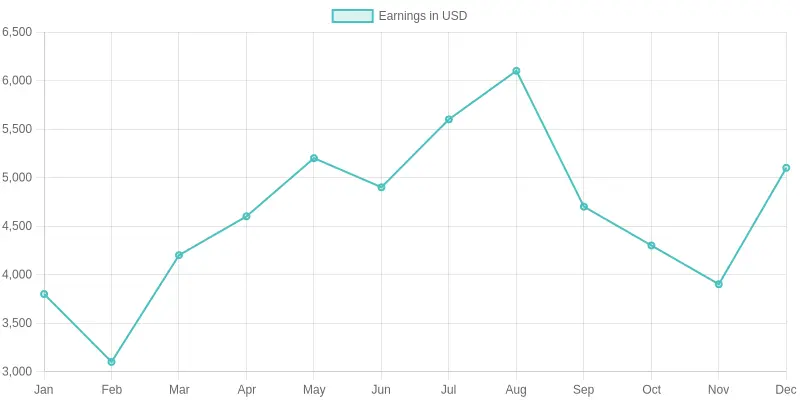
A strong August can nearly double a weak February. For many drivers the answer is a blended model: a modest base rate to cover the quiet hours, commission to reward the busy ones.
Bottom line: commission pay can produce strong income, but only if you know the formula, track your job types, and plan for the slow months.
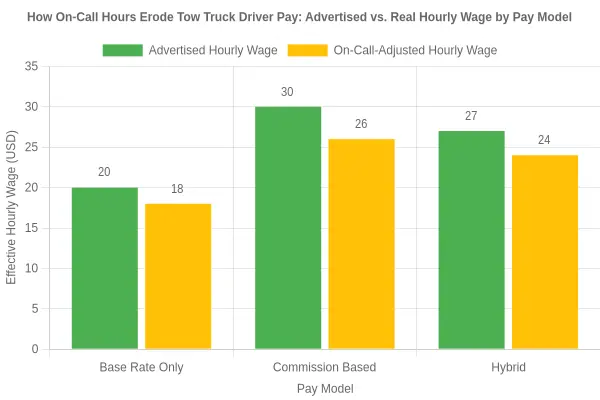
Figure 1. Advertised vs. on-call-adjusted hourly wage by pay model.
Caption: Each pair of bars compares the advertised wage with the on-call-adjusted wage for the same model. The gap is the “wage-erosion effect”: the difference between the rate on the job posting and what drivers take home once unpaid standby hours are counted.
What the chart is telling you
The green bars show the advertised hourly rate, the number the shop quotes you when you sign on. The amber bars show the on-call-adjusted rate: the same wage spread across every hour you were tethered to the phone, not just the hours you spent pulling a vehicle.
The bars separate by model:
- Base rate only starts near $20/hr advertised and slips to about $18/hr once standby is counted, a noticeable but contained drop.
- Commission based posts the highest headline figure, near $30/hr. Commission drivers also tend to carry the longest unpaid standby windows waiting for a dispatch, so it settles around $26/hr in practice.
- Hybrid lands in between, dropping from about $27/hr to $24/hr and smoothing the cliff between a bare base rate and pure commission.
An advertised rate means little if your on-call obligations stretch the math, so ask how many standby hours a typical week carries before you compare two offers. Dispatch and standby rules shape real earnings as much as the rate does, and the same is true of how crews read a scene before committing equipment to it, which is part of the driver’s role in roadside emergencies.
The On-Call Hours That Cut Your Hourly Wage
The number on the job posting rarely matches the number that reaches the bank account, and the difference usually hides in the same place: on-call hours.
What On-Call Hours Actually Are
On-call hours are the blocks of time when you are not actively towing but must stay sober, reachable, and ready to roll the moment dispatch calls. You cannot take another job, travel far from your rig, or switch off. In every practical sense you are working, yet the clock is not running on your pay, a reality that shapes the driver’s role in roadside emergencies.
How an On-Call Shift Works
A typical rotation runs eight active hours followed by eight overnight standby hours. Standby might bring two calls, or none at all. When the phone stays silent, so does the paycheck. Many drivers log 20 to 40 on-call hours a week, and only a fraction of them ever reach a pay stub.
Why Those Hours Vanish From Advertised Pay
Advertised figures almost always describe the best case: active, billable time. A company quotes a tow truck driver hourly wage based on productive hours alone, with the waiting around them left out. That reads well on a recruitment page and poorly against an actual week.
Nominal vs. Effective Hourly Wage
The distinction matters here. Your nominal hourly wage is the headline rate, say $30 an hour for active towing. Your effective hourly wage is what you earn once every on-call hour is folded in. Forty paid hours plus 30 unpaid standby hours turn a $1,200 week into roughly $17 an hour across 70 hours of commitment.
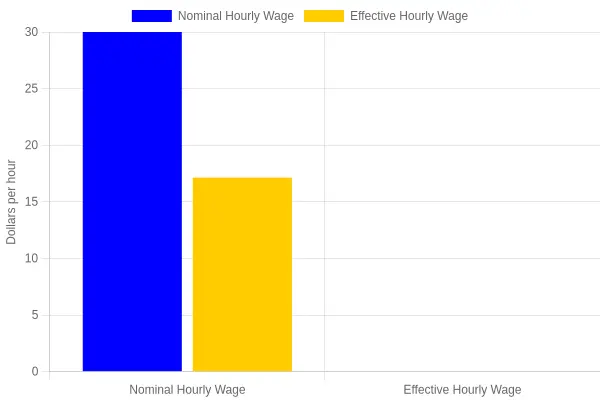
Standby time stretches the same paycheck across far more hours, and the hourly figure falls with it.
Why This Distinction Matters
Knowing the gap between nominal and effective pay gives you a real position in negotiations and a fair basis for comparing offers, and it puts pressure on the industry to pay for standby time. When a recruiter quotes a rate, ask whether it includes your on-call hours.
Factors That Determine Whether On-Call Hours Are Paid
The rules that decide whether waiting time counts as paid work vary from one employer to the next and are rarely written down in one place. Knowing them helps you judge what standby time is actually worth.
-
Response radius requirements. If your employer requires you to remain within a set distance of the yard, that restriction limits what you can do during standby. A tight radius removes most of your personal freedom, which is why many drivers treat it as the first test of whether waiting time deserves compensation.
-
Reduced standby rate. Some companies pay standby hours at a lower rate than active call time, often close to minimum wage. That reduced rate is one of the most common reasons tow truck driver pay comes in smaller than expected once the pay stub is added up.
-
Frequency of after-hours calls. The more calls you respond to during a shift, the more those hours resemble regular work instead of idle standby. Frequent interruptions also strengthen the argument that the waiting time should be paid.
-
Shift minimums. A guaranteed minimum number of paid hours per call-out protects your earnings on slow nights. Without a shift minimum, a single short tow can pay for far less time than you spent waiting by the phone, which is worth clarifying up front.
-
Dispatch rotation and waiting time. How your dispatcher rotates drivers determines how much of a shift is genuine standby versus active work. A fair rotation spreads call volume evenly and reduces unpaid waiting; a lopsided one leaves some drivers idle for hours. This is central to how drivers experience their role in roadside emergencies during overnight coverage.
-
Union or contract language. Collective agreements and written contracts often spell out exactly when standby hours qualify for compensation. Reading that language clarifies your on-call pay rights before a dispute arises.
-
State and provincial labor laws. Local regulations set the baseline for when waiting time must be paid, and they vary widely, so drivers working across regions should check each jurisdiction.
-
Company size and call volume. Larger fleets with consistent demand often budget for on-call pay; smaller operators lean more on unpaid waiting. Knowing how your employer’s call volume drives that decision helps you negotiate.
Calculating Your True Hourly Wage
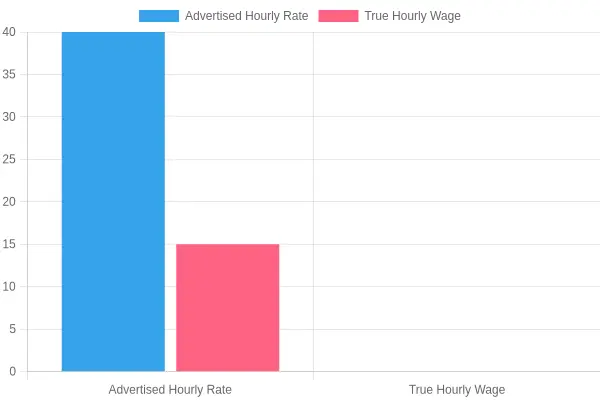
A rate card can look generous on paper – a flat $40 an hour, a healthy commission, a busy season – and still miss the number that reaches your account. The figure that tells the truth is your true hourly wage.
The Core Formula
The formula is short:
True hourly wage = Total earnings ÷ Total hours worked (including on-call standby time)
Two variables do most of the damage: the hours you are never paid for and the costs that come out of your own pocket. Ignore either one and the rate overstates what your time is worth.
What to Count as Earnings
Total earnings means every dollar that comes in, not just the advertised base: base pay, commission, hookup and winch fees, mileage charges, service-call payouts, tips. If it lands in your pocket, it belongs in the numerator.
What to Count as Hours
Tow truck driver pay gets diluted here. Total hours are more than the minutes spent dragging a vehicle onto the flatbed. They include:
- On-call standby time – the evenings, weekends, and holidays you cannot leave town
- Unpaid waiting time at impound yards, accident scenes, and dispatch queues
- Vehicle maintenance, washing, and roadside inspections
- Admin time for paperwork, invoicing, and job records
Costs to Deduct Before You Divide
Subtract the costs you absorb yourself: fuel; wear on winches, cables, chains, tires, and brakes; licensing, permits, insurance, and phone or dispatch fees. These line items are what separate an advertised rate from what you keep.
A Worked Example
| Line item | Amount |
|---|---|
| Gross monthly earnings | $4,800 |
| Fuel | -$900 |
| Equipment wear and maintenance | -$450 |
| Licensing, permits, insurance | -$350 |
| Phone and dispatch fees | -$100 |
| Net earnings | $3,000 |
| Paid towing hours | 120 |
| Unpaid on-call standby hours | 80 |
| Total hours | 200 |
| True hourly wage | $15.00 |
Why the Gap Is So Wide
A driver advertising $40 an hour can end up with an effective hourly rate of $15 once real costs and standby time enter the equation. That is not a rounding error; it is more than half the pay. The gap runs that wide because the job takes more time and equipment than a single tow suggests, and understanding the driver’s role in roadside emergencies helps make the case for fair standby compensation. Run the calculation before accepting a rate. Knowing your true hourly wage is what tells a good offer from a flattering one.
What a Tow Truck Driver’s Weekly Pay Really Looks Like
A paycheck looks like one lump sum and is usually a blend of several income streams. This chart breaks a typical week’s compensation into its four core components.
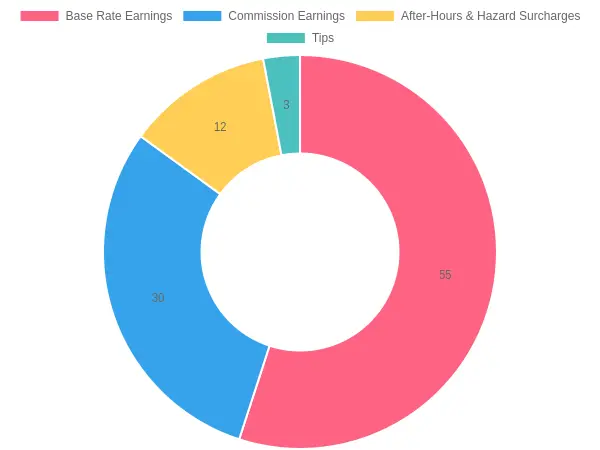
Breaking Down the Slices
| Pay Component | Share of Weekly Pay |
|---|---|
| Base Rate Earnings | 55% |
| Commission Earnings | 30% |
| After-Hours & Hazard Surcharges | 12% |
| Tips | 3% |
Caption: Base rate earnings anchor the majority of take-home pay; commission, after-hours surcharges, and tips make up the rest.
With base rate above half of total compensation, the hourly structure carries most of the weight, and unpredictable on-call hours chip away at that core number. Commission and hazard surcharges reward the volume and risk of the work, but they vary by nature. Tips, at just 3%, are a bonus rather than something to budget around.
Planning around any single slice, especially the smaller variable ones, is a risky way to run your finances. Reading the mix correctly is what gives you something concrete to negotiate with.
How Region and Market Shape Tow Truck Pay
Where you tow matters as much as how well you tow. Geography shifts every number on your check, from the tow truck base rate to the share you keep on each job, and knowing your market is what makes a negotiation realistic.
Dense Urban Markets: Volume Over Distance
In a big city, dispatch runs around the clock. High call volume lets a driver stack jobs back to back, and heavy competition keeps rates lean. A lower tow truck base rate usually pairs with a modest commission, because volume rather than margin carries take-home pay.
Smaller and Island-Based Markets: Fewer Calls, Longer Runs
Island and rural markets flip the equation. Weekly call volume may be a fraction of a city’s, while response distances stretch for miles along winding, weather-exposed roads. Fewer jobs means each tow has to earn more, so base rates climb and commission percentages tend to tip toward the driver. When one call can consume half a shift, planned coverage, prepped rigs, and clear protocols turn scarce runs into dependable income.
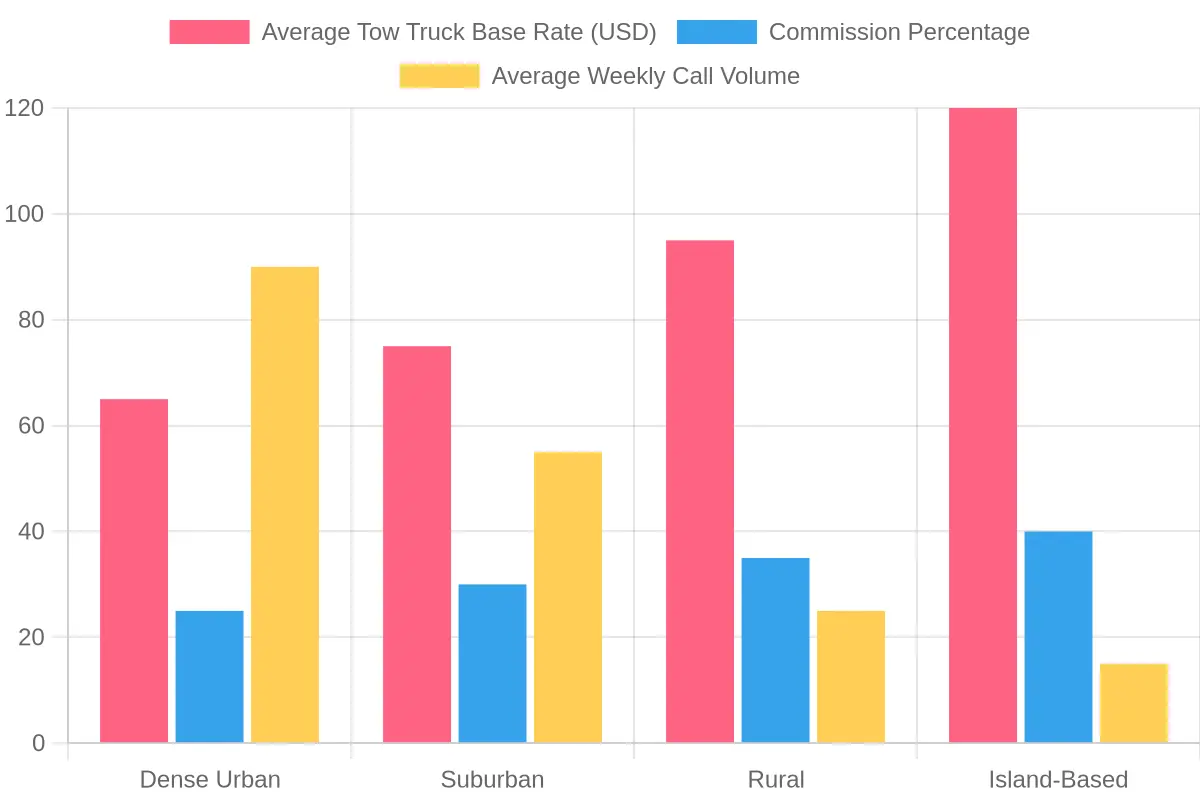
The Market Forces Behind the Numbers
Three forces define the range of tow truck driver pay by region:
- Competition: More operators create rate pressure; fewer operators create pricing power.
- Dispatch volume: A steady stream of calls rewards commission earners, while sporadic calls favor guaranteed flat rates.
- Local regulations: Licensing, insurance, and safety rules raise overhead, shaping both what customers are charged and what drivers are offered.
On-Call Reality Differs by Region
Regions treat on-call hours differently too. Urban fleets may rotate shifts on a predictable cadence; island fleets serving scattered communities often expect near-round-the-clock readiness. Unpaid standby then lands unevenly, eroding some drivers’ hourly wage more than others. Coordinating coverage through tested fleet emergency response strategies helps crews spread the burden instead of leaving it on one exhausted driver.
What This Means for Your Pay
Tow truck driver pay by region is never a single figure. Base rate, call flow, competition, and on-call obligation together decide whether long hours reward you or chip away at your effective hourly wage. Know which market you are in before you sign.
Frequently Asked Questions About Tow Truck Driver Pay
What is a typical base rate for a tow truck driver?
Base rates vary widely by region, operator, and vehicle class. Many light-duty drivers see a guaranteed floor somewhere between $15 and $25 per hour; heavy-duty operators, who handle larger rigs and more complex recoveries, often start higher, sometimes $25 to $35 per hour. The base is frequently a safety net blended with commission, so the headline number rarely tells the whole story of your take-home pay.
How is commission calculated for tow truck drivers?
Commission is usually a percentage of the revenue a tow generates, commonly landing between 20% and 40% for the driver. A $200 hook-up at a 30% commission puts $60 in your pocket before taxes. Some companies split the rate by service type, paying a bigger cut on motor-club or after-hours calls and a smaller one on contracted fleet accounts.
Are on-call hours usually paid?
On-call hours are often unpaid or paid at a reduced standby rate, which is one of the biggest sore spots in the industry. Many drivers must stay near the phone and ready to roll within minutes but earn nothing until a call comes in. That silent time cuts directly into your true hourly wage once total earnings are divided by the hours you were tethered to the job.
How can a driver protect against wage erosion from standby time?
Start by tracking your real working hours, on-call time included, so you can calculate a genuine effective hourly rate instead of trusting the advertised base. Then negotiate directly for standby pay, a minimum call-out guarantee, or a rotation that spreads on-call duties fairly across the crew. Understanding the role drivers play in roadside emergencies can strengthen your case when you push for fairer compensation.
Do pay models differ for heavy-duty versus light-duty towing?
Yes, and substantially so. Heavy-duty towing involves specialized equipment, longer recoveries, and higher liability, so pay structures lean more on hourly wages and larger flat fees than on per-call commission. Light-duty work is more volume-driven, so those drivers depend more heavily on commission and tips.
How do tips and surcharges fit into tow truck driver pay?
Tips and surcharges can add meaningfully to take-home pay, though they are rarely guaranteed. Customer gratuities reward fast, courteous service, and surcharges for after-hours calls, winch-outs, or storage are often shared with the crew. Confirm in writing how surcharges are distributed, since policies vary widely from one company to the next.
Bringing It All Together
Tow truck driver pay comes down to three components working together:
- Base rate – your guaranteed floor, paid regardless of how many calls come in.
- Commission – the upside that rewards you for volume, the type of tow, and the jobs you complete.
- On-call hours – the variable that stretches your availability, and your true hourly wage with it.
Looked at one at a time, each component makes an offer easy to misjudge. A high base rate feels reassuring until long on-call blocks drag the effective hourly wage down. A generous commission structure looks exciting until a slow stretch leaves you waiting for calls that never come. The full picture appears only when guaranteed pay, earned commission, and every hour on duty are combined.
Effective hourly wage is therefore the most accurate measure of what a tow truck driver takes home for their time. It captures the steady money, the performance money, and the hours given up to stay available, all at once. Tow work is unpredictable, which makes tracking every committed hour worth the effort. Before deciding between offers, run that one number on each. The offer with the smaller base rate can win once on-call time and commission are counted – or lose, depending on the details.
In short:
- Base rate, commission, and on-call hours all shape your pay.
- Effective hourly wage captures the real value of your time.
- Compare every offer using that one figure.
- Track your hours and pay closely so nothing surprises you at month’s end.
A simple log of every hour worked, every call completed, and every dollar earned turns pay from a guess into a fact, and it puts you in a stronger position to negotiate or to walk away from work that does not respect your time.