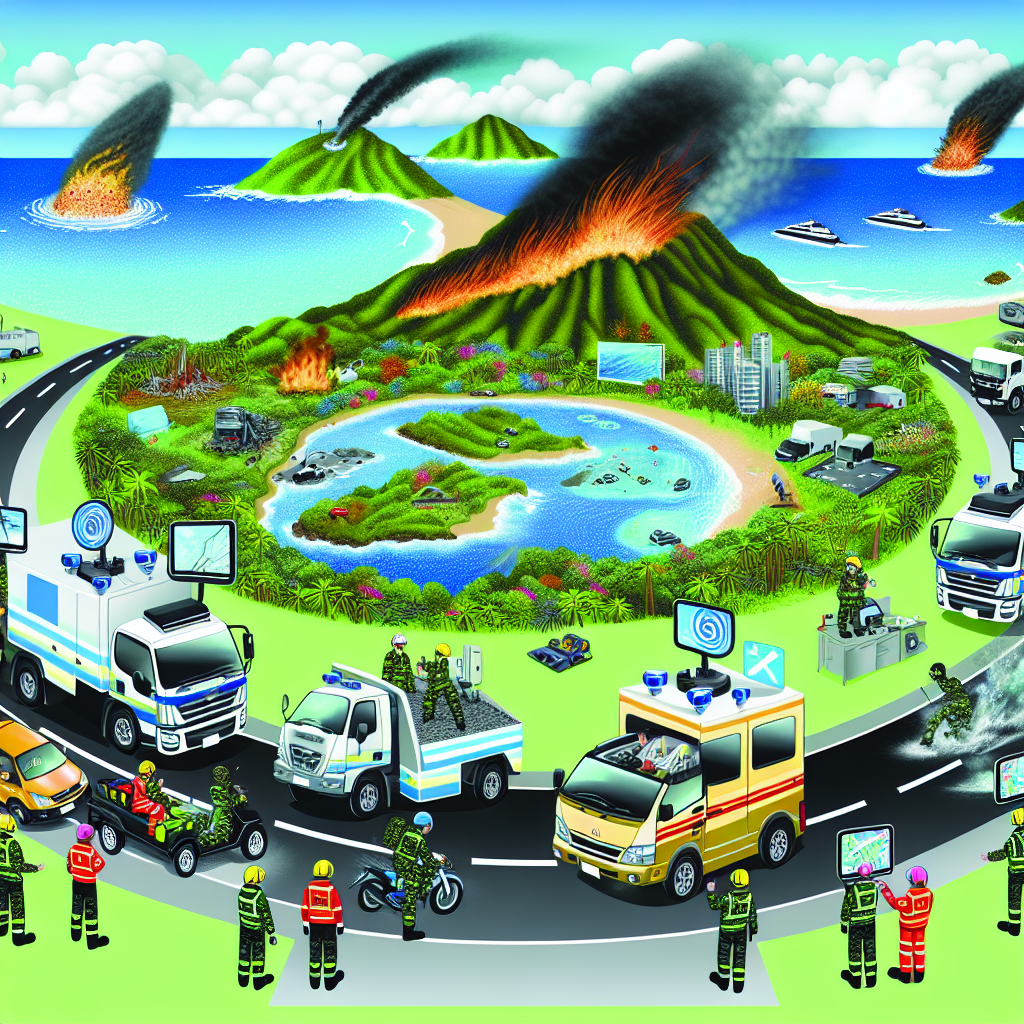
In the picturesque landscape of islands, where stunning views often mask the challenges of isolation, commercial fleets face a myriad of unique difficulties, particularly during emergencies. Whether navigating the unpredictable fury of natural disasters, managing civil disruptions, or handling roadside emergencies, fleets operating in these locales must remain vigilant and agile. When the unexpected strikes, the effectiveness of their response can mean the difference between chaos and order.
This article delves into the critical importance of a robust emergency preparedness strategy tailored for island commercial fleets, emphasizing how proactive planning equips these fleets with the tools necessary for effective response. Read on to discover essential strategies for building resilient operations that ensure safety, continuity, and efficiency during crises. Expect insights into training programs, technological aids, and strategic planning initiatives that form the backbone of successful fleets emergency response.
| Emergency Type | Description | Suggested Preparedness Strategies |
|---|---|---|
| Natural Disasters | Events such as hurricanes, earthquakes, and floods that can disrupt operations. | Develop evacuation plans and conduct drills. Maintain an emergency kit. |
| Civil Disruptions | Situations such as protests or strikes that may affect fleet operations. | Monitor news and social media for updates. Train drivers on alternate routes. |
| Roadside Emergencies | Incidents like breakdowns, accidents, or driver medical emergencies. | Implement a roadside assistance plan and provide drivers with emergency contact information. |
| Cross-Border Events | Issues related to border regulations and customs that can delay transit. | Keep up to date on customs regulations and train drivers accordingly. |
| Technology Failures | Outages or failures of essential technologies impacting operations. | Regularly maintain and update all technological systems. Have backup systems in place. |
Training Programs for Effective Emergency Response
Training programs for effective emergency response in commercial fleets must be strategic and continuous. Key components include:
- Onboarding: A robust onboarding process ensures new drivers are well-acquainted with emergency protocols. This foundational training instills critical skills early on, enabling drivers to respond swiftly to emergencies. As the proverb goes, “Expect the unexpected,” and preparedness starts from day one.
- Quarterly Refreshers: Regular training sessions every three months help reinforce essential skills and knowledge. These refreshers address changes in protocols, introduce new technologies, and ensure all team members remain on the same page. Remember, continuous improvement is vital: “Anything helps – it’s just a matter of how we use it.”
- Real Event Simulations: Conducting simulations of real emergency events gives drivers the opportunity to practice their skills in a controlled environment. This includes drills for handling roadside emergencies, navigating through natural disasters, and managing technology failures, enhancing their confidence and readiness to handle actual situations.
Implementing these training programs not only adheres to safety regulations but also builds a culture of preparedness within the fleet. It is imperative that companies invest in their drivers’ training as a proactive approach to ensure safety and business continuity.
Effectiveness of Training Programs in Emergency Response
Recent studies have demonstrated the significant impact of training programs on enhancing emergency response effectiveness for commercial fleets. Here are some key findings:
- Continuous Driver Education: Programs focused on continuous education have resulted in a remarkable 52% decrease in accidents, along with a 15% improvement in fuel efficiency [source].
- Structured CDL Training: Implementing structured Commercial Driver’s License (CDL) training can lead to a reduction in accident rates by 20-40%, showcasing the value of comprehensive initial training [source].
- Defensive Driving Courses: Participation in defensive driving courses is linked to a 21% reduction in accidents and a 63% decrease in traffic violations, emphasizing the importance of training in risk management [source].
- Driver Behavior Monitoring: The introduction of driver behavior monitoring systems is associated with a 30% reduction in incidents within the first year, demonstrating how technology can support training effectiveness [source].
- Fleet Safety Programs: Comprehensive fleet safety initiatives have achieved impressive results, with a 73% reduction in accidents and a 65% decrease in insurance claims [source].
These findings collectively underscore the critical role that robust and ongoing training programs play in enhancing fleet safety and responsiveness in emergency situations, making a strong case for investment in these initiatives.
The Role of Technology in Fleet Emergency Preparedness
In commercial fleet operations, the integration of advanced technology plays a critical role in emergency preparedness. Specifically, devices like Isaac Instruments tablets have transformed how fleets manage crises. Equipped with emergency buttons, these tablets connect drivers to a 24/7 security desk, facilitating immediate communication in critical situations. When drivers activate the emergency button, the system notifies dispatch and security teams, enabling them to relay vital information to emergency services promptly. This not only speeds up response times but also significantly enhances driver safety.
For example, Kriska Transportation Group (KTG) utilizes these tablets throughout their fleet. The emergency features ensure that drivers can swiftly request help or alert authorities when faced with an emergency, regardless of their location. This real-time capability is invaluable during situations like severe weather events, roadside accidents, or any scenario that compromises driver safety.
Moreover, technology in fleet management extends beyond just emergency buttons. Telecommunication tools, AI-powered platforms, and predictive maintenance systems contribute to a holistic crisis management strategy. For instance, telematics systems monitor driver behavior to identify risky practices, allowing for immediate intervention before incidents occur. Overall, the melding of technology and fleet operations is not just about enhancing productivity but is fundamentally about ensuring safety and responsiveness in emergencies.
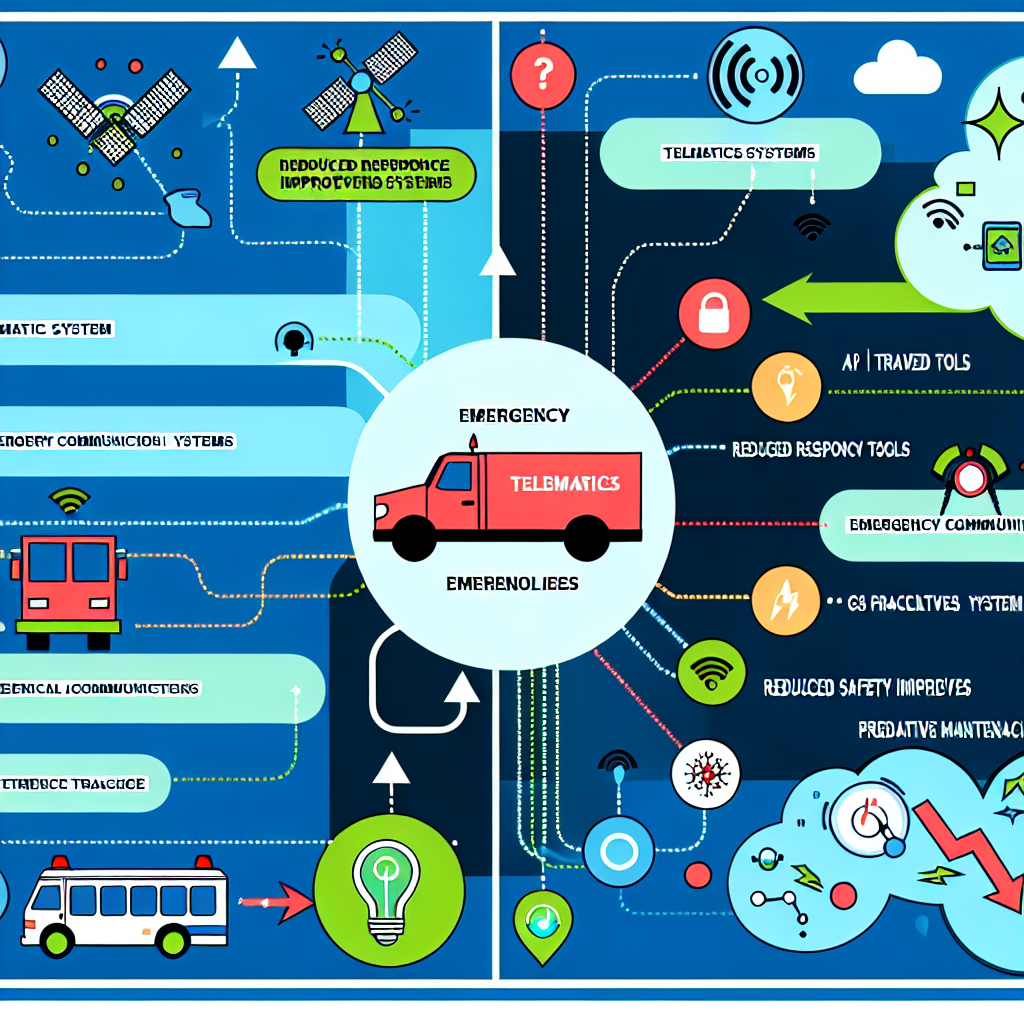
Visual representation of the effectiveness of different emergency technologies in commercial fleets, illustrating improvements in response times and safety metrics.
Planning for Emergencies
Effective emergency response planning for commercial fleets is essential in ensuring safety and minimizing losses during unforeseen events. A systematic approach to planning encompasses an evaluation of potential risks, resource allocation, effective communication, and a clear understanding of the five categories of emergencies: natural disasters, civil disruptions, roadside emergencies, cross-border events, and technology failures.
- Risk Assessment:
Conducting thorough risk assessments to identify potential hazards allows fleet managers to strategize effectively. Understanding the unique challenges that each of the emergency categories presents is crucial. For instance, natural disasters like hurricanes require evacuation routes, while technology failures necessitate backup systems. - Business Disaster Recovery Plan:
Every business should be prepared for disaster. As noted, “Expect the unexpected,” which highlights the unpredictable nature of emergencies. A comprehensive disaster recovery plan ensures that operations can either be maintained or resumed quickly. This plan should outline data backup procedures, alternative operational sites, and strategies to maintain customer service during disruptions. - Resource Allocation:
Efficient allocation of resources—including vehicles, personnel, and equipment—is vital for a swift response during emergencies. Structured planning enhances resource distribution, as emphasized by resources like the study on hierarchical planning for emergency response systems. - Communication Strategies:
Establishing clear communication protocols ensures that information flows smoothly during a crisis. As mentioned, strong communication is key; it prevents chaos from spreading and enables coordinated action. Regular training and drills help reinforce these communication methods among all team members. - Engaging Stakeholders:
Engaging stakeholders—including employees, emergency services, and community representatives—during the preparation of emergency drills improves their effectiveness. Collaborative drills foster a culture of preparedness and allow for insights into potential real-world challenges. - Continuous Improvement:
An ongoing commitment to improving emergency response plans is vital. After each drill or crisis, conduct post-event evaluations to identify successes and areas for improvement. Incorporating feedback into the emergency preparedness framework can enhance resilience.
In summary, an effective emergency plan is not just a one-time activity but a continuous process that evolves. By integrating these best practices and referencing the wisdom of preparedness, as Benjamin Franklin said, “By failing to prepare, you are preparing to fail,” commercial fleets can significantly enhance their ability to respond to emergencies.
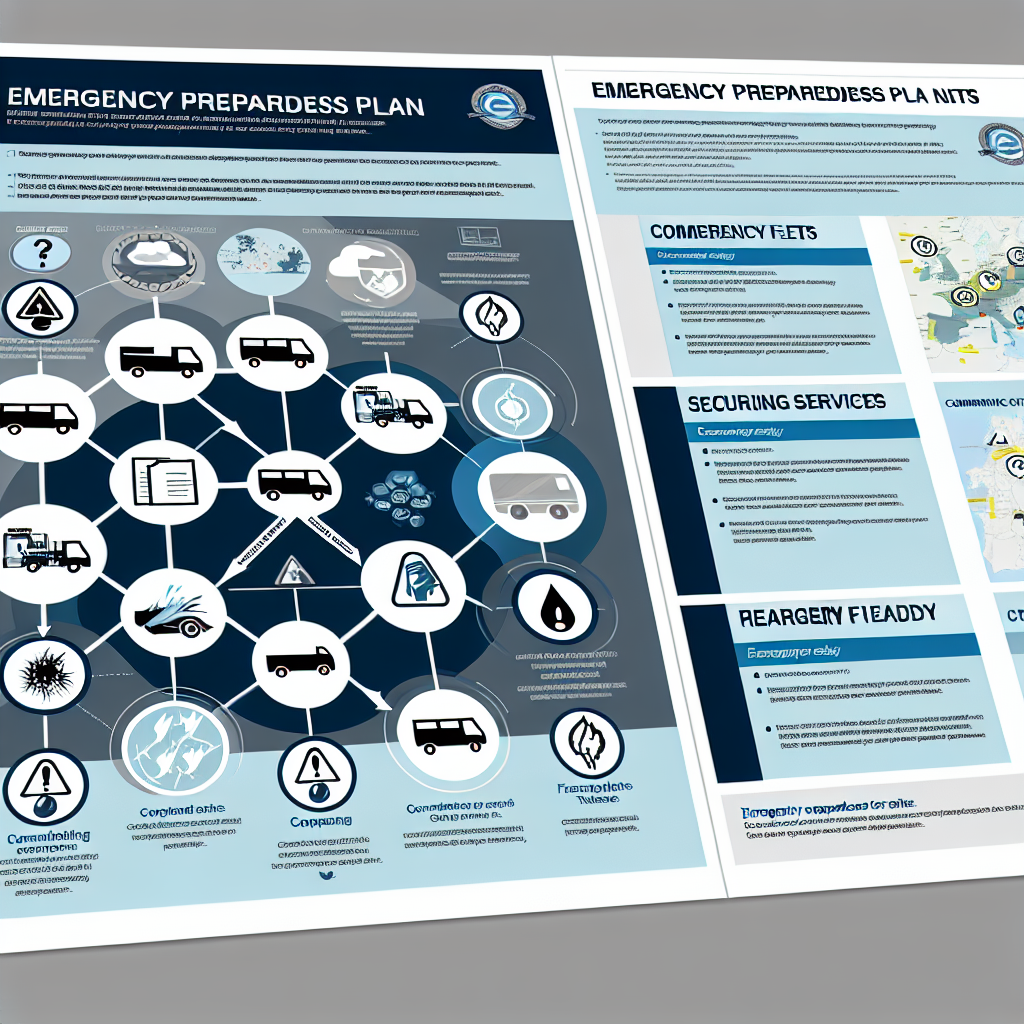
An illustration of an emergency preparedness plan for commercial fleets.
User Adoption of Emergency Preparedness Technologies in Commercial Fleets
Recent studies indicate a significant trend in the adoption of emergency preparedness technologies among commercial fleets. Here are the key findings:
-
Telematics Systems: A notable 83% of commercial fleet operators have implemented telematics systems. These systems have successfully tracked over 18 million risky driving incidents in 2023, leading to a reduction in auto accident claims and fraudulent activities. Additionally, the integration of dashcams with telematics has reduced disputed claims by 27%.
Munich Re -
Advanced Safety Technologies: More than half of Class 1-6 fleets have adopted essential safety technologies such as air disc brakes, forward collision warning systems, and backup cameras. However, newer technologies like side blind spot monitoring have seen limited adoption, with only 16% of fleets planning to implement these in the near future.
Work Truck Online -
Artificial Intelligence Integration: About 22% of fleets have incorporated AI tools into their safety programs, primarily through camera-based systems and real-time coaching aids. This aims to enhance driver behavior monitoring and overall fleet safety.
Work Truck Online -
Digital Tire Management Solutions: According to a 2024 survey, 62% of U.S. fleet managers have invested in digital tire management systems. These solutions help improve cost-effectiveness and sustainability by monitoring tire conditions and reducing operational expenses.
Continental AG -
Enhanced Visibility Technologies: Research is ongoing into retrofitting emergency vehicles with infrared (IR) camera technology, aimed at improving safety in low-visibility conditions. These upgrades promise to enhance driver awareness during emergencies.
arXiv
The findings indicate a growing readiness among fleets to adopt advanced technologies to improve their emergency preparedness and overall safety. While telematics and basic safety systems enjoy widespread implementation, factors like cost and integration challenges influence the adoption of newer technologies.
Conclusion
In conclusion, equipping commercial fleets with effective strategies for emergencies requires a focus on training, technology, and robust planning. Fleet managers should prioritize continuous training to develop essential skills among drivers and foster a culture of safety. Embracing modern technologies, such as real-time communication tools and monitoring systems, enhances operational effectiveness during crises. Additionally, meticulous planning prepares fleets to respond to various emergencies, thereby improving their overall responsiveness.
By taking proactive measures in training, technology integration, and comprehensive planning, fleet managers can enhance their response capabilities and better protect their drivers and assets. It is vital for fleet managers to regularly assess their strategies and adopt innovative practices that ensure resilience and readiness in the face of the unexpected. In doing so, we can promote a safer and more reliable fleet operation that is prepared for whatever challenges may arise.
Emergency Preparedness for Island Commercial Fleets
In the picturesque landscape of islands, where stunning views often mask the challenges of isolation, commercial fleets face numerous difficulties during emergencies. Whether navigating the unpredictable fury of natural disasters, managing civil disruptions, or handling roadside emergencies, fleets operating in these locales must remain vigilant and agile. When the unexpected strikes, the effectiveness of their response can mean the difference between chaos and order.
The Importance of Emergency Preparedness Strategy
A robust emergency preparedness strategy tailored for island commercial fleets is critical. Proactive planning equips these fleets with the tools necessary for effective response and ensures the safety, continuity, and efficiency of operations during crises. Expect insights into training programs, technological aids, and strategic planning initiatives that form the backbone of successful fleet emergency response. This is especially significant for island fleet management, where unique geographical challenges come into play.
Types of Emergencies: Understanding the Risks
| Emergency Type | Description | Suggested Preparedness Strategies |
|---|---|---|
| Natural Disasters | Events such as hurricanes, earthquakes, and floods that can disrupt operations. | Develop evacuation plans and conduct drills. Maintain an emergency kit. |
| Civil Disruptions | Situations such as protests or strikes that may affect fleet operations. | Monitor news and social media for updates. Train drivers on alternate routes. |
| Roadside Emergencies | Incidents like breakdowns, accidents, or driver medical emergencies. | Implement a roadside assistance plan and provide drivers with emergency contact information. |
| Cross-Border Events | Issues related to border regulations and customs that can delay transit. | Keep up to date on customs regulations and train drivers accordingly. |
| Technology Failures | Outages or failures of essential technologies impacting operations. | Regularly maintain and update all technological systems. Have backup systems in place. |
Training Programs for Effective Emergency Response
Training programs are foundational for effective emergency response in commercial fleets. Key components include:
- Onboarding: A robust onboarding process familiarizes new drivers with emergency protocols, enabling swift responses during crises.
- Quarterly Refreshers: Regular training every three months reinforces essential skills and knowledge amidst changing protocols and technologies, aligning with disaster response strategies.
- Real Event Simulations: Conducting simulations of real emergencies allows drivers to practice their skills effectively, enhancing readiness for actual situations.
Investment in these ongoing training programs cultivates a culture of safety and preparedness that is essential for emergency preparedness for commercial fleets.
The Role of Technology in Fleet Emergency Preparedness
Incorporating technology enhances emergency preparedness. Devices like Isaac Instruments tablets transform crisis management by enabling immediate communication with a 24/7 security desk through emergency buttons. This facilitates quick responses during critical situations, improving overall fleet safety and efficiency.
Planning for Emergencies: Structured Approaches
Effective emergency response planning is essential. A systematic approach includes understanding risks, resource allocation, robust communication strategies, and thorough engagement with stakeholders.
Key Steps in Planning:
- Risk Assessment: Identify potential hazards and strategize effectively.
- Business Disaster Recovery Plan: Prepare for disasters to maintain or quickly resume operations.
- Resource Allocation: Ensure efficient distribution of vehicles, personnel, and equipment.
- Communication Strategies: Establish clear protocols for smooth information flow during crises.
- Engaging Stakeholders: Collaborate with employees and emergency services during drills.
- Continuous Improvement: Evaluate drills or crises regularly to enhance preparedness.
Conclusion
Integrating training, technology, and planning is vital for effective emergency preparedness in commercial fleets. Fleet managers should prioritize continuous driver training and leverage technological advancements to bolster operational efficiency during emergencies. By taking proactive measures in areas such as island fleet management, managers will improve their emergency response effectiveness and protect their drivers and assets. Let us continue preparing for the unexpected and ensure our fleets are resilient in the face of crises.