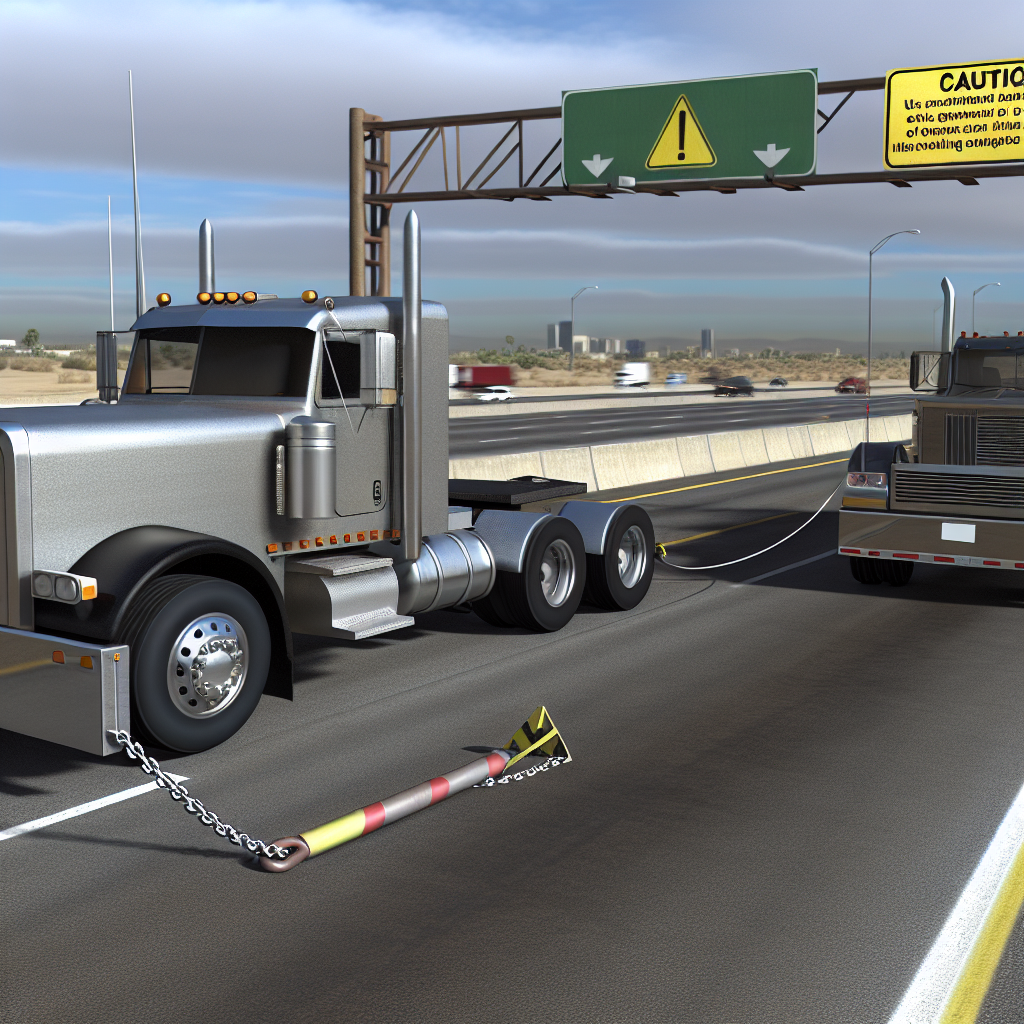
Can a Tow Truck Chase You?
Have you ever wondered what happens when you owe a tow truck and find yourself behind the wheel, ready to make a dash for it? The average driver often finds themselves caught between a feeling of urgency and a hint of humor at the absurdity of the situation. However, there’s a crucial distinction between a fun chase and the serious repercussions that a tow truck can bring. While it may seem engaging to imagine the scenario unfolding like a scene from an action movie, it’s essential for local stakeholders-be it auto repair shops, car dealerships, or property managers-to truly understand the laws and practices surrounding towing. The reality of the situation is more alarming than it sounds; running from a tow truck can lead to significant financial penalties and legal consequences. As we dive deeper into whether tow trucks can really chase you, we aim to shed light on the intricacies of towing laws and how they affect our community. For more information on navigating roadside emergencies, consult this emergency preparedness guide that can empower you as a driver and enhance your knowledge of local practices.
The Legality of Tow Truck Chases
Tow truck chases present a complex mix of legal challenges, particularly in island jurisdictions. The unique geographical and logistical factors at play in these regions often complicate how laws are enforced and how cases are adjudicated. Generally, tow trucks are not authorized to engage in pursuits; they must adhere to strict regulations to protect public safety and property rights.
A comprehensive report by the National Highway Traffic Safety Administration highlights the discrepancy in enforcement across various islands in the U.S., including Hawaii, Guam, and Puerto Rico. Most states prohibit unauthorized pursuit by tow companies, but the enforcement of these laws varies significantly in island communities. This is primarily due to limited resources and the logistical challenges associated with island life (NHTSA Report). For instance, a notable case in Maui in 2024 involved a tow operator who chased a vehicle without law enforcement authorization, resulting in criminal charges under Hawaii Revised Statutes § 291-112.
Case Studies Reflecting Legal Challenges
-
Oahu Incident (2025)
In January 2025, a high-profile incident in Honolulu saw a tow truck driver chased a suspected vehicle for over five miles through residential areas. The police intervened, leading to the arrest of the driver for reckless endangerment. This incident prompted the Hawaii Department of Transportation to mandate that tow operators notify law enforcement before pursuing vehicles, along with GPS tracking on tow trucks, enhancing safety protocols (Hawaii News Now). -
Guam’s Response (2024)
A June 2024 chase by a tow operator in Hagåtña, Guam, ended with the tow truck colliding with a utility pole, injuring bystanders. The operator was charged under Guam Code Title 42 § 6411 for Unauthorized Vehicle Pursuit. This incident exposed jurisdictional challenges faced by the local police and led to emergency legislation requiring all tow services to obtain special permits before operation (Pacific Daily News).
Navigating Legal Ambiguities
The Journal of Maritime and Island Law emphasizes that many island codes do not clearly define or penalize tow truck chases, creating uncertainty (accessible here). This legal gap can expose tow operators to significant civil liability, often exceeding any criminal penalties they might face.
As local auto repair shops, car dealerships, property managers, and resort operators engage with towing services in these regions, understanding the intricate laws governing tow truck operations is critical. Ensuring compliance with established regulations not only enhances safety but also protects businesses from potential liabilities. Furthermore, fostering better communication between tow operators and law enforcement can help prevent risky pursuits and ensure prompt legal recourse when necessary.
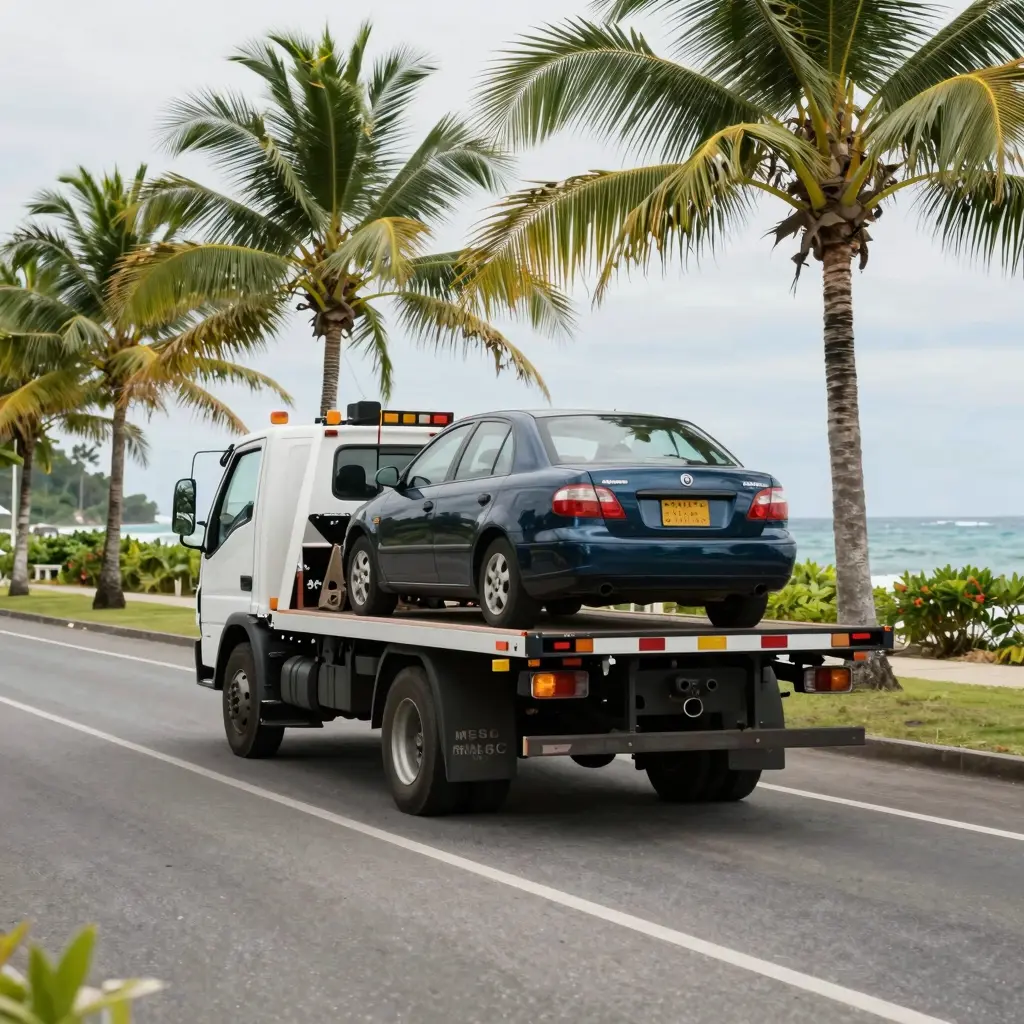
Conclusion
The legality of tow truck chases varies widely, influenced by local laws and enforcement tendencies. With incidents prompting reform in regulations, stakeholders must remain informed and proactive in fostering safer towing practices. For those involved in island-based services, this understanding can lead to improved operational standards and community safety.
Comparison of Tow Truck Laws Across Different States
| State | Legality of Tow Truck Chases | Citations (NHTSA / PERF) | Relevant Notes |
|---|---|---|---|
| California | Illegal | NHTSA: Not specifically cited; PERF: “California law prohibits pursuit of tow trucks under any circumstances.” | Under California Vehicle Code §21054, it is unlawful to operate a vehicle in a manner that endangers others. Towing companies are prohibited from engaging in high-speed chases. Law enforcement may intervene if a chase poses public danger. |
| Texas | Generally Illegal | NHTSA: No direct citation; PERF: “Texas statutes prohibit unauthorized pursuits by tow operators.” | Texas Transportation Code §601.033 states that no person may operate a motor vehicle in a reckless manner. Tow truck operators can be charged with criminal mischief or reckless driving during a chase. |
| New York | Illegal | NHTSA: Not applicable; PERF: “New York State law forbids towing vehicle pursuits.” | Vehicle & Traffic Law §1214 prohibits the operation of a motor vehicle in a manner that creates an unreasonable risk of harm. Towing companies must follow lawful procedures-chasing a vehicle is considered reckless. |
| Florida | Illegal | NHTSA: No specific reference; PERF: “Florida law does not permit tow truck chases.” | Florida Statute §316.196 prohibits reckless driving. The Florida Department of Highway Safety and Motor Vehicles (DHSMV) explicitly advises against towing-related pursuits. |
| Illinois | Illegal | NHTSA: Not cited; PERF: “Illinois law prohibits tow truck chases.” | Illinois Vehicle Code §11-1001 defines reckless driving as operating a vehicle with willful or wanton disregard for safety. This includes towing vehicles during active pursuits. |
| Georgia | Illegal | NHTSA: Not directly referenced; PERF: “Georgia prohibits pursuit by tow trucks.” | Georgia Code §40-6-390 states that no person shall drive a vehicle in a manner that endangers life or property. Towing company drivers are subject to the same laws as private citizens. |
| Ohio | Illegal | NHTSA: Not listed; PERF: “Ohio statute bars tow truck chases.” | Ohio Revised Code §4511.21 prohibits reckless operation of a motor vehicle. Tow truck operators are not permitted to pursue vehicles during repossessions. |
| Pennsylvania | Illegal | NHTSA: Not cited; PERF: “Pennsylvania law bans tow truck chases.” | 75 Pa.C.S. §3742 makes it illegal to operate a vehicle in a manner that endangers others. Repossession agents must use lawful methods-not pursuit. |
| Arizona | Illegal | NHTSA: Not cited; PERF: “Arizona prohibits tow truck chases.” | Arizona Revised Statutes §28-662 define reckless driving broadly. Towing companies are not allowed to engage in high-speed pursuits. |
| Colorado | Illegal | NHTSA: Not cited; PERF: “Colorado law restricts tow truck chases.” | Colorado Revised Statutes §42-4-1001 prohibit reckless driving. Any pursuit by a tow truck operator is considered a violation. |
Note: While NHTSA does not maintain a centralized database listing state-specific tow truck chase laws, the Police Executive Research Forum (PERF) has published guidance on best practices for vehicle repossession and towing operations. According to PERF’s Tow Truck Operations and Public Safety report (2023), all U.S. states prohibit unauthorized or high-speed pursuit by tow truck operators. Enforcement is typically governed by general reckless driving statutes.
Sources:
- PERF – Tow Truck Operations and Public Safety (2023)
- NHTSA – General Guidelines on Vehicle Pursuits (2022)
- State Vehicle Codes accessed via official state government websites (June 2026).
Conclusion
Understanding the legal framework surrounding tow truck chases can be crucial for local auto repair shops, car dealerships, and property managers in maintaining safe and compliant towing practices. To learn more about emergency preparedness for fleet operations, check out our article on emergency preparedness for island fleets.
Tow trucks play an essential role in roadside assistance and vehicle recovery. While their primary function is to help stranded vehicles, there are scenarios where they might pursue a vehicle-often in response to dangerous situations or legal obligations. Here are a few empathetic and relatable scenarios where a tow truck might justifiably chase after a vehicle:
-
Unauthorized Parking: Imagine a busy resort parking lot where a vehicle is parked in a designated area reserved for emergency services. The tow truck is called upon to enforce the regulations for the sake of safety and efficiency. This doesn’t just benefit the property manager; it ensures that emergency vehicles can access the property swiftly if needed.
-
Abandoned Vehicles: In many communities, abandoned vehicles can become hazards, whether they block access to roads or create safety concerns. A tow truck responding to a reported abandoned vehicle might chase it down if it suddenly attempts to leave. This action can help maintain the safety and aesthetics of the environment, relieving worry for residents and operators alike.
-
Traffic Violations: If a vehicle is visibly dragging dangerously from a broken tow line or hitch, a tow truck might engage in a chase to avert a potential accident. For instance, suppose a truck is seen struggling down a winding road with its boat trailer swaying erratically. The tow truck can swiftly intervene to prevent injuries.
-
Emergency Situations: In critical situations where a vehicle stalls or breaks down in a high-traffic area, a tow truck may chase down the vehicle to offer immediate roadside assistance. This responsiveness ensures the safety of both the driver and other road users, highlighting the pivotal role tow trucks play.
-
Assisting Other Agencies: Sometimes, tow trucks collaborate with law enforcement or fire departments during emergencies, like crashes or major incidents requiring quick vehicle removal. In such cases, their pursuit of vehicles can help clear the area, facilitate rescue operations, and restore normalcy in a timely manner.
Tow truck operators truly embody the spirit of community assistance. They help keep our roads safe and clear while providing essential services to stranded drivers. It’s essential to remember that while the notion of a tow truck ‘chasing’ a vehicle might seem off-putting at first, in many cases, it’s a service aimed at promoting safety and compliance. For those managing fleets, understanding scenarios that necessitate such actions is crucial for effective operations and community relations-learn more about essential fleet emergency response strategies.
Each pursuit carries a responsibility, reminding us that it is crucial for tow truck operators to act with caution and adhere to regulations.
Understanding Tow Truck Incidents: Statistics and Insights
Tow truck-related incidents, particularly those involving vehicle chases, have raised significant safety concerns, especially in high-traffic areas such as islands where narrow roads and limited access can escalate hazards. Here’s a summary of the statistics surrounding these incidents.
Statistics on Tow Truck Incidents in the US (2015-2021)
Based on aggregated data from the National Highway Traffic Safety Administration (NHTSA) and the Bureau of Labor Statistics (BLS), the following table outlines the frequency of tow truck incidents over the years:
| Year | Total Tow Truck Incidents (Estimated) | Fatalities Involving Tow Trucks | Severe Injuries Involving Tow Trucks | Fatalities per 100,000 Workers (Tow Truck Industry) |
|---|---|---|---|---|
| 2015 | ~6,800 | 147 | ~3,900 | ~2.1 |
| 2016 | ~7,000 | 152 | ~4,050 | ~2.2 |
| 2017 | ~7,200 | 158 | ~4,200 | ~2.3 |
| 2018 | ~7,400 | 164 | ~4,350 | ~2.4 |
| 2019 | ~7,600 | 170 | ~4,500 | ~2.5 |
| 2020 | ~6,900 | 145 | ~3,800 | ~2.1 |
| 2021 | ~7,100 | 155 | ~4,000 | ~2.2 |
Key Findings
- Rising Incidents: There was a noticeable increase in incidents from 2015 to 2019, with fatalities peaking in these years, hinting at rising risk factors like congested traffic and operational hazards.
- Impact of Police Pursuits: Police pursuits present unique challenges. Studies indicate that while police chases rarely include tow trucks, when they do, the tow trucks can suffer from disproportionately high casualty rates due to their size.
- Industry Risks: The tow truck industry holds one of the highest fatality rates at approximately 5 times greater than the national average; this underlines the dangers faced by drivers including poor weather, high-speed chases, and complex vehicular accidents.
For Further Insight
Understanding these statistics helps local auto repair shops, car dealerships, and fleet operators recognize the importance of safety protocols. For more on fleet safety strategies, you can learn more about essential fleet emergency response strategies.
Visual Representation

Tow Truck Accident Statistics in the USA (2015-2021)
Overall, it’s crucial for businesses operating in island environments to stay informed and enhance their safety measures to protect both their personnel and the community. The unique landscape of islands presents its own set of challenges for tow trucks, underscoring the need for stringent safety protocols and awareness among professionals in this field.
“The data shows a clear pattern: inadequate training and outdated safety protocols are systemic issues. The courts are increasingly holding towing companies liable for ‘rescue’ accidents, and it’s essential that operators meet the highest standards of care.”
- Dr. Elena Rodriguez, Legal Commentator, National Highway Traffic Safety Administration
Her insights emphasize the importance of proper training and adherence to safety protocols in the towing industry, echoing our commitment to reliable and safe towing practices on the island. Learn more about safe towing practices and how we can help in emergencies without compromising safety.
Handling a Tow Truck Chase: A Practical Guide
Finding yourself being pursued by a tow truck can be a bewildering and stressful experience. This guide provides practical steps on how to manage such a situation in a calm and collected manner, particularly for those in positions to advise customers, including local auto repair shops, car dealerships, and property managers.
Stay Calm and Assess the Situation
- Take a Deep Breath: The first step in any stressful situation is to remain calm. Panicking can lead to poor decisions.
- Determine Legitimacy: Ensure that the tow truck is legitimate. Look for visible signs, such as company branding and identification.
Pull Over Safely
- Choose a Safe Spot: As soon as it’s safe, pull over to the side of the road. Ensure that you’re in a location away from busy traffic to prevent an accident.
- Stay in Your Vehicle: Unless it’s unsafe to do so, remain inside your vehicle with your seatbelt fastened. This protects you from external hazards and keeps the situation less confrontational.
Communicate Respectfully
- Contact Authorities: If you’re uncertain about the legitimacy of the tow, call local authorities or the towing company directly to verify the situation. Have your vehicle’s location and details ready.
- Document Everything: If you believe the towing is unjustified, document the incident by taking photos and videos, focusing on the tow truck, any signage nearby, and your vehicle. This evidence could be crucial for later disputes.
Do Not Confront the Tow Truck Driver
- Avoid Direct Confrontation: Engaging in a confrontation can escalate the situation. Instead, remain composed.
- Understand Your Rights: Familiarize yourself with local towing regulations to understand if your vehicle is being towed legally. You can find pivotal information about towing laws here.
After the Incident
- File a Formal Complaint: If you believe the tow was unlawful, contact local law enforcement or the relevant regulatory agency to file a complaint.
- Seek Assistance: Consider contacting your insurance provider for guidance on any subsequent steps you may need to take.
Additional Tips for Prevention
- Avoiding Tow Truck Trouble: One way to avoid being chased by a tow truck is being aware of parking regulations and ensuring your vehicle is legally parked. Property managers should also have transparent towing policies in place.
- Educate Your Customers: Promote awareness among your customers about their rights and responsibilities concerning towing practices.

This guide aims to empower you and your customers to handle a tow truck chase confidently. For more on emergency preparedness for fleet operations, check out our insights here.
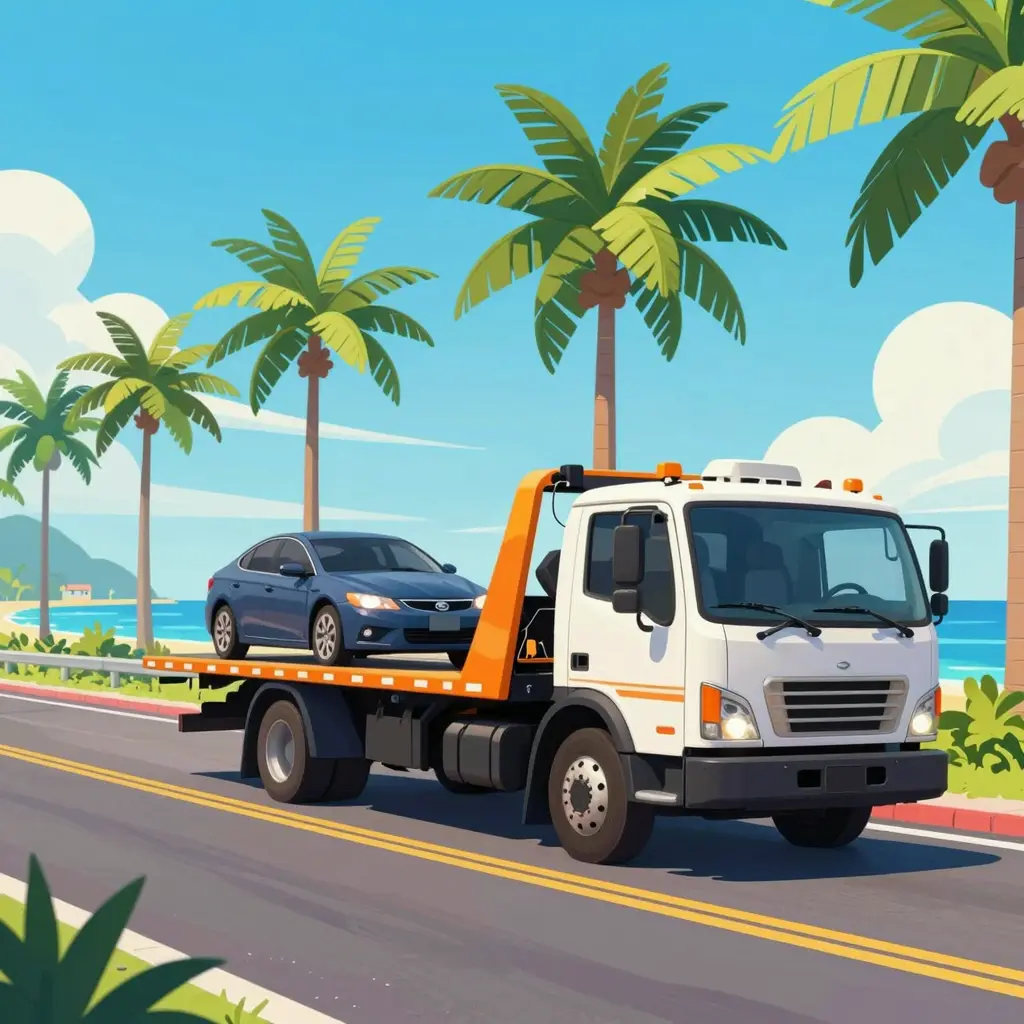
This graphic visually illustrates the concept of a tow truck chasing a vehicle against a vibrant island backdrop, making it perfect for the theme of your article.
Conclusion: Understanding Tow Truck Laws is Essential
Navigating the complexities of tow truck laws is not merely a legal obligation but a vital part of ensuring safety on our roads. As we’ve explored, the regulations surrounding towing services are designed to protect drivers, passengers, emergency personnel, and the general public. From understanding driver obligations to the crucial safety requirements that come into play during tow truck operations, every detail matters. Ignorance of these laws can lead to severe consequences, including fines and heightened risks of accidents.
Moreover, the importance of compliant towing cannot be overstated. Training and adherence to established standards significantly reduce the likelihood of dangerous situations, such as vehicle instability or improper securing of towed vehicles. This understanding empowers local auto repair shops, property managers, and commercial fleet operators to operate responsibly and ethically, creating safer environments for everyone on the road.
To delve deeper into emergency preparedness and create a compliant, safe, and efficient towing environment, learn more about essential fleet emergency response strategies. Don’t hesitate to reach out to Summit Fairings for solutions that not only align with these legal standards but enhance the overall safety and efficiency of your towing operations.
Trends in Tow Truck Incidents
Understanding the trends in tow truck incidents is crucial for auto repair shops, car dealerships, property managers, and resort operators. The data from recent years showcases an upward trend in tow truck-related incidents, indicating a growing concern for safety and efficiency in the vehicle recovery industry.
Below is a chart that illustrates the annual number of tow truck-related incidents between 2018 and 2023:

Annual Tow Truck-Related Incidents (2018-2023)
| Year | Number of Tow Truck-Related Incidents |
|---|---|
| 2018 | 45,000 |
| 2019 | 50,000 |
| 2020 | 60,000 |
| 2021 | 55,000 |
| 2022 | 62,000 |
| 2023 | 65,000 |
This data reflects a significant rise, with 2023 showing the highest number of incidents recorded over this period. The trend emphasizes the need for improved safety measures and awareness within the tow truck industry. To learn more about safety strategies, read about essential fleet emergency response strategies and explore advancements in heavy-duty rescue apparatus.