Introduction
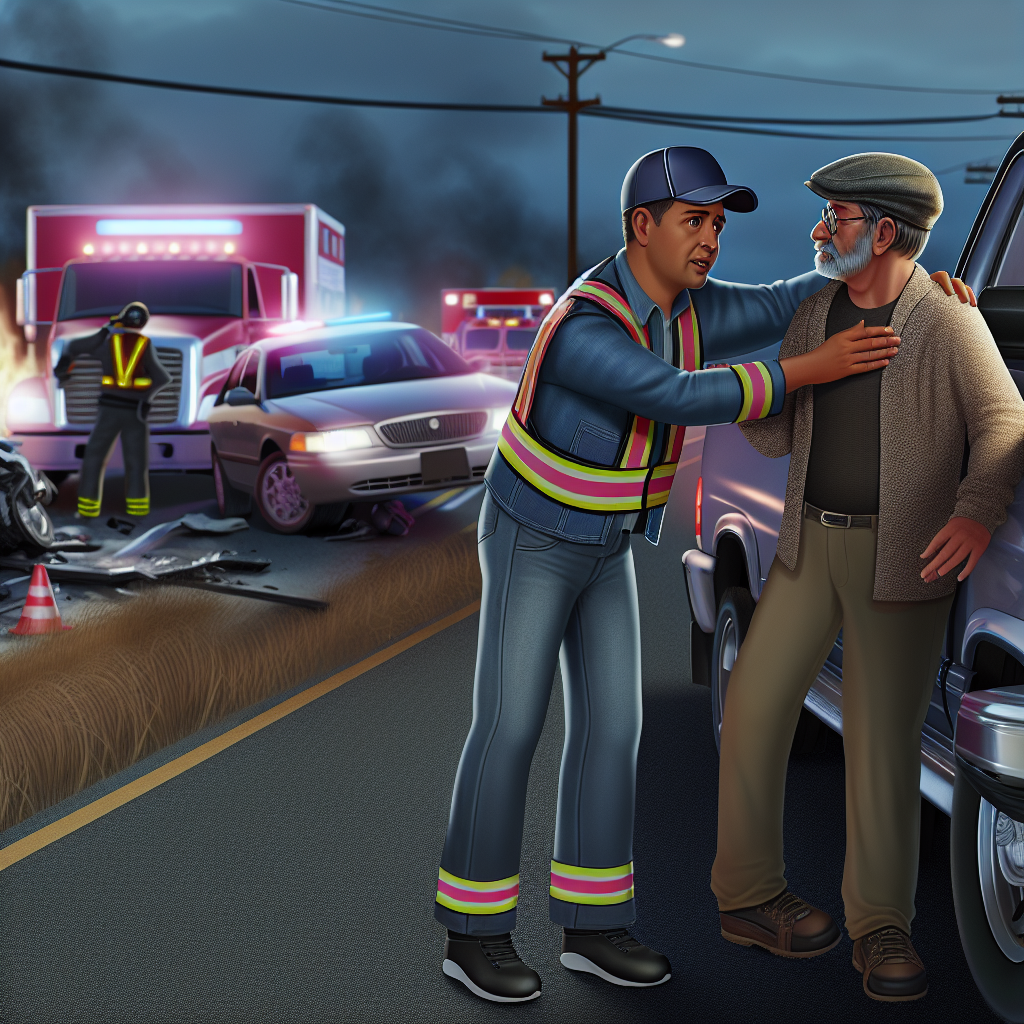
Being stranded on the side of the road is one of the most frustrating experiences a driver can face. Whether it’s the sudden silence of a dead battery or the unexpected sight of a flat tire, the anxiety can be overwhelming. You might find yourself questioning how you’ll get back on the road, especially in the island setting where resources can be limited. This frustration amplifies when you’re unsure if a tow truck will take you home or just to a repair shop. Your mind races with logistical challenges: What if there’s no nearby repair service? What are the costs involved? This article seeks to clear up the confusion about tow truck services, their limitations, and what options you have when stranded on our beautiful but remote islands. Understanding whether a tow truck can take you home not only equips you with the knowledge to effectively manage roadside emergencies but can also save you time and stress when you’re in a tough situation. For emergency preparedness for island fleets and effective roadside assistance strategies, it’s vital to know your options before an emergency strikes.
Overview of Services Provided by Tow Trucks
Tow trucks play a crucial role in assisting drivers in distress, offering a range of services that can relieve stress and ensure safety on the road. Here’s a detailed overview of the different services provided by tow trucks:
-
Emergency Towing: This is the primary service that most people associate with tow trucks. Whether your vehicle has broken down, been involved in an accident, or is simply inoperable, tow trucks can safely transport your vehicle to a nearby repair shop or your home. This immediate assistance is vital for drivers who find themselves stranded, providing peace of mind and a helping hand.
-
Roadside Assistance: In addition to towing, many tow truck companies offer roadside assistance services. These include:
- Flat Tire Changes: If you get a flat tire, tow truck operators can help replace it with your spare tire, getting you back on the road quickly.
- Jump-Starts: If your battery is dead, professionals can provide jump-start services, helping you continue your journey without the need for a tow.
- Fuel Delivery: Running out of gas happens to the best of us. Tow truck services often include fuel delivery, bringing just enough gas to get you to the nearest station.
- Lockout Services: Accidentally locking your keys in the car can be frustrating. Tow truck drivers can assist with opening your vehicle without causing damage.
-
Specialized Towing: Some situations require specialized equipment. Tow trucks are equipped to handle:
- Flatbed Towing: This method is ideal for vehicles that cannot be towed using conventional methods-whether due to damage or the nature of the vehicle, flatbed towing ensures a safe ride without additional damage.
- Heavy-Duty Towing: For larger vehicles like trucks and RVs, heavy-duty tow trucks are necessary. They can tow vehicles that regular trucks cannot manage.
-
Assistance for Commercial Vehicles: Tow truck services also cater to commercial fleets, ensuring that vehicles are back on the road as soon as possible, and minimizing disruption to service for fleet operators.
The services provided by tow trucks are indispensable for drivers navigating the unpredictable nature of the road. Their empathetic approach ensures that help is just a call away, making a potentially stressful situation manageable and safe. For fleet operators or car dealerships on the islands, maintaining a reliable towing service is essential for operational efficiency-learn more about emergency preparedness for island fleets. Additionally, understanding the essential strategies for emergency response can enhance overall safety (discover essential fleet emergency response strategies).
Comparison of Tow Truck Types
| Tow Truck Type | Capacity | Typical Uses |
|---|---|---|
| Light Duty | Up to 10,000 lbs | Passenger cars, SUVs, motorcycles, and small trailers. Ideal for roadside assistance and city towing. |
| Medium Duty | 10,001 to 26,000 lbs | Larger vehicles such as vans, small buses, and delivery trucks. Suitable for towing heavier loads and equipment. |
| Heavy Duty | Over 26,000 lbs | Fully loaded semi-trucks and large commercial vehicles. Used for large scale towing and road recovery operations. |
This table provides a clear understanding of what type of tow truck may be required based on the vehicle type and situation at hand. For further insights into roadside assistance, consider reading about the importance of emergency preparedness for island fleets.
If you’d like to explore more about specific fleet safety strategies, check out our piece on essential emergency response strategies for fleets.
Now that we have a comprehensive look at tow truck types, you can make informed decisions when encountering towing scenarios or managing a fleet in various situations.
Towing services are an essential lifeline for drivers facing vehicle breakdowns or accidents. Understanding local tow truck service usage in our area reveals valuable insights for auto repair shops, dealerships, property managers, and fleet operators.
Frequency of Tow Truck Usage
Recent statistics suggest that the average distance towed per incident is 12 miles in the United States. This distance may vary based on local conditions and the specific service provider, but it serves as a general benchmark for those considering towing services. For fleet operators and local businesses, knowing this average can help in planning logistics and emergency responses.
Average Wait Times for Towing Services
In areas such as Atlanta, wait times for a tow truck can range from 30 to 60 minutes depending on several factors, including traffic conditions and time of day. In some residential locales, average wait times may be approximately 30 to 45 minutes. This variability emphasizes the importance of having reliable towing services nearby. Ensuring that your fleet or guests are connected with reputable towing services can alleviate the stress of breakdowns and improve overall satisfaction.
Insights for Local Businesses
For local auto repair shops, car dealerships, and property managers, it’s critical to establish partnerships with towing services that provide prompt responses. Quick and reliable towing not only aids in getting clients back on the road faster but also contributes to positive customer experiences, fostering loyalty.
If you want to ensure you’re prepared in case of a roadside emergency, consider reviewing your emergency preparedness strategies to better serve your community.
In conclusion, understanding towing service statistics, including average wait times and distances towed, equips local businesses with the necessary information to efficiently manage roadside emergencies. By leveraging these insights, businesses can optimize their operations and provide better services to their clients and customers.
Real-Life Experiences with Tow Truck Services
Maria’s Flat Tire Crisis:
Maria, a resident of Desoto, faced a flat tire during a late-night drive. Panic gripped her as she realized she was stranded miles away from home, especially with the dark creeping in. Remembering a reliable 24/7 towing service she had saved in her phone, Maria placed a quick call. The tow truck arrived promptly, and her anxiety soon turned into relief. The driver, equipped with a friendly demeanor and professionalism, assured her everything would be okay. By the end of the evening, Maria was back at home, feeling thankful for the reliability of the service and how quickly they responded to her distress signal. This experience reinforced the importance of having trusted towing services available, especially during emergencies. For more on emergency preparedness in fleet services, check out this article.
Rob’s Roadside Assistance:
Rob had a similar experience when his car broke down on a remote country road during a family trip. With three tired kids in the back seat and darkness settling in, he felt a mounting sense of dread. After searching online for nearby towing services, he called a locally recommended company that not only promised a quick response but also reassured him they could accommodate his family’s needs. Within half an hour, a tow truck arrived, and the friendly driver took the time to check if everyone was comfortable and warm in the meantime. Rob felt immense relief as they loaded the car onto the truck. The driver even shared tips on local repair shops, transforming a stressful situation into a learning experience. For fleet managers, having reliable roadside assistance is crucial, as discussed in this essential response strategies article.
Challenges and Triumphs for Tow Truck Drivers:
Through various accounts, the stories of tow truck drivers themselves reveal the often-unseen challenges and emotional strain of the profession. For example, a Maryland driver faced a life-threatening situation when a woman shot at him while he was performing his duties. Thankfully, he was unharmed, but the incident highlighted the dangers on the job. This illustrates how drivers risk their safety while providing essential services. Other drivers recounted instances where they had to navigate rough weather and hazardous conditions to ensure stranded vehicles were towed safely – an experience that often bonded them with grateful customers on a deeper level.
These personal anecdotes showcase the indispensable role that tow truck services play in ensuring safety and peace of mind for drivers. Whether you’re a local auto repair shop or a property manager, knowing about these experiences can improve how you relate to clients in distress and reinforce the value of reliable roadside assistance networks when emergencies arise.
Effective Tips for Using Tow Truck Services
When you find yourself in need of a tow truck, it’s essential to handle the situation calmly and efficiently. Here are some practical tips to ensure a smooth experience:
- Stay Calm and Safe: If your vehicle breaks down, find a safe location to pull over and turn on your hazard lights. This visibility helps other drivers see you and can reduce the risk of accidents.
- Gather Information: Before calling for assistance, collect necessary details, including your exact location, a description of your vehicle, and the issue you’re facing. Having this information ready can expedite the process. Learn more about emergency preparedness for island fleets.
- Use Reliable Services: Choose a reputable tow truck service. Research companies that are known for their quality of service. Check online reviews or ask for recommendations from locals or businesses in the area.
- Communicate Clearly: Be specific about the problems you’re experiencing with your vehicle and your precise location to ensure the tow truck can arrive without delay. Miscommunication can lead to unnecessary wait times.
- Verify Costs Upfront: Always ask about the estimated cost of the tow before services begin. Make sure there are no hidden fees, especially for towing over longer distances or during off-peak hours.
- Stay with Your Vehicle: If it’s safe, remain inside your car while waiting for the tow truck. This keeps you out of harm’s way and allows you to protect your belongings. Learn more about essential fleet emergency response strategies.
- Prepare for Different Conditions: If you’re in a remote area or during inclement weather, ensure you have everything you may need, such as blankets, water, and a charged cell phone.
- Trust the Professionals: Once the tow truck arrives, trust the driver’s expertise. They are trained to handle various situations safely and effectively, so follow their instructions.
By following these tips, you can better navigate the challenges of needing a tow truck and ensure a safer and more efficient experience for yourself and others on the road.
“When you need help on the road, quality and speed make all the difference.”
- Expert from Superior Transport Services
In times of distress, having a reliable tow truck service can be a lifesaver. As this expert quote illustrates, the essence of roadside assistance is captured in not just availability, but also in the quality of service provided, ensuring that every driver feels supported and secure during vehicle emergencies.
Towing situations can be complex and sensitive, especially for property managers and fleet operators working in island communities. Effective management of towing issues is essential for maintaining order and ensuring safety. Here are some responsibilities and best practices to consider when facing these challenges.
Responsibilities of Property Managers
- Legal Understanding:
- Property managers must familiarize themselves with local towing laws, which often stipulate specific responsibilities regarding unauthorized vehicles. For instance, property managers hold the legal right to remove unauthorized vehicles provided there is proper signage indicating the parking policy.
- Clear Communication:
- Effective communication with residents and guests about parking rules is imperative. This includes providing clear instructions on where parking is allowed and the implications of violating those policies.
- Professional Partnerships:
- Contracting reliable towing services ensures that towing is executed professionally and safely. Establishing a relationship with a reputable towing company helps in handling emergencies swiftly and efficiently. Resources like this article on safe and legal towing practices are valuable in understanding the necessary protocols.
Best Practices for Fleet Operators
- Maintenance of Vehicles:
- Regular inspections and maintenance can prevent roadside emergencies that necessitate towing. Fleet operators should ensure vehicles are well-maintained to reduce risks associated with towing.
- Emergency Preparedness:
- Developing an emergency response plan that encompasses towing scenarios is crucial. Fleet operators can review their strategies in resources such as essential fleet emergency response strategies.
- Training for Drivers:
- Training drivers on how to handle emergency situations, including dealing with breakdowns or towing, can mitigate risks and ensure a smoother resolution during such incidents.
- Documentation and Reporting:
- Keeping accurate records of towing incidents can provide valuable information for future reference and policy adjustments. This practice can also help in disputes that might arise from towing decisions.
Addressing Challenges with Empathy
Both property managers and fleet operators should approach towing issues with empathy. Towing decisions can significantly impact individuals, and handling such situations with sensitivity can help mitigate frustrations. Engaging with community members respectfully and transparently can foster a more positive relationship and improve compliance with parking regulations.
Incorporating these practices not only enhances the management of towing issues but also contributes to a safer and more organized environment for all who utilize the facilities. Properly enforcing towing policies allows property managers and fleet operators to maintain order while respecting the rights of residents and guests.
Ready for the Unexpected: Explore Summit Fairings
As motorcycle enthusiasts, we know that the thrill of the ride is coupled with the necessity for safety and preparedness. Ensuring you have the right motorcycle accessories can be a game-changer in an emergency situation. From protective gear to essential first-aid kits, being prepared can literally save your life on the unpredictable roads.
When you’re equipped with high-quality accessories, such as those offered by Summit Fairings, you not only enhance your safety but also ensure that your motorcycle performs at its best. Summit Fairings is known for their affordable and well-fitting fairings, which can protect your bike while you navigate through unforeseen challenges.
Now is the time to gear up! Don’t wait for an emergency to realize the importance of having the right equipment. Explore the range of motorcycle accessories at Summit Fairings and invest in your safety today! Be prepared, ride safe, and enjoy the journey ahead.