Starting your own tow truck business in an island community can be a rewarding venture that serves as a lifeline for residents in times of need. Imagine being that dependable service that ensures stranded motorists are back on their way, while also playing a critical role in the local economy. In island-centric areas, the demand for such services tends to be robust due to the often limited number of repair facilities and the unique challenges posed by transportation logistics. This business not only offers lucrative opportunities with steady client demands, but it also fosters a sense of community as you engage with and support your neighbors during their times of distress.
Furthermore, partnerships with local auto repair shops and car dealerships can vastly enhance your service offerings and profitability. By becoming a preferred provider for these businesses, you can create a robust referral pipeline, ensuring a consistent influx of clients who require towing services. Such collaborations not only ensure mutual growth but also strengthen local business networks within the community. So, if you’re ready to explore how you can successfully establish your own tow truck business, let’s dive into the essential steps for making this rewarding venture a reality.
The Importance of Conducting Market Research for a Tow Truck Business
Starting your own tow truck business can be both rewarding and challenging. To lay a strong foundation, conducting thorough market research is crucial. Here’s why:
Local Demand
Understanding the local demand for towing services is essential. Insights reveal that there are approximately 55,000 vehicles towed daily in the U.S. alone, underscoring the robust need for towing services. By analyzing local demand, you can position your business to fulfill this necessity effectively.
Competition Analysis
Another vital part of your market research involves assessing the competitive landscape. Knowing who your competitors are, their pricing strategies, and their service offerings can help inform your own business strategy. For instance, understanding how many towing companies operate in your area will enable you to identify any gaps in services or pricing that you might exploit to differentiate your offerings.
Identifying Target Customers
It’s also essential to identify your target customers. For a tow truck business, this could include:
- Property managers who need reliable towing for unauthorized parked vehicles.
- Fleet operators who require regular towing services for their vehicles in distress.
- Local auto repair shops that need vehicles towed from accident sites.
- Car dealerships looking to manage inventory movement or recover stolen vehicles.
By focusing on these customer segments, you can tailor your marketing efforts and service offerings to effectively meet their needs.
Methods for Conducting Market Research
Here are some effective methods for conducting market research in the towing industry:
- Surveys: Send out questionnaires to local businesses and residents to gauge the demand for towing services.
- Focus Groups: Organize discussions with potential customers to gather insights into their needs.
- Online Research: Utilize social media platforms and forums to understand customer sentiments and trends.
- Competitive Analysis: Analyze competitor websites and services to identify strengths and weaknesses.
- Local Partnerships: Collaborate with local businesses to understand their towing needs better.
For a deeper understanding of emergency preparedness in the towing sector, consider visiting this resource. Conducting detailed market research will not only establish a clear direction for your towing business but will also empower you to adapt and thrive in an evolving market.
Comparison of Tow Truck Types
When starting your own tow truck business, it’s essential to understand the different types of tow trucks available. Each type comes with its own pros, cons, best use cases, and initial costs. Here’s a comparison table to help you make an informed decision:
| Tow Truck Type | Pros | Cons | Best Use Cases | Initial Costs |
|---|---|---|---|---|
| Flatbed | – Safe for all types of vehicles |
- Versatile use, especially for luxury vehicles
- Minimal risk of vehicle damage | – More expensive to purchase and operate
- Requires more space for storage | – Luxury cars
- All-wheel-drive vehicles
- Damaged vehicles needing safe transport | $50,000 – $75,000 |
| Hook and Chain | – Simple design, cost-effective - Quick and easy to use | – Can cause cosmetic damage to vehicles
- Limited to older or lighter vehicles | – Older vehicles
- Basic towing needs | $25,000 – $50,000 |
| Wheel-lift | – Cost-effective for light-duty vehicles - Easier to maneuver and store | – May not be suitable for all vehicle types
- Can risk damage if not used properly | – Light cars
- Short-distance towing | $30,000 – $45,000 |
| Integrated | – Designed for heavy-duty needs - High towing capacity | – More complex and expensive
- May require specialized training | – Heavy-duty trucks
- Commercial fleet operations | $75,000 – $150,000 |
| Boom/Rotator | – Excellent for recovery in challenging situations - Versatile (can lift at multiple angles) | – Very expensive
- Requires skilled operators | – Accident recovery
- Heavy machinery transport | $100,000 – $200,000 |
This comparison highlights the significant considerations you’ll need to make when selecting a tow truck for your business operation. Each type offers unique advantages and disadvantages suitable for specific scenarios, so consider your target audience’s needs when making your choice. For more insights into effective fleet management, check out our article on essential fleet emergency response strategies. Additionally, understanding how to safely operate tow trucks can enhance your service; learn more about safe towing practices here.
Licensing and Insurance Requirements for a Tow Truck Business
Starting your own tow truck business on the island can be a rewarding endeavor, particularly when you have a solid understanding of the necessary licenses and insurance coverage. This knowledge will not only ensure compliance with local regulations but also protect your business and its assets.
Licensing Requirements
Obtaining the proper licenses to operate a tow truck business is critical. Here are the main licenses you may need:
-
Business Registration: To legally operate your tow truck business, you will need to register it with your state or local government. This may involve registering a business name (DBA), obtaining a business license, and filing for an Employer Identification Number (EIN).
-
Towing Company License: Many states require towing operators to hold a specific towing company license, especially for non-consensual towing activities. This license often entails an application process and may require background checks.
-
Commercial Driver’s License (CDL): A CDL is necessary for operating heavier tow trucks. Requirements for obtaining a CDL vary by state, and they often involve both written and driving tests.
-
Vehicle Registration and Compliance: Each tow truck must be properly registered and compliant with state vehicle regulations, which may include inspections and meeting safety standards. This ensures your trucks are safe and functional for operations.
For a more comprehensive understanding of the licensing process, you can refer to this guide on starting a tow truck business.
Insurance Requirements
Insurance is vital in safeguarding your business from the various risks associated with towing operations. Below are essential types of insurance you should consider:
-
General Liability Insurance: This insurance protects your business against claims made by third parties for bodily injury or property damage. Most jurisdictions require coverage of at least $1,000,000 per occurrence.
-
Commercial Auto Insurance: Since towing involves using commercial vehicles, you will need commercial auto insurance that covers both liability and property damage. This insurance is essential for damages that may occur while towing vehicles.
-
Workers’ Compensation Insurance: If you have employees, this insurance covers medical expenses and lost wages in case of work-related injuries. This coverage not only protects employees but also shields your business from potential lawsuits.
-
Garage Liability Insurance: This specialized insurance covers accidents that may occur while your vehicles are in your custody, such as damages or theft of customers’ vehicles in your possession.
Understanding the specific insurance requirements for your area is crucial as they can vary by state and locality. Check the local regulations and consult an insurance agent specializing in tow truck businesses to ensure you have the right coverage.
Local Regulations
Local regulations can significantly impact how you operate your towing business. Here are key areas to consider:
- Towing Regulations: Laws governing towing operations can differ widely based on the state or municipality. For instance, certain areas may impose restrictions on fees charged for tows or regulations governing consent for towing a vehicle without the owner’s permission.
- Permit Requirements: In addition to licenses, some areas require specific permits for towing operations. Consulting local government agencies will provide insight into specific permits you may need.
To read about specific towing regulations, you can visit this useful resource on towing laws by state.
Conclusion
Navigating the licensing and insurance requirements for your tow truck business may seem daunting, but being informed and compliant is critical to your success and safety. As you prepare to launch your business, remember that consulting local authorities and professionals can provide additional insights tailored to your unique situation. By adhering to local regulations and securing adequate insurance coverage, you position your business for success in the competitive towing market on the island.
Understanding Startup Costs and Financial Planning for Your Tow Truck Business
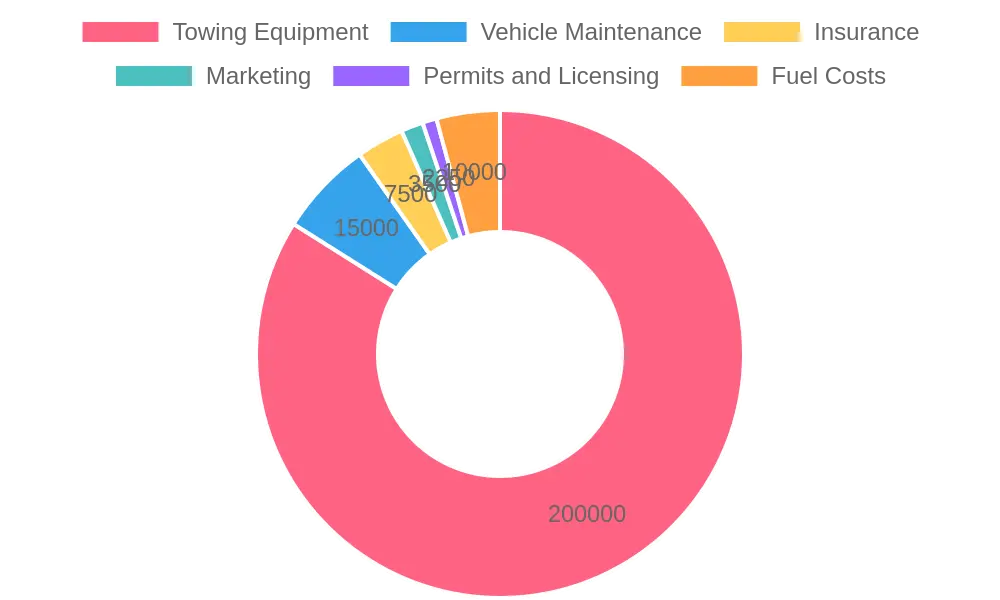
Starting a tow truck business involves navigating a range of startup costs that can significantly impact your financial planning. As you embark on this endeavor, understanding these costs is crucial not just for budgeting, but also for positioning your service competitively in the market.
Below is an overview of essential startup costs to consider:
Major Startup Costs:
- Towing Equipment: Equipment costs often represent the largest expense in your startup budget. Depending on whether you choose new or used vehicles, this can range from $100,000 to $300,000.
- Vehicle Maintenance: Regular maintenance is vital for operating safely and efficiently. Budget around $10,000 to $20,000 per year.
- Insurance: Protecting your business from liabilities is essential. Expect insurance costs to be approximately $5,000 to $10,000 annually.
- Marketing: To attract clients, you will need a marketing strategy. Initial costs can be estimated at $2,000 to $5,000.
- Permits and Licensing: Compliance with local regulations requires investment here, generally around $1,500 to $3,000.
- Fuel Costs: Regular operation will incur fuel expenses, which can vary from $5,000 to $15,000 annually depending on your activity level.
Budget Breakdown Table:
| Cost Category | Estimated Cost Range |
|---|---|
| Towing Equipment | $100,000 – $300,000 |
| Vehicle Maintenance | $10,000 – $20,000 per year |
| Insurance | $5,000 – $10,000 per year |
| Marketing | $2,000 – $5,000 |
| Permits and Licensing | $1,500 – $3,000 |
| Fuel Costs | $5,000 – $15,000 per year |
This budget breakdown can help local auto repair shops, property managers, and commercial fleet operators plan their financial commitments wisely.
Financial Planning Insights:
Establishing a solid financial plan involves forecasting your cash flow, setting realistic revenue targets, and understanding the seasonal intricacies of your business. For instance, peak tourist seasons may lead to increased demand for towing services, impacting both revenue and operational costs.
For a comprehensive guide to financial planning in your new venture, consider referencing our article on strategic financial insights.
Starting your own tow truck business is a significant investment, but with careful planning and management, you can navigate these initial challenges successfully and establish a profitable operation.
“The best part of being a tow truck driver is that I get to help people in their time of need.”
- Anonymous Tow Truck Driver
This quote resonates deeply with those starting out in the tow truck industry. It’s a testament to the noble service provided by tow truck operators in helping people during their emergencies. If you’re considering entering this business, remember that each tow is an opportunity to make a difference in someone’s life.
While the journey may have its challenges, the impact you make is invaluable. For more insights and success tips in the towing business, check out this guide on running a successful tow truck business and learn what makes a tow truck company thrive!
Marketing Strategies for a Local Tow Truck Business
Marketing a tow truck business locally requires a strategic approach that combines both traditional and digital marketing tactics. Here’s a comprehensive guide to help you establish your brand and connect with your target audience effectively.
Understand Your Audience
Identifying your target audience is the first step in creating effective marketing strategies. For a tow truck business, your relevant audiences include:
- Local auto repair shops
- Car dealerships
- Property managers
- Resort operators
- Commercial fleet operators
Understanding their needs will allow you to tailor your services and marketing messages accordingly.
Build a Strong Online Presence
In today’s digital world, having a robust online presence is crucial. Here are some strategies to build your visibility online:
- Optimize Your Website: Develop a user-friendly website that details your services, rates, and offers a quote request feature. Use high-quality images and well-described customer testimonials to enhance trustworthiness. For more insights, learn how to create an engaging website.
- Local SEO: Implement local Search Engine Optimization (SEO) strategies to boost your visibility in search results. Use keywords specific to your services and location, and ensure your Google My Business profile is complete and up-to-date. Local listings can significantly drive traffic to your services.
- Content Marketing: Regularly publish quality content related to towing and roadside assistance. Blogs or articles featuring helpful tips or common towing practices can position your business as an industry expert while improving SEO.
Leverage Social Media
Utilizing social media platforms is essential for modern marketing. Create accounts on platforms such as Facebook, Instagram, and LinkedIn:
- Engage with Your Audience: Regularly post engaging content, including behind-the-scenes footage, customer stories, or towing tips. This fosters community engagement and builds trust.
- Run Targeted Ads: Use social media advertising to target local audiences. Tools allow you to focus ads based on location, age, and interests, effectively reaching potential customers in your area.
Form Partnerships with Local Businesses
Building partnerships within your community can result in mutually beneficial relationships:
- Collaborate with Auto Repair Shops: Form referral partnerships with local mechanics and garages. If they recommend your services to customers, it creates a steady stream of leads.
- Engagement with Property Management: Property managers often require towing services for parking violations or abandoned vehicles. Maintaining a professional relationship can assure them of timely and reliable service.
- Offer Exclusive Deals: Work with local businesses to provide exclusive discounts for their customers. This strategy can increase your credibility while expanding your reach.
Engage with the Community
Being involved in the community enhances your visibility and reputation:
- Participate in Local Events: Sponsor or participate in community events such as fairs, markets, or charity functions. This establishes your brand and showcases your commitment to the community.
- Provide Educational Workshops: Host workshops on vehicle maintenance or safe towing practices. These events can position your business as a dependable resource, increasing customer trust.
- Support Local Charities: Getting involved with charitable organizations, through donations or volunteer work, can enhance your brand image and connect with the community more profoundly.
Monitor and Adjust Your Strategies
Regularly assess your marketing efforts to identify what works and what doesn’t. Use analytics from your website and social media to refine your strategies. An adaptable approach ensures your marketing remains effective and aligned with your goals.
Conclusion
Marketing a tow truck business locally requires a multifaceted approach. By creating a strong online presence, leveraging social media, forming strategic partnerships, and engaging with your community, you can position your business as the go-to towing service in your area. For further insights on emergency response strategies, check our resource here.
Embrace these techniques, and watch your local customer base grow!
The Importance of Customer Service in Your Tow Truck Business
Customer service is a cornerstone of any successful tow truck business. The competitive nature of the towing industry makes it essential to not just provide effective towing solutions but to deliver an outstanding customer experience as well. Good customer service leads to long-term customer loyalty, positive referrals, and overall business reputation enhancement. Here are some key reasons why customer service matters:
- First Impressions Count: The towing industry often serves customers in distress. A friendly and professional approach can create a positive first impression, crucial for customer retention.
- Response Times Affect Satisfaction: Greater urgency in response times significantly influences customer satisfaction ratings. According to findings, a rating average is about 4.2 out of 5, showing how vital prompt service is.
- Transparency Builds Trust: Providing clear, concise information about services, including estimated times of arrival and pricing, can establish trust. Transparency about costs ensures customers feel valued and respected.
Tips for Engaging Local Businesses and Property Managers
Engaging with local businesses and property managers can robustly establish your presence within the community. Here’s how to build long-term relationships:
- Network Actively: Attend local industry events, join business chambers, and participate in community gatherings to foster connections with other businesses and property managers.
- Provide Exceptional Service: Always prioritize quality service and professionalism. Satisfied local businesses will more likely refer you to others.
- Establish Partnerships: Collaborate with local businesses; for instance, you could develop referral programs or discounts for property managers who frequently use your services.
- Utilize Local SEO: Optimize your online presence by ensuring that your website includes local keywords and keeps contact information current. This helps local businesses find you easily when they need towing services.
- Show Appreciation: Consider offering incentives such as discounts or thank you notes. Acknowledging their support encourages ongoing relationships.
- Gather Feedback: Asking local businesses for their input on your services not only shows you care but also provides insights for improvement.
By implementing these strategies, your towing business can cultivate strong relationships with local businesses and property managers, empowering each party to thrive. For additional information on how you can optimize your tow truck operations, check out these essential strategies. Also, for an understanding of networking in your local area, consider this important article on networking.
Engaging with your local community isn’t just about business; it’s about building trust, reputation, and a reliable network that benefits everyone involved in the long run.
Conclusion
Starting your very own tow truck business is not only a lucrative venture but also a vital service to your community, especially for local auto repair shops, car dealerships, property managers, and commercial fleet operators. Throughout this article, we’ve explored essential elements such as the importance of creating a solid business plan, securing licensing and insurance, and understanding local market demands. By following the structured steps from identifying your target market to acquiring the right equipment, you set the foundation for a successful operation that contributes positively to your island economy.
As we’ve discussed, many successful towing business owners have recognized the demand for their services and understood the legal and operational nuances that come with the territory. Case studies across the industry reveal incredible potential profits, with some businesses generating significant monthly revenues. If you’re looking to step into this rewarding field, consider researching market insights on towing or essential business strategies that can guide you towards long-term success.
Now, it’s time for you to take that next step! Whether you’re just starting out or looking to expand your current operations, there’s no better time to dive into the towing industry. Begin your journey today by building your business plan and understanding your local market needs. As you embark on this path, remember that every great achievement starts with a single step. For resources tailored to island communities and towing professionals, visit The Island Tow Truck. Your towing business awaits, and with the right strategies, you can make your entrepreneurial dreams a reality.
Embrace the challenges and rewards that lie ahead, and let your passion guide you towards making a difference in your local community!