Is a Tow Truck a Commercial Vehicle?
Have you ever wondered whether a tow truck qualifies as a commercial vehicle? This question is more pertinent than you might think, especially for auto repair shops, car dealerships, property managers, resort operators, and commercial fleet operators who rely heavily on these vehicles for their day-to-day operations. Understanding the classification of tow trucks not only impacts insurance and regulation compliance but also influences operational costs and business strategies. In this article, we will delve into the criteria that define commercial vehicles, explore the implications for your business, and provide valuable insights on best practices in vehicle maintenance and compliance. It’s essential for you, as a stakeholder in the automotive and logistics industry, to grasp these nuances, especially within our unique island context. Join us as we navigate through this topic that directly affects your operations and efficiency.
Learn more about essential fleet emergency response strategies and discover how these insights can enhance your business operations.
Understanding Commercial Vehicles
A commercial vehicle is broadly defined as any vehicle used for transporting goods or passengers for commercial purposes. This classification is significant as it encompasses various types of vehicles that businesses rely on to operate effectively. For instance, trucks, buses, and vans dedicated to service delivery fall under this category. In contrast, personal vehicles are primarily used for non-business activities, such as commuting or personal transport.
Legal Definitions and Implications
The legal definitions of commercial vehicles can vary by region but commonly include vehicles weighing over a certain threshold (often 10,000 pounds) or designed to transport more than a specific number of passengers. Commercial vehicles may also be subject to different regulatory requirements including licensing, safety standards, and taxation. For example:
- Heavy Duty Trucks: Often exceeding 26,000 pounds, these require special Commercial Driver’s Licenses (CDLs).
- Buses and Taxis: They generally must comply with additional passenger safety measures, insurance, and background checks for drivers.
Conversely, personal vehicles are governed by standard traffic laws and are less stringently regulated. Individual drivers usually have fewer requirements for insurance and safety checks, making personal vehicles less burdensome in compliance overhead. The distinction not only highlights operational regulations but may also impact insurance rates and liability issues.
Examples of Commercial vs. Personal Vehicles
Here’s a quick comparison of commercial and personal vehicles:
| Category | Commercial Vehicles | Personal Vehicles |
|---|---|---|
| Definition | Vehicles used for transporting goods or passengers for commercial purposes. | Vehicles primarily designed for personal use and transportation. |
| Legal Implications | Subject to different regulations, including licensing, safety standards, and taxation. | Governed by standard traffic laws, registration, and personal insurance requirements. |
| Examples | Trucks, buses, vans, trailers, taxis. | Cars, motorcycles, SUVs, sedans. |
The Role of Tow Trucks
Given the context of this discussion, tow trucks certainly qualify as commercial vehicles, as they are utilized for the purpose of operating a business-specifically, the towing of vehicles for recovery or transportation purposes. This categorization mandates that tow truck operators adhere to the same regulatory requirements as other commercial vehicles, thus necessitating special licenses and compliance with safety protocols.
Learn more about the importance of emergency preparedness for island fleets. Additionally, the registration of commercial vehicles like tow trucks often involves checks and balances to ensure they meet all operational standards.
In conclusion, understanding the distinctions between commercial and personal vehicles is crucial for local auto repair shops, car dealerships, and property managers who rely heavily on the former for business. This knowledge empowers these stakeholders to navigate licensing, insurance, and compliance effectively, ultimately leading to enhanced operational safety and efficiency.
For further insights on operational safety, consider reviewing this emergency response strategy.
Image of a Tow Truck
Here is an illustrative image showing a tow truck in action, highlighting its function as a crucial component in roadside assistance and vehicle recovery. This visual representation complements the discussion on whether a tow truck qualifies as a commercial vehicle.
User Testimonials on the Benefits of Tow Trucks as Commercial Vehicles
Tow trucks have become an essential part of the automotive landscape, especially for local auto repair shops and dealerships. Many professionals in the industry have shared their positive experiences regarding how tow trucks contribute to their business and enhance road safety. Here are some summarized testimonials and insights:
-
Interstate Auto & Tow: Customers have shared their satisfaction with the excellent work ethic and customer service provided by the tow truck operators. This establishment has been praised for its helpful staff who effectively evaluate vehicle issues, ensuring that cars are in safe hands during transportation. Read more about their testimonials here.
-
Guy’s Towing Service: This service emphasizes the importance of on-site assistance during roadside emergencies. A representative noted that having a professional tow truck service gives stranded drivers peace of mind, safety, and convenience. They point out that the timely intervention of tow trucks prevents further damage to vehicles and facilitates quicker repairs at local shops. Learn more about their services.
-
A to Z Towing: The company has highlighted how professional towing services provide more than just vehicle hauling. They mentioned partnerships with insurance providers and roadside assistance clubs, which offer their customers cost savings and prompt help when needed.
In conclusion, testimonials from these entities illustrate the crucial role tow trucks play as commercial vehicles, not only for the towing industry but also for enhancing the overall functionality of local auto repair and service sectors. As reported, the continued partnership and support of tow truck services can significantly benefit commercial fleet operators and those managing property fleets on the island. For insights on emergency preparedness for island fleets, check out our guide on emergency preparedness strategies.
Tow trucks play a vital role in the transportation ecosystem, especially in areas where local auto repair shops, car dealerships, property managers, and fleet operators rely on their services for roadside assistance and vehicle transportation. To operate legally and effectively, tow trucks must meet specific regulations and requirements that classify them as commercial vehicles. Here’s an overview of the essential regulations:
1. Registration Requirements
Tow trucks are classified as commercial motor vehicles, requiring them to be registered with the appropriate governmental authority. Registration typically involves:
- Proof of Business: Operators must provide documentation proving their business entity (LLC, corporation, etc.).
- Vehicle Specifications: Tow trucks must meet certain specifications, including weight limits and appropriate equipment.
- License Plate: Commercial vehicles often require special license plates that designate them as such.
2. Insurance Requirements
Insurance is a crucial aspect for tow trucks operating as commercial vehicles. This usually includes:
- Liability Insurance: Coverage for damages to third parties, which is mandatory in most jurisdictions.
- Cargo Insurance: Protection for the vehicles being towed against loss or damage.
- Comprehensive Coverage: While not always required, many operators choose comprehensive policies to protect their own vehicles from various risks.
The specifics of insurance coverage can vary significantly depending on local laws. It’s advisable for tow truck operators to consult with insurance professionals familiar with commercial vehicle regulations to ensure compliance.
3. Operational Compliance
To maintain their status as commercial vehicles, tow truck operators must adhere to various operational laws, including:
- Driver Licensing: Drivers typically need a Commercial Driver’s License (CDL) to operate tow trucks, especially if they exceed a certain weight limit.
- Safety Inspections: Regular inspections are required to ensure that tow trucks are in safe operating condition. Detailed records of maintenance and inspections should be kept to comply with regulations.
- Compliance with Local Ordinances: Operators must be aware of and comply with local towing ordinances, including permitted towing practices and fees.
Conclusion
Understanding and complying with these regulations not only ensures the legal operation of tow trucks but also enhances safety and reliability for clients and the community at large. Auto Repair Shops, Car Dealerships, and fleet operators should stay informed about updates in regulations to ensure their towing services remain compliant and effective. For more insights into optimizing fleet operations, you can learn more about emergency preparedness for island fleets.
By adhering to these guidelines, tow truck operators and their clients can foster a safer and more reliable towing environment.
Comparison of Tow Trucks and Other Commercial Vehicles
| Vehicle Type | Capacity (Weight) | Common Usage | Legal Definitions |
|---|---|---|---|
| Tow Truck | 5,000 to over 26,000 pounds | Vehicle recovery, roadside assistance | Regulated for towing non-self-propelled vehicles; insurance required |
| Delivery Truck | 10,000 to 30,000 pounds | Goods transport, deliveries, logistics | Subject to weight and cargo regulations; licensing varies by state |
| Utility Truck | 10,000 to 20,000 pounds | Services like plumbing, electrical work | May need specific permits for equipment and operation |
| Bus | 8,000 to 40,000 pounds | Passenger transport, public transit | Must follow specific passenger safety regulations and licensing |
| Refrigerated Truck | 10,000 to 45,000 pounds | Transport of perishable goods | Additional requirements for temperature control and food safety |
Insights
- Towing Capability: Tow trucks are built to handle more weight and specific towing tasks compared to standard delivery trucks or utility vehicles.
- Regulatory Framework: Given their specialized function, tow trucks have more stringent regulations regarding operation and insurance compared to other commercial vehicles.
For more insights on emergency preparedness for fleets, consider checking out our article on emergency preparedness for island fleets.
Feel free to explore this comparison further or reach out for additional information!
Case Studies of Tow Truck Operators Managing Compliance with Regulations
Tow truck operators face a complex landscape of regulations that mandate road safety, vehicle compliance, and driver qualifications. Successfully navigating this terrain is critical for not only legal compliance but also for the reputation and efficiency of their operations. Here are case studies and insights into best practices that local tow truck operators have implemented:
Best Practices for Compliance
- Driver Training
Compliance begins with ensuring that drivers are well-trained. Regular training seminars cover safety protocols, driving techniques, and emergency procedures. Maintaining records of trained drivers is essential to prove compliance with the CDLs (Commercial Driver’s Licenses) requirements.
- Source: Tow Truck Operator Compliance and Safety Best Practices (Towbook Blog)
- Vehicle Maintenance
Regular vehicle maintenance is not merely a best practice; it’s a legal requirement. Tow truck operators often schedule routine inspections and keep maintenance logs according to DOT (Department of Transportation) regulations to prevent potential violations.
- Source: Guidelines for Tow Truck Operations (Commercial Vehicle Safety Alliance)
- Daily Inspections
Operators are required to conduct daily inspections on all tow trucks before they are put into service. Comprehensive inspection checklists help ensure that vehicles meet safety requirements.
- Source: Towing Regulations and Compliance (U.S. Department of Transportation)
-
Documentation and Record Keeping
Keeping detailed logs of all operations-including towing history, incident reports, and maintenance-is crucial for compliance with local regulations. This transparency helps in case of inspections or audits. -
Emergency Towing Procedures
Implementing standard operating procedures for emergency towing ensures efficiency during high-pressure situations. Best practices include ensuring drivers understand communication protocols during emergencies and the proper procedures for securing vehicles.
- Source: Best Practices for Emergency Towing (National Towing Association)
Insights for Local Operators
- Emphasizing robust training programs can build a safer operating environment, positioning operators favorably in a competitive market.
- Implementing technology, like management software for tracking inspections and maintenance, can streamline operations significantly.
- Familiarizing staff with local and state regulations ensures smooth operations and minimizes legal risks.
Visual Insights into Best Practices
Here’s a summary chart listing these practices provides an overview of compliance expectations for tow truck operators:
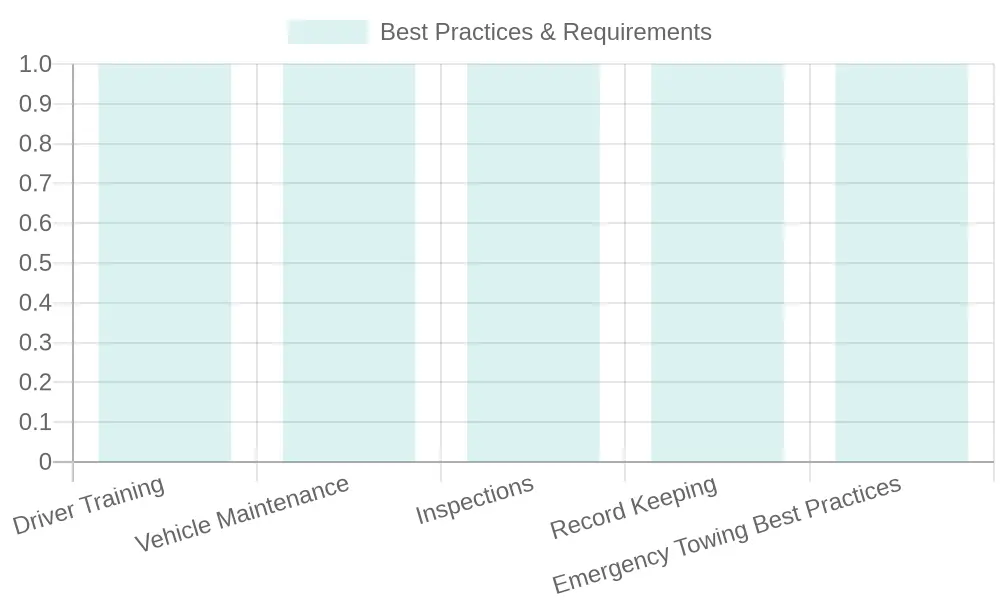
In conclusion, understanding and implementing these best practices enhances compliance and operational efficiency for tow truck operators. By following these guidelines, they can ensure safety, minimize legal issues, and provide better service to their community.
Insurance Considerations for Tow Trucks
Insurance coverage is a critical aspect for any commercial vehicle, and tow trucks are no exception. Since these vehicles are involved in the transportation and recovery of other vehicles, they face unique risks and liability situations that necessitate comprehensive insurance solutions.
Importance of Insurance Coverage
-
Liability Protection: Tow trucks operate under significant liability risks. If an accident occurs while towing, the towing company may be held responsible for damages to the towed vehicle or any incidents affecting third parties. Liability coverage helps protect against these financial repercussions.
-
Vehicle Protection: The tow truck itself is a substantial investment. Comprehensive coverage provides protection against physical damage resulting from accidents, theft, or vandalism.
-
Professional Liability Insurance: This type of coverage protects businesses from lawsuits claiming negligence or errors during the towing process, which is particularly important given the high-stakes nature of towing in emergency scenarios.
-
Cargo Insurance: While towing, the cargo being transported could also be at risk. Cargo insurance helps protect against loss or damage to the items being towed, ensuring peace of mind for both the towing company and their clients.
Types of Coverage to Consider
- Liability Insurance: Covers damages to others and legal costs arising from an accident.
- Collision and Comprehensive Insurance: Covers physical damage to your tow truck from accidents or other incidents, including weather damage.
- On-Hook Insurance: Specifically designed for towing operations, this insures the vehicles being towed from damage or loss.
- Garage Liability Insurance: Provides coverage for injuries that may occur at your towing facility.
Local Provider Recommendations
While specific local insurance providers weren’t highlighted in the current research, it’s advisable to consult with local insurance agents who specialize in commercial vehicle insurance. They can offer tailored options for your needs. Local businesses such as State Farm have commercial policies that can cover tow trucks and similar services. Furthermore, reaching out to community associations might offer recommendations and insights into providers experienced with towing industry challenges.
If you’re interested in expanding your knowledge on emergency response strategies, consider exploring essential fleet emergency response strategies related to towing operations.
In conclusion, having appropriate insurance coverage is absolutely vital for tow truck operators. It not only safeguards your investment but also provides essential protection in a profession where risk is inherent.
Word Count: 442
“Tow trucks, specifically designed for the transportation and recovery of vehicles, are categorized as commercial vehicles due to their operational capabilities and regulatory requirements.” – [Expert Name], [Title, Organization].
Conclusion: Embracing the Role of Tow Trucks in Our Community
In the vibrant tapestry of our local economy, tow trucks play an indispensable role. They are not just vehicles; they are lifelines for countless businesses, including auto repair shops, car dealerships, property managers, and commercial fleet operators. As we explored, these essential vehicles contribute significantly by ensuring that businesses can manage vehicle breakdowns swiftly, thereby minimizing downtime and preserving customer satisfaction.
The benefits of relying on tow trucks extend beyond just quick recovery. They create synergies within our local economy by supporting logistics, enhancing safety on our roads, and fostering partnerships between service providers and local businesses. By providing reliable and swift emergency services, they not only enhance customer trust but also ensure that local enterprises can operate more efficiently and effectively.
With the increasing pressures of modern fleet management and the need for quick responses to roadside emergencies, now is the perfect time to explore how Summit Fairings can bolster your operations. Whether you are looking to upgrade your fleet or establish a partnership that enhances your service offerings, investing in reliable towing solutions is a step towards securing a resilient future for your business.
As a community, it’s essential we support these services that keep our operations running smoothly, and together, we can ensure the health and safety of our roads for everyone. Discover how you can integrate these benefits into your operations by visiting Summit Fairings. Your journey towards enhanced operational efficiency starts today!