Why Lease a Tow Truck? The Smart Choice for Auto Repair Shops and More
In today’s fast-paced world of automotive services, local auto repair shops and car dealerships are constantly seeking methods to remain competitive and efficient. One effective strategy is to lease a tow truck, which presents a multitude of tow truck leasing benefits that can help streamline operations without the burden of substantial upfront costs. By opting to lease, businesses can allocate financial resources more effectively, ensuring that cash flow remains robust-even in unpredictable economic climates.
Leasing allows auto repair shops, commercial fleet operators, and dealerships to enjoy newer models with advanced technology and reliability. This not only enhances service offerings but also elevates customer satisfaction. Furthermore, leasing often comes with lower monthly payments compared to purchasing outright, making it an economical choice for those looking to expand their operational capabilities. Learn more about why towing services matter and how leasing aligns with efficient fleet management. By understanding the advantages of tow truck leasing, businesses can position themselves for growth, adapting swiftly to market demands without overextending financially.
For those exploring the potential of their fleets, discover essential fleet emergency response strategies that maximize operational efficiency while leveraging the benefits derived from leasing.
Benefits of Leasing a Tow Truck for Local Businesses
Leasing a tow truck can be incredibly advantageous for local businesses such as auto repair shops and car dealerships. Here are some key benefits:
-
Cost-Effective Tow Truck Solutions: Leasing a tow truck significantly reduces the initial capital required to acquire a vehicle. Instead of a hefty purchase price, businesses can enjoy lower monthly payments, allowing them to allocate funds to other essential operations.
-
Flexibility in Cash Flow Management: Leasing helps businesses manage their cash flow more effectively. With fewer upfront costs, owners can keep more cash on hand for unexpected expenses or seasonal fluctuations. This flexibility is crucial for maintaining operational stability, especially during economic downturns.
-
Upgrading Options: The towing industry benefits immensely from technological advancements. Leasing provides the opportunity to upgrade to newer models without financial strain. Businesses can frequently replace their older trucks with the latest vehicles, ensuring they’ll have efficient and reliable equipment that enhances service quality and customer satisfaction.
-
Lower Risk and Maintenance Support: Leasing often includes maintenance in the contract, which can ease the operational burden on businesses. With professional upkeep, companies can focus on service delivery rather than worrying about vehicle maintenance hassles. This means less downtime and better operational efficiency.
-
Tax Advantages: Lease payments can often be written off as a business expense, providing valuable tax benefits compared to purchasing which may involve depreciation schedules. This aspect can significantly reduce the overall financial burden for businesses.
-
Improved Service Delivery: With access to modern, efficient tow trucks, businesses can respond more rapidly to customer needs. This not only enhances service delivery but also builds a strong reputation within the community.
These benefits make leasing a tow truck a smart choice for businesses that aim to optimize cash flow, maintain an up-to-date fleet, and enhance service delivery. To explore more about essential fleet management strategies, learn more about emergency preparedness for island fleets or check our guide on essential fleet emergency response strategies.
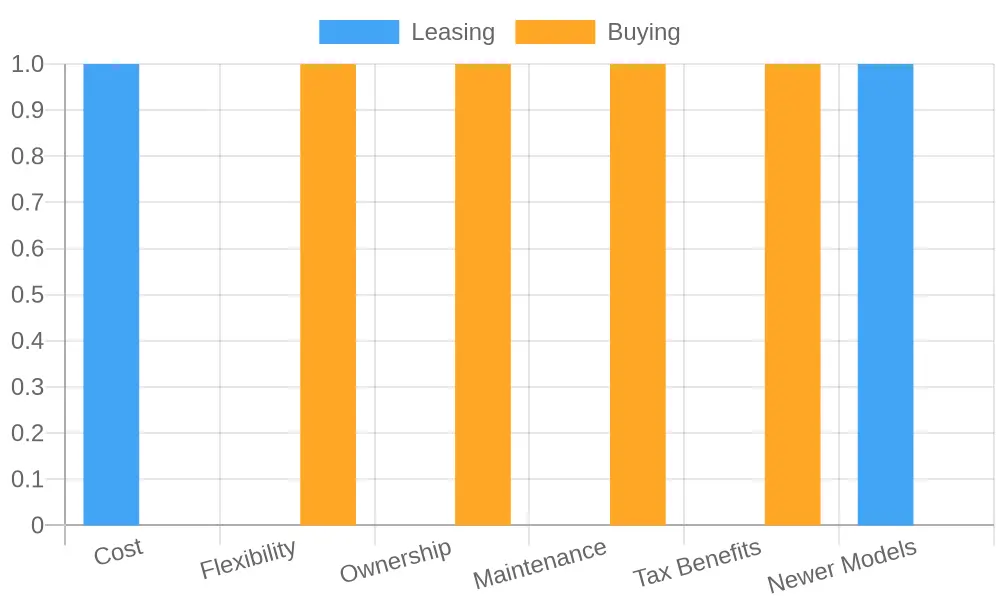
Key Differences in Benefits
| Aspect | Leasing | Buying |
|---|---|---|
| Cost | Lower upfront costs | Higher upfront costs |
| Flexibility | More flexible terms | Less flexibility, long-term commitment |
| Ownership | No ownership of the truck | Full ownership of the truck |
| Maintenance | Often covered in lease | Owner responsible for maintenance |
| Tax Benefits | Possible tax deductions | Depreciation benefits available |
| Newer Models | Easy access to newer models | Older models retained longer |
Steps to Lease a Tow Truck
Leasing a tow truck can be an effective way to expand your fleet without the heavy burden of upfront costs. This step-by-step guide will help you navigate the leasing process, ensuring that you make informed decisions that align with your business needs.
1. Identify Your Needs
- Determine the type of tow truck required based on your specific towing services. Consider the truck’s capacity, features, and technology according to the needs of your local community or business demands.
2. Research Leasing Companies
- Evaluate Reputation: Look for leasing companies with a solid reputation in the industry. This could include checking reviews and testimonials. Learn how to evaluate leasing companies.
- Check Specialization: Some companies may specialize in tow truck leasing, providing better options suited for your business.
- Compare Costs: Examine the lease terms and costs, including any hidden fees that may apply in the leasing journey.
3. Understand the Lease Terms
- Pay close attention to the length of the lease, mileage restrictions, and the total cost of the lease agreement. It’s crucial to understand how these terms might impact your day-to-day operations and overall budget.
- Assess whether the lease allows options for upgrades or returns at the end of the term, making sure the agreement aligns with your operational flexibility.
4. Gather Necessary Documentation
- Prepare financial and business information for the leasing company. This may include:
- Business license
- Financial records (tax returns, profit and loss statements)
- Company’s articles of incorporation
- Personal credit information if required
- These documents will assist in the approval process and help in securing favorable lease terms.
5. Negotiate Your Lease
- Be ready to negotiate the terms of the lease. Not all terms are set in stone, and depending on the leasing company, you might find flexibility regarding costs and conditions.
- Utilize your gathered information about competing offers to secure the best possible deal.
6. Finalize the Agreement
- After negotiating the best terms, carefully read through the entire lease document before signing. Ensure all agreements align with what was discussed and double-check for any agreements on maintenance provisions and insurance obligations.
7. Plan for Maintenance
- Establish a maintenance plan to keep your truck in top condition throughout the lease period. Many lease agreements may cover basic maintenance, while others may require you to handle it independently.
- Regular maintenance can prevent costly repairs and extend the life of your leased truck.
Tips for Evaluating Leasing Companies
- Look into the responsiveness of customer service, emergency support capabilities, and past customer experiences when selecting a leasing provider.
- Ensure that they can accommodate your fleet’s growth as your business expands. The right leasing partner can align with your long-term goals and operational needs.
By following these steps, you can navigate the process of leasing a tow truck with clarity and confidence, keeping your fleet operational and your business thriving.
| Lease Term | Estimated Monthly Payments | Additional Services Included |
|---|---|---|
| 36 Months | $900 | Maintenance, roadside assistance included |
| 48 Months | $750 | Maintenance, discounted insurance |
| 60 Months | $650 | Maintenance, roadside assistance, and extended warranty |
Key Differences:
- Lease Terms: The longer the term, the lower the monthly payment.
- Monthly Payments: The 36-month lease has the highest payments, which can be offset by higher service coverage.
- Additional Services: Longer leases typically provide more extensive services, beneficial for business operations.
These options cater to various financial strategies and operational needs. For detailed guidance on which lease option is best for your business, learn more about financing options.
Customer Testimonials on Tow Truck Leasing
“Leasing a tow truck from this company has been a game changer for my business. It offered the financial flexibility I needed without the large upfront cost. The ease of use was impressive, allowing me to jump right into operations. Plus, their service support team was always available to assist with any inquiries.”
- John D., 2023-10-01
“The leasing process was straightforward and hassle-free. I appreciated the flexibility in payments and the ability to upgrade equipment as needed. The support I received throughout the process was top-notch.”
- Sarah G., 2023-09-15
“I’ve found leasing to be the best option for my towing business. It has empowered me financially, and the service support made it easy to understand my options. Highly recommend for anyone considering a tow truck lease!”
- Mike T., 2023-08-22
These testimonials reflect the positive experiences many have had with leasing tow trucks, demonstrating the financial flexibility and operational support provided, making it an appealing option for businesses in the automotive and towing sectors.
Common Misconceptions About Leasing a Tow Truck
Leasing a tow truck can be a practical choice for local auto repair shops, car dealerships, property managers, and fleet operators. However, there are several misconceptions that can cloud the decision-making process. Here, we address some prevalent myths about tow truck leasing to provide clarity and factual insights that may help local business owners make informed decisions.
Myth 1: Leasing Is Just Like Renting
One of the most common misconceptions about leasing a tow truck is that it’s merely a long-term rental. While leasing does offer access to a vehicle without the commitment of purchasing, the terms of a lease often include stipulations on usage, maintenance, and mileage that may not apply to a typical rental agreement. According to Trust Capital USA, leasing can provide businesses with flexibility and lower upfront costs, which can be beneficial compared to the outright purchase of a new vehicle.
Myth 2: Leasing Equals Long-Term Commitment
Many believe that leasing a tow truck ties them into a long-term commitment. However, leasing is often more flexible than ownership. You can upgrade to newer models or specifications at the end of your lease term. For example, as Ogden Tow highlights, leasing allows for returning the vehicle and downsizing or upgrading based on your business needs without incurring significant losses usually associated with owning a depreciating asset.
Myth 3: Leasing is More Expensive Than Buying
Some may argue that leasing is ultimately more expensive than buying a truck outright. This perspective can overlook the potential savings in maintenance and repair costs often included in lease agreements. Furthermore, leasing typically requires lower upfront costs, meaning businesses can allocate their funds to other important areas, such as marketing or additional equipment. The insights from Clarify Capital emphasize that understanding the various financing options, including leasing, is crucial in avoiding misconceptions that might sway your decision.
Myth 4: Leasing Limits Your Freedom to Customize
Another common myth is that leasing restricts your ability to customize your tow truck. While it’s true that many leasing agreements have limitations around alterations, choosing the right leasing company can offer flexibility in this area. The goal is to find a lease that allows for some degree of customization to meet your operational needs while adhering to the leasing terms.
Myth 5: All Tow Trucks Are the Same
Many local fleet operators mistakenly believe all tow trucks are interchangeable and that leasing any model will suffice for their needs. In reality, each tow truck is designed for specific towing capacities and functions. For this reason, it’s essential to choose a vehicle that meets your operational requirements and considers safety and compliance standards. The nuances of this profession are often summarized by Good Hands Towing, which reminds operators of the particularity of equipment to ensure optimal performance and safety.
Conclusion
Understanding these myths about tow truck leasing can empower local businesses in making informed decisions that align with their operational requirements and financial strategies. As the industry continues to evolve, being well-informed will help you navigate the many options available to meet your towing needs effectively. For further insights on managing fleets or emergency preparedness strategies, you may want to explore our dedicated resources.
Cost Comparison: Buying vs Leasing a Tow Truck
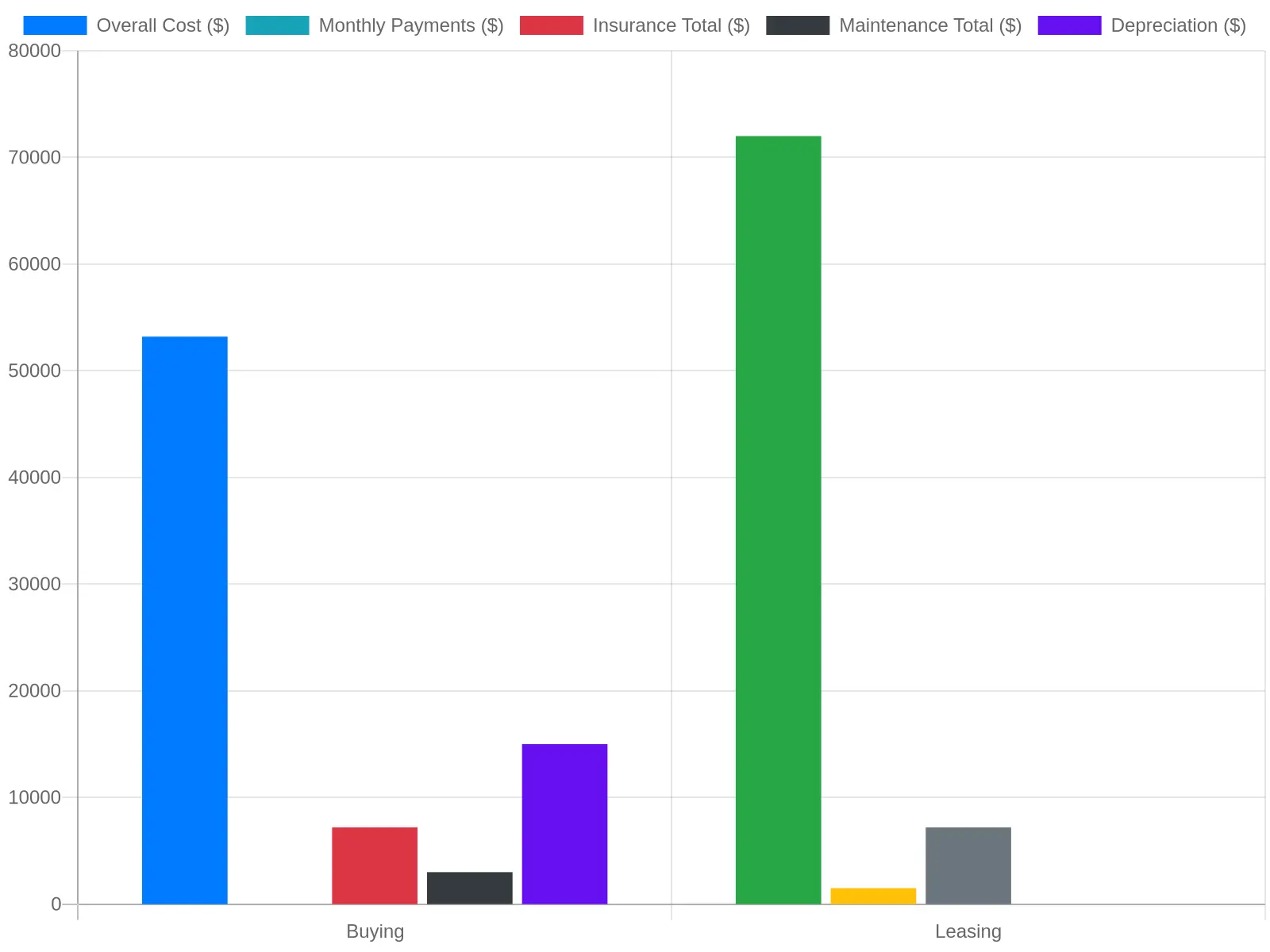
When deciding between leasing and purchasing a tow truck, understanding the financial implications is key. Here’s a breakdown of costs over a six-year period that can help you visualize the differences:
Chart: Cost Comparison of Buying vs Leasing (Over 6 Years)
Summary of Costs
| Cost Component | Buying (Over 6 Years) | Leasing (Over 6 Years) |
|---|---|---|
| Purchase Price | $25,000 – $150,000 | Not applicable (vehicle is leased) |
| Monthly Payments | Not applicable | $1,000 – $2,500 (per month) |
| Insurance | $1,200/year ($7,200 total) | Usually included in lease or $1,200/year (total $7,200) |
| Maintenance | $3,000 total (estimated) | Typically covered in lease (varies) |
| Depreciation | Approx. $15,000 | Not applicable (no ownership) |
| Overall Cost | $53,200 – $75,200 | $72,000 – $167,200 |
Insights
- Total Outlay: Buying has a high upfront cost but potential resale value, while leasing requires lower upfront expenses but no resale value leads to continuous payments.
- Flexibility: Leasing provides higher flexibility with the opportunity to switch vehicles easily, while buying comes with limitations due to ownership.
- Cash Flow: Leasing generally improves cash flow as it minimizes high upfront costs.
For more information on leasing strategies, check out these articles: How Much Does It Cost to Lease a Tow Truck? and Buying Vs Leasing Towing Trucks.
Conclusion
Leasing a tow truck presents a significant advantage for local auto repair shops, car dealerships, property managers, resort operators, and commercial fleet operators alike. By opting for leasing, these businesses can benefit from lower upfront costs, enhanced cash flow management, and the flexibility to upgrade equipment as needed. Specifically, leasing allows for tax advantages, as payments can often be deducted as business expenses (source). Moreover, with less maintenance responsibility and simplified paperwork, leasing is an appealing option compared to purchasing ({source}).
The steps to lease a tow truck are straightforward, involving evaluating your business needs, understanding different leasing options, and carefully reviewing lease agreements to ensure they align with your financial strategy. Resources that elaborate on these processes can provide additional insights and tips to ensure an informed leasing decision (source).
In conclusion, leasing a tow truck is not just a financially smart move; it also empowers businesses to maintain a modern fleet without the burden of large initial expenditures. For those ready to explore this avenue further, we invite you to summit fairings for comprehensive support in your truck leasing journey. Don’t hesitate to act; your business will benefit from the flexibility and efficiency leasing provides!
Tow truck leasing is an increasingly viable option for local businesses on islands, including auto repair shops, car dealerships, property managers, resort operators, and commercial fleet operators. The market has seen notable shifts in recent years, influenced by various factors including operational costs, consumer demand, and regulatory pressures.
Current Statistics and Insights
Recent market analyses highlight a few key trends:
-
Adoption Rates: The leasing market for tow trucks has been on the rise. In 2023, about 22% of towing operations in Ontario have seen a significant increase in leasing, largely driven by local businesses seeking flexibility. The option to lease rather than purchase outright helps manage cash flow especially in island economies where vehicle maintenance can be costly (source).
-
Operational Efficiency: Leasing tow trucks is becoming a preferred choice because it allows businesses to access the latest equipment without the heavy upfront costs associated with purchasing vehicles. This is particularly important in island markets where the balancing of operational costs with productivity directly impacts profitability. The productivity of leased trucks has been shown to significantly contribute to revenue rather than the ownership of multiple vehicles (source).
-
Market Dynamics: Trends indicate a strong interrelation between towing regulations and operational challenges faced by local businesses. For example, with over 4,500 emergency calls daily in Ontario, the demand for efficient towing services sharply contrasts the operational difficulties posed by stringent regulations. This makes leasing an attractive option for businesses that need to adapt swiftly to changing demands (source).
Influences on Leasing Decisions
-
Economic Factors: The economic climate on islands significantly influences leasing decisions. High costs associated with purchasing and maintaining a fleet can deter businesses from ownership and shift preference toward leasing. Current leasing rates vary based on credit and truck type, giving businesses the flexibility to choose models that fit their operational needs.
-
Technological Advancements: Newer tow trucks incorporate advanced technology that improves efficiency and compliance with safety regulations. Leasing offers the advantage of upgrading to the latest models quickly without the burden of asset depreciation.
-
Local Business Environment: Seasonal variation in demand, especially in tourist-heavy regions, prompts businesses to consider leasing. This flexibility can be crucial for managing costs and operations during peak and off-peak seasons.
Conclusion
In summary, the trend towards leasing tow trucks among local island businesses is driven by the need for operational flexibility and financial management. As the market continues to evolve, it’s essential for businesses to keep abreast of these trends for effective decision-making. For more insights into managing island fleets effectively, consider reading about emergency preparedness for island fleets and essential fleet emergency response strategies to optimize your approach.
This emerging trend highlights a significant pivot in how businesses approach transportation solutions, ensuring they remain agile and competitive in a changing market landscape.