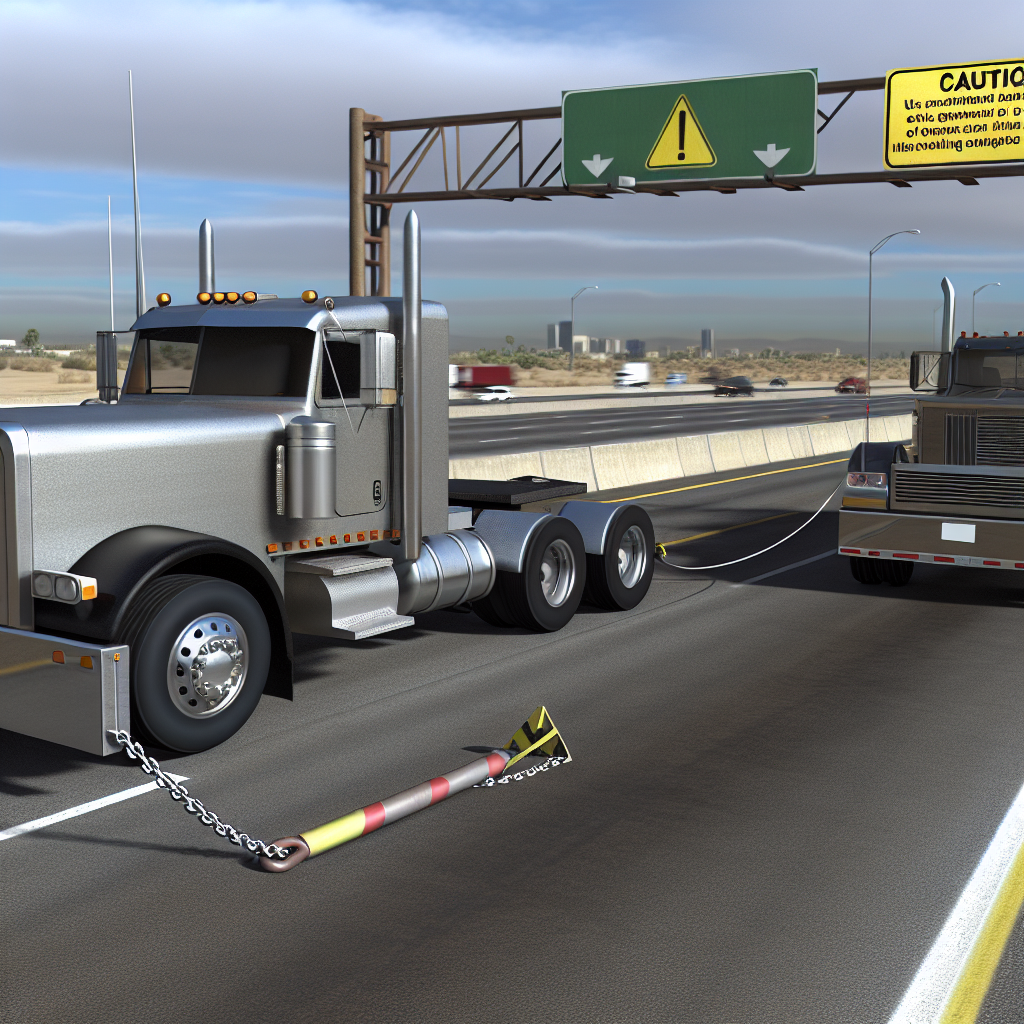
Navigating the open roads of our beautiful island comes with its fair share of challenges, especially when unexpected vehicle troubles arise. For local auto repair shops, car dealerships, property managers, and commercial fleet operators, understanding upfront towing costs is not just beneficial-it’s essential. Many islanders have experienced the stress and uncertainty of needing a tow and being confronted with those dreaded upfront charges. How does this impact your pocketbook? And more importantly, how does it affect the daily operations of businesses that rely on transit? As a community dedicated to supporting each other in times of need, we are here to shed light on these pressing concerns. In this article, we’ll explore the ins and outs of upfront towing costs, ensuring you’re well-informed and prepared for any roadside emergency. By diving into this crucial topic, you’ll discover not just insights, but also effective strategies for handling unforeseen towing expenses, which can ultimately lead to better decision-making in times of crisis. Learn more about essential fleet emergency response strategies to keep your operations running smoothly and safeguard your finances.
Understanding Legal Responsibilities for Towing Costs
In the world of vehicle towing, understanding legal obligations regarding upfront towing payments is crucial for both vehicle owners and operators of towing services. Local laws can dictate how these payments must be handled, which helps protect consumers from unfair practices. Below is an overview of the obligations and considerations that come into play regarding upfront payments for towing services.
Upfront Payment Requirements
In many jurisdictions, towing companies are allowed to charge upfront fees before releasing towed vehicles. Here are key points to consider:
- Regulatory Authority: Towing laws are typically enforced by local governments or regulatory agencies, and they vary from city to city. For example, in New York City, payments for tow fees must be made at the designated pound (as noted on NYC.gov). This reflects a structured approach to ensure that both the service provider and the customer know exactly what to expect.
- Transparency: Tow truck operators must clearly state their pricing and any fees associated with the towing process. In some areas, it’s mandatory for them to provide written estimates.
- Payment Methods: Most towing companies accept various forms of payment, including cash and credit cards, to make the process more efficient for everyone involved.
- Consumer Rights: If your car has been wrongfully towed, you may have the right to recover damages if local laws dictate that towing fees were improperly assessed.
Specific Local Regulations
It’s vital to look into the specific laws applicable in your area:
- For instance, some local statutes prevent price gouging-meaning the fee charged must be fair and reasonable, especially in emergency situations.
- Certain locales may allow vehicle owners the ability to dispute charges on the spot, which emphasizes the importance of being informed.
In general, it is always recommended to check with local ordinances related to towing. These laws can usually be found through government websites or local legal resources. For those looking to delve deeper into the regulations concerning towing, considering essential fleet emergency response strategies can be beneficial when ensuring compliance.
Recap of Best Practices
- Always inquire about upfront fees and ensure you receive a detailed invoice before payment.
- Familiarize yourself with local towing laws to better understand your rights and responsibilities.
- Maintain records of communication and payment in the event of disputes.
By being informed and proactive regarding towing laws, vehicle owners can safeguard their interests while towing service providers can ensure compliance and trust within the community.
Common Towing Policies Summary
Understanding the various towing policies from local companies is crucial for motorists and stakeholders alike. Below is a table that summarizes common towing policies, including upfront payment requirements, costs, and general terms.
| Company | Upfront Payment Requirement | Average Cost (USD) | General Terms |
|---|---|---|---|
| City of Chicago | Varies by violation type | $200 – $500 | Fees assessed based on vehicle type |
| City of Vancouver | Varies | $100 – $300 | Fees apply for recovery and storage |
| Arndt’s Towing | $100 deposit required | $150 – $400 | Additional fees for storage apply |
Key Takeaways:
- City of Chicago requires varying upfront payments depending on the violation type, with costs reaching up to $500.
- City of Vancouver aligns its towing fees with industry standards, resulting in upfront costs that can range widely based on the situation.
- Arndt’s Towing has a clear deposit requirement, making costs predictable for customers.
Understanding these policies helps in emergency preparedness and navigating the towing process effectively, especially for professionals managing commercial fleets or properties, such as auto repair shops, car dealerships, and resort operators.
For more information on emergency preparedness for island fleets and effective strategies for roadside assistance, check these resources.
Frequently Asked Questions about Upfront Payment for Towing Services
1. Do I have to pay for towing services upfront?
Most towing companies require payment upfront. This initial payment ensures the tow truck is dispatched to your location. After paying, you can usually submit the receipt to your insurance provider for reimbursement. Check with specific towing services for their policies. Learn more about emergency preparedness for island fleets.
2. What if I can’t afford to pay upfront?
If you’re unable to pay upfront, communicate your situation to the towing company. They may be able to arrange payment plans or offer credit options for towing fees. Keep in mind that refusal to pay could lead to legal action or civil proceedings.
For more, see this informative piece on what happens if you can’t pay for towing services. Read more.
3. Are there different upfront payment policies among towing companies?
Yes! Practices can vary widely. Some companies may not require upfront payment if you are a regular customer or have an account with them. Always verify before you find yourself in a situation requiring immediate towing, as this can save you time and stress later.
4. What are my options if I’m unsatisfied with the service after paying upfront?
If you’re unhappy with the service after payment, document your concerns and reach out to the towing company. You could potentially request a refund or file a complaint if the service did not meet the promised standards. Familiarize yourself with consumer rights in your locale to protect yourself.
5. Is it common for dealerships and auto repair shops to deal with upfront payments?
Yes, dealerships and auto repair shops frequently handle towing requests that require upfront payments. They often include towing costs in overall service fees or provide clear communication about expected payment structures in advance.
6. Why is upfront payment necessary for towing services?
Upfront payments help maintain trust and ensure that towing companies can cover the costs associated with equipment, labor, and fuel. By securing payment beforehand, they mitigate the risk of financial loss from unrecoverable bills.
7. Can property managers or commercial fleet operators negotiate payment terms?
Absolutely! Property managers and fleet operators who regularly use towing services often have leverage to negotiate terms, including upfront payment policies. Establishing a contractual agreement may also help avoid future disputes.
For additional strategies on managing emergencies, see our essential fleet emergency response strategies.
These FAQs aim to clarify common concerns surrounding upfront payment for towing services within the local context, especially for auto repair shops, dealerships, and property managers, ensuring smoother communication and understanding between all parties involved.
Word Count: 517
The Impacts of Paying Upfront versus Later for Towing Services
When faced with vehicle troubles, the decision to pay for towing services upfront or later can evoke significant emotional and financial considerations. Understanding these implications is crucial, especially for local auto industry stakeholders, such as repair shops and fleet operators.
Pros of Paying Upfront
- Transparency: Paying upfront often guarantees a clearer cost structure. Drivers have a definite understanding of what they owe, mitigating the risk of hidden fees. This sense of clarity can ease the emotional stress associated with emergencies.
- No Unforeseen Charges: An upfront payment significantly limits the risk of unexpected costs. This allows vehicle owners to have peace of mind while ensuring that their vehicle will be promptly released.
- Immediate Access: Paying upfront enables immediate vehicle retrieval, a crucial factor for both individuals and businesses relying on their vehicles for daily operations, such as emergency preparedness for island fleets.
Cons of Paying Upfront
- Cash Flow Impact: For some, especially small business operators, paying upfront might strain cash flow. This could be a significant downside in situations requiring multiple towing services in a short span.
- Lack of Future Flexibility: If you frequently use towing services, this might not always be the most cost-effective approach. An upfront payment locks you into that service provider, potentially overlooking better terms elsewhere.
Pros of Paying Later
- Flexibility: Paying for towing services later allows for adjustments in payments based on usage. This is especially beneficial for occasional drivers who may end up paying less overall.
- Potential Cost Savings: For those who rarely face breakdowns, delayed payments can avoid the upfront costs associated with needing assistance only sporadically.
Cons of Paying Later
- Hidden Fees: The most notable downside is the potential for hidden fees, which could make the cost considerably higher than expected. Some towing services may impose additional costs for processing payments later. According to a financial implications guide, this can lead to inflated bills during emergencies.
- Delayed Retrieval: Often, paying later induces a waiting period for vehicle retrieval, which could be critical for commercial fleet operators needing immediate access to their vehicles, reaffirming the need for essential fleet emergency response strategies.
Financial Considerations
The decision on payment can directly influence financial decisions long-term. A comparison of key factors is represented below:
| Factor | Paying Upfront | Paying Later |
|---|---|---|
| Transparency | Clear cost structure | Possible hidden fees |
| Potential Extra Fees | Limited risk of unexpected costs | Risk of additional charges |
| Urgency in Vehicle Retrieval | Immediate access | Delay due to payment processing |
| Cost-Effectiveness for Frequent Users | Typically cheaper due to discounts | May incur higher costs over time |
| Cost-Effectiveness for Occasional Users | More cost-efficient if savings allow | Could be pricier depending on usage |
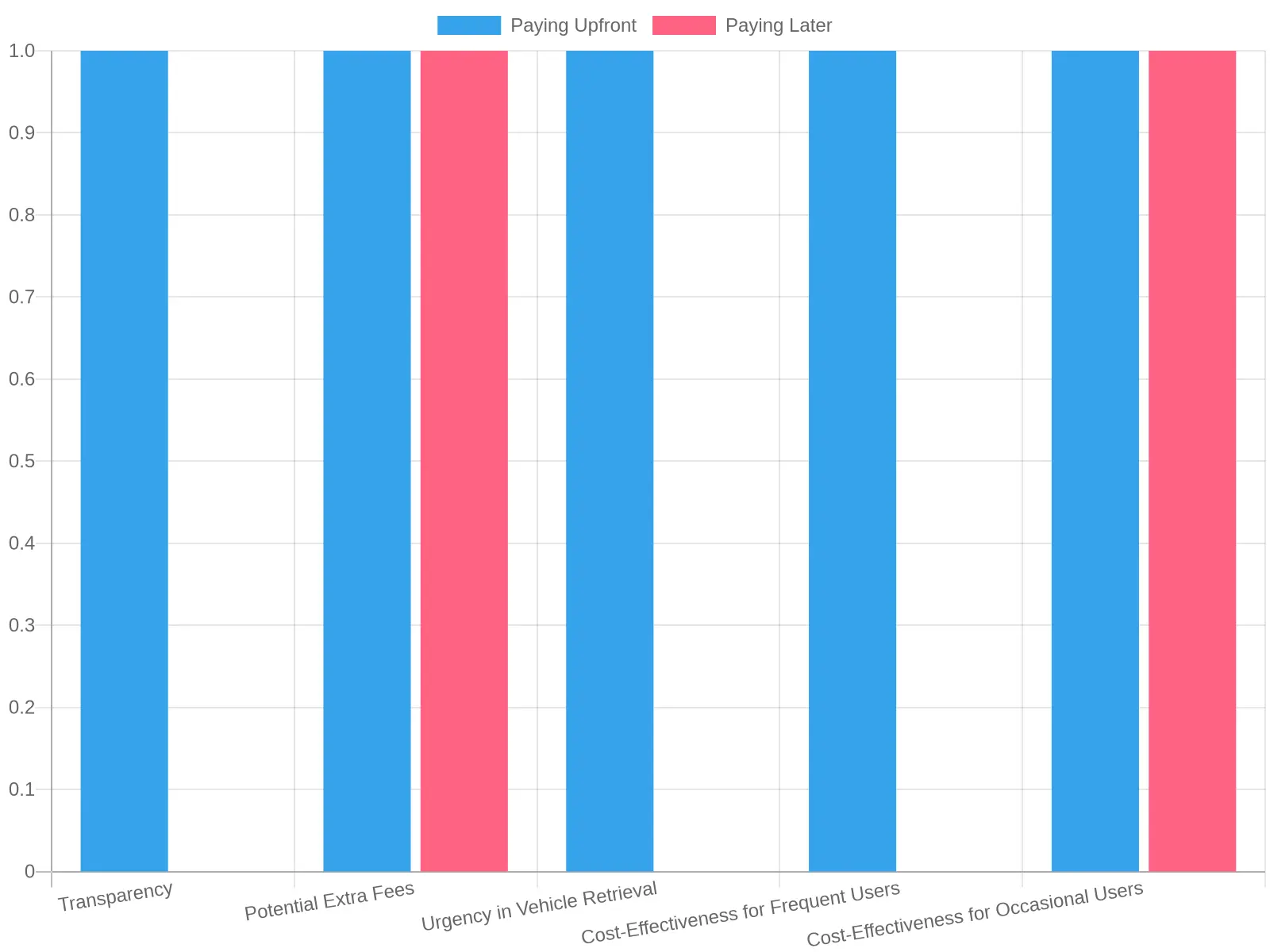
This comparison emphasizes the unique trade-offs associated with each payment method. For local auto repair shops and fleet operators, understanding these dynamics can enhance service offerings and customer satisfaction in challenging times.
Do You Have to Pay a Tow Truck Up Front?
When a vehicle breaks down or is involved in an accident, the last thing many drivers want to think about is how much they will have to pay for towing services. However, understanding upfront payment practices in the towing industry is crucial for consumers. While some towing companies may request payment in advance, practices may vary significantly depending on the company and location.
Understanding Upfront Payments
It’s important for consumers to be informed about the potential for upfront payments when hiring a towing service. Some reputable companies provide clear estimates before arriving, ensuring that you know what to expect from the start. As highlighted in various sources, legitimate towing services typically charge a fee reflecting the actual cost of the service, normally between $50 to $75.
“Trustworthy towing companies will provide a clear estimate of costs, including the hook-up fee and per-mile rate before the service begins.”
Source: Zore’s Towing
This emphasizes the importance of transparent communication between the customer and the towing company. Be wary of operators demanding exorbitant fees upfront, as this can often be a red flag for potential scams.
Alarm Bells: Be Aware of Scams
In recent reports, there have been cases of service providers posing as legitimate towing companies, demanding large upfront payments from stranded drivers in vulnerable positions, with amounts ranging from $300 to $900. It is crucial to ask for a quote up front and to ensure that the company is genuinely local.

Best Practices for Hiring a Tow Truck
- Ask for a Quote: Always request a pricing estimate before agreeing to any towing service. This helps prevent surprises when you receive the bill.
- Check Reviews and Credentials: Research a towing company’s reputation to confirm that they are legitimate and have positive customer feedback.
- Know Your Rights: Familiarize yourself with local laws concerning towing practices to protect yourself against predatory pricing.
For more about ensuring fair treatment and ethical practices in the towing industry, you can learn more here.
In conclusion, while upfront payment requests may sometimes be part of the towing process, being proactive and informed can help you navigate these situations more effectively. Always ensure you are dealing with a reputable company to avoid potential scams or dishonest practices.
Tips for Managing Towing Costs
Managing towing costs can be a significant aspect of property management and commercial fleet operations. Here are some practical tips to help property managers and fleet operators mitigate these expenses effectively:
-
Negotiate Rates: Establish relationships with local towing companies and negotiate preferred rates or service packages. Often, businesses can secure discounted rates for regular use.
-
Seek Insurance Coverage: Check if your insurance policy includes towing coverage. This can cover towing costs and may connect you with pre-approved providers, ensuring lower rates. Learn more about how insurance can help.
-
Use a Membership Plan: Consider roadside assistance programs or memberships that might cover towing costs. Many plans offer significant savings compared to paying out-of-pocket rates.
-
Understand Minimum Fees: Be aware of the minimum fees that towing companies charge, which can often be between $50-$100. Knowing this can help in estimating costs before a service call.
-
Assess Vehicle Needs: For commercial fleets, ensure that vehicles are well-maintained. Regular maintenance can prevent breakdowns and towing situations. Also, investing in reliable vehicles can pay off in the long run.
-
Implement Safety Training: Providing training for drivers on safe driving practices can reduce the likelihood of accidents and required towing services, ultimately lowering costs.
-
Document Incidents: Keep meticulous records of all towing incidents, including the nature of the towing request and the costs incurred. This will help in identifying trends and areas for improvement.
-
Explore Alternative Solutions: Evaluate if the towing situation can be resolved with roadside assistance or minor repairs instead of involving a towing service.
These strategies can help property managers and fleet operators effectively manage towing costs while ensuring that their vehicles and services remain operational and efficient.
Additionally, for emergencies, having a well-defined emergency preparedness plan for fleets can prevent costly towing scenarios.
Insurance Implications on Upfront Payment for Towing
The approach to insurance coverage significantly influences whether you need to pay upfront for towing services when your vehicle is incapacitated. Understanding these implications is crucial, especially for local entities like auto repair shops, dealerships, property managers, resort operators, and fleet operators on the island.
Regional Variations in Towing Insurance Coverage
Insurance policies are often tailored to fit regional requirements and practices, which can vary notably across different areas:
- Alberta: In Alberta, standard auto insurance policies typically do not cover towing for mechanical breakdowns unless specifically added through endorsements. Drivers may find themselves responsible for paying upfront if towing is not included in their policy. For a comprehensive overview, you can refer to Calgary Tow Truck.
- Ontario: Ontario’s insurance market allows for varied towing coverage based on the type of selected insurance (i.e., basic or comprehensive). Many drivers opt for additional roadside assistance, which may cover towing fees. It’s not uncommon for policyholders to pay upfront and then file a reimbursement claim with their insurance provider, depending on coverage details. Learn more about this at Tow Truck Hamilton.
- Texas: In Texas, towing services are generally covered if the vehicle is rendered undrivable due to an accident, with coverage provided under comprehensive or collision insurance. Similar to Ontario, the specifics of the policy will dictate whether an upfront payment is needed.
How Coverage Affects Upfront Payments
Understanding your insurance coverage can prevent unexpected costs at towing time. Here’s how different scenarios can play out:
- With Coverage: If your policy includes towing or roadside assistance, you typically won’t need to pay upfront – the towing company invoices the insurance directly.
- Without Coverage: If towing is not part of your auto insurance, or it’s an exclusion in your policy, expect to pay upfront. The same could apply even if coverage exists but is not specifically for towing services.
Crucial Considerations
When evaluating your insurance policy, consider:
- The types of coverage available in your region and the typical limits on towing reimbursement (often ranging from $500 to $1,000 per incident).
- The reputation and policies of local towing companies, including whether they offer direct billing to insurance providers to alleviate upfront payment burdens.
- The necessity of reviewing your insurance annually to adapt to changing towing service cost trends and personal usage.
For those operating fleets or managing multiple vehicles, understanding these insurance implications is vital to optimize expenditures and maintain operational efficiency. An informed strategy can lead to cost savings in emergency towing situations, which is essential for island businesses.
Conclusion
Navigating the differing insurance requirements and policies can significantly influence whether upfront payment for towing is necessary. Be proactive about understanding your insurance options to ensure that your needs are adequately covered without unnecessary out-of-pocket expenses. For further insights on managing roadside emergencies effectively, check out our article on Essential Fleet Emergency Response Strategies and consider future-proofing your fleet with robust policies that include necessary coverage.
Conclusion
In conclusion, understanding the financial dynamics of tow truck services is crucial for everyone involved-from local auto repair shops to commercial fleet operators. We discussed how towing costs can vary significantly and how, in many cases, upfront payment may be necessary. Regulated pricing structures exist in many regions, ensuring transparency and fairness in the industry. Furthermore, it’s important to ask about pricing before accepting any service; knowledgeable inquiries can protect you from unexpected charges or even fraudulent practices.
Moreover, with the rise of digital payment methods, paying upfront has become more streamlined and secure. For businesses, adopting digital transactions can foster trust and enhance customer satisfaction. As we move forward, integrating best practices like clear communication about costs and payment options will not only benefit you but also uphold the ethical standards of tow truck services.
Now that you’re equipped with this knowledge, consider making Summit Fairings your go-to solution for any towing needs. Whether you’re managing a fleet or dealing with occasional roadside emergencies, our knowledgeable team is ready to assist. Don’t hesitate to visit our website for more insights on emergency preparedness and towing services. Together, let’s ensure safer roads and reliable towing solutions for our community!