Introduction
In the vibrant and bustling landscapes of the Caribbean, the intersection of land and sea is not just a picturesque sight; it is the lifeblood of various local businesses, including auto repair shops and property management enterprises. For these stakeholders, understanding parking garage dimensions for tow trucks isn’t merely a trivial detail-it’s a crucial consideration that can influence operational efficiency and customer satisfaction. In many instances, the unique characteristics of Caribbean parking structures present challenges that require significant attention. As property managers strive to maintain optimal access within their garages, they must recognize the implications of vehicle size and maneuverability. Similarly, auto repair shops that provide towing services must navigate these constraints to ensure their trucks can operate effectively. Knowing whether a tow truck can fit in a parking garage is fundamental. It can make the difference between efficiently responding to roadside emergencies and navigating complex logistical issues that could hinder customer service. In this blog, we’ll delve into these important aspects, discussing how both businesses and individuals can benefit from understanding parking garage dimensions and their impact on towing operations.
Whether you’re honing your emergency preparedness for island fleets or considering the nuances of passenger vehicle tow settings, this guide is designed to illuminate critical insights specific to our island context.
The Parallels of Parking: Tow Trucks and Marina Docks
Imagine a marina on a bright sunny day, where pristine boats are perfectly aligned, each occupying its designated slip. This scene bears a striking resemblance to a bustling parking garage, specifically designed to hold tow trucks, as they await their next call to action. Just as each boat requires a reliable, stable dock to ensure its readiness for adventure on the water, tow trucks need reserved, accessible spaces within garages to efficiently respond to emergencies.
Both environments showcase the critical nature of spatial management in confined areas. Whether it’s the orderly arrangements of boats that enable smooth water access or the strategic positioning of tow trucks that facilitate quick roadside assistance, the analogy serves to highlight the importance of systems that aid in operational efficiency. Managing a marina is much like overseeing a parking garage filled with tow trucks; both rely on real-time monitoring and smart scheduling to navigate peak times and maintain flow.
Just as boats in a marina are stationed close to busy waterways for easy access, serving as lifelines for stranded seafarers, tow trucks in garages positioned near urban centers provide essential services, ensuring that they can swiftly assist motorists when called upon.
For a deeper look at the effective strategies that keep our fleets running smoothly, explore fleet emergency response strategies.
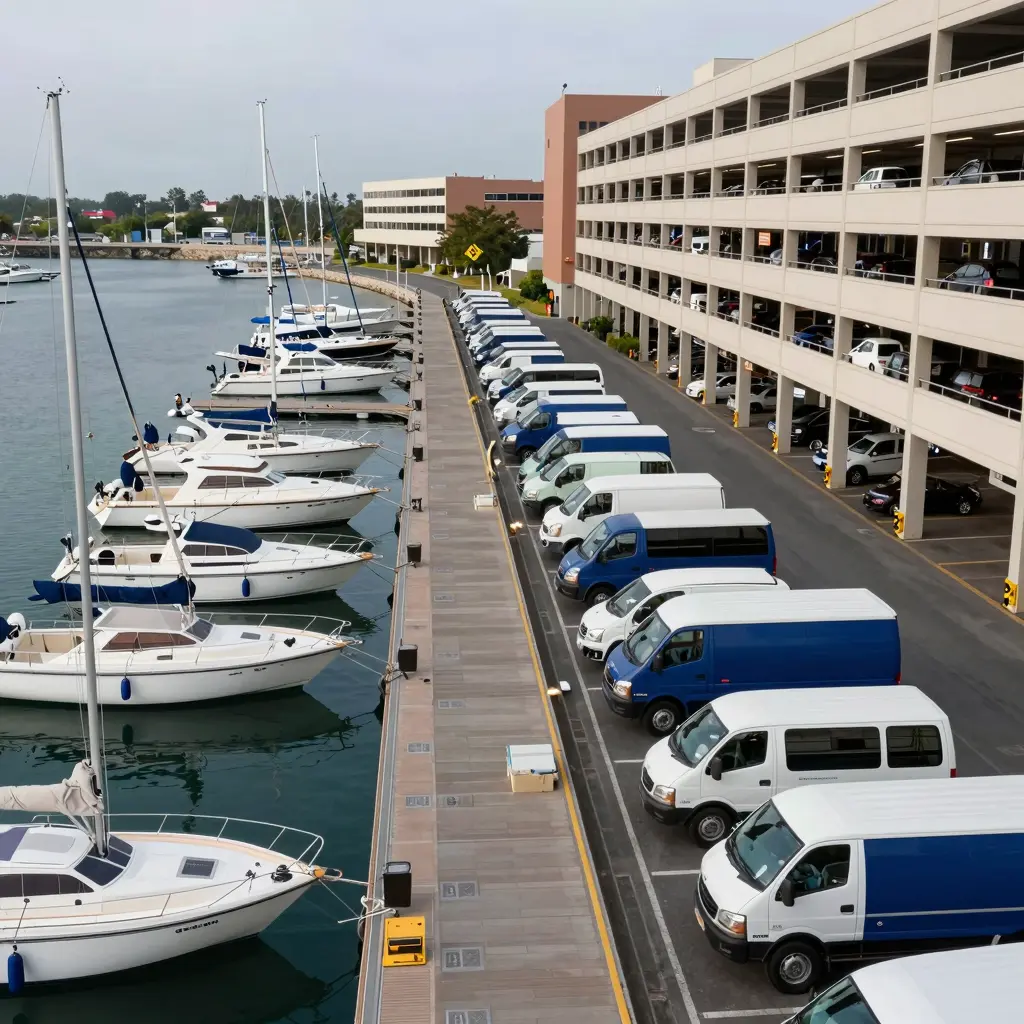
Illustration comparing the organization of a marina and a parking garage for tow trucks, emphasizing the efficiency of both systems.
In conclusion, whether on the water in a marina or on land in a parking garage, the need for efficient, reliable spaces is paramount to ensure quick responses and maintain operational readiness.
Towing Truck Dimensions: What You Need to Know
When it comes to towing trucks, understanding the dimensions is essential, especially for property managers and operators of commercial fleets who must consider parking and storage options. Here’s a detailed look at common towing truck dimensions:
Common Dimensions
Depending on the type of tow truck, the specifications can vary widely:
- Length: Generally, towing vehicles range from about 6.5 to 8.0 meters. For instance, compact mini tow trucks might measure closer to 6.5 meters, while larger wrecker or tilt-and-slide flatbed models can reach up to 8.0 meters.
- Width: Most tow trucks typically have a width of 2.2 to 2.5 meters. However, those equipped with large hydraulic systems or dual-side loading features may be even wider.
- Height: The height generally spans from 2.5 to 3.2 meters. Heights can vary significantly based on the truck’s profile and equipment; taller flatbed or rollback models, which frequently have higher platforms and winch systems, will typically exceed 3 meters.
Here’s a summarized table of the common dimensions for tow trucks:
| Dimension | Range (Meters) | Notes |
|---|---|---|
| Length | 6.5 to 8.0 | Varies by type: compact mini tow trucks may be as short as 6.5 m, while larger models can reach up to 8.0 m. |
| Width | 2.2 to 2.5 | Standard width for most tow trucks; wider models may exceed 2.5 m. |
| Height | 2.5 to 3.2 | Varies significantly based on vehicle profile and equipment. |
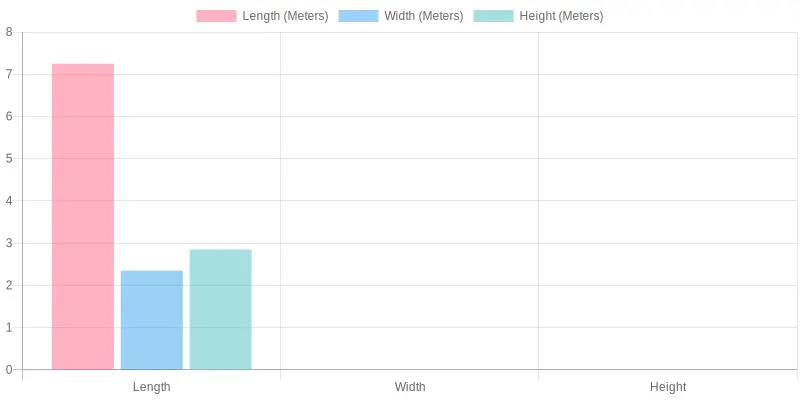
Understanding these dimensions is crucial for parking arrangements, particularly in garages with height restrictions or limited width. Ensuring your tow trucks fit comfortably can save you time and potential damage to both the vehicles and the infrastructure.
For further insights on effective fleet management strategies, you can learn more about emergency preparedness or explore essential fleet emergency response strategies.
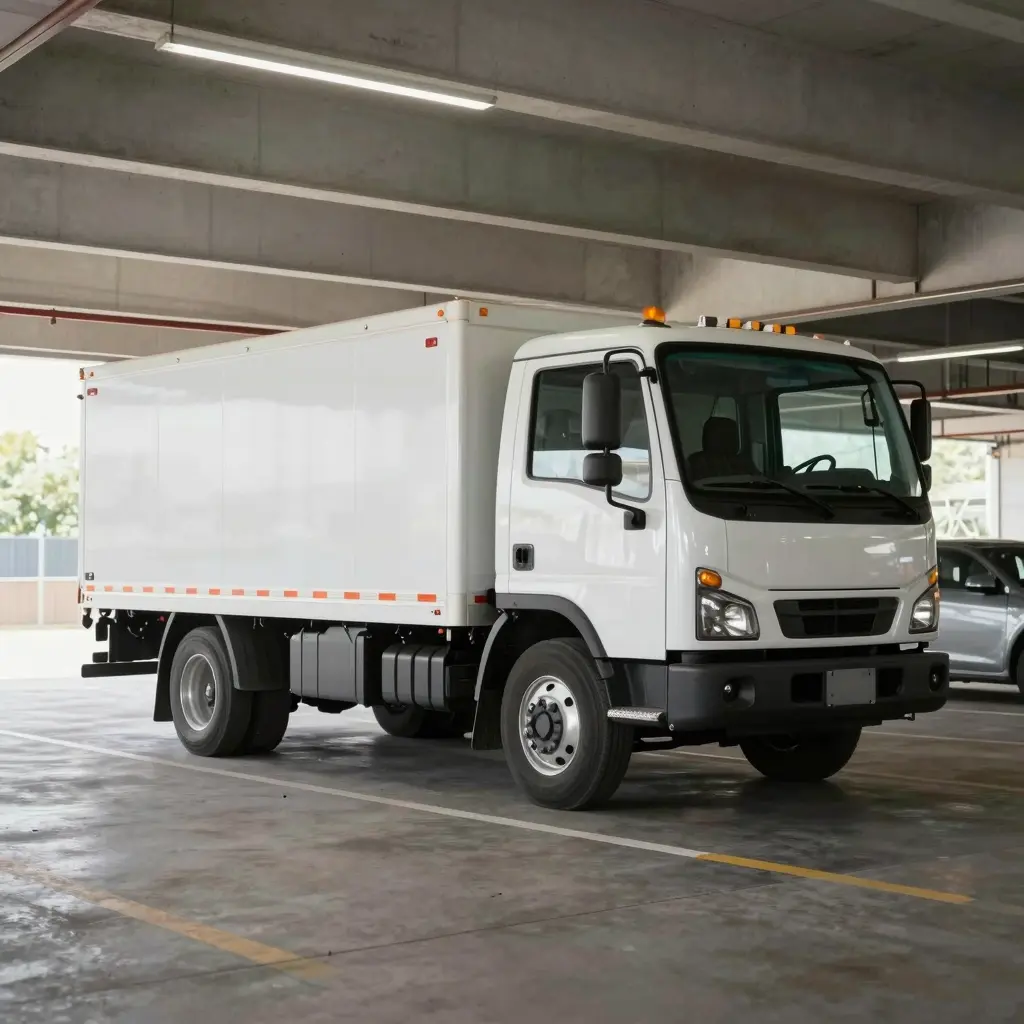
Understanding Parking Garage Height Restrictions and Their Impact on Tow Trucks
When it comes to parking garages, height restrictions are crucial for ensuring the safety and accessibility of vehicles within these confined spaces. Typically, parking garages impose height limits ranging from 6 feet 6 inches (1.98 meters) to 7 feet (2.13 meters) for standard vehicles. However, more modern structures designed to accommodate larger vehicles might extend this clearance up to 7 feet 6 inches (2.29 meters) or more. According to the National Parking Association (NPA), local building codes and ADA guidelines can further influence these height regulations, sometimes necessitating even higher clearances in public parking facilities.
These height restrictions can significantly impact the operation of tow trucks, particularly those that are larger or have additional equipment. For instance, most standard tow trucks measure about 7.5 to 8 feet (2.3 to 2.4 meters) in height, especially those designed for heavy-duty applications. This means that while many traditional vehicles can navigate these parking structures without issues, tow trucks often face limitations that could prevent them from entering, especially in multi-level garages.
Implications for Tow Truck Operations
- Limited Access: If a tow truck cannot enter a parking garage due to height restrictions, it may complicate recovery operations. Tow operators must often find alternative means to tow vehicles, potentially leading to delays and added costs for customers.
- Location Considerations: For businesses such as auto repair shops and car dealerships, understanding these limitations can guide them in choosing appropriate facilities and informing their clients about potential accessibility issues. This is particularly important in island settings where space is often limited, and the logistics of towing can be further complicated by local geography.
- Emergency Preparedness: Property managers and fleet operators should account for access restrictions in their emergency preparedness plans. Effective strategies must include clear communication with towing services about where they can operate and how to handle vehicles that are parked in challenging locations. For further insights, learn more about emergency preparedness for island fleets.
In conclusion, as property managers and fleet operators navigate the complexities of managing parking facilities, understanding height restrictions becomes vital. By being proactive, businesses can enhance their operational efficiency and ensure smooth towing operations, especially in challenging locations like islands where every detail counts in delivering seamless roadside assistance services.
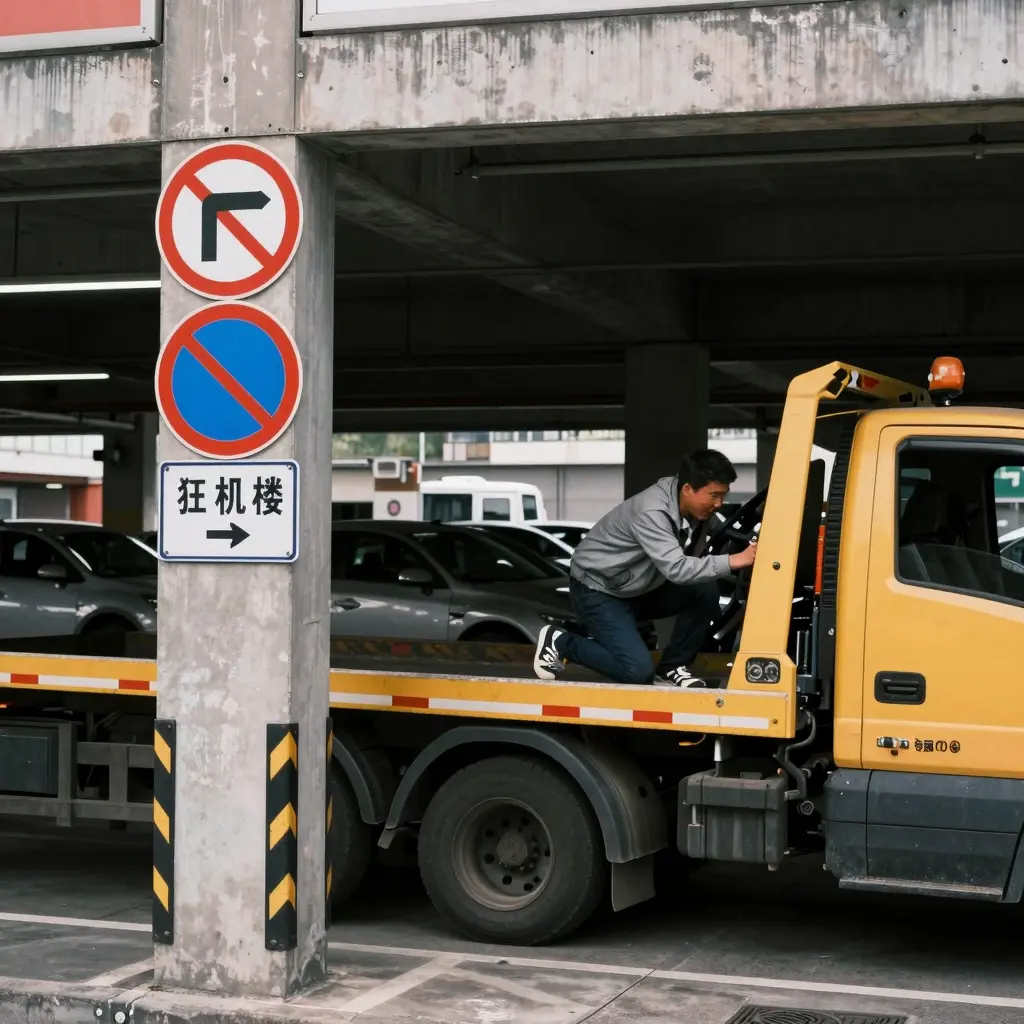
Factors Affecting Tow Truck Parking in Garages
Parking tow trucks in garages requires careful consideration of several important factors, especially for property managers and auto repair shops. Understanding these factors can prevent costly damages and ensure safety during operations. Here are key considerations:
- Height Clearance:
- The average height of a fully loaded tow truck, including the crane arm, ranges from 7 feet to 7 feet 6 inches. Therefore, garages intended for tow trucks should have a minimum ceiling height of 7 feet 6 inches (90 inches) to accommodate the vehicle safely and prevent damage to both the truck and the structure. This requirement is supported by guidelines from the American Automobile Association (AAA).
- Weight Limits:
- Tow trucks can weigh more than 10 tons depending on their configuration. It’s crucial that garage floors are designed to handle the specific load capacity, as failure to meet these requirements can lead to structural failures or safety hazards.
- Parking Angle and Maneuvering Space:
- Adequate space for maneuvering is essential. A parking angle of at least 90 degrees or more may be necessary to allow for safe entry and exit without obstruction. This is particularly important in smaller garages where space is limited.
- Regulations Compliance:
- Parking facilities must comply with local building codes and safety regulations. For instance, cities like Los Angeles mandate specific clearance heights and signage indicating allowed vehicle heights as part of their municipal regulations, ensuring a safer environment for tow trucks in commercial spaces.
- Turn Radius:
- The design of the parking area must consider the turn radius required for tow trucks, which are generally larger and need more space to navigate corners effectively.
In summary, understanding these factors ensures tow truck operations remain efficient and safe while minimizing risks associated with garage parking. Maintaining compliant and well-designed parking spaces will not only protect the vehicles but also promote smoother operational workflows for auto repair shops and related businesses.

By being proactive about these considerations, property managers and repair shop owners can foster an environment that accommodates the necessary vehicle operations while ensuring safety and compliance. For further insights, check out our guide on emergency preparedness for island fleets.
Comparison of Parking Garage Dimensions and Tow Truck Dimensions
Understanding the dimensions of parking garages compared to tow trucks is crucial for ensuring that tow trucks can fit within parking facilities. Below is a detailed comparison table highlighting typical measurements.
| Dimension | Parking Garage | Tow Truck (Average) |
|---|---|---|
| Height | 8 – 10 feet (2.44 – 3.05 m) | 8 – 13 feet (2.44 – 3.96 m) |
| Width | 8 – 9 feet (2.44 – 2.74 m) | 8 – 8.5 feet (2.44 – 2.59 m) |
| Length | 20 – 24 feet (6.1 – 7.3 m) | 15 – 25 feet (4.57 – 7.62 m) |
The dimensions of parking garages generally provide a height clearance of about 8 to 10 feet, which is suitable for most standard vehicles. However, many tow trucks can reach a height of up to 13 feet. This discrepancy may lead to challenges when attempting to park tow trucks in garages that do not accommodate their height.
For property managers, fleets, and dealership operators on islands, these measurements emphasize the importance of monitoring the clearance levels in garages, ensuring that you know if your tow trucks can navigate these facilities successfully. For more insights on emergency preparedness for island fleets and safe towing practices, check out the relevant articles on our website.

Customer Testimonial: Navigating Parking Challenges for Tow Trucks
In a recent testimonial shared on Auto Repair Forum, a customer described the severe parking issues encountered at a local garage. They recounted how the garage had inadequate parking space, which often led to vehicles being improperly positioned. This resulted in damaging incidents when tow trucks were called. The customer shared their personal experience of having their car scratched during the towing process due to poor coordination between the tow truck company and garage staff. They emphasized the pressing need for better signage, dedicated parking zones, and enhanced communication among service providers to prevent further damage and improve safety.
This situation reflects a broader trend highlighted in a National Automotive Service Association (NASAs) report, which found a 37% increase in customer complaints regarding vehicle damage during towing due to insufficient parking layouts. Such testimonials underscore the importance of implementing standardized parking protocols and ensuring that tow truck drivers are adequately trained to navigate tight spaces. It’s vital for commercial fleet operators and property managers to prioritize vehicle safety and maintain clear communication to minimize these challenges and protect customer vehicles.
Conclusion
In summary, understanding the compatibility of tow trucks with parking garages is crucial for property managers, auto repair shops, and commercial operations on our islands. Here are the key points to consider:
- Dimensions Matter: Most standard tow trucks exceed the typical height and width restrictions of parking garages, which generally accommodate passenger vehicles. Tow trucks, especially boom or long-bed models, are significantly larger, making it essential to verify garage dimensions prior to entry.
- Safety and Compliance: For safe operations, AAA recommends using compact booster tow trucks that are specifically designed for lower-clearance situations. This ensures efficiency while navigating parking facilities without risking damage to the vehicles or infrastructure.
- Urban Navigation: With increasing urbanization, having the appropriate equipment, such as compact tow trucks, can greatly enhance response times and operational effectiveness in dense communities. These vehicles are engineered for tighter spaces, thus offering valuable solutions for reliable roadside assistance.
By incorporating these considerations into daily operations, property managers and auto repair shops will not only improve service capabilities but also foster positive relationships with customers and the community. For further insights into optimizing fleet operations, you can learn more about emergency preparedness for island fleets and explore essential fleet emergency response strategies. Be proactive in adopting these strategies to enhance your operational efficiency!
With thoughtful planning and strategic shifts to more adaptable vehicles, you can ensure that your business not only meets current demands but thrives in the unique environment of island operations.
Call to Action for Local Auto Repair Shops
As local auto repair shops, your expertise in handling vehicles is invaluable, especially when it comes to motorcycle fairings. High-quality fairings, such as those offered by Summit Fairings, not only enhance the aesthetics of motorcycles but also play a crucial role in protecting essential components, increasing performance, and ensuring rider safety. By integrating these fairings into your services, you can meet the growing demand for quality repairs and styling in the motorcycle industry.
Does your shop tap into this lucrative market? Now is the perfect time to elevate your offerings! Contact Summit Fairings today to discuss how you can provide your customers with the best in motorcycle fairing solutions. This partnership will not only boost your service portfolio but also strengthen your shop’s reputation as a leader in quality motorcycle care on the island. Don’t miss out on the opportunity to stand out and offer your clients exceptional value!
Get in touch today and take your motorcycle service to the next level!