Introduction
In the tranquil embrace of our island paradise, the unexpected can sometimes bring a wave of unease. Picture this: you spot a car parked where it shouldn’t be-an obstruction that not only disrupts the peaceful landscape but could also be a hazard to others. The thought of needing to call a tow truck swirls in your mind. It’s never an easy decision; perhaps it feels like a betrayal of neighborly courtesy, or maybe it’s a bit of a wake-up call about the responsibilities we carry in our community.
As a property manager or auto repair shop owner, you’ve likely encountered these moments of conflict, where emotions clash with practical needs. The ache of having to choose between preserving community harmony and maintaining safety can be overwhelming. While we live on an island that thrives on mutual respect, it’s crucial to address these situations-because when one car goes unchecked, it can lead to a domino effect that affects us all. In the heart of this dilemma lies the need for clear communication and a plan for action that ensures safety and responsibility reign supreme. Let’s explore how making that call is not just about towing a vehicle; it’s about upholding the integrity of our beautiful surroundings and supporting one another in the journey of responsible community living.
Common Scenarios for Calling a Tow Truck
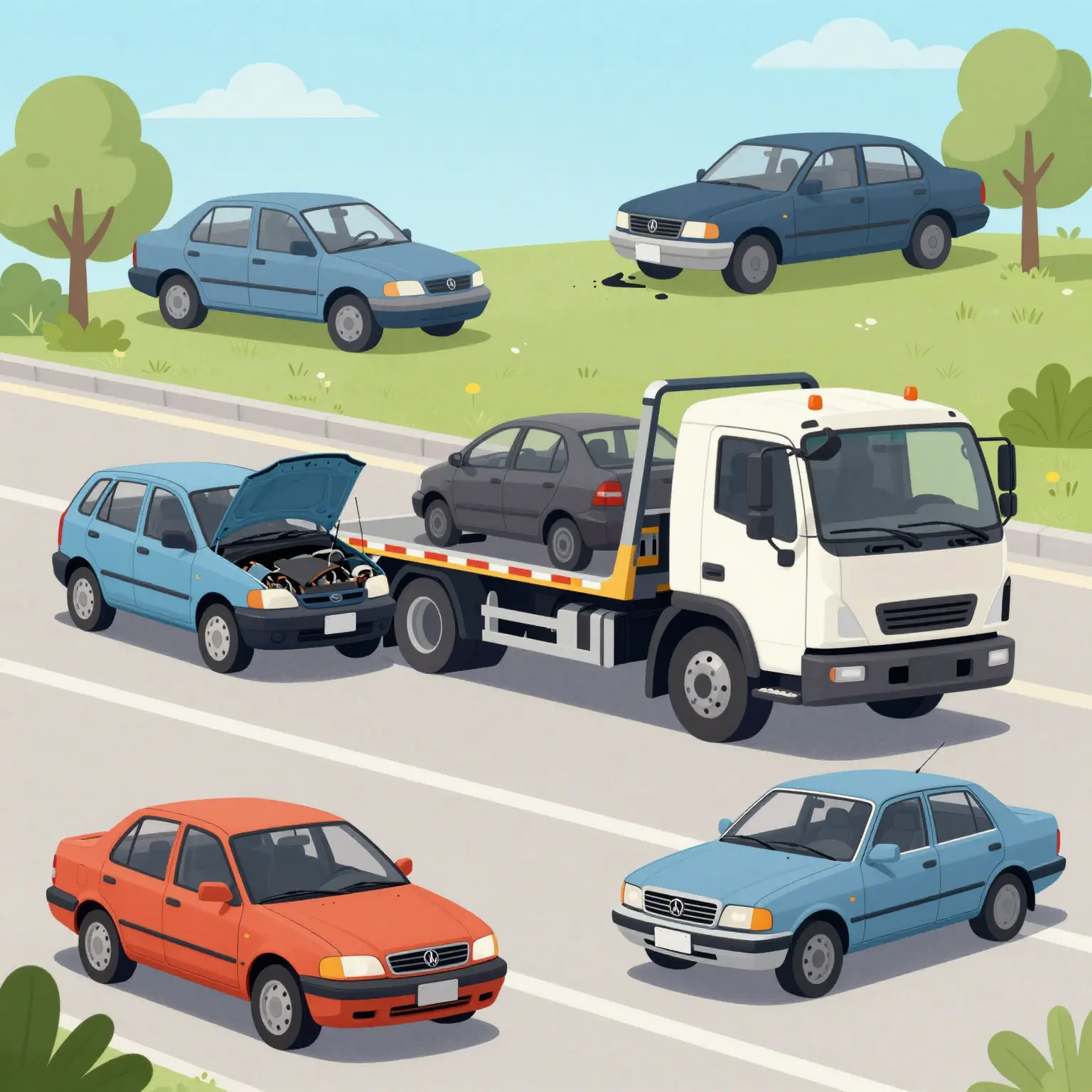
- Vehicle Breakdown: When a car fails to start due to mechanical issues, battery problems, or tire blowouts, a tow truck is essential to transport it to a repair shop.
- Traffic Accidents: In the unfortunate event of a collision, where vehicles cannot be moved from the scene, calling a tow truck is necessary for safe vehicle removal and to clear the roadway.
- Parking Violations: Improperly parked vehicles can block driveways or fire lanes, requiring property managers to call a tow truck to enforce parking regulations and maintain safety.
- Abandoned Vehicles: Cars left unattended for extended periods can become a nuisance. Towing may be needed to remove these vehicles from private property.
- Emergency Situations: In cases of roadside emergencies such as breakdowns in remote areas, fleet operators often call tow trucks to ensure prompt assistance and minimize disruption.
- Maintenance: Fleet vehicles that require service can be towed to maintain operational efficiency and ensure they are regularly inspected and repaired to prevent breakdowns.
For further insights, you can learn more about essential fleet emergency response strategies.
Legal Guidelines Regarding Towing Practices in Island Communities
Towing regulations vary significantly among island communities, primarily due to their unique geographic and demographic characteristics. Here’s an overview of common legal guidelines that apply to towing in various localities, particularly in popular island destinations.
Overview of Towing Regulations
Island communities, such as those in Hawaii, the Florida Keys, and New England, often establish stringent towing regulations to manage local traffic and protect residents’ rights. According to AAA, many municipalities prohibit towing from private driveways or residential streets unless clear violations occur, like illegal parking or blocking access.
For instance, in Maui County, Hawaii, towing without prior notice is illegal unless the vehicle poses a direct safety hazard-this underscores the locals’ rights against undue towing practices. Tow operators are typically required to provide written notice and allow for a grace period before a vehicle can be removed.
Specific Local Guidelines
The legal landscape across various islands reveals a commitment to fair treatment of residents and visitors:
- Martha’s Vineyard, Massachusetts: Tow trucks cannot remove vehicles from residential zones unless they are abandoned or deemed a public nuisance. This policy helps prevent unwarranted towing actions against community members.
- Key West, Florida: Towing from private property necessitates a court order or documented consent from the owner, which discourages unauthorized towing efforts by companies looking to exploit the tourism-driven market.
- Sanibel Island, Florida, and Kauai, Hawaii: Towing from public areas is allowed primarily if the vehicle is parked illegally, like in fire lanes or designated disabled spots. Notably, towing from private property without proper authorization remains illegal across the board.
Local ordinances are particularly sensitive to unlawful towing operations, especially in tourist locations. It’s essential for car owners and visitors to familiarize themselves with these policies before parking. Furthermore, many islands now mandate towing companies to display licenses, reinforcing lawful towing practices.
Conclusion
With their limited infrastructure, island communities implement strict towing regulations to safeguard residents and visitors alike. Understanding these guidelines is vital for property managers, resort operators, and fleet operators who may encounter towing scenarios. For more insight on managing emergencies within local fleets, check our article on emergency preparedness for island fleets. Being aware of local laws can help avoid costly towing fines and ensure a smoother experience for all.
The Emotional Impact of Calling a Tow Truck
The act of towing a vehicle is often viewed through a lens of strict property management and legal obligation. However, it also carries a significant emotional weight, both for the person whose vehicle is being towed and for the property managers or professionals initiating the action. The psychological implications of calling a tow truck are profound and multifaceted, often involving empathy and moral dilemmas.
For property managers, the decision to call a tow truck can lead to a conflict between maintaining order and adhering to protocols versus understanding individual circumstances. Empathy plays a crucial role here. Many people rely on their vehicles for essential daily activities such as commuting to work, attending medical appointments, or fulfilling caregiving duties. Thus, towing can create sudden distress and upheaval in their lives. According to a report from the National Apartment Association, 67% of renters felt emotionally distressed after their vehicle was towed without prior notice.
Conversely, property managers must enforce parking policies to maintain a safe and orderly environment, which can sometimes mean towing vehicles that violate parking rules. It’s a situation filled with moral dilemmas. When a manager decides to call a tow truck, they may question whether they are just enforcing the law or taking a harsh action that might hurt a community member. This tension highlights the importance of implementing clear communication and transparent policies regarding parking rules and towing practices.
Moreover, the emotional burden extends to the interaction itself. Property managers may face backlash, resentment, or anger from residents when a vehicle is towed. A compassionate approach is crucial in such situations. Implementing empathy-driven policies-like clear signage, grace periods, and open communication channels-can significantly reduce conflict and promote a sense of community. Studies indicate that when employees in the property management sector are trained in emotional intelligence, it leads to better interactions and reduces the likelihood of conflict arising from towing incidents.
In summary, the emotional impact of calling a tow truck stretches beyond logistics. It demands a sensitive approach, recognizing the potential distress it may cause while balancing the necessity of enforcement. Building an empathetic relationship with residents fosters trust and mitigates the negative impacts associated with these difficult decisions.
Understanding local towing laws is critical not just for towing companies but also for anyone who might need to call a tow truck. According to the National Highway Traffic Safety Administration, “Understanding local towing laws is critical for preventing accidents, avoiding legal penalties, and ensuring public safety. Misunderstanding these rules can lead to fines, vehicle impoundment, or civil liability if an accident occurs during towing.” Not only can ignorance of these laws put individuals in tough spots, but it also can have serious legal implications, as noted by legal experts from the American Bar Association.
Comparison of Towing Services in the Area
Choosing the right towing service is crucial when you need a tow. Here’s a comparison table that showcases different towing services available in the local area, considering factors like response time, cost, services offered, and user ratings.
| Towing Service | Response Time | Cost | Services Offered | User Rating |
|---|---|---|---|---|
| Roadside Assistance Pro | Under 30 mins | $95 for local | 24/7 towing, jump starts, lockout assistance | 4.8/5 |
| City Tow Express | 30-45 mins | $120 for 10 miles | Flatbed towing, bike towing, emergency fuel delivery | 4.7/5 |
| All-Tow NYC | 25 mins | $90 for local | Long-distance towing, heavyweight towing | 4.9/5 |
| SafeTow LA | 30 mins | $75 for local | Heavy-duty towing, specialized vehicle assistance | 4.5/5 |
| AAA Towing Solutions | 60 mins | $400+ for specialized services | Digital tracking, multiple payment options | 4.6/5 |
Understanding these metrics can help you make an informed decision when you need to call a tow truck, particularly if you’re dealing with unique situations on the islands, such as remote locations. For further information on towing practices, learn more about roadside assistance.
Conclusion
In summary, knowing when to call a tow truck is essential for maintaining safety and efficiency on our roads. Whether it’s due to a breakdown, an accident, or hazardous conditions, understanding the importance of timely towing can prevent further damage to your vehicle and ensure the safety of everyone involved. Summit Fairings is here to provide you with expert towing services that prioritize speed and reliability, helping you navigate unexpected situations with confidence. Our team is specially trained to handle various roadside emergencies with cutting-edge equipment, ensuring that your vehicle is treated with care and expertise.
Now is the time to take action! Don’t hesitate to reach out and learn more about our services, including our emergency preparedness strategies that can benefit your operations. Ensure that you and your fleet are ready for any roadside emergency by partnering with Summit Fairings today. Remember, a reliable towing service can be the difference between a stressful situation and a quick resolution!
Trends in Local Tow Truck Calls
Understanding the trends in towing incidents can provide valuable insights for auto repair shops, dealerships, property managers, and fleet operators. Recently, an upward trend in tow truck calls has been noted, particularly attributed to increased incidents involving electric vehicles (EVs).
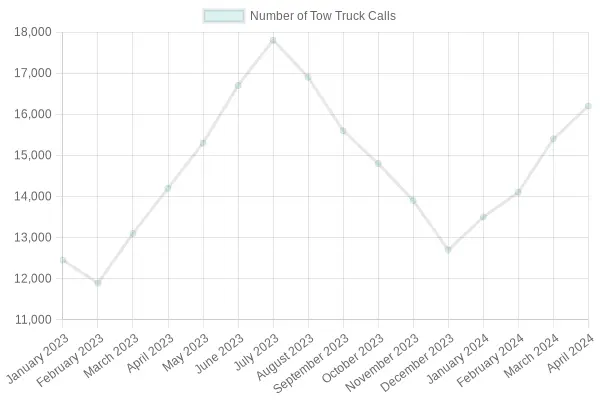
Here’s a chart that visualizes these trends over the past year:
Data Overview
The monthly data reveals the following key points:
| Month | Number of Tow Truck Calls | Notable Trends/Incidents |
|---|---|---|
| January 2023 | 12,450 | Stable demand; minor increase due to winter weather |
| February 2023 | 11,890 | Slight decrease; colder conditions reduced road activity |
| March 2023 | 13,100 | Rise in calls; increased vehicle malfunctions post-winter |
| April 2023 | 14,200 | Early signs of growth; more electric vehicle battery-related incidents |
| May 2023 | 15,300 | Steady increase; EV-related towing spikes observed |
| June 2023 | 16,700 | Significant rise; higher volume of EV battery failures reported |
| July 2023 | 17,800 | Peak demand; summer driving and heat-related EV battery issues |
| August 2023 | 16,900 | Slight decline; continued high EV-related calls |
| September 2023 | 15,600 | Gradual decrease; seasonal drop in roadside incidents |
| October 2023 | 14,800 | Stable trend; fewer extreme weather events |
| November 2023 | 13,900 | Moderate demand; early signs of holiday season impact |
| December 2023 | 12,700 | Lower volume; end-of-year slowdown |
| January 2024 | 13,500 | Initial uptick; early EV battery failure reports |
| February 2024 | 14,100 | Continued growth; increasing number of EV-related calls |
| March 2024 | 15,400 | Rising trend; service demand for EVs remains high |
| April 2024 | 16,200 | Highest monthly total recorded; peak demand linked to EV battery failures |
These trends highlight not only the increasing demand for towing services but also suggest significant shifts towards electric vehicles, requiring specialized response strategies in the towing industry.
For emergency preparedness strategies related to towing services, you can learn more about essential planning here.
Additionally, understanding the dynamics of fleet operations, especially with the rise of EVs in your service areas, is crucial. Check out our insights on emergency response strategies for better preparedness and efficiency in service.
Frequently Asked Questions about Towing Services
1. Can I call a tow truck on someone if they’re parked illegally?
Yes, if a vehicle is parked illegally on your property, such as a private parking lot or in a way that obstructs traffic, you can call a tow truck. It’s important to check your local laws and your property’s towing policy first, as the rules can vary.
2. What information do I need to provide when calling for a tow?
When calling for a tow, be prepared to provide the following information:
- Exact location of the vehicle.
- Make and model of the vehicle being towed.
- Details about the situation (e.g., parked illegally, broken down, etc.).
- Your contact information for follow-up.
3. Is it safe to call a tow truck if I feel threatened by the vehicle owner?
If you feel unsafe or threatened, it’s crucial to prioritize your safety first. Consider calling local law enforcement to handle the situation rather than engaging directly with the vehicle owner. A tow truck can then be called once the situation is secure.
4. Are there costs associated with calling a tow truck on someone?
Yes, the costs can vary based on the towing company and local rates. Typically, the vehicle owner is responsible for the towing fees, but if you’re the property owner or manager, check if you can recover these costs from the vehicle’s owner depending on local laws.
5. Can I call a towing service at any time?
Most towing companies operate 24/7, but availability can depend on specific circumstances and local regulations. For emergency situations, ensure that you’re contacting a reputable towing service capable of providing timely assistance.
For additional insights on managing towing operations effectively, you can learn more about essential fleet emergency response strategies or explore emergency preparedness for island fleets.