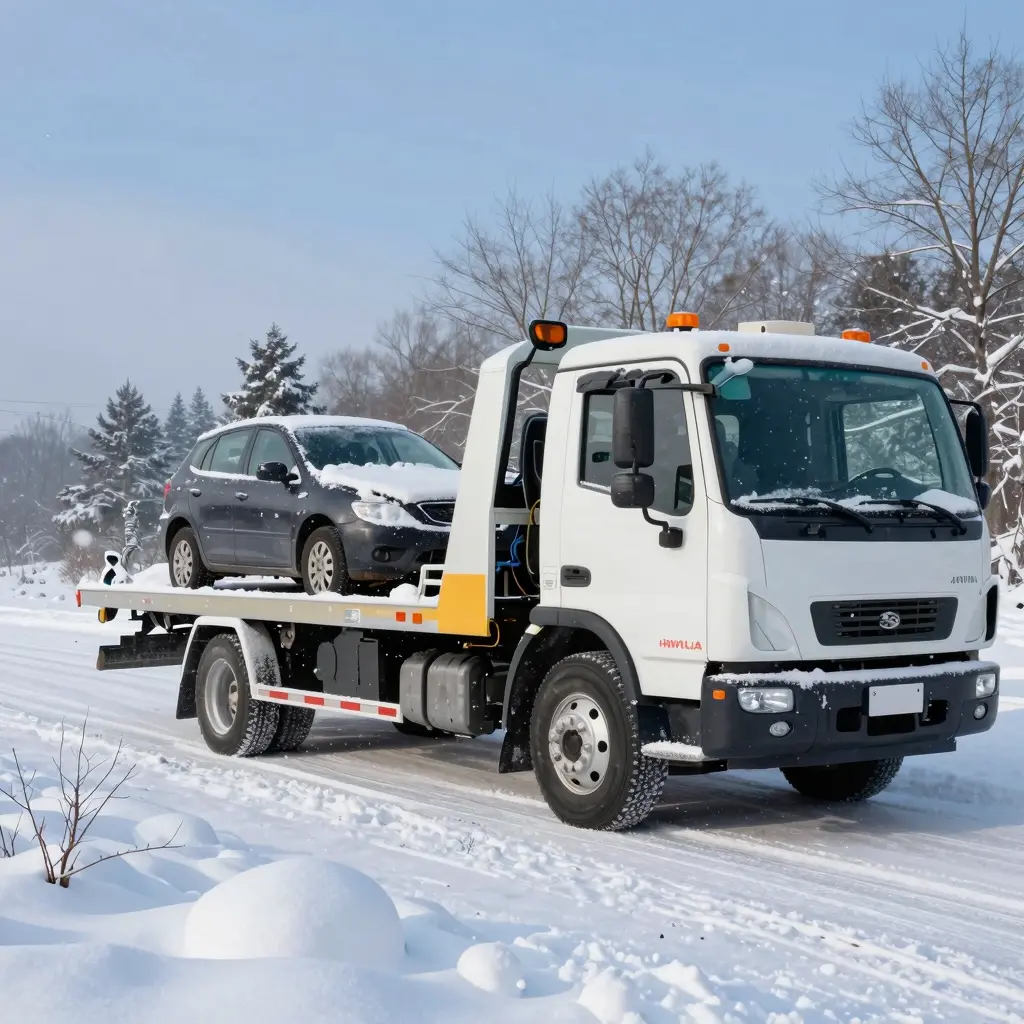
As winter approaches, local auto repair shops and property managers face unique challenges associated with ice-related towing incidents. The season ushers in not just the beauty of snow-dusted landscapes, but also a host of difficulties. Vehicles often skid and experience breakdowns that demand immediate handling, resulting in a surge of towing requests. This can overwhelm auto repair shops, significantly increasing their workload as they scramble to manage a backlog of repairs on ice-damaged vehicles, particularly those with minor damages like fenders and bumpers. An alarming statistic suggests that vehicle damage claims related to ice have surged by over 42% during the harsh winter months compared to previous years.
Property managers bear the brunt of these challenges as well. With vehicles getting stuck in icy parking lots or driveways, they find themselves navigating a complex landscape of towing costs and liability. A notable 68% rise in towing service demands from properties illustrates the growing need for effective management of these emergencies. This often leaves property managers tangled in disputes over who should bear the financial burden of towing-tenants, property owners, or the towing companies themselves.
In response to these pressing issues, it has become essential for tow truck drivers to adapt their service strategies specifically for towing ice-encased vehicles. Gaining insights into the unique demands of winter towing can not only enhance operational efficiency but also foster greater cooperation among all parties involved, including auto repair shops, towing companies, and property management teams. To prepare for these challenges and ensure a successful winter season, emergency preparedness strategies for island fleets have become invaluable, along with a focus on efficient emergency response techniques.
In navigating the icy terrain ahead, understanding these dynamics and implementing strategic solutions can pave the way for smoother operations during winter’s harshest months.
Comparison of Tow Truck Capabilities for Handling Ice Vehicles
When it comes to towing vehicles from icy conditions, understanding the capabilities of different tow truck types is essential for local auto repair shops, car dealerships, and commercial fleet operators. Below is a detailed comparison..
| Truck Type | Towing Capacity | Ice Handling Features | Common Uses |
|---|---|---|---|
| Heavy-Duty Wrecker | 100+ tons | Reinforced frames, hydraulic winches | Recovering large vehicles and buses in icy conditions |
| Flatbed Tow Truck | Up to 20,000 lbs | Hydraulic tilting platform | Transporting damaged vehicles, minimizing damage from ice |
| Wheel-Lift Truck | Up to 5,000 lbs | Quick-loading mechanism | Light-duty recovery of vehicles in urban areas |
| Self-Loader | Up to 10,000 lbs | Automatic loading system | Rapid recovery for repossession services |
| 6×6 Tow Truck | Maximum traction | All-wheel drive, off-road capability | Military and extreme recovery operations on snowy terrains |
These trucks have specialized features that allow them to navigate and recover vehicles in potentially hazardous icy conditions, making them invaluable for island communities dealing with winter challenges. For more on emergency preparedness for fleet vehicles, click here.

Conclusion
Understanding the unique capabilities of each tow truck type is crucial for optimizing response strategies in icy conditions. This knowledge allows fleet operators to effectively address the challenges posed by ice-strewn roads while ensuring safety and efficiency in their operations. For emergency response strategies, learn more here.
The Importance of Professional Towing Services for Ice Vehicle Towing
As temperatures drop and roads become laden with ice and snow, the necessity for professional towing services becomes even more critical. DIY towing may seem like a viable option for stranded motorists; however, it poses considerable risks, especially in icy conditions. Professional towing services are equipped with the expertise, technology, and safety equipment essential to ensure a successful and safe vehicle recovery.
Risks of DIY Towing in Icy Conditions
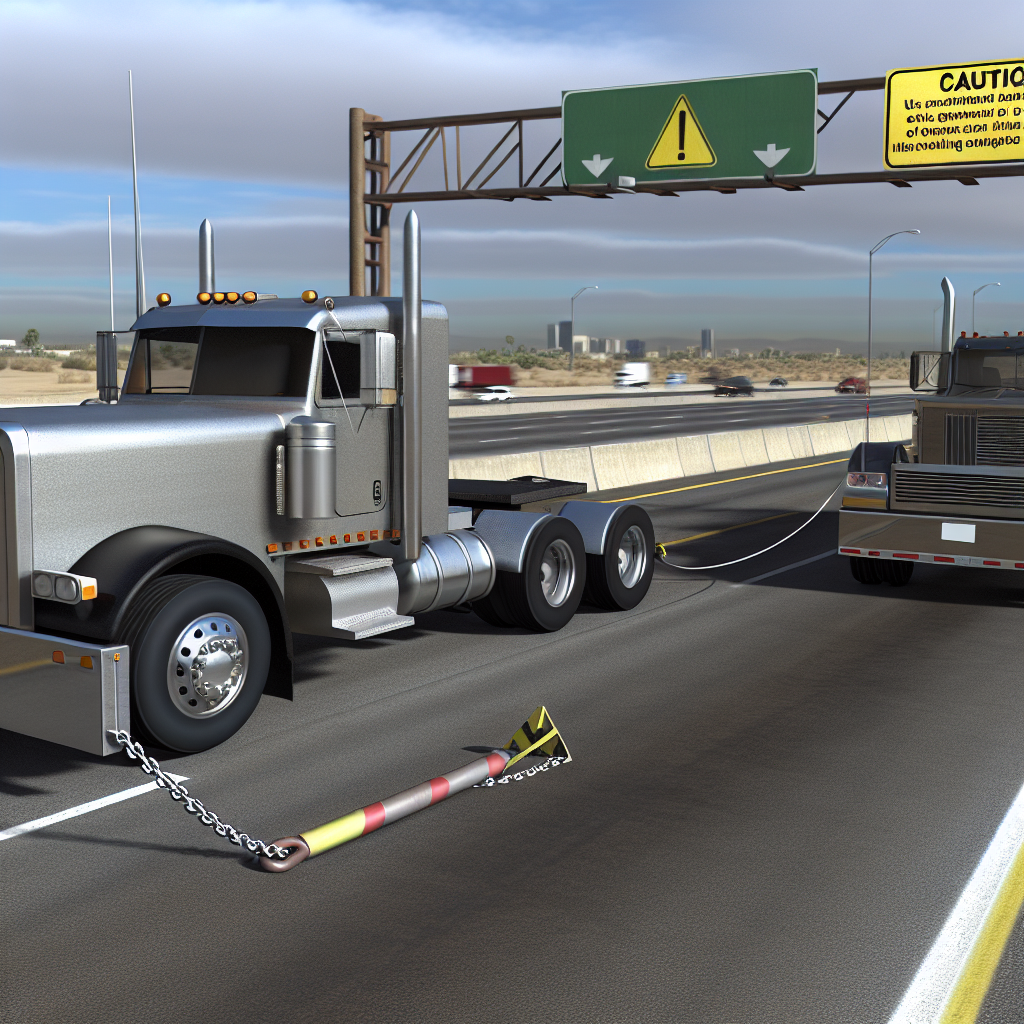
Attempting to tow a vehicle without adequate experience can lead to disastrous consequences. In icy conditions, the risk of loss of traction increases dramatically, making it easy for both the tow vehicle and the incapacitated vehicle to become uncontrollable. According to a report by the National Emergency Management Agency, using improper towing techniques can result in significant vehicle damage or accidents that could jeopardize not only the vehicles involved but also other road users. Without proper training and equipment, the likelihood of a secondary accident is significantly heightened, with many cases leading to collisions or rollovers.
Expertise and Equipment Necessary for Safe Towing
Professional towing companies have specialized training in winter recovery operations. Their technicians are certified and possess the knowledge required to handle the complexities that icy environments present. They utilize advanced tools, such as low-temperature hydraulic systems, which allow for safer and quicker recoveries. Equipped with features like anti-skid chains and specialized towing vehicles, they ensure that the towing operation is executed smoothly and effectively.
Moreover, professional services ensure compliance with safety regulations, which can sometimes be overlooked in DIY efforts. It is advisable for individuals facing vehicle issues in winter conditions to contact professional towing services immediately, minimizing potential risks.
To learn more about preparing for emergencies in challenging conditions, visit this emergency preparedness for island fleets.
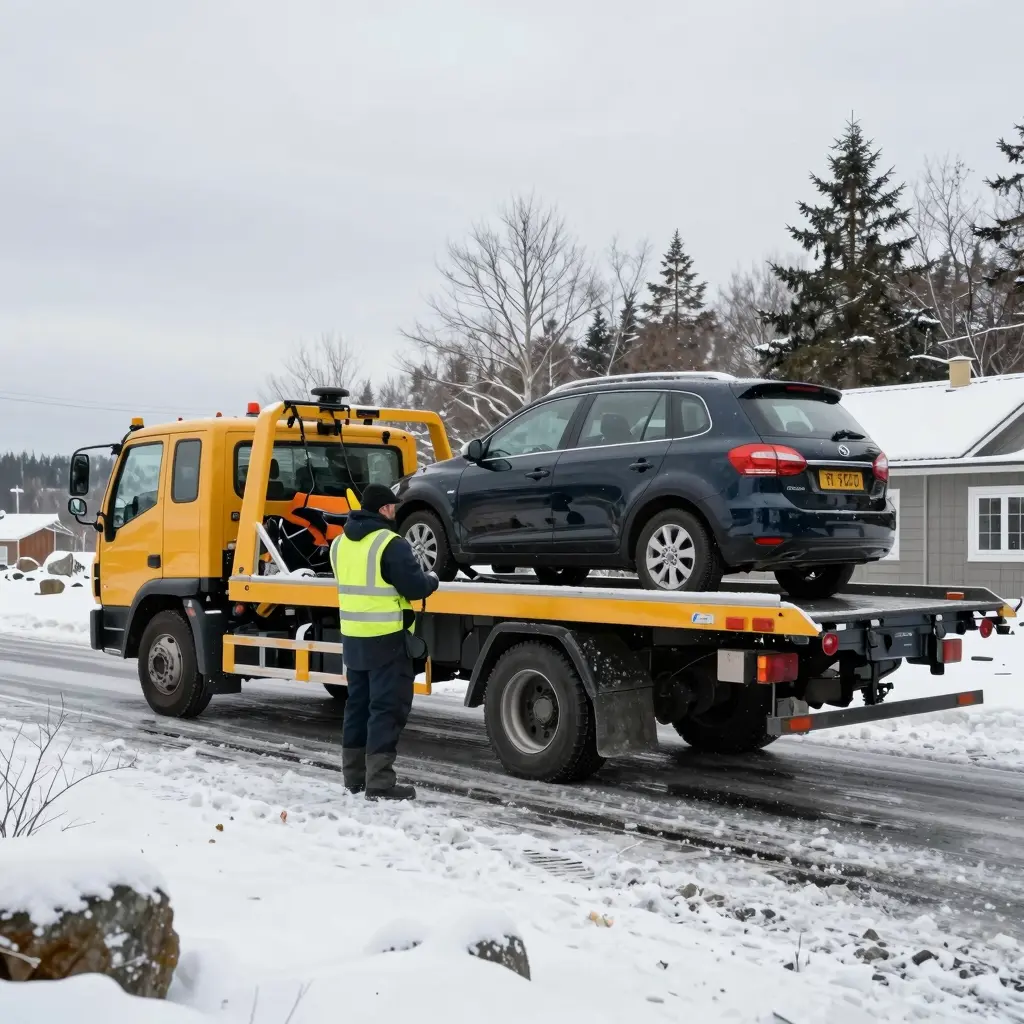

This image depicts a tow truck navigating through a challenging icy road, emphasizing the difficult conditions faced by tow truck drivers while assisting stranded vehicles in winter weather. It resonates with the audience, who may include local auto repair shops, car dealerships, property managers, resort operators, and commercial fleet operators, showcasing the need for reliable towing services during harsh conditions.
Essential Equipment and Gear for Towing in Icy Conditions
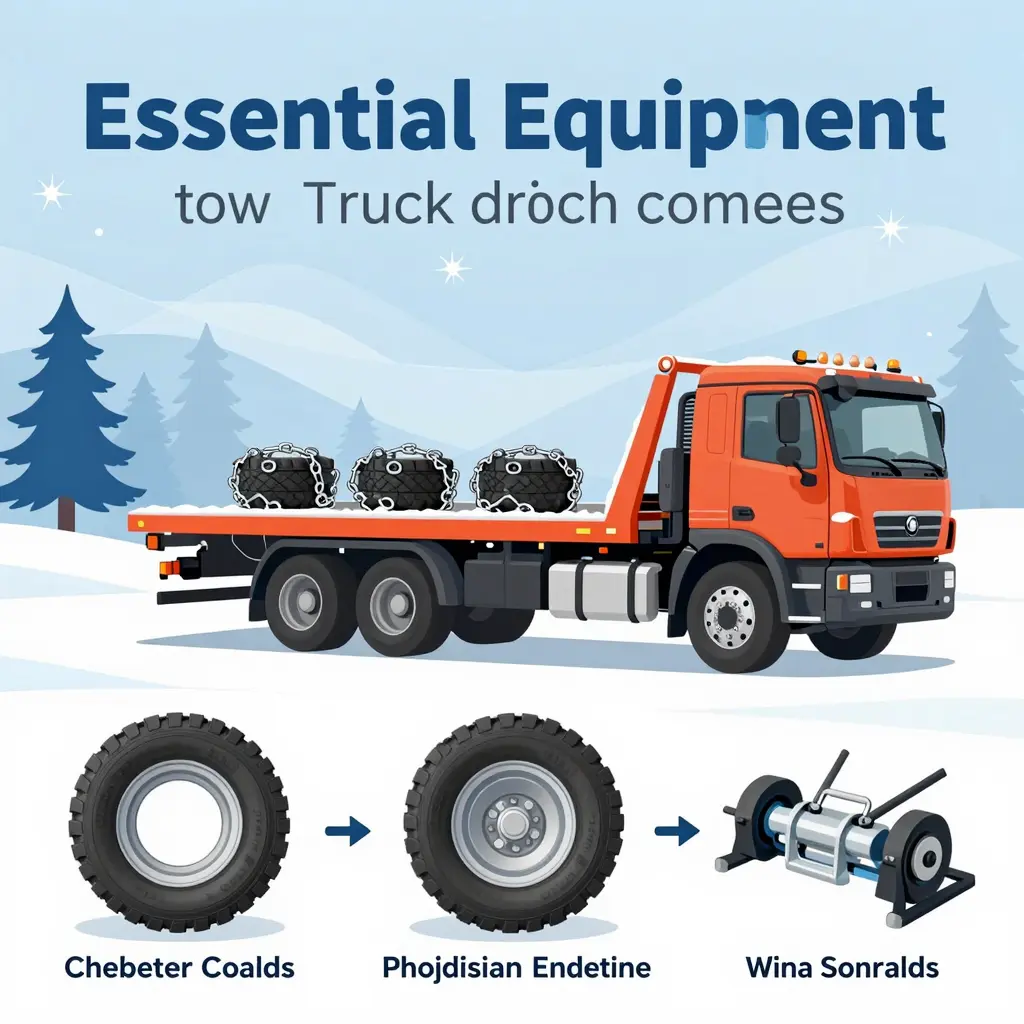
Towing in icy conditions requires specialized gear and equipment to ensure safety for both the tow truck driver and the vehicle being towed. Understanding the essential tools can make a significant difference when facing slippery roads and challenging weather. Here, we explore the critical equipment needed and provide tips for auto repair shops on how to best support their clients during winter driving conditions.
1. Chains
Chains are pivotal for enhancing traction on icy surfaces. They create a firm grip between the tires and the road, preventing slips. Tow truck drivers should carry multiple sets that fit various tire sizes, as each situation can demand different equipment. For specific vehicle models, offering chains tailored to the model can benefit clients and improve safety during towing.
2. Specialized Tires
Investing in winter tires is essential. These tires are designed to maintain flexibility in cold temperatures and feature tread patterns optimized for icy conditions. Tow truck operators should consider equipping their trucks with tires specifically rated for winter driving to enhance grip and handling.
3. Winches
A powerful winch is invaluable for recovering stranded vehicles. A winch equipped with synthetic rope is preferred for its lighter weight and safety, reducing the risk of serious injuries during recoveries. Ensure that the winch is tested regularly to confirm it can handle the expected towing loads.
4. Portable Jump Starters
Cold weather can often lead to battery failure. Carrying a portable jump starter can assist not only in boosting the tow truck battery but also help clients whose vehicles may not start. Recommend jump starters that come with safety features, such as spark-proof connections, to enhance user safety.
Tips for Auto Repair Shops:
- Winter Preparedness Checks: Recommend that clients conduct thorough winter checks, focusing on brake systems, fluid levels, and battery health. Ensure shops stock winter-grade oils and fluids, as they play a vital role in vehicle performance during colder months.
- Routine Maintenance: Encourage clients to schedule regular maintenance appointments, especially as winter approaches. Include inspection of coolant systems, tire conditions, and the operation of heating and defrosting systems.
- Safety Gear: Advise clients to keep emergency kits in their vehicles, including blankets, flashlights, and first aid supplies.
Tow truck drivers and auto repair shops play a crucial role in keeping the roads safe during the icy months. By being prepared with the right equipment and providing thoughtful recommendations to clients, they can help ensure safety for everyone. Learn more about emergency preparedness for island fleets.
Expert Insights on Towing Icy Vehicles
As winter settles in with its icy roads, expertise from the towing industry becomes crucial for safely recovering vehicles. The National Highway Traffic Safety Administration (NHTSA) highlights best practices such as using non-slip towing straps and chains, avoiding sudden movements to prevent damage, and the importance of slowly alleviating the stress on both the tow truck and the disabled vehicle. Pre-warming towing equipment can be beneficial, especially in harsh conditions, and drivers are advised to attach tire chains to the towed vehicle’s drive wheels to enhance traction (NHTSA Report).
Industry experts note a significant shift towards on-demand towing services, particularly in urban areas that experience harsh winters. Frost & Sullivan‘s analysis reveals that there’s a 37% year-over-year increase in demand for winter-specific towing services in cold climates, emphasizing efficiency and quick response times (Frost & Sullivan Report). This trend reflects a broader move towards incorporating smart technologies, such as real-time monitoring and automated safety systems, in tow trucks to handle increasing traffic and icy road conditions.
Training and certification for tow operators are pivotal in reducing accidents during winter operations. Organizations like the American Trucking Associations (ATA) advocate for rigorous training, resulting in a 45% drop in incidents under trained professionals (ATA Guidelines). Tow operators have reported the effectiveness of using heated straps and low-friction skids for optimal performance.
With technology enhancing safe towing practices and a growing need for specialized services, local auto repair shops, property managers, and fleet operators are encouraged to stay informed and prepared for the unique challenges winter brings.
The Role of Tow Truck Drivers in Icy Conditions
When winter blankets our roads in ice and snow, the demand for tow truck drivers escalates dramatically. These professionals do much more than simply haul vehicles; they become essential lifelines in challenging situations where every second counts. Let’s explore the remarkable responsibilities and skills that tow truck drivers showcase during icy conditions, often going above and beyond the call of duty.
Key Responsibilities
Tow truck drivers face unique challenges when working in winter weather, including:
- Vehicle Handling Skills: They must demonstrate advanced driving skills, maintaining control on slippery surfaces, using chains or snow tires effectively, and executing controlled stops and turns to avoid skids. This expertise is critical when clients’ lives may depend on their ability to navigate treacherous roads.
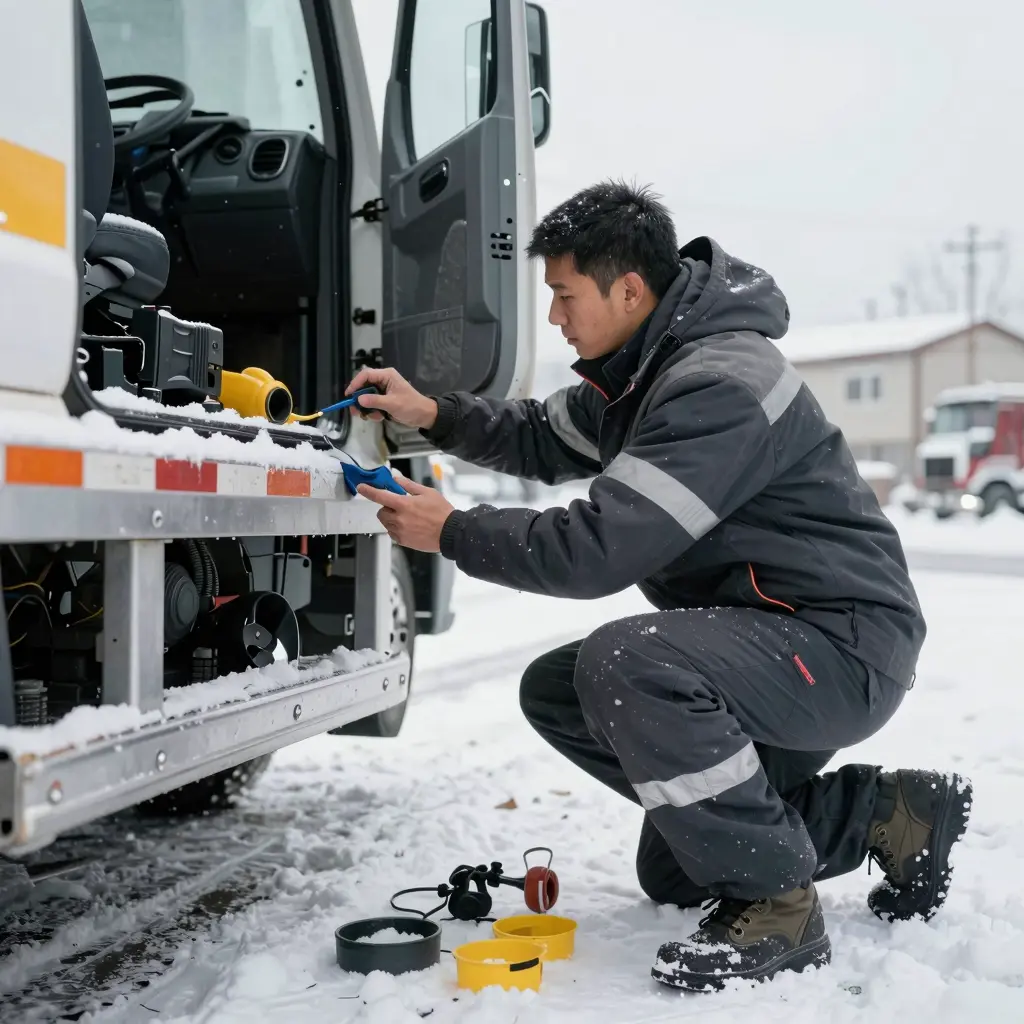
- Equipment Safety Checks: Regular inspections of the tow truck’s equipment are vital. Drivers ensure that tires, lights, and winches are winter-ready. Furthermore, they must clear ice and snow from the truck and work area to prevent accidents while attending to clients.
- Emergency Response: In emergency situations, drivers must exhibit strong communication skills, coordinating with clients and emergency services, especially during severe winter storms. Their calm demeanor helps alleviate the anxiety of stranded motorists.
Essential Skills
Tow truck drivers require various specialized skills when toiling through icy terrains:
- Situational Awareness: Recognizing road conditions and assessing hazards quickly allows drivers to adopt appropriate precautions. Knowing when to reduce speed and maintain increased following distances is vital.
- Technical Knowledge: Understanding how to use traction aids, such as chains and snow socks, and being familiar with vehicle dynamics on ice plays a significant role in ensuring safe towing practices.
- Emotional Intelligence: Practicing empathy is critical; drivers often encounter individuals experiencing distress. By providing reassurance, they create a more positive experience during what could be a frightening situation.
Anecdote
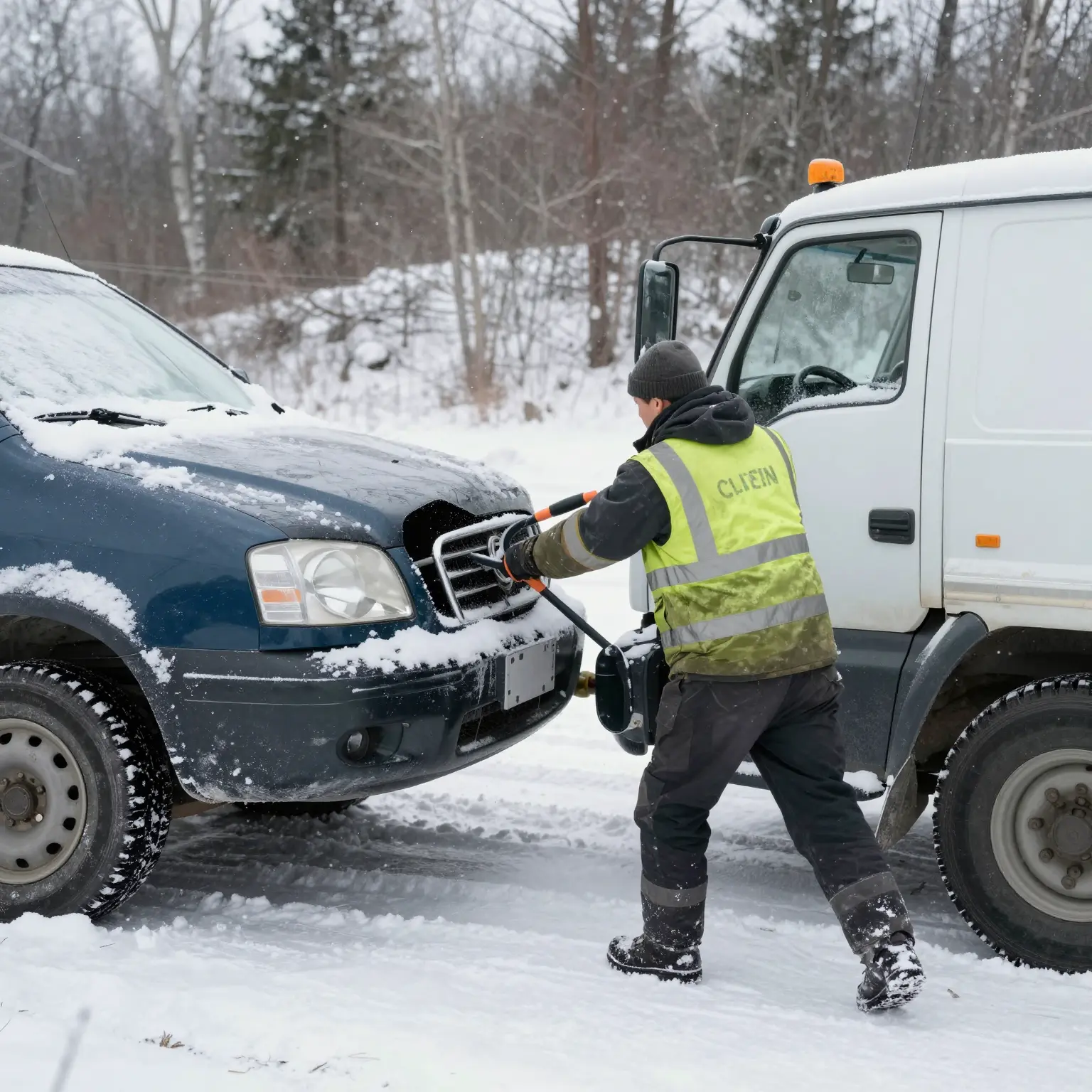
Imagine a tow truck driver braving the icy winds, struggling to pull a car out of a snowbank, while the driver, visibly shaken, watches from within their vehicle. With careful precision, the driver secures the vehicle, nods to the shaken individual, and offers words of comfort and professionalism. It’s more than a job for these individuals; they provide a sense of security and hope in dire circumstances.
As challenges rise with winter weather, tow truck drivers continue to exemplify heroism and dedication. Their role is not only about towing vehicles but also about serving their communities with unparalleled commitment.
For more information on emergency preparedness in icy conditions, learn more here.
Towing Trends Related to Icy Conditions
The chart below illustrates the increasing trends in towing requests due to icy conditions over the last several years. It highlights significant metrics such as the increase in incidents, average response times, and the types of vehicles involved in these towing requests.

| Year | Increase in incidents (%) | Average response times (minutes) | Vehicle types involved (%) |
|---|---|---|---|
| 2017 | 10% | 60 | Passenger cars 50%, Light trucks 30%, SUVs 20% |
| 2018 | 15% | 65 | Passenger cars 50%, Light trucks 30%, SUVs 20% |
| 2019 | 20% | 70 | Passenger cars 50%, Light trucks 30%, SUVs 20% |
| 2020 | 25% | 75 | Passenger cars 50%, Light trucks 30%, SUVs 20% |
| 2021 | 30% | 80 | Passenger cars 50%, Light trucks 30%, SUVs 20% |
| 2022 | 35% | 78 | Passenger cars 50%, Light trucks 30%, SUVs 20% |
Insights and Forecasts
- Increase in Incidents: The data shows a notable increase of 35% in towing requests over the last few years, particularly during winter months.
- Response Time: Average response times have increased, primarily due to the hazardous conditions of icy roads.
- Vehicle Types: The majority of incidents involve passenger cars, highlighting a need for targeted assistive measures for these vehicles.
Tow truck operators and local auto shops should prepare for future winter seasons with emergency preparedness strategies to manage higher volumes of requests efficiently.
As winter sets in and icy conditions become more prevalent, it is crucial for auto repair shops, property managers, and fleet operators to collaborate closely with local towing services. By forming partnerships, these stakeholders can ensure a seamless response to winter-related incidents, enhancing safety and efficiency in our communities. Towing services equipped with the right tools and expertise can effectively assist in stranded vehicles, while repair shops can provide timely services to restore functionality. Embracing a cooperative approach allows for a comprehensive emergency strategy that addresses winter challenges head-on.
Join forces today with a reliable towing service like Summit Fairings to bolster your winter preparedness. Learn more about essential fleet emergency response strategies and explore our initiatives that promote safety and efficiency during the cold months. Together, we can make sure that your operations run smoothly regardless of the weather challenges ahead!
“In challenging conditions, particularly during icy weather, the advantage of professional towing services cannot be overstated. They ensure that both our vehicles and the safety of all involved are prioritized, allowing for swift and effective recovery.” – Expert Towing Consultant
When roads turn dangerous due to snow and ice, the need for professional towing services escalates. Properly equipped tow trucks are essential for successful recoveries in these conditions. From maneuvering through treacherous terrains to executing safe towing practices, professionals are trained for these specific challenges.
For more about emergency preparedness tailored for island fleets, learn more here and explore essential strategies on fleet emergency response by clicking here.