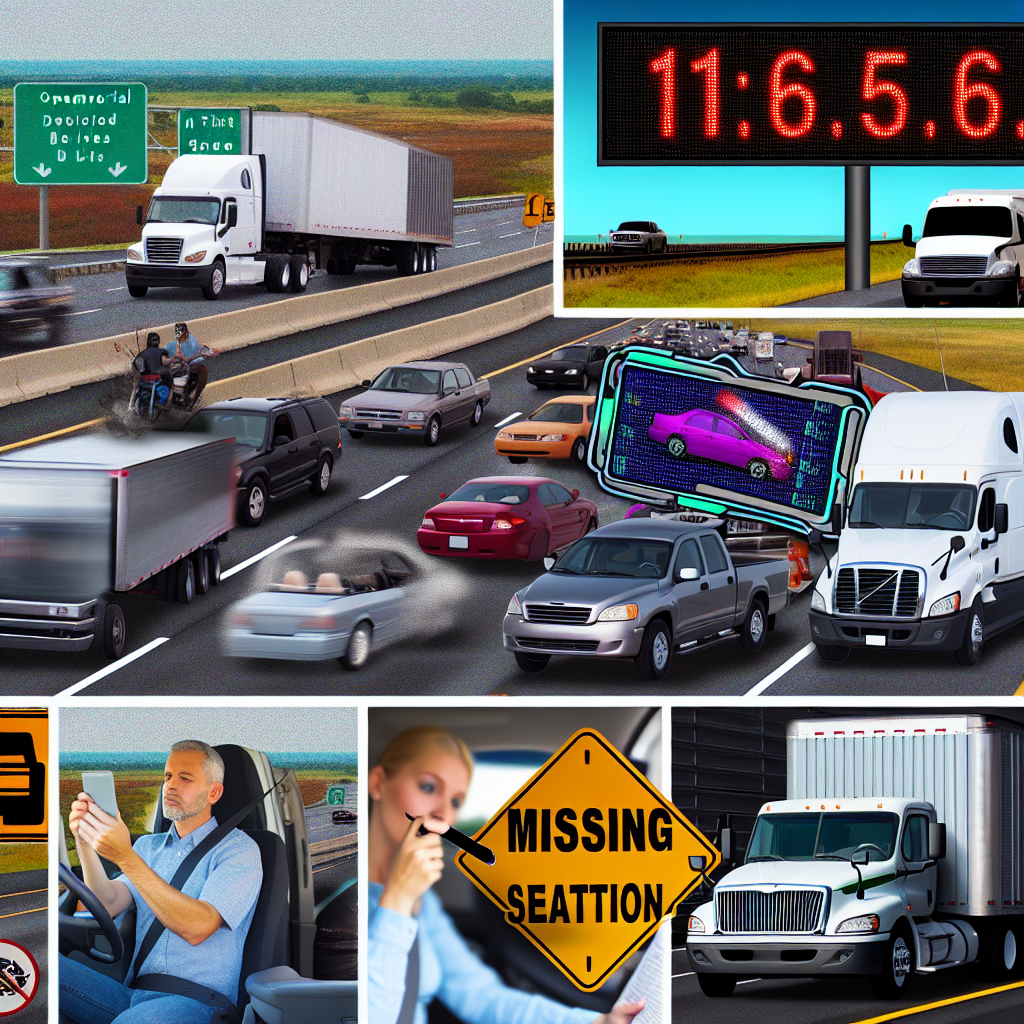
Tow truck drivers perform a vital service, often putting themselves in harm’s way to assist others in distress. Tragically, this noble profession comes with significant risks; statistics reveal that approximately 60 tow truck drivers lose their lives each year in the U.S., which means one driver is killed approximately every six days. This alarming trend underlines the critical importance of understanding the challenges these professionals face, especially for local auto repair shops, car dealerships, and other stakeholders in the industry. As communities rely on these essential services, it is crucial to advocate for better safety measures and raise awareness about the inherent dangers of roadside assistance. By fostering a culture of respect and caution among drivers-emphasized by initiatives like the Slow Down, Move Over Law-we can work together to ensure a safer environment for our hardworking tow truck operators. For more insights on safety strategies, check out our essential fleet emergency response strategies and learn about emergency preparedness for island fleets.
Common Causes of Accidents Involving Tow Truck Drivers
Accidents involving tow truck drivers are distressingly common, with numerous factors contributing to the high risk associated with this profession. Understanding the causes is crucial for improving safety and reducing fatalities on the roads.
Driver Distraction
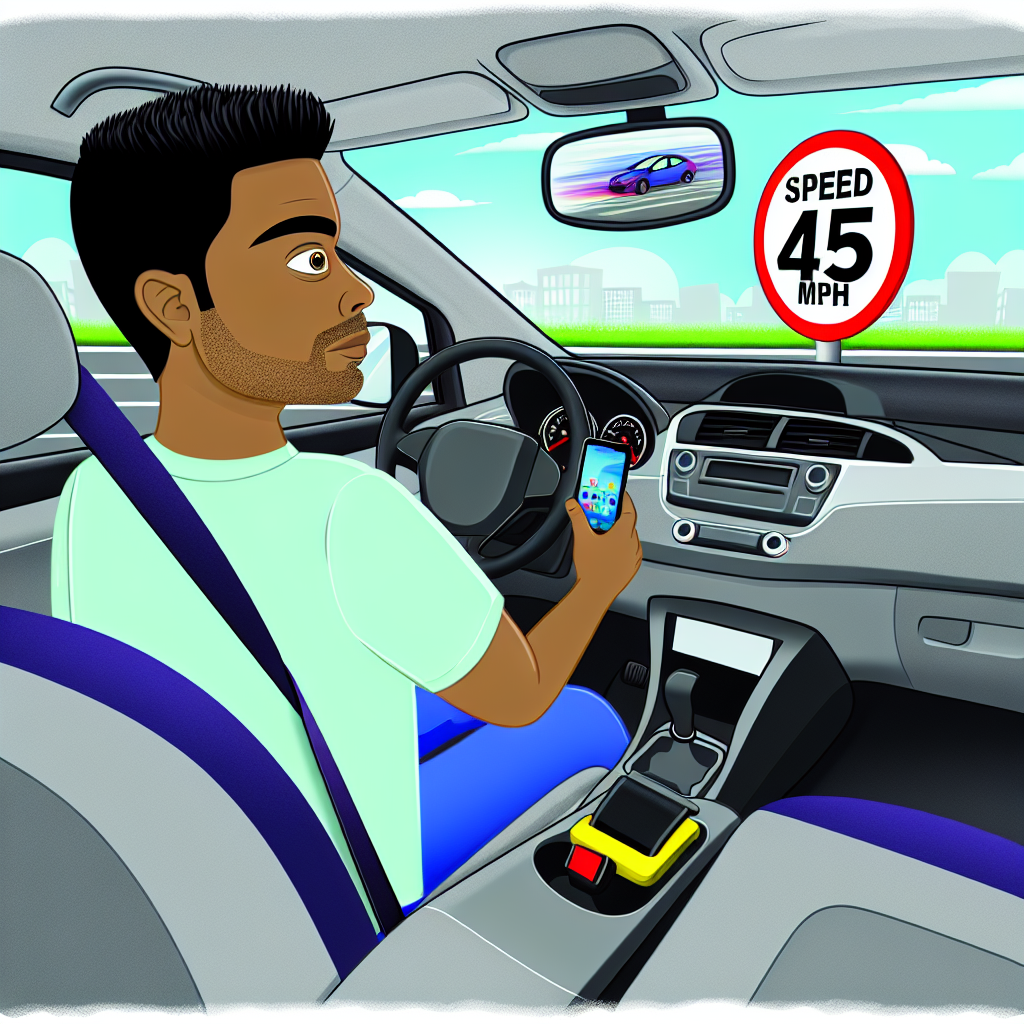
Distraction is a major cause of accidents on the roadway. Tow truck drivers are often required to perform multiple tasks simultaneously, such as managing the tow vehicle, communicating with clients, and monitoring the surrounding environment. This multitasking can lead to inattention, increasing the risk of collisions. According to a study from Justia, similar factors that affect other vehicle operators, like speeding and smartphone usage, also impact tow truck drivers significantly.
Inclement Weather
Weather conditions play a significant role in the safety of tow trucks on the road. Rain, snow, or ice can impair visibility and reduce traction, making it difficult for tow trucks to operate safely. The National Safety Council emphasizes the importance of adjusting speed and maintaining longer following distances in poor weather to avoid accidents. A lack of caution in such conditions can lead to disastrous outcomes.
Roadside Hazards
Tow truck drivers are frequently exposed to roadside hazards, particularly when assisting disabled vehicles. A report from Augusta Business Daily reveals that every six days, a tow truck driver is killed in the line of duty. This alarming statistic highlights the need for other drivers to adhere to the ‘Move Over’ law, which mandates that motorists give space to emergency vehicles, including tow trucks. Neglecting this can lead to catastrophic accidents.
Mechanical Failures
Mechanical issues, such as brake or hydraulic failures, also contribute to accidents. Tow truck drivers must maintain their vehicles meticulously to ensure safe operation. For the People notes that negligent operation, including poor vehicle maintenance, can elevate the risk of accidents significantly.
By understanding these common causes of accidents, we can promote safer practices and awareness, ultimately aiming to reduce the fatalities that plague this vital profession.
| Profession | Average Annual Fatalities (2015-2021) | Source |
|---|---|---|
| Tow Truck Drivers | 25 (approx based on total 123/5 years) | AAA news on roadside assistance worker fatalities |
| Roadside Assistance Workers | 25 (approx based on total 123/5 years) | Deadly crashes involving roadside assistance workers |
| Delivery Drivers | 69 (in 2023) | Road deaths report |
Insights:
- Tow truck drivers and roadside assistance workers face a significant risk, with an approximate average of 25 fatalities per year from 2015 to 2021.
- Delivery drivers accounted for 69 fatalities in 2023, indicating a rising concern in road safety for all drivers.
This data reflects the challenges faced by these professionals on the road, emphasizing the importance of safety measures learn more about fleet safety strategies.
For further insights into industry safety, you might want to look into advancements in heavy-duty rescue apparatus.
The tragic fatalities of tow truck drivers resonate deeply within their families, coworkers, and the communities they serve. As essential workers who often operate on the frontlines of roadside emergencies, these individuals face significant risks every day, leading to a grim reality: on average, a tow truck driver is killed every six days due to roadside accidents. This statistic underscores the dangers and highlights the emotional toll that such losses create.
Imagine a tow truck driver named Mike, whose unwavering dedication meant responding to accidents and assisting stranded motorists at all hours. He was not just a driver; he was a husband and father. One day, while working to rescue a vehicle on a busy highway, Mike lost his life in a devastating accident. His family now faces an emotional void; his wife grapples with the sudden burden of single parenthood while his children mourn the loss of a loving father. This scenario is not rare; it is a tragic tale echoed in countless households where tow truck drivers once brought comfort during moments of distress.
The implications of such losses extend beyond individual families. Coworkers, too, feel the ripples of grief. They remember Mike not only as a friend but as part of a collective family of drivers who share the same risks and responsibilities. The camaraderie built through shared challenges becomes strained, as the reality of their vocation can feel dangerously isolating. Support systems within the workplace become vital as grieving individuals come together to honor the memories of their lost colleagues, often sharing stories that highlight the profound impact these drivers had on others’ lives.
Communities, rich in shared experiences, also feel the tragedy of these fatalities. The loss of a tow truck driver can shift the dynamics of community trust and safety. They are often seen as the saviors during crises, and their absence can leave a void that fosters fear and uncertainty among residents. Grief processing becomes communal, with neighbors coming together in support, but also in fear of the risks that these vital workers face. Awareness campaigns highlighting safety and the dangers of roadside work can emerge in reaction to these fatalities, aimed at preventing future tragedies.
In light of these somber realities, resources and support systems become crucial for those left behind, allowing families to process their grief and navigate the complexities of loss. As emphasized in articles such as Coping with grief after a fatal motor vehicle accident and Processing grief after fatal truck collisions, there is a focus on emotional well-being and finding pathways to healing.
Ultimately, the fatalities of tow truck drivers are more than mere statistics; they are harrowing reminders of the fragility of life and the profound emotional impacts felt by families, coworkers, and communities alike. Recognizing and supporting the emotional toll of these tragedies is essential as we strive to cultivate safer working environments and enhance the resilience of those affected.
“Every time I step out of my truck, I know I’m putting my life on the line. We’re always working near busy highways, often in the dark, and it only takes a split second for something to go wrong. I’ve seen my colleagues hit by distracted drivers who don’t even slow down for our flashing lights. That’s why it’s crucial for all drivers to recognize the dangers we face and to uphold better safety measures.” – A Tow Truck Driver
Tow truck drivers encounter significant safety risks daily, reinforcing the urgent need for improved safety practices in the towing profession. The statistics around tow truck fatalities remind us of their often unseen, yet vital, roles in our transportation ecosystem.
This personal insight sheds light on the realities of towing, and the need for awareness among all motorists to ensure a safer working environment for these essential service providers.
Safety Measures for Tow Truck Drivers
Tow truck drivers face various risks while performing their duties on the road. Implementing effective safety measures is crucial for their protection. Here’s a list of essential safety guidelines and best practices:
- Wear Personal Protective Equipment (PPE): Always wear appropriate PPE like vests, helmets, and gloves to enhance visibility and protect against injuries.
- Conduct Vehicle Inspections: Before starting any job, ensure that the tow truck is in good working order. Check fluid levels, brakes, lights, and tow equipment to prevent mechanical failures on the road.
- Utilize Proper Lighting: During nighttime operations, use working lights, flares, and traffic cones to make the scene visible to passing motorists. This minimizes the risk of accidents.
- Practice Safe Loading Techniques: Ensure that vehicles are loaded securely and evenly. Verify that all cables, wenches, and connections are functioning and in good condition to avoid mishaps during towing.
- Stay Aware of Surroundings: Maintain high situational awareness. Be vigilant of traffic, weather conditions, and the condition of the vehicle being towed, especially in busy areas.
- Follow Safe Driving Practices: Always adhere to speed limits and avoid aggressive driving. Allow ample space for turns and braking, particularly when transporting heavier vehicles.
- Avoid Distractions: Stay focused on the road and minimize distractions. Avoid using mobile devices unless it’s safe to do so.
- Receive Proper Training: Regular training can enhance skills and knowledge regarding safe towing practices and emergency procedures.
By adhering to these safety measures, tow truck drivers can significantly reduce the risks associated with their profession. For more information on emergency preparedness, consider reading about emergency preparedness for island fleets and essential fleet emergency response strategies.
In conclusion, the sobering statistics surrounding tow truck driver fatalities underscore the critical need for heightened safety awareness in this profession. Each year, approximately 26 tow truck drivers lose their lives on the job, a stark reminder of the risks they face daily. Responsible driving practices, thorough vehicular inspections, and adherence to safety protocols can make a significant difference in safeguarding these essential service providers. Additionally, implementing effective safety strategies can enhance the overall security of our roadways, benefitting everyone, including drivers and pedestrians alike.
Local businesses such as auto repair shops and car dealerships have a pivotal role in promoting safety awareness. By collaborating with towing companies to provide safety training and resources, they can help create a culture of safety that protects both drivers and the community. Furthermore, utilizing resources like emergency preparedness for island fleets can enable businesses to bolster their commitment to safety.
It’s crucial that as we move forward, both drivers and local businesses advocate for comprehensive safety measures-together, we can foster a safer environment for all.
Elevate Your Towing Experience with Summit Fairings
As a community connected by the challenges of towing, staying safe and efficient is paramount. Each year, over 60 tow truck drivers lose their lives on the job due to unsafe conditions. Investing in top-quality towing equipment can significantly enhance safety and reliability on the road.
Explore Summit Fairings today to find durable and reliable tow truck parts designed to withstand the toughest conditions. Their products not only enhance your vehicle’s performance but also promote safer towing practices. Don’t compromise on safety; visit their online store now!