Understanding Tow Truck Delays: An Introduction
Tow truck delays are a common source of frustration for many individuals and businesses, particularly in the local context of auto repair shops, car dealerships, property management, and commercial fleets. When a vehicle breaks down, the wait for assistance can feel interminable, adding extra stress to an already challenging situation. Clients may be left stranded, unsure of when help will arrive, leading to negative experiences and potential loss of trust in service providers. Understanding the reasons behind these delays-such as traffic conditions, vehicle demand, and operational challenges-can be crucial for managing expectations. It also provides an opportunity to improve communication between service providers and customers. By fostering empathy and transparency, you can mitigate frustrations and enhance satisfaction in these trying moments. To delve deeper into effective strategies for emergency response, click here to learn more.
Furthermore, being aware of the complexities involved allows businesses to be proactive in educating their clients, thereby building a stronger rapport. By acknowledging the unique challenges faced in delivering tow truck services in island communities, you can position yourself as not just a service provider, but a reliable partner in times of need. Explore the nuances of the challenges communication and service delivery can present by reading about emergency preparedness strategies for island fleets.
Common Reasons for Tow Truck Delays
When a vehicle breaks down, waiting for a tow can feel like an eternity. Understanding the common causes of delays can help local businesses, such as auto repair shops and property managers, better manage customer expectations. Here are some factors that can lead to extended wait times for tow trucks:
-
Traffic Conditions: Urban areas often experience heavy traffic congestion, especially during peak hours, which can significantly delay response times. Understand that during rush hours, delays can be exacerbated by other breakdowns on the road.
-
Distance to Recovery Location: If a tow truck is dispatched from a great distance, it can take longer to arrive. Tow companies may have limited resources in remote areas, making wait times longer.
-
Weather Conditions: Adverse weather, such as heavy rain, snow, or fog, not only affects driving conditions but can also limit the number of tow trucks available due to safety concerns. For example, towing operations during storms may be temporarily halted to ensure the safety of drivers and vehicles.
-
Vehicle Size and Type: Larger vehicles, like trucks or RVs, may require specialized towing equipment. This can lead to longer wait times while the proper tow truck is located and dispatched.
-
Multiple Incidents: During high-demand times, such as holidays or major events, tow trucks can be overwhelmed by numerous calls at once, leading to delays as they prioritize urgent situations.
-
GPS and Dispatch Issues: Inefficient dispatch systems or outdated technology can hinder a tow company’s ability to respond swiftly, causing delays in reaching the stranded vehicle.
-
Road Conditions: Construction, accidents, or other road closures can limit access for tow trucks, further extending the wait time.
-
Communication Breakdowns: Miscommunication between the driver and dispatch center can result in delays, such as when the driver is not provided with correct address details or vehicle location.
-
Tow Truck Mechanical Problems: Just like any vehicle, tow trucks can experience breakdowns themselves, leading to service delays while a replacement vehicle is dispatched.
-
Emergency Responses: Tow trucks are often called into emergency situations where they must respond to accidents or disasters, pulling resources away from routine calls and creating longer waits.
By understanding these variables, local auto businesses can provide their customers with more accurate information and foster trust in their services. Learn more about essential fleet emergency response strategies.
Additionally, they can take steps to manage customer expectations and enhance their own response capabilities during peak times or inclement weather.
Understanding Average Tow Truck Wait Times
When your vehicle is disabled due to a breakdown or accident, the wait time for a tow truck can feel excruciating. This is particularly true on islands, where geographical limitations and traffic conditions can play significant roles in how quickly help arrives.
Average Wait Times by Situation
Based on recent statistics, average wait times for tow trucks vary significantly depending on the location and situation. Here’s a summary of the findings:
| Location | Situation | Average Wait Time |
|---|---|---|
| Urban Area | Breakdown | 30 minutes |
| Suburban Area | Breakdown | 25 minutes |
| Rural Area | Breakdown | 60 minutes |
| Urban Area | Accident | 20 minutes |
| Suburban Area | Accident | 30 minutes |
| Rural Area | Accident | 75 minutes |
The statistics reveal that urban areas generally see faster response times than rural areas. For example, in urban zones, tow trucks often arrive within 30 minutes for a breakdown, while it can take up to an hour in rural locations. Accidents present an even more pressing situation, resulting in shorter wait times in urban areas, yet significantly longer durations in rural settings.
Factors Influencing Wait Times
Several factors can contribute to these wait times:
- Traffic Conditions: Heavy traffic can delay responses, especially in urban settings.
- Weather: Inclement weather can hinder towing operations and prolong wait times.
- Location Accessibility: Remote areas may lack the resources or availability of tow trucks.
In conclusion, while waiting for a tow truck can be frustrating, understanding the reasons behind these delays can help manage expectations. For more insights into roadside assistance strategies, check out our emergency preparedness for island fleets and essential fleet emergency response strategies.
Comparison of Local Tow Truck Services
Selecting the right tow truck service can make a significant difference in emergencies. Below is a comparison of several local tow truck companies to help you find the service that best meets your needs.
| Company Name | Average Response Time (minutes) | Service Area (km) | Basic Service Rate (Local Currency) |
|---|---|---|---|
| Roadside Rescue Pro | 18 | 45 | $95 |
| QuickTow Express | 12 | 60 | $85 |
| SafeDrive Towing | 25 | 30 | $110 |
| CityWise Tow & Recovery | 10 | 75 | $90 |
| MetroLink Towing | 15 | 50 | $100 |
Data is based on the latest available information as of May 2026, across various company websites and customer reviews.
For more insights on how to prepare for roadside emergencies, consider checking our resources on emergency preparedness for island fleets and essential fleet emergency response strategies.
The Impact of Geographical Factors on Tow Truck Response Times
When navigating the rugged terrains of our island, geographical features can dramatically influence the efficiency and speed of tow truck services. Imagine the winding, narrow roads, sometimes barely wide enough for one vehicle, curving steeply around cliffs that drop into the expansive ocean below. Under these conditions, the challenges for tow trucks can become monumental, affecting everything from response times to safety.
Mountainous Terrain
The mountainous terrain presents several unique challenges. The steep gradients not only slow down towing vehicles but also introduce the risk of slippage, particularly in wet conditions. It’s not uncommon for a tow truck to struggle to ascend or descend these challenging paths, especially when dealing with larger vehicles or difficult incidents. According to a 2024 NHTSA report, response times in mountainous terrains can be 38% longer compared to flat regions, and in some remote mountain areas, it can take over two hours for assistance to arrive.
Furthermore, on narrow roads, the wiggle room to maneuver is minimal, meaning tow trucks often require specialized equipment. This necessitates either smaller tow trucks that can navigate the tight spaces or additional vehicles to help safely tow larger cars stuck in awkward positions. Such logistical complexities mean that each call for assistance can take much longer than anticipated.
Access Challenges
An additional layer of complexity arises from potential road closures caused by natural events such as landslides, which are common in mountainous regions. These closures can increase travel distances for tow trucks significantly, leading to longer average response times. A 2025 study found that tow truck response times averaged 47 minutes in mountainous areas, substantially higher than the average 29 minutes in flat terrains. These numbers reflect not just the physical challenges but also the necessity for dispatchers to continually adapt to changing road conditions.
Overall, the geographical challenges foster a unique set of conditions for roadside assistance, requiring strategic planning and prompt communications. Tow truck services on the island must constantly adapt to these environmental hurdles, ensuring that they are equipped and ready to respond effectively, regardless of the natural challenges posed by the landscape. For further insights on how fleets can prepare for these conditions, you can learn more about emergency preparedness for island fleets.

Image depicting a tow truck navigating through a mountainous road with steep gradients and sharp curves.
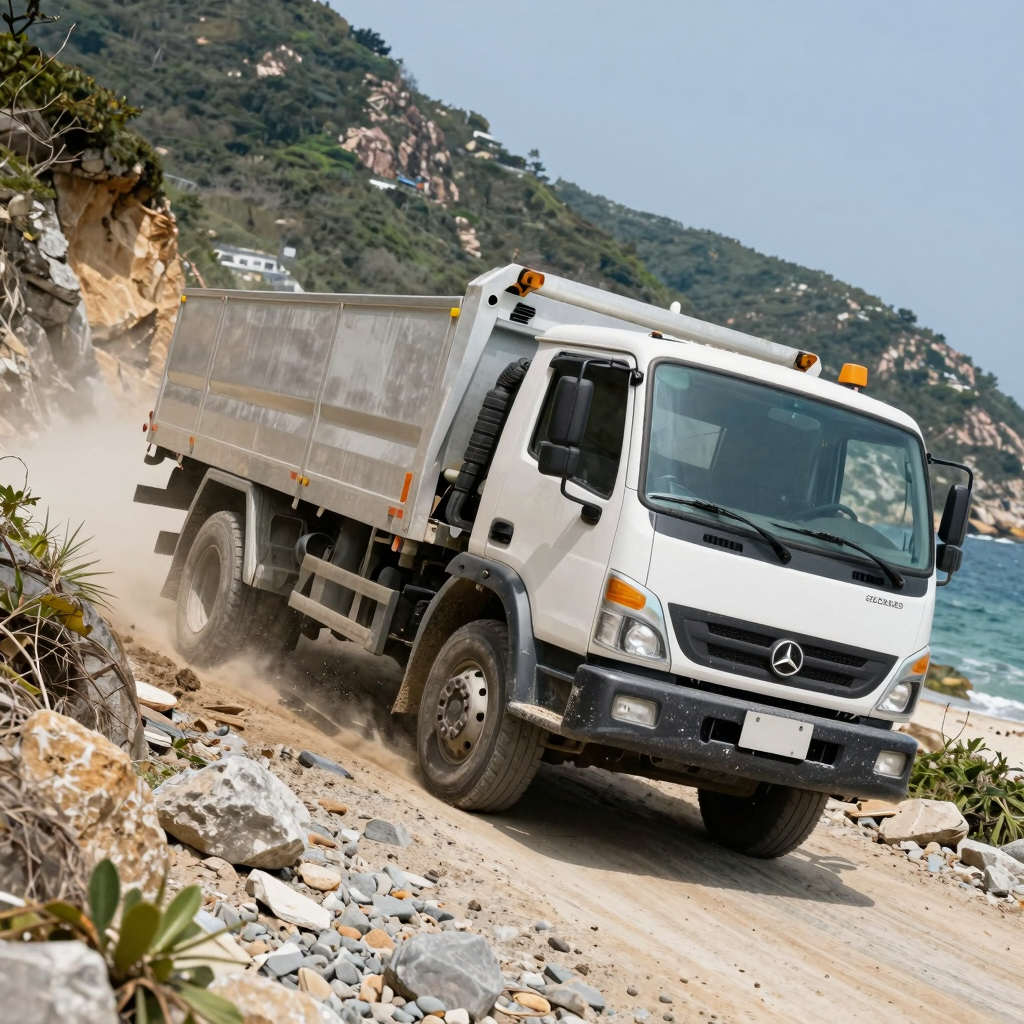
This image depicts a tow truck skillfully maneuvering through challenging terrains, illustrating the difficulties faced by tow truck operators in various environments, such as rugged mountain roads or sandy beaches.
Case Study: The Ripple Effect of Tow Truck Delays on Local Businesses
In early March 2025, a tow truck accident occurred on a busy highway, which resulted in significant delays for several local businesses in the Moatton area. This incident, which blocked a critical freight corridor for nearly 48 hours, serves as a stark illustration of how a single delay can create a ripple effect in the community’s local economy.
The Incident and Immediate Impact
The tow truck was responding to a separate breakdown when it became disabled itself due to mechanical failure, causing a major traffic jam. This blockage delayed deliveries for retailers and warehouses across Moatton and surrounding towns. Local business owners reported overwhelming frustration, with one shop owner stating, “We lost over $8,000 in potential sales because our delivery arrived two days late.”
For small businesses, such delays pose a significant threat, particularly for those relying on just-in-time inventory systems. As goods remained stuck in transit, perishable food items spoiled. Restaurants and grocery stores, key players in the local economy, faced increased operational costs alongside lost sales, creating a confluence of financial hardship.
Cascading Effects on the Community
The repercussions of this incident extended beyond just lost revenue. With supply chain disruptions becoming a regular occurrence, local businesses began to re-evaluate their operational strategies. Many sought to diversify their suppliers or invested in emergency preparedness plans, echoing the sentiments suggested in articles about emergency preparedness for island fleets and ensuring their response strategies are robust enough to handle unforeseen delays.
Additionally, the incident put significant stress on logistics companies and delivery services, which experienced backlogs and complaints from frustrated customers. For many, this response was already too late; businesses were left scrambling to maintain their reputation while managing increasing costs.
Conclusion: Understanding Delays Can Mitigate Risks
This incident underscores the critical importance of understanding delays associated with towing services. As logistics expert Emily Lane asserts, “In today’s economy, every minute counts. Lost time translates directly to lost profits and unhappy customers.” Recognizing how incidents like this can impact business operations is essential for property managers, commercial fleet operators, and auto repair shops alike.
Improving towing response times, enhancing communication with clients, and preparing for unforeseen circumstances can minimize the damage caused by delays. Check out insights from industry experts on essential fleet emergency response strategies to better prepare for such challenges.

Chart: Economic Impact of Transportation Inefficiencies
Our recent analysis highlights various impacts due to transportation inefficiencies, including lost sales and increased costs, which can result from a tow truck delay. Understanding these dynamics is crucial for stakeholders in the local community.
Factors Affecting Tow Truck Arrival Times
Tow truck response times can vary significantly based on a variety of factors. Understanding these factors can help auto repair shops, car dealerships, and other stakeholders manage expectations and improve their emergency response strategies.
Here are the primary factors that contribute to tow truck arrival delays:
| Factor | Contribution to Delays |
|---|---|
| Distance from Tow Provider | Largest factor contributing to delays |
| Traffic Congestion | 40% increase in delays |
| Weather Conditions | 30% of overall delays (adds ~25 minutes on average) |
| Time of Day | 15% of overall delays (peak between 4-8 PM) |
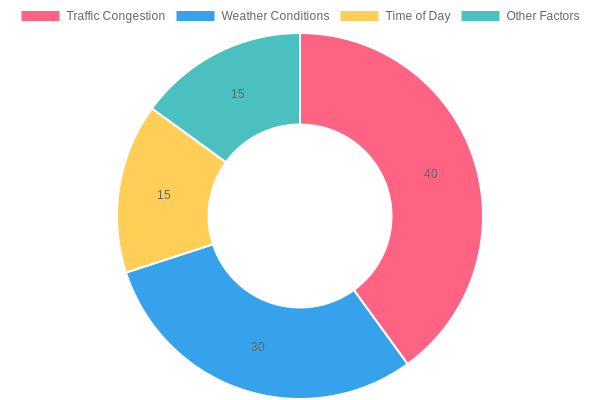
The above chart visually represents these factors and their contributions to tow truck delays. For instance, traffic congestion can lead to a 40% increase in delays, while severe weather conditions are expected to add around 25 minutes to the response time on average.
By being aware of these variables, local businesses can enhance their emergency preparedness strategies, especially during peak times and adverse weather conditions. For more information on emergency preparedness for fleets, you can learn more about fleet emergency response strategies.
Understanding these factors not only helps in managing expectations but also encourages better planning and scheduling for local auto services and clients alike.
Conclusion
Understanding why tow trucks often take longer than expected is crucial for improving communication between local auto repair shops and their clients. Key factors contributing to delays include high demand during peak times, limited availability of certified operators, traffic congestion, and the complexities of the tasks at hand such as vehicle recovery from difficult terrains or accident scenes. Tow truck operators face challenges related to route planning and prioritization, especially when responding to multiple emergencies.
Arming clients with this knowledge can significantly enhance their experience and trust. By keeping clients informed about these variables and providing updates throughout the process, repair shops can set realistic expectations. Implementing best practices such as transparent communication regarding costs, timely updates, and utilizing digital tools for tracking services can foster a more dependable relationship between auto repair shops and their clients. For instance, using integrated software platforms to notify clients about estimated arrival times can alleviate the anxiety associated with wait times and ensure a smoother experience.
As you move forward, leverage this information to enhance your service quality and communication strategies. Whether you’re a property manager or part of a commercial fleet, being proactive in your communication will strengthen client relationships and lead to better overall outcomes. Be sure to check out our best practices for communication and improving client trust for further insights.

In today’s fast-paced environment, timely responses from service providers are essential. When it comes to tow trucks, understanding why they sometimes take longer than expected can help set realistic expectations. It’s important to remember that these professionals are not just moving vehicles but also ensuring the safety of all road users and attending to various challenges that may arise on the road.
At Summit Fairings, we prioritize quality service and dependable products that cater to the needs of local auto repair shops, car dealerships, property managers, resort operators, and commercial fleet operators. Are you ready to enhance your towing operations and ensure that you always have the highest standards in specialized towing equipment? Contact us today to learn more about how we can support you with tailored solutions that combine reliability and superior service. Because when it comes to safety and efficiency on the road, there’s no room for compromise. Let’s work together to elevate your service standards!
Whether you’re adapting to crises, preparing for emergencies, or simply looking to optimize your fleet performance, trust Summit Fairings to be your go-to partner in excellence. Don’t wait, connect with us now!