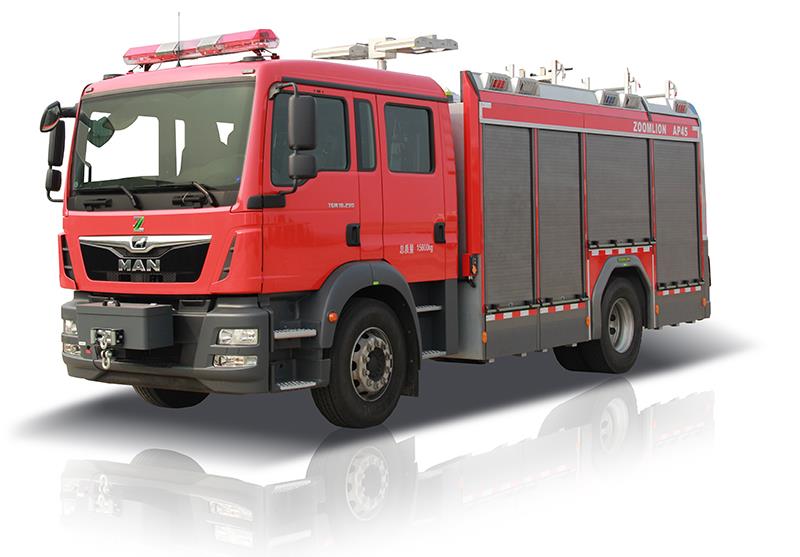
In the realm of emergency services, ladder fire trucks are a crucial and strategic asset for fire departments across the globe. Designed to respond efficiently to high-rise fires and complex rescue operations, these specialized vehicles boast the capability to elevate personnel and equipment to significant heights while also delivering essential firefighting resources. For business owners, understanding the importance of ladder fire trucks extends beyond their immediate firefighting capabilities; it directly impacts investment decisions and the effectiveness of their emergency response strategies. The size and specifications of these trucks are pivotal; larger units offer greater reach and versatility, enabling responders to access challenging building structures quickly. Conversely, the financial implications of investing in more substantial, high-capacity ladder fire trucks can be considerable. Thus, it becomes imperative for business owners to carefully assess how the scale and performance of ladder fire trucks, such as those available here, align with their operational needs and emergency preparedness plans. Understanding these dynamics not only enhances safety and response times but also reinforces a commitment to protecting lives and property in the face of unforeseen emergencies.
Key Features of Ladder Fire Trucks Affected by Size
When considering ladder fire trucks, the size plays a crucial role in determining various features that potential buyers should take into account. Here are the key considerations that influence the performance and functionality of ladder fire trucks:
-
Reach Height: The larger the ladder, the higher it can reach, with many trucks capable of heights ranging from 75 to 125 feet. This is vital for accessing tall buildings during emergencies.
-
Maneuverability: Size impacts the vehicle’s ability to navigate through tight spaces. Smaller units are typically easier to maneuver in urban environments, while larger ones may be necessary for rural or industrial settings.
-
Weight Capacity: The size of the truck affects its weight capacity and how much water, equipment, and personnel it can carry. Larger trucks usually have greater carrying capacity for heavier loads.
-
Stability: Bigger ladder trucks may require more extensive stabilization systems to ensure safety while elevated. The larger size can increase the risk of tipping if not properly stabilized.
-
Turn Radius: The larger the fire truck, the wider the turn radius, which can limit the routes available during emergencies. Smaller models can navigate narrower streets more effectively.
-
Operation Speed: The size can influence how quickly the truck can set up and operate in emergency situations. Larger units may take longer to deploy due to their complexity and weight.
-
Storage Capacity: Larger fire trucks provide more storage space for hoses, tools, and equipment, allowing for better preparedness during firefighting operations.
In summary, the size of a ladder fire truck significantly impacts its reach, maneuverability, capacity, and overall effectiveness in various firefighting scenarios. Understanding these features is essential for business owners looking to invest in firefighting equipment. For more information on different types of ladder fire trucks, visit our product category.
Standard Sizes of Ladder Fire Trucks
Ladder fire trucks come in various standard sizes and specifications, designed to meet diverse firefighting needs effectively. Below are the common types and their dimensions:
| Fire Truck Type | Typical Height | Typical Length | Reach Capability |
|---|---|---|---|
| Type 1 Ladder | 60 – 70 feet | 30 – 40 feet | 100 – 110 feet |
| Type 2 Ladder | 40 – 50 feet | 25 – 30 feet | 75 – 85 feet |
| Type 3 Ladder | 30 – 35 feet | 21 – 25 feet | 50 – 70 feet |
| Type 4 Ladder | 20 – 25 feet | 15 – 20 feet | 30 – 40 feet |
Specifications Explained
- Type 1 Ladder Trucks: These are the largest and are typically used in urban settings. They can reach heights of 60 to 70 feet, with a reach capability of up to 110 feet, making them suitable for high-rise buildings.
- Type 2 Ladder Trucks: Designed for smaller urban areas, these ladders usually reach heights of 40 to 50 feet and are more nimble, allowing for easier navigation in congested areas.
- Type 3 Ladder Trucks: With a height range of 30 to 35 feet, they are commonly used in suburban areas where the tallest buildings do not exceed three stories.
- Type 4 Ladder Trucks: The smallest, typically used for residential firefighting, these have a height range of 20 to 25 feet. They are lightweight but effective for smaller fires.
Importance for Business Owners
Understanding these specifications helps business owners and fire safety managers choose the right type of ladder truck for their needs. Whether it’s for minimizing response times in densely populated areas or providing sufficient reach for taller buildings, selecting an appropriate ladder fire truck is crucial for effective firefighting operations.
For more details and options, you can explore our ladder fire truck selection and discover the best fit for your operational requirements.
Comparison of Ladder Fire Truck Sizes
Choosing the right ladder fire truck is crucial for business owners who need to ensure effective firefighting capabilities. Below is a table that compares various models based on specifications such as reach, weight, and cost.
| Manufacturer | Reach (m) | Weight (kg) | Cost ($) |
|---|---|---|---|
| Manufacturer A | 32 | 18000 | 500,000 |
| Manufacturer B | 32 | 12000 | 650,000 |
| Manufacturer C | 102 | 25000 | 1,200,000 |
You can explore more about different models available at Zoomlion’s ladder fire truck section for further insights.
Additionally, consider looking into aerial fire trucks for specialized firefighting capabilities.
Advantages of Larger Ladder Fire Trucks
Investing in larger ladder fire trucks can significantly benefit business owners, especially those managing or operating in multi-story buildings. Here’s a closer look at why these investments are worthwhile:
1. Increased Reach to High-Rise Buildings
Larger ladder fire trucks typically have ladder heights ranging from 75 to 135 feet (approximately 22.86 to 41.15 meters). These heights facilitate access to upper floors of high-rise buildings, which is crucial during emergencies. For example:
| Ladder Height (feet) | Ladder Height (meters) | Types of Buildings Reached |
|---|---|---|
| 75 | 22.86 | Low-rise buildings, up to 6 stories |
| 100 | 30.48 | Mid-rise buildings, up to 10 stories |
| 135 | 41.15 | High-rise buildings, up to 13+ stories |
Having the capability to quickly access these upper levels can mean the difference between life and death in a crisis, granting first responders immediate access for rescue operations and firefighting efforts.
2. Enhanced Firefighting Efficiency
The larger capacity of these trucks allows them to carry more water and firefighting equipment, which enhances overall efficiency during a response. This is particularly important in urban settings where availability of water supply can be a challenge. More extensive fire suppression equipment means that responders can tackle more significant fires without needing constant resupply.
3. Versatility for Different Emergency Scenarios
Larger ladder trucks can be outfitted with various equipment for different emergency scenarios-such as rescue operations, aerial water deployment, and even special firefighting technologies. This versatility makes them essential for commercial properties, ensuring that they are prepared for a range of situations from fires to rescues of individuals trapped at height. For more options in fire-fighting equipment, check out our range of ladder fire trucks.
4. Reliability and Safety
Larger ladder trucks are designed with advanced safety features and reliable performance capabilities. Investing in these trucks can reduce the risk of accidents and injuries for firefighters, making operations safer and more efficient.
Conclusion
The advantages of larger ladder fire trucks cannot be overlooked. They not only provide enhanced firefighting capabilities but also offer essential reach and capacity for various emergency scenarios that business owners may face. Investing in such equipment is an investment in safety, efficiency, and responsive emergency management-ultimately protecting both people and property.
Limitations of Smaller Ladder Fire Trucks
While smaller ladder fire trucks offer certain advantages, such as improved maneuverability in urban settings, they also come with several limitations that can impact their effectiveness in firefighting operations. Understanding these drawbacks is crucial for business owners considering the procurement of such apparatuses.
Reduced Reach
One of the primary limitations of smaller ladder fire trucks is their reduced reach compared to larger models. Typically, these trucks feature ladders that extend between 50 to 75 feet, which may not suffice when addressing fires in high-rise buildings. As urban areas continue to grow vertically, the ability to access upper floors becomes increasingly vital. Smaller ladders may necessitate additional equipment or resources to reach higher altitudes, complicating rescue efforts.
Weight and Load Capacity
Smaller ladder fire trucks often come with limitations regarding weight and load capacity. Due to their compact design, these vehicles may not support as much equipment and personnel as larger fire trucks. For example, carrying heavy rescue equipment to upper stories can be challenging, as the truck may not handle the load effectively. In emergencies where multiple resources are required simultaneously, this limitation could hinder effective response.
Hydraulic System Limitations
The hydraulic systems found in smaller ladder fire trucks are generally less powerful than those in larger units. This can lead to reduced capabilities in lifting and maneuverability during critical rescue operations. For instance, the lesser strength of hydraulic systems can impede the deployment of aerial devices when quick, effective action is needed the most.
Insufficient Resources in Large-scale Incidents
In large-scale firefighting incidents, the reduced capacity of smaller ladder trucks can lead to insufficient resource availability. While they excel in navigating tighter spaces, they may not provide the comprehensive support needed for significant firefighting efforts. During a major incident requiring extensive firefighting resources, relying solely on smaller ladder trucks can limit overall operational efficiency.
In summary, while smaller ladder fire trucks serve important functions, their limitations in reach, capacity, and resource availability should be carefully considered, especially for business owners preparing for emergencies in urban environments. Understanding these challenges will help in making informed decisions when selecting firefighting equipment. To explore our range of ladder fire trucks, visit our product category.
Statistical Analysis of Fire Response Effectiveness
The size of ladder fire trucks plays a crucial role in their response time and effectiveness during emergency situations. Business owners should consider how the dimensions of these trucks impact fire safety and operational efficiency within their communities.
Impact on Response Times
Research indicates that the size of a fire truck can significantly influence its average response time:
- Smaller Trucks (Approx. 20 ft): These vehicles are easier to maneuver in urban settings but may lack the equipment capacity of larger trucks.
- Medium Trucks (Approx. 30 ft): These trucks strike a balance between size and equipment, providing relatively faster response times while still carrying essential tools and resources.
- Larger Trucks (Over 40 ft): While often equipped with aerials and more firefighting tools, these larger units may experience slower response times due to road and spatial constraints.
The relationship between truck size and average response time can be illustrated in the following chart:

Evidence from Case Studies
Examples from various fire districts emphasize that sheer response time is not the only metric to consider:
- A study published in Springer Link discusses the broader impact of fire truck size on community safety and fire loss prevention. Read more here.
- The Asbury Park Complete Streets article critiques how community needs should guide fire truck sizing rather than just quicker response times. Learn more.
In conclusion, while larger trucks might seem more effective due to their equipment capacity, smaller and medium trucks can potentially provide quicker responses in critical emergencies. Understanding these dynamics can help business owners make informed decisions about fire safety investments.
Conclusion
In summary, the size of ladder fire trucks plays a critical role in firefighting and rescue operations, particularly in urban environments. Most ladder trucks have the ability to extend between 75 to 135 feet, with 100-foot ladders being the most common for addressing emergencies in high-rise buildings. This height capability is essential as it allows firefighters to reach elevated areas, facilitating effective rescues and fire suppression efforts where other vehicles cannot access.
Equally important is the versatility of ladder fire trucks. They are not only vital during firefighting incidents but can also be utilized in various industries, including construction and maintenance, showcasing their adaptability beyond traditional fire service roles. Given that different scenarios may demand specific ladder heights and features, business owners must consider their unique operational needs when selecting a ladder fire truck.
Furthermore, investing in the right ladder truck can significantly enhance a business’s emergency response capabilities, potentially saving lives and protecting property. Therefore, it is advisable to conduct thorough research on different models and their specifications. For more information on various ladder fire truck options, you can check our range of ladder fire trucks or learn about aerial fire trucks designed for specific applications. By aligning the choice with your specific demands, you can ensure that your organization is well-equipped to handle emergencies effectively.
Ready to Enhance Your Firefighting Capability?
Investing in a ladder fire truck can significantly improve your business’s firefighting capabilities and ensure the safety of your establishment. At Zoomlion, we understand the importance of having the right industrial equipment to meet emergency demands efficiently.
If you’re interested in learning more about our range of ladder fire trucks or would like a personalized quote, we encourage you to contact us today. Our dedicated team is here to discuss your specific needs and provide any additional information you may require. Don’t wait until it’s too late; ensure your firefighting readiness now!