Understanding Tow Truck Driver Salaries: A Crucial Insight
When it comes to local businesses such as auto repair shops and car dealerships, understanding the tow truck drivers salary is not just a statistic-it’s a fundamental piece of the economic puzzle. Tow truck drivers play a crucial role in the larger vehicular ecosystem, offering essential services that keep our roads safe and our vehicles operational. From quick roadside assistance to transporting vehicles to repair locations, their services directly affect your bottom line. As you navigate the complexities of managing your business, being informed about how much these dedicated professionals earn can help you build better partnerships with towing companies, ensure proper budgeting for services, and understand the value of their expertise. The salary of tow truck drivers reflects not only their skilled labor but also the vital role they play in maintaining our community’s mobility. By examining this topic, we can foster a deeper appreciation for these unsung heroes and, in doing so, strengthen the connections within our local business networks. Learn about emergency preparedness for island fleets and how every dollar spent on towing can impact your operations effectively.
| Region / Island | Average Salary (USD) | Cost of Living | Demand for Drivers |
|---|---|---|---|
| San Jose, CA (US) | $103,083 | High | High (urban area, dense traffic) |
| General US Average | ~$52,210 | Moderate | Moderate |
| US Range | $40,379 – $59,546 | Varies | Varies |
The salary range for tow truck drivers shows considerable variation based on location, with some high-cost urban areas like San Jose commanding significantly higher pay due to demand and living expenses.
This table highlights that region-specific factors such as demand and cost of living greatly influence income for tow truck drivers. Tow truck drivers on islands or less urbanized regions might see different salary levels which should be considered by local businesses and fleet managers to maintain competitiveness and operational efficiency.
For emergency preparedness and managing island fleets, understanding local pay scales is crucial for workforce planning. You may also find valuable insight in emergency preparedness for island fleets on our site.
Factors Influencing Tow Truck Driver Salaries
Tow truck driver salaries are influenced by several key factors that resonate particularly well with businesses such as auto repair shops, car dealerships, property managers, resort operators, and commercial fleet operators. Understanding these factors can help these stakeholders make informed decisions when it comes to hiring or working with tow truck services.
1. Experience
The experience level of a tow truck driver plays a significant role in determining their salary. A driver with several years of experience typically commands a higher pay rate than a newcomer to the field. This experience not only includes the number of years driving but also encompasses diverse situations handled, such as emergency versus non-emergency tows. For instance, experienced drivers may be more efficient in high-pressure scenarios, providing quick and effective service that can be crucial for commercial fleet operators or property managers looking to ensure minimal downtime for their vehicles.
2. Location
Salaries can vary greatly by location due to the cost of living and demand for towing services. Urban areas often offer higher salaries compared to rural locations because of the increased volume of calls and the potentially higher costs associated with operating in densely populated regions. For auto repair shops and dealerships in island communities, local economic conditions and the presence of other businesses needing towing services can significantly influence driver salaries.
3. Type of Service
The nature of the service provided affects pay scales as well. Emergency towing services typically pay more than non-emergency services due to the urgent nature and unpredictability involved. For property managers or fleet operators, the choice between investing in reliable emergency services versus regular scheduled towing can impact overall operational costs. It’s crucial for these stakeholders to consider the level of service when evaluating towing partners.
4. Certifications and Training
Tow truck drivers with specialized certifications or training may also command higher salaries. Certification for handling specific types of vehicles (such as heavy trucks) or advanced towing techniques ensures drivers are equipped to handle a wider range of towing scenarios. Investing in certified drivers can provide auto repair shops and commercial fleet operators with peace of mind regarding safety and efficiency, translating into better service for their clients.
Conclusion
In summary, several intertwined factors influence the salaries of tow truck drivers, including their experience, geographical location, the type of service they provide, and their training and certifications. For businesses that rely on towing services, understanding these elements can improve the selection process for hiring tow truck drivers, ultimately leading to improved service reliability and customer satisfaction.
Tow truck drivers play a critical role in ensuring the safety and efficiency of roadside assistance. For those looking to elevate their careers, there are several avenues for career advancement that can significantly increase earning potential and job satisfaction. Emphasizing the importance of continuing education, certifications, and skill development, drivers can position themselves for management roles and specialized services.
Certifications and Specialized Training
Gaining additional certifications is one of the most effective ways for tow truck drivers to boost their credentials and earning potential. Here are some key areas that can be pursued:
-
Commercial Driver’s License (CDL): Many towing companies require a CDL for larger tow trucks. Obtaining this license not only broadens a driver’s ability to operate various vehicles but also opens doors to higher-paying jobs.
-
Towing and Recovery Certifications: Programs offered by organizations such as the International Towing & Recovery Hall of Fame and Museum provide valuable skills in vehicle recovery, safety practices, and best operational procedures. Completing these courses can enhance a driver’s qualifications and increase trust with employers.
-
Emergency Response Training: Certifications in emergency preparedness and first aid can be critical, especially in this industry where quick decision-making is vital. Training in these areas prepares drivers to handle roadside emergencies more effectively, adding value to their role.
Moving into Management Roles
For tow truck drivers aspiring to advance into management positions, here are some strategies to keep in mind:
-
Experience across Functions: Gaining a broad understanding of the towing operation, from dispatch to customer service, equips drivers with the knowledge necessary for management. Experience in various roles within the company can provide insights into operational efficiencies and customer relations.
-
Networking and Mentorship: Building strong relationships within the towing and automotive community can lead to mentorship opportunities and insights into management openings. Participating in local towing associations can also facilitate connections that may lead to career advancement.
-
Leadership Skills Development: Cultivating leadership qualities-such as effective communication, problem-solving, and team management-is essential when aiming for a managerial position. Engaging in training programs that emphasize these skills can make candidates more attractive for higher-level roles.
Conclusion
The journey for tow truck drivers toward career advancement is paved with opportunities. By committing to professional development through certifications, gaining diverse experience, and developing leadership skills, tow truck drivers can unlock various pathways toward higher earnings and fulfilling careers. Local auto repair shops, property managers, and commercial fleet operators benefit greatly from employing well-trained, certified professionals, highlighting the mutual advantages of investing in a driver’s career growth.
For more insights into improving operational efficiency and preparing your team for emergencies, learn more about emergency preparedness or explore essential fleet emergency response strategies.
The potential for growth in the towing industry is significant, and by taking proactive steps, drivers can create a rewarding and profitable career path.
Job Benefits for Tow Truck Drivers
Tow truck drivers often enjoy a range of job benefits that enhance their overall compensation package beyond just their salary. Here are some potential benefits:
- Health Insurance: Coverage for medical, dental, and vision care, ensuring drivers maintain their health.
- Retirement Plans: Opportunities to contribute to retirement savings plans, such as 401(k)s, helping to secure financial stability for the future.
- Flexible Hours: Many towing companies provide flexible working schedules, accommodating personal commitments and work-life balance.
- Paid Time Off: Vacation days and sick leave to allow drivers time to rest and recover when needed.
- Job Stability: The demand for tow truck services often translates to job security in the industry.
- Opportunities for Advancement: Possibilities to move up within a company or specialize in areas like heavy-duty towing or recovery operations.
- Continuing Education: Access to training programs that can enhance skills and certifications, making drivers more competitive in the job market.
- Employee Discounts: Some companies offer discounts on car repairs or services, which can be a valuable perk for drivers.
These benefits not only provide financial support but also contribute to the overall job satisfaction and work-life balance of tow truck drivers. For more insights on the importance of job benefits in the trucking industry, check out our article on Emergency Preparedness for Island Fleets and Drivers’ Role in Roadside Emergencies.
“The quality of service in the towing industry is directly correlated with the compensation of its drivers. Proper compensation not only attracts skilled individuals but also ensures that they are motivated to maintain high standards of service, which is essential for customer satisfaction and loyalty.”
- Towing Association Expert
Tow truck drivers typically earn between $30,000 to $60,000 annually, depending on experience, location, and demand for services. Many work on a commission basis, further emphasizing the need for adequate compensation to maintain quality service. To learn more about the essential strategies for fleet emergency response, check out our article on essential fleet emergency response strategies.
The impact of service quality on customer satisfaction cannot be overstated. For insights on how effective roadside assistance can improve fleet management, visit our islands in crisis training and technology for effective roadside assistance page.
Trends in Tow Truck Driver Salaries Over the Past Decade
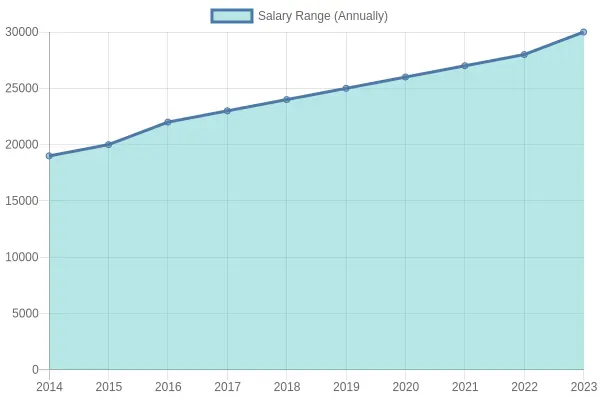
Tow truck drivers have seen a notable evolution in their salary trends over the past decade. Current estimates suggest these professionals earn between $30,000 and $70,000 annually, with hourly wages ranging from $15 to $25. The following reasons play integral roles in shaping these trends:
- Increased Demand: The demand for towing services has risen, influenced largely by road incidents and breakdowns.
- Geographic Influence: Salaries vary significantly depending on the urban or rural setting, with urban areas generally offering higher compensation.
- Economic Factors: Economic fluctuations, labor shortages, rising operational costs, and changes in road usage patterns post-pandemic have also impacted earnings.
Salary Data Table
| Year | Salary Range (Annually) | Hourly Wage Range | Factors Influencing Trends |
|---|---|---|---|
| 2023 | $30,000 – $70,000 | $15 – $25 | Increased demand for roadside assistance and geographic differences in salary expectations. |
| 2022 | $28,000 – $65,000 | $14 – $24 | Labor shortages and rising operational costs. |
| 2021 | $27,000 – $60,000 | $13 – $22 | Post-pandemic recovery leading to more vehicle usage and accidents requiring towing. |
| 2020 | $26,000 – $56,000 | $12 – $20 | Economic fluctuations affecting disposable income and vehicle ownership rates. |
| 2019 | $25,000 – $50,000 | $11 – $19 | Changes in insurance policies influencing consumer behavior related to roadside services. |
| 2018 | $24,000 – $45,000 | $10 – $18 | Increase in population density influencing the frequency of roadside incidents. |
| 2017 | $23,000 – $40,000 | $9 – $17 | Variability in local laws and regulations affecting towing services. |
| 2016 | $22,000 – $38,000 | $8 – $16 | Technological advancements in towing equipment and services. |
| 2015 | $20,000 – $35,000 | $7 – $15 | Initial rise in average vehicle ownership and related services. |
| 2014 | $19,000 – $30,000 | $6 – $14 | Emergence of new companies entering the towing service market. |
For those looking to understand the intricacies of towing services further, factors like roadside assistance demand are critical and are discussed in more detail in related articles, such as Emergency Preparedness for Island Fleets and Essential Fleet Emergency Response Strategies.
Actionable Insights and Call to Action
As we conclude our exploration of tow truck drivers’ earnings, it becomes clear that these dedicated professionals play a crucial role in our roadways. With average salaries ranging from $30,000 to $50,000 annually and hourly wages typically between $15 and $25, their work is undervalued, especially when factoring in the demands of emergency situations, irregular hours, and potential hazards of the job. Moreover, drivers with specialized skills or experience can earn over $60,000, indicating the potential for growth and recognition in the field.
Fair compensation for tow truck drivers is not just a moral imperative; it directly impacts the quality of service they provide. When drivers are adequately compensated, it fosters their dedication, job satisfaction, and overall performance, leading to enhanced customer service experiences. For organizations like local auto repair shops, car dealerships, property managers, and resort operators, recognizing and advocating for fair wages can lead to a more reliable and efficient towing service network.
Now is the time for businesses in our community to take a stand. By ensuring that tow truck drivers receive fair compensation, we contribute to a more stable and responsive towing service, elevating the satisfaction of all who rely on these critical services.
As part of your commitment to supporting our community, consider Summit Fairings, a company that aligns with this vision of quality and fair compensation. Together, let’s make our roadways safer and our businesses stronger by investing in the professionals who keep us moving forward.
By addressing compensation issues, we not only improve the conditions for tow truck drivers but also enhance the overall quality of service for the whole motorbike and automobile community.