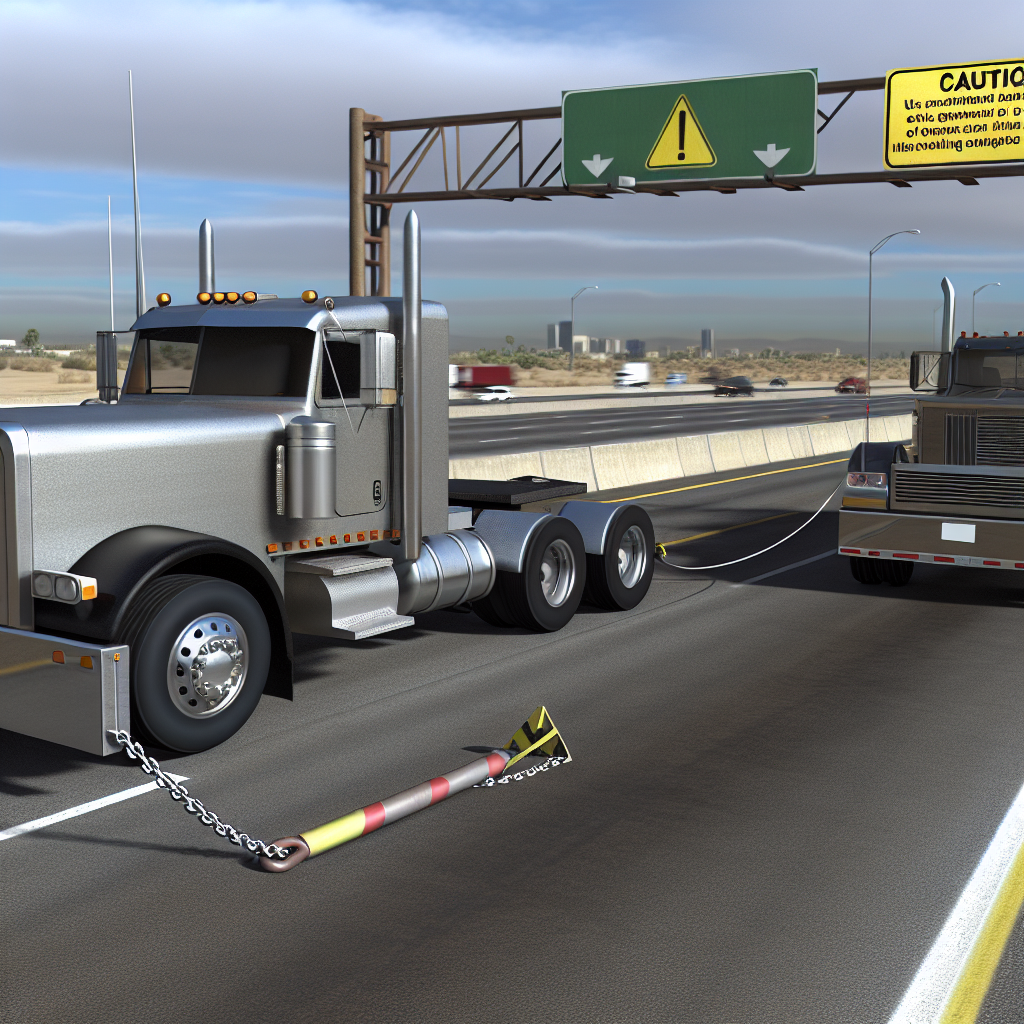
Understanding the Financial Landscape of Tow Truck Drivers
In the realm of roadside assistance, tow truck drivers are indispensable, serving as a lifeline during unexpected automotive emergencies. They work tirelessly, often late into the night or during harsh weather conditions, ensuring that stranded drivers receive the help they need. But have you ever considered the financial realities behind this demanding profession?
Tow truck drivers in the United States earn varying salaries depending on their experience, location, and the specific demands of their role. For instance, the average salary can range from $35,747 according to Comparably to around $52,210 as reported by other sources. Factors such as geographic location, employer type, and specific services offered can greatly influence these figures. Understanding the average salary range, which typically falls between $48,772 to $52,210, helps in recognizing the true value of these professionals in our community.
For local auto repair shops, car dealerships, and commercial fleet operators, hiring a tow truck service is not just about finding a solution for a vehicle breakdown; it’s about partnering with a reliable service provider who understands the unique challenges of our island environment. As we delve into the financial aspects of becoming a tow truck driver, it will become clear how their dedication and expertise benefit us all. Our understanding of their livelihoods can shape how we engage with and appreciate these essential services in our locality.

Tow Truck Driver Salaries: An Island Perspective on Earnings
Tow truck drivers are vital to keeping our island roads safe and operational, assisting with emergencies and vehicle recoveries day and night. Understanding how much these skilled professionals earn can help local businesses, fleet managers, and property operators value their contributions better and plan accordingly.
Average Earnings Overview
Across the United States, the average salary for tow truck drivers generally ranges between $35,000 and $50,000 annually. In island regions, these figures may differ slightly due to factors like local demand, cost of living, and operational challenges unique to island environments.
Influential Factors on Tow Truck Driver Salaries
-
Experience Level
Entry-level drivers tend to earn on the lower end of the scale, around $30,000 to $35,000 per year, as they build skills and certifications. Experienced drivers with several years on the job can earn upwards of $50,000 or more, especially if they specialize in heavy-duty towing or recovery services. -
Location and Island Context
Tow truck drivers working on islands often face additional challenges like logistical constraints and weather interruptions, which can affect operational hours and pay rates. However, restricted competition and higher demand for emergency services can push salaries a bit higher than in mainland rural areas. Drivers servicing resorts, commercial fleets, or property management firms may also see premium wages. -
Type of Service Provided
Those offering specialized roadside assistance-such as heavy-duty towing, accident recovery, or off-road vehicle extraction-usually earn more due to the complexity and risks involved. Basic towing or local service calls typically pay less than these specialized operations.
Conclusion
For island-based auto repair shops, car dealerships, and fleet operators, recognizing these salary dynamics supports better workforce management and planning. Investing in training and advanced equipment for tow drivers not only improves safety but also justifies competitive compensation aligned with their vital role.
For more insights on managing fleet emergencies efficiently, consider reading about essential fleet emergency response strategies tailored for island operators.

A vibrant image showing tow trucks in action within a beautiful coastal setting on an island, illustrating their crucial role in assisting stranded vehicles and supporting the community.
| Region | Average Salary (Annual) | Urban vs. Rural |
|---|---|---|
| Urban Areas | $50,000 – $70,000 | Higher demand and cost of living |
| Rural Areas | $35,000 – $50,000 | Lower volume of service calls |
Factors Influencing Tow Truck Driver Income
Understanding the various factors influencing tow truck drivers’ income is crucial for stakeholders such as local auto repair shops, car dealerships, property managers, resort operators, and commercial fleet operators. Several key elements play a significant role in determining a tow truck driver’s earning potential, including experience, certifications, company type, and economic conditions.
Experience
Experience is one of the most substantial factors impacting a tow truck driver’s salary. More experienced drivers often command higher wages due to their developed skills and reliability. In many cases, a driver with several years on the job has encountered a variety of scenarios and can efficiently handle complex situations, thereby reducing liability for their employer. According to DriveTFY, experienced drivers are often favored for high-stress situations, and companies are willing to pay a premium for their expertise.
Certifications
Certifications, such as the Commercial Driver’s License (CDL) and other specialized endorsements, can also enhance a tow truck driver’s earning potential. Many employers prefer or require specific certifications, which can lead to higher hourly wages and additional responsibilities. Notably, as mentioned by MG Transportation, having multiple endorsements can open doors to better paying job opportunities, increasing overall income substantially.
Company Type
The type of company for which a tow truck driver works can greatly affect earnings. Drivers employed by large, established towing companies typically earn more than those working for small, independent businesses. Companies that offer specialized services or operate in high-demand areas (like resorts or urban centers) may provide higher pay rates and better benefits. The difference in salaries can range significantly according to the specific market the company serves.
Economic Conditions
Lastly, economic conditions have a direct correlation with driver salaries. During periods of economic growth, demand for towing services tends to rise, as more vehicles are on the road and, consequently, more accidents or breakdowns occur. Supreme Truck Repair explains that increased demand often leads to higher wages and more job security for drivers. Conversely, during economic downturns, income may dwindle as fewer people are on the road, which can impact revenue for towing services.
In summary, understanding the interplay between experience, certifications, company type, and economic conditions can help potential drivers and employers alike navigate the complex landscape of income in the towing industry. Stakeholders can make informed decisions about hiring practices and career paths, ultimately leading to better outcomes for all parties involved.
Earnings of Tow Truck Drivers
Tow truck drivers often earn an average salary ranging from $30,000 to $50,000 annually. Their earnings can vary significantly based on factors such as experience, location, and the type of towing services they provide. Here’s a breakdown of estimated earnings by experience level:
| Experience Level | Average Salary (USD) |
|---|---|
| Entry Level (0-1 years) | $30,000 – $40,000 |
| Mid Level (2-5 years) | $40,000 – $50,000 |
| Experienced (6-10 years) | $50,000 – $60,000 |
| Senior Level (10+ years) | $60,000 – $70,000 |
Many experienced tow truck drivers express their job satisfaction despite the challenges they face. One driver shared:
“I love my job because I get to help people at their worst moments. It’s fulfilling to be the one they rely on during an emergency. And while the hours can be long and the work can be tough, knowing that I made someone feel safe and secure is worth it.”
This sentiment resonates with many in the field, indicating that while the job’s demands can be high, the reward of assisting others is invaluable.
For those interested in the towing industry, it’s essential to understand both the monetary and emotional aspects of the job. Learning more about navigating the complexities surrounding this profession can be beneficial. You can learn more about emergency preparedness for towing services and the essential fleet emergency response strategies.
Comparing Different Types of Towing Services and Their Earnings Potential
Towing services can vastly differ in scope, requirements, and profitability. For those in the towing industry, understanding these differences is crucial for maximizing revenue. The three primary types of towing services include emergency towing, local towing, and long-distance towing. Each type offers unique challenges and earning potential, impacting how tow truck drivers fare in their respective fields.
1. Emergency Towing
Emergency towing services are provided under unforeseen circumstances, such as accidents or breakdowns. These situations often require immediate action, specialized equipment, and may involve hazardous conditions, which can significantly increase the costs associated with service.
- Earnings Potential: Emergency towing tends to be one of the most lucrative sectors due to higher fees charged for urgent responses. Drivers may earn a premium rate, considerably more than local or long-distance towing services. The urgency and specialized resources needed for emergency situations justify the higher pricing, which can range from $75 to $150 or more, depending on the situation and location.
2. Local Towing
Local towing refers to services that are completed within a short distance, typically within a city or town. This type of towing caters to everyday incidents, such as vehicle breakdowns or transporting vehicles to repair shops.
- Earnings Potential: While local towing provides consistent work opportunities, the rates are generally lower than emergency towing. Typical fees can range from $50 to $100, depending on the distance and local market rates. Drivers in this domain may benefit from a steady stream of regular customers, such as auto repair shops, property management companies, or local businesses.
3. Long-Distance Towing
Long-distance towing, as the name suggests, involves transporting a vehicle over greater distances, which often entails more planning and logistics.
- Earnings Potential: This category may yield higher earning potential per job compared to local towing; however, the costs can vary widely depending on distance, vehicle size, and any additional services required. Rates might start at around $2 per mile and can escalate based on factors such as vehicle weight and terrain. While drivers can earn more per long-distance tow, they might not have a high volume of jobs compared to local and emergency towing.
Implications for Tow Truck Drivers and Relevant Stakeholders
For local auto repair shops, car dealerships, property managers, and commercial fleet operators, understanding these towing service types and their associated earnings can inform better business decisions. Building partnerships with local towing companies, especially for emergency services, can enhance operational efficiency and ensure customer satisfaction.
- Emergency Preparedness: For instance, property managers might consider engaging reliable emergency towing services as part of their emergency preparedness plans.
- Fleet Safety: Additionally, implementing effective towing strategies can be a crucial part of essential fleet emergency response strategies, ensuring quick recovery in adverse situations and driving down potential losses.
In summary, the scope and type of towing services have critical implications for the earning potential of tow truck drivers. By navigating the opportunities and constraints presented by emergency, local, and long-distance towing, both towing operators and their partners can enhance profitability and operational effectiveness.
Salary Growth of Tow Truck Drivers
Understanding the potential salary growth of tow truck drivers can help align expectations and highlight significant career milestones. Here’s a visual representation of the salary growth based on years of experience:

| Experience Level | Salary Range ($) |
|---|---|
| Entry Level | 30,000 |
| 5 Years Experience | 50,000 |
| 10 Years Experience | 70,000 |
Key Milestones
- Entry Level: Starting salary around $30,000. A great opportunity to enter the towing industry with foundational skills.
- 5 Years Experience: With added experience, salaries can increase to $50,000. This reflects both technical skills and on-the-job expertise.
- 10 Years Experience: At this level, seasoned professionals can earn around $70,000. This position often comes with advanced responsibilities and possibly supervisory roles.
Conclusion and Call to Action
In conclusion, tow truck drivers are vital cogs in the local economy, providing essential services that keep our roads safe and our communities moving smoothly. Their role extends beyond merely responding to accidents; they are often the first on the scene during emergencies, offering roadside assistance and support. This layer of service reinforces the infrastructure of our community, making drivers key contributors to public safety and local commerce. By ensuring vehicles are operational and safely transported, tow truck drivers help prevent traffic congestion and promote a more efficient transportation network.
As we have explored throughout this article, the dedication and hard work of tow truck drivers not only benefit individual motorists but also nurture the economic landscape local businesses rely upon. Whether it’s helping road users in distress or providing critical towing services for fleets, these professionals ensure the wheels of our local economy keep turning.
In this context, consider how enhancing your towing operations can further benefit your business and the community. Summit Fairings offers cutting-edge solutions that significantly enhance the performance and aesthetic appeal of tow trucks. With improved aerodynamics, their fairings reduce wind resistance while boosting fuel efficiency-qualities crucial for towing operations where every bit of performance counts. For your towing needs, invest in Summit Fairings to elevate your ride, ensuring you meet the demands of your work while providing the best service possible. By leveraging the right tools and technology, such as those from Summit Fairings, you can protect your investment and the environment, fostering a sustainable future for the towing industry in our local economy.
Explore how Summit Fairings can enhance your tow trucks and take the next step towards improving your service offerings today!