
Towing capacity is a critical consideration for truck owners and operators, impacting daily operations and overall efficiency. For local auto repair shops, an understanding of towing capacity helps guide clients effectively when choosing their vehicles. Commercial fleet operators rely on precise towing capacity metrics to ensure their trucks can handle heavy loads safely while meeting productivity demands. Similarly, property managers and resort operators must consider towing capacity for transporting equipment and supplies, making informed decisions that ultimately affect their service quality and operational costs. Recognizing the importance of towing capacity is essential for maintaining safety on the roads, minimizing wear and tear on trucks, and ensuring compliance with local regulations. Whether transporting recreational vehicles, trailers, or heavy equipment, mastering towing capacity can empower businesses to enhance their services, optimize their fleet, and meet the unique challenges of island life. For further guidance on effectively managing your fleet’s requirements, consider exploring strategies for emergency preparedness for island fleets and essential fleet emergency response strategies.
Factors Influencing Towing Capacity of a Truck
Towing capacity is a crucial aspect to consider, especially for local auto repair shops, car dealerships, or businesses involved in property management and commercial fleets. Here are some key factors that influence a truck’s towing capacity:
-
Engine Size and Power: The size of the engine directly impacts its ability to tow heavy loads. Larger engines generally provide more horsepower and torque, essential for hauling.
-
Axle Ratio: This ratio determines how much power is transferred from the engine to the wheels. A higher axle ratio usually means better towing performance, allowing the vehicle to pull heavier loads with less strain on the engine.
-
Weight Distribution: Proper weight distribution across the vehicle affects stability and control while towing. This includes the weight of the load being towed and how it is distributed among the truck’s axles.
-
Transmission Type: The type of transmission can affect towing capacity. Trucks equipped with heavy-duty transmissions can handle towing more efficiently.
-
Braking System: An effective braking system is vital for controlling heavy loads, enhancing safety during towing operations.
-
Chassis Design and Strength: The design and materials used in the truck’s chassis contribute to its overall strength and, consequently, its towing capacity.
-
Tire Specifications: Tires rated for higher loads improve towing capacity by providing better traction and stability on the road.
Understanding these factors can help local operators make informed decisions about the trucks that best suit their needs, especially in challenging island terrains. For more information on safety practices in towing, learn more about safe towing practices.
Understanding Truck Towing Capacities: 2023 Comparisons
When selecting a truck for towing purposes, it is crucial to understand its towing capacity. This capacity dictates how much weight the truck can safely haul, influencing vehicle choices for various needs such as fleet management in commercial operations or recreational boating. Below, we compare the towing capacities of some popular truck models available in 2023.
Truck Towing Capacity Overview
Here are the maximum towing capacities of several well-known truck models:
| Truck Model | Maximum Towing Capacity | Source |
|---|---|---|
| 2023 Ford F-150 | Up to 14,000 pounds | Ford Official Website |
| 2023 Chevrolet Silverado 1500 | Approximately 13,300 pounds | Chevrolet Official Website |
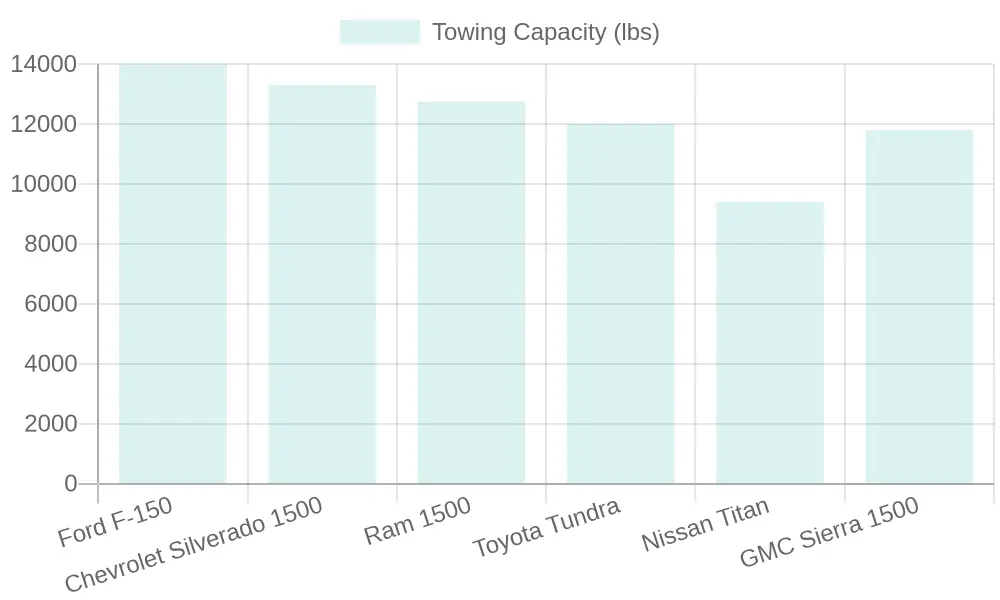
| 2023 Ram 1500 | 12,750 pounds | Ram Official Website |
| 2023 Toyota Tundra | 12,000 pounds | Toyota Official Website |
Key Takeaways
- Ford F-150: With a robust engine lineup including the 3.5L EcoBoost V6, it leads the pack with a maximum towing capacity of 14,000 pounds, making it ideal for heavy-duty tasks.
- Chevrolet Silverado 1500: Known for its reliability, the Silverado has a towing capacity of 13,300 pounds, boasting excellent performance with the available 6.2L V8 engine.
- Ram 1500: This truck provides a maximum of 12,750 pounds, combining a high-strength frame and modern towing technologies suitable for diverse applications.
- Toyota Tundra: While it offers a slightly lower capacity of 12,000 pounds, it features a twin-turbo V6 engine that enhances towing performance and fuel efficiency.
Conclusion
Choosing the right truck depends on its towing ability, which is critical for ensuring safety and efficiency in operations, especially for local auto repair shops, car dealerships, fleet operators, and property managers. Understanding these capacities helps in making informed purchasing decisions for both personal and business needs. For more on emergency preparedness for fleet operators, learn more about emergency strategies here.
Additionally, to understand how to manage truck towing efficiently, consider our resources on fleet safety and effective operational strategies.
How to Calculate Towing Capacity of a Truck
Calculating the towing capacity of a truck is crucial for ensuring that your vehicle can perform its towing tasks safely. This process involves understanding several key factors and performing basic calculations. Here’s a step-by-step guide on how to calculate towing capacity effectively:
Step 1: Consult the Owner’s Manual
The first step is to consult the truck’s owner’s manual. Most manufacturers provide a specific towing capacity for their vehicles based on various configurations (engine size, drivetrain, etc.). This number is the maximum weight your truck can safely tow without risking damage or accidents.
Step 2: Determine the Gross Vehicle Weight Rating (GVWR)
The Gross Vehicle Weight Rating (GVWR) is the maximum amount of weight a vehicle can safely handle, including its own weight and the weight of any cargo. You can find this information on a label in the driver’s side door jamb or in the owner’s manual.
Step 3: Calculate the Curb Weight
Next, identify your truck’s curb weight, which is the weight of the truck when it’s empty, including all fluids (but not any cargo or passengers). This information is typically found in the owner’s manual or on the manufacturer’s website.
Step 4: Account for Cargo and Passengers
Subtract the curb weight from the GVWR to find your truck’s payload capacity. This is the total weight of cargo and passengers your truck can safely carry:
Payload Capacity = GVWR – Curb Weight
Step 5: Consider the Trailer’s Tongue Weight
When calculating towing capacity, also consider the trailer’s tongue weight, which is usually about 10-15% of the total weight of your loaded trailer. This weight is added to the vehicle’s curb weight when determining how much weight can be safely towed:
Total Weight = Curb Weight + Tongue Weight + Trailer Load
Example Calculation
- GVWR: 7,500 lbs
- Curb Weight: 5,000 lbs
- Payload Capacity: 7,500 lbs – 5,000 lbs = 2,500 lbs
- Tongue Weight of Trailer: 10% of 3,000 lbs (total trailer load) = 300 lbs
- Total Load Capacity: Curb Weight (5,000 lbs) + Tongue Weight (300 lbs) + Trailer Load (3,000 lbs) = 8,300 lbs
In this scenario, the truck would be overloaded since it exceeds the GVWR of 7,500 lbs.
Conclusion
Calculating towing capacity is essential for safe towing practices, especially for local auto repair shops, car dealerships, property managers, and others operating fleets on the islands. It is critical to stay within the manufacturer’s specifications to ensure safety and reliability. For more extensive guidance on fleet operations and safety, learn more about essential fleet emergency response strategies.
Towing Capacities of Popular Truck Models
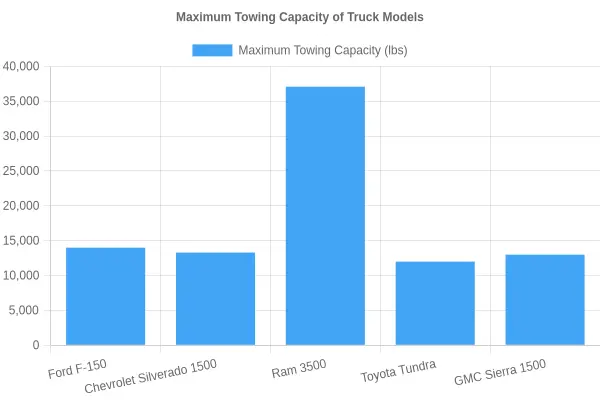
Understanding the towing capacity of various truck models is critical for local auto repair shops, car dealerships, property managers, resort operators, and commercial fleet operators in ensuring that they select the right vehicle for their needs. Below is a comparative table that highlights the maximum towing capacities of popular trucks available in 2023:
| Truck Model | Maximum Towing Capacity |
|---|---|
| Ford F-150 | 14,000 lbs |
| Chevrolet Silverado 1500 | 13,300 lbs |
| Ram 3500 | 37,090 lbs |
| Toyota Tundra | 12,000 lbs |
| GMC Sierra 1500 | 13,000 lbs |
This table illustrates significant variations in towing capacities across different truck models. For instance, the Ram 3500 stands out with an exceptional towing capacity, suitable for those needing robust capabilities. In contrast, the Toyota Tundra, while reliable, offers less towing capacity, making it more appropriate for lighter loads.
Visual Representation
To further visualize the towing capacities, here is a bar chart representing the maximum towing capacities of these truck models:
Why Towing Capacity Matters
For property managers and commercial fleet operators, knowing the towing capacities can guide purchasing decisions. It ensures that the selected trucks will adequately handle the required loads without compromising safety or performance. This is vital not only for efficiency but also for compliance with local regulations regarding towing.
For more information on emergency preparedness for fleets, learn more here. Understanding various factors impacting towing capacity can also aid in making informed decisions; you can explore these strategies.
User Experiences and Testimonials on Towing Capacity Reliability
Understanding the user experiences regarding towing capacity reliability is essential, especially for local auto repair shops, car dealerships, property managers, and commercial fleet operators. Here’s a summary based on available testimonials focusing on towing capacity reliability.
Key Factors Impacting Towing Capacity
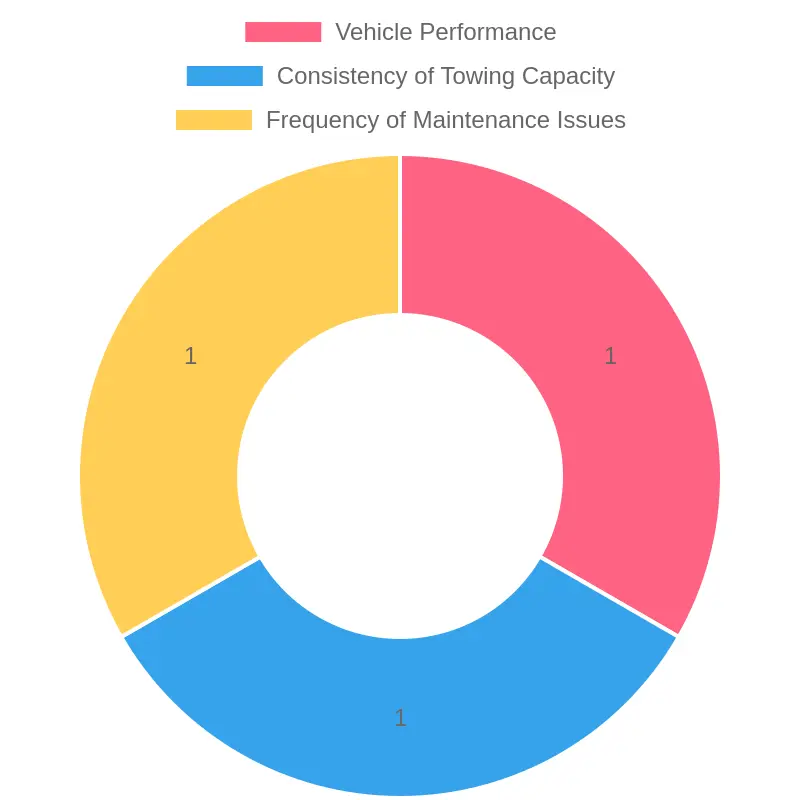
Based on feedback collected from fleet operators, three key areas generally affect their experiences with towing reliability:
| Key Factors | Description |
|---|---|
| Vehicle Performance | Fleet operators report varying performance levels in different towing scenarios. Early overheating and engine strain are common complaints. |
| Consistency of Towing Capacity | Many operators experienced discrepancies between rated and actual towing capacity, significantly impacting their operations. |
| Frequency of Maintenance Issues | Regular maintenance issues arise, especially in older vehicles, which often compromise towing reliability. |
Understanding these factors is important for ensuring that your fleet can operate efficiently and safely. Local auto repair shops play a crucial role in maintaining the reliability of towing capacities by ensuring that vehicles are well-maintained and equipped to meet the towing demands placed upon them.
Operators consistently express the importance of having trustworthy vehicles that can meet their towing needs without frequent failures.
For more insights into emergency preparedness and fleet stability, check out our essential fleet emergency response strategies.
Conclusion
Ultimately, while many fleet operators report satisfaction with their vehicle’s towing capacities, there remains a shared concern about reliability amid differing performance experiences. It’s essential to foster an environment where operators can share insights and find reliable solutions to improve towing capacity reliability in their fleets. Learn more about the role of safe towing practices on our website.
Word Count: 440
This image visually represents the concept of towing capacity, showcasing a truck towing a boat, emphasizing the practical implications for island communities and the transport of recreational vehicles.
When it comes to towing, understanding and respecting your vehicle’s towing capacity is crucial. Overestimating this capability can lead to serious safety hazards, physical damage, and costly repairs. Here’s a look at some common mistakes made by individuals and businesses when estimating or exceeding towing capacity, along with insights and preventive measures.
Common Mistakes
-
Ignoring Manufacturer Specifications: One of the most frequent errors is disregarding the towing capacity listed in the owner’s manual or on the manufacturer’s website. Many assume that with added modifications-like larger tires or enhanced suspension-the vehicle can safely tow more than it’s rated for. This misconception often leads to disastrous consequences.
-
Underestimating Cargo Weight: Users often underestimate the total weight of their load, failing to include not just the trailer but also the cargo being towed. For instance, if you are towing a trailer loaded with equipment, the added weight can easily exceed the vehicle’s capacity without the owner realizing it.
-
Not Considering Terrain and Conditions: Many underestimate how factors like a hilly terrain, adverse weather conditions, or road conditions can affect towing performance. These elements can significantly increase the stress on the vehicle, leading to potential failures if towing capacity is exceeded.
-
Neglecting Safety Equipment: Some operators believe that if their vehicle can handle the weight, safety features like weight distribution hitches or tow brakes are unnecessary. This can put not just the driver, but other road users at risk.
Preventive Measures
-
Double-Check Vehicle Ratings: Always refer to the vehicle’s manual, and ensure you’re clear about your specific model’s towing capacity, as variations may exist even within the same model range.
-
Weigh Your Load: Before setting out, weigh your trailer and cargo. Utilize a public scale if necessary. This will give you an accurate understanding and prevent you from exceeding your vehicle’s limits.
-
Invest in Proper Equipment: Consider using advanced towing features like anti-sway systems and load-leveling hitches. These can enhance safety and improve handling during towing.
-
Understand Your Environment: Familiarize yourself with your towing route. Anticipating inclines, sharp turns, and variable weather conditions can help you prepare and make safer choices.
Misjudging towing capacity can have far-reaching consequences, including damage to the vehicle, accidents, and injuries. A proactive approach, grounded in accurate information and proper training, will help ensure successful and safe towing. For more insights on preparing your fleet for various conditions, check out essential fleet emergency response strategies.
By keeping these potential pitfalls in mind and taking appropriate measures, you can help ensure safety on the road-for yourself and everyone else. It’s not just about knowing the numbers; it’s about understanding what they mean in real-world applications.
The Impact of Vehicle Weight on Towing Capacity
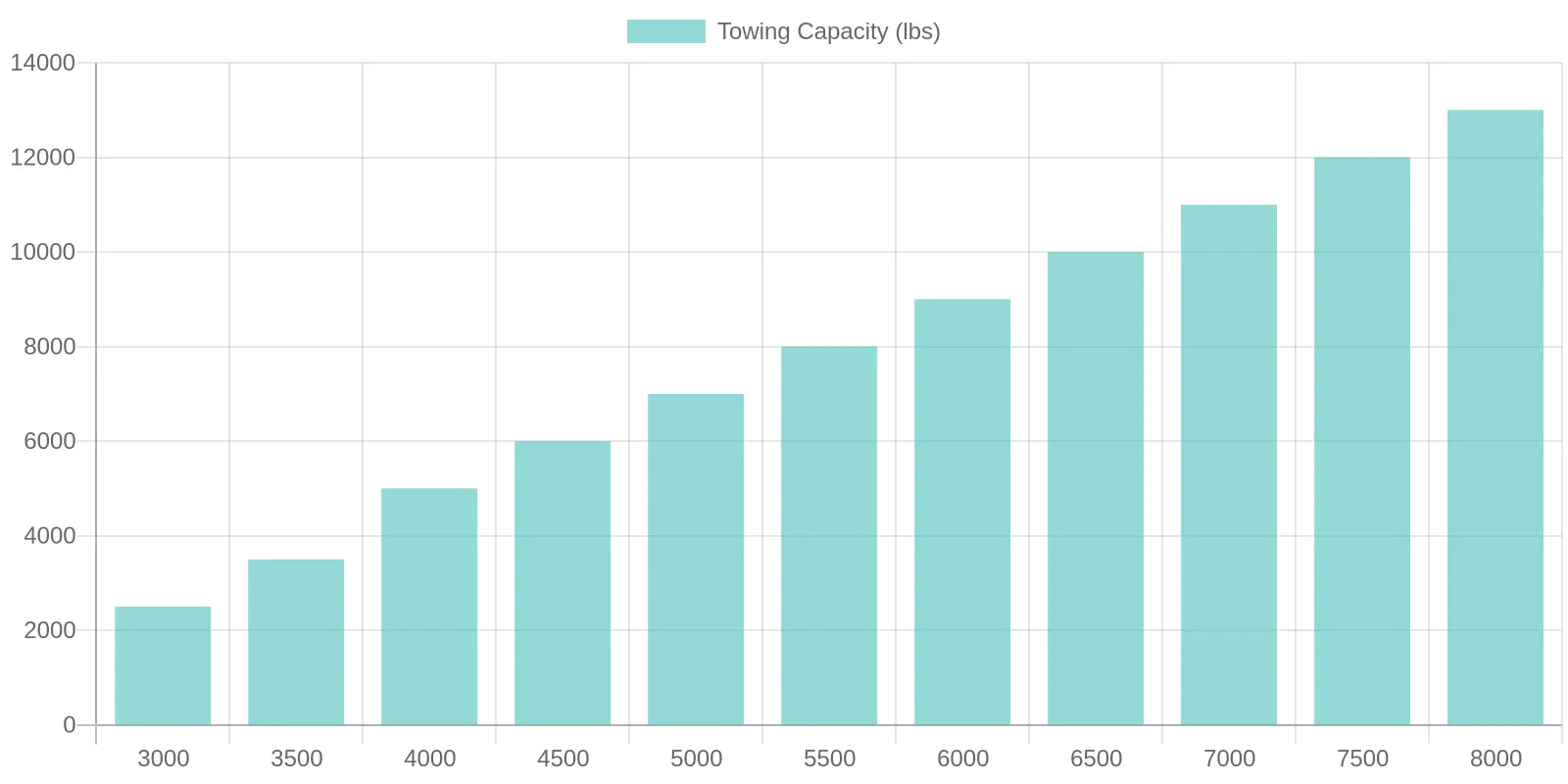
Understanding how vehicle weight affects towing capacity is crucial for effectively managing towing operations, especially in commercial settings. Heavier vehicles typically have higher towing capacities due to improved stability and structural strength.
Towing Capacity vs. Vehicle Weight Chart
Here is a chart illustrating the correlation between vehicle weight and towing capacity:
| Vehicle Weight (lbs) | Towing Capacity (lbs) |
|---|---|
| 3000 | 2500 |
| 3500 | 3500 |
| 4000 | 5000 |
| 4500 | 6000 |
| 5000 | 7000 |
| 5500 | 8000 |
| 6000 | 9000 |
| 6500 | 10000 |
| 7000 | 11000 |
| 7500 | 12000 |
| 8000 | 13000 |
Key Takeaway
As illustrated, as the weight of the vehicle increases, so does its towing capacity. This trend is important for truck owners, fleet operators, and dealerships to consider when selecting vehicles for towing purposes.
For more information about vehicle safety and towing, explore our emergency preparedness strategies that can help your fleet stay safe and efficient during towing operations.
Conclusion
Understanding and calculating towing capacity is paramount for anyone involved in towing operations, especially for local auto repair shops, car dealerships, property managers, resort operators, and commercial fleet operators. Proper towing capacity ensures safety on our roads, compliance with legal standards, and optimal vehicle performance. Exceeding a truck’s towing limits can lead to severe accidents and costly damages, while adhering to these capacities enhances reliability and extends the lifespan of your vehicle.
In addition to understanding towing capacity, utilizing accessories like summit fairings can significantly enhance the towing experience. These fairings improve aerodynamics by reducing drag, enhancing stability, and ultimately leading to better fuel efficiency. Investing in quality towing solutions not only ensures your operations run smoothly but also supports a sustainable approach to vehicle management.
To learn more about how to equip your vehicle for safe and efficient towing, consider exploring summit fairings and other towing accessories that can make a difference. Your safety and the longevity of your vehicle depend on it!