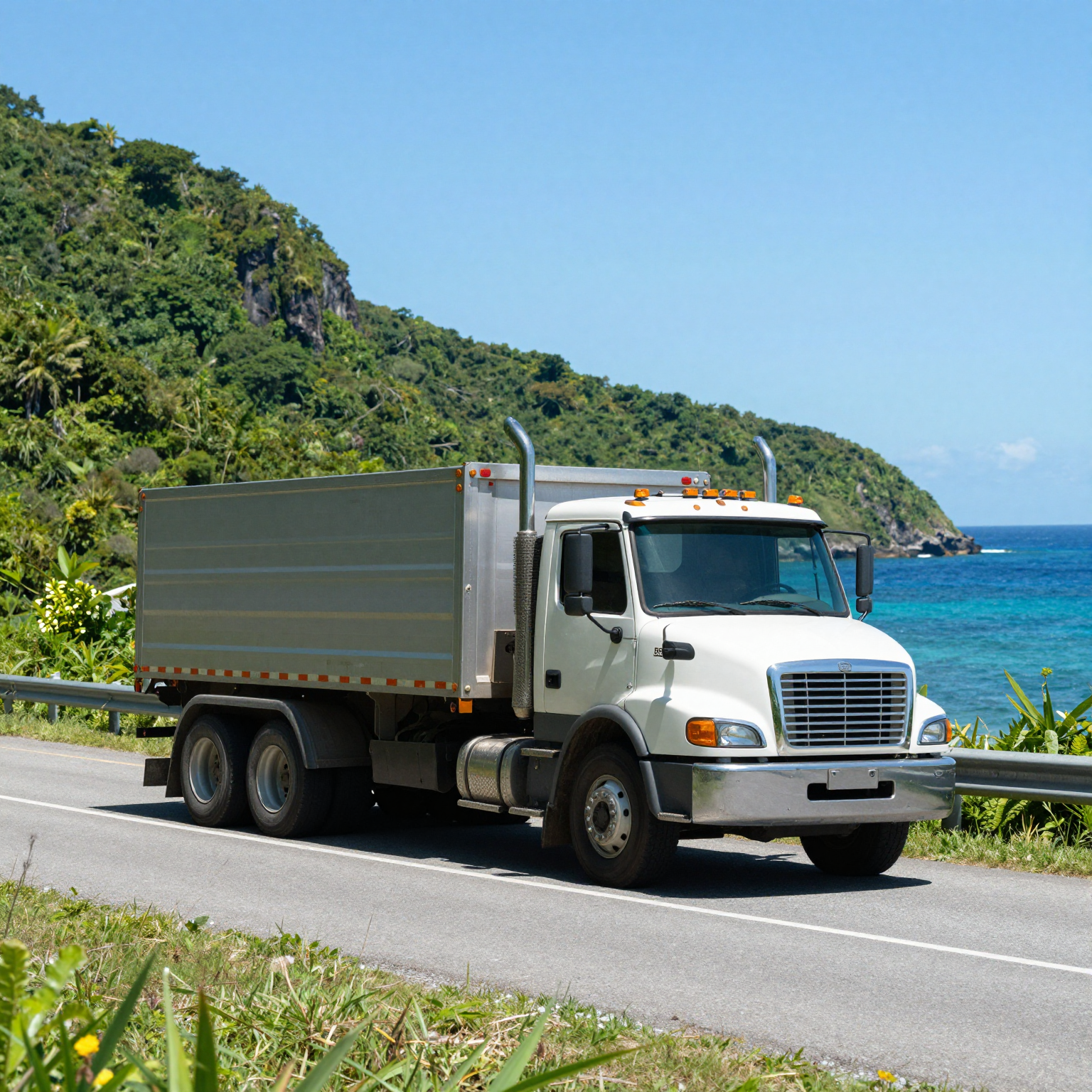
When it comes to towing trailers, finding the right truck rental can be a game changer for auto repair shops and commercial fleet operators across the islands. Whether you’re hauling heavy equipment for a job or a recreational vehicle for a weekend getaway, having access to reliable trucks tailored for towing needs is crucial. Imagine being able to serve your clientele better, ensuring that their needs are met with efficiency and safety. With local insights and options at your disposal, you can leverage your island’s unique landscape and travel requirements to optimize your operations. In this guide, we’ll explore the best places to rent trucks designed for towing trailers, so you can hit the road with confidence and focus on what you do best-keeping the wheels turning for your customers. Explore more about emergency preparedness for island fleets and ensure you’re always ready for whatever comes your way!
Importance of Renting the Right Truck for Towing
Selecting the appropriate truck for towing trailers is vital for ensuring safety, efficiency, and reliability-especially for local businesses like auto repair shops, car dealerships, property managers, and resort operators. When a truck is correctly matched to the trailer it tows, it significantly reduces risks associated with towing, including accidents due to trailer sway or brake failure.
Safety
Using a truck specifically designed for towing not only impacts safety but directly influences performance under load. For instance, a well-matched truck features systems that enhance control and braking performance, which are crucial during challenging conditions. Trucks with features like electronic stability control and integrated trailer brake controllers provide an extra layer of security, mitigating risks that come from improper towing setups.
Efficiency
In addition to enhancing safety, the right truck improves efficiency. Modern trucks are often equipped with fuel-efficient engines and designs that lower operating costs. Reports indicate that businesses using suitable trucks for trailer towing can see a 30% reduction in operational costs compared to those using mismatched vehicles, thanks to decreased fuel consumption and reduced maintenance needs.
Reliability
Lastly, renting trucks ensures access to well-maintained vehicles that meet current safety and performance standards. This reliability minimizes downtime on job sites or during long hauls, allowing businesses to operate smoothly and effectively. For more on ensuring your fleet is well-equipped and ready, learn about emergency preparedness for fleets.
Selecting the right truck before a towing job is not just smart; it’s essential for ensuring operational success.
Local Truck Rental Companies Offering Towing Services
When it comes to renting a truck specifically designed for towing trailers, island residents and businesses have select options that cater to their needs. Here are a few local truck rental companies that provide towing services on the islands:
1. U-Haul in Hilo, HI
- Services Offered: U-Haul is known for its extensive range of truck and trailer rental options. They offer various types of towing equipment, including car, motorcycle, and utility trailers.
- Unique Selling Points:
- Wide Availability: They have multiple locations to choose from making it convenient for last-minute rentals.
- Various Trailer Sizes: U-Haul provides different trailer sizes, accommodating everything from small vehicles to larger boats and RVs.
- Enhanced Safety Options: Trucks equipped with lift gates and towing accessories are available, ensuring safer and easier handling of your cargo.
- Learn about towing laws and insurance here
2. U-Haul in Victoria, BC
- Services Offered: Located at Island Afrikan Supermarket, this U-Haul branch offers truck and trailer rentals ideal for moving and hauling across the island.
- Unique Selling Points:
- Versatile Rentals: Options for both one-way and in-town rentals provide flexibility in logistics.
- 24/7 Customer Service: Their commitment to customer satisfaction includes round-the-clock support for any inquiries or roadside issues.
- Explore emergency preparedness for island fleets
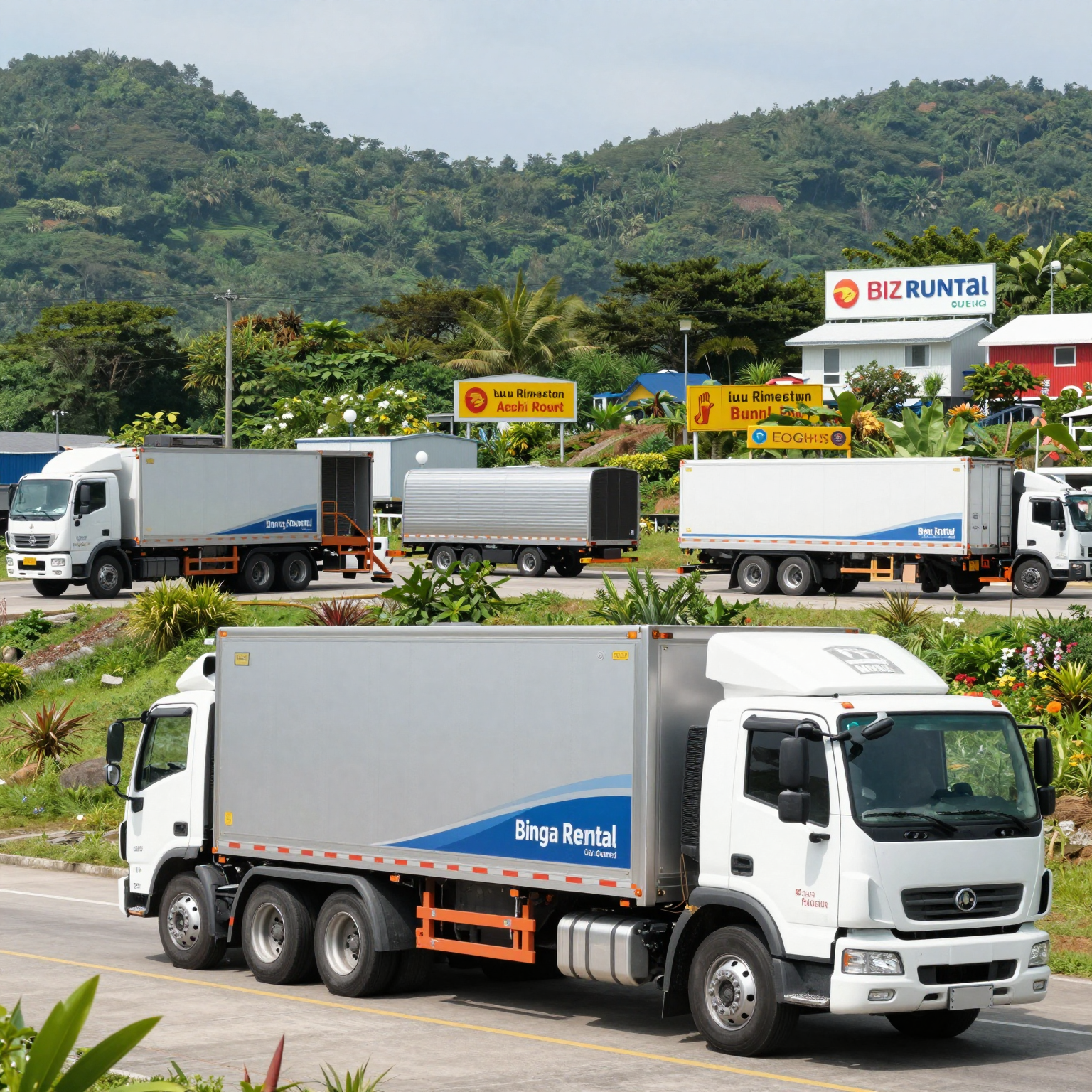
Visual Representation of Services
Additional Services:
These companies also provide basic maintenance for their rental fleets and dedicated roadside assistance to ensure safety while towing. It’s crucial for island auto repair shops, car dealerships, and property managers to recognize these local resources to support their vehicle transportation needs efficiently, especially during peak seasons.
Comparison of Truck Rental Options
When considering where to rent a truck to tow a trailer, it’s essential to evaluate various rental options based on costs, models available, towing capacities, and customer reviews. Below is a comprehensive comparison table that helps clarify these aspects for local auto repair shops, car dealerships, property managers, resort operators, and commercial fleet operators.
| Rental Company | Model Options | Rental Price (per day) | Towing Capacity | Customer Reviews |
|---|---|---|---|---|
| U-Haul | 10ft, 15ft, 20ft, 26ft | $19.95 – $39.95 | Up to 10,000 lbs | 4.0/5 |
| Budget Truck | 12ft, 16ft, 24ft | $20.00 – $45.00 | Up to 7,500 lbs | 3.8/5 |
| Penske | 12ft, 16ft, 22ft, 26ft | $25.00 – $50.00 | Up to 10,000 lbs | 4.2/5 |
| Enterprise | 15ft, 25ft | $30.00 – $55.00 | Up to 8,500 lbs | 4.1/5 |
| Ryder | 15ft, 26ft | $27.00 – $52.00 | Up to 8,000 lbs | 3.9/5 |
When selecting a truck rental company, it’s also beneficial to consider specific requirements such as mileage policies, fuel efficiency, and any additional insurance needs. Each company provides unique advantages, making them suitable for different towing scenarios and needs, thus allowing you to pick the ideal truck rental for your business.
For more thorough insights into maintaining your vehicle’s safety during towing, you can learn more about essential fleet emergency response strategies and the importance of understanding safe and legal towing practices.
For more detailed rental comparisons, check out U-Haul’s official rental comparison tool and Budget Truck’s comparison feature.
Why Renting a Truck for Towing Matters: Real Stories from the Community
Renting a truck for towing can be a game-changer, especially for those involved in local businesses like auto repair shops, property management, and commercial fleet operations. The value of having the right vehicle at the right time is paramount. Our community has experienced this firsthand.
“I used a 16-foot U-Haul to tow my boat across state lines-no issues, and the truck handled the load perfectly.” – Rental Customer, U-Haul Reviews.
This sentiment is echoed by many who rely on trucks for vital tasks. For instance, a recent discussion on Reddit highlighted a customer’s experience towing a travel trailer with a 20-foot U-Haul truck. This user noted how well the truck’s engine power managed steep inclines, providing a sense of safety and reliability. Another Redditor chimed in: “I rented an Enterprise 16-foot truck to tow my motorcycle trailer-perfect fit, and the rental agent double-checked the hitch compatibility. No hidden fees, and the truck returned without damage.”
In our island community, circumstances often lead to unique experiences. Recently, on Guangxi’s Weizhou Island, a tourist ran into trouble while renting an electric tricycle for sightseeing, causing a vehicle to be confiscated. Thankfully, local authorities quickly resolved the issue, reinforcing the idea that service and support are paramount. This small act of community service ensured a positive experience, resonating with the island’s ethos of prioritizing visitor safety and satisfaction.
Stories like these reflect how renting a truck for towing isn’t just about transportation; it’s about community connection and support. If you’re looking for reliable towing options, consider our recommendations on essential fleet emergency response strategies to properly equip your towing needs for any situation.
Thus, whether for business or personal use, renting the right truck makes all the difference in ensuring smooth operations.
Preparing for Towing with a Rented Truck
For property managers and commercial fleet operators, towing with a rented truck can be a smooth experience if you take the necessary precautions. Here are some practical tips to help you prepare effectively:
1. Understand Rental Restrictions
Before you even pick up the truck, thoroughly review the rental agreement. Check the towing capacity, which varies by each truck model; it must be compatible with the weight of your trailer and cargo. Confirm any specific towing restrictions associated with your rental, as highlighted in U-Haul’s towing guide.
2. Equip with the Right Gear
Make sure you have all the essential towing equipment ready to go. This includes:
- Hitch assembly: Ensure it’s rated for the weight you’ll be towing.
- Trailer wiring harness: Necessary for connecting brake lights and turn signals.
- Safety chains: These provide a backup in case the hitch fails.
- Breakaway cable: This engages the trailer brakes if it becomes disconnected from the truck.
- Weight distribution system: Important for heavier loads to keep the vehicle stable.
These components are crucial for safe and legal towing as detailed in various towing gear guides.
3. Perform Pre-Trip Inspections
Before you hit the road, conduct a comprehensive pre-trip inspection. This should include:
- Verifying that the hitch is securely attached.
- Testing all electrical connections, ensuring lights are operational.
- Checking the tires on both the truck and the trailer for proper inflation and tread.
- Confirming that the load is balanced and secured to avoid any shifts during transit.
Accidents often arise from skipped inspections, as noted by the NHTSA and their best practices for towing (NHTSA Towing Guidelines).
4. Practice Safe Driving Techniques
Driving with a trailer requires adjusted driving habits. Allow for increased stopping distances and remain aware of your surroundings to prevent sudden maneuvers that can lead to accidents.
By following these guidelines, property managers and commercial fleet operators can ensure a safe and efficient towing experience with rented trucks. For further insights into emergency strategies, consider checking out essential fleet emergency response strategies.
Frequently Asked Questions about Truck Rentals for Towing
When renting a truck to tow a trailer, many individuals and businesses have common questions they seek answers for. Here’s a list of some frequently asked questions:
-
What types of trucks can tow trailers?
Not all rental trucks are suitable for towing. Ensure that the specific model you choose is designated for towing by confirming with the rental agency. You can find more information on towing with rental trucks. -
What is the towing capacity of the rental truck?
Each truck has a different towing capacity, which should be listed in the truck’s specifications. Always verify that the weight of your trailer does not exceed this limit. -
Do I need special insurance for towing?
Standard auto insurance may not cover damage incurred while towing. Rental companies often offer towing insurance, such as U-Haul’s Safetow®, which protects both the trailer and the vehicle being towed. Learn more about insurance options here. -
Are there specific towing regulations I should know?
Yes, regulations can vary by state. Ensure you have a valid driver’s license and understand the requirements, especially if your trailer exceeds a certain weight. Review the regulations with your rental provider, or check out towing regulations at Avis. -
What should I do if I am not experienced in towing?
Take the truck and trailer for a practice run in a safe area to familiarize yourself with the handling, and always check tire pressure and hitch installation before taking off.
Bringing clarity to these questions can help make your rental experience more successful and enjoyable!
As you consider where to rent a truck capable of towing a trailer, it’s essential to prioritize safety, efficiency, and reliability. Selecting the right rental option not only ensures your vehicle’s safety during transport but also enhances the overall efficiency of your operations. With multiple rental companies available, look for those that offer transparent pricing, comprehensive insurance options, and a range of well-maintained trucks and trailers tailored to your specific needs. Ensure the company is reputable, with valid certifications and positive reviews, to avoid any hidden pitfalls associated with negligent service.
One excellent option to consider is Summit Fairings, which specializes in not just trailer rentals but also offers a fully stocked parts and service department. Their expertise lies in both standard and heavy-duty towing services, making them a reliable partner for your rental needs. Additionally, ensure that you understand the nuances of towing regulations and truck insurance policies to avoid costly mistakes. Don’t wait-explore your options today and make an informed decision that supports not only your business but also keeps your assets safe on the road.
Understanding Local Towing Laws for Rental Trucks and Trailers
When it comes to towing trailers with rental trucks, it’s crucial for local businesses and authorities to understand the specific legal requirements and regulations that apply. Each jurisdiction has its own set of rules aimed at ensuring safety and compliance when towing. Here’s a summary of the key regulations that impact local auto repair shops, car dealerships, property managers, resort operators, and commercial fleet operators.
Key Regulations
- Single Trailer Limitation: According to various local regulations, rental trucks typically can only tow one trailer at a time. This restriction is designed to minimize risk and improve maneuverability, especially in populated or complex environments.
- Weight Restrictions: The trailer’s weight must not exceed the truck’s towing capacity. For instance, small pickup trucks with a limited towing capacity should only pull lightweight trailers, particularly those not exceeding 700 kg (approximately 1540 lbs) for passenger vehicles.
- Safety Standards: The towing setup must adhere to national safety standards. This includes ensuring that trailer lights, brakes, and safety devices are properly functioning. All trailers must be equipped with working lighting signals and a reliable brake system.
- Driver Responsibilities: The driver must ensure that the towed vehicle is secure and meets all operational guidelines. Additionally, during towing, drivers must engage in safe driving practices, maintaining a safe distance and appropriate speed (often not exceeding 60 km/h on highways).
Additional Considerations
- Local Specificities: Certain areas may have additional local variables such as specific designs of the vehicle connection mechanism or any road-specific regulations that must be followed. It’s beneficial for operators to check here for any local updates or changes in towing laws.
- Rental Agreements: When renting a truck, ensure that the vehicle rental agreement explicitly allows for the towing of trailers and understand the terms and conditions related to insurance coverage during towing practices.
Understanding these regulations will not only help ensure compliance but will also promote safety on the road. Companies engaging in towing operations should regularly review their practices to align with legal standards as they evolve, which can significantly impact operational efficiency and community safety.
For local operators, keeping informed about these laws is essential in ensuring safety and legality on the roads. The evolving nature of towing regulations requires continuous education and adaptation. To improve your fleet operation’s compliance and response readiness, consider adopting strategies highlighted in our article about emergency preparedness for island fleets.
Each of these elements will collectively ensure that towing operations not only serve their intended purpose but do so within the bounds of local law, contributing to overall regional safety and reliability in transportation practices.
Word Count: 600