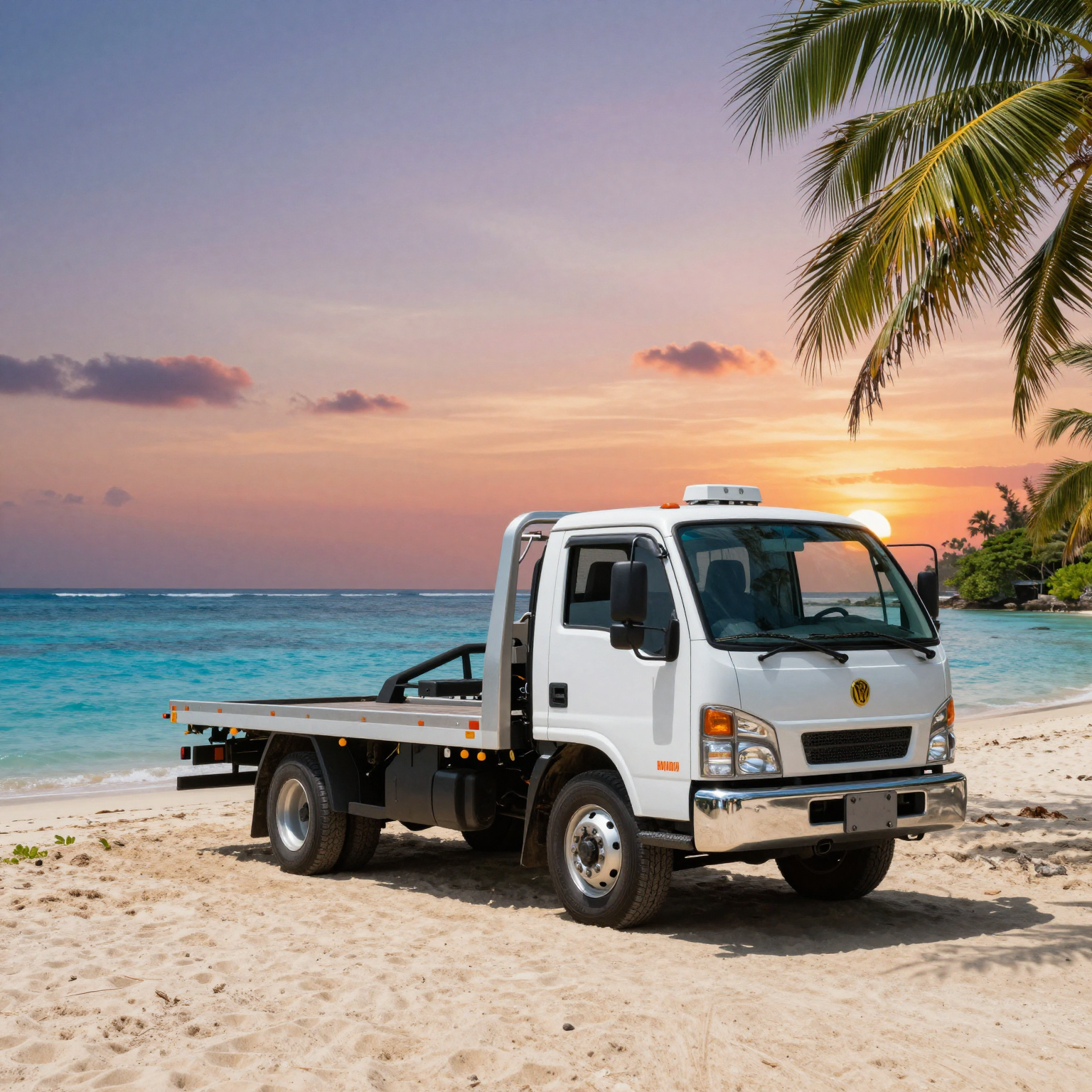
In the heart of island communities, where the ocean paints the horizon and roads can lead to isolation, the presence of a reliable tow truck service is more than just a convenience-it’s a lifeline. Imagine facing a vehicle breakdown in a remote area, far from bustling towns and repair shops. In these moments, the assurance of a trustworthy towing service is not just about getting your car fixed; it’s about ensuring safety and peace of mind for families, resort guests, and local fleet operators alike. A dependable tow truck service acknowledges these unique challenges, offering timely assistance that resonates with the empathy and unity of the island culture. Building a network of support fosters resilience within our communities, where every vehicle recovery is a testament to our commitment to one another. For those interested in enhancing their fleet emergency preparedness, learn more about essential strategies and ensure you’re equipped for any roadside emergency.
Understanding the Need for a Tow Truck
Living on an island can be a breathtaking experience, but it also comes with unique challenges, particularly when it comes to automobile reliability. For property managers, resort operators, and commercial fleet operators, staying attuned to potential vehicle issues is crucial-not just for convenience, but for safety.
Common Scenarios
-
Vehicle Breakdowns: Whether it’s a dead battery, a flat tire, or an unexpected mechanical failure, vehicles can and do break down. AAA reports that in 2021, they responded to over 4.3 million roadside assistance calls, with a significant percentage coming from coastal and island areas. Given the isolated nature of island life, having a reliable towing service at your fingertips is essential.
-
Weather Conditions: Islands often face harsh weather, whether it be heavy rain, strong winds, or even hurricanes. These conditions can lead to slippery roads, causing accidents or breakdowns. The need for swift towing services becomes even more critical during such weather events, as waiting for assistance can be dangerous. Effective solutions in these scenarios are best found when a skilled towing team is readily available.
-
Tourist Interference: With many islands attracting visitors, the influx can contribute to an increase in vehicle-related issues. Tourists may not be familiar with local driving conditions, leading to higher chances of breakdowns or accidents. This added burden on roadway safety amplifies the need for fast and dependable towing services to help both residents and tourists alike, ensuring well-being and satisfaction during their stay.
Empathy for Drivers
Understanding the feelings of frustration or helplessness that can accompany vehicle troubles is paramount. No one wants to be stranded, especially in a beautiful but remote location. A dependable tow truck service not only resolves the immediate problem but also eases anxieties-allowing you to focus back on what truly matters, whether that’s managing a property, servicing a fleet, or simply enjoying island life. Learn more about emergency preparedness for island fleets and how these services can safeguard your daily operations.
Island commuting doesn’t have to be a distressing experience; with the right support, you can navigate the inevitable bumps along your journey with peace of mind.
Types of Tow Truck Services Available
When you find yourself stranded or in need of assistance on the road, understanding the various types of tow truck services can make a significant difference. In island communities, where access can be tricky and emergencies require prompt response, knowing the right service to call can ease the burden. Here, we’ll explore three primary types of tow truck services:
Flatbed Tow Trucks
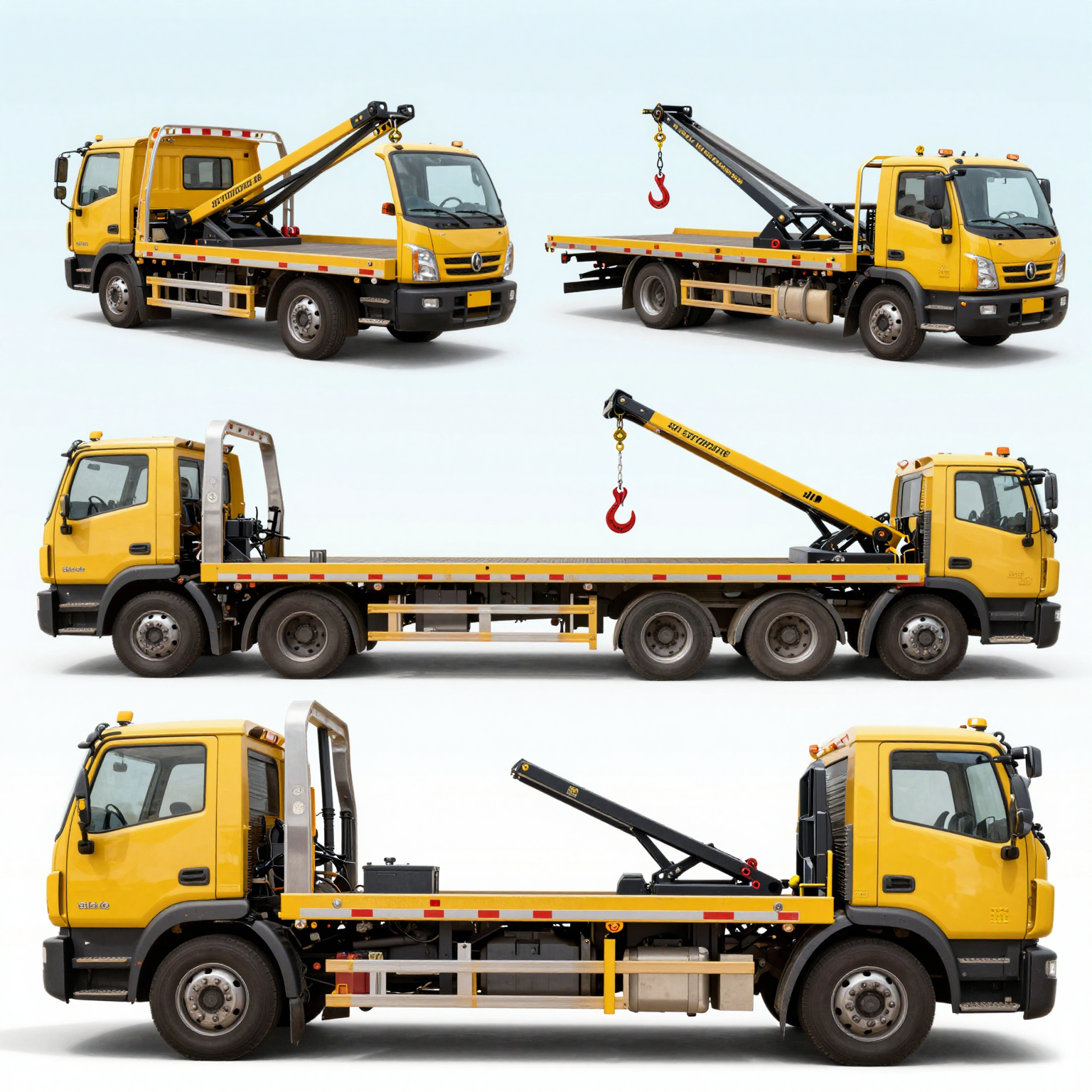
Flatbed tow trucks are designed to lift a vehicle entirely off the ground and place it securely on a flatbed. This type is particularly advantageous for transporting vehicles that are severely damaged or have low ground clearance.
-
Use Cases:
-
Best suited for high-end or luxury cars that need extra protection during towing.
-
Ideal for cars that are unable to drive safely due to mechanical failures.
-
Environment:
-
Commonly used on city roads, during traffic incidents, or for long-distance transport across the island.
-
Useful in construction zones or for vehicles stuck in difficult terrain.
Hook and Chain Tow Trucks
Hook and chain tow trucks utilize a metal hook attached to a chain to lift one end of the vehicle, allowing it to be towed. While effective, this method is less popular due to its potential to cause damage to the vehicles being towed.
-
Use Cases:
-
Often employed for quick recoveries of serviceable vehicles from minor incidents.
-
Can be effective for older or less expensive vehicles still in use.
-
Environment:
-
Typically used in emergencies on busy roadways or when a rapid tow is required in crowded areas.
-
However, it’s less suitable for transporting low-profile or expensive cars due to potential damage.
Wheel-Lift Tow Trucks
Wheel-lift tow trucks use a hydraulic arm to lift vehicles by their wheels, making them a popular choice for moderately damaged cars. This method offers increased speed and efficiency without the potential vehicle damage associated with hook and chain tow trucks.
-
Use Cases:
-
Function well for vehicles that can be towed without the need for long-term transportation solutions.
-
Often used for repossession and emergency towing where quick actions are necessary.
-
Environment:
-
Useful in urban settings where time is essential, such as during high-traffic moments.
-
Effective at accident sites where mobility and maneuverability are key.
Understanding the pros and cons of these types of tow truck services helps property managers, car dealerships, and island residents alike in making informed decisions during roadside emergencies. For more insights into fleet management and the necessities of emergency responses, check out our articles on essential fleet emergency response strategies and emergency preparedness for island fleets.
Factors to Consider When Choosing a Tow Truck Service
Choosing the right tow truck service is crucial for ensuring your vehicle is handled safely and efficiently. Here’s a quick guide to help you evaluate your options:
- Response Time: A fast response time is critical, especially in emergencies. Look for services that guarantee quick arrival times.
- Cost: Compare the rates of different companies. Ensure you understand the pricing structure, including any hidden fees. Be wary of extremely low prices as they may indicate poor service quality.
- Availability: Choose a service that is available 24/7. Problems can occur at any time, so you need a company that can respond when you need it most.
- Insurance: Confirm that the towing company has insurance coverage. This protects you and your vehicle in case of any incidents during the towing process.
- Reputation: Research the company’s reputation through customer reviews and testimonials. A well-regarded service is often reliable and trustworthy.
- Service Range: Consider whether they offer a range of services like roadside assistance, lockout services, and vehicle recovery, in addition to standard towing.
- Equipment and Fleet: Ensure the company has well-maintained tow trucks appropriate for your vehicle type (light-duty, heavy-duty, etc.).
- Customer Service: Good customer service reflects the professionalism of the tow truck service. You should feel comfortable asking questions and discussing your needs.
For more insights that may influence your decision, check out our articles on emergency preparedness for island fleets and essential fleet emergency response strategies.
| Tow Truck Company | Average Tow Price (Non-Member) | Average Tow Price (Member) | Additional Services Offered | Availability (Response Time) |
|---|---|---|---|---|
| Island Tow Service | $109 | $104 | Jump starts, tire changes, lockout services | 30-45 minutes average response time |
| Coastal Towing | $95 | $90 | Fuel delivery, battery replacements | 20-30 minutes average response time |
| Peak Performance Towing | $120 | $115 | 24/7 emergency services | 25-35 minutes average response time |
| Reliable Towing | $115 | $110 | Flatbed towing, motorcycle towing | 30-50 minutes average response time |
| Eco-Tow Solutions | $100 | $95 | Electric vehicle towing, eco-friendly options | 15-25 minutes average response time |
Key Findings:
- Pricing: The average cost for a tow service is around $109 for non-members, slightly lower for members at around $104, based on data from sources like AAA Newsroom.
- Response Times: Many services report response times ranging from 15 to 50 minutes, depending on the company and local traffic conditions.
- Additional Services: Most companies offer basic services such as jump starts and tire changes, while some also provide specialized options like eco-friendly towing.
To ensure you’re prepared for roadside emergencies, consider knowing the services of local providers ahead of time. For fleet management strategies and improving your emergency response, learn more about essential fleet emergency response strategies.
This comparison is based on data from reliable sources, helping to ensure that you choose the right service for your needs. If you’d like more information about preparing for emergencies, check out our article on emergency preparedness for island fleets.
“We are so grateful for the quick and reliable service we received from Tow Truck Service. After getting stranded on the side of the road, they arrived within minutes and helped us get back on our way. Their professionalism and kindness made a difficult situation much easier to handle. We highly recommend them to anyone in need of towing or roadside assistance.” – Tow Truck Service Customer
How to Call a Tow Truck
Calling a tow truck can often be a daunting experience, especially in the heat of the moment when your vehicle breaks down or gets stuck. To ease the process and ensure quick assistance, it is crucial to follow a simple but effective set of steps, emphasizing clear communication with the operator. Here’s a step-by-step guide on how to call a tow truck effectively:
1. Find a Safe Location
Ensure that your vehicle is in a safe spot away from traffic if possible. This will help you avoid further accidents and provide a safe working area for the tow truck driver.
2. Prepare Necessary Information
Gather important details before you call. You’ll need to provide:
- Your exact location (including landmarks if available)
- A description of your vehicle (make, model, color)
- Any special circumstances (such as being on a steep hill or needing a flatbed tow)
3. Contact a Reliable Towing Service
Search for a reputable towing company in your area. Using local services not only supports the community but also guarantees quicker response times. You can use apps or roadside assistance programs as well. If you’re unsure, check online reviews or seek recommendations from friends or local auto repair shops.
4. Communicate Clearly
When you get connected with the towing company, clearly explain your situation. Be patient and answer the operator’s questions to the best of your ability. For more effective communication, mention any urgency (like medical emergencies) or concerns, which can help the operator prioritize your call.
5. Wait for the Tow Truck
After the details are relayed, the operator will dispatch a tow truck. Confirm the estimated time of arrival to ease your anxiety while you wait.
Keep your contact information handy and ensure you stay alert, watching for the tow truck’s arrival. You can also check out essential fleet emergency response strategies for more insights.
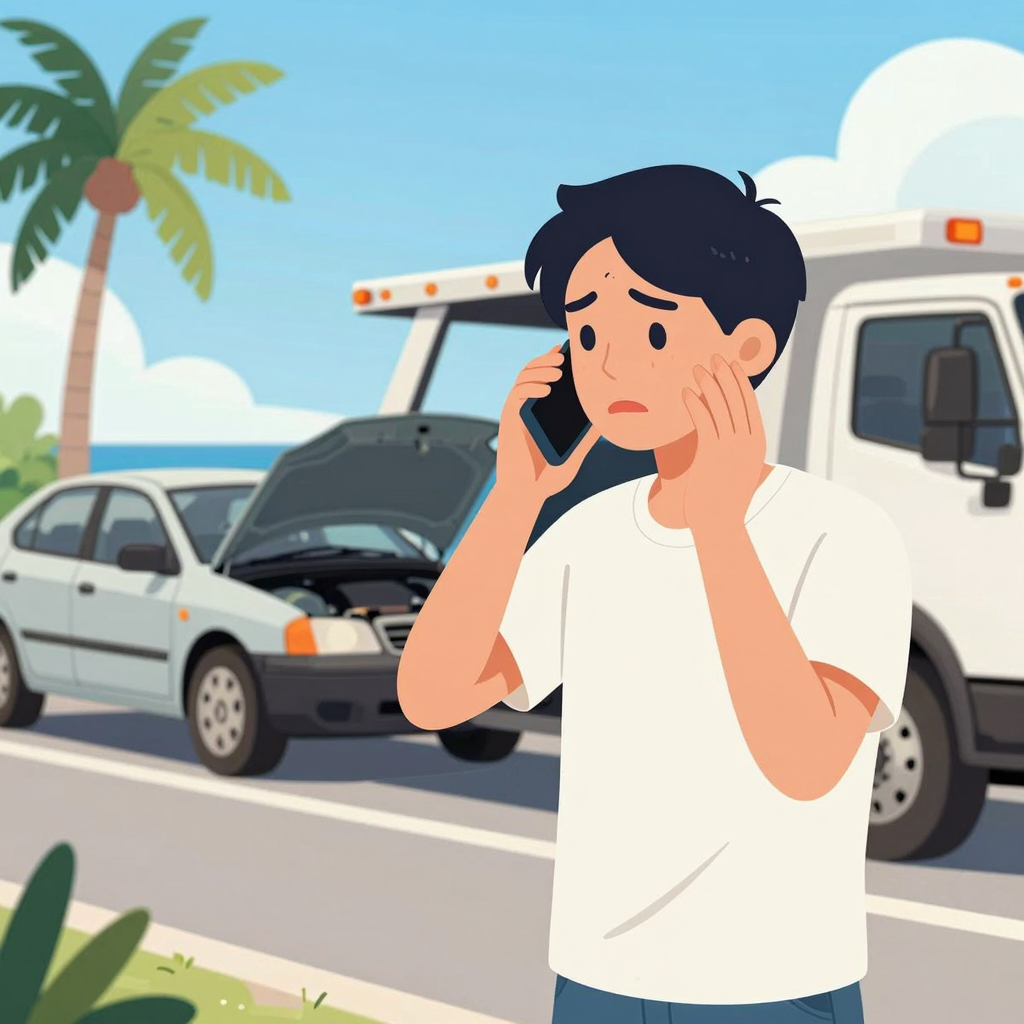
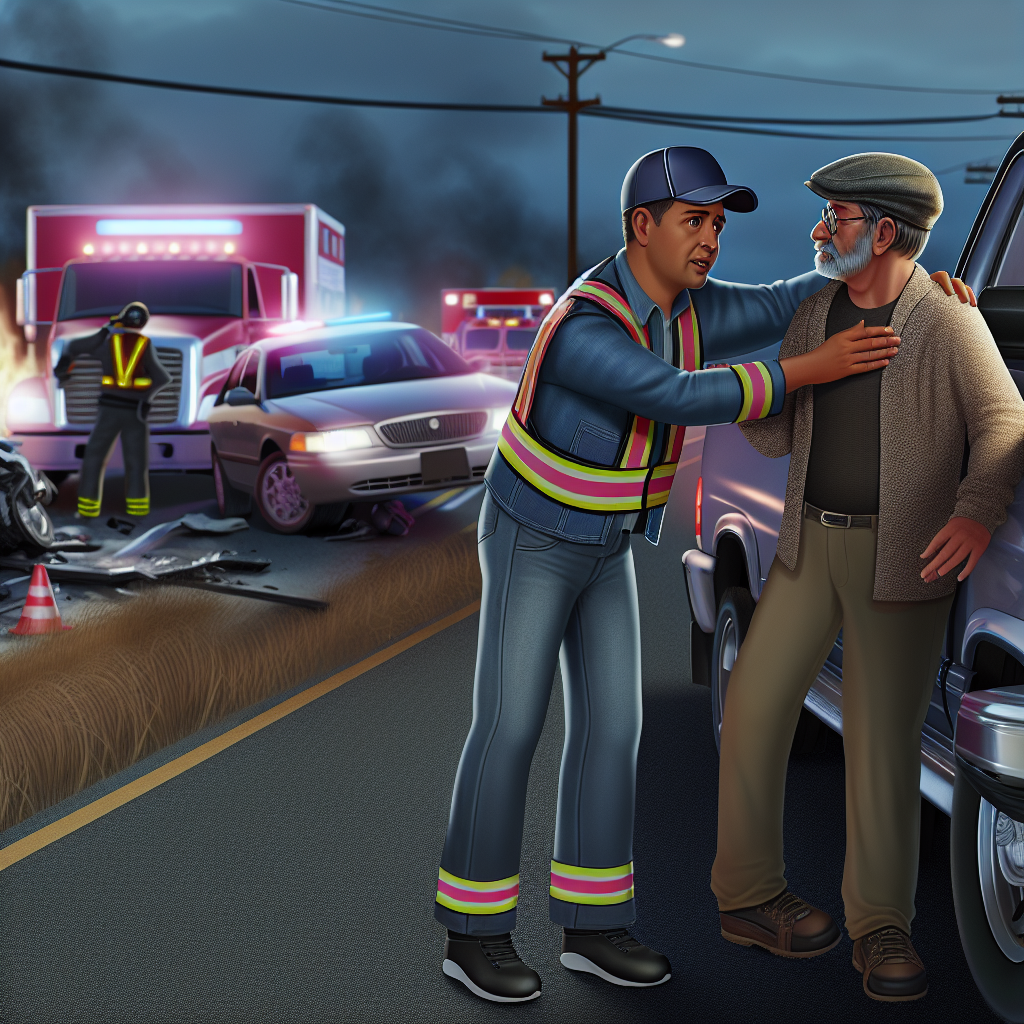
This illustration highlights the importance of clear communication when calling for a tow truck in an island setting, where the community’s reliance on reliable services is paramount.
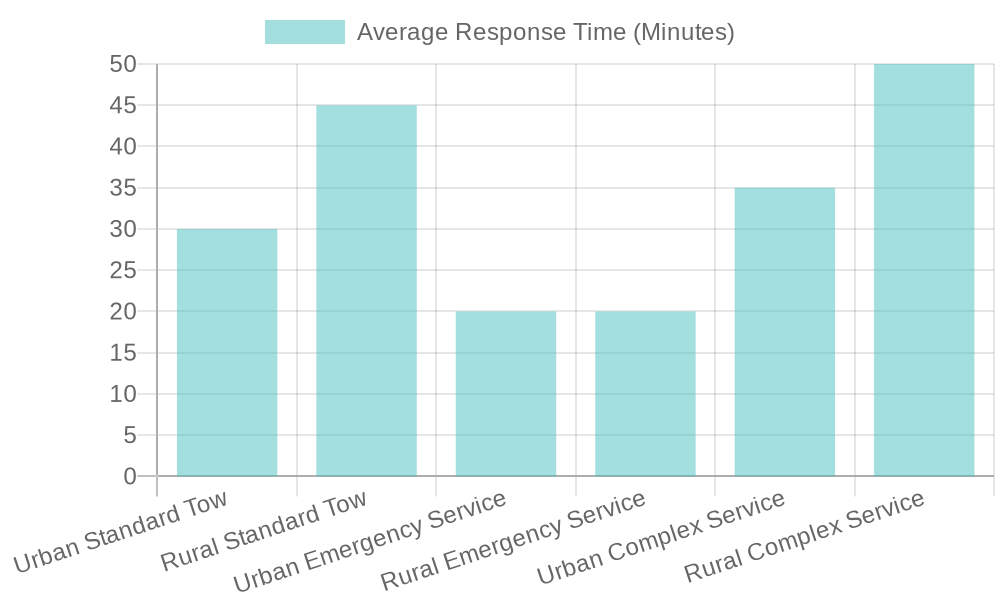
Average Response Times
The chart below illustrates the average response times for tow truck services based on geography and service type:
| Service Type | Average Response Time (Minutes) |
|---|---|
| Urban Standard Tow | 30 |
| Rural Standard Tow | 45 |
| Urban Emergency Service | 20 |
| Rural Emergency Service | 20 |
| Urban Complex Service | 35 |
| Rural Complex Service | 50 |
Source: National Tow Truck Association, October 2022
In conclusion, understanding how to effectively get a tow truck is crucial, especially for local auto repair shops, car dealerships, and commercial fleet operators. We’ve discussed the essential steps in the towing process, the importance of choosing a reliable towing service, and the various factors that can impact your towing needs. By being prepared and well-informed, you can ensure that help is close at hand whenever needed.
For those looking to enhance both aesthetics and performance, Summit Fairings provides excellent solutions. Their customized fairings not only improve the aerodynamics of your vehicle, thereby reducing drag and increasing fuel efficiency, but they also allow you to express your unique taste with stunning designs. Whether you are towing a vehicle or looking to upgrade your fleet’s appearance, Summit Fairings offers the perfect blend of functionality and style.
Ready to elevate your towing experience? Embrace the innovation of Summit Fairings and see how they can transform your vehicle’s performance while enhancing its visual appeal. Visit The Island Tow Truck for more tips on towing services and how to ensure your vehicle is always road-ready!