Introduction
Starting a tow truck business holds extraordinary potential, particularly in a thriving local environment. With the increasing number of vehicles on the road and the persistent need for reliable roadside assistance, the demand for towing services continues to rise, creating unique opportunities for local auto repair shops, car dealerships, property managers, and resort operators. These entities often require towing services to maintain their operations and provide added value to their customers.
For auto repair shops, establishing a tow truck business can be a natural extension of current services, minimizing the headaches associated with coordinating outside towing agencies and enhancing customer satisfaction. Meanwhile, car dealerships can offer an efficient solution for transporting vehicles, whether for maintenance, customer service, or sales. Property managers can ensure swift vehicle removals for unauthorized parking or tenant emergencies, significantly improving their operational effectiveness.
Additionally, resort operators have the opportunity to enhance their guest experiences by providing quick access to roadside assistance. As the landscape of vehicle use and ownership continues to evolve, incorporating a towing service into these business models not only meets market demands but positions these businesses as comprehensive service providers. By capitalizing on this promising venture, you can carve out a profitable niche and strengthen your community ties through impeccable service. Learn more about essential strategies for fleet emergency responses to understand the nuances of this industry.
Essential Equipment for Starting a Tow Truck Business
Starting a tow truck business requires careful planning and the right equipment to cater to various local operational needs. If you want to appeal to businesses such as auto repair shops, car dealerships, property managers, resort operators, and commercial fleet operators, here’s a list of essential equipment you should consider:
- Tow Trucks: These should be suitable for the types of vehicles you plan on towing, whether light-duty, medium-duty, or heavy-duty. Consider vehicles like flatbeds for easy loading and unloading.
- Towing Straps: Durable straps are essential for securing vehicles without causing damage. Look for heavy-duty straps specifically designed for towing.
- Winches: A high-quality winch is necessary for pulling vehicles over obstacles or retrieving them from difficult locations. Ensure it has a suitable weight capacity.
- Chains: Strong, tested chains help secure vehicles during towing and are essential for safety.
- Dollies and Wheel Lifts: These are crucial for towing incapacitated vehicles, especially when they cannot be towed on their own.
- Safety Equipment: This includes reflective cones, safety vests, and roadside flares to keep your team and the public safe during operations, especially at night.
- Hand Tools: A well-equipped toolset (including wrenches, screwdrivers, and pliers) will help you handle minor repairs and adjustments on-site.
- Emergency Kits: Comprehensive emergency kits should be kept in each truck, containing first aid supplies, flashlights, and basic automotive tools.
- Communications Equipment: Reliable communication tools such as two-way radios or smartphones will help maintain contact with your team and customers.
- Insurance and Licensing: Ensure that you have appropriate insurance for your trucks and operations, as well as any licenses required by local regulations.
Additional insights and resources can be found on our website regarding emergency preparedness for island fleets and essential fleet emergency response strategies.
Comparison of Tow Truck Service Offerings
Tow truck services encompass a wide range of offerings that can cater to different types of clients, from individual motorists to commercial fleets. Below is a table that highlights various tow truck services, their benefits, and ideal target clients.
| Service Offering | Benefits | Ideal Target Clients |
|---|---|---|
| Roadside Assistance | Quick response for flat tires, dead batteries, etc. | Motorists in distress, Property Managers |
| Vehicle Towing | Safe transportation of disabled vehicles | Individual car owners, Dealerships |
| Vehicle Recovery | Retrieving vehicles from ditches or hard-to-reach areas | Commercial fleets, Auto repair shops |
| Heavy-Duty Towing | Specialized equipment for larger vehicles | Shipping companies, Construction firms |
| Emergency Recovery | Immediate assistance during accidents or breakdowns | Fleet operators, Resort operators |
| Storage Services | Secure parking for towed vehicles | Insurance companies, Fleets |
Conclusion
Understanding the range of services available in the tow truck business not only helps in catering to various client needs but also enhances the advertising strategy for the business. Consider expanding your service offerings based on the clients you aim to serve. For more insights on operational strategies, feel free to learn more about emergency preparedness for island fleets or explore essential fleet emergency response strategies.
Legal Requirements for Starting a Tow Truck Business
Starting a tow truck business is not just about having the right vehicle; it also involves navigating various legal requirements specific to your local regulations. Here’s a detailed look at what you’ll need, including the licenses, permits, and insurance policies that are crucial for operating legally and successfully.
Licenses and Permits
To begin your towing operations, you must secure the following:
- Business License: Almost all regions require a general business license to ensure compliance with local business regulations. Make sure to register your business with the appropriate local authorities.
- Tow Truck Permit: Depending on your locality, you may need a specific tow truck permit. This is essential for operating vehicles that allow for towing others and may include an inspection of your towing equipment.
- Commercial Driver’s License (CDL): If you plan on driving heavier tow trucks, obtaining a CDL may be mandatory in your area. A proper CDL ensures that the operator is trained to handle larger vehicles safely.
- Oversized/Overweight Vehicle Permit: If your operations include towing large or heavy vehicles, this permit may also be required to adhere to safety regulations.
You can learn more about specific local requirements by visiting resources about getting a tow company license.
Insurance Policies
Securing the right insurance is vital for protecting yourself and your business:
- Liability Insurance: This is a must-have for any tow truck business, which protects you against third-party claims for property damage or bodily injuries during operations. The coverage required can vary, but for-hire tow trucks over 10,000 pounds may need a minimum of $750,000 according to Federal regulations.
- Garagekeepers Insurance: This protects the customer’s vehicles while they are in your custody during towing or service.
- On-Hook Towing Insurance: Coverage for the vehicles you are towing, ensuring they are protected against damages while in transit.
- General Liability Insurance: Often required by law, this policy covers various risks inherent to towing operations, including accidents or damages that could occur.
For insights on how to choose the right insurance for your specific needs, consider reaching out to local insurance professionals or browse this comprehensive guide on insurance requirements.
Conclusion
Navigating the legal terrain of starting a tow truck business can seem daunting, but thorough preparation sets the foundation for a successful operation. Stay informed on your local regulations and ensure that all necessary licenses and permits are obtained before hitting the road. By following these guidelines, you’ll be set to provide essential towing services to your community with peace of mind.
Best Practices for Customer Service in the Tow Truck Industry
Providing excellent customer service in the tow truck industry is crucial for building strong client relationships. Here are some best practices that can enhance the customer experience:
1. Prioritize Customer Safety
- Safety First: Ensure that all operations adhere to safety regulations. This not only protects the customer but also builds trust. Always communicate clearly about safety procedures to the customer.
2. Effective Communication
- Clear and Concise: Utilize straightforward language when discussing services, costs, and estimated arrival times. Customers appreciate transparency and clarity in communications.
- Emergency Protocols: During emergencies, have a well-defined protocol for communicating with customers about their needs and how you plan to address them. This is critical in establishing confidence in your services.
3. Demonstrate Empathy
- Understand Their Situation: Many customers may be in distress when they call for towing services. Show empathy by actively listening and acknowledging their feelings.
- Personalized Service: Tailor your responses and solutions to meet the specific situations of the customers, thus enhancing their experience.
4. Maintain Professionalism
- Polite Interaction: Always engage with customers courteously. The demeanor of your staff can significantly impact customer satisfaction.
- Dress Code and Van Branding: Ensure drivers are in unified attire and your tow trucks are well-branded. Visual professionalism translates to operational integrity.
5. Responsiveness
- Prompt Service: Aim for quick response times. Customers expect prompt service, especially during emergencies. Utilize technology to track and optimize response times effectively.
- Feedback Collection: After service, solicit feedback to assess customer satisfaction and areas for improvement.
6. Leverage Technology
- Modern Tools: Implement modern tools such as mobile applications for dispatch and customer tracking. Technology can greatly enhance the customer experience by providing real-time updates.
- Social Media Engagement: Use social media platforms to engage with your community and showcase your customer service efforts.
By integrating these best practices into your operations, towing businesses can foster strong relationships with clients, promote loyalty, and enhance overall satisfaction. An empathetic approach ensures that businesses not only offer services but also build lasting trust in the community.
For more insights on how to enhance your fleet management in emergency responses, check out our essential fleet emergency response strategies or read about emergency preparedness for island fleets to better serve your customers.
Building a Successful Tow Truck Business
Starting a tow truck business requires more than just vehicles and equipment; it hinges significantly on the quality of service and your engagement with the community. As you begin this journey, keep in mind the importance of fostering relationships with local auto repair shops, car dealerships, property managers, resort operators, and commercial fleet operators. Quality service not only enhances your reputation but also builds long-lasting trust among your clients.
“Towing services that prioritize community engagement and quality customer service are essential for sustainable growth. These businesses transform flat tire emergencies into opportunities to connect, show reliability, and foster loyalty.” – Unknown Expert, Towing Industry
Incorporating quality service can mean:
- Training staff to handle roadside emergencies with care and professionalism.
- Investing in modern towing equipment that ensures safe and efficient service.
- Offering transparent pricing and reliable response times that build customer confidence.
Community engagement can take various forms:
- Hosting community events or sponsoring local initiatives to raise awareness about road safety.
- Collaborating with local businesses for cross-promotional efforts that benefit everyone involved.
- Utilizing social media platforms to create discussions around local transportation challenges and your business solutions.
Investing in these aspects not only solidifies your position as a local authority in the towing industry but also propels your business towards long-term success. If you’re interested in learning more about how to prepare your fleet for emergencies, check out our article on emergency preparedness for island fleets.
For more insights on enhancing your service strategies, consider visiting our guide on essential fleet emergency response strategies.
Marketing Strategies for a Tow Truck Business
Starting a tow truck business requires not just equipment and expertise, but also a robust marketing strategy that fosters local connections and engages clients through innovative channels. Here are some tailored marketing strategies focusing on local partnerships with auto shops and dealerships, as well as leveraging social media for effective client engagement.
1. Form Strategic Partnerships
Building partnerships with local auto repair shops and dealerships is crucial. Here’s how to do it effectively:
- Mutual Referrals: Create a referral network where auto shops and dealerships direct their customers to your towing services. Offering exclusive discounts or benefits for their clients can enhance these referrals.
- Exclusive Agreements: Consider establishing agreements with local dealerships where you become their official towing service. In return, they can provide you promotional opportunities and client referrals.
2. Co-Marketing Initiatives
Engage in joint marketing campaigns with your partners:
- Shared Promotions: Organize special promotions where both parties advertise a bundled service (e.g., free tow with every car serviced at a partner shop). This not only broadens your market reach but also strengthens customer loyalty towards both businesses.
- Cross-Promotion on Social Media: Collaborate with local shops to feature each other’s services on social media. This allows you to tap into each other’s client base and enhance community presence.
3. Local Advertising
Investing in local advertising helps drive awareness within your community:
- Digital Local Ads: Use platforms like Google Ads and Facebook to target local audiences with tailored ads. Highlight partnerships and the value-added services you offer.
- Community Events: Participate in or sponsor local community events to enhance visibility. Handing out promotional materials can provide an in-road to potential clients.
4. Referral Programs
Create an enticing referral program that encourages auto shops and dealerships to promote your services:
- Incentives: Offer a commission or discounts for every successful referral made by a partner. This not only motivates them but also builds strong relationships.
5. Leverage Social Media
Social media is a powerful tool for client engagement. Here’s how to harness it effectively:
- Client Testimonials: Use social media to share testimonials from satisfied customers, particularly those who have utilized the service through the recommendations of local auto shops.
- Engaging Content: Post interactive content related to towing, such as quick roadside assistance tips or engaging Q&A sessions. This not only draws potential clients but also enhances engagement.
- Targeted Ads: Use geographic targeting in your campaigns to reach individuals within your service area, highlighting partnerships with local businesses.
Engaging local partners and effectively utilizing social media can significantly enhance your towing business’s visibility and client engagement, leading to better community recognition and increased revenue. For additional resources on emergency preparedness for fleet operations, check out this article to bolster your business strategy further!
Projected Startup Costs for a Tow Truck Business
Starting a tow truck business requires careful financial planning to ensure success. Below is a chart outlining projected startup costs categorized by equipment, licensing, and marketing expenses. This information will assist potential entrepreneurs in understanding the initial financial commitment required.
Estimated Costs by Expense Category
| Expense Category | Estimated Cost |
|---|---|
| Equipment | $100,000 |
| Licensing | $5,000 |
| Marketing | $10,000 |
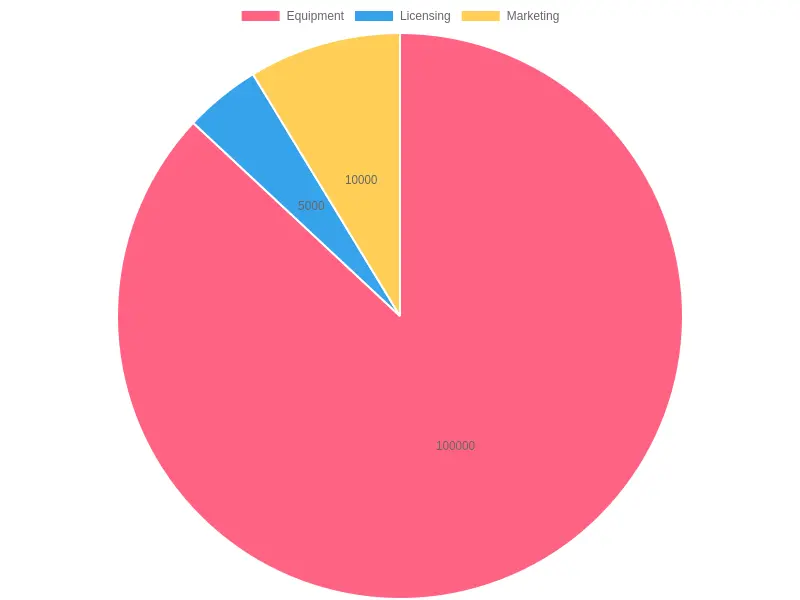
Understanding these costs can guide decisions on budgeting and resource allocation as you embark on this business venture. For further insights on emergency preparedness and fleet strategies, learn more here.
Conclusion: Seize the Opportunity in the Tow Truck Business
Starting a tow truck business is not just an entrepreneurial venture; it’s an opportunity to provide essential services that contribute to road safety and community support. With the tow truck market projected to reach an impressive $3.9 billion by 2033, driven by increasing vehicle traffic and roadside assistance needs, now is the perfect time to consider entering this booming industry. The demand is palpable-about 55,000 vehicles are towed daily in the U.S., underscoring the significant need for reliable towing services, especially in our island communities where transport logistics are critical.
As you embark on this journey, leveraging insights from industry leaders such as Wolters Kluwer and considering best practices like effective business planning and understanding local regulations are vital. It’s crucial to identify your specific market needs and tailor your services to meet them.
Moreover, with the right preparation and strategic planning, you can stand out in this competitive landscape. Resources like Tow Company Marketing emphasize the importance of selecting appropriate vehicles and services that resonate with your community’s demands.
Take action today! Equip yourself with the right knowledge, stay informed about industry trends, and align your services with the unique needs of your local area. Whether you’re helping a tourist stranded by the roadside or supporting local businesses, your tow truck service can make a difference. Embrace this opportunity to become a vital part of your community’s transport network and ensure you lead with both competence and care.