Introduction
When it comes to towing, a common question arises: do tow trucks need your keys to operate? This uncertainty often generates anxiety among auto repair shops, car dealerships, property managers, and commercial fleet operators alike. Each stakeholder has distinct concerns; for instance, auto repair shops worry about the efficiency of transport for stranded vehicles, while property managers are often faced with the dilemma of unauthorized parking. The answers are not always straightforward, leading to frequent complications. Understanding the operational capabilities of tow trucks without keys is essential in alleviating these concerns and streamlining processes. By approaching this topic with empathy and authority, we can explore the nuances that affect your decisions and address the challenges you face daily. Whether you’re navigating busy parking lots or dealing with unexpected breakdowns, having the right information can turn a frustrating situation into a hassle-free experience. For tips on emergency preparedness, learn more here.
An Empathetic Anecdote About Vehicle Towing and Keys
Imagine this: Maria, a small business manager on our island, is having a hectic day managing her fleet of vehicles used for deliveries and services around the community. Suddenly, one of the trucks stalls unexpectedly on a busy street. Unsure and a bit anxious, she calls the local tow service for assistance. When the tow truck driver arrives, Maria hesitates when asked for the truck keys. She wonders if it’s really necessary for the driver to have her keys – what if they get lost, or what if something else happens to the vehicle while it’s being towed?
Like many vehicle owners, Maria feels a mix of worry and confusion because she doesn’t fully understand the towing process and why keys might be needed. It’s a common concern on our island, where trusting local services is vital for peace of mind and smooth operations.
In reality, tow truck operators need keys primarily to safely put the vehicle into neutral or disengage an electronic parking brake, depending on the vehicle type. This ensures the tow is done without damaging the transmission or other components. However, professional tow companies follow strict protocols to protect your property and respect your trust.
Maria’s story resonates with many local business operators and fleet managers who depend heavily on reliable and transparent towing services for their crucial vehicles. Understanding when and why keys are required helps alleviate anxiety and builds confidence in your towing service providers.
To prepare your fleet for such emergencies, explore essential fleet emergency response strategies designed for island conditions that can keep your operations running smoothly.
When it comes to towing vehicles, especially for commercial fleet operators and property managers, understanding whether keys are needed is crucial. The towing process can vary based on the type of tow truck used and the vehicle being towed. Here, we highlight authoritative insights and standard practices to consider in various towing scenarios.
Do You Need the Keys?
-
Flatbed Tows: Generally, when utilizing a flatbed tow truck, it is not necessary to leave the keys in the vehicle being towed. Flatbed towing involves lifting the entire vehicle off the ground, thereby minimizing the risk of wear on the vehicle’s wheels and drivetrain. As noted by Auto Zonic, unless the vehicle’s systems require activation (such as steering locks), leaving the keys in the vehicle is not a standard practice.
-
Dinghy Towing: In specific scenarios, such as dinghy towing (towing a vehicle with all four wheels on the ground), it may be necessary to place the ignition key in a particular position to prevent damage and allow for steering. Here, the key is critical, as it can activate or deactivate certain vehicle systems during transport. For a detailed explanation, visit the Subaru Outback Forums.
-
Safety Precautions: Regardless of whether keys need to be in the vehicle, it’s essential to follow safety protocols, including securing the vehicle properly and conducting go/no-go checks before the towing process. Some guidelines advocate checking the vehicle’s systems and ensuring the transmission is in the proper setting while towing. This is emphasized in resources like Hiway Towing.
Standard Practices for Commercial Fleet Operators
For commercial fleet operators, adhering to specific protocols not only ensures legal compliance but also guarantees safety for both the towing crew and the vehicles involved:
-
Verify Local Regulations: Towing laws can differ significantly between jurisdictions. It’s vital to be aware of local towing regulations, which may outline requirements for licenses, insurance, and the necessity of having keys in the vehicle. A comprehensive overview of this can be found in the guide on Towing Rules And Regulations.
-
Use Reliable Towing Services: Partnering with dependable towing services is especially critical for commercial fleets. This ensures that the operators are experienced and that the correct equipment is utilized for various types of vehicles. For an excellent discussion on reliable towing for businesses, refer to the article on 24/7 Towing Services For Businesses.
-
Documentation and Permissions: Always ensure that proper documentation is processed before towing a vehicle, particularly in commercial settings or when dealing with private property. Having a signed authorization from the vehicle owner is not just courteous but may be required by law in some regions.
Conclusion
Understanding whether keys are needed when towing vehicles is essential for ensuring a smooth operation, especially for commercial fleet managers and property owners. By following established protocols and best practices, not only can you enhance efficiency in towing operations, but you can also promote safety and compliance with local regulations. For further strategic insights, consider reading about Essential Fleet Emergency Response Strategies.
With knowledge and preparation, towing can be managed effectively to meet the needs of your fleet and ensure seamless operations on the road.
When it comes to towing vehicles, the regulations can significantly differ from one state to another. Most states enforce laws providing guidelines on when and how vehicles can be towed, including stipulations about keys and access to vehicles being towed.
Key Points on Towing and Access
- General Requirement for Keys:
- In many states, tow truck operators do not need the owner’s keys if they are towing a vehicle legally parked on private property without consent. However, regulations may vary depending on the location, and any vehicle being removed from a public road can often be towed without keys.
- State-Specific Variations:
- Florida: Under Florida law, if a vehicle is towed without the owner’s consent, the towing firm must inform the owner of their rights and the cost of retrieval-even if the vehicle can be accessed without keys.
- Texas: Texas regulations require that companies provide a locked and secured area for the vehicle, and if the vehicle’s ignition is inaccessible, they must hold the vehicle for a specific time before the owner can claim it.
- California: In California, tow truck drivers cannot forcefully enter a vehicle or break into it; they may require keys to move a disabled vehicle from the location.
- Notification Requirements:
- In several states, towing companies are mandated to notify the vehicle owner (if known) prior to towing. This generally includes the circumstances under which the vehicle may be released, which could involve providing keys.
Towing Fees and Consumer Rights
- Most regulations stipulate that towing fees must be reasonable and often capped. For example, regulations may require tow truck operators to provide an itemized receipt detailing the services rendered. As part of consumer protection laws, vehicle owners have the right to dispute excessive fees charged by towing companies.
Key References for Towing Regulations
- For further insights into towing laws across states, World Population Review provides a comprehensive overview of trailer towing laws and specific requirements.
- The Towing Service Hub also presents a detailed guide covering various regulations influencing non-consensual towing practices.
Conclusion
Understanding the local towing laws is critical for businesses and individuals who might interact with towing services. It’s important for local auto repair shops, car dealerships, and property managers to ensure they are compliant with these regulations to avoid disputes and ensure a smooth operational flow.
By staying informed about the responsibilities and rights under state laws, you can protect your interests while effectively managing vehicle towing situations.
| Towing Scenario | Keys Needed? |
|---|---|
| Private Property Towing | Yes |
| Roadside Assistance (e.g., flat tire) | No |
| Roadside Assistance (e.g., lockout) | Yes |
| Emergency Towing | Yes, generally |
| Illegal Parking Enforcement | Yes |
| Vehicle Recovery After an Accident | Yes, smart keys might be necessary |
| Impound Lots or Designated Areas | No |

Visual Comparison of Tow Truck Operations
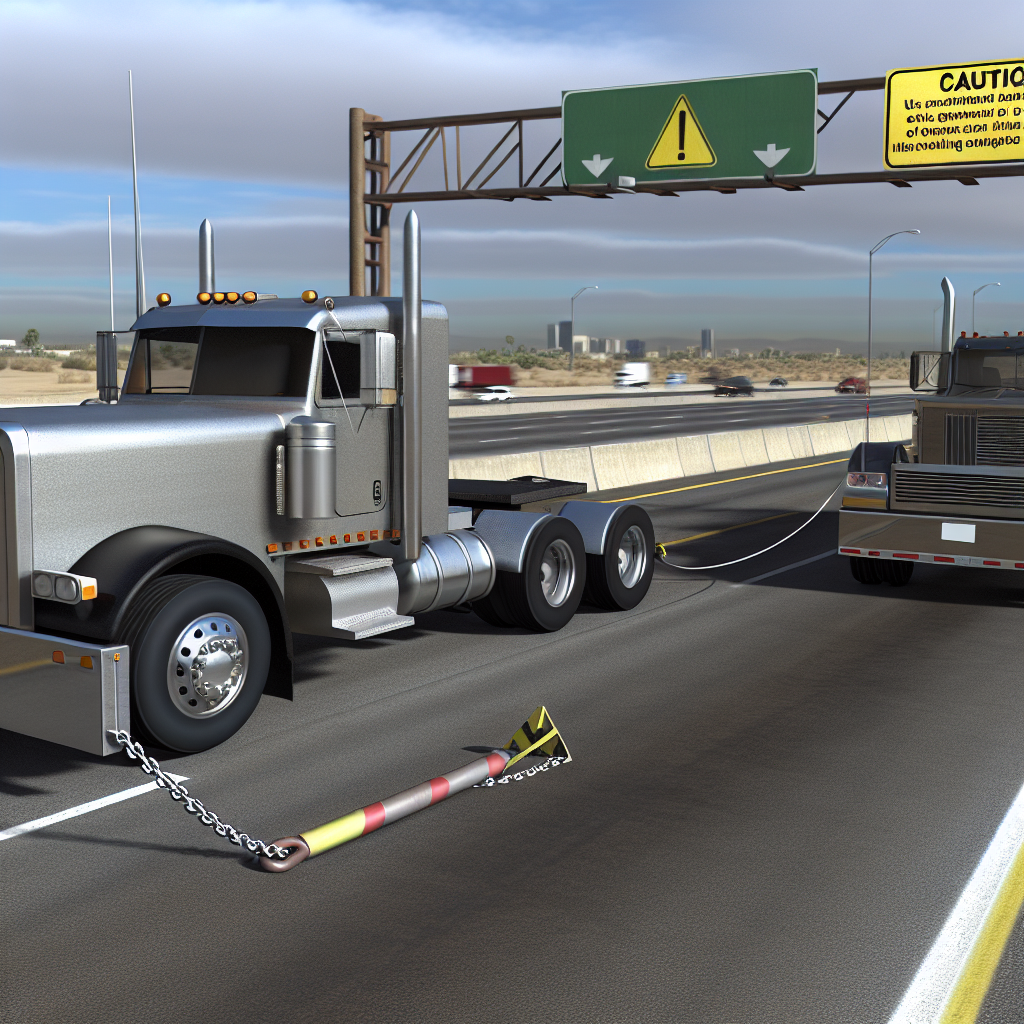
This image illustrates the distinctions in tow truck operations when a vehicle has keys versus when it does not. The left side represents smooth maneuvering and efficiency, whereas the right side reveals the challenges faced without keys. This visual helps in understanding the crucial role keys play in tow operations, particularly on islands where timely assistance can make a significant difference.
Benefits of Understanding Key Towing Policies for Property Managers and Commercial Operators
Understanding key towing policies is crucial for property managers and commercial operators. Here are the primary advantages:
-
Enhanced Operational Efficiency
Recognizing the details of towing policies enables effective management of parking spaces. This reduces the time spent on dealing with unauthorized vehicles and helps maintain an organized environment. Clear policies help streamline operations and expedite towing processes. -
Improved Customer Satisfaction
Transparent and fair towing policies foster trust and satisfaction among tenants and customers. When residents know the regulations, it minimizes disputes and enhances their overall experience, leading to higher retention rates. -
Responsiveness to Incidents
Understanding local towing laws and regulations allows property managers to respond swiftly to parking violations and emergencies, ensuring that management can maintain safety and order effectively. -
Reduced Conflicts and Complaints
Clear communication regarding towing policies can significantly reduce misunderstandings and complaints, improving relationships with tenants and the surrounding community.
For more insights on property management and towing policies, check out this article on crafting effective towing policies.
Additionally, leveraging technology has shown to be beneficial. Learn more on tech-enabled operations.
Do Tow Trucks Need Your Keys?
When it comes to towing operations, knowing whether keys are required can significantly impact the efficiency and safety of the process. According to industry experts, having keys can help manage the vehicle properly, thus reducing the risk of accidents.
“Having the keys during towing operations enhances safety and efficiency, allowing us to manage the vehicle properly and reduce the risk of accidents.”
- City Wide Towing
Why Are Keys Important?
- Efficient Towing: Keys allow tow truck operators to handle vehicles more effectively, especially when dealing with unique situations like steering lock or transmission issues.
- Safety Considerations: The involvement of keys can enhance safely navigating recovery scenarios where precise vehicle maneuvering is critical.
- Legal Compliance: Some jurisdictions may have regulations regarding how vehicles must be towed, which can include ensuring the vehicle remains in a secure state using keys.
This knowledge can assist property managers, auto repair shops, and commercial fleet operators in understanding why a vehicle’s keys might be requested during a towing operation.
For more insights into emergency preparedness for island fleets, visit our resources.
Conclusion
In summary, the question of whether tow trucks need your keys features prominently in discussions about best practices in towing. The consensus among experts suggests that having access to vehicle keys not only streamlines operations but also promotes safety. Operators across the board recognize the importance of keys in ensuring effective vehicle management during towing operations.
For a deeper dive, check out our article on essential fleet emergency response strategies.
In conclusion, understanding the importance of proper towing practices, especially regarding whether tow trucks need your keys, is crucial for both vehicle owners and towing companies alike. As discussed, having the keys during the towing process is not always essential, but it greatly facilitates the safe handling and transport of vehicles, particularly those with automatic transmissions or complex locking systems. Missing keys can lead to increased risks of damage or mishandling, making it vital to adhere to safety protocols and use appropriate towing methods, such as flatbed trucks, when necessary.
Moreover, the emotional undertone of this discussion is important. When your vehicle is being towed, it can be a stressful experience. Knowing that professional towing services prioritize your vehicle’s safety can offer peace of mind. If you want to delve deeper into effective towing practices, consider exploring essential fleet emergency response strategies or learn about emergency preparedness for island fleets. Remember, thoughtful towing practices combined with an empathetic approach can significantly affect your peace of mind during challenging moments.
In conclusion, understanding whether a tow truck requires your keys can save you time and any potential added stress during an already challenging situation. Always ensure to communicate clearly with the towing company so they can best assist you. If you’re looking for customized solutions for your motorcycle with quality craftsmanship, look no further than Summit Fairings. Their custom-fit motorcycle fairings are designed to enhance not only the appearance but also the performance of your ride. Visit Summit Fairings today to explore your options and make your bike shine!