The Critical Role of Airport Fire Fighting Trucks
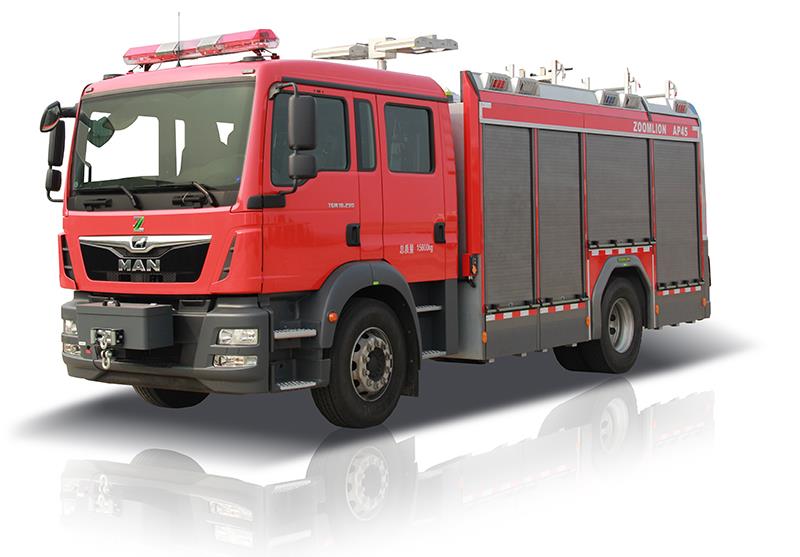
Airport fire fighting trucks are indispensable in safeguarding lives and property at airports, where rapid response to emergencies is vital. These specialized vehicles are designed to tackle the unique challenges posed by aircraft fires and related incidents, which can escalate quickly due to the fuel and materials present. Over the years, the evolution of fire fighting technology has played a significant role in enhancing the effectiveness of these trucks. From rudimentary water hoses to advanced foam systems and high-capacity water pumps, the capabilities of fire fighting vehicles have expanded remarkably.
As airports continue to grow in size and traffic, modern solutions such as remote-controlled firefighting systems and sophisticated onboard technology are increasingly being integrated into fire fighting trucks. These advancements not only improve response times but also ensure that firefighting crews can effectively manage dangerous situations with enhanced safety. Business owners must recognize the importance of investing in state-of-the-art equipment like airport fire trucks. With the stakes so high, ensuring that these specialized vehicles are equipped with the latest technology is crucial for maintaining safety standards and protecting airport infrastructure.
Key Features of Modern Airport Fire Fighting Trucks
In the demanding environment of aviation, airport fire fighting trucks (ARFF) are essential for ensuring the safety and rapid response to emergencies involving aircraft. These specialized vehicles are designed with a range of advanced features that enhance their operational efficiency, particularly beneficial for business owners in the aviation sector. Here are the key characteristics:
1. High Water Capacity
Modern airport fire fighting trucks often boast significant water and foam capacities, typically ranging from 3,000 to 6,000 liters (about 792 to 1585 gallons). This large reservoir is crucial for quickly dousing aircraft fires, which can erupt within seconds during an emergency. The superior capacity ensures that firefighters can tackle intense infernos without needing to replenish supply frequently. For example, many models come with 800 liters (211 gallons) of foam capabilities, enhancing firefighting effectiveness.
2. Advanced Pumping Systems
The deployment speed of firefighting measures can be the difference between life and death. Modern ARFF trucks are equipped with sophisticated pumping systems, allowing for instantaneous foam and water dispersal. Features like Compressed Air Foam Systems (CAFS) enable these trucks to rapidly deliver large volumes of foam, ensuring that the fire is suppressed swiftly and efficiently. The use of high-capacity pumps, which can produce pressures over 1,500 liters per minute, significantly increases operational readiness and effectiveness, making them a crucial asset in emergencies. Learn more about advanced firefighting technology.
3. Specialized Equipment
Modern airport firefighting trucks come packed with specialized equipment designed to handle various crisis scenarios:
- Thermal Imaging Cameras: These devices allow firefighters to detect hotspots quickly and assess dangerous areas without direct exposure to flames.
- Remote Operation Capabilities: Some models enable fire crews to control operations from a distance, adding a layer of safety during high-risk situations.
- All-Wheel Drive and Maneuverability Features: To navigate the sometimes-treacherous terrain surrounding airports, ARFF trucks often include all-wheel drive and independent suspensions, facilitating rapid response across different environments. High off-road tires further enhance their capability to operate in challenging conditions.
Conclusion
The capabilities of modern airport fire fighting trucks significantly enhance the operational efficiency required in the aviation sector. With high water capacity, advanced pumping systems, and specialized equipment, these vehicles ensure that business owners can maintain safety standards while guaranteeing quick and effective responses to emergencies. Investing in such technology not only ensures compliance with safety regulations but also bolsters overall operational readiness. For further insights into airport fire trucks, check out the detailed product offerings here.
Moreover, as the aviation industry continues to evolve, maintaining state-of-the-art fire fighting equipment becomes increasingly critical in safeguarding lives and properties.
Airport Fire Fighting Truck Comparisons
When considering airport fire fighting trucks, various specifications can affect the effectiveness and efficiency of the vehicles in emergency situations. Below is a comparison table detailing the specifications of several notable models currently available in the market:
| Model Name | Water Capacity (liters) | Pump Power (hp) | Total Weight (tons) | Operating Range (km) |
|---|---|---|---|---|
| Rosenbauer Airport Crash Tender | 15000 | 700 | 16 | 600 |
| Electric 6×6 Airport Firefighter Truck | 12000 | 650 | 12 | 400 |
| 4×4 Airport Fire Truck | 5000 | 450 | 5.5 | 300 |
| Mercedes Benz ARFF Aircraft Fire Truck | 33000 | 580 | 33 | 800 |
For more details on specific models, you can explore our selection of airport fire trucks that showcases the best options tailored for airport needs.
Visual Comparison
To help you visualize the water capacity differences among the most popular airport fire fighting trucks, here is a bar chart representation:
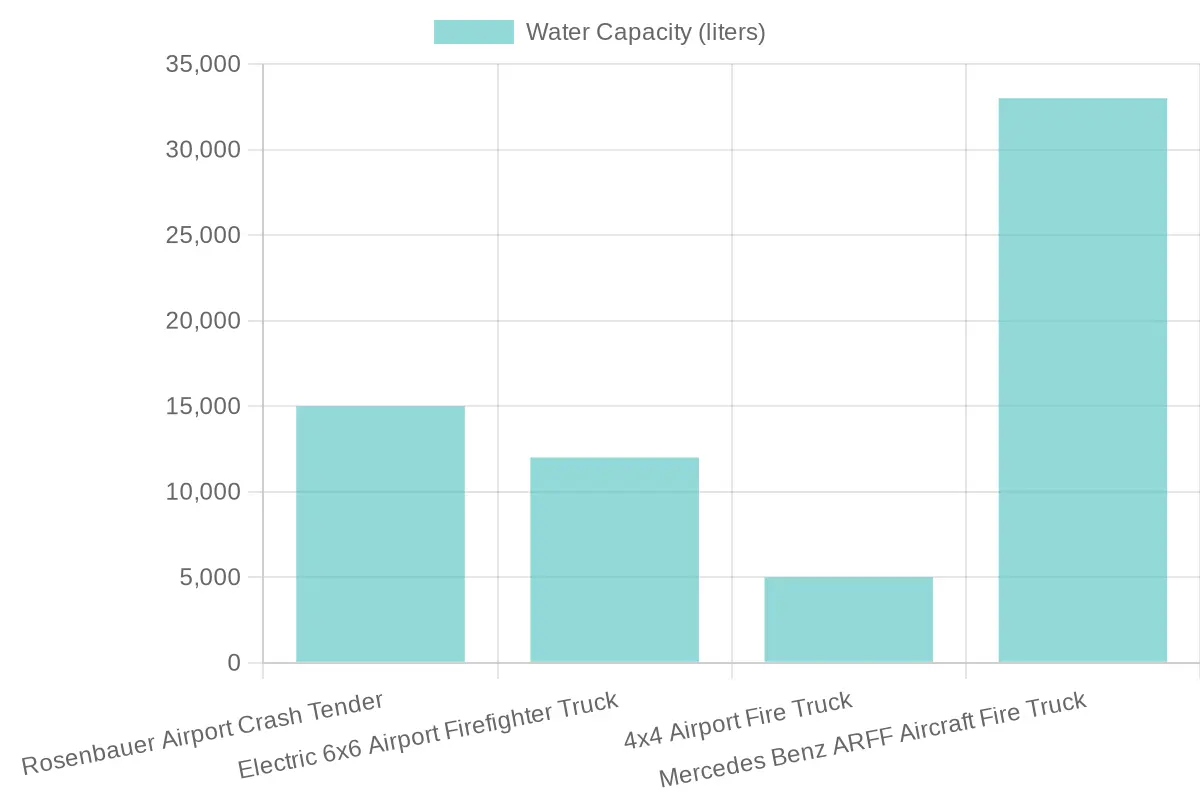
This visual aid highlights the varying capacities of each truck, further enhancing your understanding of their potential capabilities in emergency situations.
Industry Standards for Airport Fire Fighting Trucks
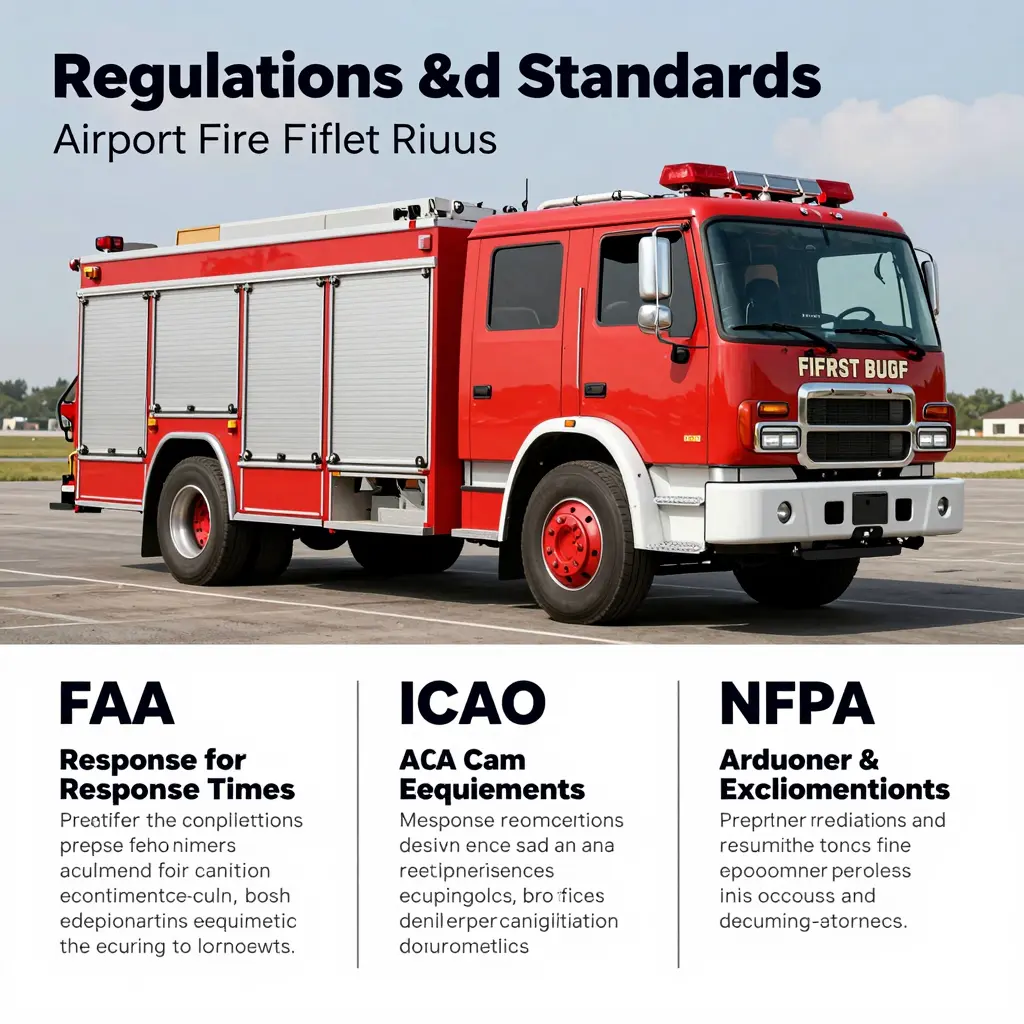
Airport fire fighting trucks, specifically Aircraft Rescue and Fire Fighting (ARFF) vehicles, are governed by stringent regulations and standards set forth by aviation authorities like the Federal Aviation Administration (FAA), the International Civil Aviation Organization (ICAO), and the National Fire Protection Association (NFPA). Considering the high risks associated with aviation, these standards are critical to ensuring rapid and effective emergency response to fire incidents at airports.
Key Regulations by Aviation Authorities
-
FAA Regulations:
The FAA mandates that all airport operators provide adequate ARFF services according to Part 139 of the FAA regulations. This includes stringent training for personnel and specific equipment standards to ensure effective firefighting in emergencies involving aircraft. For more detailed insights into FAA requirements, refer to their official guidelines. -
ICAO Standards:
The ICAO outlines safety standards that must be met to ensure passenger safety, including specified response times for firefighting vehicles. ARFF vehicles must be compliant with ICAO standards to be considered operationally safe and effective. -
NFPA Specifications:
The NFPA 414 standard details the requirements for ARFF vehicles, including necessary performance metrics for firefighting capabilities and safety features. Compliance with these standards ensures that vehicles are equipped to handle emergencies effectively. More can be found on NFPA’s standards in their official reports.
Specifications for Airport Fire Fighting Trucks
- Firefighting Capability: Trucks are designed with advanced firefighting foams and water systems that can combat large-scale fires quickly.
- Response Time: Vehicles must reach any point on an airport within specified time limits to minimize damage during emergencies.
- Equipment Readiness: Standards dictate the type and amount of firefighting equipment that ARFF vehicles must carry, including hoses, nozzles, and extinguishing agents.
For in-depth details about purchasing ARFF vehicles that meet international standards, consult this comprehensive guide.
Conclusion
Investing in quality fire fighting vehicles in accordance with FAA, ICAO, and NFPA regulations is crucial for airport business owners to ensure compliance and safety. These standards not only protect passengers but also enhance the overall readiness of emergency response teams at airports. By adhering to these guidelines, airports can maintain operational integrity and safety standards necessary for modern aviation.
Benefits of Investing in High-Performance Fire Fighting Equipment for Airports
Investing in high-performance firefighting equipment is crucial for airport operations, offering a multitude of long-term benefits that enhance safety, reduce liability, and improve operational reliability. These advantages are essential for maintaining efficient airport functionality and ensuring the safety of passengers and crew alike.
Improved Safety Ratings
High-performance firefighting equipment significantly enhances the safety ratings of airport operations. With advanced technology, such as speedy response systems and effective extinguishing agents, the chances of preventing or minimizing fire incidents increase substantially. Enhanced firefighting capabilities allow for:
- Faster Response Times: The specialized equipment can quickly manage emergencies, potentially reducing incident response times to under three minutes.
- Better Training Opportunities: Advanced systems contribute to increased training for firefighting personnel, enhancing their skills in handling critical situations efficiently and safely.
Reduced Liability
By reducing the frequency and severity of incidents through better firefighting technologies, airports can lower their liability. Some key points include:
- Lower Insurance Premiums: Insurance providers often offer reduced premiums for businesses that implement comprehensive safety measures, including modern firefighting equipment.
- Fewer Lawsuits: High-performance equipment leads to fewer safety incidents, thereby decreasing the number of lawsuits arising from accidents.
Operational Reliability
Operational reliability is a critical aspect of airport management. Investing in top-notch firefighting equipment ensures that:
- Consistent Emergency Operations: High-tech equipment guarantees maximum efficacy during emergencies, allowing airports to function consistently even under duress.
- Enhanced Coordination: Modern firefighting technologies improve coordination with local firefighting agencies, enabling joint training exercises and drills that enhance overall safety.
In conclusion, the investment in high-performance firefighting equipment not only secures safety ratings and minimizes liability but also promotes operational reliability within airport environments. For airport operators, purchasing airport fire trucks is an essential step towards fostering a safer and more reliable operational landscape.
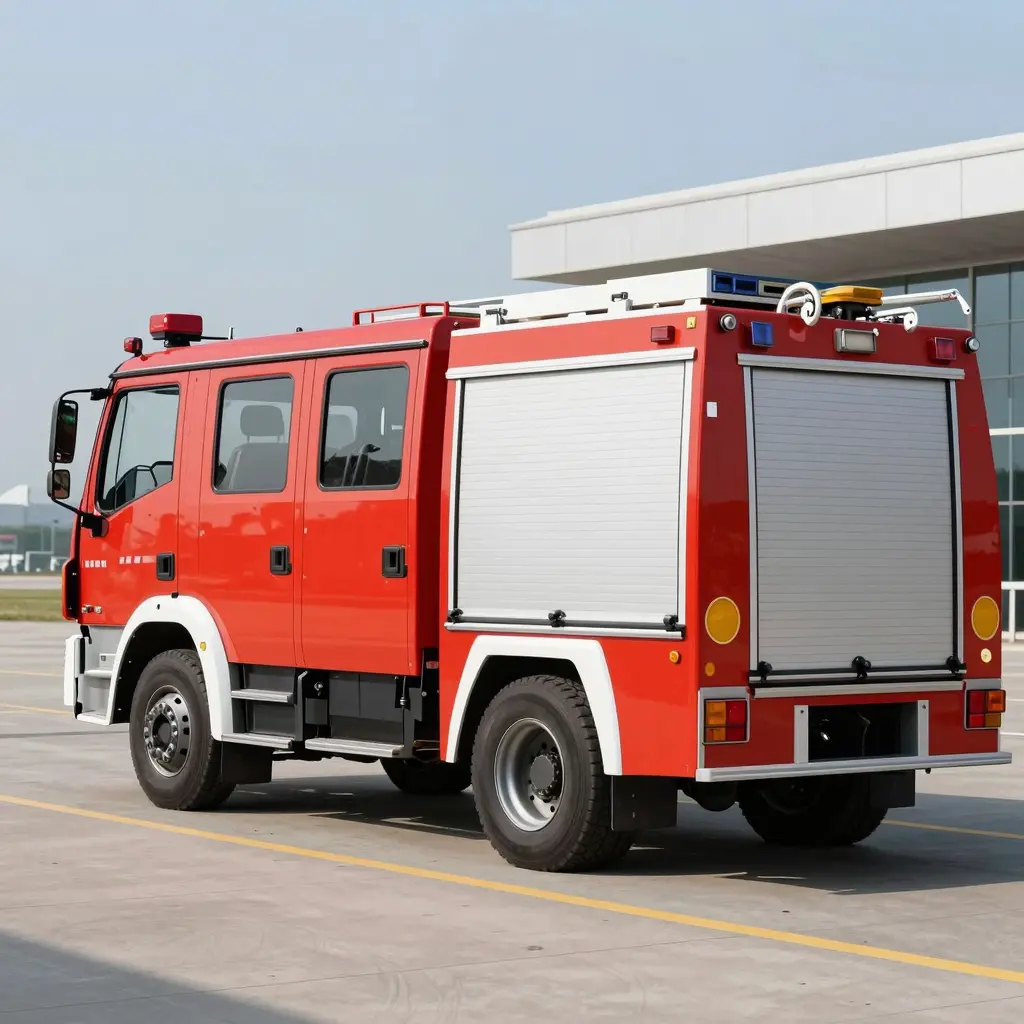
Essential Maintenance Tips for Airport Fire Fighting Trucks
Ensuring the longevity and reliability of airport fire fighting trucks is critical for maintaining safety standards in aviation. Here are some essential maintenance practices:
-
Regular Inspection: Conduct thorough inspections of the fire truck every month. Check for signs of wear and tear, especially on hoses, pumps, and nozzles.
-
Engine Maintenance: Keep the engine in top condition by changing the oil and filters regularly. Follow the manufacturer’s recommendations for service intervals.
-
Water System Check: Regularly inspect the water tanks and pump systems for leaks or blockages. Ensure that the water supply systems can operate at full capacity at all times.
-
Tire Maintenance: Inspect tires for proper inflation and tread wear. Replace tires that show signs of excessive wear or damage to maintain traction on different surfaces.
-
Brake System Checks: Regularly test the brakes to ensure they are in proper working condition. Check brake fluid levels and replace brake components as needed.
-
Test Equipment: Routinely test fire-fighting equipment like foam systems, fire extinguishers, and hose reels to ensure they function correctly when needed.
-
Electrical System Maintenance: Inspect electrical components, including batteries and lighting systems, to prevent electrical failure.
-
Training and Drills: Conduct regular drills for the team operating the truck, ensuring they are familiar with the vehicle’s equipment and protocols for emergency response.
-
Keep Records: Maintain a detailed log of all maintenance performed, including inspections and repairs, to track the history and condition of the fire truck.
These best practices will help prolong the lifespan and reliability of your airport fire fighting trucks, ensuring they are always ready for action. For more information on fire fighting trucks, explore our product range to find the most suited options for your needs.
Market Trends in Airport Firefighting Equipment
The market for airport firefighting equipment is witnessing significant growth due to rising safety concerns and technological advancements. The global airport firefighting equipment market was valued at approximately USD 5.2 billion in 2023, with projections indicating it will reach USD 8.3 billion by 2032, showcasing a compound annual growth rate (CAGR) of 5.1%.
Moreover, the Airport Fire Fighting Vehicles market is expected to grow from USD 1.2 billion in 2024 to USD 1.8 billion by 2033, at a CAGR of 5.0%. Similarly, the Airport Firefighting Trucks market is projected to expand from $1.1 billion in 2023 to $1.9 billion by 2033, with a CAGR of approximately 5.2%.
This growth signals a robust section of the industry poised for significant advancements in firefighting technologies. For business owners, understanding these trends is crucial for navigating the evolving demands in airport safety and firefighting capability.
Chart of Market Trends
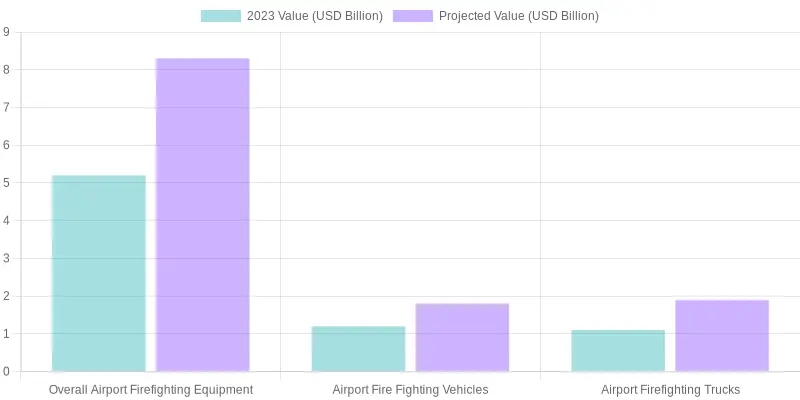
| Category | 2023 Value (USD Billion) | Projected Value (USD Billion) | CAGR (%) |
|---|---|---|---|
| Overall Airport Firefighting Equipment | 5.2 | 8.3 | 5.1 |
| Airport Fire Fighting Vehicles | 1.2 | 1.8 | 5.0 |
| Airport Firefighting Trucks | 1.1 | 1.9 | 5.2 |
For more insights and products in this area, check out our offerings on Airport Fire Trucks.
The Importance of Modern Firefighting Equipment at Airports
In today’s aviation environment, the role of modern firefighting equipment is paramount. According to the Truck Export Hub, “Modern firefighting technology, including advanced firefighting vehicles and drones, play a crucial role in enhancing emergency response capabilities at airports.” This emphasizes the necessity for airports to invest in state-of-the-art fire trucks and equipment to ensure safety and preparedness in emergency situations.
The significance of these advancements is echoed in an article covering a recent initiative in Saudi Arabia that seeks to upgrade firefighting equipment at 27 airports, underscoring the idea that robust fire safety measures are essential in aviation.
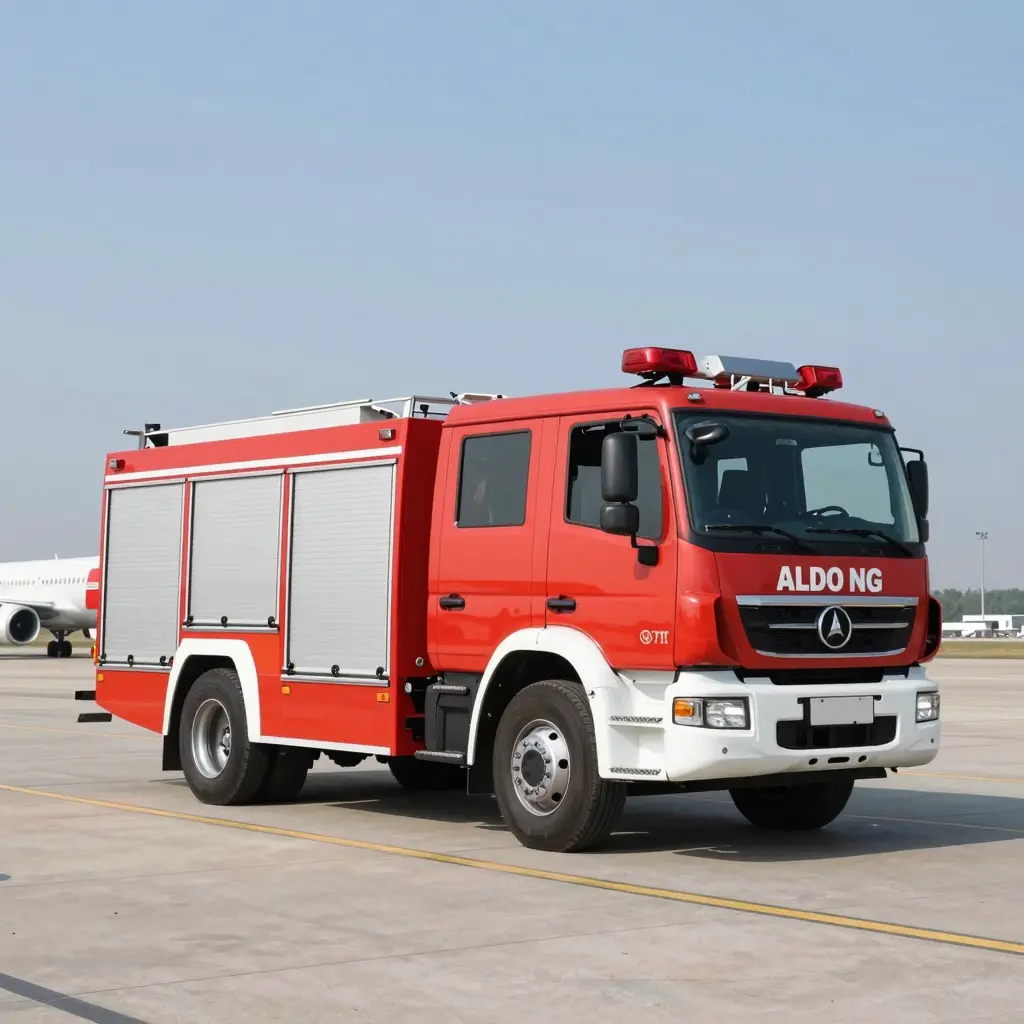
For businesses looking to enhance their fire response capabilities, exploring the various specialized airport fire trucks available on the market can provide insights into how to safeguard their operations effectively.
This investment reflects a growing trend that not only prioritizes safety but also improves overall operational efficiency at airports, ensuring that they are well-equipped to handle emergencies promptly and effectively.
Conclusion
In conclusion, airport firefighting trucks are an essential aspect of aviation safety. Designed specifically to meet the unique demands of airport emergency situations, these trucks come equipped with advanced technologies and features that ensure rapid and effective response to incidents involving aircraft. Notably, they are capable of handling large-scale fuel fires and extreme hazards, making them indispensable for airport operations. Key features include high-speed capabilities, specialized foam fire systems, and tailored suppression methods that cater to aviation-specific emergencies. For businesses involved in airport operations, investing in reliable and efficient firefighting equipment is not merely an option but a necessity to protect both assets and lives.
If you’re looking for tailored firefighting solutions that are robust, efficient, and proven in the field, consider contacting CIMC Tianda. With a comprehensive range of fire-fighting vehicles, including airport fire trucks, CIMC Tianda specializes in providing the right equipment for your needs. For inquiries, feel free to reach out to us at +86-755-26688488 or email us at tdmarketing@stas.cimc.com. Together, we can enhance your fire safety operations and ensure your airport meets the highest safety standards.