
When it comes to truck ownership, knowing your vehicle’s towing capacity is paramount. Whether you’re a local contractor hauling heavy equipment, a property manager transporting materials across the island, or a recreational enthusiast planning a weekend camping trip, understanding how much weight your truck can safely tow is essential. Imagine setting out for a job or an adventure, only to find out your truck can’t handle the load. That risk not only affects your work efficiency but could also put your safety and that of others on the road in jeopardy.
Truck owners often share stories about the time they pushed their truck to its limits, leading to unexpected challenges. This is why it’s crucial to be informed about your truck’s capabilities. Knowing your truck’s towing capacity helps you select the right trailer, load the correct weight, and ultimately ensure that your vehicle performs effectively without strain. For local auto repair shops and dealerships, offering insight into optimal towing capacities and how they relate to customer needs can foster trust and loyalty. To dive deeper into best practices for your truck or fleet, check out our section on essential emergency response strategies or explore preparedness for island fleets.
Truck Models and Their Towing Capacities
As truck owners and operators, understanding the capacity of your vehicle is crucial, especially for those in commercial fleet operations, property management, or auto repair. Below is a detailed comparison of the maximum towing capacities for popular truck models available in 2023:
| Truck Model | Towing Capacity (lbs) |
|---|---|
| Ford F-150 | 14,000 |
| Chevrolet Silverado 1500 | 13,400 |
| RAM 1500 | 12,700 |
| Toyota Tundra | 12,000 |
| Ford F-250 Super Duty | 22,000 |
| Chevrolet Silverado 2500HD | 21,000 |
| RAM 2500 | 20,000 |
| Tesla Cybertruck | 10,000 |
| Rivian R1T | 11,000 |
Source: Manufacturer specifications and automotive industry data (2023).
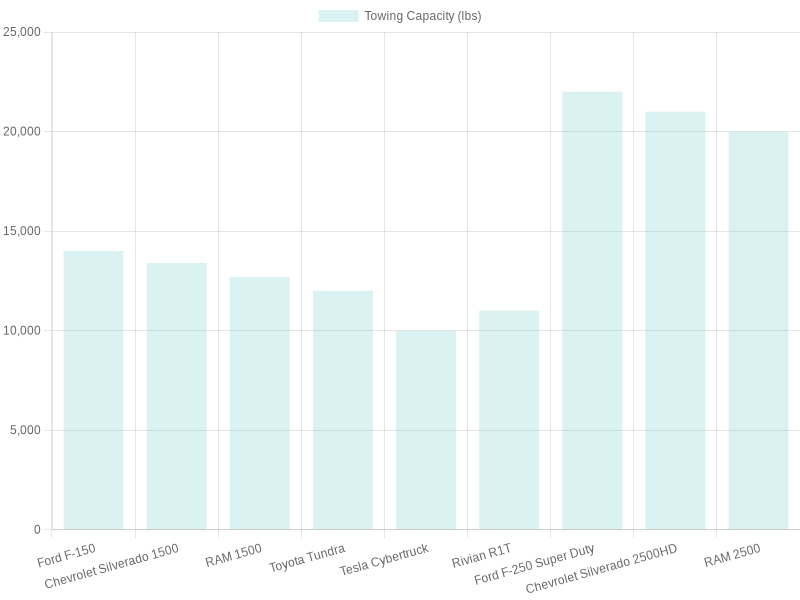
This visual representation further emphasizes the comparing capacities:
For additional insights into vehicle capacities and other truck-related topics, check out our blog where we regularly post updates and tips for truck owners.
Factors Affecting Towing Capacity
Understanding how much weight your truck can tow goes beyond just looking at a number; it involves an evaluation of various factors that contribute to its towing capabilities. Here are the primary considerations:
-
Engine Size: The size and type of engine play a crucial role in determining towing capacity. Trucks with large diesel engines typically offer higher towing limits compared to those with smaller gasoline engines. For instance, heavy-duty diesel trucks can tow between 15,000 to 35,000 lbs, while small pickups generally manage about 5,000 to 10,000 lbs.
-
Transmission Type: The type of transmission affects how efficiently a truck can handle towing. Automatic transmissions are often designed with enhanced cooling systems and greater torque capacity, which can improve performance under load. Manual transmissions can also effectively manage towing, but they require more direct driver engagement which can be a challenge for less experienced drivers.
-
Vehicle Weight: A truck’s own weight is a significant factor. Heavier trucks generally have a higher towing capacity due to increased stability and balance while towing loads. For example, a heavy-duty diesel truck can achieve a maximum towing capacity because its weight helps maintain traction and control when loaded.
-
Axle Ratio: This determines how much torque is applied to the wheels, impacting acceleration and pulling power. A lower ratio often allows for heavier towing but can sacrifice fuel efficiency.
-
Chassis and Suspension: The design and materials used in the chassis and suspension of a truck influence its ability to support heavy loads. Reinforced frames are essential for heavy-duty towing, while upgrades to the suspension system can enhance stability and reduce sway.
In conclusion, various aspects like engine size, transmission type, vehicle weight, axle ratio, and the truck’s structural composition work together to define how much weight your truck can tow. If you’re looking for specific capacities, make sure to check the manufacturer specifications for your vehicle or consult experts to ensure safe towing practices. Learn more about vehicle safety and standards for towing operations on the island.
Importance of Knowing Towing Limits
Understanding your vehicle’s towing capacity is not merely a suggestion-it is a crucial aspect of safe and efficient vehicle operation. Adhering to the specified towing limits ensures safety on the road, optimizes fuel efficiency, and extends the longevity of your vehicle.
Safety First
Exceeding towing limits can significantly increase the risk of accidents. According to the National Highway Traffic Safety Administration (NHTSA), overloading leads to loss of vehicle control, mechanical failures, and dangerous handling characteristics. For instance, an overloaded vehicle may experience a longer stopping distance and reduced steering response, rising the likelihood of rollovers and collisions. In fact, Consumer Reports highlights a staggering 300% higher accident rate when trucks exceed their rated towing capacity. This alarming statistic underscores the necessity of understanding and respecting your towing limits.
Efficiency Matters
Understanding your towing limits also directly correlates to efficiency. When a truck tows within its specified capacity, it runs more efficiently, utilizing less fuel and reducing wear on components. This not only saves money at the pump but also minimizes costly repairs, extending the vehicle’s lifespan. Regularly checking your vehicle’s Gross Vehicle Weight Rating (GVWR) and remaining cognizant of total towed weight-including trailer, cargo, and passengers-ensures optimal performance.
Enhancing Longevity
Moreover, overstressing your vehicle can lead to premature component failure in critical systems such as the engine and brakes. Regularly towing beyond what your vehicle can safely manage will increase maintenance costs and diminish reliability over time. By staying within the recommended limits, you maintain proper weight distribution, improve handling, and ultimately preserve the vehicle’s value.
Understanding your towing limits isn’t just about knowing how much weight you can pull; it’s about ensuring safe and efficient operation for you and everyone sharing the road.
Insights on Towing Capacity
Understanding the towing capacity of your vehicle is crucial, especially for those in the towing and hauling industry. As Mike Kojima, a towing expert and automotive engineer, wisely states:
“Towing capacity is not just about raw horsepower-it’s about the entire drivetrain’s ability to handle sustained stress. A vehicle with a high towing capacity must have a robust engine, strong transmission, heavy-duty cooling systems, and properly rated axles and suspension. You can’t just look at the number on the sticker; you need to understand the engineering behind it.”
This highlights the importance of evaluating the entire setup, rather than focusing solely on the vehicle’s advertised towing number. Safety and reliability depend on several components working in harmony.
If you’re looking to learn more about essential towing and towing procedures, you can check out our insights on emergency preparedness for island fleets and essential fleet emergency response strategies.
Towing Accessories Adoption Trends
The chart below visualizes the growth trend in the usage of towing accessories among commercial fleet operators and other relevant audience segments, highlighting a significant focus on safety and performance. % of small to medium fleets adopting wheel lift systems and standard towing hitches is remarkably high, indicating a shift towards more advanced equipment to meet operational and safety needs.
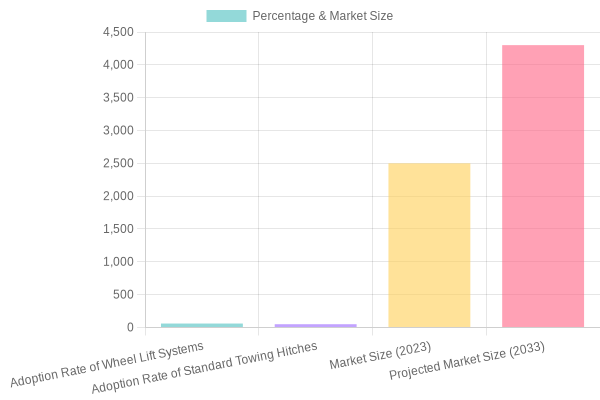
| Metric | Value (2023) | Growth Projection (2023-2033) | CAGR | Notes |
|---|---|---|---|---|
| Adoption Rate of Wheel Lift Systems (Small to Medium Fleets) | 60%+ | – | – | High focus on safety and performance |
| Adoption Rate of Standard Towing Hitches (Small to Medium Fleets) | ~50% | – | – | Widely used, but less advanced than wheel lifts |
| Market Size (2023) | $2.5 billion | $4.3 billion (2033) | 5.57% | Projected growth driven by commercial fleet demand |
| Primary Drivers | Safety regulations, performance needs, e-commerce logistics | – | – | Increasing use in delivery and emergency services |
Safe Towing Do’s and Don’ts for Fleet Operators
When it comes to towing, ensuring safety is paramount for fleet operators and auto repair shops. Here’s a valuable list of do’s and don’ts that can help prevent accidents and ensure smooth operations:
Do’s:
- Check Vehicle Load Limits: Always verify the towing capacity of your vehicle before hauling. Refer to the owner’s manual for specifications.
- Inspect Equipment: Regularly inspect your towing equipment, including the trailer hitch, safety chains, and electrical connections, for wear and tear.
- Secure Loads: Make sure that all cargo is secure and balanced to prevent shifting during transit.
- Adjust Mirrors: Use towing mirrors if your load extends beyond the width of the vehicle, ensuring a clear view of surrounding traffic.
- Drive Cautiously: Maintain a safe speed and increase your following distance when towing to allow for longer stopping distances.
- Use Hazards: When starting out or stopping, make sure to use your hazard lights.
Don’ts:
- Don’t Exceed Weight Limits: Avoid overloading your vehicle; adhering to weight limits is crucial for safety.
- Don’t Tow with Faulty Equipment: Never proceed with towing if your equipment is damaged or not functioning properly.
- Don’t Allow Passengers in Trailers: It’s unsafe and often illegal to carry passengers in a towed vehicle.
- Don’t Make Sudden Turns or Stops: These can lead to accidents due to the added weight of the tow.
For more insights on fleet operations, visit our blog on towing safety or learn about emergency preparedness for island fleets.
Conclusion
In conclusion, understanding the towing capacities of your truck is vital for both safety and efficiency, especially in our unique island environment. Properly knowing how much weight your truck can handle ensures that you select the right vehicle for your needs-whether you are a local auto repair shop, a car dealership, or a commercial fleet operator. Ignoring towing limits not only puts you at risk of damaging your truck but also endangers other road users. Over-towing can lead to severe accidents, including brake failures or loss of control, which could have dire consequences. As reported, vehicles towing beyond their rated capacity are significantly more likely to be involved in crashes, highlighting the critical need for adherence to manufacturer specifications.
Choosing the correct truck can prevent such hazards, optimize your operations, and ensure peace of mind for all involved. Always consult your vehicle’s specifications against your towing needs and make adjustments or upgrades as needed. By making informed decisions, you will enhance safety and reliability in your towing operations. For further insights on safety measures, consider reading about Fleet Emergency Response Strategies and Emergency Preparedness for Island Fleets.
Maximum Towing Capacities Comparison
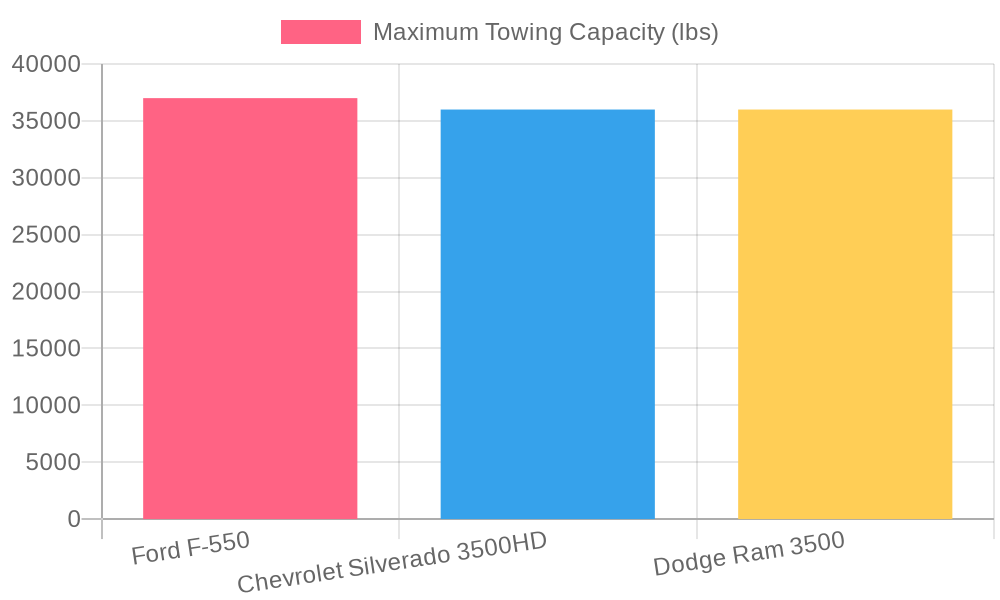
By making the right choices and adhering to guidelines, you help keep our roads safer.
When it comes to maximizing your vehicle’s potential, quality matters. At Summit Fairings, we understand that both trucks and motorcycles require not only performance but also the right aesthetic. Our premium fairings are meticulously designed to enhance both functionality and style, ensuring that you not only perform at your best but look great doing it.
Explore our wide range of fairing options designed to withstand the toughest conditions while providing a sleek finish that turns heads on the road. Whether you’re in the business of transporting goods or simply enjoy the freedom of the open road, quality fairings can make all the difference.
Don’t miss out on the opportunity to elevate your vehicle. Visit our website today to browse our exclusive collection and discover how Summit Fairings can transform your driving experience.