
Choosing the right vehicle for towing 15,000 lbs is crucial, especially in an island-centric lifestyle where accessibility and reliability often define the difference between success and obstacle. Whether you’re a local auto repair shop, a car dealership, a property manager, or a resort operator, your towing needs can be specific and unique due to the constraints of island living. The terrain, weather, and logistics challenge even the most experienced operators. In this article, we will explore the best trucks designed for heavy-duty towing while addressing the specific challenges faced by local businesses. From understanding towing capacities to navigating the nuances of island logistics, our insights will help you make the best decision for your operations and ensure that you remain prepared, no matter the circumstance. Learn more about emergency preparedness for island fleets as we focus on strategies tailored for our unique environments.
Top Trucks Capable of Towing 15,000 lbs
When it comes to heavy towing, select truck models stand out for their exceptional capabilities. Here’s a look at some of the most reliable trucks that can tow up to 15,000 lbs, perfect for island environments where durability and power are essential.
- 2023 Ram 1500 Limited
- Towing Capacity: 15,000 lbs
- Engine: Available 5.7L HEMI V8 (395 hp)
- Unique Features: Equipped with integrated trailer brake control and advanced towing technologies, making it ideal for confident towing through challenging terrains.
- 2023 Ford F-150 Platinum
- Towing Capacity: 15,000 lbs
- Engine: 3.5L EcoBoost V6 (400 hp)
- Unique Features: Features such as Pro Trailer Backup Assist improve maneuverability and towing safety, essential for island conditions where space may be limited.
- 2023 Chevrolet Silverado 1500 LTZ
- Towing Capacity: 15,000 lbs
- Engine: 6.2L V8 (420 hp)
- Unique Features: Heavy-duty cooling systems and advanced traction control capabilities ensure consistent performance when transporting heavy loads.
- 2023 GMC Sierra 1500 Denali
- Towing Capacity: 15,000 lbs
- Engine: 6.2L V8 (420 hp)
- Unique Features: Offers a MultiPro Tailgate and an advanced trailering system with various conveniences perfect for a robust towing experience.
These trucks not only boast impressive towing capabilities but also come equipped with features designed to enhance safety and efficiency, especially in diverse and rugged island environments. Learn more about fleet performance or explore fleet safety strategies for your towing needs.
The Importance of Towing Capacity
Towing capacity is a crucial factor for various professionals, including auto repair shops, dealerships, property managers, and fleet operators. Understanding and prioritizing this aspect can significantly alleviate daily challenges and enhance reliability in operations.
For Auto Repair Shops and Dealerships
For auto repair shops, knowing the towing capacity of vehicles can directly influence the services offered. Vehicles frequently operating near or beyond their towing limits suffer from increased wear on key components, such as the transmission and brakes. This leads to higher repair volumes and costs for repair shops, complicating maintenance planning. By providing accurate towing capacity data, repair shops can educate their customers on safe practices, ultimately ensuring better vehicle performance and fewer breakdowns.
Dealerships also face the reality of customer demands for reliable towing capabilities. As outdoor recreation and utility needs grow, high-towing-capacity vehicles are often in high demand. Misrepresenting towing capacity can lead to customer dissatisfaction and potential warranty issues. Therefore, robust training in this area is essential for sales teams.
For Property Managers and Fleet Operators
Property managers benefit from understanding towing capacity when managing vehicle use on commercial premises. Misuse, such as parking large towing vehicles without guidelines, can lead to liabilities and property damage. Fleet operators, particularly those in construction and landscaping, must ensure their vehicles can safely handle the loads carried. Insufficient towing capacity not only increases downtime but also poses safety risks.
Reliable towing performance fosters operational efficiency, minimizes costs, and enhances safety-crucial factors for sustaining daily operations.
For more insights on how these factors play out in real-world scenarios, learn about fleet emergency response strategies that highlight the significance of towing capacity.
Visualizing Truck Towing Capacity
When considering the right truck for towing capacities of up to 15,000 lbs, one must envision the true muscle and capability these vehicles bring. It’s not just about specifications; it’s about the assurance of getting heavy loads transported safely and efficiently. This is where trucks come into play, demonstrating their prowess in hauling substantial cargo, making them essential for local auto repair shops, car dealerships, property managers, resort operators, and commercial fleet operators who demand reliability.
Strength and Reliability in Action
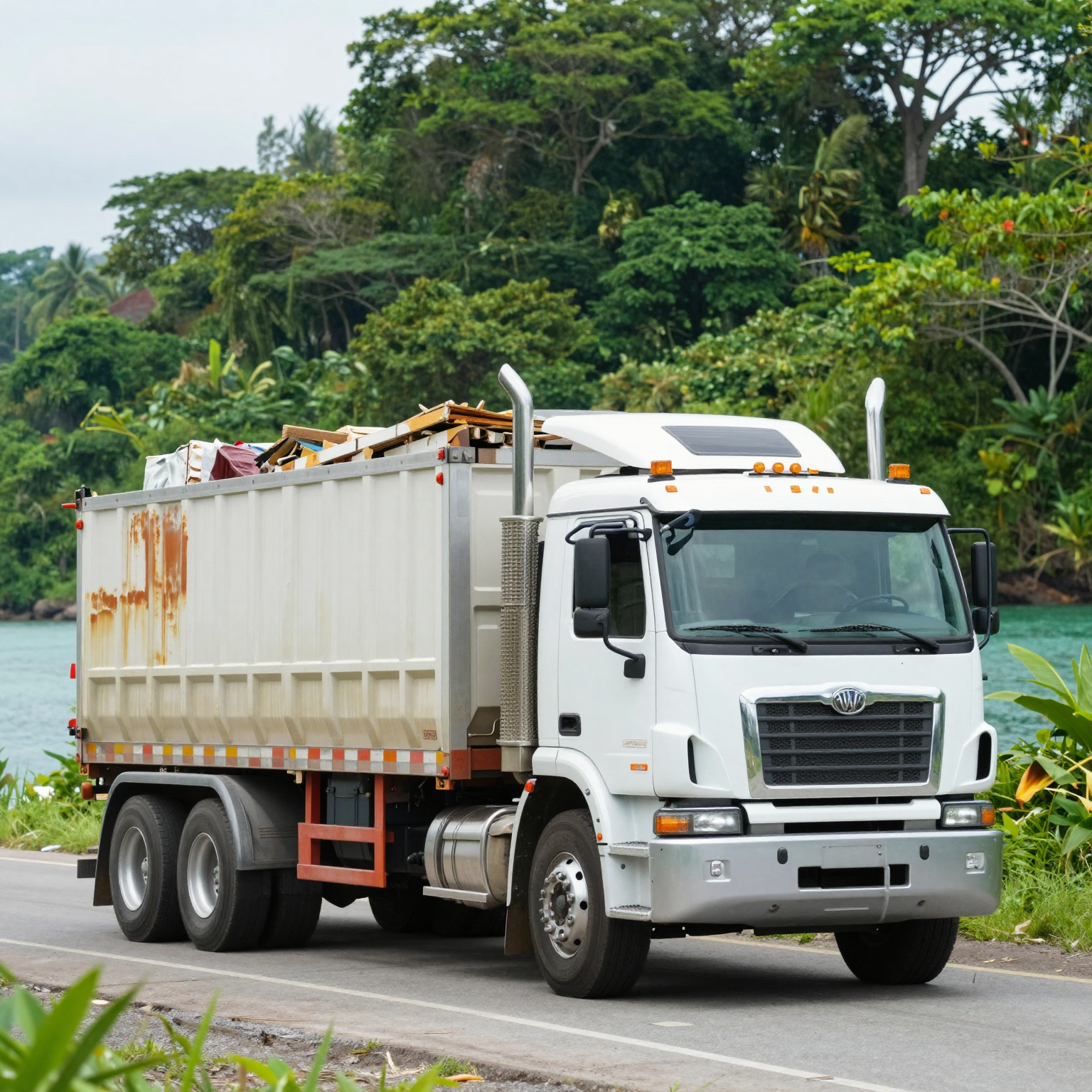
Take a look at the image below, which captures the essence of strength and reliability-a truck towing a massive trailer laden with construction materials against a picturesque island backdrop. This visual representation resonates with the need for dependable transportation solutions on our islands, emphasizing the practical capabilities of such powerful vehicles.
For those seeking in-depth guidelines on effective fleet management, learn more about emergency preparedness for island fleets and essential fleet emergency response strategies.
User Reviews Summary: Trucks with 15,000 lbs Towing Capacity
When it comes to towing heavy loads on islands or anywhere else, reliability and performance are paramount. A review of top trucks such as the Ford F-350, RAM 3500, and Chevrolet Silverado 3500HD, which have demonstrated capabilities of towing 15,000 lbs or more, reveals valuable insights for our island-centric audience. Here’s what users are saying:
Reliability and Performance Insights
- Ford F-350 Super Duty
- Users praise the 7.3L V8 engine for its power, particularly when towing at high capacity. Performance remains consistent, and many drivers report that it’s capable of handling tough terrains without overheating.
- Common Issues: Some owners have experienced electrical glitches in the integrated trailer brake controller. This is usually resolved with service updates, ensuring the vehicle remains dependable.
- RAM 3500
- Known for its off-road capabilities, the RAM 3500 enjoys a strong reputation for durability. Users appreciate its payload capacity and reliability in rough island conditions.
- Common Issues: A few owners noted premature wear on rear axle seals, which can be addressed with regular maintenance checks, emphasizing the need for diligent care in island-heavy usage.
- Chevrolet Silverado 3500HD
- This truck is favored for its ride comfort and sophisticated safety features. It performs excellently under towing demands, making it suitable for transporting large loads across uneven terrains.
- Common Issues: Reports indicate that some vehicles require recalibration of the powertrain control module (PCM) after frequent heavy towing, pointing to another area where routine maintenance plays a crucial role.
User Experiences
A survey of diesel truck owners who frequently tow 15,000 lbs highlighted that:
- Most users were typically satisfied with their truck’s towing capabilities, citing adequate gear selection as vital for performance.
- Proactive Maintenance: Factors such as installing aftermarket transmission coolers and routine oil changes were noted as essential for sustaining reliable performance.
- Software Updates: Addressing issues like transmission shudder during low-speed towing through software updates significantly improved user experiences.
For property managers and commercial fleet operators on islands, it’s essential to consider the long-term reliability of the truck chosen as well as its availability for maintenance support. Trucks like the Ford F-350 and RAM 3500 provide the necessary robustness to tackle island challenges, while careful maintenance will enhance their longevity and performance over time. For more on essential fleet emergency response strategies specific to islands, check out our detailed guide!
| Truck Model | Towing Capacity | Engine Power | Fuel Efficiency | Price Range |
|---|---|---|---|---|
| Ford F-350 Super Duty | 15,000 lbs | 385 hp | 14-18 mpg | $35,000 – $75,000 |
| Chevrolet Silverado 3500 HD | 15,000 lbs | 445 hp | 13-17 mpg | $34,000 – $68,000 |
| Ram 3500 | 15,000 lbs | 410 hp | 12-16 mpg | $36,000 – $72,000 |
| GMC Sierra 3500 HD | 15,000 lbs | 445 hp | 14-17 mpg | $36,000 – $69,000 |
| Nissan Titan XD | 15,000 lbs | 390 hp | 10-15 mpg | $34,000 – $58,000 |
Overview of Towing Trucks
When considering towing capabilities, it’s essential to assess various specifications that can impact performance, safety, and convenience during hauling. The trucks listed above are highly capable vehicles that can efficiently tow loads of 15,000 lbs. They offer a range of engine types, fuel efficiencies, and price points to cater to different needs.
For local auto repair shops, car dealerships, property managers, and fleet operators, understanding these specifications can help in making informed decisions when selecting towing vehicles. Learn more about advanced fleet strategies to enhance your operational efficiency.
Safety and Regulations
Living on an island presents unique challenges, especially when it comes to tow vehicles and compliance with towing regulations. For local auto repair shops, car dealerships, property managers, and commercial fleet operators, understanding safety features and adhering to regulations is paramount.
Safety Features: Modern towing vehicles are equipped with essential safety features, such as electronic stability control (ESC) and trailer sway control systems that help maintain stability during towing. Furthermore, integrated brake controllers and advanced driver assistance systems (ADAS) can prevent accidents by enhancing vehicle control and visibility TruckersReport.
Towing Regulations: Compliance with local towing regulations, like the mandatory safety standards outlined by organizations such as the FMCSA, not only ensures safety but also prevents costly legal issues and enhances community trust. Regular inspections and ensuring your equipment is up to standard is crucial for the safety of every tower and the surrounding environment.
Island life demands adherence to these practices – prioritize safety and compliance to safeguard both your operations and the community.
Safety Features in Trucks for Towing
When considering a truck capable of towing 15,000 lbs, safety features play a crucial role in ensuring a smooth and secure towing experience. Here are some essential safety technologies that modern trucks offer:
- Brake Assist: Automatically applies the brakes when it detects an emergency situation, helping to prevent collisions.
- Trailer Sway Control: Adjusts the vehicle’s brakes and engine power to minimize trailer sway, enhancing stability, especially in high wind conditions.
- Rearview Cameras: Provide better visibility behind the vehicle, making it easier to maneuver while towing.
- Electronic Stability Control: Monitors vehicle traction and helps maintain control by applying brakes to individual wheels if needed.
These features are designed not only for the convenience of the driver but also for the safety of everyone on the road. By prioritizing safety, truck owners and operators can feel confident tackling their towing needs.
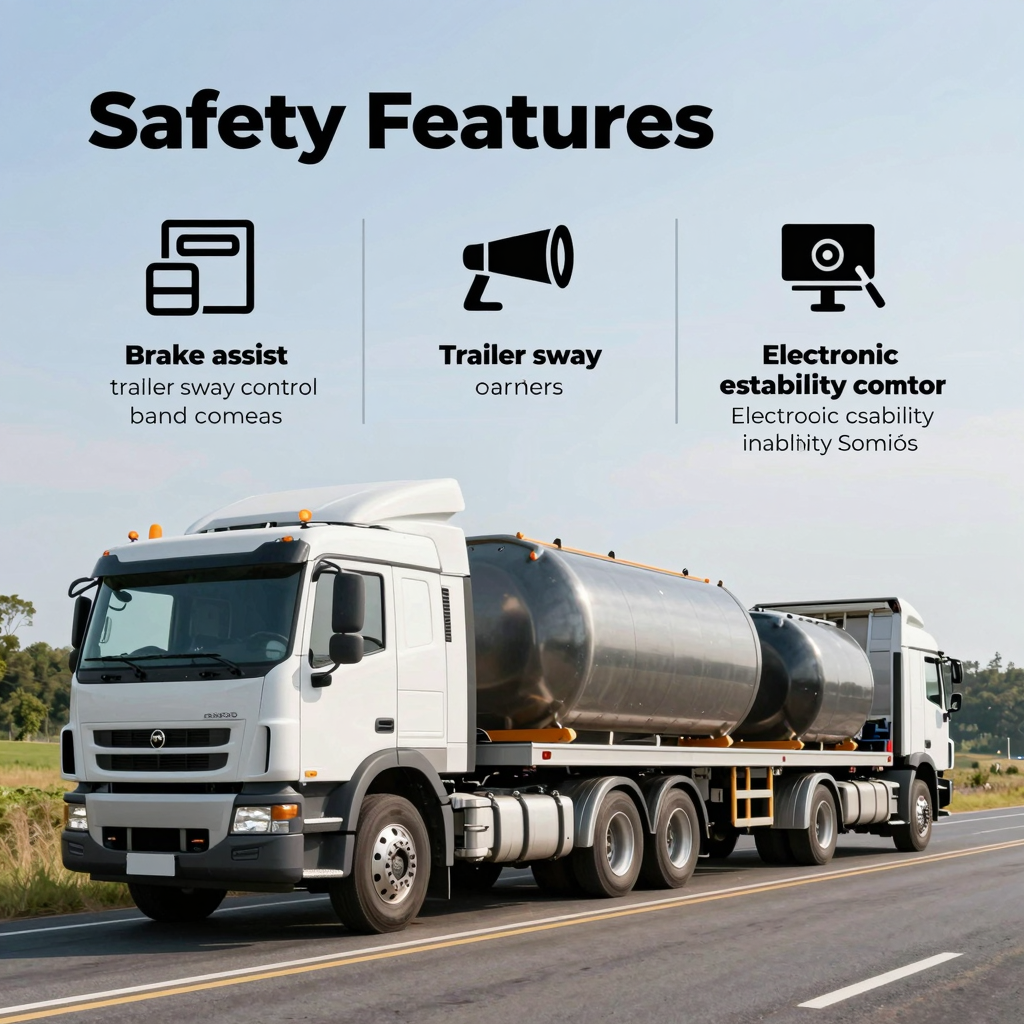
Image highlighting safety features in trucks suitable for towing.
For more information on fleet safety and emergency response strategies, learn more here.
Understanding these safety features can make a significant difference in effectiveness and peace of mind while towing, ensuring that heavy loads can be transported safely and efficiently.
Conclusion
Choosing the right truck for towing 15,000 lbs is not merely a matter of preference; it’s a critical decision that can significantly impact safety, efficiency, and overall vehicle performance. With the right truck, you can enhance your towing experience by ensuring optimal engine performance, fuel efficiency, and longevity. It minimizes the risk of overheating, improves braking capabilities, and maintains stability while traversing various terrains, thereby reducing the chances of accidents.
Key Takeaways:
- Safety Matters: A well-matched truck features advanced safety technology, essential for managing hefty loads efficiently under pressure. Trucks designed for heavy towing often include reinforced frames and robust braking systems, which contribute to a safer driving experience.
- Cost Efficiency: Operating a truck within its optimal towing capacity can lead to lower fuel consumption, reducing long-term operational costs. This strategic choice enhances the durability of the vehicle, ultimately saving on maintenance down the road.
- Compliance and Peace of Mind: Adhering to weight limits ensures legal compliance and smooth inspections, providing peace of mind whether you are serving commercial clients or managing your fleet.
As you explore the options available, consider partnering with professionals who understand the unique demands of island transportation. At Summit Fairings, we are committed to supporting local fleets with reliable solutions for all towing needs. Don’t hesitate to reach out-your ideal towing setup is just a click away!
The Significance of Right Towing Capacity
Choosing the right truck for towing 15,000 lbs is crucial for safety and performance on the road, particularly in an island environment where conditions can change rapidly. Mike Duff, a senior editor at Car and Driver, states,
“You should never attempt to tow anything without fully understanding your vehicle’s maximum towing capacity. Mismatched towing capabilities not only increase the strain on your vehicle but can also lead to brake system failure, suspension damage, or even serious accidents.”
This quote emphasizes the importance of knowing your towing limits. Vehicles not adequately equipped for a heavy load can compromise control, especially on inclined roads or during emergency maneuvers.
Furthermore, adhering to the ‘85% rule’ can enhance towing safety. This guideline suggests that the fully loaded trailer weight should not exceed 85% of the vehicle’s curb weight to ensure better handling and stability.
By selecting a truck with the appropriate towing capacity, commercial fleet operators and property managers can avoid unnecessary wear on their vehicles, leading to lower maintenance costs and enhanced road safety. For those seeking further insights on maintaining efficient and safe towing practices, consider exploring emergency preparedness for island fleets or essential fleet emergency response strategies.