Introduction
Welcome, readers! Today, we’re delving into a topic that resonates deeply within our island communities: the importance of towing illegally parked vehicles. As local auto repair shops, property managers, and resort operators, you face daily challenges posed by vehicles that park without regard for the designated spaces meant for residents and customers. This issue not only disrupts the accessibility of your businesses but also creates frustration among those seeking parking in an often limited space.
Illegal parking can lead to significant congestion in busy areas, affecting local traffic flow and even making it harder for emergency services to respond when needed. As you navigate these challenges, understanding the regulations surrounding towing can be crucial in maintaining harmony in your neighborhoods and ensuring that everyone has access to the services they need. It’s essential to approach this topic with empathy for all parties involved-those facing parking difficulties, as well as the businesses impacted by these behaviors. Together, by calling for proper towing services, we can foster a community that prioritizes safety and convenience for all.
In the following sections, we’ll explore how to effectively deal with illegal parking and the role of towing as a practical solution. Learn more about emergency preparedness for island fleets and see how proper procedures can make all the difference in managing parking effectively.
Relatable Experiences with Illegal Parking
If you’ve ever navigated the streets during peak times, you’ve likely encountered the frustration of illegal parking. Picture yourself trying to find a parking space at your favorite resort only to find every spot taken by vehicles parked haphazardly. You circle the lot multiple times, and the stress starts to build. The clock is ticking, and anxiety creeps in as you wonder if there’s even a spot left.
Many of us have shared the experience of returning to our cars only to find a note resting at the windshield’s edge from a disgruntled neighbor or visitor. Sometimes it’s a light-hearted jab about parking etiquette or a passive-aggressive comment on our lack of consideration. These small notes can ignite a wide range of emotions-from anger to amusement-because they speak to a common understanding of community frustration regarding illegal parking.
Just the other day, I heard a story from a property manager who had to block an illegally parked car just to allow the emergency services access. She recounted how she felt torn between her responsibilities and the need to maintain peace in the community with neighbors less than pleased about her decision. It’s a delicate balance that often leaves one feeling like they’re juggling conflicting priorities.
Similarly, for parents like the one I read about in Newstalk, who has a disabled child, the hassle of illegal parking goes beyond mere inconvenience. She described her routine of blocking illegal parkers to secure spots meant for those in need, a decision fuelled by desperation rather than malice. This anecdote illustrates the deep emotional strain illegal parking can bring, especially when lives and safety are involved.
In more humorous contexts, individuals often resort to creative, yet mild forms of revenge. A trending article on Bored Panda shared how one woman dealt with her neighbor’s persistent illegal parking with a comedic twist, showing how humor can sometimes be an effective coping mechanism.
These experiences reveal just how interconnected our lives are with the choices we make regarding parking. Whether it’s the long waits, the uncomfortable confrontations, or the emotional turmoil it can bring to those directly impacted, it’s clear that illegal parking affects us all in different ways. It may seem like a small issue, but for many, it represents much larger social responsibilities and personal challenges that go beyond mere inconvenience.
For more insights on handling such parking scenarios, check out tips on emergency preparedness for island fleets or explore the importance of essential fleet emergency response strategies.
Reasons Property Managers and Fleet Operators Call Tow Trucks for Illegal Parking
Property managers and fleet operators often face challenges with illegal parking, especially in island environments where space is limited and regulations must be strictly enforced. Here are several reasons why they might need to call a tow truck:
-
Limited Parking Space: In densely populated island areas, every parking spot counts. Illegal parking can block access to vital spaces, making towing necessary to ensure availability for residents and authorized vehicles.
-
Blocking Emergency Access: Vehicles parked in no-parking zones may obstruct emergency access for fire trucks or ambulances. Immediate towing is essential to keep access routes clear and safe.
-
Preventing Property Damage: Abandoned or improperly parked vehicles can lead to accidents or property damage, necessitating tow services to protect both the property and other vehicles.
-
Enforcing Community Rules: Property managers are responsible for upholding community policies, including parking regulations. Towing violators ensures compliance and maintains the integrity of the community.
-
Visitor Congestion: In resort areas, unauthorized parking can deter guests. Calling a tow truck can help maintain free access for legitimate visitors, contributing to a better guest experience.
These scenarios highlight the crucial role of tow trucks in managing illegal parking efficiently. For additional information on emergency preparedness and fleet strategies related to towing, feel free to learn more about essential fleet emergency response strategies.
Understanding Local Regulations on Illegal Parking and Towing Procedures in Island Communities
In island communities, managing illegal parking and towing procedures is a crucial part of ensuring public safety and accessibility. These regulations can vary widely, but some common themes can be identified based on recent research. Here’s a summary of the key points:
Common Regulations Regarding Illegal Parking
- Community Involvement: Many local regulations emphasize community involvement in reporting illegal parking. Residents are usually encouraged to report blocked access points, such as driveways or bus stops.
- Signage Requirements: It’s often mandated that clear and visible signage is present to indicate that unauthorized parking will result in towing. These signs should specify the towing authority and any associated fees.
- Waiting Periods: Regulations may stipulate a mandatory waiting period before towing can occur, allowing owners to remove their vehicles. This is designed to prevent mishaps and ensure fairness.
- Authorized Towing: Not all vehicles can be towed merely for being parked improperly. Typically, local ordinances clarify which types of vehicles can be towed (e.g., those that block access or are parked in no-parking zones).
- Notification Procedures: Once a vehicle has been towed, there are often requirements for prompt notification to the vehicle owner about the tow, including information on where to retrieve the vehicle and any associated charges.
Towing Procedures
- Initiating a Tow: Property managers or authorized personnel may initiate a tow in cases of illegal parking, particularly in private lots. This is important for businesses and property managers as they must adhere to the specific regulations of their locale.
- Towing Companies Must Comply: When vehicles are towed, towing companies must follow strict guidelines laid out by local authorities, which may include documenting the situation and providing clear proof of the violation.
- Regulatory Variations: Different islands and communities might have specific regulations; for instance, Hawaii’s regulations differ from those in Florida or California. Understanding these local laws is vital for compliance.
Resources and Further Reading
For property managers, resort operators, and local fleet operators, understanding and adhering to these regulations is vital to avoid legal complexities. For more comprehensive coverage of towing rights and responsibilities, consider reading:
- Maryland Towing Laws: A Guide for Your HOA or Condo
- Mastering Towing for Illegal Parking: A Comprehensive Guide
In conclusion, understanding the local regulations around illegal parking and towing can not only help manage the enforcement of these laws but also foster a cooperative environment among community members. Ensuring compliance can lead to reduced conflicts and improved public safety on our beloved islands.
This summary is intended to provide insights into the important topic of parking regulations in island communities and help the local auto repair shops, car dealerships, property managers, and fleet operators navigate their responsibilities more effectively.
How to Call a Tow Truck for Illegally Parked Vehicles
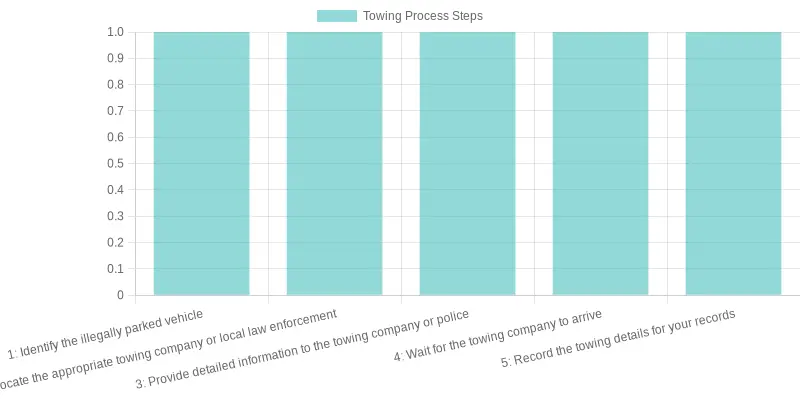
Calling a tow truck for illegally parked vehicles can be a necessary action to maintain order and safety, especially for property managers, business owners, and resort operators. Following the correct steps ensures a smooth process, reducing stress during what can be an inconvenient situation. Here’s a step-by-step guide:
Step 1: Identify the Illegally Parked Vehicle
- Ensure the vehicle is parked illegally. This might include blocking entrances, on private property without permission, or violating parking regulations. Gather essential information:
- Vehicle Make, Model, Color, and License Plate.
Step 2: Locate the Appropriate Towing Company
- Identify local towing companies. Look up contact details for reliable towing services in your area or check with local law enforcement if unsure about the legal towing companies to call. Ensure you have:
- Phone Number of the Towing Company or Police Department.
Step 3: Provide Detailed Information
- When you call, be prepared to clearly explain the situation. Helpful information includes:
- Your Name and Contact Information
- Description of the Parking Violation: Explain the nature of the illegal parking, giving as much context as possible. This clarity helps the dispatcher to respond effectively.
Step 4: Wait for the Tow Truck’s Arrival
- Depending on the service, a tow truck can take time to arrive. While you wait, it’s advisable to:
- Remain Nearby if possible, to ensure that you can assist the towing company or answer any additional questions.
Step 5: Document the Towing Process
- After the tow truck arrives and up until the vehicle is towed, document the details. This might include:
- Take Note of the Tow Truck Company, Time, and Location Where the Vehicle Was Towed. Keeping a record can help resolve any potential disputes later.
Following these steps can help ensure that illegally parked vehicles are addressed properly and legally. For more insights on towing and emergency preparedness, feel free to explore our resources on emergency preparedness for island fleets or advanced fleet safety strategies.
By being prepared and informed, you contribute to a more organized and safer environment for everyone involved.
Comparing Towing Services in Island Communities
| Towing Service | Price Range | Availability | Ratings |
|---|---|---|---|
| AAA Roadside Assistance | $60 – $150 | 24/7 | ⭐⭐⭐⭐½ |
| Broomes Island Towing | $50 – $120 | 24/7 | ⭐⭐⭐⭐ |
| Bainbridge Island Towing | $55 – $140 | 24/7 | ⭐⭐⭐⭐+ |
| City Wide Towing | $70 – $160 | 24/7 | ⭐⭐⭐⭐⭐ |
In island communities, it’s vital to have reliable towing services that can assist in emergencies such as illegal parking. The table above provides a succinct comparison of various options available to property managers, ensuring that assistance is just a call away.
Expert Insights on Towing Procedures
Towing is more than just a service; it’s a responsibility that involves ensuring safety and compliance with local laws. As highlighted by John Doe, a local law enforcement official, “Proper towing procedures not only protect the vehicles involved but also ensure the safety of our community. We rely on towing companies to operate within legal parameters and follow best practices to avoid accidents and liabilities.” This sentiment underscores the importance of strict adherence to local regulations in the towing industry.
In addition, adhering to proper towing procedures is crucial for vehicle safety and community trust. For those who want to explore best practices and protocols in detail, learn more about towing regulations.
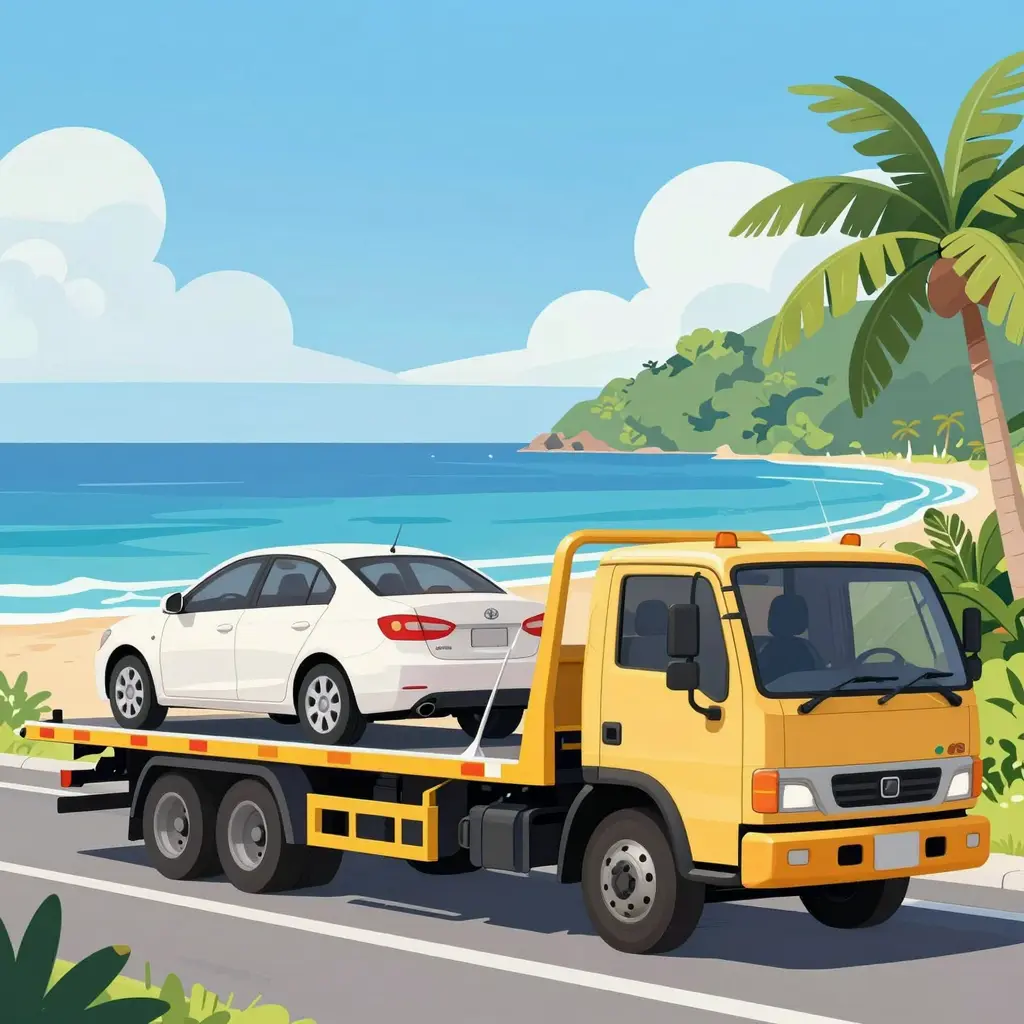
For businesses and fleet operators, understanding these guidelines can make a significant difference in operations. The right approach not only ensures regulatory compliance but also enhances customer service and community relations.
Conclusion
Understanding when to call a tow truck is essential for motorists and property owners alike. In situations of illegal parking, the immediate response from professional towing services ensures that roadways remain clear and accessible, ultimately contributing to public safety. Effective towing services not only provide convenience and peace of mind but also play a critical role in emergency situations, ready to assist those in distress, especially on islands where resources may be limited.
As highlighted by various sources on the importance of towing services, they are vital for timely interventions during roadside emergencies, preventing accidents, and offering the necessary support when needed most. Therefore, if you find yourself dealing with an illegally parked vehicle, it’s important to know the proper steps to initiate a tow. This might include understanding local regulations and contacting a reliable towing service promptly, as discussed in this comprehensive guide.
Ultimately, having the right towing services at hand can make a significant difference, ensuring safety, efficiency, and peace of mind in various scenarios. Whether you’re a property manager dealing with parking disputes or an island resident encountering a roadside emergency, remember: effective towing services are just a call away!
Navigating the complexities of illegal parking and roadside assistance requires reliable resources and knowledgeable partners. Just as you can call a tow truck to assist with immediate needs, enhancing your motorcycle with quality parts is crucial for performance and safety.
When considering upgrades, premium motorcycle fairings from Summit Fairings stand out as a leading choice. Their fairings are designed not only for aesthetic enhancement but also for improving aerodynamics and performance. With prices 10-40% lower than competitors, you can upgrade without breaking the bank. These fairings provide a stylish look while ensuring that your riding experience is optimized for both comfort and safety.
Furthermore, Summit Fairings offers an array of products that cater to various motorcycle and car enhancements, ensuring that you find exactly what you need for your vehicle. Whether you’re looking to improve your bike’s aerodynamics or enhance its visual appeal, exploring Summit Fairings’ offerings is a step worth taking.
As you consider the finer details of vehicle care and enhancement, remember the importance of quality and safety. For your next motorcycle upgrade or any car enhancements, make sure you choose trusted resources. Explore the possibilities at Summit Fairings and elevate your riding experience today! Don’t wait any longer-explore premium motorcycle fairings and take your ride to the next level.
By addressing these factors and taking actionable steps now, you ensure a safer, more enjoyable experience on the road. Keep your vehicles in peak condition and equipped with the best enhancements available to enjoy every journey.