
Introduction
When it comes to choosing the right truck, understanding its towing capacity is paramount. For local auto repair shops, car dealerships, property managers, resort operators, and commercial fleet operators-each with unique requirements and varied usage scenarios-the ability to tow effectively can significantly influence operational efficiency and safety. Living in an area where unpredictable weather conditions and varied terrains present daily challenges means that a truck’s towing capability is not just a feature, but a necessity. Whether you are managing a fleet of vehicles or simply need a reliable truck for weekends at the beach, knowing which model offers the highest towing capacity can make all the difference in ensuring you are ready for anything. This article dives deep into the trucks equipped with the most powerful towing capabilities, supporting your decision-making process with comprehensive insights tailored to our island community’s needs. Be sure to also check out our article on emergency preparedness for island fleets to understand how to prepare for towing challenges alike.
When it comes to towing capacity, selecting the right truck can make all the difference, especially for local auto repair shops, property managers, and fleet operators. In 2023, popular models have demonstrated impressive specifications for hauling heavy loads. Here’s a look at the towing capacities of some of the best trucks currently on the market:
| Truck Model | Maximum Towing Capacity (lbs) |
|---|---|
| Ford F-350 | 37,000 |
| Ram 3500 | 35,100 |
| Chevrolet Silverado 3500HD | 36,000 |
| GMC Sierra 3500HD | 36,000 |
| Toyota Tundra | 12,000 |
| Nissan Titan | 9,370 |
Key Insights
- Ford F-350 leads the pack with a staggering 37,000 lbs towing capacity, making it ideal for industries that require heavy-duty hauling, such as construction and landscaping.
- Ram 3500 follows closely with 35,100 lbs, providing competitive performance for those needing versatility and power.
- Both the Chevrolet Silverado 3500HD and the GMC Sierra 3500HD, with their 36,000 lbs, are excellent picks for businesses that deal with significant weights, ensuring efficiency in transport and delivery services.
- On the lighter side, models like the Toyota Tundra and Nissan Titan offer more modest capacities of 12,000 lbs and 9,370 lbs, respectively, targeting users who need reliable vehicles for smaller towing tasks like RVs or trailers.
Visual Summary
To better illustrate these capacities, here’s a graphical representation that showcases the towing capabilities of these trucks:
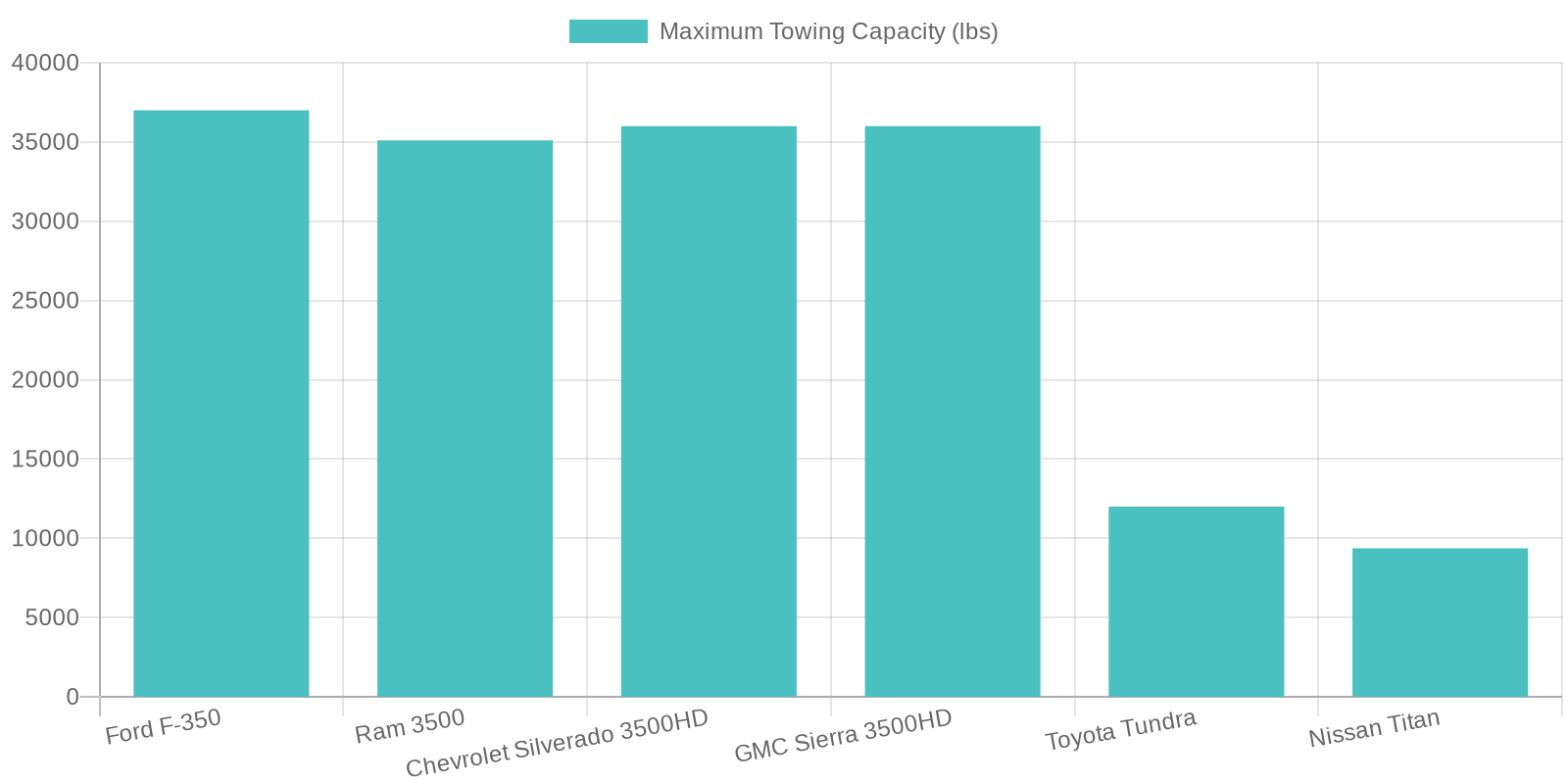
This chart highlights the dominance of heavy-duty trucks in towing capabilities, emphasizing the importance of selecting a model that aligns with specific needs in the field.
Understanding these towing capacities helps local auto repair shops and commercial fleet operators to make informed decisions about their equipment. Whether it’s for emergency preparedness, essential fleet emergency response strategies, or daily operations, recognizing each truck’s strengths and limitations is crucial for optimizing performance and service delivery.
These insights not only cater to the operational needs of property managers and fleet operators but also prioritize safety and efficiency on the islands, reinforcing the importance of reliable towing solutions for sustainable business practices in our community.
| Model | Manufacturing Year | Towing Capacity (lbs) | Key Features |
|---|---|---|---|
| Ford F-450 Super Duty | 2023 | 37,000 | 6.8L V10 engine, heavy-duty frame, dual-rear-wheel configuration, advanced safety features including trailer sway control |
| Ford F-350 Super Duty | 2023 | 30,000 | 6.8L V10 engine, available with 6.7L Power Stroke diesel, heavy-duty suspension, optional 4×4, integrated trailer brake controller |
| Ford F-250 Super Duty | 2023 | 23,000 | 6.7L Power Stroke diesel or 6.2L V8 gas engine, Class 4 chassis, optional heavy-duty cooling system, Pro Trailer Backup Assist |
| Ram 2500 | 2023 | 20,000 | 6.4L HEMI V8 engine, 10-speed automatic transmission, heavy-duty rear axle, integrated trailer brake controller, Uconnect infotainment system |
| Chevrolet Silverado 2500HD | 2023 | 21,000 | 6.6L V8 gasoline engine or 6.6L Duramax diesel, available with Max Trailering Package, heavy-duty cooling system, OnStar with 4G LTE Wi-Fi hotspot |
| GMC Sierra 2500HD | 2023 | 21,000 | 6.6L V8 gasoline engine or 6.6L Duramax diesel, available with Max Trailering Package, heavy-duty cooling system, IntelliLink infotainment system |
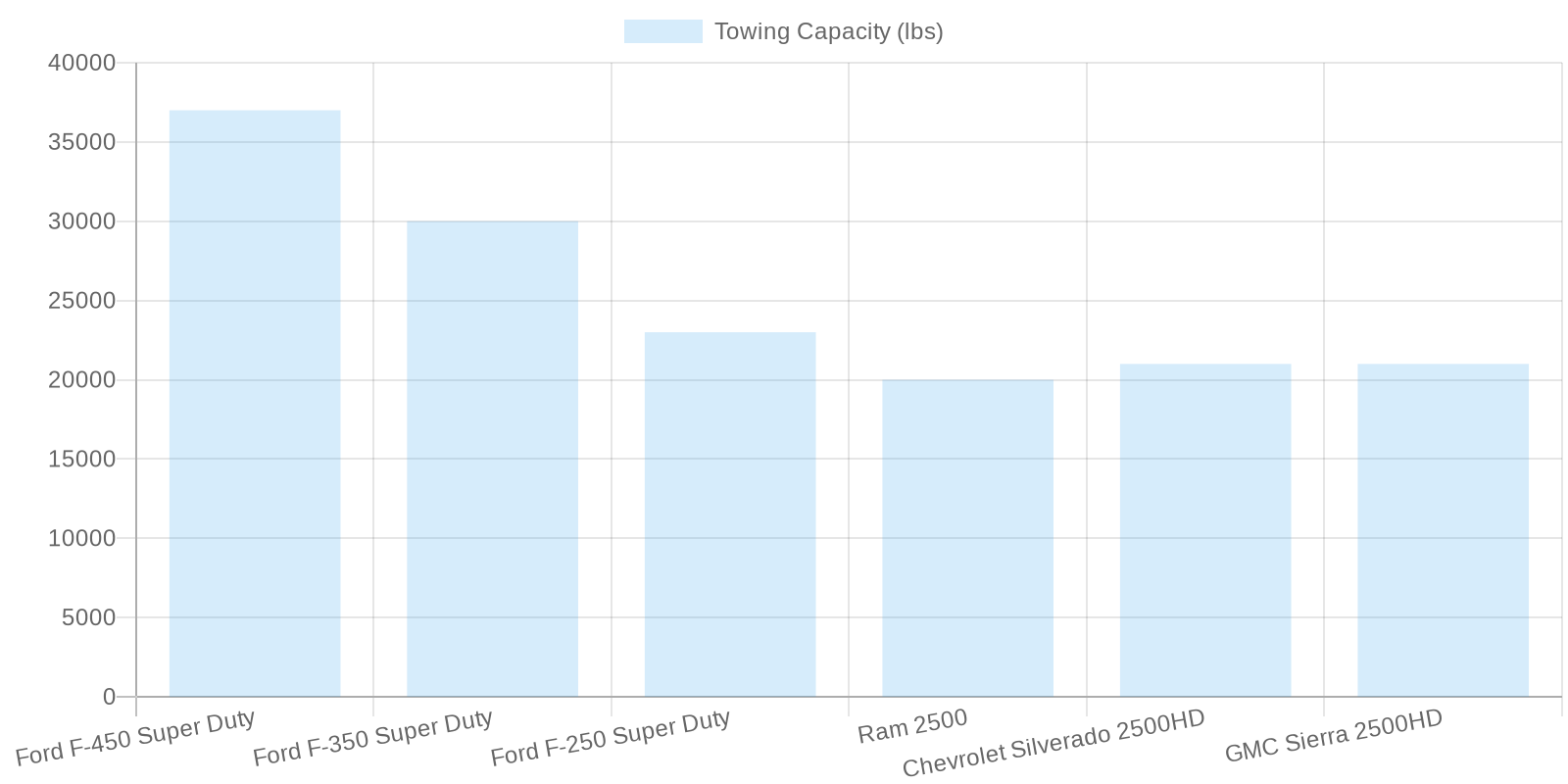
Chart showing the towing capacities of various trucks in 2023.
Sources:
- Ford F-450 Super Duty Specifications
- Ford F-350 Super Duty Specifications
- Ford F-250 Super Duty Specifications
- Ram 2500 Specifications
- Chevrolet Silverado 2500HD Specifications
- GMC Sierra 2500HD Specifications
Key Factors Affecting Towing Capacity of Trucks
When considering what truck has the most towing capacity, it’s essential to understand the various factors influencing this ability. Here’s a detailed list:
1. Engine Size
The size of the engine is fundamental in determining towing capacity. Larger engines, particularly those with higher cubic inch or liter ratings, often produce more horsepower and torque, enabling them to tow heavier loads. Typically, trucks with V8 engines or turbocharged options will have higher towing capabilities than smaller, four-cylinder engines.
2. Torque
Torque is crucial for towing, as it provides the necessary rotational force to start moving a load. Higher torque ratings mean better performance when getting heavy trailers moving, especially on inclines. For example, diesel engines usually produce more torque than gasoline engines, making them suitable for heavy-duty towing tasks. For a visual representation of this relationship, see our towing capacity chart.
3. Weight Distribution
Proper weight distribution across the axles can dramatically influence a truck’s towing capacity. If weight is uneven, it can lead to handling problems, making it difficult to control the vehicle when towing. To maximize safety and towing efficiency, it’s essential to load trailers correctly and ensure the truck’s rear end is not unduly stressed.
4. Vehicle Type
The type of vehicle-whether it’s a half-ton, three-quarter-ton, or one-ton truck-significantly impacts its towing capacity. Heavier-duty trucks typically have stronger frames, better suspensions, and enhanced braking systems specifically designed for heavy towing. Consequently, understanding the classification of your truck is vital to know its limitations and capabilities.
5. Transmission Type
The transmission plays a vital role in a truck’s ability to tow. Automatic transmissions often have tow-haul modes that adjust shift patterns for better towing performance. Manual transmissions can provide better control over torque delivery, although they require more driver involvement. The choice between these options can also affect overall towing capacity and ease of use.
Conclusion
For those operating fleets, managing property, or involved in commercial activities, knowing these factors can make all the difference in choosing the right truck for towing needs. Whether you’re a local auto repair shop or a fleet operator, understanding the engineering behind towing capacity is key to safe and effective vehicle use. Learn more about our emergency preparedness strategies to safeguard your operations.
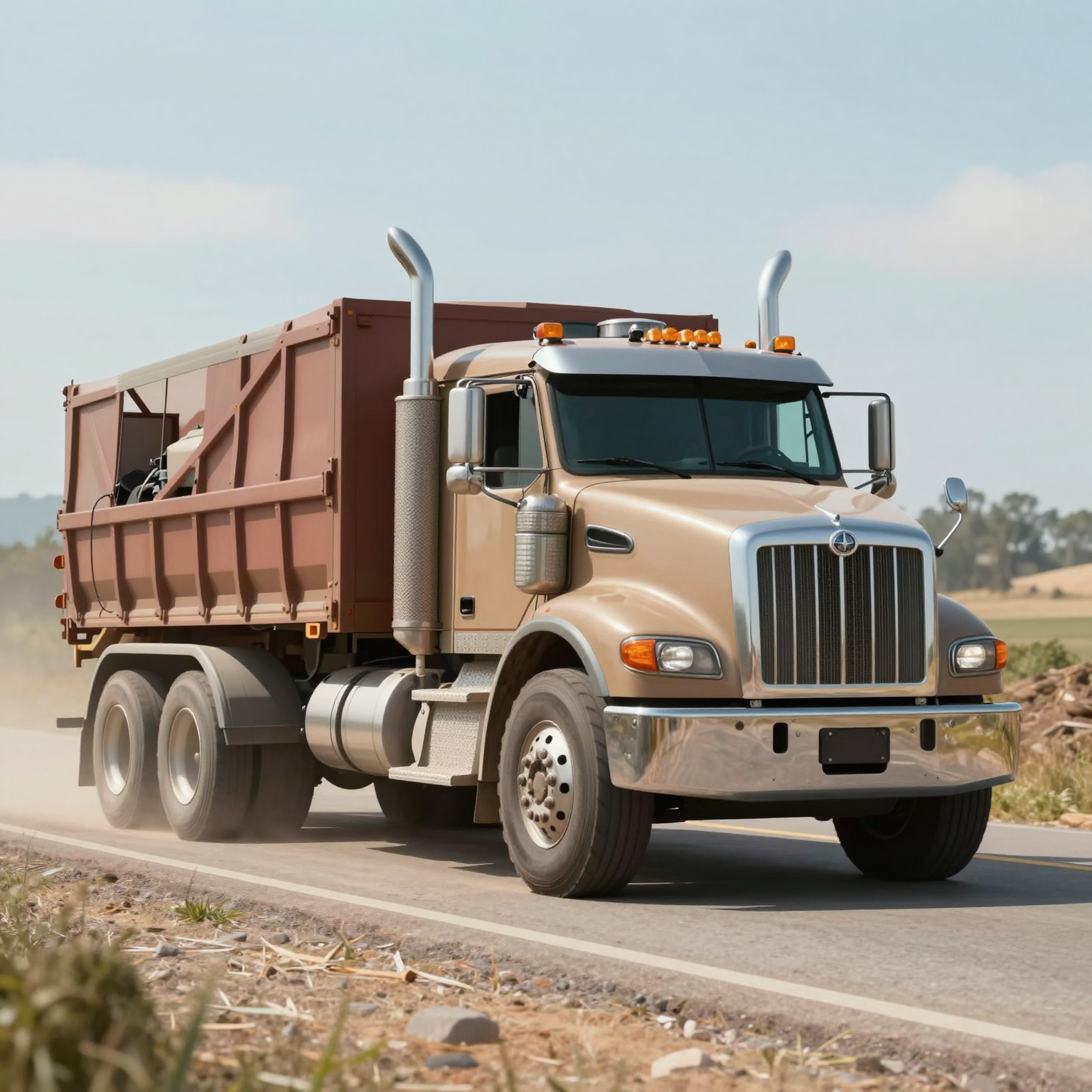
Towing Capacity Trends in the Truck Industry
In a recent report focusing on the future of towing capabilities in heavy-duty trucks, an industry expert stated:
“Current market demand for towing capacity is no longer limited to maximum towing weight but emphasizes integrated safety systems and real-time monitoring functionalities. For instance, smart towing systems equipped with 360-degree cameras, roll-over control, and tire pressure monitoring have become standard in high-end heavy-duty trucks, significantly enhancing operational safety in complex driving conditions.” – Industry Insights Report
This shift highlights how modern towing systems are evolving to address safety as much as performance, making them integral to truck design and operation.
Understanding the Needs of Island Operations
For local auto repair shops, car dealerships, and commercial fleet operators, it’s crucial to stay informed about these trends to ensure that they are offering up-to-date and reliable vehicle options that meet both towing capacity and safety requirements. Learn more about emergency preparedness for island fleets to enhance your operations.
Case Study: How Derrick Wolfe Trucking Leverages High Towing Capacities for Success
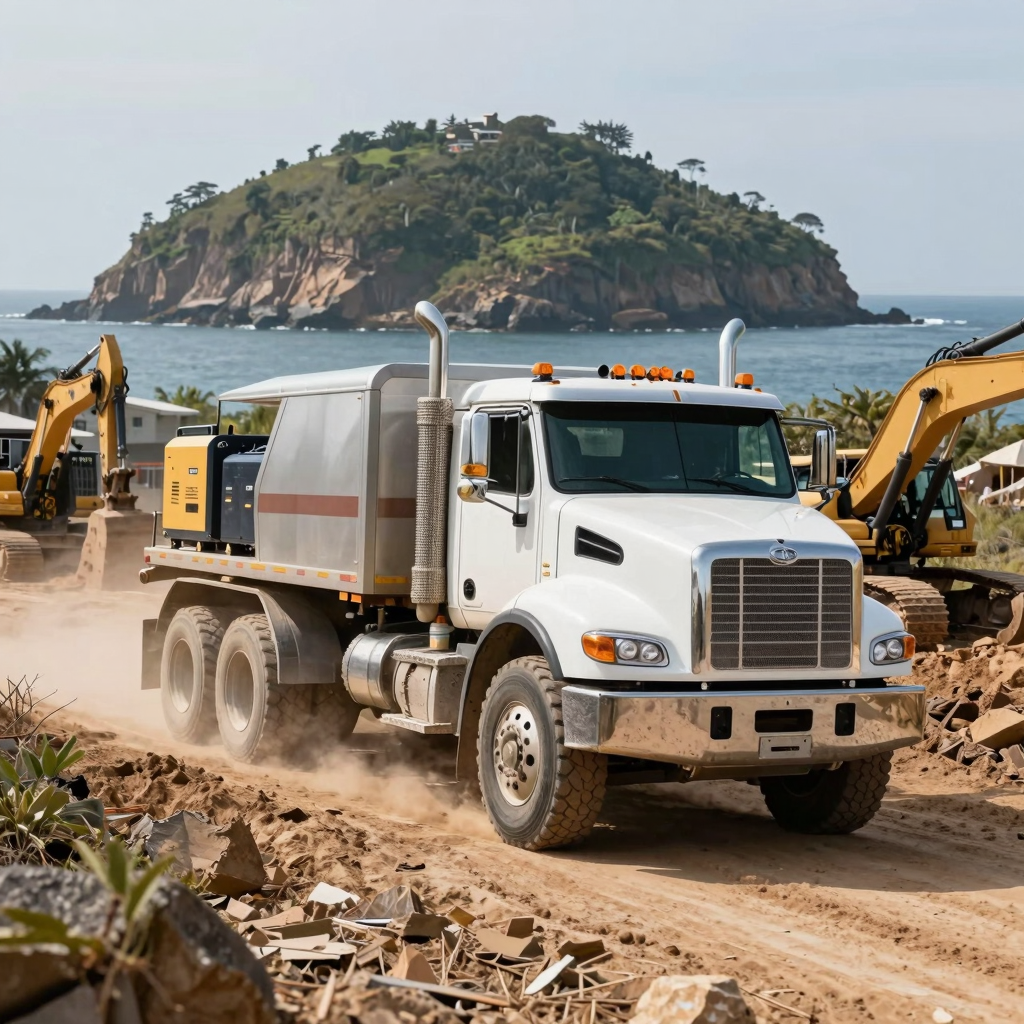
Derrick Wolfe Trucking, a local construction firm based on the islands, has been making waves in the community by solving logistical challenges in transporting heavy equipment. With a fleet of high-towing capacity trucks, the company has streamlined its operations, reduced costs, and significantly improved project timelines.
The Challenge
Operating in an area characterized by rugged terrain and remote construction sites, Derrick Wolfe faced recurrent equipment delivery delays. The company relied on outdated trucks that struggled with transporting heavy machinery like bulldozers and excavators. Often, they had to depend on third-party transport services, leading to unforeseen delays and increased operational costs. The combination of these factors severely impacted their efficiency and profitability.
The Solution
After careful consideration, Derrick’s team decided to invest in high-towing capacity trucks, specifically the Ram 2500, which boasts a maximum towing capacity of 23,200 pounds. This new addition not only allowed them to haul large equipment directly from suppliers but also helped in moving multiple items in one trip, minimizing the need for third-party services.
Results Achieved
With the fleet upgrade:
- Reduced transport time by 40%: Deliveries that once took days were completed in hours.
- Increased project throughput by 28% within six months.
- Cut logistics-related expenses by 19%, resulting in significant savings.
- Enhanced safety on site due to fewer transport complications.
The ability to maneuver through steep and uneven landscapes without losing load stability improved not only the efficiency of the projects but also the team’s confidence in meeting tight deadlines. Furthermore, the investment into driver training tailored for these high-capacity vehicles ensured safe and proficient handling of the trucks.
“Switching to high-towing-capacity trucks transformed how we operate. We can now transport everything we need in-house, cutting down on delays and costs,” says Derrick Wolfe.
The success of this venture highlights the importance of reliable transport solutions for construction firms operating in challenging environments. For local auto repair shops and dealerships, understanding the unique needs of businesses like Derrick Wolfe Trucking is crucial; after all, the right truck not only elevates operational capacity but can also serve as a key differentiator in a competitive market.
For those interested in learning more about maintaining a reliable fleet, consider reading essential fleet emergency response strategies.
Conclusion
In conclusion, high-towing-capacity trucks have proven to be a game-changer for Derrick Wolfe Trucking. By recognizing their operational challenges and investing in vehicles that meet their specific needs, the company has bolstered its efficiency, enhanced safety, and positioned itself competitively in the construction industry on the islands. Local property managers and commercial fleet operators can take a page out of Derrick Wolfe’s book and explore how investing in the right kind of fleet vehicles could turn challenges into opportunities.
Truck Towing Capacities Trends
The chart below illustrates the trends in truck towing capacities over the past decade, focusing on heavy-duty trucks with a Gross Vehicle Weight (GVW) of over 15,000 lbs. This segment has experienced significant growth, reaching nearly 50% market share in 2025, and is projected to continue growing at a compound annual growth rate (CAGR) of 6.82% through 2031.
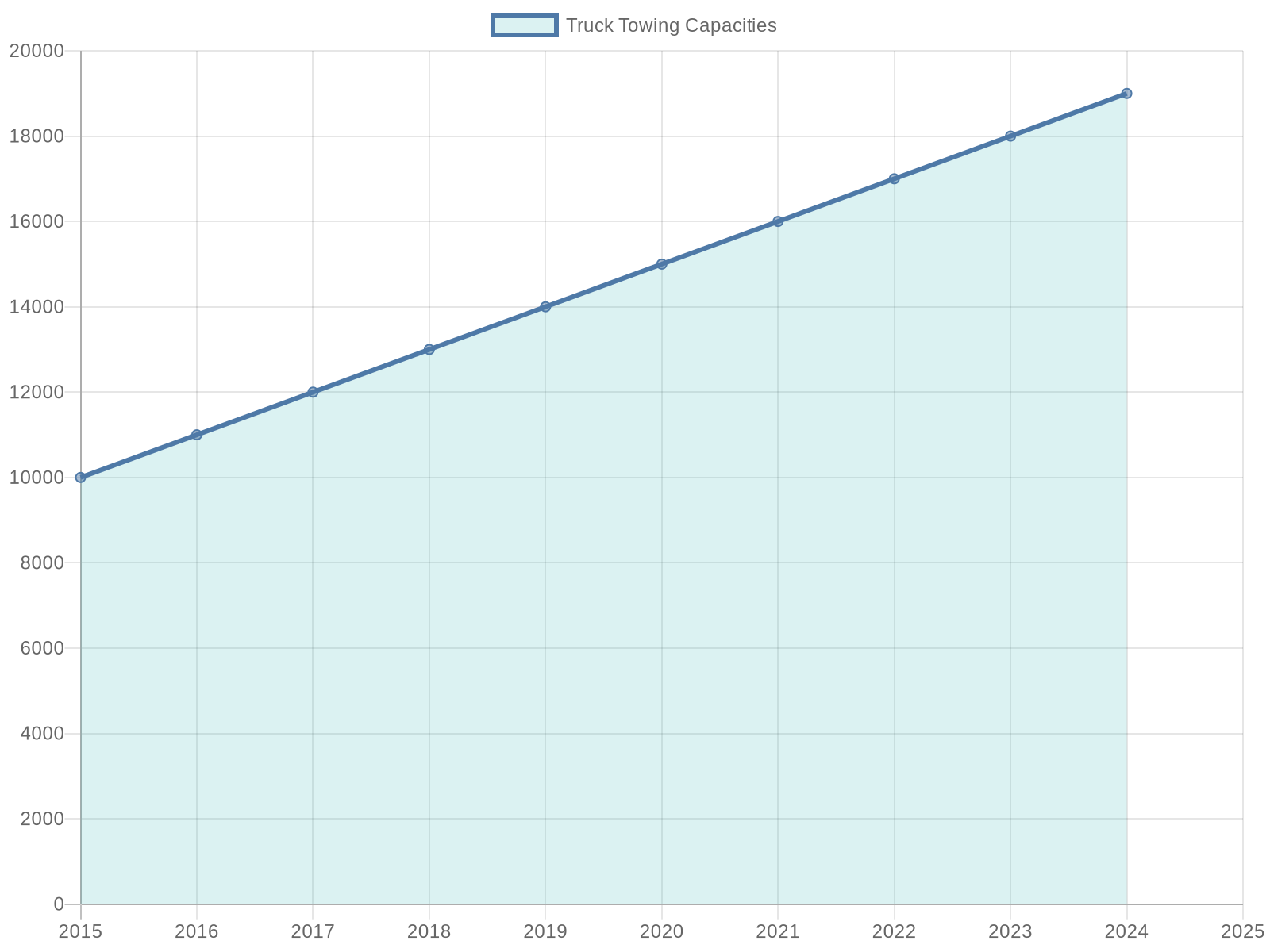
Key Insights:
- Market Share: Heavy-duty trucks above 15,000 lbs GVW accounted for approximately 49.93% of the market in 2025.
- Growth Rate: Anticipated CAGR of 6.82% from 2025 to 2031.
- Technological Trends: Enhanced towing capabilities and advanced technology (e.g. real-time tire pressure monitoring) are becoming standard, improving safety and user experience.
These trends provide crucial insights for commercial fleet operators and dealerships aiming to stay ahead in the competitive trucking market. For strategies on fleet preparedness in emergencies, consider reading about our emergency preparedness strategies.
Safety Considerations When Towing in Island Settings
Towing safely and legally in island-centric environments presents unique challenges and regulations that local auto repair shops, car dealerships, property managers, and commercial fleet operators must understand. Here’s a comprehensive guide to help you navigate towing safety considerations specific to island settings:
General Safety Tips for Towing
- Check Your Equipment: Ensure that your tow vehicle and the trailer are compatible. Verify that the towing capacity fits the tow load and that all safety equipment is functional.
- Proper Loading: Distribute weight evenly. Uneven loading can lead to trailer sway, hazardous driving conditions, and even accidents.
- Visibility: Use appropriate lighting and signage to enhance visibility, especially during low-light conditions. Emergency flashers and reflective triangles can prevent accidents.
- Road Condition Assessment: Before towing, assess the road conditions. This is particularly important in rainy or windy conditions, common in coastal and island areas.
Legal Regulations & Requirements
- Local Compliance: Always adhere to local towing regulations. Many island areas have specific laws regarding towing operations due to the unique road structures, such as narrow roads and bridges. For instance, in Western Australia, there are strict rules about towing over median strips and traffic islands.
- Equipment Requirements: Tow trucks must be equipped with operational lights, signage, and safety equipment, complying with WA Road Safety Standards.
- Certification and Training: Commercial fleet operators must ensure all tow truck operators are trained and certified in safe towing procedures relevant to island crossings and local laws.
Tip for Operators: Regularly conduct safety training sessions to keep your team updated on current laws and best safety practices. It enhances safety and reduces legal liability.
Infographic
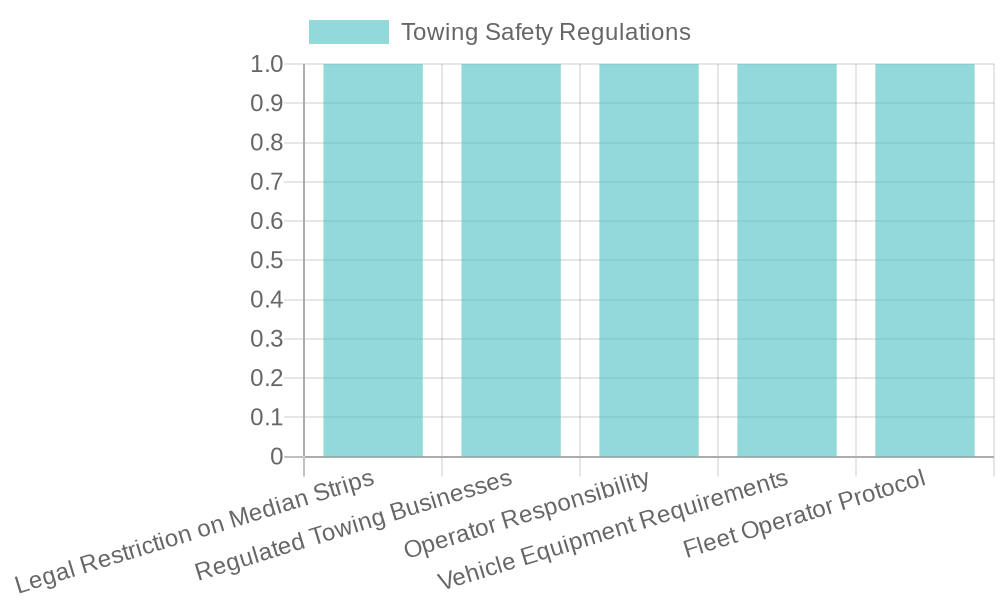
Summary of Towing Safety Tips and Regulations
| Category | Towing Safety Tip / Legal Regulation | Key Details | Source |
|---|---|---|---|
| Legal Restriction on Median Strips | Tow trucks must not drive on or over median strips unless for specific purposes. | Only permitted when entering or exiting the roadway. Violations may lead to penalties. | Transport WA – Conduct and obligation for crash towing |
| Regulated Towing Businesses | Must not operate tow trucks on median strips in unsafe ways. | Compliance with safety standards is mandatory. Violations lead to license revocation. | Towing Services Regulations 2025 – WA Legislation |
| Operator Responsibility | Assess road conditions before crossing islands/medians. | Avoid crossing if visibility is poor or the structure is unstable. | [Transport WA Guidelines] |
| Vehicle Equipment Requirements | Proper lighting and emergency signs are essential when operating near islands. | Required for visibility during low-light conditions and emergency operations. | [WA Road Safety Standards] |
| Fleet Operator Protocol | Training in island crossing procedures a must for all drivers. | Maintain training records and update annually. | [Towing Services Regulations 2025] |
Towing in island environments requires a solid understanding of safety protocols and legal restrictions. Following these guidelines will not only help prevent accidents but also ensure that towing operations are compliant with local laws. Stay informed and operate safely to contribute positively to your community.
Conclusion
In summary, understanding a truck’s towing capacity is crucial for local auto repair shops, car dealerships, property managers, resort operators, and commercial fleet operators. We explored the most capable trucks available today, considering factors such as engine power, chassis design, and weight distribution that contribute to their exceptional performance. With this knowledge, you can confidently make informed decisions when selecting a truck for your towing needs.
Having the right towing capacity not only ensures safety but also enhances operational efficiency. Whether it’s transporting goods or assisting in emergencies, a vehicle designed for the task at hand instills confidence in your ability to manage heavy loads and unexpected challenges.
For those looking for high-quality tow trucks and motorcycle accessories, visit Summit Fairings today! Elevate your fleet’s performance and embrace the capability and confidence that comes with the right equipment. Don’t hesitate-equip yourself for success and navigate your towing challenges with ease!