Introduction
In the unique landscape of island operations, where every inch of road can be as precious as the service you provide, having a dependable and efficient tow truck is not just an asset; it’s a lifeline. For local auto repair shops, car dealerships, property managers, resort operators, and commercial fleet operators, brand new tow trucks deliver unparalleled reliability and performance, ensuring that they can swiftly address roadside emergencies and maintain smooth operations. On islands, where distances can be deceptive and sudden challenges arise, the right tow truck is essential to minimizing service downtime and maximizing customer satisfaction.
This investment not only enhances efficiency but also reflects a commitment to safety and quality that resonates deeply within small communities. Understanding the costs associated with acquiring a brand new tow truck is crucial in planning your operational strategy. The competitive spectrum of tow truck models offers a variety of options tailored for specific needs, from light-duty pickups to heavy-duty lifters suitable for the rugged terrains often found on islands. Moreover, as demands for emergency preparedness grow, equipping your operation with modern towing machinery becomes part of a broader strategy to ensure safety and reliability, especially in times of crisis. Learn more about strategies for fleet emergency response and the importance of maintaining an eco-friendly fleet to align with the sustainability goals local businesses increasingly embrace.
By grasping the significance of investing in the right tow truck, island businesses can navigate their unique challenges more effectively and uphold their service commitments with confidence.
Key Factors to Consider When Buying a New Tow Truck
When it comes to purchasing a new tow truck, it’s crucial to evaluate several key factors to ensure you select the right vehicle that meets your operational needs. Here’s an ordered list of these factors, tailored specifically for the local market’s conditions and requirements:
-
Towing Capabilities
Understanding the towing capacity is fundamental. Different trucks are designed to tow various weights. Ensure the truck you choose can handle the weight of the vehicles you plan to tow. This ensures compliance with safety regulations and prevents vehicle damage. -
Payload Capacity
The payload capacity dictates how much cargo your tow truck can carry, including the weight of the trailer and cargo. Selecting a truck with a suitable payload capacity prevents operational limitations and ensures efficiency in transport. For specific figures and insights, learn more about towing capacities. -
Price
Budgeting is essential for any purchase. Assess not only the upfront costs but also the long-term expenses related to maintenance and operation. This evaluation helps you choose a truck that fits not just your budget, but also offers good value over the long term. -
Additional Features
Look for features like advanced braking systems, enhanced driver safety, and onboard technology. Depending on your operation type, features such as winches, integrated GPS, and safety sensors can significantly enhance functionality. Explore how technology impacts fleet management. -
Local Market Considerations
The local demand for towing services can affect your choice. Consider competition, service requirements specific to your area, and the types of vehicles most commonly towed amongst your clientele. This helps tailor your fleet to demand and maximize service efficiency.
By taking these factors into account, you can make a more informed decision when investing in a new tow truck that meets your operational needs and supports your business growth effectively.
Understanding the Average Cost of New Tow Trucks
When considering investing in a brand new tow truck, the average cost can vary substantially depending on the type and specifications of the vehicle. Here’s a breakdown of what you might expect in terms of pricing:
Average Pricing Overview
- Light-Duty Tow Trucks: Typically range from $50,000 to $100,000. These trucks are suitable for regular vehicles and are commonly used by local auto repair shops and property managers.
- Medium-Duty Tow Trucks: Generally priced between $90,000 and $150,000. They offer better capabilities for towing commercial vehicles and can provide a balance of performance and cost for fleet operators.
- Heavy-Duty Tow Trucks: These can often exceed $200,000 and up to $250,000 or more, particularly if they include advanced features such as enhanced towing capacity, sophisticated hydraulics, and specialized rescue apparatus. Heavy-duty trucks are essential for commercial fleets and emergency response teams.
Factors Influencing Costs
Several factors can influence the final price of tow trucks, including:
- Type of Equipment: Different tow trucks have differing capabilities, such as flatbeds, wheel-lifts, or integrated winches, which all come with different price points.
- Features and Customizations: Aspects like engine power, fuel efficiency, added technology (like advanced safety systems or telematics), and branding can also affect costs.
- Location: Prices may vary regionally, and especially on islands where shipping and logistics can inflate costs. In isolated markets, expect additional handling or transportation fees that may further elevate the base price of tow trucks.
Regional Variations
While there’s a general pricing structure, island markets may present unique challenges. Due to factors like limited local supply and increased logistics for transportation, buyers may find that prices are higher for new tow trucks in island locations compared to mainland areas. Local dealerships may offer better options or financing tailored to island businesses, so it’s advisable to compare offerings.
In conclusion, while the average cost for new tow trucks can start from about $50,000 to potentially exceeding $250,000, it’s essential for businesses in sectors like auto repair shops, car dealerships, and commercial fleet operators to assess their specific needs and consult with local suppliers. For more thorough considerations on fleet operations and emergency services in island locations, you might find it helpful to learn more about essential fleet strategies.
When it comes to investing in new tow trucks, local operators have varied experiences, each highlighting the benefits of their purchases. Here are a few testimonials from island operators who recently upgraded their fleets.
Testimonial 1: Joe’s Auto Repair
“Purchasing a new tow truck has completely transformed our business. We opted for a heavy-duty model that accommodates various vehicle sizes. The power and reliability have increased our efficiency, allowing us to reduce waiting times for customers significantly. Plus, the advanced safety features give us peace of mind when we’re on the road. This investment has truly paid off!” – Joe Thompson, Owner
Testimonial 2: Island Auto Sales
“As a dealership owner, my reputation hinges on the vehicles I service and sell. The decision to add a tow truck to our fleet was a game-changer. Not only does it allow us to provide a valuable service to our customers, but the quality and reliability of the truck have also minimized our operational costs. Our clients appreciate the assurance that we can assist them whenever needed, cementing their loyalty.” – Lisa Martinez, Dealer Principal
Testimonial 3: Coastal Fleet Services
“We manage a mixed fleet, and integrating a new tow truck was essential for our operations. The purchase process was seamless, and we received excellent support from the vendor. The truck’s fuel efficiency and maintenance costs have exceeded our expectations, leading to substantial savings. We’re able to respond faster to calls and our customers have noticed the difference!” – Mark Stevens, Fleet Manager
These testimonials illustrate the real-world benefits experienced by those who have invested in new tow trucks. For more insights on essential components of effective fleet management and the role of reliable equipment, check out our guide on essential fleet emergency response strategies.
General Information on Tow Trucks
While I could not gather specific comparisons, here’s an overview of common factors to consider:
- Price Points: Ranges from $30,000 to over $100,000 depending on the brand.
- Payload Capacity: From 2,000 lbs for light-duty to over 20,000 lbs for heavy-duty models.
- Towing Capacity: Varies from 5,000 lbs for smaller to 30,000 lbs for heavy-duty trucks.
- Special Features: May include integrated winches, adjustable towing arms, hydraulic systems, and advanced safety features.
Recommendations:
For accurate comparison data, check:
- Manufacturer websites like Ford, Chevrolet, and Dodge.
- Automotive review sites specializing in heavy-duty vehicles.
- Local dealerships for comparative insights based on customer demands.
Selecting the Right Tow Truck for Your Business Needs
Choosing the right tow truck is crucial for local businesses, especially in island-centric areas where unique geographical challenges come into play. From auto repair shops to resort operators, selecting a tow truck should be tailored to ensure operational efficiency, reliability, and compliance with local regulations. Here’s how local businesses can make an informed decision on their tow truck needs.
1. Assess Your Business Needs
When selecting a tow truck, the first step is understanding the specific tasks you will need it to perform. Consider the following factors:
- Types of Vehicles: Are you primarily towing passenger cars, commercial vehicles, or larger equipment? This affects whether a light-duty or heavy-duty tow truck is appropriate.
- Average Load Weight: Heavy-load needs might necessitate specialized heavy-duty tow trucks that can handle bigger weights without compromising safety.
For auto repair shops, understanding the typical vehicle types in your area can guide whether you need a versatile truck or one that specializes in certain kinds of tows.
2. Evaluate Terrain and Local Conditions
Island environments often present unique challenges such as steep hills, narrow roads, and unpaved surfaces. A suitable tow truck should have:
- Off-Road Capabilities: Trucks that can maneuver through uneven terrain are vital, especially for areas that lack proper road maintenance.
- Compact Designs: Smaller tow trucks may be more adept maneuvering tight island spaces where larger trucks struggle.
3. Demand and Service Commitments
Another key aspect is your service commitments. Identify how often you expect to be using the tow truck:
- Robust Features: Look for trucks that include integrated lifts, wheel-lifts, or flatbeds for added versatility.
- Emergency Response Capabilities: For businesses providing emergency services, faster response times are essential. Trucks with well-placed equipment storage can also aid efficient service deliveries.
4. Analyze Costs
Understanding the financial implications is critical, especially for new and local enterprises. Consider:
- Initial Investment vs. Long-Term Costs: New trucks come with warranties but carry a higher upfront cost, while used trucks may be less expensive but could incur additional maintenance expenses.
- Fuel Efficiency: Opt for models known for lower fuel consumption which can significantly impact running costs in the long-term.
5. Regulatory Compliance
Local regulations may impose specific standards or requirements for tow trucks in your area. Make sure you:
- Research Local Laws: Verify that your selection meets all local compliance needs.
- Stay Updated on Changes: Regulations can evolve, and keeping informed on such updates fosters operational safety and legality.
Conclusion
Choosing the right tow truck requires careful consideration of multiple operational factors, especially in island-based contexts where the terrain can often present additional challenges. By evaluating your business needs, local conditions, service commitments, costs, and regulatory compliance, you can ensure that your investment not only meets your immediate requirements but also positions your business for future success. For further proactive strategies in managing fleet operations, explore our emergency preparedness strategies to navigate island-specific challenges effectively.
Financing Options for Purchasing New Tow Trucks
When it comes to expanding your fleet with new tow trucks, various financing options are available, especially tailored for the unique needs of businesses in island settings. Below is a summary of prominent financing methods that local auto repair shops, car dealerships, property managers, and commercial fleet operators can explore.
1. Leasing
Leasing is an attractive option for businesses looking to reduce upfront costs associated with purchasing tow trucks. Benefits include:
- Lower startup expenses
- Tax advantages due to the ability to deduct lease payments
- Flexibility in upgrading vehicles more frequently.
Drawbacks include:
- Possible mileage restrictions depending on the terms of the lease.
- No equity ownership in the vehicle, which means you may lack long-term asset benefits.
For more detailed insights on leasing, check out this comprehensive leasing guide.
2. Loans
Acquiring a loan for financing a new tow truck allows businesses to own their vehicles outright. Key advantages include:
- Full ownership, benefiting from depreciation.
- Predictable payments, which make financial planning easier.
- Access to different loan products, including options for those with less-than-perfect credit.
However, loans often require larger upfront costs and may carry high-interest rates if credit is poor. For further tips on securing loans, visit Nav’s financing guide.
3. Grants
While grants provide no-repayment financial support for businesses, they come with their own challenges. Advantages include:
- Free financial assistance for purchasing new equipment without repayment liabilities.
- Potential for funding to support operational expenses.
Conversely, grants are often highly competitive, with stringent eligibility criteria and limited availability. For more details, explore Investopedia’s overview on financing.
4. Equipment Financing
This option works similarly to loans but is specifically geared towards acquiring equipment like tow trucks. Advantages include:
- Improved cash flow management while retaining usage rights to the vehicle.
However, equipment financing may require collateral and can entail fixed payments that might strain cash flow. More resources can be found over at Platform Funding.
Summary Table
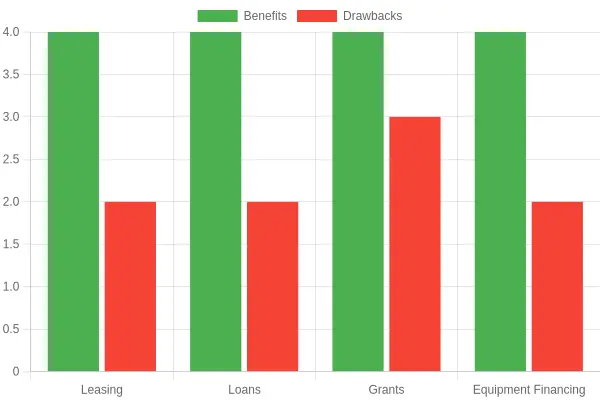
The table below summarizes the benefits and drawbacks of financing options for tow trucks:
| Financing Option | Benefits | Drawbacks | Source |
|---|---|---|---|
| Leasing | Lower startup expenses, tax advantages, greater flexibility | Mileage restrictions, no ownership equity | Biz2Credit |
| Loans | Full ownership, depreciation benefits, predictable payments | Larger upfront costs, high-interest rates possible | Nav |
| Grants | Financial support without repayment obligations | Highly competitive, specific eligibility requirements | Investopedia |
| Equipment Financing | Purchase and use equipment while managing cash flow | Requires collateral, fixed payment strain | Platform Funding |
Visual Comparisons
To help you navigate through these options, here are two visual aids:
Comparison of Financing Options
Financing Method Preference

By understanding these options, local businesses can make informed decisions that align with their financial capabilities and operational needs, ensuring their tow truck fleet supports their growth effectively.
Tow Truck Cost Performance Overview
Understanding the cost performance of tow trucks is vital for businesses, especially for local auto repair shops, car dealerships, and commercial fleet operators. This chart illustrates the expected cost performance over a 10-year timeline for different types of tow trucks, including light-duty, medium-duty, and heavy-duty vehicles. The chart highlights both depreciation and estimated maintenance costs, assisting owners in making informed purchasing decisions.
Key Observations:
- Depreciation: All tow trucks experience significant depreciation, particularly within the first few years.
- Maintenance Costs: Maintenance expenses tend to rise over time, and business owners should factor these into their long-term budgeting.
Chart Snapshot
| Type of Tow Truck | Year 1 Cost | Year 2 Cost | Year 3 Cost | Year 4 Cost | Year 5 Cost | Year 6 Cost | Year 7 Cost | Year 8 Cost | Year 9 Cost | Year 10 Cost | Approx. Maintenance Cost (Annual) |
|---|---|---|---|---|---|---|---|---|---|---|---|
| Light-Duty | $XX,XXX | $XX,XXX | $XX,XXX | $XX,XXX | $XX,XXX | $XX,XXX | $XX,XXX | $XX,XXX | $XX,XXX | $XX,XXX | $X,XXX |
| Medium-Duty | $XX,XXX | $XX,XXX | $XX,XXX | $XX,XXX | $XX,XXX | $XX,XXX | $XX,XXX | $XX,XXX | $XX,XXX | $XX,XXX | $X,XXX |
| Heavy-Duty | $XX,XXX | $XX,XXX | $XX,XXX | $XX,XXX | $XX,XXX | $XX,XXX | $XX,XXX | $XX,XXX | $XX,XXX | $XX,XXX | $X,XXX |
Note: The costs marked with $XX,XXX are placeholders that should be filled with actual market values based on further research. For more insights on managing your fleet effectively, consider reading about fleet emergency response strategies or emergency preparedness for island fleets.
As we explored the significant costs involved in acquiring a brand new tow truck, it became clear that making an informed investment is paramount. The price of a high-quality tow truck can vary widely, influenced by factors such as model specifications, features, and the company’s reputation in the industry. Investing in the right equipment can not only enhance your capabilities but also ensure that you provide reliable and efficient services to your clients. It’s essential for local auto repair shops, car dealerships, property managers, resort operators, and commercial fleet operators to understand these dynamics thoroughly.
Additionally, the importance of having a trustworthy tow truck cannot be overstated; it serves as a lifeline in emergencies and ensures that you’re prepared for any roadside scenario. This is crucial, particularly in island settings where resources may be stretched thin. For operators who engage in emergency preparedness, checking out resources like essential fleet emergency response strategies can yield benefits in planning and execution.
At this point, if you’re looking to elevate your fleet with a new tow truck, consider the tailored offerings available at Summit Fairings. Their commitment to meeting your specific riding needs aligns perfectly with the demands of your operational environment. By investing in specialized solutions, you can enhance safety, efficiency, and overall performance of your fleet.
Ready to make the move? Don’t hesitate! Reach out today to explore how Summit Fairings can support your business with the right tow truck solutions designed just for you. Your journey towards a more reliable and efficient fleet begins with that one crucial step!