Hook: A Paradigm Shift in the Global Firefighting Industry
As the world grapples with increasing urbanization and climate-related challenges, the firefighting industry is undergoing a revolutionary transformation. Innovations in fire truck technology and efficient methodologies are not just modernizing the approach to fire prevention and response; they are also saving lives. Today, we dive into the pivotal role that fire trucks play in enhancing rescue efficiency, their operational significance during a fire, and the crucial aspects of maintenance to ensure their readiness in emergencies.
Core Value Points: The Essential Role of Fire Trucks in Rescue Operations
Fire trucks are the backbone of emergency response teams. Their multifaceted capabilities range from combating fires to executing lifesaving rescues in critical situations.
1. Enhancing Rescue Efficiency
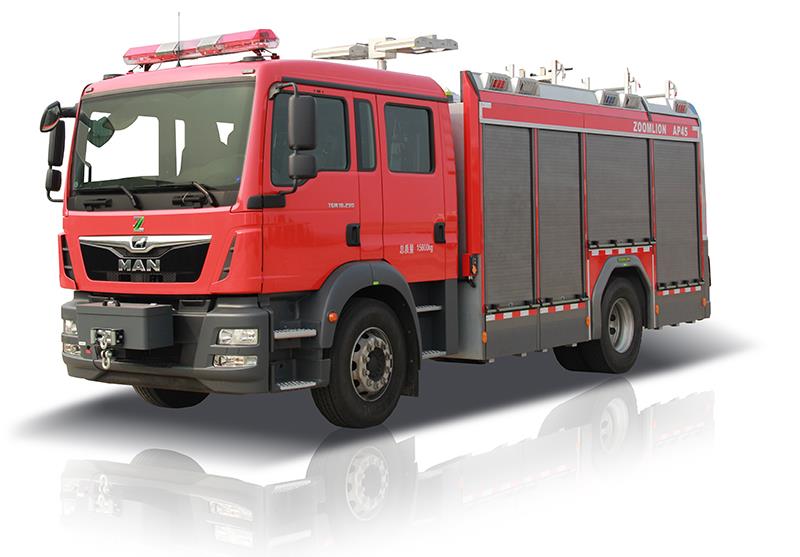
Fire trucks are engineered with advanced technology to help firefighters respond rapidly and effectively during emergencies. The integration of features such as real-time data communication, automated systems, and mobility enhancements significantly reduces response times. For instance, a ladder fire truck not only helps reach elevated structures during a blaze but also allows for the rapid deployment of personnel and equipment crucial for saving lives.
2. Fire Trucks in Action: Saving Lives
During a fire incident, every second counts. Fire trucks facilitate quick access to victims trapped in hazardous conditions. With specialized units like the platform fire truck, which offers superior reach and stability, enacting successful rescue operations becomes increasingly feasible. Additionally, the robust design of ARFF trucks is tailored for airport emergencies, highlighting the versatility required in diverse operational settings.
3. The Critical Importance of Maintenance
To maximize the efficiency of fire trucks, rigorous maintenance schedules are essential. Regular inspections, preventive measures, and adherence to safety protocols can drastically reduce the risk of equipment failure during critical missions. Fire departments must educate their personnel on the best practices for caring for their fire fighting apparatus, thus ensuring that each truck is ready to perform when called upon.
4. Safety and Compliance
With stringent regulations governing firefighting equipment, understanding compliance and safety standards is paramount. Regular training for personnel about the latest safety procedures and equipment handling can significantly improve outcomes during emergency responses.
In this context, integrating modern fire truck models, like those found in our product line, can provide your team with the tools necessary to meet these growing demands and enhance overall operational efficacy. For more options and insights, visit our collection of foam water fire trucks and portable fire fighting equipment.
5. Embracing Future Trends in Firefighting
The future of firefighting lies in continuing advancements. Automation and AI technologies are becoming part of firefighting strategies, enhancing simulation training and operational data analysis, which further improve response times and decision-making. Understanding these advancements can foster a proactive approach in firefighting departments globally.
Conclusion and Call to Action
In conclusion, fire trucks are more than just vehicles; they represent the frontline of emergency response. By adopting new technologies, maintaining equipment diligently, and adhering to safety standards, emergency services can significantly increase their operational effectiveness in life-threatening situations.
Investing in quality fire trucks, whether it’s a sturdy ladder fire truck or a sophisticated ARFF truck, is essential for any emergency service department aiming to enhance their rescue capabilities. To explore our extensive range of industry-leading fire trucks, click here: Petrol Tank Fire Trucks.
Together, let’s transform our emergency response to save more lives!
This article serves as a deep dive into the essential role of fire trucks in today’s emergency management landscape, aligning perfectly with the challenges and expectations of fire departments around the world.