Within the automotive landscape, the ability to call a tow truck can be a lifeline for drivers and businesses alike. Whether it’s an unexpected breakdown, a vehicle left in a precarious location, or the need to transport a car to a service center, understanding when and how to call a tow truck is vital. For local auto repair shops, car dealerships, property managers, resort operators, and commercial fleet operators, clarity on this topic can enhance customer service and operational efficiency. Each chapter of this guide delves into specific scenarios, providing insights into best practices, legal considerations, and the most effective actions to take in the event of vehicle emergencies. Embracing this knowledge will not only prepare you for handling immediate situations but also empower you to support your clients or tenants effectively.
When Your Car Breaks Down: Understanding the Role and Function of Tow Trucks in Critical Situations
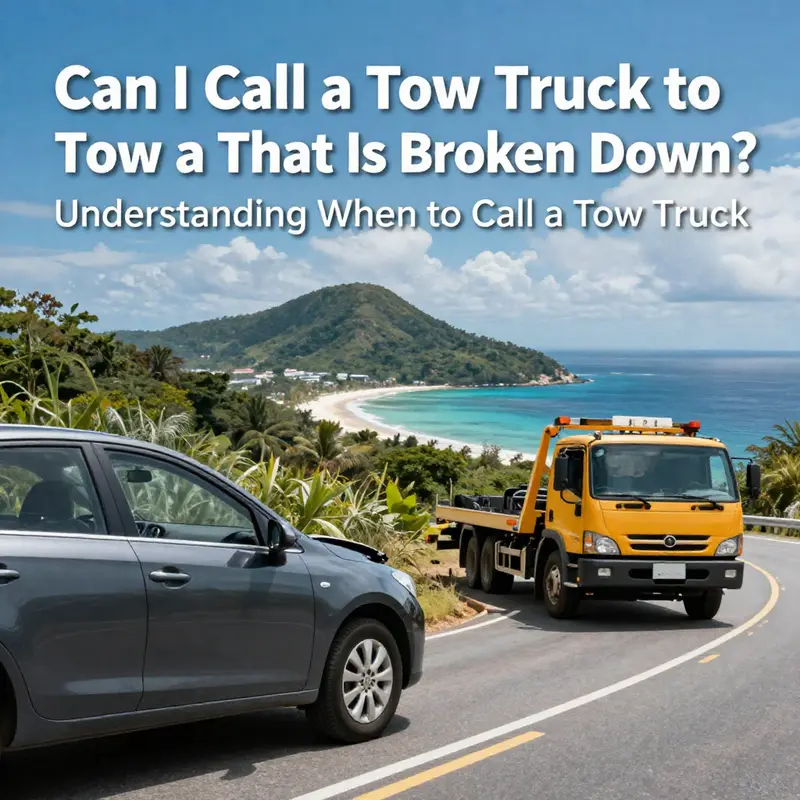
When your car breaks down on a busy highway or in a quiet neighborhood, the experience can be both startling and overwhelming. In these moments of uncertainty, knowing that help is just a phone call away can be reassuring. Tow trucks are specifically designed to help in these exact situations, and understanding their function, capabilities, and the proper way to summon them is crucial for anyone who spends time on the road.
Imagine driving along on a clear day when suddenly, an unexpected mechanical failure leaves your vehicle stranded. You may notice that the engine unexpectedly stalls or that the car has lost the ability to accelerate properly. In many cases, a breakdown results from issues such as a flat tire, engine overheating, or even more serious mechanical failures. When a vehicle is inoperable, calling a tow truck is not merely an option; it becomes an essential step to ensure that you, your passengers, and your vehicle are safe. The very design of a tow truck, which varies from basic hook-and-chain models to modern flat-bed vehicles, reflects the intent to move disabled cars safely. These trucks are equipped with specialized tools and mechanisms that secure your car so that no additional damage occurs during transport.
Tow trucks come in several forms, each engineered to address particular challenges. For instance, a flat-bed tow truck is ideal for ensuring that every part of your car is supported and secure during transit. This is particularly useful if your vehicle’s condition makes towing it by picking up one wheel risky. On the other hand, hook-and-chain tow trucks have historically been used for quick retrievals, though caution must be taken to ensure the car is not damaged further during the tow. The evolution in towing technology has seen more advanced models that incorporate safety features such as secure tie-down systems and adjustable platforms. The focus is always on maintaining vehicle integrity and ensuring that the car reaches its destination without further harm.
You might be wondering what happens when you call for help. The process is straightforward yet requires that you remain calm and clear in your communication. First, ensure that your vehicle is in a safe location; if possible, pull over to the side of the road and activate your hazard lights. This alerts other drivers to your situation while allowing emergency services or the towing professional to access your car more easily. In many urban areas, roadside assistance programs are a staple for motorists. Although some towing companies operate independently, many established roadside assistance organizations provide tow truck services as part of their comprehensive care offerings. These organizations often have dedicated teams and standardized procedures to ensure that your experience is as stress-free as possible.
Once you call the tow truck service, whether it is through a well-known roadside assistance program or an independent company, the operator will ask for details about your location and the nature of your vehicle’s distress. It is beneficial to provide as much accurate detail as possible. For example, if your car is blocking traffic on a busy intersection or has broken down on a narrow, poorly lit street, these details can help the operator dispatch the right type of tow truck. In cases where the vehicle has come to a standstill due to a blown tire or engine failure, the tow truck operator will usually advise you on how to stay safe until their arrival. It is important to follow these instructions carefully, thereby reducing the risk of injury or causing further complications.
The mechanics behind a tow truck’s operation involve both skill and specialized equipment. When the tow truck arrives at the scene, trained professionals quickly assess the situation. They ensure that the vehicle is securely connected to the truck. This usually involves lifting the car onto a flatbed or alternatively using a hook-and-chain method if conditions allow. Experienced operators know how to adjust their approach based on the type of car, its weight, and the nature of the malfunction. Their expertise is critical in preventing additional damage during the towing process.
A real-life scenario can illustrate this process effectively. Consider a situation where a driver experienced a complete engine failure on a stretch of highway. Faced with the dilemma of either attempting to jump-start the vehicle or risking further damage, the prudent decision was to call a tow truck. The professional arrived within a short period and carefully loaded the car onto a flat-bed truck. This method of towing not only prevented damage to the front-end of the car but also ensured that the vehicle would be transported safely to a nearby repair shop where trained mechanics could assess and fix the underlying issues. Many drivers find a sense of relief knowing that safe and efficient towing services exist exactly for these circumstances.
While the immediate concern is the safe removal of a broken-down car, the role of tow trucks extends beyond mechanical mishaps. There are instances when vehicles are towed for reasons such as illegal parking or abandonment on private roads. In these cases, the procedure is similar in that a tow truck is used to relocate the vehicle to a secure area. This underscores the versatility of towing services. Whether the incident is due to a personal emergency or the enforcement of parking regulations by local authorities, the objective remains the same: to ensure that vehicles are handled in a manner that safeguards not only the car but also the overall flow of traffic and the safety of the public.
It is not unusual for some motorists to feel a sense of vulnerability when faced with vehicle breakdowns. In these moments, professional tow truck operators become more than just service providers; they offer reassurance and a degree of security. Their presence is a reminder that the world of mechanical and automotive services is interconnected with preparedness and safety. Drivers are encouraged to keep the contact information of a trusted tow truck service or roadside assistance program readily available. Moreover, regular vehicle maintenance can reduce the chances of unexpected breakdowns; however, when they do occur, knowing the right steps to take can make all the difference.
The planning involved in emergency roadside situations is detailed and methodical. Experts recommend that if you find yourself stranded, you first move to a safe location and then call for assistance. This advice is especially pertinent for those traveling during adverse weather conditions or in unfamiliar areas. In such events, the priority is your personal safety first, followed by ensuring that your car is moved without incident. Some experienced drivers have shared their personal stories of quick rescue, where a timely call to a local tow truck service not only resolved the immediate crisis but also provided much-needed peace of mind. In these accounts, the professional demeanor and technical expertise of the tow truck operator helped maintain a calm atmosphere, a factor that significantly reduces the stress commonly associated with breakdowns.
There is also an educational aspect to understanding tow trucks and their role in our transportation ecosystem. Often, learning how these vehicles operate conveys a larger message about the importance of preparedness. Whether you refer to discussions on emergency preparedness for island fleets, where professionals emphasize the significance of having a plan in place, or simply reading through user experiences, the common advice is clear: always be prepared for the unexpected. This preparatory mindset applies not only to individual drivers but also to larger fleet operations, where the safe and efficient removal of a broken-down vehicle can have more significant implications for business operations and safety standards.
Furthermore, the evolution in technology supporting towing services is remarkable. Modern tow trucks now often include integrated communication systems that allow real-time updates to be sent between the driver and the towing service. This ensures that both parties have accurate information, allowing for smoother operations. Some trucks are even now equipped with diagnostic tools that help identify the cause of the vehicle’s malfunction before it is towed. This integration of technology not only enhances efficiency but also contributes to a deeper understanding of vehicle maintenance and safety protocols. The advancement in towing technology serves as a reminder that in the midst of breakdowns, innovation continues to play an integral role in ensuring that drivers can face emergencies with confidence.
While the focus of this narrative has been on what to do when your car breaks down and the role of tow trucks in these situations, it also speaks to a broader philosophy of planning and readiness. Every motorist should view their vehicle as part of a larger system, where preparedness, quick action, and professional assistance come together to mitigate potentially dangerous scenarios. Cultivating an understanding of how and when to use towing services becomes an important element of responsible driving. In addition, the experiences of many drivers underscore the value of having immediate access to professional roadside assistance, which can be the key to resolving issues that might otherwise escalate into more severe problems.
In conclusion, when your car ceases to function unexpectedly, calling a tow truck is a practical and responsible decision. The design and operational know-how behind these vehicles ensure that they are well-equipped to safely relocate your car, whether to a repair shop or another secure location. By following the safety steps of pulling off to a secure area, activating hazard lights, and providing detailed information to the towing service, you can help facilitate a smoother, safer towing process. The assurance of professional help in moments of distress not only mitigates the immediate dangers associated with a vehicle breakdown but also strengthens your overall sense of security on the road. For anyone interested in deepening their understanding of the crucial role towing plays in emergency scenarios, resources such as the Cambridge Dictionary provide a clear definition of a tow truck as a vehicle designed to transport broken-down cars, which further enhances this perspective (see: Cambridge Dictionary on tow trucks).
Navigating Legal Boundaries: Why Unauthorized Towing of Illegally Parked Cars Is Not an Option
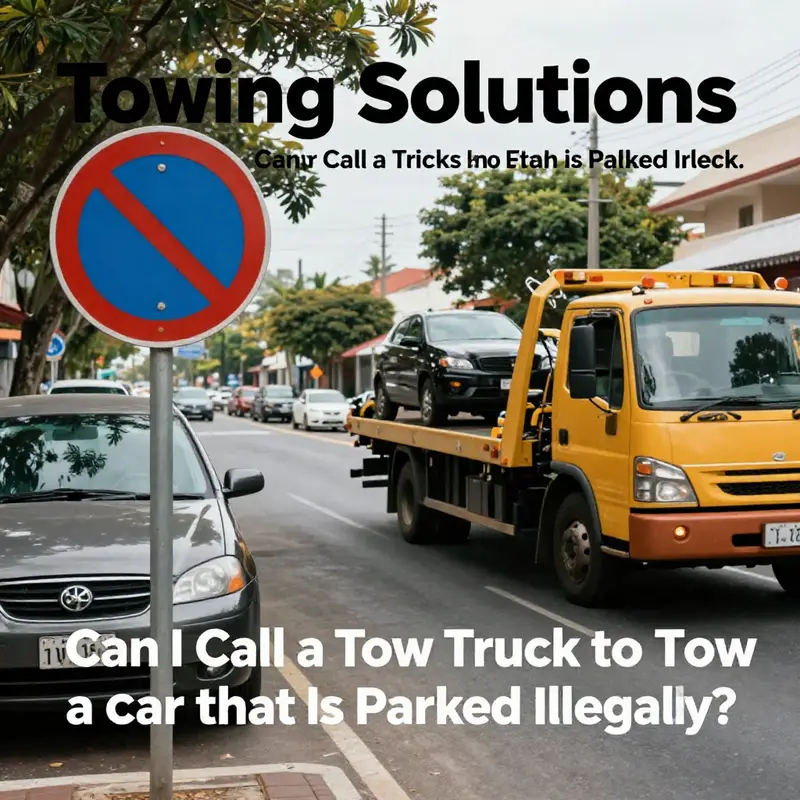
When a car is parked illegally, the instinct for someone witnessing the infraction or a distressed party might be to simply call a tow truck. However, the legal framework surrounding the towing of vehicles parked in violation of local ordinances is strict and deliberately designed to ensure that only authorized personnel or agencies are permitted to handle such scenarios. In many municipalities, the responsibility for managing illegally parked vehicles rests solely on the shoulders of law enforcement officers or municipal agents who are trained and sanctioned to enforce parking regulations. This chapter explores the intricacies of why calling a private tow truck service to remove an illegally parked vehicle is not only impractical but could also lead to significant legal repercussions.
Understanding the regulation of vehicle towing when it comes to illegal parking begins with recognizing the role of local government and its law enforcement agencies. The main purpose of these regulations is to maintain order and ensure safety on public roads and in urban environments. Municipalities establish comprehensive policies related to parking, and these policies delineate which vehicles can be towed and under what conditions. For example, vehicles parked in no-parking zones, those blocking driveways, or those that do not adhere to time restrictions are subject to removal by authorized personnel only. This restriction is in place to ensure that each tow is documented, that the vehicle owner is properly notified, and that the car is handled in a manner that respects due process.
When an illegally parked car is to be removed, the process typically involves a reported complaint to the local authorities. Often a concerned citizen or a business owner will notify the proper agency, which then sends an officer or approved towing operator to assess the situation. The officer’s presence not only confirms that a violation has indeed occurred but also ensures that the vehicle is towed in adherence with the established legal procedures. This system minimizes disputes and avoids instances where uninformed or unauthorized parties might try to take matters into their own hands. It is this measured approach that preserves the public interest and prevents arbitrary or wrongful removal of property.
The temptation to hire a private tow truck for an illegally parked car is understandable, especially when the situation might cause obstruction or inconvenience. However, the law is clear: individuals or private towing businesses do not have the legal authority to seize a vehicle for parking infractions. This restriction exists for several important reasons. First, the process of towing is not just a mechanical removal of a car; it involves a series of checks, notifications, and secure handling that must be documented accurately. Unauthorized towing operations could lead to damage claims, disputes over liability, and even criminal charges if the chain of custody or the process itself is compromised. For instance, if a private contractor attempts to move a vehicle without proper legal backing, the owner of the illegally parked car could sue for damages, and the towing service might face penalties imposed by local regulatory agencies.
Moreover, the legal procedures for towing an illegally parked vehicle ensure that the car owner is given an opportunity to retrieve their vehicle, typically after paying a fee that covers the associated costs of impounding and storage. This process, while sometimes inconvenient, is a fundamental element of due process. The fees collected are used to cover the costs associated with the towing operation and subsequent administrative handling. If a private individual or towing service were allowed to act outside of these regulations, there would be little in the way of oversight regarding the timing and conditions under which the vehicle is removed. Such a scenario could lead to abuses of power and undermine the trust between the public and the institutions responsible for maintaining order in urban environments.
The complexity of towing regulations also reflects the broader necessity of having centralized control over public resources and safety. Police and other city-authorized services are provided with the proper training, documentation protocols, and legal protections to manage the removal of vehicles without infringing on individual rights. They are aware of the nuances of local laws and can interpret ambiguous situations by balancing enforcement with the rights of vehicle owners. This contrasts starkly with private towing companies that, while highly skilled in vehicle recovery and transport, operate primarily on a contractual basis with vehicle owners or recovery services, rather than as impartial enforcers of public policy.
In some areas, the indiscriminate towing of vehicles by private parties has led to considerable legal and social backlash. Citizens have raised concerns about private towing companies acting as de facto law enforcers without accountability or transparency. Cases of wrongful towing have, on occasion, left vehicle owners facing unwarranted fees and complicated legal disputes as they attempt to reclaim their property. The fear of mismanagement and potential abuse of towing authority further underscores why local governments insist that only authorized vehicles should be removed by designated officials. The centralized control provided by municipal services not only helps to standardize procedures but also serves as a deterrent against arbitrary decisions that might otherwise compromise public trust.
There is also an important financial dimension to this issue. The costs associated with impounding a vehicle typically include towing fees, storage charges, and administrative processing fees. When a towing operation is carried out under strict municipal oversight, these fees are regulated by local ordinances to prevent excessive financial burden on vehicle owners. Conversely, private towing companies, if left to operate without legal oversight in cases of illegal parking, might charge exorbitant fees for their services, leading to potentially exploitative situations where a car owner could face a financial penalty disproportionate to the original violation. This potential for financial abuse adds another layer of rationale to the insistence on authorized towing practices.
The legal framework is designed not only to protect public order but also to safeguard citizens’ rights. When a vehicle is towed under the authority of city officials or law enforcement agencies, there is typically a documented notice left at the scene that informs the vehicle owner why the car was removed and where it is being held. Such measures ensure transparency and allow the owner to understand and, if necessary, challenge the towing action. In contrast, if a private tow truck were to act without such oversight, there would be little immediate recourse for the car owner in disputing the action or verifying that proper protocols were followed. This lack of accountability is a significant reason why unauthorized towing is prohibited.
Additionally, in many jurisdictions, parking regulations extend beyond merely reclaiming a parking space; they form a critical part of urban planning and traffic management. Effective regulation of parking helps prevent congestion, ensures pedestrian safety, and maintains a predictable flow of traffic. Unauthorized towing by private entities could inadvertently disrupt this delicate balance if multiple vehicles were to be towed without a clear, government-sanctioned process. This can result in confusion, potential impound lot overcrowding, and overall inefficiency in the enforcement of parking laws. For those interested in further understanding the critical role that systematic emergency and response strategies play in urban settings, a comprehensive discussion can be found in a recent post on the The Island Tow Truck Blog. The article details various aspects of public safety measures and the crucial role that proper procedures play in emergency response situations.
From a societal standpoint, allowing unauthorized towing would shift the responsibility for public regulation from public institutions to private businesses, creating a patchwork of inconsistent practices. Municipalities invest significant resources in training their personnel to deal with the challenges of illegal parking in a manner that is both legally sound and transparent to the public. The enforcement of parking laws is seen as a public service, and it is therefore managed in a way that is accountable to the citizens. Private towing companies operate under very different incentives and are driven largely by profit motives, which can sometimes conflict with the broader goals of public service and fairness.
For citizens encountering an illegally parked vehicle, the correct course of action is clear: contact local law enforcement or municipal parking services rather than attempting to arrange a private tow. By doing so, you ensure that the matter is handled by professionals who are legally empowered to make the necessary decisions and who have the experience to manage such incidents without causing further complications. Moreover, following the proper channels helps to maintain a fair system in which all parties are subject to the same rules and penalties. It is also worth mentioning that, in many cases, the authorities have systems in place for lodging a complaint or disputing a tow if it is believed that the process was mishandled or if there was an error in the initial report. This legal recourse is a vital part of ensuring that towing practices remain fair and balanced.
In summary, while the overall article topic might prompt questions about the feasibility of calling a tow truck to move a vehicle, the specific situation of an illegally parked car is governed by a distinct set of rules that prohibit private action in favor of a centralized, authoritatively managed process. This ensures that every towing decision is made in full accordance with the law and that the rights of all parties, from the vehicle owner to the general public, are safeguarded. It is a reminder that when it comes to legal matters, particularly those with financial and personal consequences, strict adherence to established protocols is not only advisable but mandatory. Understanding this legal matrix can prevent costly mistakes and safeguard individuals from inadvertently becoming embroiled in legal disputes. For further detailed information on municipal towing procedures, interested readers can consult the official guidelines provided by city authorities at City of Los Angeles – Parking Enforcement & Towing.
This discussion underscores the importance of using the appropriate channels when dealing with illegally parked vehicles. While the act of towing might seem straightforward, the underlying legal, procedural, and financial implications are far more complex. By deferring to law enforcement and authorized municipal services, communities can ensure a fair process that respects individual rights and upholds the rule of law. The regulations in place are the culmination of years of experience, public feedback, and legal scrutiny, all aimed at balancing the need for order with respect for personal property.
In conclusion, although many might wonder whether they could simply call a tow truck to remove an illegally parked car, the answer remains firmly rooted in legal precedent: only authorized personnel are empowered to act in such scenarios. The policies governing these actions ensure transparency, accountability, and fairness, protecting both the individual and the community. Ultimately, proper procedures must be followed to avoid potential legal pitfalls and unintended financial consequences. By understanding the reasoning behind these regulations, we can all contribute to a system that values both safety and justice, reaffirming that the law is best administered by those with the authority and expertise to do so.
Navigating Post-Accident Challenges: The Essential Role of Tow Trucks in Protecting Lives and Property
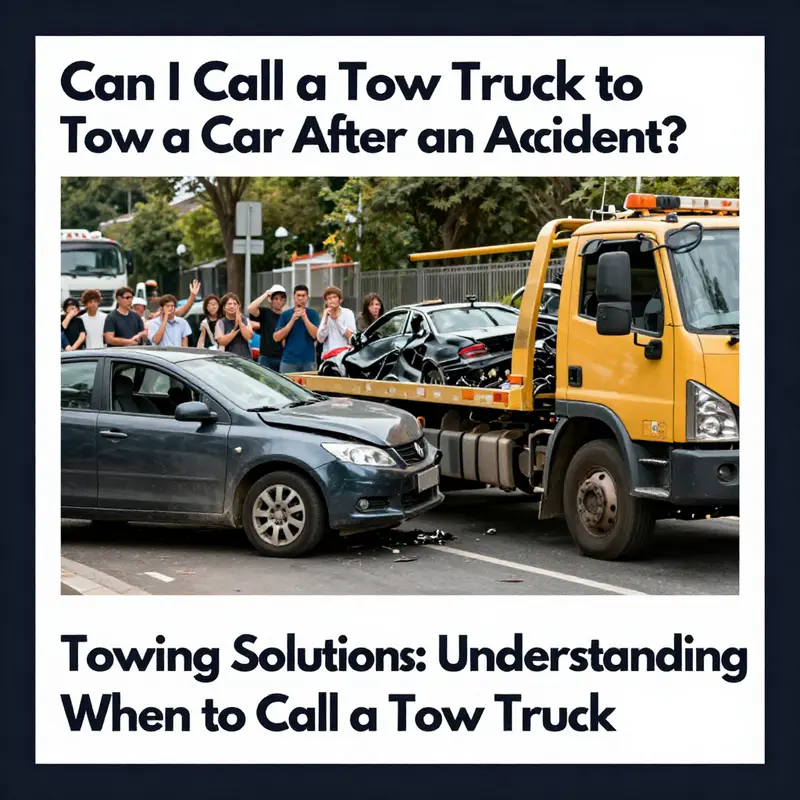
In the aftermath of an accident, the presence of a tow truck can be a critical lifeline for all parties involved. When a vehicle has sustained damage severe enough to render it unsafe for driving, the decision to call a tow truck is rarely one of luxury—it is a necessary step toward ensuring safety on busy roadways and protecting the interests of those involved in the incident. Whether your vehicle has sustained minor damage or has been rendered completely inoperable, a prompt and professional towing service not only mitigates further hazards but also helps in the efficient management of the scene for investigation and traffic regulation.
Accidents often occur unpredictably, leaving drivers with little time to weigh their immediate options. In many instances, physical injuries, debris on the roadway, and environmental hazards such as leaking fluids create hazardous conditions that extend well beyond the event itself. In these circumstances, the first priority is to ensure that no further accidents occur. A professional towing service understands this urgency. They are trained to move vehicles that may be compromised due to structural damage or mechanical failure in order to clear the roadway rapidly and safely. This single act not only preserves the integrity of the accident scene for law enforcement but also wards off secondary incidents that might arise from blocked or congested lanes.
The importance of relocating vehicles following an accident cannot be overstated. When a vehicle remains at the site, it can impair emergency response operations and increase the risk of additional collisions. For instance, if the vehicle is leaking hazardous fluids or poses a fire risk, every passing moment can exacerbate the danger. Tow trucks are equipped with the necessary tools and expertise to lift and secure vehicles that might be too unstable or dangerous to shift manually. The careful removal of the car ensures that the roadway remains as safe as possible for oncoming traffic and that emergency medical and fire services have unobstructed access to the scene.
In many cases, automobile insurance policies include coverage for towing services during accidents. This provision comes into play when it is evident that the vehicle’s condition renders it unsafe to be driven further. Before calling a tow truck, it is advisable to quickly review the terms of your insurance policy to understand if towing expenses are covered, and if so, how they should be processed according to the insurer’s guidelines. In the process of managing an accident, insurance companies may require documentation and a police report to validate the extent of damages incurred. Communication with your insurance provider is, therefore, an essential step in ensuring that you receive the due compensation for the mishap. By validating coverage details early on, you not only streamline the towing process but also secure peace of mind during what might otherwise be a stressful period.
Speaking of police reports, reporting an accident to the authorities is a necessary step, especially if there are injuries, significant property damage, or any indication that another driver may be at fault. Law enforcement involvement helps create an official account of the event, which can prove invaluable when filing an insurance claim or pursuing legal avenues later on. An official report reinforces the need for professional intervention, and as such, many tow truck operators prefer to work in tandem with the police to ensure that the towing process adheres to local regulations and meets community safety standards. In many jurisdictions, the police will coordinate with a local towing service to dispatch a truck to the scene, ensuring that the situation is managed with the highest degree of professionalism and urgency.
The process of selecting an appropriate towing service after an accident deserves careful consideration. Many drivers might find themselves overwhelmed by the emotional and logistical complexities of the moment, and in such cases, choosing the right service can seem daunting. The criteria for effectiveness include the company’s reputation, licensing, the promptness of its response, and the skills of its operators. It is crucial that whoever is chosen for this essential task has not only a thorough knowledge of vehicle recovery but also a strong emphasis on safety protocols. A well-regarded towing service will often have stringent internal policies and a track record of handling high-pressure situations with care and efficiency.
In many metropolitan areas as well as more remote regions, specialized professionals are available to handle the intense demands of accident recovery. These professionals are well-trained in a variety of scenarios, from gently extracting vehicles stuck in precarious positions to handling cases where cars have caught fire or lean dangerously close to other road users. Their ability to make rapid judgments under pressure is complemented by state-of-the-art equipment, which can secure or even right a vehicle that might otherwise pose serious risks if left unattended. Moreover, towing companies often maintain continuous communication with dispatch centers and local law enforcement, ensuring that they can provide updates about the accident scene and integrate their actions with broader emergency management efforts. This level of coordination is especially vital in complex scenarios where multiple incidents require simultaneous management.
When dealing with the aftermath of an accident, factors such as weather conditions and the time of day can further complicate the decision to tow a vehicle. Inclement weather may exacerbate the danger posed by a damaged car, while darkness and heavy traffic may reduce visibility and increase the risk of additional mishaps. In these instances, the reliability, preparedness, and professionalism of the towing service become even more important. Experienced operators are well aware of these variables and are prepared to take extra precautions to secure vehicles safely regardless of external conditions. Their skills and experience ensure that whether on a sunlit morning or during a stormy night, the vehicle is removed in a way that minimizes risk to both the victim and surrounding motorists.
Aside from the practical aspects of vehicle removal, towing services play a significant role in providing emotional relief to those involved in an accident. The chaos that follows a collision can leave drivers feeling vulnerable, overwhelmed, and unsure of their next steps. A professional tow truck driver often serves as a reassuring presence, guiding those impacted toward proper safety measures and providing clear instructions on what to expect in the coming hours. By handling the vehicle with care and reducing its hazard on the road, tow truck operators indirectly help to restore a sense of normalcy and safety to a situation that might otherwise lead to prolonged distress and confusion.
It is equally important to consider that the towing process after an accident is a service that fits into a more comprehensive emergency response strategy. Modern towing companies collaborate with local emergency services to ensure that every aspect of the incident—from dispatch through to resolution—is managed in a coherent and integrated manner. This is evident in the way that specialists at many firms adopt a holistic approach to emergency management, sometimes becoming a critical component of what could be described as an overall fleet emergency response. For those managing larger vehicle fleets or operating in areas where accidents are not infrequent, the importance of having reliable towing partners cannot be understated. Businesses that depend on road transport often forge long-term contracts with trusted towing companies to ensure that their operations can continue with minimal interruption even in the face of unexpected vehicle breakdowns or accidents. To get more insight into effective emergency management practices for fleets, one might explore detailed discussions on comprehensive emergency response strategies available over at comprehensive emergency response strategies.
Moreover, understanding the full scope of the towing process emphasizes not only the technical operations involved, but also the significant role that professional conduct plays in upholding public safety. Tow truck operators must be well-versed in local laws and regulations related to accident scenes and vehicle recovery. Their expertise is built not just on the mechanical operation of towing equipment, but also on their ability to assess risk, communicate efficiently with multiple agencies, and ensure that once a vehicle is removed, the remaining factors at the scene are managed appropriately. This synergy between technical proficiency and situational awareness encapsulates the essential value that towing services provide during the tumultuous period following an accident.
In retrospect, the decision to call a tow truck after an accident is a multifaceted one that involves considerations of safety, legal responsibilities, and emotional well-being. Each decision point, from contacting law enforcement and insurance providers to selecting a reputable towing service, contributes to a carefully managed response aimed at minimizing loss and preventing further harm. It is important to recognize that while the physical act of towing a vehicle may appear straightforward, it is embedded within a broader network of emergency response protocols and community safety initiatives. As individuals navigating the uncertainties following a crash, understanding every facet of the towing process can empower you to make decisions that are as prudent as they are necessary.
Furthermore, the establishment of clear communication channels and predefined procedures can significantly reduce the impact that an accident has on the overall flow of traffic and the daily operations of a business or individual. Whether it is in a bustling urban setting or on a quiet rural road, the knowledge that a reliable towing service is just a phone call away can offer much-needed stability during an otherwise chaotic period. This reassurance is an essential component of modern roadside assistance programs, which aim to provide not only a technical resolution to the immediate problem but also a framework within which recovery is possible. The strengths of these services are evident in the tangible ways they contribute to safety, help maintain the order of daily life, and ultimately protect both people and property in times of crisis.
For those seeking to better understand the protocols and tips around managing accident-related towing services, additional guidance can be found from various government and authoritative resources. These external insights provide further detail on legal obligations, safety precautions, and the dynamics of vehicle recovery in complex accident scenarios. As you continue to grapple with the challenges brought about by an unexpected collision, know that reliable support and trustworthy information are accessible when needed. For further reading and detailed guidelines on managing accident aftermaths, please refer to the external resource provided by the government: Government Advice on Accidents While Driving.
Navigating Tow Truck Services: Secure Transportation to Your Repair Shop
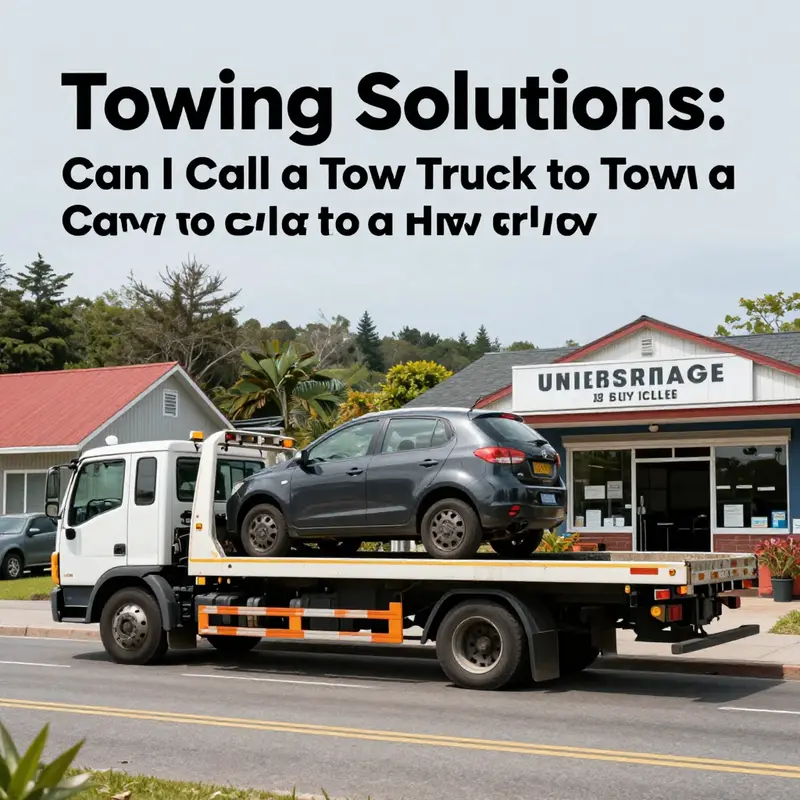
When your vehicle suddenly becomes immobile due to a mechanical failure, accident, or other unforeseen circumstances, the answer to whether you can call a tow truck to transport your car to a repair shop is a clear and practical yes. In many situations, a tow truck is more than just a safety precaution—it is an essential service that ensures your vehicle is handled with care and transported securely to a facility where professionals can address the issues at hand. This chapter explores the intricacies of using tow truck services, providing an in-depth look at how these services work, why they are indispensable in times of vehicle distress, and what aspects you should consider when calling a tow truck for towing your car to a repair shop.
From the moment your car becomes inoperable, the process of arranging for a tow truck becomes a critical step in regaining mobility and peace of mind. Whether your vehicle has broken down on the side of a busy highway or is stranded in a remote area, tow truck services are designed to respond swiftly and safely. The process typically begins with a simple phone call to a towing service provider or your roadside assistance organization. Once the tow truck is dispatched, trained professionals quickly assess the situation, ensuring they secure your vehicle properly using chains, straps, or specialized equipment like a winch. The expertise of the towing operator is crucial because improper loading or attachment can result in further damage to your vehicle. In emergency scenarios, speed is essential but so is caution. Tow truck operators balance both priorities, ensuring that your car is not only moved efficiently but also protected against additional harm during transit.
The methodology used by tow truck operators is both technical and artful. Modern tow trucks, particularly flatbed models, have revolutionized the towing industry by providing a platform where vehicles can be loaded entirely for transport. This method minimizes wear and tear compared to traditional towing methods that might involve dragging one side of the car along the road surface. A secure, flatbed towing process involves sliding or winching the vehicle onto the bed of the truck and then securing it in place with heavy-duty chains and straps. This careful procedure is vital when transporting a vehicle to a repair shop, where any undue stress or shifting could lead to further complications or damage to delicate components. Additionally, experienced operators are adept at determining the best method based on the vehicle’s condition, size, and the situation’s urgency.
In some cases, the towing process might extend beyond a mere transfer from point A to point B. Imagine a scenario where your vehicle is not only in need of repair but has also sustained superficial or structural damage from an accident. In this situation, the tow truck operator must navigate not just a physical distance, but also the responsibility of ensuring that your vehicle remains as intact as possible during the haul to the repair shop. The operator’s ability to secure the vehicle properly is particularly reassuring when the repair shop is located several miles away or when road conditions are less than ideal. Every step in the process, from the initial phone call to the final delivery at the repair facility, is underscored by a focus on safety, efficiency, and minimization of further damage. This careful handling exemplifies why most vehicle owners are confident in the professional services offered by towing companies.
Beyond the technical process, there is also a significant element of customer service and communication that defines a quality tow truck service. When you call for assistance, you want to be sure that the operator not only understands the mechanical nuances involved in towing your vehicle but also communicates clearly about the expected time of arrival, the methods that will be employed, and any potential costs. Reliable towing services understand that their clients are stressed by unexpected breakdowns or accidents, and they strive to offer a calm, reassuring presence. This human element is as important as the technical know-how, instilling confidence that your vehicle is being handled by professionals who are both experienced and empathetic. In today’s market, numerous service providers emphasize prompt response times alongside transparency in pricing, ensuring that you have a clear understanding of what to expect once help is on the way.
One aspect that potential towing service users should consider is the variety of circumstances in which a tow truck might be needed. Although a common scenario involves a mechanical failure that renders your car immobile, it is important to note that tow trucks are also used for repositioning a vehicle that has been involved in minor collisions, accidents, or even instances when a vehicle is parked illegally. Each of these situations calls for a slightly different approach. For instance, law enforcement may require that a vehicle be towed away if it is parked in a location that poses a hazard or violates local ordinances. In such cases, the towing service works in coordination with local authorities, ensuring that the vehicle is transported in accordance with legal and regulatory standards. Regardless of the situation, the underlying principles remain the same: professional evaluation, secure loading, and a careful journey to the destination repair shop.
In terms of logistics, the modern towing industry is well-equipped to handle emergencies with an array of specialized vehicles that are tailored to the needs of different situations. The evolution from simple hook-and-chain methods to advanced flatbed systems illustrates a broader trend towards greater safety and efficiency. Today, towing companies invest in equipment that is not only built to last but also engineered for the quick and secure handling of various types of vehicles. Whether you own a compact car, an SUV, or a larger vehicle, a well-equipped tow truck is prepared to transport it with minimal risk. Moreover, the operators are often trained in basic mechanical troubleshooting, which means that they can offer helpful advice while en route to the repair shop, or even adjust minor issues on the spot. It is this blend of technical service and customer care that sets modern tow truck services apart from past practices.
Insurance coverage and roadside assistance plans often play a pivotal role in how you access a tow truck service. Many auto insurance policies include roadside assistance, or you may subscribe to a dedicated roadside assistance program. These services are designed to minimize the additional stress on vehicle owners when an unexpected breakdown occurs. By having a clear understanding of your benefits or membership details with organizations that offer comprehensive roadside assistance, you can quickly determine whether you have coverage for towing services. This clarity not only streamlines the process but also prevents any surprises when it comes to payment. The knowledge that your vehicle is insured against such downtime is reassuring, enabling you to focus on planning your next steps rather than worrying about the details of the towing and repair process.
It is also important to recognize that the process of calling a tow truck extends beyond the simplistic action of picking up the phone. In essence, it involves a series of coordinated steps that are designed to restore normalcy to your day. The initial call is the first link in a chain that moves from assessment and secure loading to safe transportation and eventual repair. Every link in this chain is critical, and professional towing services are structured to address each element seamlessly. Customers often recount stories of how quick responses and the meticulous handling of their vehicles provided an unexpected sense of relief during stressful times. This reassurance is bolstered by the implementation of industry best practices that ensure your vehicle is managed with the utmost respect and technical precision.
The reliability of towing services is further enhanced through continued training and investment in modern technology. Companies that prioritize ongoing education for their staff ensure that all operators are up-to-date with the latest safety protocols and towing techniques. In addition, advancements in communication technology mean that roadside assistance providers are better equipped to dispatch help when needed and provide real-time updates regarding the status of your tow truck. For instance, some companies offer tracking capabilities that allow you to monitor the progress of the tow truck’s journey to your location. This transparency builds trust and cements the reputation of towing services as integral components of emergency response systems. You can also learn more about the broader aspects of emergency response and towing techniques by visiting the Island Tow Truck blog.
In practical terms, the structured process of securing your vehicle for tow ensures that all factors—from the initial call to the final placement at a repair facility—are optimized for safety and efficiency. Tow trucks are designed to accommodate a range of vehicle types, and their specialized configurations are a direct response to the challenges faced by drivers in distress. Whether the vehicle is laden with personal belongings or has structural vulnerabilities from a recent accident, the adaptability of tow truck services makes them suitable for virtually every scenario. Ultimately, the decision to call a tow truck to transport your car to a repair shop is backed by a history of technical innovations and a commitment to customer care.
Ultimately, while the thought of having your car towed might be accompanied by a sense of inconvenience or anxiety, the overall process is a testament to the advancements in automotive support services. The swift response, coupled with advanced tow truck designs and a high level of professionalism, serves to protect your vehicle from further damage and get it on the road to recovery. In moments of vehicular crisis, understanding that a tow truck is not just a means of moving a stranded vehicle, but a carefully orchestrated service designed to preserve the integrity of your car, is both reassuring and empowering. As you navigate through the complexities of car maintenance and unexpected breakdowns, remember that tow truck services remain a trusted ally, bridging the gap between unexpected roadside challenges and the assurance of professional repair.
Those seeking additional context or verification of the capabilities of contemporary towing methods can review detailed accounts and case studies that underscore the reliability of these services. For example, an external report by NJ.com illustrates how a flatbed tow truck, equipped with a winch, successfully extracted a vehicle from an unusual location, highlighting the adaptability and effectiveness of modern towing operations. For more information on this impressive demonstration of towing capability, please refer to this external resource.
Navigating the Complex Terrain of Towing from Private Property
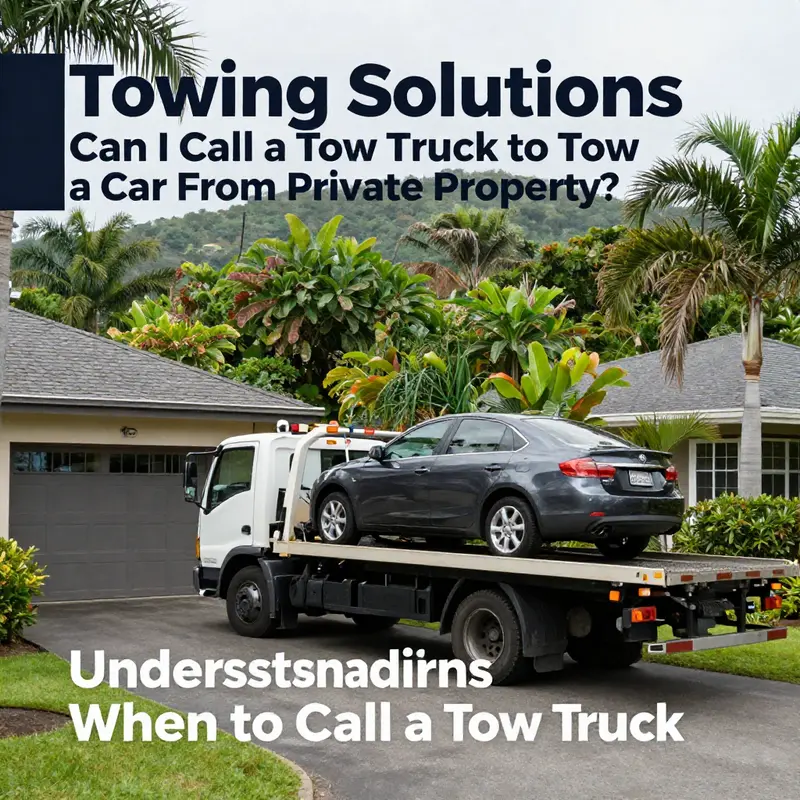
When a vehicle is stranded or parked in violation on private property, many property owners or managers naturally wonder if they have the right to call a tow truck to remove it. The rules and processes may appear daunting at first, but with a clear understanding of the legal and practical considerations, it becomes evident that calling a tow truck in these situations is both common and permissible under most circumstances.
The fundamental question is whether you, as a property owner or manager, have the legal authority to arrange for the removal of a car that interferes with intended use of your property. Generally speaking, if a vehicle is parked illegally, abandoned, or causing an obstruction—whether it is blocking a driveway, compromising the management of a parking lot, or encroaching on residential spaces—the property owner is entitled to take action. This right, however, is tempered by several critical factors including local laws, the reasons behind the vehicle’s placement, and adherence to due process, such as providing the required notice to the vehicle’s owner.
One primary requirement is that any towing action taken on private property must typically be preceded by clear and visible notifications. Most jurisdictions insist that if you intend to tow vehicles that are not authorized to be on your property, you must have posted signage. These signs should clearly communicate that unauthorized vehicles will be towed and often include contact information for the towing service that will be used. In this regard, the intention is not to target any specific vehicle unfairly but to ensure that there is a consistent and publicized policy for managing parking on the property. By doing so, the property owner not only complies with local ordinances but also provides a fair opportunity for the vehicle owner to rectify the situation before a tow is initiated.
Understanding the distinction between towing from private property and towing conducted by law enforcement on public roads is essential. In many areas, police or municipal authorities are responsible for towing vehicles when they violate public parking regulations or pose a threat to traffic safety. However, when it comes to private property, these same rules do not apply uniformly. The property owner has more discretion and the responsibility lies with them to follow local requirements, such as verifying that the towing company they hire is licensed and authorized to operate within that jurisdiction. It is important to ascertain that your chosen towing service meets all legal criteria, as failure to do so might lead to legal complications or disputes regarding the removal of the vehicle.
The process of calling a tow truck under these circumstances is usually straightforward. First, assess the situation to ensure that the vehicle in question has indeed been parked without permission or is obstructing access. Once this is confirmed, look for any signs or warnings posted on the property that inform drivers of the potential for towing. If these signs have been properly installed, you can be more confident that the towing process will be legally defensible. Next, you will need to contact a reputable towing service. When selecting a towing company, it is advisable to research their credentials and ensure that they abide by local regulations. In many cases, detailed information can be found on official websites of towing associations or through reviews and recommendations in local forums and media.
The decision to call a tow truck can involve multiple considerations. For instance, if the vehicle appears abandoned or if there is any suspicion that the car may be involved in misconduct, additional caution is warranted. Property owners should consider notifying local law enforcement or seeking legal advice if the scenario is ambiguous. While the responsibility to remove an illegally parked vehicle is clear, ensuring that the removal process respects the rights of the vehicle owner is equally critical. A mishandled towing process can potentially lead to legal disputes where the owner of the car may claim that their rights were violated, or that proper notice was not provided.
Another layer of complexity arises from the differences in local and regional regulations. Different states, provinces, and municipalities have their own guidelines regarding towing from private property. Some regions impose strict rules on the notice period required before a vehicle can be towed, and others may have specific requirements regarding where the vehicle can be stored post-tow. Therefore, property owners must be proactive in understanding the specific legal framework within their locality. Engaging with local vehicle management or municipal regulation offices can provide clarity on what is permissible and what is not, ensuring that any action taken is legally sound.
It isn’t just about adhering to the legalities; the practical aspects of towing are also paramount to ensuring a smooth process. For instance, once you have decided to call a tow truck, it becomes necessary to communicate clearly with the towing service regarding the situation at hand—whether the vehicle is an abandoned car, it is parked illegally, or it is simply in the wrong place. Clear communication avoids confusion and assures that the towing operation is carried out efficiently and safely. In many cases, well-documented procedures assist both the property owner and the towing company in managing the removal while respecting all involved parties’ rights.
Moreover, the overall experience of calling a tow truck from private property often emphasizes the relationship between regulatory compliance and practical efficacy. A thorough understanding of both the paperwork that may be required as well as the technical logistics of towing can make the process less stressful and more efficient. For instance, modern towing services often have integrated systems that allow property owners to schedule pick-ups and monitor the status of the tow. This ease of communication helps provide reassurance that everything is progressing according to legal and operational protocols.
Property owners also benefit from understanding their rights and responsibilities in these situations. Many find that having a well-structured policy regarding unauthorized vehicles can mitigate potential conflicts before they escalate to the point where legal action becomes necessary. A consistent policy not only discourages unauthorized parking but also provides a clear evidence base if issues arise. These measures can include documentation of dates, times, and photos of the offending vehicle to support the tow claim if dispute resolution becomes necessary. This documentation not only protects the property owner but also adds transparency to the process for both parties.
In today’s regulated environment, it is equally important to be mindful of public perception and the potential reputational impact of towing actions. Property owners and managers must balance the enforcement of rules with the recognition that towing a vehicle can be a stressful experience for the owner of that vehicle. Maintaining clear communication, offering avenues for dispute resolution, and understanding the emotional strain can all contribute to a more balanced approach to vehicle removal. Approaching the process with empathy and professionalism can go a long way in mitigating backlash, and it reflects well on the standards maintained by the property management.
Towing vehicles from private property is not solely the realm of property managers or law enforcement—it is also an area where professional towing services play a critical role. The expertise offered by these services ensures that vehicles are removed safely and that any potential hazards are minimized. For instance, if a car is impeding an emergency exit or blocking access to a building, the timely removal of the vehicle is essential to prevent delays that could jeopardize safety. A well-coordinated tow not only prevents further issues but also demonstrates a commitment to the safety and order of the premises.
Alongside compliance with regulations, several practical guidelines can further protect the interests of all parties involved. First, it is advisable to keep a record of all communications with the towing service. Any agreement reached, including timestamps, photographic evidence, and signed documentation, can be invaluable if a dispute arises later. Second, keeping abreast of local ordinances helps ensure that property managers understand the latest legal requirements. Online resources, local government offices, and industry associations provide frequent updates on towing regulations and recommendations for best practices.
A proactive and informed approach to managing private property and unauthorized vehicles also involves understanding emergency situations. In cases where the vehicle in question forms an immediate hazard—such as obstructing fire lanes or emergency exits—the need for rapid intervention using a towing service becomes all the more urgent. Preparedness in these critical moments requires both knowledge of the legal procedures for emergency towing as well as confidence in the towing provider’s ability to handle complex scenarios quickly and safely. Organizations that focus on fleet management and emergency response strategies offer a wealth of information on these topics; for additional insights, please consider exploring the resources available on the comprehensive blog insights page.
Another consideration lies in the aftermath of a tow. Once a vehicle is removed, property owners must also be prepared to handle issues related to storage, retrieval, and potential disputes concerning the tow. Often, the towing company will have protocols in place for notifying the vehicle owner about where the vehicle has been relocated and under what conditions it can be retrieved. This typically requires the vehicle owner to pay a fee and provide documentation verifying their right to reclaim the vehicle. For property owners, understanding these post-towing procedures can help in handling any subsequent inquiries in a professional manner, thereby preventing further complications.
In summary, towing a vehicle from private property is a multifaceted process that integrates legal, practical, and interpersonal dimensions. It involves appreciating the nuances of local laws, ensuring that adequate signage and proper notifications are in place, and respecting the rights of the vehicle owner while safeguarding the interests of the property. The entire process demands a level of diligence and clarity in communication, both of which are foundational to a successful and trouble-free towing operation. By adhering to the recommended guidelines and staying informed of the legal framework, property owners can manage these challenging scenarios with confidence.
This comprehensive understanding of private property towing highlights the need for preparedness not only in regular situations but also in unforeseen emergencies where prompt action is critical. Whether dealing with a vehicle that has been abandoned, parked illegally, or posing an obstruction, the steps involved—from verifying local regulations to choosing a reliable towing company—are part of a broader effort to maintain order, safety, and fairness. For those seeking further clarity on specific practices or who wish to remain updated on industry trends and emergency management strategies, exploring external resources can be very beneficial. Detailed information on the legal framework and best practices for towing from private property is available from resources such as National Towing.
In essence, the decision to call a tow truck from private property is both a right and a responsibility. Armed with the appropriate knowledge, clear procedures, and a commitment to legal compliance, property owners can navigate this complex terrain effectively. The intersection of legal requirements, practical steps, and empathetic handling of affected individuals provides a blueprint for managing vehicle towing on private property in a way that upholds safety, fairness, and transparency for everyone involved.
Final thoughts
The decision to call a tow truck can significantly impact drivers and businesses when faced with vehicle issues, from breakdowns to accidents. Each situation discussed in this guide emphasizes the importance of understanding the nuances of towing services across various contexts. Being informed allows local auto repair shops, dealerships, property managers, resort operators, and commercial fleet operators to handle towing efficiently and empathetically. Ensuring that you have reliable towing partnerships and a clear protocol for each circumstance can elevate the service provided to your customers or tenants, reinforcing trust and satisfaction.