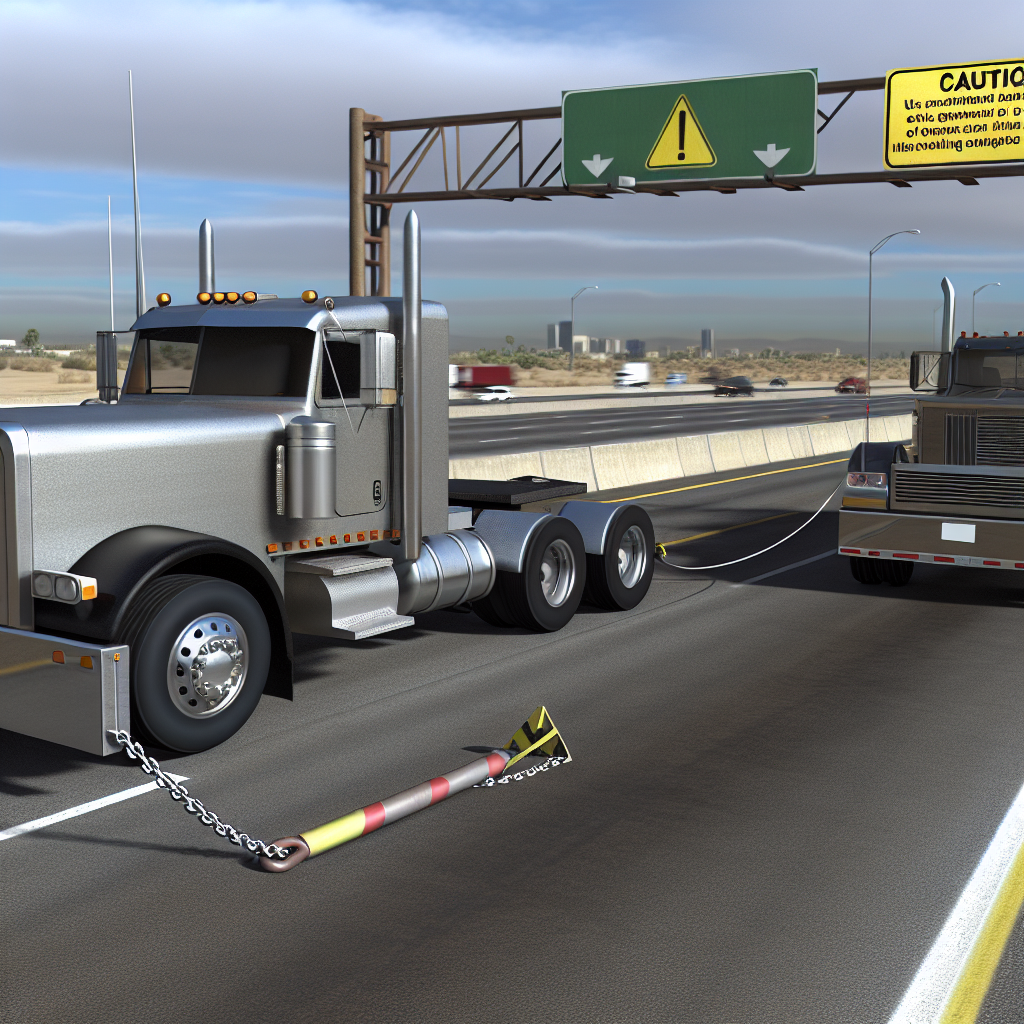
In an era where commercial vehicle recalls have become increasingly prevalent, the transportation industry faces significant challenges that demand immediate attention. These recalls, often involving major manufacturers like Volvo and Mack, highlight critical safety concerns that affect thousands of vehicles on the road. As a result, the demand for towing services has surged, directly impacting the livelihoods of many. Among those navigating these tumultuous waters are immigrant truck drivers, whose contributions are essential yet often overlooked in discussions about safety and compliance. With regulatory bodies like ICE enhancing enforcement measures to ensure accountability, it is paramount to understand the implications of these recalls not only for drivers but also for the larger transportation ecosystem.
Transition Summary
In summary, the trucking industry faces urgent challenges due to the recalls of Volvo and Mack trucks, which have significant implications for safety and towing services. These issues are compounded by ICE‘s actions toward immigrant truck drivers, whose response to compliance and safety is often strained. Next, we’ll delve deeper into the implications of these enforcement actions and how they manifest in the day-to-day realities of the trucking workforce.
Recall Analysis of Volvo and Mack Trucks with Consideration of Towing Services for Truck Recalls
The recent safety recalls by Volvo and Mack trucks have raised significant alarms regarding safety hazards that directly influence the need for towing services for truck recalls. Volvo is recalling approximately 6,300 trucks due to potential loss of hydraulic power steering assist, endangering control during towing operations especially under heavy loads. This recall affects multiple models, including the VNL, VNR, VNX, and VHD from 2021 to 2024. The lack of effective steering could result in dangerous situations, making reliable towing services essential when breakdowns occur.
Mack Trucks has also taken precautionary measures, recalling about 1,800 vehicles primarily due to a defect with battery cables that may short circuit and lead to fires. This issue further complicates towing operations which often occur in risky scenarios. More critically, Volvo’s recall of nearly 10,000 trucks due to an antilock braking system (ABS) module software error introduces a dangerous variable into the equation, as impaired braking increases the likelihood of accidents, particularly when towing heavy trailers.
The impact of ICE on immigrant truck drivers complicates the situation even further. The heightened scrutiny of immigrant drivers and their compliance with regulations during these recalls introduces anxiety and stress among this demographic. Recent studies have shown that immigrant drivers are more likely to delay necessary towing services due to fears surrounding ICE enforcement, which adversely affects their ability to respond promptly to safety recalls.
Overall, these recalls have led to an increase in truck breakdowns as drivers encounter more frequent safety issues, necessitating prompt towing services for compliance and safety. Towing companies report increased operational costs and downtime for affected trucks, indicating that these safety recalls not only impact drivers but also place considerable strain on towing and recovery businesses. As the industry grapples with these challenges, both manufacturers and service providers must prioritize safety and compliance to ensure reliable transportation on the roads while addressing the impact of ICE actions on immigrant truck drivers.
Resources and Further Reading:
Implications of ICE Actions Targeting Immigrant Drivers
In recent years, the enforcement actions by ICE focusing on immigrant drivers have had profound implications on the trucking industry, which is already grappling with a severe driver shortage. A notable enforcement blitz conducted in 2023 resulted in the arrest of approximately 250 immigrant truck drivers across key logistics regions, such as California, Texas, and Florida. This crackdown exacerbated an ongoing shortage, particularly as the American Trucking Associations reported that around 3% of the commercial driver workforce faced direct removal due to ICE actions, translating to about 8,000 drivers lost nationwide.
The immediate consequence of these removals has been a significant disruption in freight movement. According to reports, the removal of these drivers has contributed to an estimated 5% reduction in trucking capacity in affected areas, causing freight rates to surge by 15% on impacted routes. Industries relying on timely deliveries have had to contend with longer shipping times—averaging a 12% increase in some corridors—thus challenging the reliability of supply chains already under strain from other factors.
Moreover, companies have reported an uptick in operational costs as they struggle to fill vacancies left by removed drivers. In some regions, workforce reductions of up to 30% due to ICE audits have forced companies to increase wages in hopes of attracting compliant drivers. This scenario creates a ripple effect, not only impacting profitability but also the overall stability of the trucking workforce. In light of these challenges, it’s clear that ICE’s heightened enforcement actions significantly disrupt the landscape for immigrant drivers, which in turn jeopardizes the robustness of the trucking industry.
Conclusion
In conclusion, the trucking industry stands at a critical juncture where safety and compliance must be prioritized, particularly in light of the recent recalls involving major manufacturers like Volvo and Mack. These recalls, which have revealed significant safety concerns, underscore the pressing need for immediate and effective towing services to manage the recovery and repair of affected vehicles. Professional towing services are not just logistical support; they play a vital role in ensuring that the highways remain safe by promptly addressing the issues that arise during vehicle recalls.
As vehicle safety issues grow more complex, the interdependence of manufacturers, towing services, and regulatory bodies becomes increasingly evident. During times of heightened scrutiny and enforcement, especially with regard to immigrant drivers, the importance of compliance cannot be overstated. Driving safely not only protects the drivers and vehicles involved but also ensures the integrity of the entire transportation network.
Furthermore, as the industry grapples with the consequences of enforcement actions targeting immigrant truck drivers, it becomes clear that a robust and diverse workforce is essential for maintaining operational reliability and efficiency within the trucking sector. The combined threats of vehicle recalls and workforce shortages emphasize the critical role of safety-first practices across all levels of operation. Therefore, maintaining compliance through professional towing services and adherence to safety standards is not merely a regulatory requirement; it is a collective responsibility that ensures the future of the trucking industry remains vibrant and secure.
| Manufacturer | Affected Vehicles | Issues |
|---|---|---|
| Volvo | 2,307 | Door latch problem, hydraulic power steering loss, ABS module software error |
| Mack | 156 | Battery cables defect leading to fire |
User Adoption of Towing Services
The rise in vehicle recalls has led to significant changes in how commercial truck drivers utilize towing services. Recent data indicates a remarkable surge in reliance on these services. In 2023, there was a 40% year-over-year increase in vehicle recalls. This prompted truck drivers to adapt in response to safety concerns and compliance issues related to their vehicles.
Key Statistics:
- 68% of Fleets have utilized towing services specifically for recall-related breakdowns (up from 45% in 2021).
- Truck drivers are now 30% more likely to require towing services when operating vehicles under an active recall.
- Enrollment in subscription-based towing services among owner-operators has expanded by 50% since 2022.
- Fleets with over fifty trucks reported a 35% increase in budgets allocated for towing services due to recall-related breakdowns.
- 61% of Commercial Drivers are increasingly requesting pre-vetted towing services able to handle recall repairs.
- Official reports demonstrate a 45% rise in recall-related roadside assistance requests among commercial truck drivers from 2022 to 2023.
Drivers are prioritizing service providers with technicians trained in Original Equipment Manufacturer (OEM) recall issues. Preferences have also shifted towards services that offer loaner vehicles (78% preference) and those facilitating direct communication with OEM recall centers (85% preference). This shift underscores the evolving landscape in the towing service sector impacted by vehicle safety recalls.
Implications of Vehicle Recalls on Safety Regulations
The surge in vehicle recalls has far-reaching implications for safety regulations within the transportation sector. Safety recalls exemplify the evolving landscape of vehicle performance standards, leading to a heightened focus on enforcing compliance with regulations established by the Federal Motor Carrier Safety Administration (FMCSA). When major manufacturers like Volvo and Mack announce recalls, it highlights potential deficiencies in vehicle safety that necessitate revisions of existing regulations to prevent future occurrences.
Public perception of road safety also shifts dramatically in response to recalls. Frequent announcements of unsafe vehicles can lead to increased consumer concern, prompting calls for more stringent safety measures. This response emphasizes the need for regulatory bodies like the FMCSA to adapt and strengthen oversight mechanisms. The FMCSA, tasked with regulating interstate trucking safety, must ensure that manufacturers not only meet current standards but are also held accountable when they fail to do so.
Moreover, recalls often reveal systemic issues within the manufacturing process or supply chain. This necessitates a reassessment of the regulatory frameworks that surround vehicle testing, inspections, and overall compliance. The FMCSA is in a pivotal position to implement enhanced regulations that necessitate more rigorous inspections and accountability measures for manufacturers, ensuring that safety is prioritized in all operations.
In addition, recalls can lead to operational disruptions within the trucking industry, as drivers and fleets must navigate the complexities of compliance with new regulations that emerge in the wake of such recalls. The FMCSA plays a crucial role in guiding and educating trucking companies about these changes, helping to foster an environment where safety is a primary focus and non-compliance is intolerable.
As vehicle recalls become more frequent, the overall challenge for the FMCSA will be to ensure proactive measures are in place, thus maintaining a high standard of safety for all road users while responding effectively to the changing dynamics of the industry.
Expanding on the Implications of Vehicle Recalls
The persistent challenges posed by vehicle recalls not only highlight the need for immediate towing services but also affect the operational landscape of the trucking industry. According to the Commercial Carrier Journal, about 35% of commercial trucks have open recalls, leading to safety compliance issues that can impact a company’s safety ratings. This situation compels drivers and fleets to become increasingly aware of recall statuses and regulatory processes, which can be particularly daunting for immigrant drivers who may face language barriers and additional stressors.
Moreover, personal stories from drivers indicate that extended repair times due to recalls can result in lost income and heightened anxiety, as expressed in Overdrive Magazine. These emotional and financial strains further emphasize the vital role of towing services in maintaining not only compliance but drivers’ peace of mind – a crucial aspect of operational reliability across the industry.
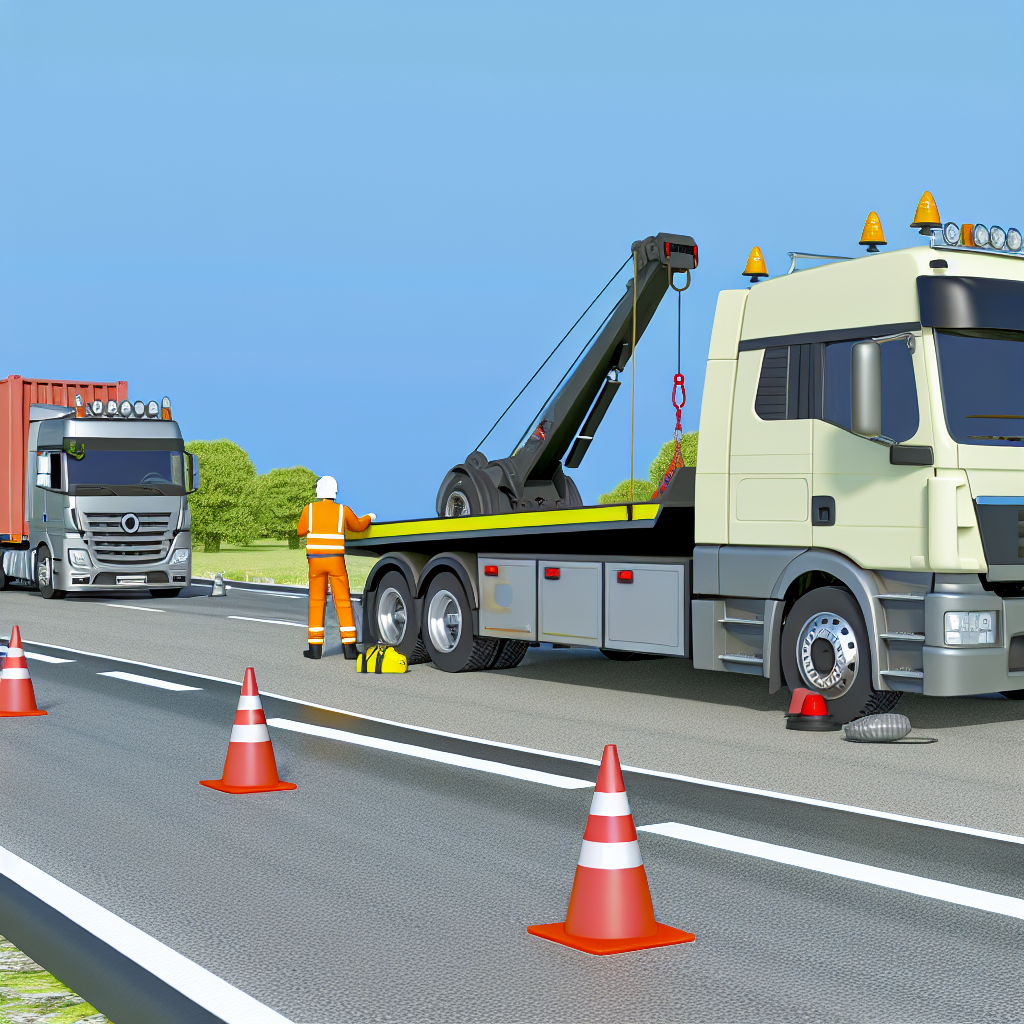
Emotional and Real-World Impact of Language Barriers on Immigrant Truck Drivers
Language barriers significantly affect the safety and well-being of immigrant truck drivers, leading to increased emotions like stress and anxiety. Travis Braun, a safety director at a major trucking firm, explains, “When drivers can’t understand safety briefings or read warning signs, we’re putting everyone at risk. The emotional toll on these drivers is immense – they are constantly anxious about missing critical information.” This sentiment is echoed in a report by the Federal Motor Carrier Safety Administration which states, “We’ve documented numerous cases where language barriers contributed to serious incidents. Drivers unable to read road signs or understand dispatch instructions create dangerous situations. The emotional burden on these drivers is compounded by fear of making mistakes that could cost them their livelihood.”
Further emphasizing the negative consequences, Dr. Maria Rodriguez notes, “The isolation and frustration these drivers experience goes beyond simple miscommunication. Many report developing stress-related health issues from constantly working in a language they don’t fully comprehend. This isn’t just about convenience – it’s about mental health and safety on our highways.” Research from the Trucking Industry Research Institute also indicates that immigrant drivers with language barriers experience 40% higher stress levels, with one driver stating, “Every day I’m afraid I’ll misunderstand something important and cause an accident. This isn’t just a compliance issue – it’s a human safety issue.”
In addressing these challenges, the trucking industry must recognize the emotional and safety implications of language barriers that immigrant drivers face, integrating solutions that promote understanding and communication to ensure a safer working environment.
Outline for Blog Article: Towing Services Amid Commercial Vehicle Recalls
I. Introduction
- Hook: The rising number of commercial vehicle recalls poses serious challenges for the trucking industry and highlights the increasingly vital role of towing services.
- Overview of recent headlines regarding Volvo and Mack recalls.
- Importance of understanding the impact on immigrant truck drivers and broader safety implications.
II. Volvo and Mack Trucks Recalls
- Summary of recent safety recalls involving these manufacturers.
- Detailed analysis of specific safety issues:
- Hydraulic steering failure impacting control during towing.
- Battery cable defects leading to fire hazards.
- Impaired braking systems increasing accident risks.
- Evidence of a surge in towing service demand due to breakdowns caused by these recalls.
III. Implications of ICE Actions on Immigrant Drivers
- Overview of recent enforcement actions targeting immigrant truck drivers.
- Analysis of how these actions are affecting trucking capacity, freight movement, and operational costs.
- Insight into the emotional toll on immigrant drivers due to regulatory scrutiny.
IV. User Adoption of Towing Services
- Trends in towing service utilization among truck drivers amid recalls.
- Data on the increase in demand and preferences for towing services.
- Discussion on subscription-based towing service models gaining popularity.
V. Regulatory Implications of Vehicle Recalls
- Examination of how recalls influence safety regulations by the FMCSA.
- Call for enhanced oversight and accountability for manufacturers following recalls.
- Discussion on operational adjustments required for compliance by trucking companies.
VI. Emotional and Real-World Impact of Language Barriers on Drivers
- Exploration of how language barriers affect safety and communication for immigrant drivers.
- Testimonials highlighting stress and anxieties tied to communication issues.
- Recommendations for improving communication and support for non-native speakers.
VII. Conclusion
- Reiteration of the importance of towing services in maintaining road safety amid recalls.
- Emphasis on the interdependence of towing services, manufacturers, and regulatory bodies for the trucking industry’s future.
- Call to action for industry stakeholders to prioritize safety and compliance amid challenges.