
In the bustling environment of island life, having the right tools for the job can make all the difference. For local auto repair shops, commercial fleet operators, and property managers, a tow hitch is not just an accessory; it is an essential vehicle enhancement. Whether navigating through narrow island roads or transporting heavy equipment and trailers for various services, a reliable tow hitch can significantly improve efficiency and safety. With the need for flexibility in towing capacities, investing in the right truck accessories is paramount to meeting the unique challenges of island logistics.
This article will guide you step-by-step on how to install a tow hitch on your truck, ensuring you’re equipped to handle any towing task with confidence. We will cover the specific benefits of having a tow hitch, share insights tailored to the island-centric community, and provide practical tips to make the installation process as smooth as possible. By understanding the importance of proper trailer towing, you can maximize the capabilities of your vehicle, enabling you to serve your customers better while enhancing your fleet’s utility. Let’s dive into the essentials of adding this vital component to your truck!
Tools and Materials Needed for Installing a Tow Hitch
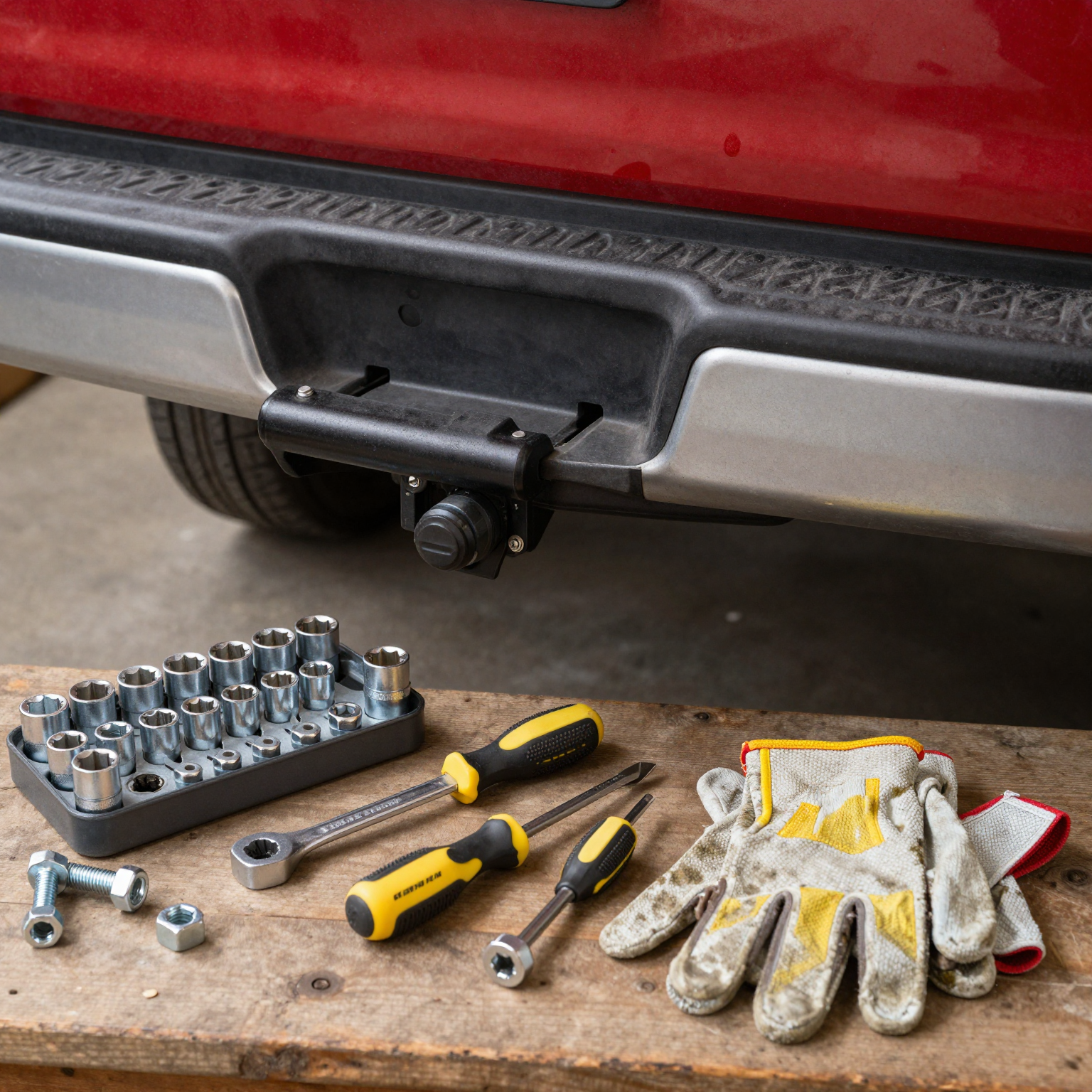
Installing a tow hitch on your truck can greatly enhance its utility, especially for local auto repair shops, property managers, and commercial fleet operators. Here’s a comprehensive list of the tools and materials you will need for this task:
Essential Tools
- Socket wrench set: For loosening and tightening bolts.
- Torque wrench: To ensure proper tightening of bolts to the manufacturer’s specifications.
- Wrench set: Various sizes to fit different fasteners.
- Screwdrivers: A mix of flathead and Phillips screwdrivers will be useful.
- Drill: If your hitch requires additional holes for installation, a drill may be needed.
- Jack stands: These will help secure the vehicle while you work underneath.
- Breaker bars: For additional leverage on stubborn bolts.
Safety Equipment
- Work gloves: To protect your hands during the installation.
- Safety glasses: To shield your eyes from debris while drilling or working.
For a detailed guide on safe towing practices, learn more here.
Are you considering installing a tow hitch on your truck but feeling a bit hesitant? It’s completely natural to have concerns about the process and its implications. Maybe you’re worried about the installation complexity or pricing-those are valid considerations. We want to assure you that you’re not alone. Many local auto repair shops and dealerships have successfully navigated this journey, ensuring a seamless experience. By equipping your vehicle with a tow hitch, you are enhancing its versatility and functionality, making it a reliable partner for both work and leisure activities. Take comfort in knowing that when you choose to install a tow hitch, you’re making a practical choice that can significantly benefit your operations. Let’s explore how to make this installation smooth and stress-free! learn more about emergency preparedness for island fleets discover essential fleet emergency response strategies
Safety Precautions for Installing a Tow Hitch
Installing a tow hitch requires careful consideration of safety to mitigate potential risks. Here are essential precautions to follow:
1. Wear Personal Protective Equipment (PPE)
- Always wear gloves and safety goggles while handling heavy components. This reduces the risk of injuries related to sharp edges or heavy lifting during installation.
2. Ensure Compatibility
- Before beginning the installation, verify that the tow hitch is compatible with both the vehicle and the trailer. Mismatches can lead to dangerous failures when towing.
3. Inspect Components Thoroughly
- Check the hitch, receiver, and wiring harness for any signs of damage or wear. A thorough inspection can prevent hardware failure while on the road, as highlighted by Mossy Nissan.
4. Maintenance and Lubrication
- Regularly lubricate moving parts and periodically inspect the hitch for wear and tear. Proper maintenance is crucial for the longevity and safety of the towing setup, as mentioned by Tow Universe.
By following these safety precautions, professional operators can significantly reduce the risks associated with tow hitch installation and ensure safe towing for their fleets.
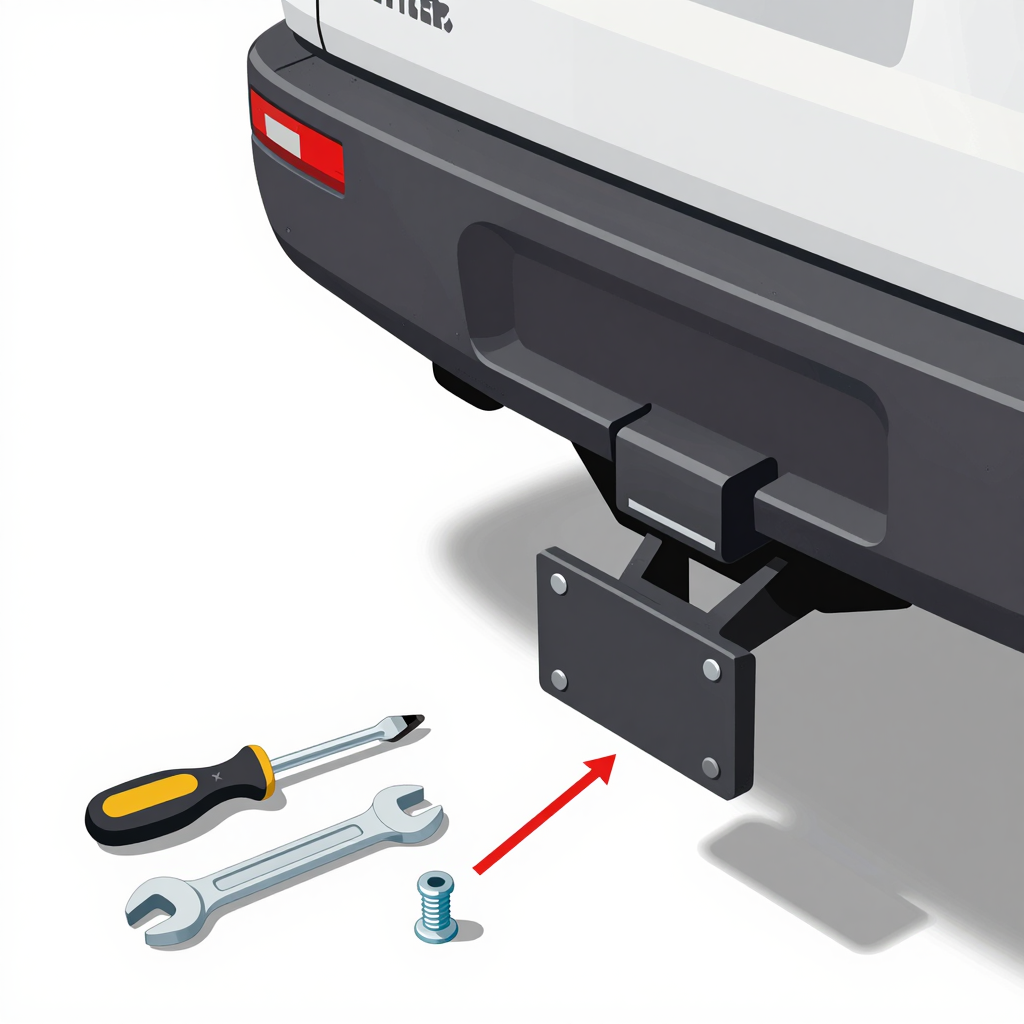
Step-by-Step Guide: How to Install a Tow Hitch on a Truck
Installing a tow hitch on your truck can empower you to transport trailers, boats, and other cargo safely. Follow this comprehensive guide to make the installation process as seamless as possible. Whether you’re a local auto repair shop, a car dealership, or a fleet operator, this guide will help ensure that you successfully manage this installation.
Required Tools and Materials
Before starting, gather the following tools:
- Wrench Set
- Socket Set
- Drill (if necessary)
- Torque Wrench
- Safety Glasses and Gloves
- Jack and Jack Stands
Step 1: Choose the Right Tow Hitch
Select a hitch that matches your truck’s specifications and towing needs. Common types include:
- Receiver Hitches: Versatile and widely used.
- Weight Distribution Hitches: Enhance towing balance.
- 5th-Wheel Hitches: Ideal for heavier loads, like RVs.
- Gooseneck Hitches: Common in agricultural settings.
- Pintle Hitches: Suitable for heavy-duty applications.
For more details on hitch types, check out this resource.
Step 2: Prepare for Installation
- Locate the Installation Area: Find a flat, stable surface to work on.
- Lift the Truck: Use the jack and jack stands to lift your truck securely.
- Clear the Area: Remove any debris or obstacles near the hitch installation area.
Step 3: Position the Hitch
- Align the Hitch: Place the hitch against the rear of your truck, ensuring it aligns with the proper mounting points.
- Mark the Holes: If drilling is necessary, mark the drilling points for accurate placement.
Step 4: Attach the Hitch
- Drill Holes (if needed): If your truck doesn’t have pre-drilled holes, you may need to drill into the frame. Wear safety glasses to protect your eyes.
- Secure the Hitch: Use the bolts and the wrench set to secure the hitch firmly to your truck. Ensure all bolts are tightened adequately but avoid overtightening.
- Check Alignment: Verify that the hitch is level and straight.
Step 5: Wiring (if applicable)
- Connect Electrical Wires: If your tow hitch includes lights, connect the wiring as per the manufacturer’s instructions. Ensure all connections are secure.
Step 6: Final Checks
- Torque Specifications: Use the torque wrench to tighten all bolts according to the torque specifications provided by the hitch manufacturer.
- Safety Inspection: After installation, perform a safety inspection to ensure that everything is secure and functioning properly.
Step 7: Test the Hitch
- Attach a Trailer: Test the hitch by attaching a trailer or load to ensure performance.
- Drive Test: Take a short drive to check for any instability or noise.
Conclusion
Successfully installing a tow hitch enhances your truck’s functionality and allows for efficient transportation. For more insights into towing practices, explore this guide on towing safety.
Take time to follow each step carefully and consult a professional if unsure about any aspect of the installation. Enjoy towing with confidence!
This guide reflects a careful approach to installing a tow hitch with a focus on safety and efficiency, tailored to meet the needs of island-centric commercial operators and vehicle specialists.
Tow Hitch Comparison Table
Here’s a comparison of various tow hitch models typically available in 2023:
| Hitch Model | Weight Capacity (lbs) | Price Range ($) | Truck Compatibility |
|---|---|---|---|
| Class I Hitch | Up to 2,000 | 100 – 200 | Compact trucks, small SUVs |
| Class II Hitch | Up to 3,500 | 150 – 250 | Mid-size trucks, crossovers |
| Class III Hitch | Up to 5,000 | 200 – 350 | Full-size trucks, vans |
| Class IV Hitch | Up to 10,000 | 300 – 600 | Heavy-duty trucks, SUVs |
| Fifth Wheel Hitch | Up to 20,000 | 500 – 1,000 | Compatible with specific truck models |
| Gooseneck Hitch | Up to 30,000 | 400 – 1,200 | Large pickups, commercial trucks |
Notes:
- Weight Capacity: This varies depending on the hitch model and the vehicle’s capabilities.
- Price Range: Prices may vary based on brand, features, and installation costs.
- Truck Compatibility: Ensure the hitch is matched to the specific truck model for safe towing practices.
For more information on towing practices, check out this essential fleet emergency response strategies guide.
This table provides an overview to aid in decision-making for tow hitch options tailored to various applications. If further specific data becomes available, the table can be updated accordingly.
“Investing in a reliable tow hitch is not just about transportation; it’s about safety and peace of mind. A strong hitch ensures stability and reduces the risk of accidents, making every journey more secure.”
- Towing Safety Expert, Dewey’s Service


Hitch Installation Timeline
The chart above showcases the expected installation times for tow hitches depending on the truck model and complexity involved. Here’s a breakdown:
| Installation Type | Expected Time | Notes |
|---|---|---|
| Basic Hitch Installation (Simple models) | 30 minutes | Typically applies to light-duty trucks with straightforward mounting points and minimal modifications. |
| Moderate Hitch Installation (Mid-range models) | 1 hour | Involves more complex routing of wiring and bracket alignment; common in mid-sized pickup trucks. |
| Complex Hitch Installation (Heavy-duty models) | 2 hours | Requires significant access to frame rails, custom brackets, or electrical integration; typical for large trucks. |
| Professional Installation (All models) | 1-2 hours | Performed by certified technicians using specialized tools; time may vary based on vehicle model and hitch type. |
| DIY Installation Time (Average) | 1-3 hours | Average range for home installers; actual time depends on experience, tools, and vehicle complexity. |
This timeline helps set expectations for both DIY enthusiasts and those considering professional installation.
Conclusion: Choose Summit Fairings for Your Towing Needs
When it comes to selecting the right tow hitch for your truck, having reliable and high-quality options is essential. At Summit Fairings, we pride ourselves on providing premium, custom-fit towing solutions specifically designed to meet your unique needs. Our products not only enhance performance but also ensure safety and ease of use during towing operations.
Why Choose Us?
- Custom-Fit Options: Each fairing is tailored for a perfect fit, minimizing resistance and maximizing aerodynamic efficiency.
- Robust Benefits: Enhance your vehicle’s towing capacity, improve fuel efficiency, and ensure that your loads are secure with our top-tier solutions.
- Competitive Pricing: We offer premium products at prices you can afford, so you never have to compromise on quality.
Don’t settle for less! If you are a local auto repair shop, car dealership, or a commercial fleet operator, consider partnering with Summit Fairings to fulfill your towing needs. Learn more about our diverse offerings and how we can help enhance your operations. Contact us today to discuss how we can assist you in achieving optimal towing performance, all while remaining budget-friendly!