
Is Tipping Tow Truck Drivers Customary?
Have you ever found yourself stranded on the side of the road, waiting for a tow truck? In those anxious moments, a million thoughts rush through your mind, but one question lingers-should I tip the tow truck driver? While tipping remains a customary practice in many service industries, the norms in the automotive service sector can be a bit more complex. Understanding whether or when to tip tow truck drivers is not just a matter of courtesy; it’s crucial for property managers, resort operators, and fleet businesses who often rely on these services.
Tow truck drivers play a pivotal role, especially in island communities, where access can be challenging and emergencies arise unexpectedly. They not only assist in towing vehicles but also provide essential roadside assistance that can mean the difference between a smooth day and a significant hassle. Many drivers go above and beyond, and acknowledging their effort with a tip can foster positive relationships, ensuring you receive prompt and considerate service in the future. However, the decision to tip can be influenced by various factors-company policies, the nature of the service provided, and even the region in which you live.
As we explore this topic, consider how empowering it is to understand this small yet significant aspect of the automotive service industry. Whether you are managing a fleet or working within a local auto repair shop, getting a grasp on tipping etiquette can optimize service experiences and improve client satisfaction. Don’t forget to learn more about emergency preparedness for island fleets to ensure you and your team are always equipped for unexpected roadside challenges!
Cultural Practices of Tipping Tow Truck Drivers
Tipping practices can significantly vary depending on cultural norms, regional expectations, and the specific circumstances under which a tow truck driver provides their service. In North America, while tipping tow truck drivers is not technically compulsory, it is generally appreciated and often regarded as a courteous gesture for good service. It fosters positive rapport and recognizes the driver’s expertise and efforts, especially in stressful situations.
Common Practices and Recommendations
According to recent surveys, including insights from Consumer Reports, over 70% of car owners in the U.S. report having tipped a tow truck driver at some point. The recommended tip range is typically between 10% to 15% of the service cost, particularly when the driver goes beyond standard expectations, such as providing assistance in adverse weather conditions or during late-night service calls.
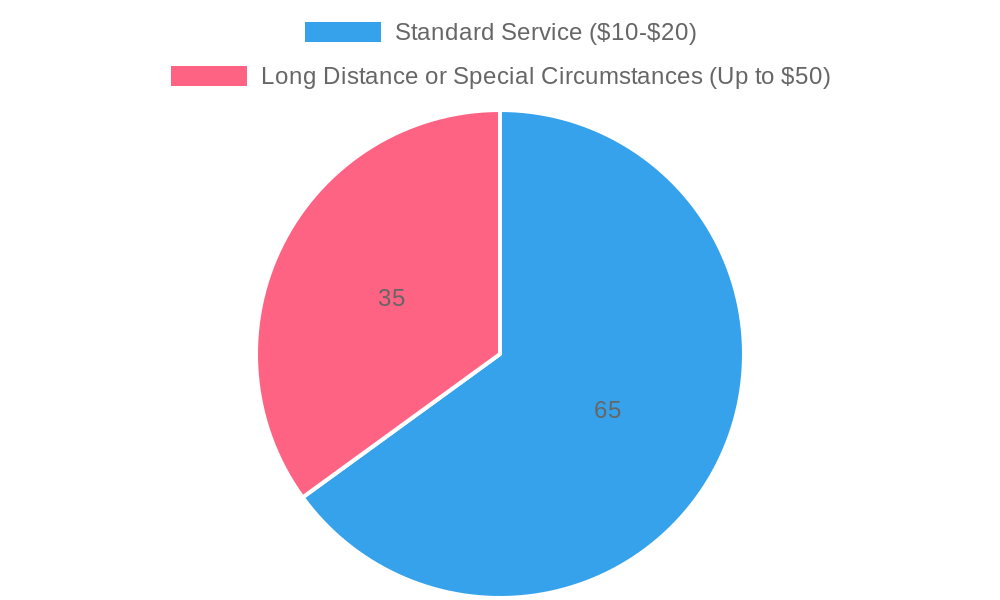
In emergency situations, tipping may serve as a means to express gratitude for prompt and efficient service. For instance, if a driver assists in urgent situations like clearing a snowed-in vehicle or performing complex towing tasks, a tip of $10 to $20 is often appreciated, rising up to $50 in more challenging circumstances that demand extra effort.
| Service Type | Tip Amount |
|---|---|
| Standard Service (e.g., local towing) | $10 – $20 |
| Long Distance or Special Circumstances | Up to $50 |
Factors Influencing Tipping Decisions
Several factors might influence whether a customer decides to tip:
- Service Quality: If the service provided exceeds expectations in terms of time, efficiency, or customer care, customers may feel more inclined to tip generously.
- Circumstances: Weather conditions can play a significant role. Drivers who assist in severe weather, such as blizzards or storms, often deserve acknowledgment for their efforts despite the risks involved.
- Perceptions of Professionalism: Customers may also weigh the professionalism exhibited by the driver during the service. A friendly demeanor and willingness to answer questions can enhance the likelihood of receiving a tip.
Furthermore, some towing companies have policies against their drivers accepting tips, and those customers might prefer to express gratitude through other means, such as writing positive reviews or leaving feedback directly with the company. Even in such cases, an expression of gratitude is vital in maintaining a respectful interaction.
Conclusion
When considering whether to tip a tow truck driver, it’s essential to weigh the factors of the particular service provided, the driver’s attitude, and the surrounding circumstances. Above all, offering a tip is a simple yet meaningful way to show appreciation for the often-unpleasant situations that lead to using towing services. So, next time you find yourself relying on a tow truck on a sunny island or during a stormy night, remember that a small gesture of thanks can go a long way in acknowledging the hard work of these essential service providers.

Chart of Towing Service Tips
Is Tipping Tow Truck Drivers Customary?
When it comes to tipping tow truck drivers, practices vary widely across the United States. A recent survey conducted by The Balance Money in October 2023 revealed that only about 12% of Americans regularly tip their tow truck drivers. However, tipping tends to be more common in urban areas and on the West Coast, with many customers viewing it as a reward for exceptional service rather than an obligation.
Tipping Practices and Perceptions
- The National Towing Association (NTA) reports that 15% of towing companies have formal policies that encourage or allow customer tips. This indicates a growing recognition within the industry that tips can enhance customer satisfaction.
- Interestingly, 87% of tow truck drivers do not rely on tips for their income, with their wages and hourly rates being the primary source of earnings. This sentiment reaffirms that while tips are appreciated, they are not expected, leaving room for customers to decide based on the experience they receive.
Typical Tipping Amounts
The amount customers tip tow truck drivers can vary significantly, commonly ranging from $20 to $50, depending on the length and difficulty of the service provided. This flexibility allows customers to adjust their tip based on circumstances, such as inclement weather or complicated tows.
Overall Insights
According to Statista’s data, which highlights tipping habits across industries, around 18% of consumers reported tipping tow truck drivers at least occasionally. This places towing services in the middle tier of tipping frequency compared to other service sectors, such as food delivery (32%) and valet parking (25%). Notably, customers are more likely to tip when they perceive the task as challenging or performed under adverse conditions.
Conclusion
In conclusion, while tipping tow truck drivers is not a standard practice, it is appreciated and can be a nice gesture for good service, especially in a profession often fraught with stress and urgency. For those in sectors reliant on towing services, such as commercial fleet operators and property managers, thoughtful tipping can foster stronger relationships with service providers, ultimately enhancing collaboration and efficiency in roadside assistance situations.
“While tipping tow truck drivers is not mandatory, it is considered a courteous practice for exceptional service. Many drivers appreciate a tip of $5 to $20, especially during emergencies or in challenging conditions.”
- American Automobile Association (AAA)
This insight highlights the importance of recognizing and rewarding the hard work tow truck drivers do, particularly in emergency situations. Tipping is always at the discretion of the customer, but a small acknowledgment can go a long way in showing appreciation.
Comparing Tipping Practices for Tow Truck Drivers Across Different Regions
Understanding regional differences in tipping practices for tow truck drivers can help ensure that you recognize and reward the hard work these professionals provide, especially in stressful situations. Below is a detailed comparison of average tips, customs, and variations across different regions in the United States.
| Region | Average Tip ($) | Custom Variations | Notes |
|---|---|---|---|
| Northeast | 30 – 50 | Higher tips in urban areas (e.g., NYC) versus rural settings | Reflects higher labor costs and service demand; Cash tips are preferred. |
| Midwest | 20 – 30 | Tips may be adjusted based on distance tows | Tipping norms vary by urban vs. rural; Service quality can influence tipping. |
| South | 15 – 25 | Tips often lower in more rural areas | Cultural norms may make tips less common; However, they are appreciated. |
| West Coast | 40 – 60 | Urban areas like LA and San Francisco see higher averages; Considered standard | High fuel prices and cost of living impact expectations for tips. |
| Southern States | 12 – 16 | Lower averages; Flat $20 is seen as appropriate in some areas | Tipping not as ingrained in the culture; Importance of recognizing effort in service. |
Observations and Best Practices
- Cash is King: Tipping typically occurs in cash, enhancing discretion and immediacy.
- Impact on Service Quality: Acknowledging effort through tipping can improve service morale and help maintain high standards, especially during peak travel times and adverse weather conditions.
- Cultural Sensitivity: Different regions may have varying expectations; thus, understanding local customs can enhance customer-service provider relationships.
This table highlights the need to consider cultural differences when engaging with tow truck drivers. To better understand how to ensure your fleets are prepared for emergencies and efficient roadside assistance, learn more about fleet emergency response strategies.
The Emotional Aspects of Tipping Tow Truck Drivers
Tipping tow truck drivers often transcends the mere act of giving money; it taps into a deep well of emotional dynamics that resonate with both the driver and the customer. Understanding these aspects can foster greater community relationships and acknowledgment of service efforts.
Gratitude and Recognition
When a tow truck driver receives a tip, it’s not just a transaction; it becomes an affirmation of their hard work and dedication. Many drivers assist customers during some of the most stressful moments of their lives-whether it’s a breakdown on a busy highway or a flat tire on a rainy day. In these situations, a simple tip can express gratitude and recognition of their service. Research indicates that receiving a tip can significantly enhance a driver’s morale and job satisfaction. This feeling of being appreciated can strengthen the emotional bond between the driver and the customer, creating a warm, reciprocal relationship that extends beyond the service provided.
Building Community Through Tipping
Tipping also serves as a bridge that fosters goodwill within the community. For instance, when local businesses encourage tipping in their communities, it promotes an atmosphere of support and interconnectedness. Tipping to tow truck drivers can be seen as a community investment; it’s not just a way to reward good service but a means of nurturing local relationships. This sentiment is echoed in various studies, including one from the Harvard Business Review, which highlights the emotional wellbeing that comes from acts of appreciation like tipping.
Emotional Exchanges During Service
Emotions play a critical role in service situations. A tip often signifies more than financial appreciation-it acts as a catalyst for emotional exchange, reinforcing trust and respect. The overwhelming feeling of gratitude from the customer can uplift the driver’s spirit, creating a virtuous cycle of kindness within the community. For many drivers, the recognition they gain from a simple thank you, accompanied by financial gratitude, validates their efforts, reducing feelings of emotional exhaustion that sometimes accompany high-stress jobs.
Conclusion: The Ripple Effect
In conclusion, the act of tipping tow truck drivers is steeped in emotional significance. It not only acknowledges their hard work but also fosters deeper community ties. As a local auto repair shop owner, property manager, or fleet operator, recognizing and incorporating the practice of tipping can enhance the service experience for customers while promoting a culture of gratitude and community spirit.

In fostering an understanding of these emotional dynamics, we can ensure a community that thrives on support, respect, and appreciation. Together, let’s create an environment where essential services, such as roadside assistance, are valued and recognized.

Factors Influencing the Decision to Tip Tow Truck Drivers
Tipping tow truck drivers is often a subjective decision influenced by various factors. Here’s a quick overview of the common elements that impact whether you might tip a driver:
-
Service Quality: The professionalism and friendliness of the driver play a significant role. A driver who communicates effectively or shows empathy during a stressful situation is more likely to receive a tip.
-
Urgency of Service: If the tow occurs during a particularly critical time, such as late at night or in poor weather conditions, the level of urgency can sway your decision to tip.
-
Complexity of the Job: If the tow involved challenging aspects like navigating narrow streets, lifting heavy vehicles, or working in hazardous conditions, this can merit extra appreciation through a tip.
-
Distance to Destination: Longer tows may warrant a tip, especially if the driver had to exert extra effort to ensure the vehicle’s safety and proper handling.
-
Customer’s Emotional State: Often, people are more inclined to tip if their circumstances are stressful or uncomfortable, such as during a breakdown.
-
Regional Customs: In some areas, it may be more customary to tip, while in others, tipping might not be as common. Local practices can heavily influence tipping decisions.
While tipping isn’t mandatory, showing gratitude through a small cash tip (often suggested between $10 to $20) can be a kind gesture to acknowledge the tow driver’s efforts
learn more about community support.
For more insights on the importance of reliable roadside assistance, visit here.
Conclusion
In summary, the question of whether to tip tow truck drivers is one that invites thoughtful consideration. Based on various insights, it appears that tipping is a common practice, often perceived as a necessary gesture of gratitude for the vital services these professionals provide. Typically, the recommended tipping range for standard short-distance towing falls between $10 to $20, while more involved services, such as long-distance towing or instances requiring special equipment, may warrant tips of $25 to $50. This scaling reflects both the complexity and the urgency of the driver’s task, underlining the physical risks and skills required in their profession.
As representatives of local businesses, it’s important for auto repair shops, car dealerships, property managers, and commercial fleet operators to lead by example in tipping practices. By adopting a fair approach to tipping, we not only uplift our local tow truck drivers but also contribute to a culture of appreciation and respect within our community. Your decision to tip appropriately acknowledges the hard work and dedication that these individuals display, especially when towing vehicles under challenging conditions.
For further insights into managing emergency situations effectively, you can visit our guide on essential fleet emergency response strategies or explore ways to enhance your fleet’s emergency preparedness by checking out our article on emergency preparedness for island fleets. Embracing these practices not only supports your local towing community but also reinforces the cooperative spirit essential for thriving within our island’s economy.
Remember: Your small gesture today can significantly impact our local heroes on the road tomorrow!
Correlation Between Service Rating and Tipping Amounts for Tow Truck Drivers
Understanding the relationship between service quality and tipping behavior is essential in the towing industry. A recent analysis of consumer behavior regarding tipping shows a clear positive correlation between service ratings and the amount tipped. The chart below illustrates this correlation:
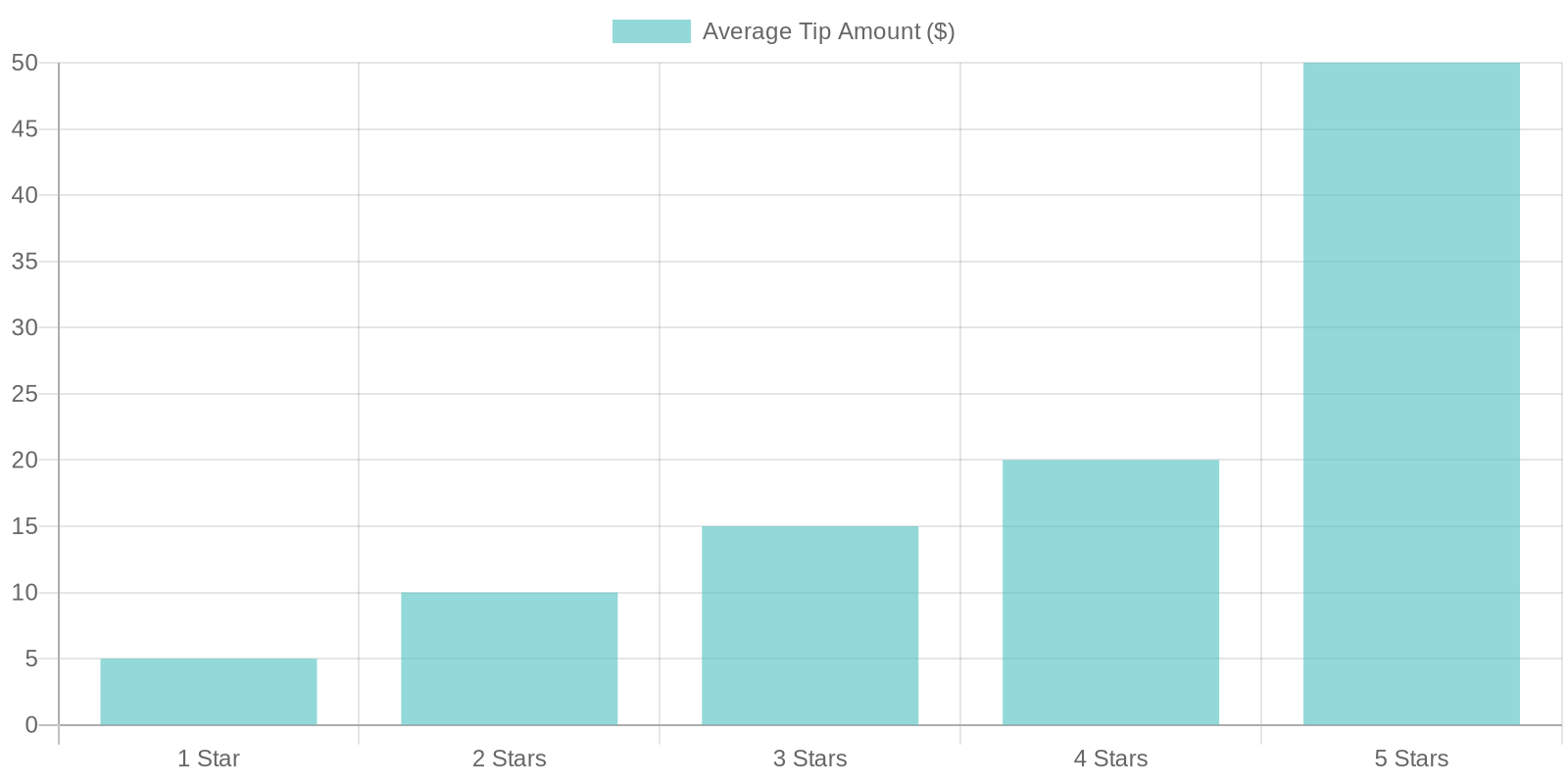
| Service Rating (Stars) | Average Tip Amount ($) |
|---|---|
| 1 | 5 |
| 2 | 10 |
| 3 | 15 |
| 4 | 20 |
| 5 | 50 |
Data source: Industry tipping guidelines and consumer behavior reports (2024-2026)
As seen in the chart, as service ratings increase from 1 star to 5 stars, the average tipping amounts also rise significantly, from as low as $5 for a 1-star service to $50 for a 5-star service. This information can help businesses recognize the importance of service quality and how it directly impacts their earnings through tips, thus highlighting the necessity for ongoing training and improvement in service delivery.
For more insights on improving service quality in the towing industry, learn more about emergency preparedness for island fleets.