Introduction to Tow Trucks as Emergency Vehicles
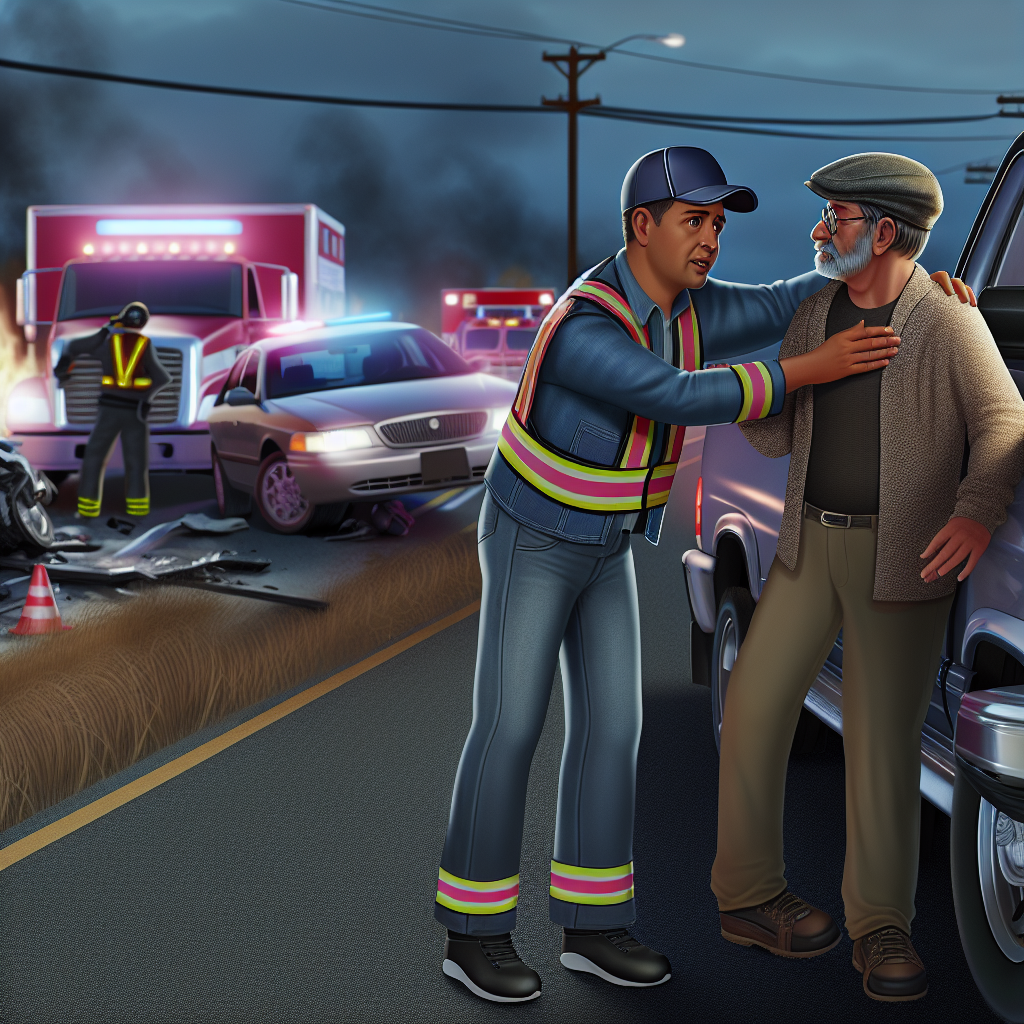
When disaster strikes on the roads, tow trucks become our unsung heroes, serving as a lifeline for stranded motorists and facilitating crucial vehicle recovery. These vital emergency vehicles not only assist in removing broken-down cars but also play a pivotal role in maintaining safety and order on our busy streets. For auto repair shops and commercial fleet operators, having a reliable tow truck at their disposal is not just a matter of convenience; it’s essential for ensuring operational efficiency and aiding their customers in distress. The empathy shown by tow truck operators in these moments can turn a stressful situation into a manageable one, helping to restore confidence on the road. Learn more about essential fleet emergency response strategies to enhance your service offerings and keep our community safe.
Legal Definition of Emergency Vehicles
Understanding the legal definition of emergency vehicles is critical for auto repair shops, car dealerships, property managers, resort operators, and commercial fleet operators. According to the National Highway Traffic Safety Administration (NHTSA), emergency vehicles are specifically designated for law enforcement, fire services, and emergency medical services. These vehicles, such as police cars, fire trucks, and ambulances, are equipped with lights and sirens that grant them priority access on the road. Drivers are legally required to yield when these vehicles are in operation, ensuring they can respond to emergencies without delay.
Tow Trucks as Emergency Vehicles
Although tow trucks serve a crucial role in roadside assistance and emergency response, they do not fall under the same category as traditional emergency vehicles like fire trucks or ambulances. As defined by the Federal Motor Carrier Safety Administration (FMCSA), tow trucks are classified as commercial vehicles. While they provide essential services, such as clearing roadways and responding to vehicular accidents, they are only granted temporary passage rights when actively performing these duties. During such operations, tow trucks must activate their warning lights but are generally considered lower priority compared to actual emergency vehicles.
Variations in Local Regulation
Local regulations can significantly vary, with some areas adopting more lenient definitions of what constitutes an emergency vehicle. For example, certain jurisdictions may allow tow trucks to be classified as emergency vehicles under specific circumstances, particularly during hazardous situations on busy roadways.
To stay compliant, it’s crucial for operators and fleet managers to be aware of local laws, as confusion can lead to legal implications. Understanding these definitions and their operational realities will help businesses navigate the complexities that arise when handling roadside emergencies effectively.
Moreover, if you’d like to dive deeper, consider exploring emergency preparedness for island fleets or learn more about essential fleet emergency response strategies.
| Tow Truck Type | Description & Uses |
|---|---|
| Flatbed | Ideal for transporting vehicles without risk of further damage. Used for all types, including accidents. |
| Wheel-Lift | Quick and effective for standard vehicles; best for lighter loads. Suited for urban environments. |
| Hook and Chain | Traditionally used, but less common now; best for wrecked or abandoned vehicles. |
| Rotator | Equipped with a rotating boom; ideal for heavy-duty recoveries involving complex situations. |
| Integrated Tow Truck | Combines features of different types; suitable for multi-vehicle incidents and emergency responses. |
This table categorizes tow truck types and their uses in emergency situations, helping auto repair shops and fleet operators determine which type best suits their needs. For further insights on emergency preparedness for fleets, you can learn more here and explore essential strategies for fleet emergency response here.
The Role of Tow Trucks in Island Safety
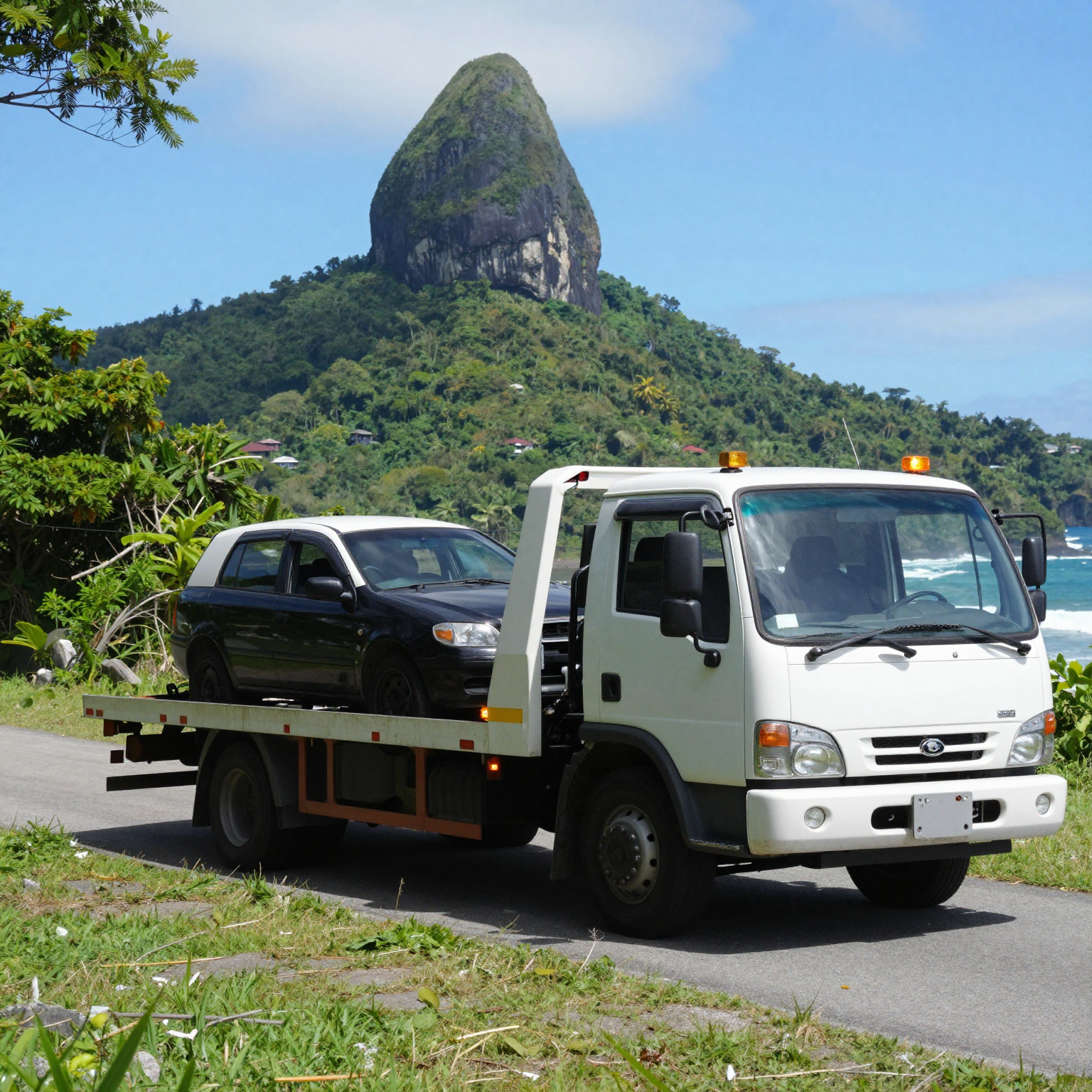
In island environments, the geography poses significant challenges for emergency response, making the role of tow trucks even more crucial. Property managers and resort operators, who are often tasked with ensuring the safety and satisfaction of guests, can face unique obstacles when handling emergencies. Here’s an empathetic look at how tow trucks support safety in these challenging conditions.
Unique Challenges Faced
Islands are often characterized by limited access routes, which can complicate mobility during emergencies. The winding roads, narrow paths, and sometimes unpredictable weather can lead to situations where vehicles become stranded or accidents occur. In these scenarios, tow trucks act as lifelines, providing vital services such as:
- Emergency Recovery: Quickly retrieving vehicles that are stuck or damaged due to road conditions or accidents.
- Transporting Equipment: Moving essential supplies and repair tools to the site of incidents, which is critical in remote areas where resources are scarce.
- Facilitating Evacuations: Offering immediate transport for guests or residents needing to evacuate due to natural disasters, ensuring their safety and well-being.
Importance of Tow Trucks in Island Safety
The rapid response capabilities of tow trucks are essential for mitigating risks and ensuring safety on islands. Given that traditional emergency services may face delays due to geographical constraints, having a reliable towing service can mean the difference between life and death. Furthermore, it is imperative for property managers and resort operators to have established relationships with local towing companies, as this collaboration can lead to more effective emergency preparation. For instance, developing emergency preparedness strategies for island fleets helps streamline operations in times of crisis.
Additionally, modern tow trucks are often equipped with advanced technology, enabling them to navigate challenging terrains and provide faster service. Operators focusing on essential fleet emergency response strategies can enhance their operational readiness, ensuring that when an emergency strikes, the appropriate support is on its way without unnecessary delay.
In conclusion, for property managers and resort operators on islands, acknowledging the role of tow trucks is vital. These vehicles not only help clear the way during crises but also provide peace of mind to all who depend on their services, reinforcing the safety infrastructure critical for island life.
Common Misconceptions about Tow Trucks as Emergency Vehicles
When it comes to understanding the role of tow trucks, several misconceptions often persist, particularly regarding their classification and operational status during emergencies.
Misconception 1: Tow Trucks Are Not Emergency Vehicles
One prevalent myth is that tow trucks do not belong to the category of emergency vehicles. However, organizations like the National Highway Traffic Safety Administration (NHTSA) assert that tow trucks are integral parts of the emergency response network. They assist in clearing roadways after accidents and are equipped to support law enforcement during traffic management.
Misconception 2: Their Role is Limited to Mechanical Failures
Many believe that tow trucks primarily deal with broken-down vehicles. In reality, they play a vital role beyond that. During emergencies such as traffic accidents, natural disasters, and hazardous material spills, tow trucks facilitate quicker response times by removing wrecked vehicles and safely managing accident scenes. This capability is emphasized by sources, including the AAA Foundation for Traffic Safety, which highlights that tow trucks are often involved in complex extrications and work closely with first responders for effective scene management.
Misconception 3: Tow Truck Operators Lack Specialized Training
Some people assume that driving a tow truck requires little more than operational know-how. Contrary to this belief, tow truck operators undergo specialized training akin to emergency professionals, preparing them to handle a variety of roadside emergencies. Equipped with tools such as hydraulic lifts and winches, these professionals are crucial in ensuring public safety, preventing secondary accidents, and restoring normal traffic flow quickly.
By debunking these misconceptions, we can better appreciate the essential service that tow trucks provide in our communities.
Response Times of Tow Trucks vs. Emergency Vehicles
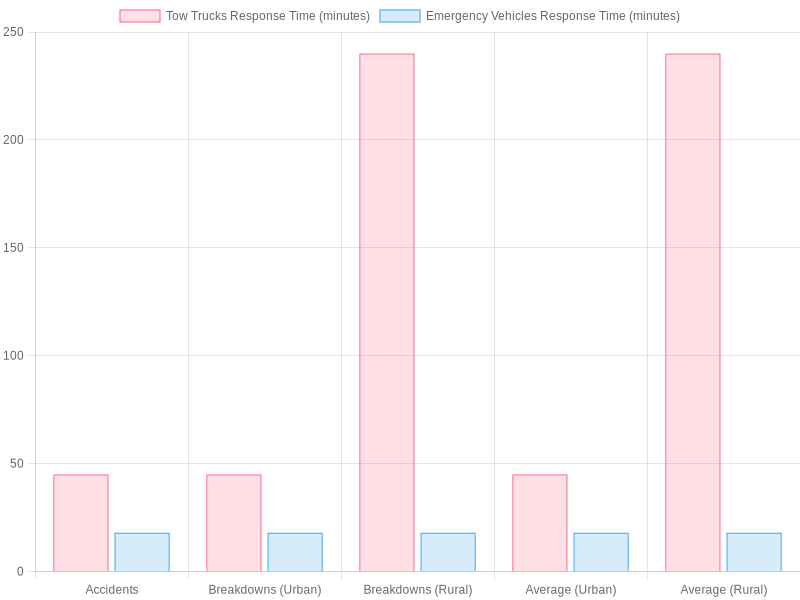
In emergencies, response times can be critical. Below is a chart comparing the average response times of tow trucks to those of traditional emergency vehicles in different situations:
| Situation | Tow Trucks Response Time | Emergency Vehicles Response Time |
|---|---|---|
| Accidents | 30 to 60 minutes | Target: 18 minutes |
| Breakdowns (Urban) | 45 minutes (metropolitan) | Target: 18 minutes |
| Breakdowns (Rural) | 2 to 4 hours | Target: 18 minutes |
| Average (Urban) | 30 to 60 minutes | 76% meet 18-minute target |
| Average (Rural) | 2 to 4 hours | 76% meet 18-minute target |
As evidenced by the data, while tow trucks are essential during breakdowns, their response times can be significantly longer than those of emergency vehicles like ambulances, which are bound by strict protocols and targets for quick response. This highlights the importance of having tow services tailored for various situations, especially in rural and remote areas where the wait can be longer due to logistical challenges.
For those interested in enhancing fleet emergency response strategies, learn more about essential fleet emergency response strategies and how to prepare your island fleets for emergencies.
Best Practices for Working with Tow Trucks
When engaging tow truck services, local businesses can greatly benefit from following these best practices to ensure safety, clear communication, and adherence to legal standards:
- Verify Legitimacy: Always confirm that the tow truck service is licensed and insured. This helps protect your business from potential liabilities. Learn more about essential fleet emergency response strategies.
- Establish Clear Contracts: Create detailed service agreements that outline responsibilities, costs, and procedures. This reduces misunderstandings and provides a legal framework for both parties.
- Prioritize Communication: Utilize two-way radios or communication devices for real-time contact between drivers, dispatchers, and other personnel. Proper communication may significantly lower the risk of accidents during operations. Explore OSHA guidelines for safety practices.
- Safety Training: Ensure tow truck drivers and operational personnel undergo safety training and are familiar with best practices for roadside assistance. Training should include communication protocols with law enforcement and light signaling for clear instructions.
- Monitor Vehicle Movement: Implement GPS tracking for real-time monitoring of tow truck locations. This enhances dispatch efficiency and allows for better resource management.
- Maintain Records: Keep detailed logs of all towing incidents and communications. This helps in audits and can be a crucial record in case of disputes or legal issues.
- Adhere to Local Regulations: Stay informed about municipal towing laws and ensure compliance, including any specific requirements for commercial properties to avoid fines or penalties.
These practices not only ensure operational efficiency but also foster a strong relationship with towing service providers, thereby enhancing overall service quality for your business.
Conclusion
In summary, tow trucks are more than just vehicles for transporting disabled cars; they hold a critical role as emergency vehicles crucial for maintaining safety and efficiency on our roads. As first responders in automotive emergencies, they are equipped with powerful tools and technology necessary for effective recovery operations. The presence of tow trucks minimizes the risk of secondary accidents by swiftly removing vehicles from roadways, thus enhancing the flow of traffic and alleviating congestion. A report by the National Highway Traffic Safety Administration highlights that tow trucks significantly reduce exposure time for other drivers, contributing to a safer driving environment.
For local businesses such as car dealerships and auto repair shops, integrating reliable tow services can vastly improve operational efficiency and customer satisfaction. According to a survey referenced by Forbes Business Journal, 78% of automotive businesses that employ tow services report enhanced customer retention rates.
In light of these insights, we encourage you to consider the critical role of Summit Fairings in your towing operations. Not only can we support your vehicle management and emergency response strategies, but we also provide the tools necessary for efficient and safe towing on the islands. Let’s work together to enhance our community’s safety and efficiency.
The Crucial Role of Tow Trucks in Emergencies
Tow trucks are essential emergency response assets, playing a vital role during accidents, breakdowns, or environmental hazards. According to John Miller, Chief Operations Officer at the National Towing Association (NTA):
“Tow trucks are not just for convenience-they are vital emergency response assets. In accidents, breakdowns, or hazardous material spills, tow trucks provide immediate on-scene support by removing disabled vehicles from roadways, preventing secondary collisions and maintaining traffic flow. Their role in public safety is as crucial as that of police or fire departments.”
This underscores the importance of being prepared and having reliable towing services ready to assist in emergency situations. For local auto repair shops, car dealerships, property managers, and commercial fleet operators, understanding the role of tow trucks can improve safety measures and response strategies. You can learn more about emergency preparedness for island fleets as well as effective response strategies by visiting our dedicated pages.