Draft Introduction Paragraph
In recent years, the demand for towing services has surged, particularly within our vibrant community, where the harmony of island living meets the unpredictability of vehicle troubles. Local auto repair shops and resort operators are increasingly finding themselves in need of reliable towing services to ensure their clients remain safe and satisfied while navigating these unexpected challenges. As we delve into the intricacies of operating a tow truck business, this article aims to provide a comprehensive guide to those considering entering this essential industry. We’ll explore the key steps to set up your business, from acquiring the right equipment to understanding legal regulations and market strategies. Our mission is to empower local entrepreneurs with the knowledge needed to launch a successful towing service that not only benefits their livelihoods but also supports the broader community by providing timely rescue and reliable assistance. For those interested in enhancing their operational readiness, learn more about emergency preparedness for island fleets and essential fleet emergency response strategies.
Benefits of Starting a Tow Truck Business
Starting a tow truck business can be a rewarding venture, especially in a local context. Here are several benefits to consider:
-
Steady Demand: Tow truck services are always in demand due to vehicle breakdowns, accidents, and parking issues. As long as vehicles are on the road, there will be a need for towing services.
-
Community Support: Operating a tow truck business often fosters strong community relationships. Local residents appreciate reliable towing services, which can lead to repeat customers and a positive reputation.
-
Partnership Opportunities: Establishing connections with local auto repair shops and dealerships can create mutually beneficial partnerships. Towing companies often refer customers to repair services, which can help both businesses grow.
-
Support from Resorts and Property Managers: Many resorts and property management companies need reliable towing services to manage parking and ensure guest safety. This can result in long-term contracts and consistent income.
-
Potential for Diversification: A tow truck business can diversify its services to include roadside assistance, accident recovery, or even transporting vehicles for local businesses, expanding the customer base and revenue streams.
-
Local Employment Opportunities: As the business grows, it can create jobs for local residents. This not only supports the community economically but also enhances the business’s local standing.
-
Contribution to Safety: By providing timely towing services, you contribute to road safety by clearing accidents quickly and efficiently, which benefits everyone in the community.
For those interested in expanding their knowledge even further, learn more about essential fleet emergency response strategies to enhance your business operations.
By leveraging these benefits, starting a tow truck business can be a profitable and impactful decision within your community.
Conducting Market Research in the Towing Industry
Market research is a crucial step for anyone looking to start a tow truck business, especially in a local context. Understanding the local market dynamics, customer preferences, and competition can help you tailor your services to meet specific needs effectively. Here’s a detailed explanation of how to conduct market research specific to the towing industry in your local area.
1. Surveys
Surveys are a direct way to gather insights from potential customers. You can design a survey targeting local businesses, including auto repair shops, car dealerships, and property managers. Here are some key aspects to consider:
- Identify Your Audience: Focus on the local businesses that are likely to need towing services, such as auto repair shops, car dealerships, and resorts.
- Craft Meaningful Questions: Use both open-ended and closed questions to gather quantitative and qualitative data. Example questions could include:
- What towing services do you currently use, if any?
- How often do you require towing services?
- What factors influence your decision to choose a towing service?
- Distribute Your Survey: Use online tools or paper forms to distribute your survey. Platforms such as Google Forms or SurveyMonkey can simplify this process.
2. Competitor Analysis
Analyzing competitors is essential to understanding the landscape of the towing industry in your area. Here’s how to conduct a competitor analysis:
- Identify Competitors: Create a list of local towing companies. Consider their size, services offered, and customer reviews.
- Evaluate Their Services: Look into the types of towing services they offer-are they focused on emergency tows, long-distance tows, or specialty vehicles?
- Understand Customer Feedback: Reviews on platforms like Google, Yelp, and social media can provide insights into what customers appreciate or dislike about competitors.
- Highlight Their Strengths and Weaknesses: Identify gaps in their services that you can capitalize on. For instance, if competitors lack 24/7 service or specific vehicle types, this could be an opportunity for your business.
3. Community Feedback
Engaging with the local community will help you understand their needs better. Consider the following methods:
- Host Community Events: Organize an open house or participate in local events where you can meet potential customers and gather feedback.
- Social Media Engagement: Use platforms like Facebook and Instagram to engage with your audience. Create polls or ask questions to solicit feedback on what services locals would find valuable.
- Partnerships with Local Businesses: Collaborate with local businesses (like auto repair shops) to get firsthand insights about their towing needs and their customers’ experiences.
By effectively utilizing these methods-surveys, competitor analysis, and community feedback-you can gain a comprehensive understanding of the local towing market. This knowledge will empower you to develop a towing business that resonates with local needs and preferences.
For further insights into how to ensure your fleet is prepared in case of emergencies, you can learn more about emergency preparedness for island fleets. Additionally, understanding essential emergency response strategies is crucial, and you can explore these strategies for your fleet.
Comparison of Tow Truck Equipment Options
| Equipment Type | Cost Range | Uses | Pros | Cons |
|---|---|---|---|---|
| Flatbed | $30,000 – $70,000 | Transporting inoperable vehicles | Stability: Secure transportation of all types of vehicles Versatility: Ideal for a variety of vehicle types Ease of Use: Minimal risk of damage |
Pricey: Initial investment can be high Space Requirements: Requires more space for operation |
| Hook and Chain | $20,000 – $50,000 | Towing vehicles with frames | Cost-effective: Lower purchase price compared to other types Quick Setup: Fast tethering and towing process |
Risk of Damage: Higher potential for vehicle damage Limited Compatibility: Not suitable for all vehicles |
| Wheel-Lift | $25,000 – $60,000 | Lifting tows using wheel clamps | Compact Design: More maneuverable in tight spaces Less Damage: Securely lifts vehicles avoiding impacts |
Load Limitations: Not suitable for heavy-duty vehicles Balancing Act: Requires more skill to operate effectively |
This table provides an overview of the main types of tow truck equipment, their costs, uses, and the advantages and disadvantages associated with each type.
When starting a tow truck business, selecting the right equipment is crucial for catering to the needs of local auto repair shops, car dealerships, and commercial fleet operators. You might find useful insights by exploring strategies on fleet emergency response, which relate to effective vehicle setup.

Licensing and Legal Requirements for Starting a Tow Truck Business
Starting a tow truck business involves several essential legal and licensing requirements that are crucial to operate legally and efficiently. Below is a detailed outline of the necessary permits and licenses required, along with some insights tailored to local auto repair shops, car dealerships, property managers, resort operators, and commercial fleet operators.
1. Business License
First and foremost, you will need a general business license. This is typically issued by your local city or county government. The requirements for obtaining this license can vary, but you usually need to register your business name and pay a small fee. This license legitimizes your business and helps with establishing your local presence.
2. Tow Truck Operator License
In many regions, tow truck operators are required to obtain a specific tow truck operator license. This license may involve passing a background check and providing proof of professional experience in the towing industry. It often indicates that the operator has undergone training specifically related to safe towing practices.
3. Commercial Driver’s License (CDL)
If you’re operating heavy-duty tow trucks or vehicles that exceed specific weight limits, having a Commercial Driver’s License (CDL) may be necessary. CDL requirements vary from state to state, so it’s essential to check your local Department of Motor Vehicles (DMV) for specific regulations regarding CDL testing and requirements for towing.
4. Insurance
Proper insurance coverage is critical for a tow truck business. Most areas require commercial auto liability insurance, which covers damage to vehicles and property during towing operations. Additionally, it is wise to consider cargo insurance, which protects goods being transported in your tow truck.
5. Vehicle Registration and Permits
All tow trucks must be registered according to state laws. This may involve obtaining special permits or placards that identify the vehicle as a tow truck. Ensure that all equipment on the vehicle, such as winches and lights, meet state safety standards.
6. Additional Local Regulations
Certain cities or counties may impose additional regulations specific to towing businesses. This can include zoning permits that dictate where you can operate your business, limits on towing fees, and record-keeping requirements for stored vehicles. It’s crucial to familiarize yourself with the local laws governing towing businesses, as compliance will not only keep you in good standing but also enhance the reliability of your service.
7. Compliance with Safety Regulations
All tow truck drivers must adhere to local and state safety regulations, including inspections and maintenance of tow trucks, proper use of safety equipment, and training for dealing with roadside emergencies. Understanding and following these regulations can help avoid serious accidents and liability claims.
Conclusion
Starting a tow truck business requires careful attention to licensing and legal compliance. By securing the appropriate licenses, permits, and insurance while adhering to local laws, you enhance your business’s credibility and operational efficiency. For more information on fleet safety and emergency preparedness strategies, consider visiting our resources on essential fleet emergency response strategies and emergency preparedness for island fleets.
“Starting my tow truck business was the most challenging yet rewarding journey of my life. With each tow, I didn’t just help someone out of a bind; I built a reputation for reliability and service. If you believe in your vision and put in the hard work, the road ahead can be a smooth ride. As I always say, ‘Success is not just about towing cars; it’s about lifting people up in their time of need.’ Keep pushing, keep towing, and success will follow.”
Creating an effective marketing strategy for a tow truck business involves targeting specific client groups such as property managers, auto repair shops, and fleet operators. Here’s how to develop a comprehensive marketing plan that includes local advertising, an online presence, and building partnerships:
Local Advertising
- Community Engagement: Sponsor local events, sports teams, or community programs. This builds brand awareness and aligns your business with community values.
- Signage: Invest in eye-catching signage for your tow trucks and service locations. Make sure your contact information is easily visible from a distance.
- Local Print Media: Advertise in local newspapers and community bulletins. Consider placing ads that highlight any unique services you offer, such as emergency towing or specialized equipment.
- Business Networking: Join local business associations or chambers of commerce to network with other businesses and create referral relationships.
Online Presence
- Website Optimization: Ensure the website (theislandtowtruck.com) is user-friendly and mobile-responsive. Include vital information like services offered, pricing, and contact methods.
- SEO Strategies: Utilize SEO strategies to improve your website’s visibility. Include keywords relevant to your services, such as “24/7 towing,” “emergency roadside assistance,” and “local towing company in [your area].”
- Social Media Engagement: Leverage platforms like Facebook and Instagram to share customer stories, service highlights, and safety tips. Engaging content can help build a loyal community around your brand.
- Online Reviews and Reputation Management: Encourage satisfied customers to leave positive reviews on platforms like Google and Yelp. Respond promptly to reviews to show that you value customer feedback.
Building Partnerships
- Collaboration with Auto Repair Shops: Form partnerships with local auto repair shops. Offer them discounts or commissions for referring customers to your towing service.
- Networking with Property Managers: Establish relationships with property managers who may require routine towing for abandoned vehicles. Offer a reliable and prompt service to build trust.
- Fleet Operators: Create specialized packages for fleet operators that ensure quick response times and flexible billing. This creates a win-win situation as they can rely on your services while you gain consistent business.
- Local Businesses and Hotels: Partner with local hotels and businesses to provide exclusive towing services for their clients. You can offer on-site displays of your business card or brochures at these locations.
By focusing on these strategies, your tow truck business can build a solid reputation and attract a diverse client base. Tailoring your marketing efforts to your community and establishing reliable relationships will lead to consistent business growth and increased visibility in the competitive towing market.
Conclusion
Implementing these marketing strategies can significantly enhance the visibility and reliability of your tow truck business. For more insights on fleet management, check out our article on essential fleet emergency response strategies.
With these recommendations, you’re well on your way to attracting more clients and ensuring the success of your towing business.
Financial Projection for Your Tow Truck Business
Starting a tow truck business can be a rewarding endeavor, particularly in areas with high demand for roadside assistance. Understanding the financial aspects, including startup costs, operating expenses, and potential revenue streams, is crucial to ensuring long-term success. This section outlines estimated financial projections for the first year, tailored to the local business landscape.
Startup Costs
To launch a tow truck business, the initial investment can vary significantly based on vehicle purchases, equipment, licenses, and marketing efforts. Below is a breakdown of typical startup costs:
| Item | Estimated Cost (USD) |
|---|---|
| Tow Truck Purchase | 50,000 |
| Equipment (straps, dollies, etc) | 10,000 |
| License and Permits | 5,000 |
| Business Insurance | 2,000 |
| Initial Marketing Costs | 3,000 |
| Total Startup Costs | 70,000 |
Operating Expenses
Understanding ongoing expenses is vital for maintaining cash flow and ensuring your business operates smoothly. The expected monthly operating expenses for a tow truck business might include:
- Fuel Costs: Approximately $2,000/month
- Vehicle Maintenance: About $500/month
- Insurance: Around $300/month
- Staff Wages (if applicable): Estimated $3,000/month for one driver
- Other Costs (phone, utilities, etc.): Estimated $700/month
Putting this all together, monthly operating expenses would total around $6,500. Over the course of the year, this amounts to $78,000 in operating expenses.
Revenue Streams
A tow truck business can generate income from various channels. Common revenue streams include:
- Towing Fees: Charged for towing vehicles, varying based on distance and vehicle type. Estimated annual revenue can reach around $100,000.
- Recovery Services: Fees for recovering vehicles stuck in difficult situations, approximately $15,000 annually.
- Storage Fees: Charging for the storage of towed vehicles, potentially generating around $5,000.
- Contractual Jobs: Partnering with auto repair shops or municipalities can provide consistent contracts contributing around $10,000.
Estimated Total Revenue for Year 1: $120,000
Financial Summary
In summary, the first-year financial outlook for a tow truck business may look as follows:
| Category | Amount (USD) | Frequency / Notes |
|---|---|---|
| Total Startup Costs | 70,000 | One-time total |
| Monthly Operating Expenses | 6,500 | Per month |
| Total Annual Operating Expenses | 78,000 | Year 1 total |
| Total Revenue | 120,000 | Year 1 total |
Following this financial projection will help establish a strong foundation for your tow truck business. For more guidance on managing your fleet’s operations effectively, you can learn more about emergency preparedness for island fleets as well as essential fleet emergency response strategies.
Visual Representation
Below is a chart that visually represents the startup costs, monthly operating expenses, and revenue streams:
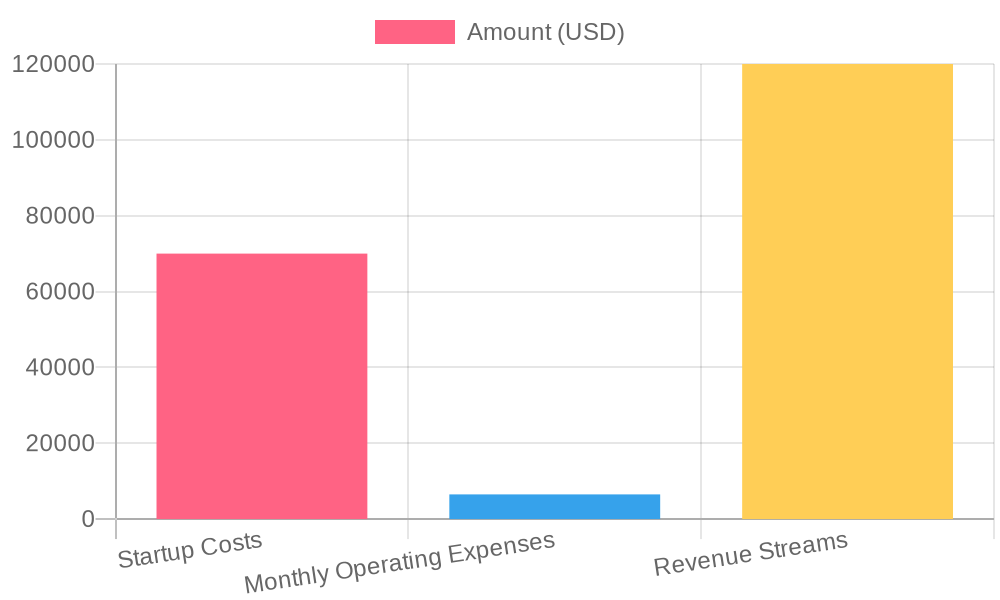
This detailed breakdown provides essential insights into the financial viability of starting a tow truck business. With proper planning and execution, you can successfully navigate the challenges of this industry and achieve your entrepreneurial goals.
Conclusion
In summary, venturing into a tow truck business not only presents a viable opportunity but also aligns with the growing demand for reliable roadside assistance and transportation services in our communities. Considering the increasing number of vehicles on the roads and the need for quick, efficient support in emergencies, a tow truck business can become a regional staple, fostering trust and reliability among local auto repair shops, car dealerships, and fleet operators.
Moreover, the intersection of our towing services with the motorcycle industry opens doors for expansion and diversified services. For instance, integrating offerings like quality motorcycle fairings not only enhances the aesthetic appeal but also significantly improves the safety and performance of motorcycles-two aspects that matter to every serious biker. By promoting your services alongside quality products like motorcycle fairings, you can tap into a niche market that is often underserved.
As you contemplate starting your own tow truck business, consider the broader spectrum of opportunities available. Take decisive action today by exploring our tailored solutions for various needs in transportation. Whether you are managing a fleet or helping individuals in roadside emergencies, your impact can reshape the landscape of local services. Discover our range of services related to emergency preparedness here, and begin your journey towards establishing a thriving business that ensures safety and reliability on the roads. Your venture awaits!
This industry offers a canvas for growth and development-embrace it, and watch your business thrive!