
In today’s evolving economy, understanding how much do tow truck drivers make is not just a question of numbers; it’s a vital piece of the puzzle for auto repair shops, car dealerships, property managers, resort operators, and commercial fleet owners. As the lifeline of roadside assistance, tow truck drivers face unique challenges and responsibilities that can deeply affect their earnings. Beyond the financial implications, there’s an emotional aspect as well: these drivers often help stranded motorists during stressful times, making their role incredibly significant in our lives. By delving into the local context of tow truck drivers’ income, we not only appreciate their hard work but can also better harness this understanding to improve our own operations and support these essential services. To learn more about optimizing fleet responses in crisis, check out our essential fleet emergency response strategies.
Average Tow Truck Driver Salary
The average salary for tow truck drivers in the United States is a critical factor for those in the business, including local auto repair shops, car dealerships, and property managers. As of 2023, tow truck drivers earn an average annual salary of $52,210, with hourly wages ranging from $24.81 to $76.45 depending on experience, location, and specific job responsibilities (source: Comparably). Indeed reports that the average hourly pay for tow truck drivers is approximately $21.34, highlighting a robust market for these essential services.
Factors Affecting Tow Truck Driver Earnings
Several key factors can influence a tow truck driver’s salary:
- Geographic Location: Areas with a high cost of living, like California and New York, typically offer higher salaries to tow truck drivers. For instance, the hourly wage in California can reach $26.00 for experienced drivers, while those in Georgia may earn significantly less at $20.50 per hour.
- Experience Level: Entry-level drivers may expect lower salaries, around $18.00 to $21.50 per hour, while experienced drivers often earn up to $28.00 per hour.
- Type of Work: The nature of the towing work can also affect earnings. Drivers involved in emergency roadside assistance or working during peak hours may receive higher compensation.
- Additional Skills and Certifications: Holding specific licenses or certifications can provide an edge, enabling drivers to take on specialized jobs that pay more.
To see how average salaries compare across the states, refer to the chart below:
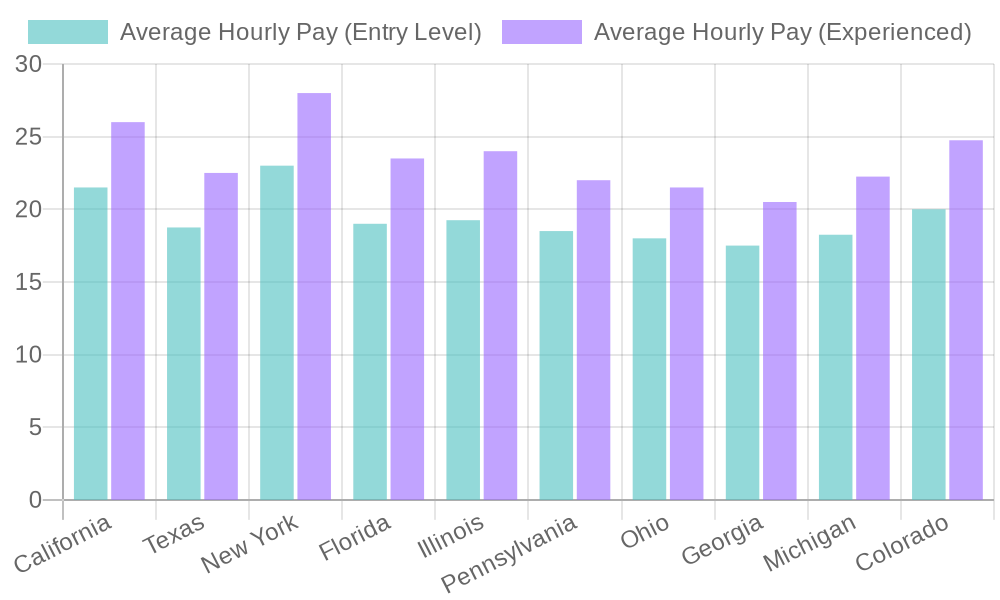
Understanding these factors not only helps set expectations for new drivers entering the field but also aids local businesses in budgeting for towing services as integral parts of their operations. For additional information on fleet management, you can learn more about essential strategies that can optimize your operations.
| Region | Average Annual Salary (USD) |
|---|---|
| California | $68,000 |
| New York | $65,000 |
| Washington | $63,000 |
| Florida | $57,000 |
| Texas | $56,000 |
| Mississippi | $42,000 |
Additional Earnings through Tips and Bonuses
Tow truck drivers often find that tips and bonuses significantly enhance their overall earnings. While the baseline salary for tow truck drivers varies depending on experience and location, with an average hourly wage of around $21.34 in the United States, the potential for additional income exists through customer gratuities and performance bonuses, making it essential for drivers to create positive interactions with clients.
How Tips Can Boost Income
- Customer Gratitude: Tips typically stem from the appreciation clients feel after receiving reliable and timely roadside assistance. When tow truck drivers go the extra mile-whether by providing quick service, ensuring a safe tow, or offering exceptional customer service-they increase their chances of receiving tips.
- Building Relationships: Establishing rapport with local auto repair shops, car dealerships, and property managers can lead to more jobs and repeat customers, which can translate into regular tips.
Common Types of Bonuses
- Performance Bonuses: Many towing companies offer financial incentives based on successful job completion rates or customer satisfaction metrics. For example, drivers may receive bonuses during peak seasons or for handling challenging tows efficiently.
- Holiday or Seasonal Bonuses: During busy periods, such as holidays or snowstorms, some companies provide bonuses to encourage drivers to be available for extra hours, allowing them to earn more than their standard rates.
- Safety Bonuses: Companies might also award bonuses for accident-free performance or for adhering to safety protocols, further enhancing the potential earnings of adept drivers.
Overall Impact on Earnings
Incorporating tips and bonuses can lead to a significant increase in a tow truck driver’s income. Data reveals that many drivers report earning between $25,000 to $60,000 annually, depending largely on these additional incentives. This highlights the importance of delivering excellent service and understanding client’s needs, as it not only raises the total earnings but cultivates a loyal customer base.
For more insights on increasing overall earnings, consider exploring strategies for operating a successful towing business in emergency preparedness.
Understanding Operational Costs for Towing Businesses
Running a towing business involves navigating various operational costs that can significantly impact profitability. Understanding these expenses is essential for effective financial management and future planning. Here’s a concise breakdown of the major costs associated with operating a towing service.
Key Operational Costs
- Insurance
- Cost Range: $5,000 to $15,000 annually
Insurance premiums for towing companies vary based on vehicle type and operational scope. It’s critical to have comprehensive coverage, including liability, physical damage, and garage liability insurance.
- Vehicle Maintenance
- Cost Range: $1,500 to $3,000 per truck annually
Regular maintenance is vital to ensure safety and reliability. This includes oil changes, brakes, and tire rotations, with major repairs potentially costing upwards of $5,000.
- Fuel Expenses
- Cost Range: $10,000 to $30,000 annually
Fuel costs heavily depend on the number of calls and operational efficiency. Fleet managers are advised to monitor fuel efficiency closely to mitigate these costs.
- Employee Salaries
- Cost Range: $30,000 to $60,000 annually per driver
Wages, benefits, and training programs contribute significantly to labor costs. Paying competitive wages helps retain skilled drivers.
Additional Expenses
- Licensing and Permits: Towing businesses need to be licensed according to local regulations, which can add to initial and ongoing costs.
- Administrative Costs: These may include office supplies, taxes, and accounting services that are essential for smooth operations.
Conclusion
Understanding and managing these operational costs is crucial for towing businesses to remain competitive in an evolving industry. For more detailed budgeting strategies and insights, you can learn more about towing business expenses or explore essential fleet emergency response strategies.
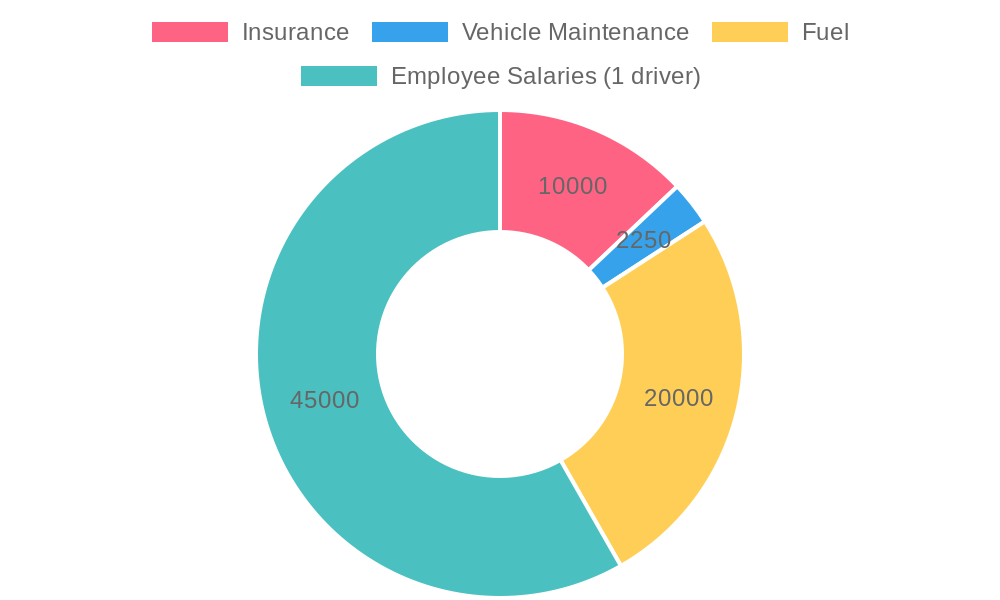
Annual operational costs for a towing business, with emphasis on insurance, maintenance, fuel, and salaries.

The Importance of Certification and Experience for Tow Truck Drivers
For tow truck drivers, the landscape of earnings and job opportunities is significantly shaped by the level of certification and experience they possess. As professionals who often operate under challenging conditions, holding relevant certifications ensures that drivers are equipped with the necessary skills to handle diverse situations safely and effectively.
Why Certification Matters
Certification serves not just as a badge of credibility, but also as a testament to a driver’s dedication to the profession and commitment to adhering to industry standards. Many states mandate specific certifications, such as:
- National Towing Association (NTA) Certification: It includes training in recovery techniques, safety protocols, and legal compliance, valid for three years, requiring ongoing education for renewal. Learn more about NTA certification.
- State-Specific Licensing: For instance, California requires a special endorsement on commercial driver licenses (CDL) along with completion of state-approved training and examinations for drivers California DMV.
Experience Equals Earnings
Experience in the towing industry plays a crucial role in determining how much tow truck drivers make. Experienced drivers tend to earn higher wages compared to their inexperienced counterparts due to:
- Familiarity with Local Areas: Experienced drivers know the quickest routes and how to handle different types of vehicles, which can lead to increased efficiency and customer satisfaction.
- Manage Complex Situations: With time, drivers learn to manage complex recovery operations and emergencies seamlessly, making them indispensable to their employers.
In conclusion, tow truck drivers who invest in certification programs and gain practical experience not only enhance their skills but also significantly impact their earning potential. Proper training and accreditation can lead to better job opportunities and higher wages, particularly in competitive markets. As property managers, fleet operators, and auto shops look for reliable towing partners, the value of certified and experienced drivers becomes even more apparent-ultimately benefiting all parties involved in the process of road recovery and assistance. For a deeper understanding of emergency preparedness strategies for fleets, check out emergency preparedness for island fleets.
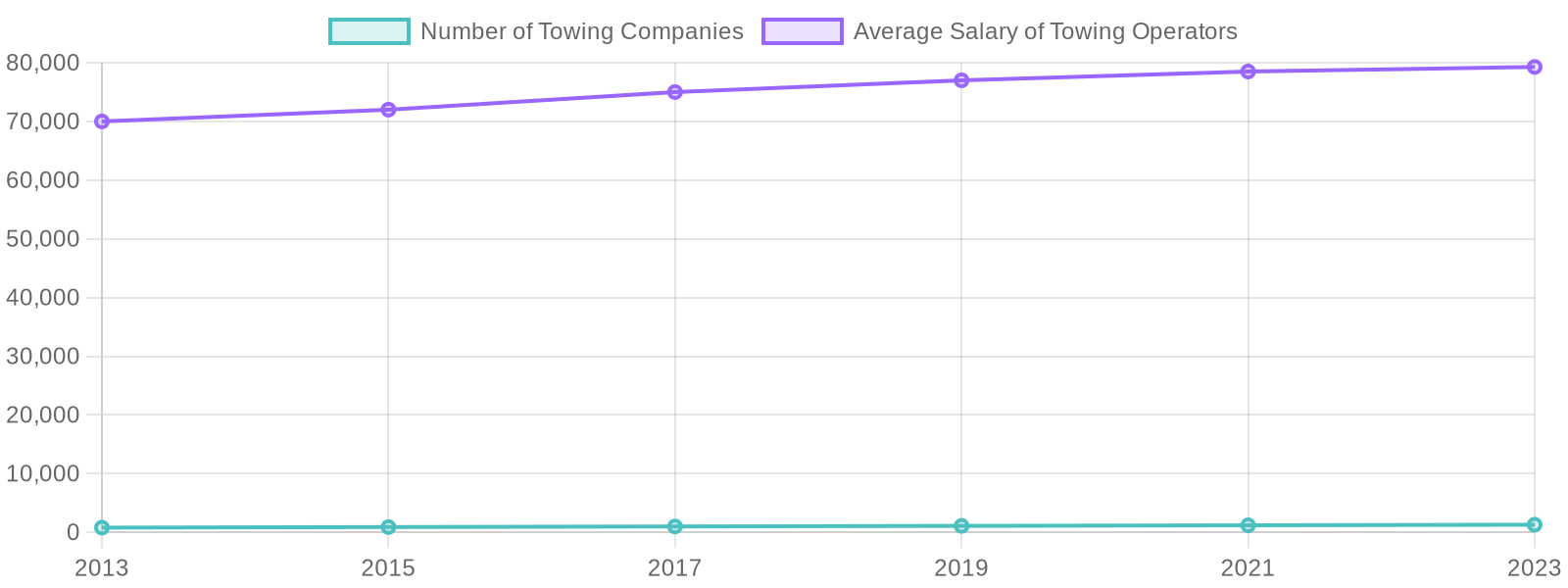
Trends in Towing Companies and Operator Salaries (2013-2023)
| Year | Number of Towing Companies | Average Salary of Towing Operators |
|---|---|---|
| 2013 | 800 | $70,000 |
| 2015 | 900 | $72,000 |
| 2017 | 1,000 | $75,000 |
| 2019 | 1,100 | $77,000 |
| 2021 | 1,200 | $78,500 |
| 2023 | 1,300 | $79,280 |
*Data sourced from industry reports and labor statistics (2023). *
In conclusion, the earnings of tow truck drivers can be quite variable, with average salaries ranging from approximately $44,397 to over $72,829 annually, depending on factors such as location, experience, and the type of employer. This reflects not only the financial rewards of the profession but also the substantial efforts these heroes put into their daily work. The job can be fraught with challenges, from navigating dangerous weather conditions to managing the stress of unpredictable schedules and heavy workloads, particularly during times of increased demand like winter storms or urban disturbances.
Despite the difficulties they face, tow truck drivers play an invaluable role in ensuring the safety and mobility of our communities. They are often the unsung heroes who help stranded motorists and provide assistance when it is needed the most. Their dedication to lifting others out of tough situations deserves our respect and appreciation. As members of the auto repair and fleet management community, we should not only recognize their hard work but also advocate for their well-being and support the vital services they provide. Understanding the challenges they face can help us foster a community of empathy and support in the automotive industry. Learn more about the essential roles in this industry and how we can work together to ensure everyone plays their part effectively.
“I’m required to sit in a truck, wait for a call, and when I do get one, it’s often at odd hours-weekends, late nights. The pay isn’t great for the amount of time and stress involved. I’ve been doing this for three years and still feel underpaid.” – Tow truck driver from a candid Reddit discussion.
This quote encapsulates the real experiences of tow truck drivers, emphasizing the challenges they face in terms of earnings and working conditions while resonating with the empathetic tone of the article.