
Tow truck drivers serve as vital links in the transportation and emergency service networks. Understanding how they are compensated not only sheds light on this often-overlooked profession but also helps local auto repair shops, car dealerships, property managers, resort operators, and commercial fleet operators navigate this landscape. This article delves into the primary payment models for tow truck drivers, including hourly wages for employed drivers, per-service fees for independent contractors, and additional incentives that can maximize earnings. By examining these structures, businesses can better understand how to collaborate with and support their towing service providers.
Earnings Unmasked: Navigating the Diverse Payment Landscape for Tow Truck Drivers
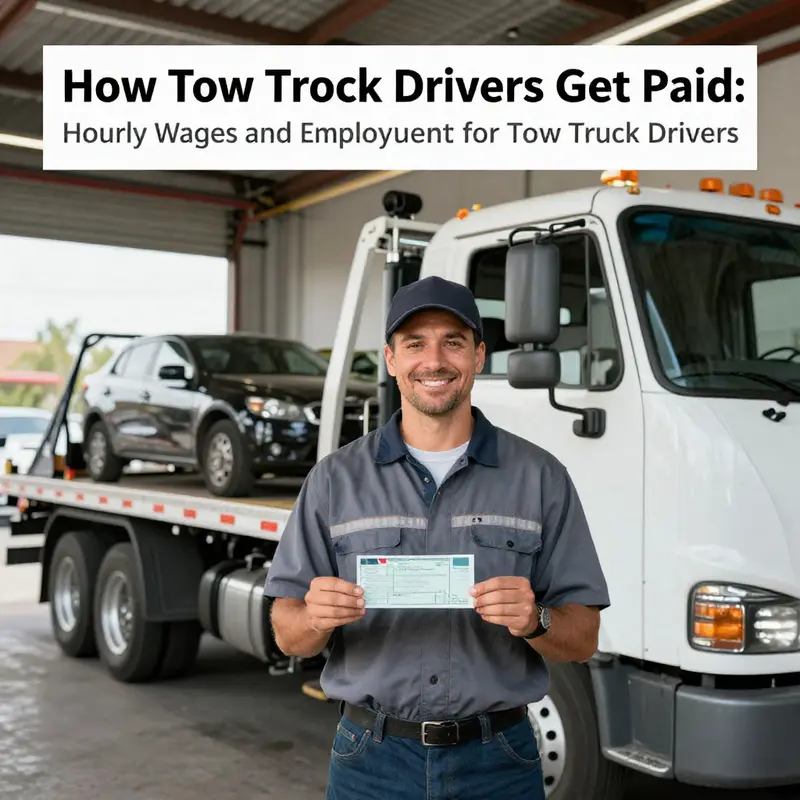
Tow truck driving is a profession that demands prompt decision-making, unwavering reliability, and a resilience born from overcoming the unpredictable challenges of roadside emergencies. Behind every dispatch and every tow lies a carefully structured compensation system that provides drivers with a mix of hourly wages, per-job earnings, and bonus incentives. Understanding how tow truck drivers get paid is critical not only for aspiring drivers but also for industry stakeholders who manage fleets and optimize service delivery. This chapter delves into the complexities and nuances of payment structures in the towing industry, offering an integrated narrative that discusses hourly wages, employment status, and performance-based incentives in a comprehensive manner.
One of the most prominent aspects of tow truck driver compensation is the role played by hourly wages. For those employed by towing companies, government agencies, or auto repair shops, a steady hourly rate provides both security and predictability in earnings. In the United States, the average hourly wage for a tow truck driver is approximately $21.46, a figure that notably surpasses the national average for many occupations. This wage is not uniform across all sectors; government-employed drivers, for instance, may earn around $25.83 per hour. The premium paid in government roles can be attributed to the responsibilities associated with public safety and the rigorous training required to work with law enforcement bodies. In a job where every minute can mean the difference between a smooth recovery and a stalled crisis, these elevated wages underscore the importance of precision and accountability.
Alongside these conventional hourly rates, a significant portion of drivers operate as independent contractors or through app-based platforms. This model offers distinct advantages and challenges. Independent contractors enjoy the freedom to set their own schedules and capitalize on peak hours. Their compensation is typically calculated on a per-job basis, meaning that during busy times, drivers can see their income rise sharply as they complete multiple tows. However, this flexibility comes at the cost of bearing additional responsibilities. Independent drivers must cover their own expenses such as vehicle maintenance, fuel, and insurance. Unlike their counterparts employed by a company, they do not have guaranteed earnings, which makes periods of low demand potentially stressful from a financial perspective.
The dynamic nature of per-job fees is intertwined with modern technology. Mobile applications designed to connect drivers with customers have revolutionized how services are rendered and payments processed. Apps provide a digital dashboard where drivers can track their earnings in real time. These platforms offer a seamless experience by handling transactions electronically, ensuring that payments are both secure and transparent. The reliability of these apps is particularly appealing for those who favor a flexible work schedule, as it allows them to quickly see the financial benefits of accepting a new job. This integration of technology into the traditional towing business is a major factor behind the evolving payment structures within the industry.
While the hourly wage model is prevalent among many tow truck drivers, it is only part of a broader ecosystem of earnings and incentives. Many companies recognize the value of rewarding efficiency and dedication with performance-based bonuses. Such incentives often come in the form of extra pay for completing a certain number of jobs within a particular time frame or for working during especially busy or challenging hours. In busy urban centers, for example, the influx of vehicles on the road can lead to a rapidly increasing demand for towing services. Companies may adjust pay rates during these periods to both attract skilled drivers and ensure that customers receive prompt assistance. Bonus structures in these cases serve dual functions—they compensate drivers for their hard work while also encouraging them to take on more jobs during peak times, thereby optimizing overall fleet productivity.
Another layer of this intricate compensation model includes direct payments made by customers during emergency roadside incidents. It is not unusual for drivers to receive additional income in the form of tips after completing their tasks. Tipping, although not a reliable primary source of income, provides an added financial boost in many situations. It is a tangible expression of customer gratitude and often serves as a secondary income stream that further differentiates the earning potential of tow truck drivers. These tips and bonuses can often represent the extra mile that drivers go to ensure not just a safe tow, but also an empathetic customer experience during stressful situations.
In addition to hourly wages and on-demand payments, the distinction between independent and employee status has deep implications for benefits and job stability. Tow truck drivers employed directly by companies or government agencies typically receive a more stable income and have access to benefits such as health insurance, retirement savings plans, and paid time off. These benefits provide a safety net that is absent in the independent contractor model. For many drivers, this stability is a critical factor in choosing a career path, as it impacts not only the day-to-day management of finances but also long-term career planning and financial security. Employees often find that the predictability afforded by a steady paycheck and comprehensive benefits outweighs the allure of higher, but more inconsistent, earnings available to contractors.
At the same time, independent contractors benefit from a degree of autonomy that is not as readily available to salaried employees. They have the freedom to reject jobs that do not meet their financial expectations or that present safety risks, thereby exerting control over their working conditions. Such flexibility can be particularly advantageous during periods when local demand is low or when a driver might prefer to allocate time for personal commitments. For these drivers, technology platforms that facilitate per-job payments serve as the backbone of their business model, enabling them to directly capitalize on each job accepted. The ability to monitor earnings and adjust schedules on the fly ensures that these workers can maximize their income potential in an industry where work is as unpredictable as the weather.
The diversity in compensation models further illustrates a key truth about the towing industry: there is no one-size-fits-all approach to getting paid. Different business models, ranging from traditional employment to the gig economy model, co-exist side by side, each with its own set of advantages and challenges. Many independent drivers appreciate the flexibility of managing their own schedules and capitalizing on high-demand periods. Yet, the trade-off is clear in the form of additional responsibilities such as self-insurance and vehicle upkeep. Conversely, employees enjoy the reassurance of regular wages and the potential for employer-provided benefits, a consideration that frequently influences career decisions. These choices impact not only individual drivers but also the strategic decisions made by towing companies as they refine their wage policies to attract and retain skilled workers.
In many instances, the compensation structure is further enhanced by supplementary earnings that come from providing additional roadside services. Beyond the core task of towing, drivers often offer services such as jump-starting batteries, unlocking vehicles when keys are locked inside, or even providing minor roadside repairs. These additional services are typically charged separately and contribute to an overall increase in daily earnings. For many drivers, these extra jobs represent a significant proportion of their total income on a busy shift. The willingness to offer a range of services frequently translates into higher customer satisfaction and, consequently, more frequent referrals and repeat business. In this context, the towing industry exemplifies a service model in which versatility and rapid problem-solving skills directly correlate with better pay and improved job security.
The effect of seasonality and economic fluctuations on pay is another critical dimension worth considering. In urban areas and regions with extreme weather conditions, emergency service calls can spike during certain times of the year. During winter months, for instance, icy roads and adverse weather conditions often lead to more accidents, thereby increasing the demand for towing services. Similarly, areas that experience seasonal tourist influxes might see a temporary upsurge in towing jobs owing to unfamiliar drivers and congested roadways. Drivers who are attuned to these patterns can anticipate periods of increased work and plan their schedules to optimize their earnings. In many respects, the ability to forecast and adapt to seasonal trends is both a strategic advantage and a necessary survival skill for tow truck drivers.
It is also important to note that the evolving regulatory and economic landscapes significantly influence how tow truck drivers are compensated. Changes in labor laws, fuel prices, and insurance policies can have far-reaching effects on operating costs. For employees, these shifts might result in adjustments to hourly wages or benefit packages negotiated as part of collective bargaining agreements. On the other hand, independent contractors must remain vigilant about maintaining a profitable balance between income and escalating overhead costs. In an era when many industries are being reshaped by technological advances, the towing sector is no exception. Drivers and companies alike must continuously reassess their compensation models to remain competitive and ensure financial stability in the face of economic uncertainties.
The interplay between stable, salaried positions and performance-driven, flexible arrangements creates a robust framework within the towing industry. While the steady paycheck associated with hourly wages offers financial security, the enterprising spirit of independent contracting provides opportunities for those willing to navigate the challenges of variable demand. Experienced tow truck drivers are acutely aware that each shift brings with it a unique set of circumstances, and the ability to adapt is key. Whether operating under the auspices of a large company or independently using modern digital platforms, drivers continually adjust their strategies to ensure a reliable income stream.
One of the less frequently discussed aspects of tow truck driver payment is the impact of technology on overall financial management. Emerging digital tools have not only streamlined the process of job assignment and payment collection but have also provided drivers with invaluable insights into their work habits and earnings trends. Detailed dashboards allow drivers to analyze their performance over time, compare income during different shifts, and even predict how external factors might influence future earnings. In many ways, these technological advancements have empowered drivers to take charge of their financial destinies—transforming the way they plan for both short-term gains and long-term investments.
Many drivers have reported that the transparency offered by these platforms is a major benefit. A real-time accounting of each job completed, coupled with instant electronic payment, minimizes the uncertainty and delays that can sometimes plague cash-based transactions. This immediacy not only boosts cash flow but also reinforces trust between drivers and their employers or platform operators. The ability to readily access payment histories and earnings breakdowns ensures that drivers remain informed about their financial performance. As such, embracing digital solutions has become an essential element of modern tow truck operations, demonstrating how tradition and innovation can work in tandem to enhance overall job satisfaction and financial security.
In the broader context of career longevity, the type of compensation a driver receives can have lasting implications. For many, the decision to work as an independent contractor versus a company employee is influenced by not only the immediate pay structure but also by considerations about long-term career growth and stability. Employees who benefit from a fixed hourly wage combined with employer-sponsored benefits may find greater opportunities for professional development. Furthermore, being part of an organized fleet often opens the door to training, certifications, and specialized roles—each of which can lead to higher pay scales over time. These career advancements are frequently embedded in structured pathways that many towing companies promote, ensuring that drivers are well-positioned to progress within the industry.
Conversely, independent contractors often channel their earnings into personalized business improvement. They invest in their own vehicle upgrades, advanced safety equipment, and even marketing efforts to increase their visibility in a competitive market. The flexibility of the independent model means that drivers can potentially scale their operations by adding additional vehicles or collaborating with other independent operators. The entrepreneurial spirit is therefore a significant driver in this segment of the workforce, allowing for innovations in service delivery that benefit both the driver and the customer. Balancing expense management, revenue optimization, and strategic planning is a daily exercise in fiscal responsibility that reflects the broader challenges of operating in a dynamic economic environment.
The multifaceted nature of tow truck driver compensation also serves as a reminder of the unpredictable nature of emergency services. Unlike many conventional industries, the pulse of a towing operation is deeply influenced by external variables such as weather conditions, traffic patterns, and regional events. It is not uncommon for drivers to experience days when a single major incident leads to numerous related jobs, boosting their overall pay in an almost exponential manner. On quieter days, however, drivers must rely on the security of a consistent hourly wage or the occasional bonus to make up for the slower pace. This unpredictability has made resource planning and effective time management indispensable skills for anyone in the field.
For those interested in gaining further insights into effective operational management and innovative service strategies within this challenging environment, additional information can be found by exploring real-world case studies and strategic guidelines. One insightful resource on optimizing vehicle fleets and managing emergency response challenges is available through an internal examination of comprehensive emergency strategies. An interested reader may want to check out essential fleet emergency response strategies for further context on how strategic planning can enhance overall operational efficiency and, by extension, influence compensation models.
The complexity of compensation for tow truck drivers is a microcosm of the broader economic landscape in service industries. It encapsulates the tension between guaranteed income and the risks and rewards that come from independent work. In summary, tow truck drivers get paid through a combination of hourly wages, per-service fees, customer tips, and performance bonuses. Each of these components plays a critical role in determining not only the immediate financial rewards but also in shaping the long-term career prospects of those working in this field. As the industry continues to evolve, driven by technological advancements and shifting economic dynamics, drivers will undoubtedly find new ways to optimize their income while maintaining exceptional service standards.
For those looking to contextualize this financial model within a broader industry framework, the U.S. Bureau of Labor Statistics provides comprehensive data that underpins many of the wage trends discussed here. This external resource offers further verified insights into how diverse factors such as employment type, geographic location, and market demand contribute to the compensation structures in the towing industry. For additional information and updated statistics, please visit the U.S. Bureau of Labor Statistics.
In conclusion, the payment structure for tow truck drivers is as varied as it is vital. Whether through steadfast hourly wages that provide a reliable foundation or through dynamic contract-based earnings that reward flexibility and hustle, the essential truth remains that compensation in this field is both a product and a reflection of the inherent challenges of emergency roadside service. By understanding these mechanisms, drivers, employers, and industry analysts can better navigate the delicate balance between risk, reward, and operational efficiency—a balance that ultimately drives the success of the entire towing ecosystem.
Navigating the Payment Landscape: How Tow Truck Drivers Thrive on Per-Service Fees and Independent Operations
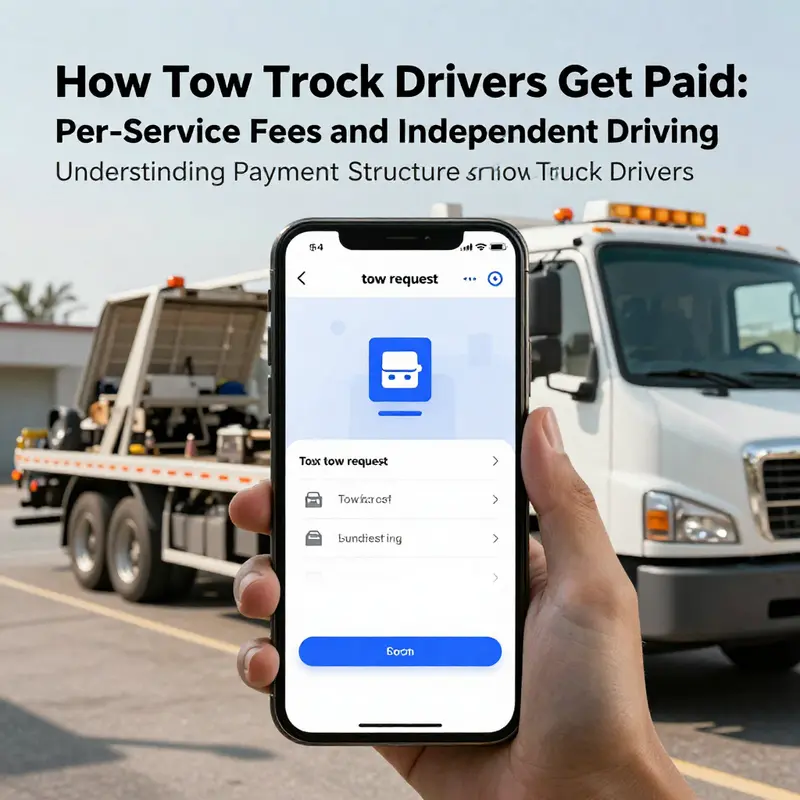
Tow truck driving is an industry defined by its intricate and multifaceted payment landscape, one that mirrors the diverse nature of the work itself. In this field, drivers are compensated in ways that reflect their varying roles, the challenges they face on the road, and the dynamic economic forces at play in different regions. Whether one is an employee bound by a regular hourly wage or an independent operator capitalizing on per-service fees, the means by which money changes hands have evolved significantly, influenced by technology, local market conditions, and the increasing integration of digital platforms.
From the very beginning, it is clear that the industry does not adhere to a one-size-fits-all model. Traditional tow truck drivers who are employed by established companies often receive an hourly wage, a system that provides a foundational sense of reliability and security. These wages are complemented by various incentives, reflecting the extra miles driven, the difficulty of certain jobs, and the complexity of tasks such as dealing with heavy-duty or semi-trucks. In metropolitan areas, where demand is high and the cost of living is steep, these wages frequently climb higher to compensate for these additional pressures. On the other hand, as independent and app-based services have become more prevalent, a new payment model has emerged: one that is built on per-service fees.
The per-service fee system is particularly attractive to those who appreciate the freedom to set their own schedules and determine their own levels of success. Drivers who work independently, often using innovative apps to connect with customers, embrace a model where each job completed directly boosts their earnings. Imagine a typical day when a driver, with flexibility as their guiding principle, toggles between being online and offline. When a customer submits a tow request via an app, the driver accepts the call, drives to the scene, undertakes the task of securing a stranded vehicle, and then transports it to its designated location. Payment is finalized through the app via a secure, traceable transaction. In some regions, a simple roadside assist might earn a driver as little as $35, while similar tasks in high-demand areas could command fees exceeding $120. These numbers illustrate the vast regional disparities that come into play, reflecting not only cost of living but also localized demand, operational expenses, and the time-sensitive nature of the job.
Within this framework, the multifaceted nature of the work becomes evident. The procedures and intricacies of towing involve more than just moving a car; they demand precision, careful handling, and an acute awareness of traffic, road conditions, and safety protocols. Drivers must calculate travel distances, account for potential delays, and continually adjust to unforeseen circumstances, each of which can affect their total earnings. Some companies have refined their payment models to include additional factors such as drop fees—a charge applied when a vehicle is left at a predetermined location like a repair shop or an impound lot. Although such fees might seem minor at first glance, they contribute significantly to the final tally of a driver’s income, not to mention the often-debated transparency regarding how these fees are applied.
In essence, what emerges is a payment landscape that demands both adaptability and financial acumen. For drivers who are employed by traditional towing companies, the hourly wage is only the beginning. Even within that model, performance-based incentives may come into play. Some companies offer bonuses for working during peak hours or for completing a high number of jobs within a short timeframe. These incentives, while rewarding, also place an additional emphasis on performance metrics that can influence a driver’s overall yearly earnings. The figure of approximately $80,000 annually for specialized roles, such as heavy-duty towing, stands as a testament to how added responsibilities and the need for specific expertise can translate into higher pay. In these instances, drivers are not merely paid for their time, but for the specialized skills they have honed over years of experience in a demanding industry.
For the independent operators—a growing demographic largely shaped by the advent of digital platforms—the advantages and challenges are markedly different. This group of drivers has carved out a niche that aligns closely with the modern ethos of flexibility and personal accountability. Independent operators set their own rates, manage their availability, and are directly responsible for customer interactions from start to finish. The ability to accept or reject tow requests imbues these drivers with a significant degree of control over their financial destiny. By working during times when demand is highest or when conditions favor rapid response, independent drivers can effectively optimize their incomes, taking on as many or as few jobs as they deem appropriate. However, this freedom also requires them to be diligent in managing their own business expenses, from fuel and maintenance costs to insurance and promotional efforts in local markets.
A critical factor that intertwines with both the traditional and independent models is technology. Modern applications, often developed with intuitive dashboards and real-time tracking, have revolutionized the towing industry. These digital tools not only streamline the payment process but also empower drivers to handle customer relations more effectively. For example, apps can aid with navigation, automatically calculate fees based on distance and service type, and even provide analytics on peak service times. This level of integration has made it almost effortless for drivers to monitor their earnings, track job histories, and adjust their strategies in response to fluctuating market conditions. For independent operators in particular, this digital oversight translates into a powerful sense of control: they are able to see exactly how much each job contributes to their bottom line and adjust their work routines accordingly.
Over time, these technological advancements have led to greater transparency and accountability within the industry. Customers, who once might have questioned the fairness of tow fees, now have the ability to view a detailed breakdown of costs before a service is rendered. This transparency benefits drivers as well, as it fosters trust and ensures that payments—whether made directly by customers or processed through an app—are fair, clearly delineated, and immediately accessible. In many cases, digital platforms have even integrated customer rating systems, enabling drivers to build reputations that can lead to preferential access to high-paying jobs. Such systems not only incentivize quality service but also create a competitive environment where excellence is rewarded, thereby pushing the overall standards of the industry upward.
Beyond the numbers and the technology, at the heart of the discussion lies the reality of geographic and economic variation. Regional differences in rates, as mentioned earlier, speak volumes about how local economic conditions shape driver earnings. In rural areas where call volumes might be lower and distances longer, a driver’s rate for a simple roadside assist may be modest. Conversely, urban regions are characterized by higher fees, a reality driven by both demand and the inherent higher costs of operating in densely populated areas. These regional discrepancies emphasize that factors such as cost of living, local traffic conditions, and even climatic influences can have a profound impact on how much a tow truck driver earns on any given day. The environment in which a driver operates is as integral to the payment structure as the type of service rendered. In such a context, drivers often need to be not only skilled operators but also astute negotiators, capable of adapting to conditions that are frequently beyond their control. The fluidity of these conditions makes the job challenging, yet many drivers find that the variability ultimately adds to the dynamism of their careers.
It is also important to consider that the industry is continually evolving. Regulatory changes, shifts in consumer expectations, and fluctuations in fuel prices can all influence the payment paradigms. Tow truck drivers, whether part of a company or working independently, must therefore remain agile and ready to adapt to these external forces. For many, the balance between a fixed hourly income and the variable income of per-job fees is a constant juggling act that demands both professional skill and business sensibility. The structure of these payments is often reflective of broader shifts in the labor market, including the rise of gig economy platforms and the push for more flexible, on-demand employment. These trends are not isolated to towing alone; rather, they echo a larger narrative about how modern labor markets are evolving in response to technological innovation and shifting economic priorities.
One of the most compelling aspects of the modern tow truck industry is the way in which independent drivers can harness technology to level the playing field. By utilizing apps that offer real-time job updates, these drivers are able to maximize their earnings during periods when the market is especially favorable. For instance, an independent driver might log on during rush hour on a busy weekend, accepting multiple jobs in quick succession and thereby significantly boosting their overall take-home pay. The immediate benefit of this format is the clear, quantifiable relationship between effort and reward: more jobs completed equate directly to higher earnings. It is a model that, for many, represents the very essence of entrepreneurial freedom.
At the same time, this model places a significant amount of responsibility on the driver. Without the safety net of a traditional employment structure, independent operators must manage all aspects of their work—from maintenance and operational costs to customer service and timely payment collection. This dual role as both service provider and business owner can be challenging, yet it also offers the potential for greater autonomy and financial reward. The digital platforms that support these independent efforts are designed to mitigate some of these challenges by handling payment processing and providing analytics that can guide future job selections. In this way, technology serves as both an enabler and a regulator, ensuring that drivers reap the benefits of their hard work without being bogged down by administrative burdens.
Moreover, the evolving payment landscape of tow truck drivers underscores the importance of adaptability in a rapidly changing world. The nature of the services provided is complex and subject to a variety of external influences that drivers must navigate on a daily basis. In many respects, the industry encapsulates a broader trend in employment today: the shift toward flexible, performance-based income models that reward initiative and efficiency. This environment fosters a spirit of self-determination among drivers, many of whom take pride in the fact that their earnings truly reflect the level of service they deliver. From the initial acceptance of a tow request to the final tally of fees and bonuses, every step in the process is an opportunity for drivers to prove their worth and shape their financial futures.
As with any profession, the path to financial success in tow truck driving is lined with both opportunities and challenges. While the potential for higher earnings through per-service fees and independent operations can be alluring, it also requires a keen awareness of the broader economic context and a proactive approach to personal business management. Drivers must constantly weigh the benefits of immediate cash flow against longer-term considerations such as vehicle maintenance, fuel expenses, and the possibility of unforeseen operational costs. This balancing act is at the core of what makes the industry both exciting and demanding. In today’s market, where flexibility and control are increasingly valued, many drivers find that the independent model offers the ideal blend of autonomy and financial potential, even as it demands a rigorous, proactive management style.
The robust ecosystem of tow truck earnings is further enriched by supportive elements that extend beyond mere compensation. Some towing companies strive to create an environment that rewards dedication and expertise not only with higher pay but also with professional growth opportunities. Bonus structures, performance-based incentives, and opportunities for advancement help ensure that both new and experienced drivers feel valued. Similarly, independent operators often leverage customer feedback to build a strong reputation, which in turn opens the door to more high-paying opportunities. This dual focus on both immediate earnings and long-term career development is what ultimately drives innovation within the industry.
In reflecting on the broader implications of these payment structures, it is clear that the landscape for tow truck drivers is a microcosm of many modern employment trends. The divide between traditional employment and gig-based work is narrowing as companies and independent operators alike harness technology to improve efficiency and transparency. For example, the integration of real-time tracking, automated fee calculations, and detailed service histories has dramatically transformed how drivers manage their tasks and interact with customers. Such innovations not only streamline operations but also empower drivers with the tools they need to succeed. For those interested in the broader context of how similar industries are adapting their operational strategies, it can be insightful to explore emergency preparedness for fleet operations, where many of these trends are discussed in detail.
In summary, the methods by which tow truck drivers earn their living—through hourly wages, per-service fees, and additional performance incentives—reflect a vibrant and evolving industry. This narrative has delved into the diversity of payment structures, the influence of regional differences, and the role that modern technology plays in streamlining operations and boosting transparency. Whether as a traditional employee or an independent operator, every driver faces a unique set of challenges and opportunities that collectively shape the financial landscape of this essential service. By embracing the complexities of modern payment models and adapting to the demands of a changing environment, tow truck drivers continue to thrive, balancing the art of the tow with the science of earnings, all while navigating a world that is both unpredictable and full of potential.
The story of tow truck driver compensation is one of resilience and innovation—a narrative that speaks to the heart of a profession that is as dynamic as the roads it serves. In a world where each call and every mile traversed contributes to a larger picture of customer service and operational efficiency, drivers are not only service providers, they are entrepreneurs and specialists in their own right. Their earnings, whether measured by an hourly wage or tallied through per-service fees, are a reflection of not just the tasks at hand but the broader economic and technological trends that continue to redefine what it means to work in the modern world. As the industry evolves, so too does the potential for increased transparency, reliability, and reward.
This integrated approach to understanding payment structures reveals the delicate interplay between traditional employment and independent operation. The balance struck by tow truck drivers—between scheduled hours and the spontaneity of job-based earnings—offers valuable insights into the future of work within the transportation and logistics sectors. As new technologies emerge and customer expectations evolve, drivers and companies are likely to continue refining their models, ensuring that compensation remains closely aligned with the demands and realities of roadside assistance. Amid these changes, the central theme remains constant: the ability to adapt, innovate, and ultimately prosper in a field where every job completed is a step toward a more secure financial future.
Thus, the payment system within the tow truck industry is not merely a matter of numbers on a paycheck; it is an evolving narrative that encapsulates the spirit of modern work. Every factor—from travel distance and time of day to service type and regional economic conditions—contributes to a multifaceted ecosystem of earnings. It is a landscape where traditional wage structures coexist with the entrepreneurial drive of independent operators, each group leveraging unique strengths to meet customer needs and achieve professional success. In this way, the story of tow truck driver compensation is a story of innovation, resilience, and the relentless drive to balance the demands of a challenging profession with the promise of financial reward.
In conclusion, whether operating as part of a larger company or striking out on their own, tow truck drivers navigate a complex web of payment options that reflect the realities of the modern economy. Their success lies not only in their technical skills on the road but also in their ability to manage the financial nuances of a profession that is in constant flux. The convergence of hourly wages, per-service fees, and performance incentives creates an environment that rewards hard work, adaptability, and forward-thinking approaches to everyday challenges. It is a world where every service call, every extra drop fee, and every bonus earned contributes to a vibrant tapestry that is as much about personal enterprise as it is about the humble act of towing. This dynamic, ever-changing payment landscape stands as a testament to the enduring spirit of those who take to the roads, turning each challenge into an opportunity and every mile into a measure of progress.
Beyond the Hook: Maximizing Earnings in Tow Truck Driving with Incentives and Technological Tools
For many tow truck drivers, the question of how they get paid extends far beyond simply clocking in hours or completing a tow. The income landscape in this field is diverse, complex, and highly responsive to both individual skills and the ever-evolving technologies that support modern towing operations. Many drivers begin their careers receiving a steady hourly wage that might seem modest at first—a figure drawn from recent analyses shows an average of around $21.27 per hour. However, as one gains experience, specializes in more challenging and demanding tasks, or leverages digital platforms to complete jobs on-demand, the compensation structure transforms into a blend of base pay, bonuses, mileage reimbursements, and incentives that can collectively drive annual earnings significantly higher.
In the early years of a tow truck driver’s career, the hourly rate provides a foundation, a baseline of income stability. Employees of towing companies or repair shops often find that this steady wage is complemented by additional earnings for specialized tasks. For instance, drivers who master the nuances of heavy-duty or semi-truck towing typically command an annual salary that may reach around $80,000, surpassing the standard hourly pay by nearly 40%. This higher rate reflects not only the skill and expertise required to handle large vehicles but also the increased risk and the stringent safety standards these operations demand. Beyond the basic hourly wage, performance-based rewards become a significant motivator for many drivers.
The pay structure in the towing industry often includes attractive bonus schemes designed for those who are willing to work during high-demand periods. Late nights, weekends, or holiday seasons can trigger bonus payments that acknowledge the extra effort and the unpredictable nature of emergency callouts. Drivers who are quick to respond to emergency situations may find that their ability to manage time-sensitive calls and adapt to unpredictable circumstances is rewarded with incentives that can make a substantial difference in overall earnings. In many instances, these bonuses are not fixed but rather dynamically tied to the number of jobs successfully completed or the challenges inherent to the towing task at hand.
Another important element in the evolving compensation model is the emergence of independent work and digital job platforms. In recent years, technological advances have given rise to apps that enable tow truck drivers to operate on their own terms. Apps such as Fox-Tow allow drivers to set their availability, accept jobs in real time, and even track their earnings through comprehensive dashboards. In these scenarios, drivers are paid on a per-job basis, meaning that the more efficient they are in accepting and completing jobs, the higher their income potential. For this new generation of drivers, who function more like independent contractors than traditional employees, the pursuit of flexibility and higher pay is intertwined with the convenience and immediacy of digital transactions.
One of the key benefits of these app-based platforms is that they provide immediate visibility into how much money is being earned on any given day. With secure payment systems integrated within the app, drivers can track their earnings as soon as a job is completed. This transparency ensures that every completed tow, every roadside assist, and every minor added service translates directly into monetary gain. Such systems represent a major shift in how drivers view their compensation. Where once there was a long waiting time for payday calculations and payouts, now every action taken behind the wheel can be instantly rewarded, allowing drivers to gauge the efficiency of their work and adjust their schedules accordingly.
The diverse compensation methods available to tow truck drivers extend beyond hourly wages and per-job fees. Some companies add elements of profit-sharing programs, mileage reimbursements, and fuel allowances to a driver’s pay package. These additional earnings streams are particularly beneficial for those who work long hours or operate over wide geographic areas. For instance, when a driver is required to travel significant distances between jobs, the mileage reimbursement ensures that extra miles do not translate into lost earnings. Similarly, fuel allowances help to offset some of the substantial operating costs inherent in towing, such as fuel consumption, regular maintenance, and wear and tear on specialized equipment.
Moreover, the towing industry, like many others, has witnessed a move towards performance-based incentives that reward efficiency and dedication. Many companies require their drivers to maintain a rapid response time and a high job completion rate; in exchange, they offer bonus payments for every job that is completed during peak hours or under unfavorable conditions. This multifaceted payment model not only provides new opportunities for skilled drivers but also fosters a competitive environment where performance and professionalism are rewarded. The results are clear: those who are diligent, punctual, and efficient often accrue earnings well beyond what a strict hourly wage might provide.
A crucial topic for drivers to understand is that the use of technology in towing operations is deeply integrated with the payment system. Modern tow truck drivers have access to a variety of digital tools and mobile applications that help streamline their workflow, optimize route planning, and ultimately maximize their earnings. The integration of technology into everyday operations has made it easier to manage dispatch, reduce downtime between calls, and ensure that no opportunity for additional income is missed. These systems harness real-time data to guide drivers towards jobs that are closer or more lucrative while also managing operational tasks such as invoicing and expense tracking.
The efficiency provided by such innovations is evident in the way drivers can now navigate complex job queues. It is not uncommon for drivers to use apps that alert them to nearby opportunities, minimizing idle time and maintaining a constant flow of income. In many respects, these technological tools have transformed what was once an unpredictable and labor-intensive profession into one where data-driven decisions lead to tangible financial benefits. Moreover, such innovations create a more balanced work environment, one where drivers can optimize their schedules to suit personal needs while still earning a competitive wage. The possibilities for scaling income are far greater when one can choose between traditional, hourly-based jobs and more flexible, per-job arrangements offered by modern platforms.
Another layer of the compensation structure revolves around the additional services that many tow truck drivers now offer. For example, aside from towing vehicles, many drivers are trained in providing vital roadside services such as jump-starting a battery, offering tire changes, or handling lockout situations. Each of these additional services is often compensated separately, meaning that a single call could generate multiple sources of revenue. This supplemental income can serve as a crucial financial lifeline, especially in periods where towing calls may be less frequent but the demand for comprehensive roadside assistance remains steady. The ability to offer these extra services effectively turns downtime into another revenue stream, further boosting a driver’s overall financial resilience.
In many cases, the integration of advanced technologies with traditional tow truck operations not only changes how drivers are paid but also builds a solid framework for career advancement. Drivers who invest time in honing their skills, especially in specialized areas like handling hazardous materials or managing accident scenes, often see significant improvements in their pay. It is not uncommon for tow truck drivers to undergo additional training programs or obtain certifications that qualify them for higher-paying assignments. The interplay between additional training, specialization, and technological savviness is a clear indicator that the towing industry is dynamic and increasingly merit-based.
Experienced drivers are also known to benefit from additional opportunities such as profit-sharing programs and employee incentive plans. These benefits are designed to create a sense of ownership and shared responsibility among team members, and they often translate into higher levels of job satisfaction. For instance, if a company experiences an increase in revenue due to improved operational efficiency or a surge in call volumes, a portion of that financial success may be distributed among drivers as a bonus. In such cases, the driver’s income is directly tied not only to individual performance but also to the collective success of the organization. This form of compensation fosters loyalty, as drivers feel that every successful job is inherently appreciated and rewarded by their employers.
The tangible benefits of these incentives are also evident in how tow truck operators manage their business expenses. Many drivers are required to cover costs such as fuel, maintenance, and occasional repairs, all of which are mitigated by reimbursements and allowances factored into their pay structure. In turn, these incentives help drivers maintain their vehicles in peak operating condition, minimizing downtime and ensuring that equipment is ready to meet any emergency. In this way, the economic benefits provided by the company not only support the driver’s personal finances but also help sustain the overall efficiency of towing operations.
Beyond these financial benefits lies the subtle transformation in the overall mindset of tow truck drivers. As technology and incentives become more intertwined, drivers are gradually taking on a more entrepreneurial approach to their work. Many professionals in the field now regard their role not merely as a job or a means to a paycheck, but as a career that offers numerous paths for growth and financial success. This mindset is especially reflected in the way independent drivers interact with modern app-based platforms, harnessing the power of digital tools to build a flexible work schedule that maximizes their exposure to higher-paying opportunities.
Tow truck driving has long been a field defined by grit, determination, and physical stamina. However, the changing economic landscape has added a layer of strategic thinking and business acumen to the profession. Today, drivers are not solely focused on the immediate needs of the customer in front of them; they are also managing their overall earning potential by evaluating routes, market demand, and even the best times to work. This strategic approach, powered by real-time data and technological insights, transforms what was once a straightforward labor job into a sophisticated balancing act where personal income goals align with professional growth and operational efficiency.
This shift has been further accelerated by the continuous improvements in mobile technology and digital platforms. The ability for tow truck drivers to access a steady stream of job information through their smartphones or other portable devices has had an enormous impact on how they structure their workday. Now, drivers can make split-second decisions based on the proximity of available jobs, the prevailing traffic conditions, or even the weather—all factors that can significantly affect both the quality of service provided and the resulting compensation. With such technology at their fingertips, tow truck drivers are not only able to increase their earnings but also enjoy a level of autonomy that was once unimaginable in this field.
The success of these integrated systems is also closely tied to a broader shift in the public’s expectations regarding roadside assistance. Customers today are more inclined to use digital platforms to seek help during vehicle breakdowns, resulting in a more efficient match between service providers and those in need. This modern mode of customer engagement plays an essential role in ensuring that every job, big or small, is promptly addressed and rewarded. For many drivers, this means that even a seemingly routine call can lead to a cascade of benefits, from direct payments to additional tips offered by appreciative motorists. The continuous evolution of customer service expectations and the rise of digital solutions have contributed to an overall improvement in how compensation systems work within the industry.
Embedded deeply in this blend of technology and traditional methods is the critical importance of being adaptable and resourceful. Tow truck drivers who want to maximize their earnings understand that embracing change—whether by leveraging an app-based job platform or by enhancing their skillset—is essential. The modern driver is often required to juggle multiple responsibilities: from managing the logistics of each call, ensuring that their truck stays in prime condition, and handling the nuances of customer relationships, each element of the job plays into how much they ultimately earn. The day-to-day challenges of the profession have grown more complex, but so too have the rewards. It is this intricate balance between work, technology, and continuous improvement that leaves many drivers feeling not only well compensated but also empowered to shape their own career trajectories.
One illustrative example of the multifaceted earning potential found in this industry can be seen when drivers supplement their towing services with additional roadside offerings. Simple acts such as providing emergency jump-starts, assisting with tire changes, or unlocking a stuck vehicle can generate payouts that, when added to a base wage or per-job fee, significantly boost a driver’s overall revenue. In some cases, these additional services are negotiated directly with customers, resulting in a direct cash benefit that is reflected immediately in the day’s earnings. The cumulative effect of these variable income streams is a robust compensation model that adapts to both the needs of drivers and the demands of a rapidly evolving market.
For those interested in optimizing not just service excellence but also personal earnings, a key strategy lies in the effective use of scheduling and route optimization tools. By taking advantage of advanced mobile applications designed to suggest the most profitable sequences of service calls, forward-thinking drivers are able to minimize unnecessary travel and increase job density. This strategic approach often means that drivers are able to cover more ground in less time, leading to a direct increase in hourly or per-job earnings. The technological advantages are especially pronounced for those who operate independently, where every minute of idle time could mean a lost opportunity to earn. For drivers committed to remaining competitive in today’s market, the integration of these digital tools into everyday operations is no longer optional—it is essential.
It is also important to recognize the intrinsic value of transparency in the detailed tracking of earnings. With modern systems in place, drivers no longer need to rely on delayed payment processing or manual record-keeping to validate their income. Instead, every job accepted and every bonus earned is logged and visible through a secure interface that provides up-to-the-minute updates. This level of transparency not only fosters trust between drivers and their employers or platform providers, but it also allows for better financial planning and hard data to guide career decisions. For many, this detailed feedback is a welcome change from the more opaque compensation systems of the past.
Amid these changes, drivers are also increasingly appreciative of the support systems that their employers or platforms put in place. Insights into emergency response strategies and on-call support networks, as detailed in resources like the comprehensive guide available over at essential fleet emergency response strategies, underscore how a well-supported workforce can take full advantage of both technology and incentive structures. This symbiotic relationship between support and performance is central to understanding how a tow truck driver’s revenue stream can be both diversified and maximized. Every emergency call, bonus, and per-job fee is part of a broader mosaic that forms a stable yet dynamic income structure.
As the industry continues to evolve, it becomes increasingly clear that successful tow truck drivers are those who not only possess the technical skills and physical stamina required by the job but also harbor an entrepreneurial spirit. They recognize that their earnings are directly linked to their ability to adapt to new technologies, remain responsive during peak demand periods, and continually refine their operational strategies. For many, this means balancing a commitment to customer service with a keen awareness of efficiencies that drive income. The dynamic nature of modern dispatch, the convenience of real-time data, and the layered incentive programs all converge to create an ecosystem in which every completed tow is a step closer to financial stability and professional growth.
The economic ecosystem of tow truck driving symbolizes more than just the end-of-day totals on a digital dashboard. It encapsulates a transformation in the overall work culture of the industry—a culture in which drivers are encouraged to take an active role in managing their income, improving their craft, and exploring opportunities for supplementary earnings. In this environment, every positive customer interaction and every increment in efficiency contributes directly to enhanced pay. The resulting narrative is one where determination meets innovation, and tradition is steadily supplemented by forward-thinking compensation techniques.
For those professionally vested in tow truck operations, the journey to maximizing earnings is marked by a consistent emphasis on flexibility, technology, and a relentless pursuit of quality service. It is a path where the traditional rigid confines of hourly wages have given way to a more holistic understanding of value creation—one that rewards not merely the act of towing a vehicle but also the breadth of skills and the proactive management of every facet of the job. This evolution in the compensation framework is reflective of a broader shift in many service-based industries, where the interplay of performance incentives and digital solutions unlocks new levels of earning potential.
Tow truck drivers have demonstrated that by embracing both traditional techniques and innovative payment methods, they can build a rewarding career that is as multifaceted as it is financially lucrative. The myriad options for additional income—ranging from performance bonuses and mileage reimbursements to supplementary charges for extra services—offer drivers a well-rounded set of opportunities to increase their take-home pay. They are no longer confined to a single metric or a static wage; instead, each driving shift is an opportunity to engage with a complex system designed to reward efficiency, adaptability, and excellence. As the industry continues to innovate, drivers are increasingly finding that there is ample room to grow, not just as operators behind the wheel, but also as savvy professionals who understand the value of leveraging technology and incentives to secure a brighter financial future.
For those who remain curious about the latest salary trends and the evolving dynamics of compensation within this industry, additional information is available from external resources such as Indeed – Tow Truck Driver Salaries in the U.S.. This external analysis reinforces the idea that while the basic numbers can provide a snapshot of the industry, the true earning potential lies in the combination of hourly wages, per-job fees, and the numerous performance enhancements that modern tow truck drivers skillfully integrate into their daily routines.
In summary, the journey of a tow truck driver is one marked by versatility, determination, and a readiness to embrace modern methods. It is an ever-evolving field where traditional pay scales merge with innovative incentives, digital technologies, and entrepreneurial vigor to create a compensation models that are as dynamic as the drivers themselves. Every job completed, every bonus earned, and every additional service provided is not just a transaction, but a reflection of the driver’s commitment to excellence and adaptability. By harnessing the power of technology, staying informed about industry trends, and continuously improving their skills, tow truck drivers are turning everyday challenges into stepping stones towards professional and financial success.
Final thoughts
Understanding the diverse payment structures for tow truck drivers can significantly benefit business relationships within the automotive and service industries. It highlights the importance of clear communication regarding payment methods, reinforces respect for the skills and challenges faced by drivers, and fosters collaborative partnerships that can enhance service quality. As businesses engage with tow truck services, a better awareness of how these professionals earn can lead to more productive and mutually beneficial outcomes.