For local auto repair shops, car dealerships, property managers, resort operators, and commercial fleet operators, understanding the regulations surrounding commercial driver’s licenses (CDLs) is crucial when it comes to operating tow trucks. This comprehensive guide aims to clarify whether a CDL is required based on the vehicle weight, the nature of the towing operation, and state-specific laws. Each chapter will build on this foundational knowledge, helping you navigate the complexities of towing requirements to ensure compliance and safety on the road.
null
null
null
null
Tow Truck CDL Reality: Navigating State Rules, Vehicle Weight, and Real-World Towing
When tow truck operators ask whether a Commercial Driver’s License is required, the answer is defined by weight and by how the vehicle is used, not by one simple label. The rules vary by state, but the common thread is that heavier equipment and heavier tows move into CDL territory by default or when the load itself creates a CMV scenario. In federal terms, a vehicle with a GVWR over 26,000 pounds often prompts CDL requirements, but the picture changes once a tow behind that vehicle is involved and the combination or the towed load crosses thresholds. This is not a single-regulation story; it is a practical assessment that fleets, operators, and regulators work through together on a day-to-day basis.
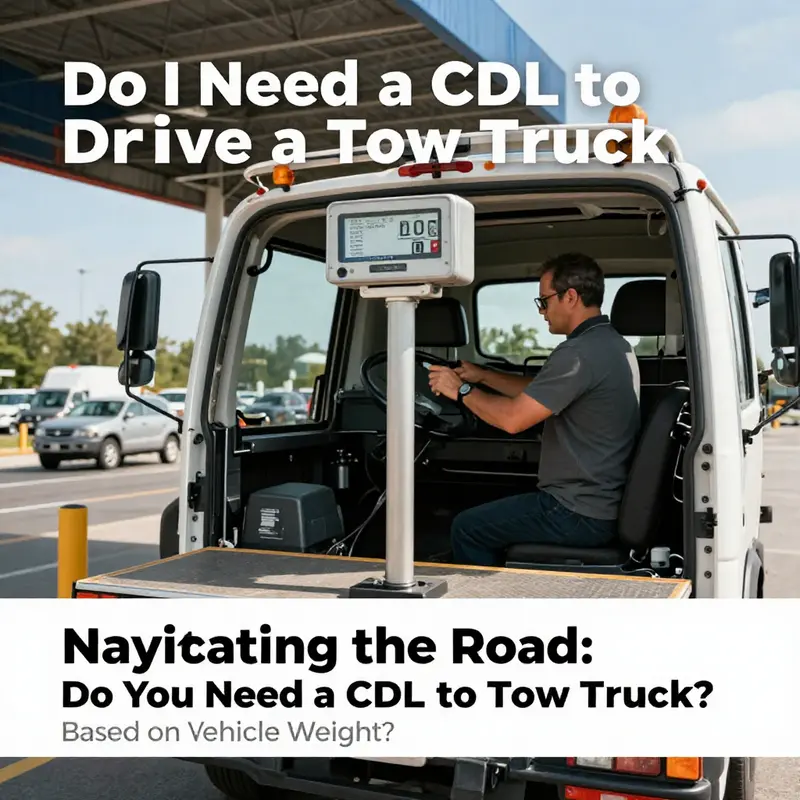
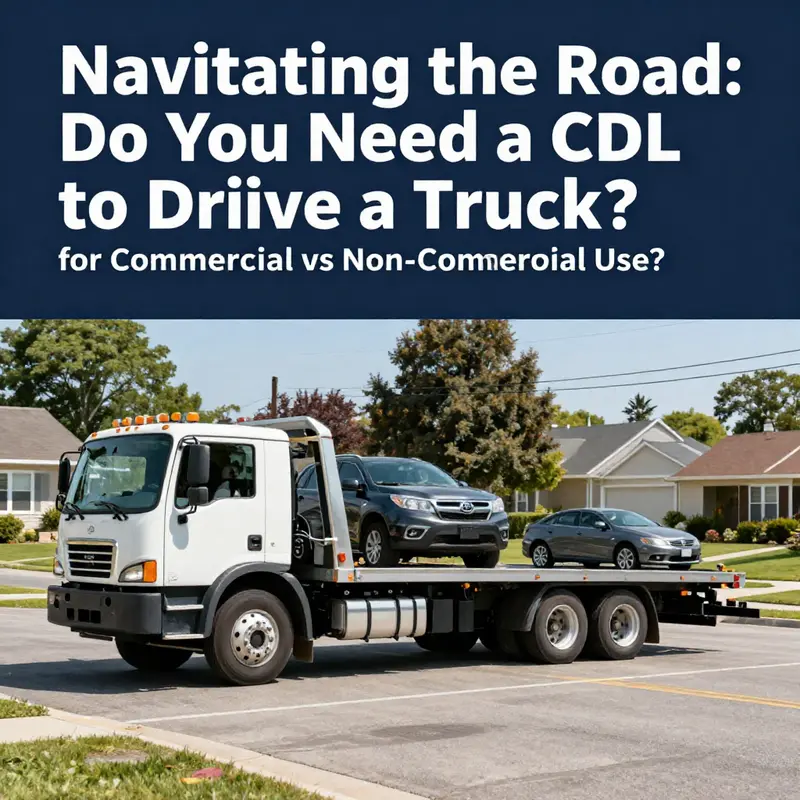
Tow trucks come in several configurations, each with its own weight profile and lifting and towing capabilities. Heavy-duty rollbacks, wheel-lifts, flatbeds, and hybrid designs may all push the total weight on the road into CDL territory, especially when the towed load adds significant mass. A guiding rule of thumb is simple: if the tow truck itself weighs more than 26,000 pounds GVWR, many states expect the operator to hold a CDL for on-road work. A second line of consideration looks at the towed vehicle. If the towed vehicle has a GVWR over 10,000 pounds, or if the combination creates a CMV under applicable FMCSA rules, a CDL may be required regardless of the tow truck’s own weight. States also inject nuance by considering hazardous materials, passenger transport, or private-to-public road use.
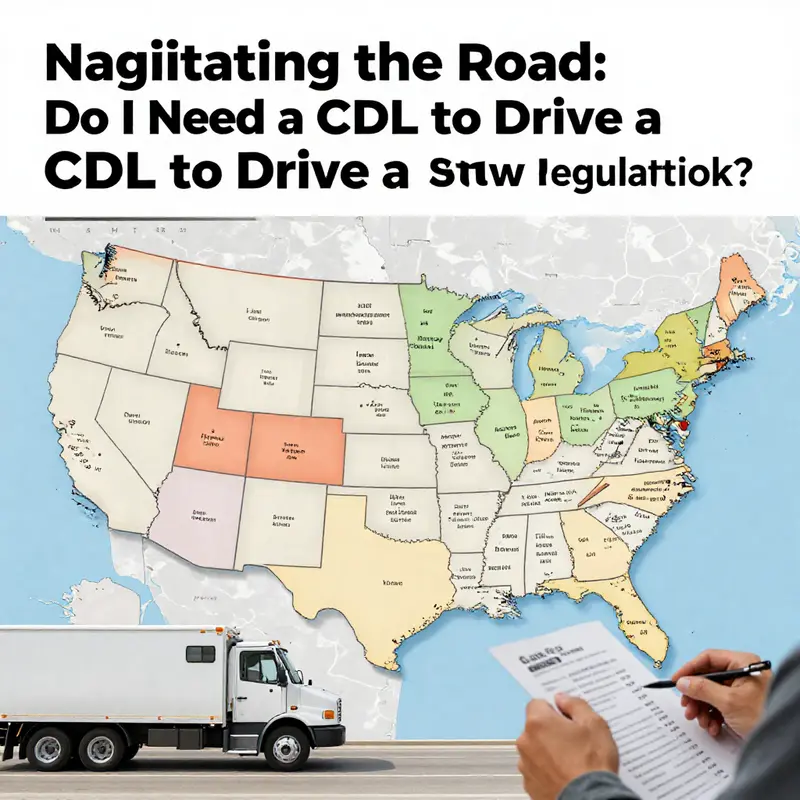
California illustrates how state rules translate the weight-and-use framework into concrete licensing: when the combined weight of the tow truck and the towed vehicle exceeds 26,001 pounds, a CDL is typically required. Other states express the same logic with different phrasing, often balancing weight thresholds with the activity of the tow. Texas, for example, emphasizes the possibility of CDL requirements when hazardous materials are involved. In practice, that means a single job can be legal in one state but require a CDL in another, depending on the routes, the loads, and the intended use.
For operators, the practical takeaway is clear: map your numbers before you dispatch. Record the GVWR of each tow truck, estimate the GVWR or GCWR of typical towed loads, and consider the routes and traffic conditions on your service area. This information feeds into staffing decisions, training plans, and insurance considerations. Dispatchers play a crucial role by validating licensing needs before assigning work and by maintaining a transparent record of driver certifications and vehicle specifications.
From the driver’s perspective, pursuing a CDL can unlock access to heavier equipment and more opportunities, but the path is deliberate: complete the appropriate class designation (A or B, depending on the vehicle), pass medical and knowledge tests, and maintain ongoing training. For drivers who operate within the non-CDL envelope, specialization and familiarity with local regulations remain valuable avenues for growth and safety.
Industry voices from the broader towing community stress that licensing is part of a broader safety and risk-management strategy. Keeping up with state interpretations, maintaining a living file of vehicle specifications, and investing in driver training pay dividends in reliability, insurance costs, and customer trust. For readers seeking current perspectives, reputable regulatory resources and professional fleets’ guidance can provide concrete, state-specific checklists and planning guides.
In short, the CDL decision for tow-truck work is a structured risk-management task. Weight, load characteristics, route plans, and state rules all converge to determine when a CDL is required. The prudent approach is to build a documented assessment process that captures GVWR, GCWR, typical loads, and jurisdictional rules, and to align staffing, training, and compliance measures with those findings. By treating licensing as an integral part of fleet safety and operational planning, towing businesses can reduce risk while serving customers efficiently.
External resource: For official guidance on CDL thresholds and CMV definitions, consult the FMCSA website.
CDL Licensing for Tow Trucks: Weighing GVWR, Towed Loads, and Real-World Implications
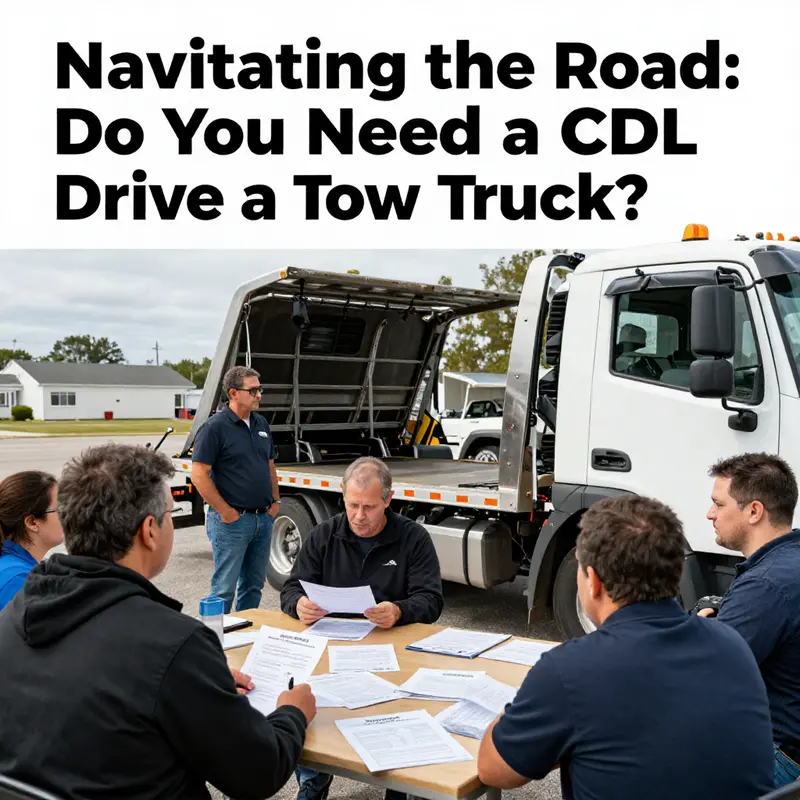
Determining whether you need a CDL to operate a tow truck begins with weight and use. In the United States, the GVWR of the tow vehicle and the weight of any load being towed influence CDL eligibility, along with exceptions for hazardous materials or passenger service. The general rule states that a vehicle with a GVWR of 26,001 pounds or more requires a CDL for the driver, and a combination that pushes total weight over that threshold can also trigger CDL requirements. State rules vary, and some jurisdictions apply stricter thresholds or additional exemptions for private use. Operators should verify current guidance with the state DMV and with FMCSA, which provides the federal baseline and up to date classifications and exemptions. Beyond weight, transporting hazardous materials in quantities requiring placards or carrying more than 15 passengers can create CDL obligations. Training and endorsements related to heavy vehicle operation, hazardous materials handling, and passenger safety translate into safer operation and stronger insurance terms. Many fleets take a practical approach: inventory each tow truck GVWR, map typical towed payloads, and confirm licensing needs for every jurisdiction served. When in doubt, consult the DMV or FMCSA site for the latest rules. A solid licensing plan is part of a broader safety program that includes recovery training, securement best practices, and incident response. Fleet managers who align licensing with actual operations reduce risk for drivers, customers, and the road.
Final thoughts
Understanding whether you need a CDL to drive a tow truck involves assessing vehicle weight, usage, and state regulations. For local auto repair shops, car dealerships, property managers, resort operators, and commercial fleet operators, ensuring compliance with these regulations is vital not only for legality but also for safety and efficiency in operations. By being informed and proactive, you can make smart decisions that positively impact your business while navigating the roads with confidence.