
Navigating the complexities of truck rentals for towing needs can be a daunting task, especially for local businesses like auto repair shops, car dealerships, property managers, resort operators, and commercial fleet operators. This article serves as your comprehensive guide, providing insights into where to rent a truck for towing trailers, important safety considerations, the rental process, pricing, and additional services. As you delve into each chapter, you will uncover essential information that lays a strong foundation for your towing needs.
Where to Rent a Truck That Can Tow Your Trailer: Practical Options and What to Check
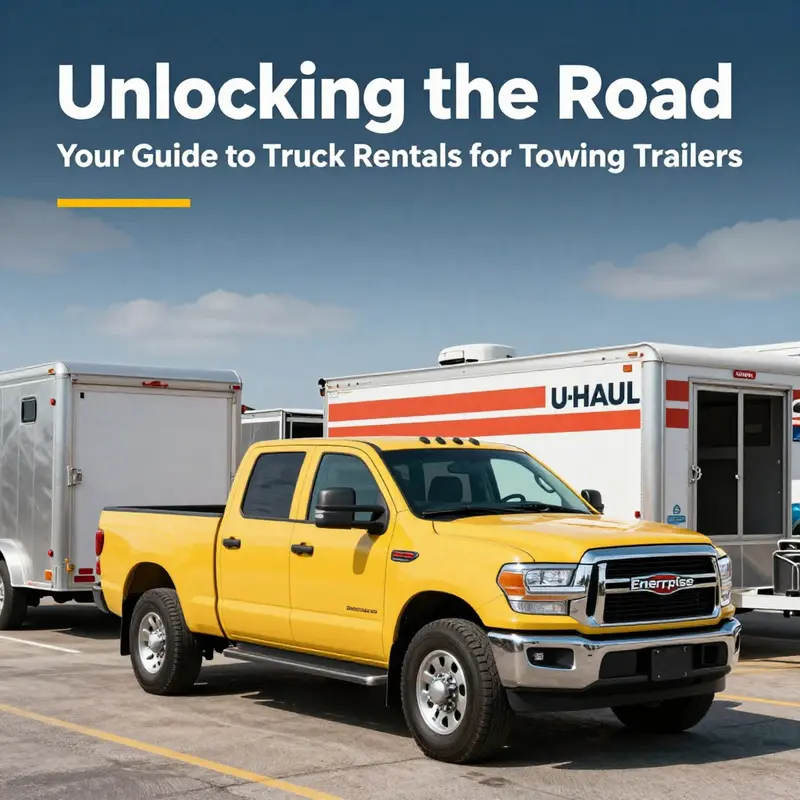
Finding a rental truck capable of towing your trailer begins with knowing what to look for and where to look. Major nationwide rental providers maintain fleets with trucks designed for towing. These fleets include light-duty pickups, heavy-duty pickups, and box trucks. Each type serves different towing needs. The right choice depends on trailer weight, cargo, route, and local regulations.
Start by matching capacity to weight. Trucks list a towing capacity and a payload limit. Towing capacity tells how much mass the truck can pull safely. Payload shows how much weight fits in the truck bed and cab. Together they determine if the combination meets your needs. Look for the truck’s Gross Vehicle Weight Rating (GVWR) and Gross Combined Weight Rating (GCWR). GVWR is the maximum weight of the truck fully loaded. GCWR is the combined maximum weight of truck, trailer, cargo, and passengers. Compare these numbers to the trailer’s empty weight and loaded weight. Don’t forget tongue weight. Proper tongue weight is typically 10–15% of the trailer’s gross weight. Too light causes sway; too heavy overloads the rear axle.
Next, inspect the hitch and towing package. Rental trucks may come with a factory hitch receiver or a heavy-duty towing package. Verify the receiver size, the class rating, and the presence of a weight-distribution hitch if your trailer needs it. Ask whether the truck includes wiring harnesses for trailer lights and electric trailer brakes. If the vehicle lacks a compatible connector, adapters or brake controllers might be available for rent. Confirm the presence of safety chains and a working brake controller when required by your trailer.
Driver qualifications and permits matter. Some trailers push the combined weight beyond what a standard driver license allows. Check if your route or local jurisdiction requires a special license or endorsement. For long hauls, commercial permits may apply. Ask the rental location about regional regulations and whether the company assists with temporary permits. Also verify age restrictions. Some rental agreements limit drivers under a certain age or add surcharges for younger drivers.
Insurance and liability are critical. Rental agreements offer several coverage options. Basic liability may be included, but it often excludes towing-related incidents. Look for supplemental liability coverage that includes trailer towing. If you have personal or business insurance, call your agent to confirm whether it covers rental trucks while towing. Credit card benefits sometimes extend coverage, but many cards exclude heavy trucks. Ask the rental provider for a detailed summary of what is and isn’t covered. Understand damage waivers, roadside assistance, and deductibles. These details influence total cost and risk.
Reserve with the towing task in mind. Book early for peak seasons and weekends. Tell the reservation agent you plan to tow. That flag ensures the location holds a suitable vehicle. Request a vehicle with a towing package and confirm the hitch class. If hauling a specialized trailer, mention its tongue weight and electrical needs. When possible, reserve a unit the day before pickup. That allows the location to prepare any required accessories, such as a brake controller, hitch adapter, or sway control.
Inspect the truck thoroughly before driving off. Walk around the vehicle. Check tires for even wear and proper inflation. Look under the truck for leaks. Verify the function of all lights, including brake and turn signals through the trailer harness. Test the trailer brakes while still on site. Confirm engine fluids are at proper levels. Make note of any scratches and dents so you won’t be charged later. Ask staff to demonstrate hitching and to show the breakaway switch and safety chains. If you are unsure about any item, request a different vehicle.
Plan loading and weight distribution. Load heavy items low and centered. Balance weight between axles. Secure cargo to prevent shifting. Recheck the trailer’s tire pressure and wheel torque after the first 50 miles. On long trips, check again periodically. Use a weight-distribution hitch if recommended. If the trailer has electric brakes, set the controller to provide smooth stopping. Sudden braking with an improperly adjusted controller can lead to jackknifing.
Driving a truck with a trailer demands adjustments. Allow greater stopping distance. Accelerate gradually. Reduce speed before turns and wide curves. Use lower gears on descents and avoid excessive use of engine braking that could overheat the brakes. Increase your following distance in traffic. Use extended turn signals and verify mirrors cover the trailer length. Practice backing in a safe area before approaching tight spaces. Use a spotter when possible. When reversing a trailer, small steering inputs make large trailer movements.
Understand return and one-way options. Some rental locations permit one-way returns. Others require you to return to the pickup location. One-way rentals may carry additional fees. Check mileage policies and fuel requirements. Some trucks require diesel or premium fuel, so confirm fuel type before filling. Ask about cleaning fees for excessive dirt or debris left in the bed or cab.
Watch for hidden fees. Towing equipment, such as weight-distribution hitches or brake controllers, often rent separately. Additional charges can include extra insurance, young-driver fees, and late returns. Damage to trailer components that are not part of the truck may fall to you. Read the rental contract carefully and ask for an itemized estimate when possible.
Local availability matters. Not every branch maintains heavy-duty trucks or towing accessories. Call ahead to confirm specific models and equipment. If your trip crosses state lines, verify that the rental agreement allows interstate travel. If operating on islands or remote areas, consider local fleet plans and emergency readiness. For guidance on preparing fleets and drivers in constrained environments, see the article on emergency preparedness for island fleets: emergency preparedness for island fleets.
Finally, use provider resources. Many large rental companies publish towing guides and truck specifications online. Those resources help you match truck models to trailer weights. For reservations and further detailed information, consult a provider’s website directly: https://www.uhaul.com
Taken together, these steps help you locate and secure a rental truck capable of towing your trailer. The key is matching capacity to weight, confirming the right hitch and wiring, understanding licensing and insurance requirements, and inspecting the truck thoroughly before departure. With careful planning, you reduce risk and ensure a safer, more predictable towing experience.
Matching Truck Ratings to Trailer Loads: Practical Towing Capacity and Safety Guidance
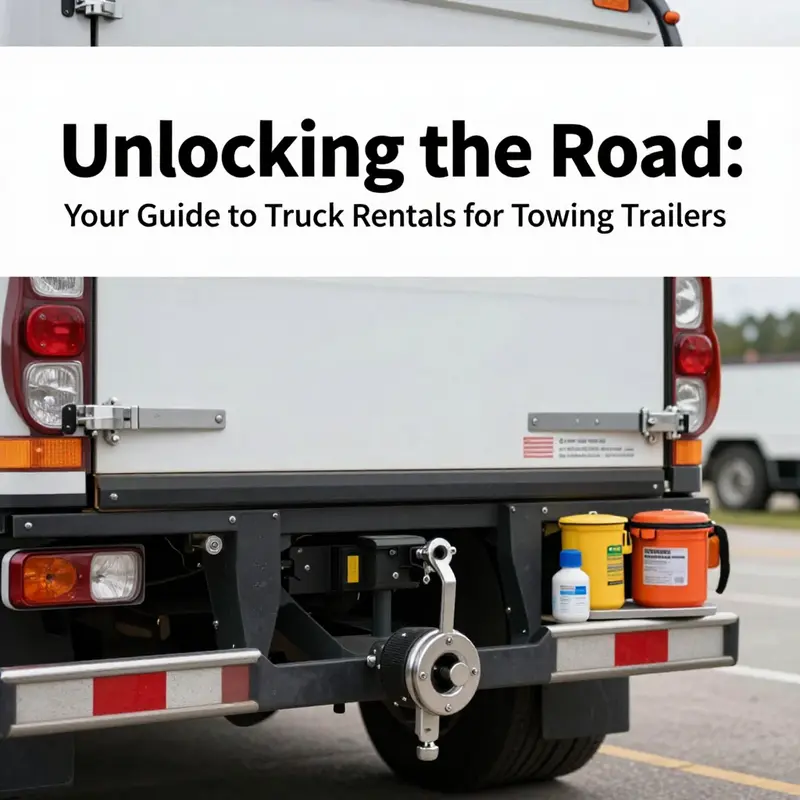
Understanding what a rental truck can safely tow starts with the numbers. Renters often assume a pickup will handle any trailer, but towing is about limits. Know the truck’s ratings and the trailer’s weights before you sign a rental agreement. Learn how those numbers interact. Then apply practical safety checks so the trip stays under control.
Gross Vehicle Weight Rating (GVWR), Gross Axle Weight Rating (GAWR), payload, and towing capacity are not interchangeable. GVWR is the maximum weight a vehicle can safely carry, including passengers, cargo, and tongue weight. Payload is what you can add to the truck bed and cab. Towing capacity is the maximum trailer weight the vehicle can pull without overstressing components. Gross Combined Weight Rating (GCWR) is the limit for the truck, trailer, cargo, passengers, and fuel combined. Always compare the trailer’s fully loaded weight to the truck’s towing capacity and GCWR. If the trailer weight plus the truck’s loaded weight exceeds GCWR, the setup is unsafe.
Calculate trailer weight carefully. Manufacturers list the empty trailer weight as dry weight. Add cargo to get Gross Trailer Weight (GTW). Tongue weight—what presses down on the hitch—should fall between 10% and 15% of GTW for most setups. Too little tongue weight allows sway; too much can overload the rear axle. Use a portable scale or facility scales at a truck stop to confirm GTW and tongue weight before heading out.
Legal and equipment requirements vary by state. Many jurisdictions require working trailer brakes when GTW exceeds a threshold, often around 3,000 pounds. A proper hitch and correct ball size are mandatory. Safety chains are required and must be crossed under the coupler to cradle the tongue if it detaches. Match the hitch class rating to the trailer. A Class III hitch is common for midsize towing; heavier trailers require higher classes and possibly a weight-distributing system.
Weight-distribution hitches and sway-control devices solve common balance problems. When a trailer induces rear sag or instability, a weight-distribution hitch helps transfer some tongue load to the truck’s front axle. Sway control reduces lateral movement caused by wind or passing vehicles. A trailer brake controller mounted in the truck allows proportional braking and significantly shortens stopping distances. If the rental truck does not include a controller or wiring, ask the rental agent if these accessories are available.
Tires, lights, and electrical connections are small things that prevent big problems. Inflate tires to the recommended pressure for towing, not the normal driving pressure. Check tire sidewalls for cuts or bulges. Confirm that all trailer lights work: taillights, brake lights, turn signals, and marker lights. Inspect the wiring harness and connectors for corrosion. Verify the breakaway switch and trailer battery are functional if the trailer uses surge or electric brakes. Small deficiencies discovered at pickup are easier to fix than problems on the road.
Load distribution matters more than many realize. Place the heaviest items over or just in front of the trailer axle, and secure them to prevent shifting. Keep the center of gravity low. Distribute weight evenly side-to-side and tie down tall, top-heavy items. Use ratchet straps or load-lock devices to keep cargo from moving. Poorly secured loads can change the trailer’s behavior abruptly and lead to jackknifing or rollovers.
Pre-trip inspections and a brief test drive are essential. Walk around both truck and trailer. Verify the hitch is properly latched and pinned, safety chains are crossed and connected, and the breakaway cable is attached. Check suspension, brakes, and lighting one more time before leaving. Once hooked up, drive a short distance and recheck the hitch and torque on lug nuts. If the truck feels unstable, stop and reassess loading and equipment.
Driving a truck with a trailer requires adjustments. Increase following distance to allow extra braking time. Accelerate gradually to reduce sway. Use lower gears when descending long grades to reduce brake fading. When turning, allow a wider path to prevent trailer wheels from climbing curbs. Backing maneuvers take practice; use small steering inputs and consider a spotter outside the vehicle for larger trailers. Reduce speed when winds are strong or when passing high-profile vehicles.
Insurance and licensing deserve attention. Confirm that the rental company’s insurance covers towing, or arrange supplemental coverage. Some carriers exclude trailers over certain weights unless additional coverage is purchased. Confirm whether the truck requires a special license or endorsement; heavier combinations may need a commercial license depending on local rules. Ask the rental agent about any permits required for oversized loads or for crossing certain jurisdictions.
At pickup, treat the rental counter as part of your safety checklist. Request specifications for curb weight, towing capacity, and GCWR for the specific truck you will receive. Ask which hitch, ball size, and wiring are installed. If you need a brake controller, weight-distribution hitch, or sway control, request those items when booking, not at the last minute. Many rental companies provide online tools to filter trucks by towing capacity and equipment. Test the brakes and lights in the lot and record any pre-existing damage on the rental agreement.
Carry the right emergency gear. Bring a spare tire rated for trailer use and a jack that fits trailer lug nuts. Pack extra tie-downs, a basic tool kit, wheel chocks, reflective triangles, and a fire extinguisher. A portable tire inflator and spare bulbs are inexpensive insurance. Include a shutdown bag for long hauls: water, phone charger, flashlight, and high-visibility vest. These items reduce downtime and protect the load and other road users.
If you manage multiple vehicles or coordinate several tows, integrate towing safety into your operational routines. Standardized checklists and training reduce human error and accelerate response to incidents. For guidance on coordinating crews and emergency plans, review this resource on essential fleet emergency response strategies.
Finally, take advantage of the rental provider’s resources for current specs and availability. Many maintain detailed pages showing towing capacity, GCWR, and recommended equipment for each truck model. Use those resources to match the right truck to the trailer before pickup and to request the appropriate accessories. For up-to-date towing specifications and to confirm equipment availability, consult this source: https://www.uhaul.com
Where to Rent a Tow-Ready Truck: Practical Steps, Requirements, and Safety Tips
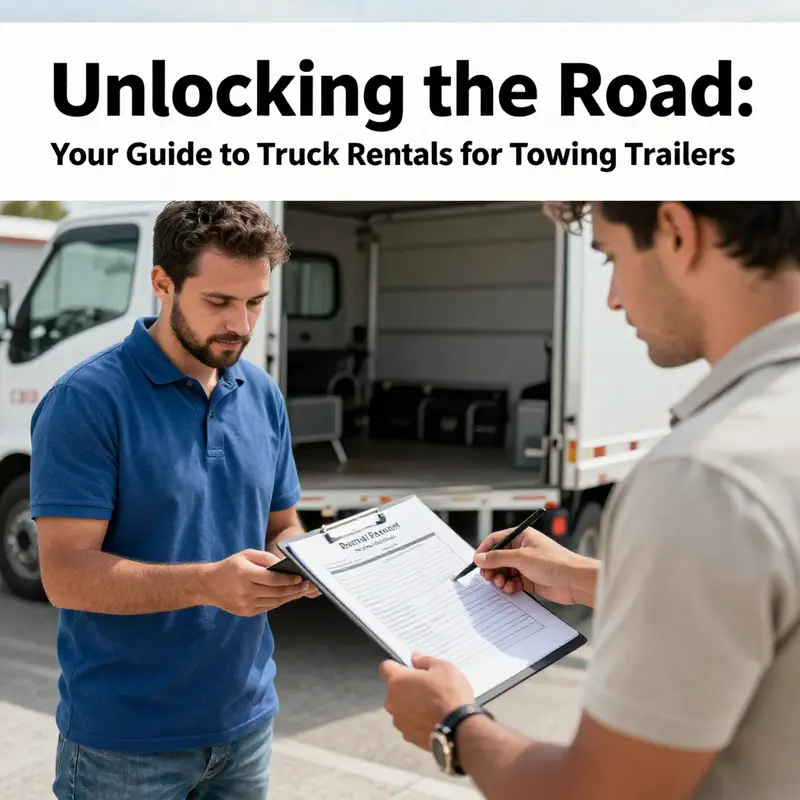
Rental process and what rental locations expect when you need a truck to tow a trailer
Finding a rental truck that can safely tow a trailer is more than choosing the biggest vehicle on the lot. It means matching a vehicle’s towing capability to the trailer’s loaded weight, confirming the right towing equipment is available, and meeting the rental company’s requirements. Major rental outlets and local agencies alike keep a selection of pickup trucks and small commercial vehicles specifically configured for towing. Many also provide trailers, while others allow you to bring your own. Start your planning by determining the trailer’s gross vehicle weight rating (GVWR) and the fully loaded weight you expect, then use that number to guide vehicle selection and accessory requests.
A streamlined rental process begins online. Use rental search tools to check real-time availability at nearby locations and to compare vehicles by towing capacity. When browsing, look for the vehicle’s published maximum towing capacity and curb weight. If capacity is not obvious, contact the branch and ask for the exact model and towing package details. You will also want to reserve towing accessories at the time of booking. These include a compatible hitch ball, a weight-distributing hitch, electrical wiring harness, and, when required, a trailer brake controller. Requesting these items in advance is essential; drop-in availability is not guaranteed.
Rental companies set clear renter requirements. You must present a valid driver’s license. Many locations enforce a minimum age requirement; if you fall below their preferred age threshold, expect additional fees or restrictions. A credit card is typically required to hold a deposit, and proof of insurance that covers towing may be requested. If you do not have appropriate coverage, an optional protection plan can usually be purchased at pick-up. Some vendors also ask for verification of towing experience when customers rent heavy-duty trucks or intend to tow large trailers. This verification can be as simple as answering a few questions about towing history or as formal as providing documentation of training.
Before you sign the rental agreement, review the vehicle’s towing limits and the fine print about towing. Policies differ on responsibility for trailer damage, permissible trailer types, and where you can take the vehicle. Ask explicitly whether cross-border travel is allowed, as international travel can require additional paperwork or fees. Clarify mileage allowances and fuel policies, and confirm return conditions to avoid unexpected charges.
When you pick up the vehicle, perform a thorough walk-around with a rental representative. Document any pre-existing damage and verify the hitch and electrical connections are present and functional. Test the wiring with a trailer if possible, confirming turn signals, brake lights, and running lights operate. If the rented truck includes a trailer brake controller, have the agent demonstrate its operation and show where the settings are adjusted. Inspect the hitch hardware and safety chains. If a weight-distributing hitch is provided, confirm it is installed correctly and that you know how to adjust it.
Pairing truck and trailer requires attention to gross combined weight rating (GCWR), tongue weight, and weight distribution. Never exceed the truck’s published GCWR or maximum towing capacity. Tongue weight—the downward force the trailer places on the hitch—should typically be 10–15% of the trailer’s total loaded weight. Too little tongue weight increases sway risk; too much overloads the rear axle and reduces steering control. A weight-distributing hitch helps keep the vehicle and trailer level, improving control and braking.
Braking systems matter. Trailers above certain weights require their own brakes in most jurisdictions. Confirm that trailer brakes are functional and that any required brake controller in the tow vehicle is properly connected and adjusted. Test the brakes in a safe, open area before joining traffic. If your trailer is heavy, practice controlled stops at highway speeds to sense how the truck and trailer respond.
Permits and special licenses vary by region and by the trailer’s weight. In many places, a standard driver’s license covers routine towing of small travel trailers and utility trailers. However, hauling larger trailers or commercial loads may require a special permit or commercial driver license class. Check local regulations if your trailer’s combined weight approaches the upper limits of the vehicle’s capacity or if you plan long-distance or interstate travel.
Insurance choices are important and often overlooked. Confirm whether your personal auto policy covers rental trucks and towing. If it does not, purchase the rental company’s offered liability supplement and physical damage protection. Understand what deductible applies and whether the waiver covers trailer damage. When possible, take photos or video of the vehicle and accessories during pick-up and return to document condition.
Safety checks and a short pre-trip routine reduce risk. Inspect tires, including spare, and ensure proper inflation for both truck and trailer. Verify lug nuts are torqued to spec. Check lights and reflectors, and secure cargo within the trailer to prevent shifting. Attach safety chains in a crisscross pattern, and confirm emergency breakaway systems are functional on trailers equipped with them. Drive defensively and allow increased stopping distance. Use mirrors and, when available, add extended side mirrors for better visibility.
Practice low-speed maneuvers in a parking lot before heading onto busier roads. Backing and turning require wider arcs. Radius judgments change with a trailer attached, and small steering inputs can result in significant trailer movement. Learn to make gradual corrections and avoid sudden steering or braking. When passing or being passed, be mindful of wind and large vehicles that can create instability.
Pick-up and drop-off timing can affect availability and cost. Weekends and peak moving seasons often see high demand. Reserve early and confirm your booking the day before pick-up. If plans change, notify the rental location as soon as possible to avoid no-show penalties. On return, follow the rental company’s instructions for cleaning and fuel. Keep receipts and inspection records until charges post to your card.
For fleet operators or those who frequently need tow-ready trucks, building a relationship with a local rental branch can pay off. They may hold equipment, advise on load planning, and offer tailored insurance options. For group operations on islands or in remote areas, consult regional emergency planning resources to align towing practices with local response strategies. Helpful operational guidance is available in resources on emergency preparedness for island fleets: https://theislandtowtruck.com/emergency-preparedness-for-island-fleets/.
For real-time availability and towing specifications across a large national network, visit this comprehensive rental platform: https://www.uhaul.com
Finding the Right Truck to Tow Your Trailer: Practical Pricing and Real-Time Availability
Pricing and real-time availability are the two questions that determine where to rent a truck to tow your trailer. When you start searching, think in terms of categories rather than names: local truck rental outlets, national rental networks, specialty moving-and-towing providers, and peer-to-peer platforms. Each category offers different fleets, policies, and price structures. Focus first on what you need to haul and for how long, then match that need to the provider whose pricing model and inventory suit your plan.
Daily base rates for a pickup-sized truck equipped for towing typically fall in a moderate range. Expect lower-cost pickup options priced for short runs, and heavier-duty trucks that handle larger trailers at higher daily rates. For budgeting, assume a standard towing-capable pickup will cost mid-range per day, while heavy-duty, high-capacity trucks cost significantly more. Beyond the base rate, additional line items usually appear: mileage charges, fuel policies, add-on towing equipment, and any delivery or pickup fees. These extras can double the cost if left unchecked.
Several factors move the needle on pricing. Location is a primary driver: urban centers and regions with high demand for moving or recreational hauling often carry higher rates. Seasonal demand matters too; summer months, long holiday weekends, and local event weekends push prices upward and reduce availability. The truck’s class—light, medium, or heavy duty—determines the base cost and which trailers it can safely tow. Rental duration influences per-day pricing: shorter rentals often have a higher daily rate, while weekly or multi-week bookings usually lower the daily average.
Availability mirrors pricing. Popular pickup models and trucks with high towing ratings book up quickly. If your trailer requires a specific towing capacity or an integrated brake controller, inventory narrows. Booking windows of a few weeks are typical in many places, but in high-demand periods you may need to reserve a month ahead. Many rental systems offer real-time inventory filters that let you narrow results by towing capacity, drive configuration, or accessory availability. Use those filters to avoid surprises at pickup.
Accessories and equipment are a small but crucial cost. Hitches, wiring kits, weight distribution systems, sway control equipment, and trailer brake controllers may be available as add-ons. Some trucks come pre-equipped; others require add-on rentals. When a truck lacks the right hitch or brake setup, the correct equipment must be rented or installed. That can incur daily charges and installation fees. Check whether the provider supplies a certified installer or requires you to source and attach equipment yourself.
Insurance and liability coverage are often optional but essential. Standard rental contracts include basic liability coverage, but it may be limited when towing. Many providers offer additional towing-specific insurance that covers damage to the trailer, cargo, or third parties. If you plan to carry valuable cargo or expensive trailer components, add comprehensive towing coverage. Also verify whether your personal auto insurance or employer fleet policy extends to rented trucks with trailers. Clarifying this ahead can prevent expensive gaps in coverage.
Licensing, permits, and local rules influence both cost and planning. Some areas require special permits for towing trailers above certain gross vehicle weight ratings. Commercial use or crossing state lines may trigger additional paperwork. Confirm license requirements for the truck’s gross vehicle weight rating; heavier trucks sometimes require commercial endorsements. Penalties for noncompliance can be costly, so verify local regulations before booking.
Delivery and pickup services change logistics and fees. If you cannot transport the truck to the trailer or lack a tow vehicle, some providers will deliver a truck to your location or deliver both truck and trailer. Delivery reduces complexity, especially when moving large items or staging equipment at remote sites. Expect a fee for convenience; compare it to the time and fuel costs of driving the truck to your site.
Reserve early and be flexible with pickup locations to improve options and lower cost. If one branch lacks the truck you need, a nearby location may have availability and sometimes a better rate. Online reservation systems let you hold a vehicle with a small deposit while you confirm final details. When possible, book a refundable reservation to lock in a rate while keeping flexibility.
Inspect the truck and trailer setup at pickup. Confirm the hitch ball size, wiring connections, breakaway switches, and trailer brake responsiveness. Check tire condition, suspension, and mirrors. Request a brief orientation if you’re unfamiliar with towing controls. Document existing damage with photos and notes to avoid disputes at return.
Understand fuel, mileage, and return policies. Some systems operate on full-to-full fuel policies; others bill by the gallon at higher station rates. Mileage allowances vary; exceeding them adds incremental charges. Also clarify whether off-road use, weight overages, or crossing into other jurisdictions triggers penalties.
Look closely at the rental agreement for concealed fees. Administrative charges, late-return penalties, cleaning fees, and equipment loss charges can all appear. Ask for a clear breakdown of all fees in writing. A low daily rate can be undermined by high per-mile charges or expensive accessories.
Safety considerations should guide every booking decision. Choose a truck whose rated towing capacity exceeds your trailer’s gross weight by a comfortable margin. Consider trucks with integrated trailer brake controllers or electronic stability support. If moving heavy loads, request a model with higher stability ratings, stronger suspension, and appropriate cooling systems. If your trailer requires load-distribution hitches or supplemental braking systems, make sure those pieces are available.
If you manage a fleet or frequently arrange rentals, develop a checklist and preferred-provider list. Track who in your organization is authorized to book, what insurance they must carry, and which equipment is required for different trailer types. This streamlines bookings and reduces unexpected costs. For practical guidance on planning and response strategies for mobile fleets, consult the theislandtowtruck.com/blog for ideas that translate well to rental planning.
Finally, use a simple comparison method. Create a short table when you research: base daily rate, estimated total for your itinerary, included equipment, insurance options, delivery fees, and cancellation terms. Phone confirmation can clarify online details and expose hidden limitations. With careful comparison, the right match between truck and trailer can be found without overspending.
For the most current, provider-specific inventory, rates, and towing specs, consult a specialist moving-and-towing rental website with live availability. That resource lists truck sizes, towing capacities, and location-based pricing across a wide network, and can show real-time options for your dates. Visit https://www.uhaul.com/ for up-to-date availability and detailed rental terms.
Beyond the Hitch: Essential Add‑Ons, Coverage Choices, and Services When Renting a Truck to Tow a Trailer
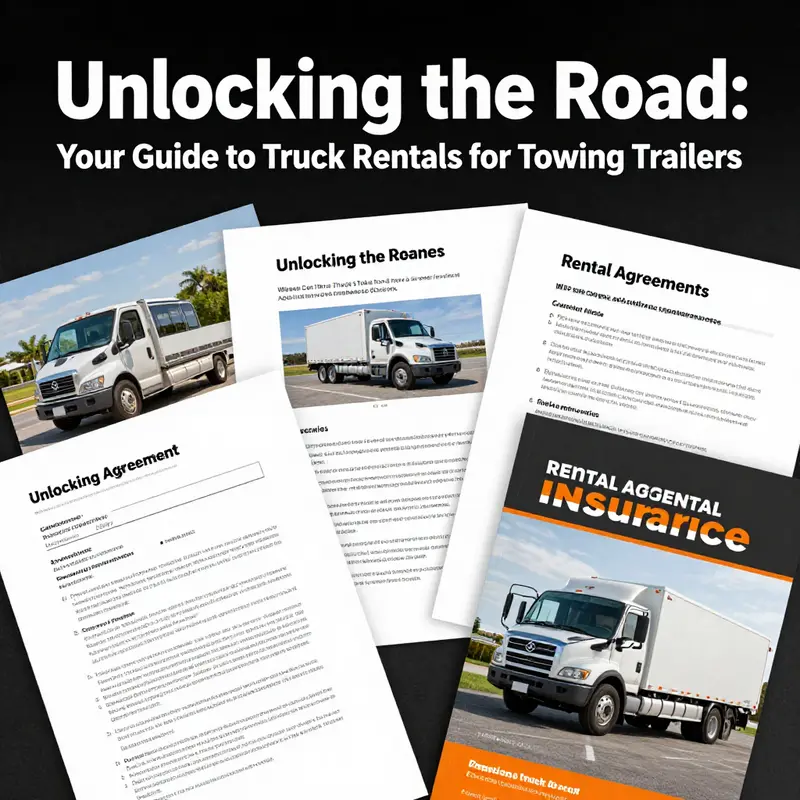
When you rent a truck to tow a trailer, the vehicle itself is only part of the equation. Additional services and the right insurance can make the difference between a smooth, stress‑free trip and an expensive, time‑consuming problem. Focus first on what you will tow and where you will go. From that foundation you can choose the towing equipment, protective coverages, and support services that match the load, route, and your own experience behind the wheel.
Start with the physical connections. A compatible hitch or adapter is essential. Rental providers often include a basic hitch, but that may not be the best solution for every trailer. Consider the trailer tongue weight and distribution. A weight‑distribution hitch and sway control can dramatically improve stability with heavier trailers. If the trailer uses electric brakes, a compatible brake controller in the truck is necessary. If the trailer relies on surge brakes, verify that the truck’s hitch and rear suspension are set up to allow the surge mechanism to operate correctly. Rental staff can explain what is included; ask for demonstrations so you know how to connect and disconnect safely.
Electrical hookups are another common stumbling block. Proper wiring ensures brake lights, turn signals, and brake‑controller power function correctly. Rental companies may provide an adapter and help with setup. Insist on testing every light and the brake controller before you leave the lot. If a rental offers to plug in and test the system for you, accept the service—one functional test avoids roadside headaches later.
Think beyond the mechanical link. Equipment for load security and accessibility matters. Ratchet straps, corner protectors, wheel chocks, and ramps are often available as add‑ons. For open trailers, a good tarp and appropriate tie‑downs will protect cargo from road spray and wind. If you carry heavy equipment, confirm that the truck’s bed and trailer ramps can handle the weight. Ask whether a spare tire for the trailer is included or available; many rental agencies will provide, or allow you to add, a spare and the necessary tools for a quick change.
Roadside assistance is worth particular attention. Tire failures, battery problems, or minor mechanical issues can strand you, and towing a trailer complicates rescue. Confirm the provider’s roadside policy for towed vehicles. Does assistance include changing a trailer tire? Will a tow truck arrive that can handle a rig with a trailer attached, or must the trailer be detached before towing? Clear answers here save time and reduce surprise costs. If you will be driving in remote areas where service is limited, upgrade to a plan with extended coverage and longer dispatch radiuses.
Insurance choices deserve a careful, practical approach. Rental companies typically offer several tiers of protection. A collision damage waiver or similar product reduces your financial responsibility for damage to the rented truck. Liability coverage protects third parties if you cause damage to another vehicle or property. Comprehensive options cover theft and vandalism. Personal accident coverage offers medical protection for you and passengers. Consider the limits, deductibles, and what is explicitly excluded—some policies exclude damage caused while towing certain types of trailers or while operating on unpaved roads.
Before you add coverage through the rental company, check your existing policies and payment cards. Many personal auto insurance policies extend to rental vehicles, but coverage for towing and trailers can vary widely. If you have business or commercial auto insurance, verify whether it covers rented trucks and trailer towing. Some credit cards include collision protection for rentals, but they may exclude pickups and towing or require you to decline the rental company’s damage waiver to be eligible. Contact your insurer or card issuer to get clear, written confirmation of what is covered.
If your personal policies do not cover towing, buying supplemental protection from the rental company can be worth the cost. When evaluating that purchase, focus on the potential worst‑case expenses: the cost to repair or replace the truck, liability exposure for damage to others, and the medical costs from an accident. Choose coverages that cap your liability to a comfortable level and reduce your out‑of‑pocket exposure for major incidents. If the rental firm offers an optional deductible‑reduction product, compare its price to the potential deductible amount you’d pay without it.
Document everything at pickup. Walk around the truck and trailer together with a representative and photograph any existing damage from multiple angles. Test lights, brakes, and the hitch while still on site. Get written confirmation of the fuel level, mileage, and any included equipment. If you add specialty items—like a weight‑distribution hitch, brake controller, or specialty straps—record them on the rental agreement. Clear documentation speeds claims and prevents disputes about preexisting damage.
Understand licensing and permit requirements for your route and load. Heavier trailers or combinations above certain gross vehicle weight ratings may require a commercial license or a special permit. Oversized loads may need route planning, escort vehicles, or travel restrictions. Local or state agencies set these rules, and rental desks can usually point you to the right agency, but verifying before you book avoids fines and forced route changes on the road.
Before you drive, practice basic towing maneuvers in an empty lot. Backing, lane changes, and emergency stopping behave differently with a trailer. Adjust your mirrors and braking habits: allow for longer braking distances, avoid sudden steering inputs, and treat passing and merging with extra caution. If you are unfamiliar with the gear provided, request a short orientation—many rental companies will deliver one at pickup.
Finally, think in terms of contingency planning. Carry a small emergency kit geared to trailers: extra tie‑downs, a basic tool kit, spare bulbs and fuses for trailer lights, and a portable jack that fits the trailer. Keep the rental company’s damage and roadside contact numbers handy, and record the steps to file a claim. If you manage a fleet or operate in regions prone to service interruptions, review material on emergency planning to align your rental choices with broader resilience strategies; a useful resource is Emergency Preparedness for Island Fleets (https://theislandtowtruck.com/emergency-preparedness-for-island-fleets/).
Selecting add‑ons and coverage is a balance of cost, risk tolerance, and trip specifics. Prioritize the items that most directly reduce your exposure: a proper hitch and brake controller, liability protection that covers the full potential damage you could cause, and roadside assistance that can handle a truck‑and‑trailer combination. With inspection, documentation, and a modest set of tools and skills, the rental experience becomes predictable and manageable. For a complete look at the industry’s offerings, rental locations typically publish up‑to‑date details and booking tools on their official websites: https://www.uhaul.com
Final thoughts
As you embark on the journey of renting a truck to tow a trailer, remember the essential factors highlighted in each chapter. Understanding your options, knowing safety regulations, and familiarizing yourself with the rental process can all lead to a smoother experience. Emphasizing precautions and the importance of additional services will ensure that your rental meets the demands of your specific towing needs, ultimately enhancing your operational efficiency and safety.