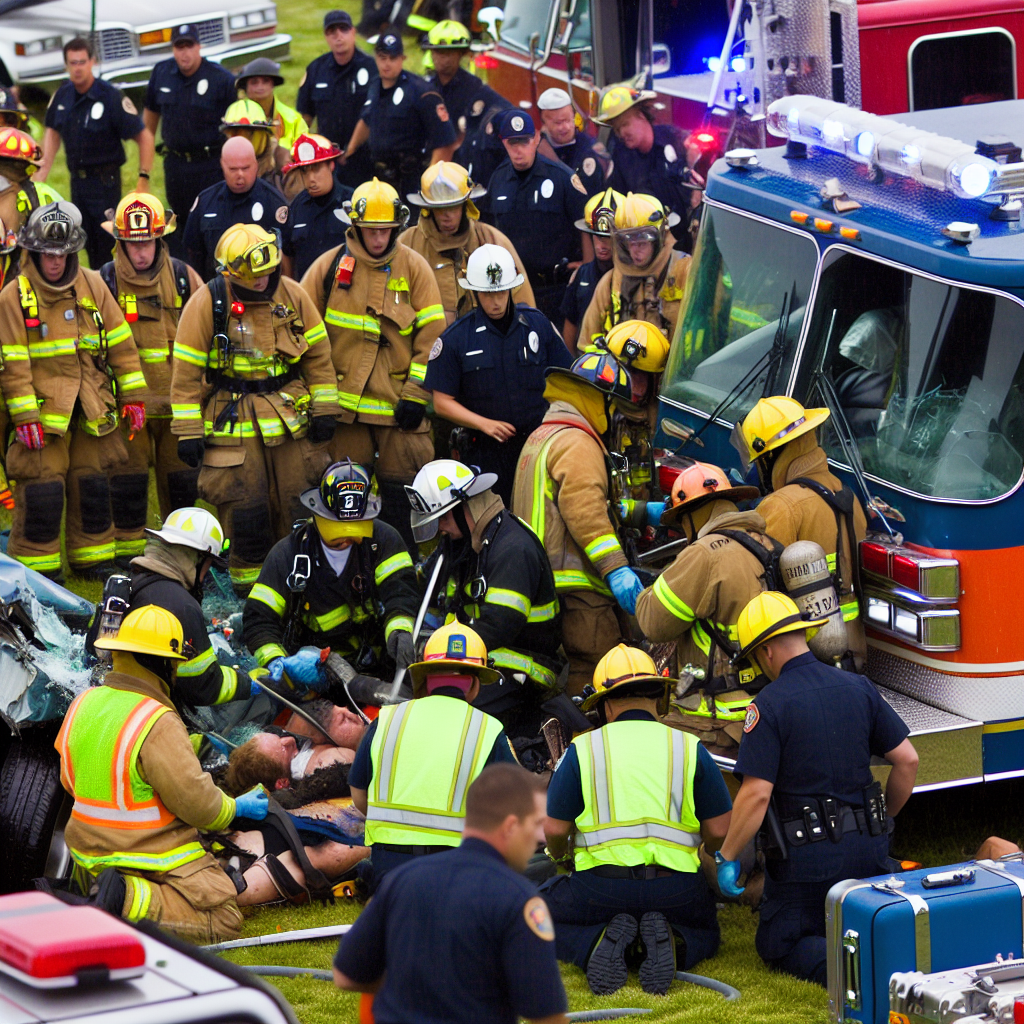
Breakdowns can turn serene island journeys into stressful episodes. Knowing how to effectively call for a tow truck not only ensures your vehicle is handled promptly but also safeguards your well-being. The following chapters will guide local auto repair shops, car dealerships, property managers, resort operators, and commercial fleet operators through the essential steps: prioritizing safety, utilizing emergency contacts, communicating effectively with dispatchers, understanding costs and availability, and waiting safely while help arrives. Together, we’ll navigate these nuances with care and confidence.
Tow Truck Signals: A Safety-First Guide to Getting Help Fast and Safe
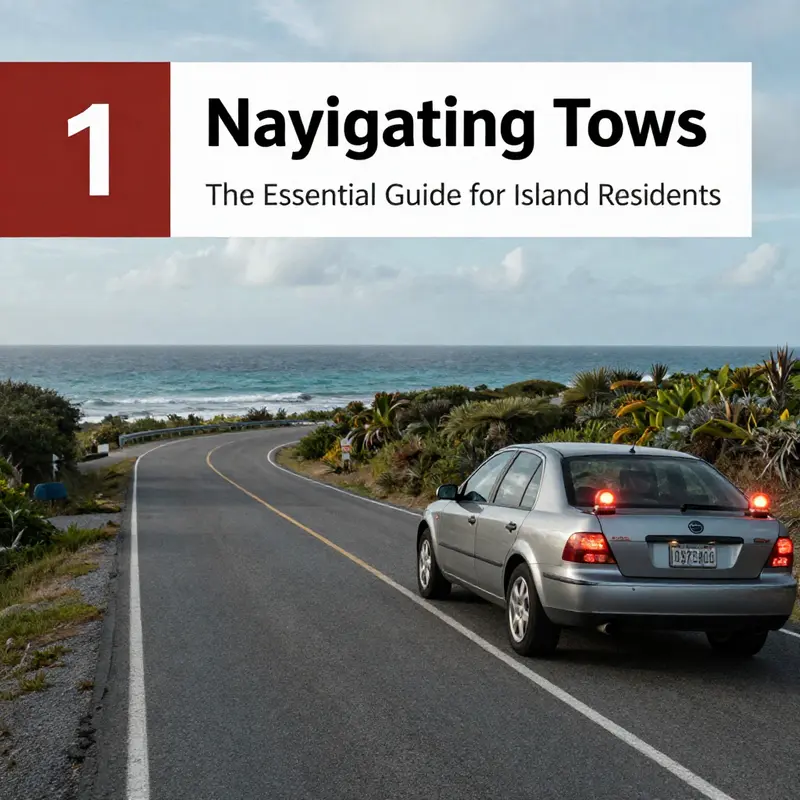
When the traffic noise around you dwindles into a tense quiet and your dashboard stares back with a stubborn silence, the moment calls for both calm and decisive action. A tow truck may be the immediate solution, but the safest path to getting that help quickly lies in a practiced sequence that keeps you out of danger and streamlines the responder’s arrival. This chapter threads together the practical steps you can take the moment you realize you need assistance, turning a stressful breakdown into a controlled, safety-focused process. It treats towing as a coordinated effort between you, the responders, and the road you share with others, a choreography that prioritizes life and limb over speed or convenience. The ultimate aim is simple: move to safety, contact the right people, communicate clearly, and supervise the tow with attention to detail so you reach a repair shop or home repair plan without adding new risks to an already precarious situation.
First, safety is not negotiable. If your vehicle remains drivable, guide it to a safe location away from the main flow of traffic. On a highway, the shoulder or a designated emergency lane is the preferred space, but only if you can reach it without escalating danger. Activate the hazard lights immediately; those four flashing lamps are your first line of defense, a signal to other motorists that you have a temporary situation that requires patience and space. Beyond the vehicle itself, you should consider placing warning devices if conditions permit. In the United States, standards call for a reflective triangle positioned behind your vehicle at a considerable distance on highways—about 100 meters (330 feet) away. On regular roads, the distance can be 50 to 100 meters. These cues help reduce the chance of a second incident while you wait for assistance. All passengers should step away from traffic and move to a safe location beyond the guardrail or well away from the roadway. The goal is clear: keep people safe, not close the gap between you and a long queue of impatient drivers. A pro tip that often saves time is to use your phone’s GPS or a map app to pinpoint your exact location for the dispatcher. Sharing that precise locale can cut minutes from the arrival window when minutes matter.
With safety established, the next move is choosing the right channel to request help. A broad spectrum of options exists, and the best choice depends on your context, your coverage, and the severity of the situation. If there has been an accident or injuries, dialing the local emergency number is the appropriate first step. In many regions, that number is 911, while others rely on a regional equivalent such as 112. These services can dispatch police, medical aid, and a tow when needed, coordinating with responders to manage hazards and safeguard bystanders. In express terms, emergencies require authoritative channels; attempting to improvise a tow without professional coordination can complicate the scene and put others at risk.
Beyond emergencies, there are avenues tied to ongoing coverage and service plans. If you carry auto insurance, remember that many policies include 24/7 roadside assistance that covers towing within certain limits. You should verify what your policy actually covers, including the maximum distance, the types of towing allowed, and any service fees that may apply. If your vehicle is relatively new or still under warranty, your manufacturer’s roadside program may provide complimentary or discounted towing, especially within the warranty period—an advantage worth checking before you feel pressed into a quick, potentially costly choice. For those who prefer a direct route, a licensed towing company can be contacted by phone or through a regional directory. Convenience apps and digital platforms exist to streamline requests, offering one-click or rapid request options. In all these routes, the core principle remains unchanged: confirm that the service is legitimate, authorized, and equipped to handle your vehicle safely. It is prudent to be mindful of exploiting third‑party apps that promise speed but fail to verify driver credentials; your safety hinges on a reputable operator arriving with proper identification, equipment, and insurance.
As you decide how to reach out, prepare to deliver precise information to the dispatcher. The more closing details you provide, the more smoothly the process unfolds. Start with your exact location, using street names, nearby exits, landmarks, or GPS coordinates. Next, state the nature of the problem—engine trouble, a flat tire, running out of fuel, or a collision. Indicate whether medical help or police presence is required, and share essential identifiers such as your name, a contact number, and your vehicle’s registration. If you have any special needs—access requirements, a need to transport items securely, or the presence of pets or valuables—mention them up front. Above all, stay calm and speak clearly; a composed tone helps the operator capture every critical detail and pass it to the arriving crew without misinterpretation. The dispatcher’s role is to translate your description into a plan, so your clarity becomes your quickest path to resolution.
Once you have arranged the call, you should anticipate a few practical confirmations before the tow begins. Ask about the destination of the vehicle—will it go to a repair shop, a dealer, or your home? Seek a transparent estimate of costs, including how charges are calculated—by time, distance, or a flat rate—and what payment methods are accepted. If you are able, request the dispatcher to share an estimated arrival time, so you know what to expect and where to wait. Before the tow arrives, it is wise to inspect your car’s exterior and interior inside the safety of the vehicle or behind a barrier. If you notice any new damage, document it with photos and notes. This habit protects you from disputes about preexisting conditions and helps the tow operator understand the task at hand, whether it involves winching, wheel lift, or a flatbed transport. Verifying credentials is another prudent step—confirm that the driver is licensed to operate in your area and that the vehicle is appropriately marked and insured. When a tow professional arrives, they should present identification; a straightforward confirmation reduces the chance of an unauthorized person gaining access to your car or belongings.
The actual tow process demands vigilance and mutual understanding. If you ride along with the tow vehicle, keep your hands away from moving parts and follow the driver’s instructions with regard to securing the vehicle and its contents. For automatic transmissions, systems often require the car to be placed in Neutral during towing; if the driver instructs a particular setting, comply. A common safety guideline is to limit towing speed and to maintain a safe distance between vehicles to allow reaction time in traffic. In practice, many operators intend a maximum speed that is well below normal highway speeds, often around 30 km/h (about 18 miles per hour), with some recommendations leaning toward 20 km/h (roughly 12 mph) for added control—especially on uneven road surfaces or in urban areas with frequent stop-and-go conditions.
A critical safety caveat must be remembered: never attempt to tow a vehicle with a failed braking system using improvised means such as ropes or chains. If braking is compromised, the safest approach is to request a flatbed tow, which provides a stable platform and reduces the risk of loss of control or further damage. The tow operator can advise on the most appropriate method based on the vehicle’s condition, the terrain, and the local regulations governing towing practices. The driver’s professional judgment, backed by proper equipment, is an ally you can rely on when nerves are frayed and the road remains a gauntlet of slow-moving traffic.
Beyond the moment of transport, the aftercare matters just as much as the arrival. Always request a receipt for the service; this is essential for your records and for any subsequent insurance claims. If you intend to file a claim, gather the documentation that supports the incident, including location details, the time, the tow company name, and the precise charges. Review your policy’s roadside assistance provisions to confirm reimbursement conditions and any caps on coverage. If you have questions about how to handle the claim, consult your insurer’s guidelines or your vehicle’s manufacturer warranty documentation. The act of documenting and following up helps ensure that your experience contributes to a more robust emergency plan for the next time you face a roadside challenge. As you reflect on what happened, consider updating your personal roadside kit and your emergency contacts to reflect the trusted tow options you learned about during the event. In the broader sense of preparedness, the same principles apply when you think about emergency resilience for island fleets and other constrained contexts—an area explored in more depth in emergency preparedness for island fleets.
Safety, preparation, and decisive action weave a reliable fabric for roadside emergencies. The sequence—secure your position, contact the right channel, convey precise information, confirm logistics, monitor the tow, and complete the post-event steps—creates a predictable pathway through a potentially chaotic moment. It is a rhythm worth practicing, not only for personal peace of mind but also for the safety of other road users whose lives depend on well-executed contingencies. In that spirit, remember that the safest choice, when doubt exists, is to rely on trained professionals who bring the right equipment and the right training to your location. Do not risk attempting to move or tow a vehicle on your own if it compromises safety. The fastest, most dependable outcome often comes from choosing speed paired with care, not speed alone.
External reference: https://www.12122.gov.cn
Internal resource for broader planning: emergency preparedness for island fleets
On the Line: Mastering the Call for a Tow Truck Through Emergency and Roadside Contacts
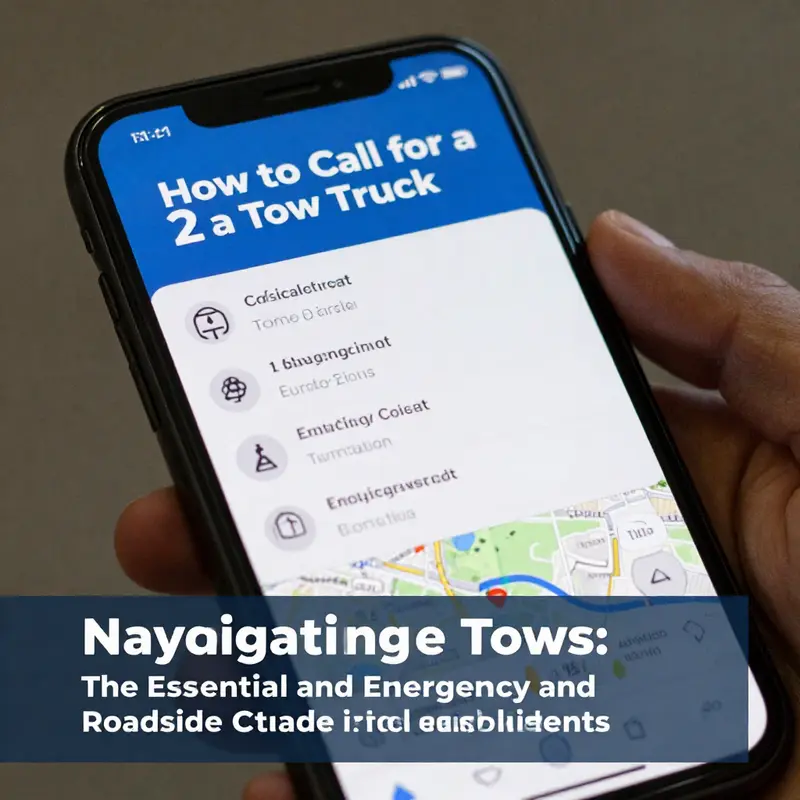
When a vehicle quits on the road, the moment you realize you need help is rarely just about the breakdown itself. It’s about how you respond next—how you reach out to the right people, what you say, and how you protect yourself and others while waiting. This chapter treats calling for a tow truck not as a single action but as a sequence of calm, deliberate steps that weave safety, communication, and practical logistics into one coherent action. The aim is to help you emerge from a roadside setback with clarity rather than confusion, to cut through the noise of panic with a clean, trusted process you can repeat in any situation. The core idea is simple: safety first, then the fastest, most reliable path to a tow, using the contacts you already have or can access quickly. Your plan should be built around options that are available through insurance, vehicle manufacturer programs, dedicated roadside services, and local professionals, all of which can connect you to a tow with minimal delay. The practical takeaway is not to memorize every phone number, but to know which channel to use in which situation and what essential information you must provide so the dispatcher can act without needless back-and-forth. In the heat of the moment, this kind of cognitive clarity is invaluable, because it reduces risk and speeds resolution, especially when the breakdown happens in unfamiliar terrain or at odd hours. Think of the call as the first mile of your recovery, not the end of a problem, and plan accordingly with the same care you give to other safety precautions on the road.
The first and simplest priority is to secure your safety and that of any passengers. If you can, guide your vehicle to a safe location, such as the shoulder or a flat, well-lit area away from moving traffic. Turn on hazard lights to make your car visible, and if you have a reflective warning device or a bright triangle, place it at a safe distance behind your vehicle to cue oncoming drivers. This is not a mere courtesy; it is a practical buffer that reduces the risk of another incident while you arrange help. If you’re in a situation where a delay could endanger someone—an oncoming storm, a busy highway bend, or inclement weather—the option to contact emergency services remains a priority. In many regions, emergency numbers will route you to responders who can coordinate towing as part of a broader incident response. When you call, you don’t just describe the breakdown; you describe the environment and the danger level so the dispatcher can triage and deploy appropriately.
Beyond immediate safety, the question becomes: which channel will get you a tow most reliably and with the least friction? The chain of options is varied, and the best route often depends on your circumstances: whether you have roadside assistance as part of an insurance plan, whether your vehicle’s maker offers its own towing service, or whether you should rely on a local tow operator who can arrive quickly. In practice, this means dialing the right number for the right service. If you encounter a serious hazard or an injury, dialing emergency services is appropriate, and the operator will coordinate with the necessary agencies to address the damage and arrange towing as part of the response. For immediate help with a non-urgent breakdown, a dedicated roadside assistance hotline from your insurer may be the fastest and most economical route, because such programs usually cover towing up to a distance limit, and they can arrange a trusted tow provider within their network. If your policy includes manufacturer roadside support, you may also have access to a complimentary or discounted tow within the warranty period, along with other perks like battery jump-starts or lockout assistance. The key is to be aware of what programs you already pay for and how to trigger them quickly when the situation arises.
If you’re managing a fleet or you drive as part of a business, there is an additional dimension to consider. Fleet operations rely on a reliable, repeatable response protocol for breakdowns, one that minimizes downtime and protects drivers. In that context, a framework known as essential fleet emergency response strategies can be a useful reference point. It emphasizes pre-positioned contacts, pre-approved service providers, and a clear escalation ladder so that a driver knows exactly whom to call first, what information to provide, and what to expect in terms of response times and costs. For professionals managing multiple drivers and vehicles, integrating these contacts into a single, accessible resource can dramatically shorten the time from breakdown to towing, while also giving managers oversight over costs and service quality. To support that approach, drivers should carry a quick-reference card or a mobile note that lists the channels in order of priority for their region, plus a space to record the details of the call as it unfolds. The aim is not to rely on memory during a stressful moment but to execute a tested routine that works in the field. The conversation with the dispatcher shares this routine: precise location, a concise explanation of why the tow is needed, and a basic description of the vehicle to help the operator assemble the right tow equipment. In practice, that means saying something like, you’re on a particular road, at a particular mile marker or landmark, the vehicle is not drivable, and you want a tow to a named destination or your preferred service center. The more exact you are, the faster the tow operator can dispatch the correct truck and the correct personnel, which can make the difference between a smooth, predictable tow and a miscommunication that costs time.
A central portion of the calling process is choosing the contact channel that aligns with your situation. If you are in a safe, accessible area, you may choose to contact a dedicated roadside assistance hotline that operates around the clock. These services are designed to coordinate multiple components of a breakdown—tow, fuel delivery, lockout assistance, and sometimes battery service—through a single point of contact. If you carry roadside coverage through your auto insurance, dialing your insurer’s hotline can connect you with a network of providers and often a capped towing distance within your policy. It is worth noting that the coverage specifics vary by policy; some plans offer free or reduced-fee towing within a certain radius, while longer hauls may incur out-of-pocket costs. Understanding these terms before you need them is part of responsible planning. If your vehicle is still under warranty or you have a manufacturer’s roadside package, those services can arrange towing with providers who are trained to handle your brand’s vehicle and may offer additional benefits like diagnostic checks on arrival. The underpinning idea remains straightforward: start with the channel that your situation triggers best—emergency response for hazard or accident, insurer for routine breakdowns, manufacturer for warranty-based service—and then move outward if needed.
In addition to these traditional channels, modern road users increasingly turn to digital tools that streamline the towing request. Mobile apps can show nearby tow options, provide ETA estimates, and reveal pricing before a driver arrives, reducing uncertainty at a stressful moment. Some apps connect with your insurance or your vehicle’s manufacturer to align the response with your policy and vehicle profile, which can simplify the process and improve reliability. For those who prefer a hands-off approach or need a rapid deployment for a fleet, local tow companies remain a dependable path. A licensed operator who knows the local terrain can often reach a stranded vehicle swiftly, particularly during off-peak hours, in rural areas, or on highways where larger tow trucks are advantageous. The caveat here is due diligence: verify licensing, insurance, and reputation through quick checks or trusted referrals before you authorize any service. A short, prudent step is to ask the dispatcher or the tow provider for an estimated arrival time, the expected towing method, and the expected charges up front. A driver who can clearly outline these details reduces the chance of ambiguity later and preserves your confidence in the process.
The conversation with the dispatcher is where information becomes action. You should be ready to provide essential details succinctly: your exact location, the reason for the tow, the vehicle’s make, model, and color, and whether the vehicle is drivable. If you can safely do so, include nearby landmarks or GPS coordinates. If you are with others, designate a single point of contact who will speak with the dispatcher to avoid conflicting directions. Once you’ve described the situation, you should ask about the estimated arrival time, the anticipated fees, and the towing destination. This is the moment to confirm the service mode—whether the tow will be a straight haul to a shop, a winch and recovery from a tricky spot, or a transport option for a vehicle that cannot be safely moved under its own power. If costs are a concern, explicitly request information about per-mile rates, minimum charges, or flat fees for certain routes. While it is reasonable to inquire about price, resist negotiating mid-call over the phone; instead, seek a written or app-based estimate that captures all charges, including any potential surcharges for late-night service or heavy traffic conditions. The dispatcher is not only a middleman but a coordinator who aligns your needs with the right truck and operator, and your clarity directly shapes the efficiency of that coordination.
The waiting period is a test of patience, but a well-managed wait can still be safe and comfortable. Remain inside the vehicle with the doors locked, especially on busy or unlit stretches of road. If you can, keep passengers together in a sheltered area away from traffic, and use hazard lights to maintain visibility. Do not wander toward the roadway or attempt to direct traffic yourself. If you must, step well away from the flow of vehicles and only do so after confirming with the dispatcher that it is safe. In the broader picture, this waiting period is a small but critical phase of a larger safety discipline. It reinforces the habit of pre-planning, the discipline of clear communication, and the value of trusted relationships with service providers who understand your vehicle and its particular needs.
Throughout all of this, the practical guidance remains anchored in preparation and precision. Keep a list of trusted towing services and roadside assistance numbers saved in your phone or wallet for emergencies. Build a short script you can memorize for the dispatcher—your location, the vehicle’s basic details, the reason for tow, and whether it is safe to drive. If you drive for a fleet, ensure every driver has access to the established contacts and knows how to trigger the appropriate channel quickly. For fleet drivers, a quick reference card that points to the correct escalation pathway can be a lifesaver, turning a high-stress moment into a routine, repeatable action. The point is not to rely on luck, but to rely on a tested response that you can enact with confidence when time matters most.
In the end, calling for a tow truck is not a single act but a practiced sequence—one that blends safety, clear communication, and smart use of available channels. By understanding when to dial emergency services, when to contact insurance or manufacturer roadside assistance, and how digital tools can accelerate the process, you create a practical framework for safe recovery. This approach extends beyond personal driving and into the broader world of road safety and fleet resilience, where speed and reliability can translate into fewer hazards, less stress, and more predictable outcomes for everyone on the road. For those managing fleets or coordinating family trips, integrating these contacts into one accessible resource and rehearsing the call as part of your emergency drills ensures that when the wheels stop turning, help is already on the line, ready to take the next steps toward a safe, efficient resolution.
To support ongoing learning and practical application, you can explore a framework designed for collective readiness and rapid response by visiting the resource on essential fleet emergency response strategies. This material offers a structured approach to organizing contacts, expectations, and escalation procedures so that every driver knows exactly who to call and what information to provide in a breakdown scenario. For further guidance and context, you can refer to the dedicated fleet planning resource linked in this chapter. Finally, if you’re seeking an authoritative reference that outlines national and regional emergency numbers and their role in coordinating roadside assistance as part of a broader response, consult a recognized public safety information source that explains how emergency numbers operate and how they connect to towing and recovery services.
External resource: https://www.iaem.com/emergency-numbers
Internal link: For fleet managers and drivers who want to align their roadside protocols with best-practice guidance, see the overview of essential fleet emergency response strategies and how to implement them in your organization: essential fleet emergency response strategies
Speaking with the Dispatcher: Precision, Patience, and Safety When You Need a Tow
On the roadside, a breakdown can feel like a jolt to a calm rhythm you may not even realize you rely on. But the moment you pick up the phone to call for a tow, you step into a channel where precision matters nearly as much as speed. The dispatcher is your first link to help, and the way you speak can shave minutes off the wait or stretch them into an anxious hour. A calm, clear measure of your needs helps them assess the situation accurately and to mobilize the right resources. It is not about sounding flawless under pressure; it is about giving a straightforward map of where you are, what you need, and what safety steps you have already taken. The chapter that follows is less about the mechanics of getting a tow and more about doing the human work of communicating in a crisis—to keep you safe, reduce confusion, and ensure that the tow arrives where you are, not where you wish you were a moment earlier.
Begin with a breath, then speak with the simplest possible language. A steady tone helps the dispatcher hear the key facts in one pass. If you are alone and shaken, acknowledge your anxiety briefly, then shift to facts. The dispatcher needs immediate clarity more than polished phrasing. Even when the situation feels chaotic—the car’s engine stuttering, the steering feel changing, or a tire that has failed catastrophically—convey the facts in a way that allows them to picture the scene without needing to ask for basic details again and again. As you speak, narrate what you can do and what you cannot. You are guiding the responder toward a safe, efficient rescue, not delivering a literary description of the moment.
Location is the single most critical detail. Vague descriptors like “near the big mall” rarely map onto dispatch systems with street-by-street accuracy. If you have a precise location, give it. If you know the nearest cross street, say it. If you can provide GPS coordinates, share them. Landmarks help, but they should complement, not replace, exact data. A good approach is to begin with your exact street location, then layer in landmarks. For example, “I’m at 138 East Main Street, just outside the south entrance of the hardware store, near the intersection with 2nd Avenue.” If you are on a highway, provide the mile marker or the nearest exit, and note whether you are in a safe area or in a left shoulder pocket. If you’ve already moved your vehicle to a safer spot, say so explicitly, and confirm that your hazard lights are on and doors are locked. Dispatchers often want to know whether a vehicle is in the emergency lane, on a shoulder, or on the side of a road where passing traffic could create hazards for the tow crew.
Next comes your stated need. It is essential to say explicitly that you require a tow, not just a general roadside service. A driver might still be able to drive to a repair facility or a shop with minimal intervention, but if the vehicle is completely disabled, you need a tow. A succinct way to phrase it is: “I need a tow to [address or destination], my vehicle is [state of drivable condition], and I am not able to drive it.” If there are extenuating circumstances—like a leak that could pose a fire risk, smoke from the engine, or a steering issue—mention them as safety hazards rather than as abstract warnings. In cases where the car is to remain in place and wait for a tow, specify that the vehicle is not drivable and describe any immediate danger. The dispatcher may then adjust the response to include extra watch or a different type of tow vehicle.
Describing the vehicle’s condition is the next practical step. Your answer should cover three aspects: how the vehicle is functioning now, any visible damage, and where exactly it is located. Is the car running but not starting? Is it damaged from a collision, or is it stranded after a tire failure? Is the car on the side of a busy road, in a parking lot, or in a parking garage? Mention safety hazards such as leaking fluids, smoke from the engine, or a broken steering system that could worsen the situation if the vehicle is moved. If you can, indicate whether the car can be moved by yourself to a safer place or if it must wait for the tow crew to arrive at the current site. Clear, precise descriptions reduce the need for back-and-forth questions and help the tow operator prepare the right equipment and safety plan before arrival.
Safety location remains a priority during the call. If you are on a busy road, highway, or near fast-moving traffic, inform the dispatcher that you have taken shelter in a safer area and that hazard lights are on. If you are able to move to the shoulder or emergency lane safely, tell them you have done so and confirm that you see the tow vehicle’s approach. If not, indicate that you are waiting in a secure spot, far from traffic, and that you will stay inside with doors locked until the tow arrives. This exchange signals to the operator that they should position the tow and lights in a way that protects both you and their crew as soon as they reach the scene.
Preparation during the call is a quiet discipline. Have your vehicle information ready—license plate number, make, model, and year—and any insurance details that might matter in the dispatch process. The dispatcher may ask for your policy number if roadside coverage is included in your plan. They might also want to know whether your vehicle is covered under a manufacturer’s roadside program or a separate roadside network. If you carry a service agreement or a warranty that includes towing, that information is worth sharing up front. It is also helpful to have your contact phone number and a secondary contact in case you cannot be reached. Some drivers find it useful to jot down a few key facts on a scrap of paper or save them in a notes app within earshot of the call so they do not have to improvise on the fly.
Conversations in the moment should also cover the anticipated logistics. Ask for an estimated arrival time and whether the tow will be a flat-rate service or charged by mileage, if applicable to your area. The dispatcher can also tell you what you should do while you wait—stay in the vehicle, step away briefly for safety if you can do so without cornering your own risk, or reposition your car if a safe maneuver is possible without compromising the vehicle’s condition. If you need a destination drop-off, provide that address with the same clarity you applied to your current location. If you’re unsure about the exact destination, describe the closest recognizable landmark or the name of the nearest repair facility so the driver can confirm where to take the vehicle once it’s loaded.
Technology can be a practical ally in this moment. While the core of the call remains human, many drivers use mobile apps or online platforms that offer real-time updates on dispatch progress. These tools can provide a live status, ETA, and a map showing the tow truck’s route, which helps you plan your wait. In some markets, there are app-based services that integrate dispatch with location sharing, enabling you to monitor the truck’s progress touch by touch. If you choose to use such a tool, keep the line of communication open with the dispatcher, and use the app as a supplement rather than a substitute for the live dialogue you are having on the phone. If you need a resource on how to navigate roadside crises with practical, real-world guidance, many readers find benefit in turning to broader hands-on discussions available in related community and industry content, like the Island Tow Truck blog, which offers practical perspectives from the field. You can explore their insights here: the Island Tow Truck blog.
Language and clarity can become subtle yet decisive factors when stress levels are high. If English is not your first language or you are worried about miscommunication, it is worth requesting a dispatcher who can communicate in your preferred language or using a translation app to bridge any gaps. You are not being difficult by seeking precise interpretation; you are actively increasing safety and ensuring your needs are accurately conveyed. In some situations, repeating critical details aloud and then confirming them with the dispatcher—almost verbatim—helps lock in the exact location, the service type, and the destination. The discipline of repeating essential information is a simple safeguard that reduces the risk of misinterpretation under pressure.
As the call progresses, stay attuned to changes in your surroundings and the information you receive. If conditions shift—if you realize the vehicle is in a parking structure with limited access, or if the tow truck’s ETA shifts due to traffic—communicate those changes promptly. A steady exchange that reflects reality keeps every party aligned and minimizes the chance that the tow truck arrives at the wrong location or with the wrong equipment. In some instances, additional steps may be necessary. The dispatcher might request that you pull a certain distance to a safer spot, reposition the vehicle, or disconnect a trailer or other attached equipment. If that is the case, follow the safety guidance to the letter and confirm back, so the operator can adjust plans without delay.
The human element of the dispatch call remains essential—the empathy, attentiveness, and procedural accuracy that ensure help arrives not just quickly, but in a form that is appropriate to the situation. This is not a test of memory or polite phrasing; it is a practical collaboration. You provide the facts in a compact, organized way, and the dispatcher translates those facts into a plan with the right vehicle, the right route, and the right safety precautions. When done well, the exchange becomes a quiet, efficient rhythm that carries you from risk toward resolution. And while this moment is about getting a tow, it is also about preserving your own sense of control in a moment when control feels most scarce. The clarity you bring to the call helps transform a roadside incident into a manageable process—one that respects your safety, the safety of others on the road, and the professional work of the tow crew arriving to help you.
In closing, the act of calling for a tow is not merely about asking for a vehicle to pull your car away. It is a structured, safety-first conversation that demands precise location information, a straightforward statement of need, thoughtful descriptions of vehicle condition and hazards, and a readiness to adapt as the situation evolves. The dispatcher becomes your ally in that moment, translating your words into a safety plan that unfolds on the ground. Keeping a calm voice, delivering clear data, confirming expectations, and utilizing available technology to stay informed will make the tow experience smoother for everyone involved. For anyone who faces this moment, the preparation you do before disaster strikes—knowing your location format, having essential details at hand, and understanding your options for roadside coverage—creates a foundation that can shorten the time to help and keep you out of harm’s way.
External resource: https://www.alipay.com
Calling a Tow Truck with Confidence: Understanding Costs, Availability, and Safety When Your Vehicle Breaks Down
When a breakdown leaves you stranded, the clock starts ticking on safety, options, and peace of mind. The first aim is simple and nonnegotiable: get yourself and any passengers to a safe place. If you’re on a highway or busy road, maneuver your vehicle only if it’s safe to do so and then guide everyone to a secure area well off the travel lane. Activate your hazard lights to alert oncoming traffic, and if possible, place a warning device behind the car so approaching drivers have enough warning distance. In many regions the recommended distance is substantial—place a reflective triangle or warning sign at least 100 meters, about 330 feet, behind your vehicle. Evacuate passengers and stay behind barriers, medians, or the shoulder with a clear line of sight to the road. Those steps aren’t just procedural; they are the core of reducing risk when help is on the way. After you’ve created a safe anchor point, the process of calling for a tow truck begins, and it’s worth understanding the structure of that process so you can move with a sense of control rather than panic. The path you choose to obtain a tow can influence both how quickly you’re helped and how your costs are shaped, which is why the next section treats choosing a provider as a deliberate decision rather than a reflex. You can reach a tow truck through several channels, and each has its own implications for timing and price. Your insurer’s roadside assistance program is often the most economical option if you qualify, because these programs are designed to cover towing within a certain distance or up to a policy limit. If you have manufacturer roadside support tied to your vehicle, that route can offer complimentary or discounted towing through the brand’s network. Then there are dedicated tow services that operate numerous 24/7 dispatch centers and promise rapid response, though they come with a service fee that reflects immediate availability and specialized equipment. Government emergency services provide another pathway, especially on highways. In many places, dialing a national emergency number or a highway patrol line can route a government-sanctioned tow or coordinate help. Finally, modern platforms and apps can expedite the process with real-time tracking and clear cost estimates. These digital options often pull together a network of local tow operators, allowing you to request service with a few taps and receive updates as drivers are en route. The common thread across all these routes is that you should communicate clearly with the dispatcher, because precision in information translates into faster, safer service and a smoother bill later. When you begin the conversation, prepare to relay your exact location with as much specificity as possible. A landmark, a mile marker, or GPS coordinates help you avoid miscommunication. Explain why you need the tow—flat tire, engine failure, out of fuel, or a collision. Provide the vehicle’s year, make, model, and color, and indicate whether it can be driven, even if briefly, or if it must be towed from its current position. The dispatcher will also want to confirm whether you’re on a highway shoulder, a local street, or a private road, since that context can affect the dispatch plan and safety guidance. One crucial nuance often overlooked is the cost and availability side of the equation. Costs can fluctuate for many reasons, and having a realistic expectation helps you avoid sticker shock. Towing charges are not uniform; they depend on distance, the type of vehicle, and the service level requested. Most providers levy a base “hook-up” fee plus a per-mile rate, and larger vehicles—SUVs, trucks, or specialty cars—require larger equipment and more time, which bumps the price accordingly. Time of day also matters. Nighttime calls, weekends, and holidays typically carry higher rates due to demand and the difficulty of arranging drivers. The region where you are located affects price as well; urban centers tend to be pricier than rural areas due to traffic, congestion, and operational costs. Specialized services add to the total: battery jump-starts, fuel delivery, tire changes, winching out of mud, or recovery from snow or other challenging terrain can all incur supplemental fees. A sensible rule of thumb is to expect a basic tow within a city to run roughly between one hundred and two hundred dollars. For longer hauls on highways, you could see three hundred to six hundred dollars—or more—depending on the factors described. Whatever the estimate, insist on a written quote before service begins and confirm whether the price covers the destination of choice, such as a repair shop, a dealership, or a personal residence. As the tow is arranged, keep a few practical habits in mind to reduce risk and confusion. Remain where you were advised to wait, or move to a safe area if instructed by the dispatcher. Do not attempt repairs yourself if it would put you at risk, and avoid standing near the roadway or behind the tow truck’s path. When the driver arrives, verify their identity and confirm the agreed price and destination before handing over the vehicle. It is reasonable to ask for a receipt that itemizes the charges; this will help with insurance claims and if you need to contest any portion of the bill later. The act of verification is not merely bureaucratic; it protects you from potential mischarges and ensures you are dealing with a legitimate, credentialed operator and a legitimate tow scenario. In the end, you want to leave the scene with clear documentation, a plan for transport to a repair facility, and a sense that the information you provided was accurate and complete. The dispatcher’s questions are designed to prevent misunderstandings and to enable the driver to perform the service safely and efficiently. A well-structured response from you—precise location, clear reason, vehicle description, and the status of the car—lets the whole chain of service flow smoothly. If you keep a short list of trusted numbers in your phone or wallet, you can skip the stress of searching while you’re under pressure. For readers who want a quick cross-check and further practical examples, a concise resource from the broader roadside community can offer context. You can also explore related guidance and insights through the Island Tow Truck blog, which compiles practical roadside wisdom and situational examples in a clear, user-friendly format. For those who want to dive deeper into the broader ecosystem of island and remote-area fleets, the linked blog provides a useful complement to this chapter’s focus on costs and availability. The Island Tow Truck blog offers guidance that aligns with the core ideas of calling for help, coordinating with responders, and ensuring a safe, cost-conscious outcome in varied locales. If you’re seeking a broader panorama of policy, preparation, and fleet readiness, keep this resource in mind as you prepare for emergencies and routine roadside events alike. Internal links should be used sparingly and purposefully, reinforcing the reader’s understanding without turning the chapter into a directory of services. For a more expansive treatment of towing economics and response strategies, consult reputable external guidance and stay aware of the local rules that govern roadside assistance in your area. External resources can provide a larger frame for the numbers you see here and the decisions you make in real time. External resource: https://www.aaa.com/vehicle-services/towing
Waiting for Help to Arrive: A Safety-First Guide to Calling for a Tow Truck
When the engine shudders and finally sighs into silence on a busy road, your first instinct is to reduce risk. A breakdown won’t just frustrate your day; it creates a seam of danger in the traffic flow. The moment you sense the problem, your instinct to move the vehicle to safety kicks in. If the car can roll, steer gently toward the shoulder or a less exposed area. If the vehicle cannot be moved, leave it where it sits, but switch on the hazard lights so drivers behind you understand something is wrong. The goal is not to press on with a mystery diagnosis; the goal is to create a safe zone where you and any passengers can wait without being hit by passing vehicles. From that pause, you begin the process of calling for a tow truck, and you do so with a steady pace that reflects a careful plan rather than panic. This is the hinge moment where safety and practical action meet, and how you handle it will shape the whole experience of getting back on the road.
Once the immediate risk is managed, you shift your attention to the next step: contacting the right kind of help. Roadside assistance can come through different channels, and your choice might depend on the policies you already hold. If you carry auto insurance, you may have a 24/7 emergency number that covers towing as part of the policy. If your car’s maker offers roadside programs, they may arrange towing at favorable terms or even complimentary services in some situations. Alternatively, you can directly call a local tow service, search for a nearby “tow truck near me,” or use an app that connects you to tow operators. The key is clarity and speed, which you achieve by preparing a tight bundle of information before you speak to a dispatcher. You should be ready to state your exact location, the reason for the tow, the vehicle’s make and color, and whether the car is drivable. If you can, provide landmarks, a GPS coordinate, or a nearby service area, so the dispatcher can pinpoint you without delay. In this moment, you are not negotiating price or policy details; you are providing essential data that will let the tow driver find you quickly and safely.
A single sentence you might practice aloud while you wait captures the core of what you need to convey: I’m on [road name] near [landmark], my car is a [color, make, model], it’s currently not drivable, and I need a tow truck to a secure location. This concise framing is worth its weight in minutes because the dispatcher can translate it into a route and an ETA rather than a list of questions you must repeat while traffic whizzes by. If you belong to a tow or roadside support program, you may be asked to confirm your policy or membership number. If you’re leaning toward calling a local independent tow, you’ll still benefit from the same precision in describing the scene and your needs. The important thing is to establish the exact starting point for the tow truck while you remain safe and composed.
As you speak, you will naturally begin to think about the room you have to wait and how to manage it. The discipline of waiting safely is not merely about remaining still; it is about staying prepared for the arrival of help. If conditions are poor—fog, heavy rain, nighttime darkness—the distances for warning signals change, and you must adapt accordingly. In clear daylight and normal conditions, place a reflective warning device at about 150 meters behind your vehicle so oncoming drivers have sufficient time to react. In rain or fog, extend that distance to roughly 200 meters. If the road has curves, place the device before the curve to give approaching traffic a chance to slow down before it reaches you. The reflective face of the warning triangle should face the oncoming lane so it catches the light of headlights from behind you. If conditions are harsh—strong winds or storms—periodically check that the triangle is still in place and hasn’t been displaced by the weather. These small, deliberate steps help to transform a hazardous moment into a task you can manage with confidence.
With the vehicle secured and signals in place, you pivot to safeguarding everyone in the car. All passengers should exit the vehicle and move to a safe area away from the roadway, ideally behind a barrier or a guardrail if one is available. Children and elderly travelers or anyone with mobility challenges deserve extra attention to ensure they are perceptible to oncoming traffic yet out of harm’s way. Do not linger beside the vehicle on busy highways or attempt to cross lanes to seek help. The goal is to maintain visibility to rescue teams without compromising anyone’s safety. If you are traveling with a pet, keep it secured in a carrier or on a leash away from the roadway while not overloading the area with additional people or animals. The emphasis is on calm, orderly behavior that demonstrates to responders that you understand the process and you are ready to cooperate when the tow arrives.
Beyond safety, there is practical information you must convey. When you communicate your location, try to reference identifiable markers. Highway mileposts, kilometer posts, exits, overpasses, or service areas help the tow operator locate you without delay. If you can, share GPS coordinates from your phone, but don’t become obsessed with it. A well-placed landmark can do most of the heavy lifting. A concise, precise statement such as, I’m on [Highway A12], near Exit 45, about 1 kilometer past the bridge, is far more effective than general descriptions. If you are in a rural area with limited cell reception, you may need to move a few meters to secure a stronger signal and then relay the coordinates. In any case, the dispatcher’s ability to position you quickly is the difference between a short wait and an unnecessarily extended one.
Phone battery life becomes part of your safety plan at this stage. Keep your mobile phone charged and readily accessible. Avoid apps or features that drain the battery when you don’t need them. If you have a portable charger, keep it in a readily reachable pocket or glove compartment and use it when you sense the battery dipping. Inform a trusted person about your situation and location, especially if you’re traveling alone. A quick text that you are safe and awaiting assistance can be a lifesaver if something goes wrong, and it keeps someone else aware of your status while you wait.
When the tow truck operator arrives, there is a moment of verification that’s worth your attention. A professional demeanor begins with checking identification and ensuring the vehicle details match the booking. Do not authorize work from a driver who cannot confirm these basics or who cannot provide a clear explanation of the towing plan. If you are unsure about the vehicle’s towing requirements—especially for electric or hybrid vehicles—say so. Some situations benefit from a flatbed tow to protect sensitive drivetrains or batteries, while others can be handled with a conventional tow. Clear communication about towing points, the vehicle’s status, and any special handling needs reduces the chance of damage and speeds the process forward.
Waiting for a tow is not a passive exercise. It is a moment to observe, confirm, and prepare for the next steps. You might review a few practical tips in your head or share a quick note with a passenger who is unfamiliar with the process. For example, you can remind everyone to stay clear of the towing area and to avoid approaches to the tow truck unless requested. If you find yourself traveling with urgent cargo or significant time constraints, consider how a backup plan could minimize disruption: knowing the location of nearby services along the route, or having a spare map or offline navigation app ready can make a difficult pause feel more manageable.
Integrating broader preparedness into this moment helps you avoid feeling overwhelmed. In addition to handling the immediate call and waiting process, you can reflect on longer-term readiness. It’s useful to keep a small, well-organized roadside kit in the vehicle with a few essentials: a flashlight, a compact charger, a blanket, and a basic first aid kit. A few minutes of preparation beforehand can make the difference between a stressful wait and a controlled, constructive pause. For readers who want to extend this mindset into comprehensive planning, there are resources that discuss emergency readiness for island fleets and other contexts where the road network may present unique challenges. You can explore a related resource on emergency preparedness for island fleets here: emergency-preparedness-for-island-fleets.
During the entire process, maintain a calm demeanor. If you are accompanied by others, designate a person to monitor the surroundings and handle communications with the dispatcher so you can stay focused on safety. Do not allow distractions to degrade your attentiveness to the road and the environment around you. If the situation escalates into an emergency—such as a collision, major medical issue, or a vehicle fire—dial the appropriate emergency number immediately. While 911 is the standard call in many jurisdictions, the goal is to connect with rescue services that can coordinate the right response for your location. Remember that a tow truck is typically arranged through a separate dispatch channel, but in an urgent scenario, you should not hesitate to seek immediate help from emergency responders who can triage and facilitate towing as part of the overall response.
As you wait, you might be inclined to review the basics of the service you are about to receive. Ask the dispatcher to confirm the estimated arrival time, the expected route, and any fees you should anticipate. Some providers charge by distance, others by a flat rate, and others may apply additional charges for after-hours service. Clarify every cost parameter you can, so there are no surprises when the tow is complete or when you reach your final destination. It is reasonable to request an approximate window and to confirm whether you will be charged for a second attempt if the first driver cannot access the vehicle due to a blocked lane or improper access. A brief, direct conversation at this stage can save excessive back-and-forth when you are already under pressure.
In the end, the experience of calling for a tow and waiting for service is about balancing vigilance with composure. You do not have control over the moment your car fails, but you can control how you respond to it. You can choose to approach the situation with practical steps, precise information, and a safety-forward mindset. You can keep your passengers secure, your signals visible, and your communications clear. And you can acknowledge that, while the wait may feel long in the moment, it is a period of preparation that enables you to move forward with confidence once the tow arrives. If you want to deepen your understanding of broader roadside readiness, you can explore the emergency preparedness resources mentioned above. For official guidance and policies, you can also consult government resources on roadside assistance and related services: https://www.gov.uk/roadside-assistance.
Final thoughts
Being well-prepared for potential vehicle breakdowns is essential for any island resident or business operator. By following the guidelines on safety, communication, understanding costs, and waiting procedures, you empower yourself to handle such situations with composure. Remember, each step you take fosters not only a quicker resolution but also minimizes stress in an already challenging moment. Your next ride should come with peace of mind, and knowing how to ask for help is a crucial part of that journey.