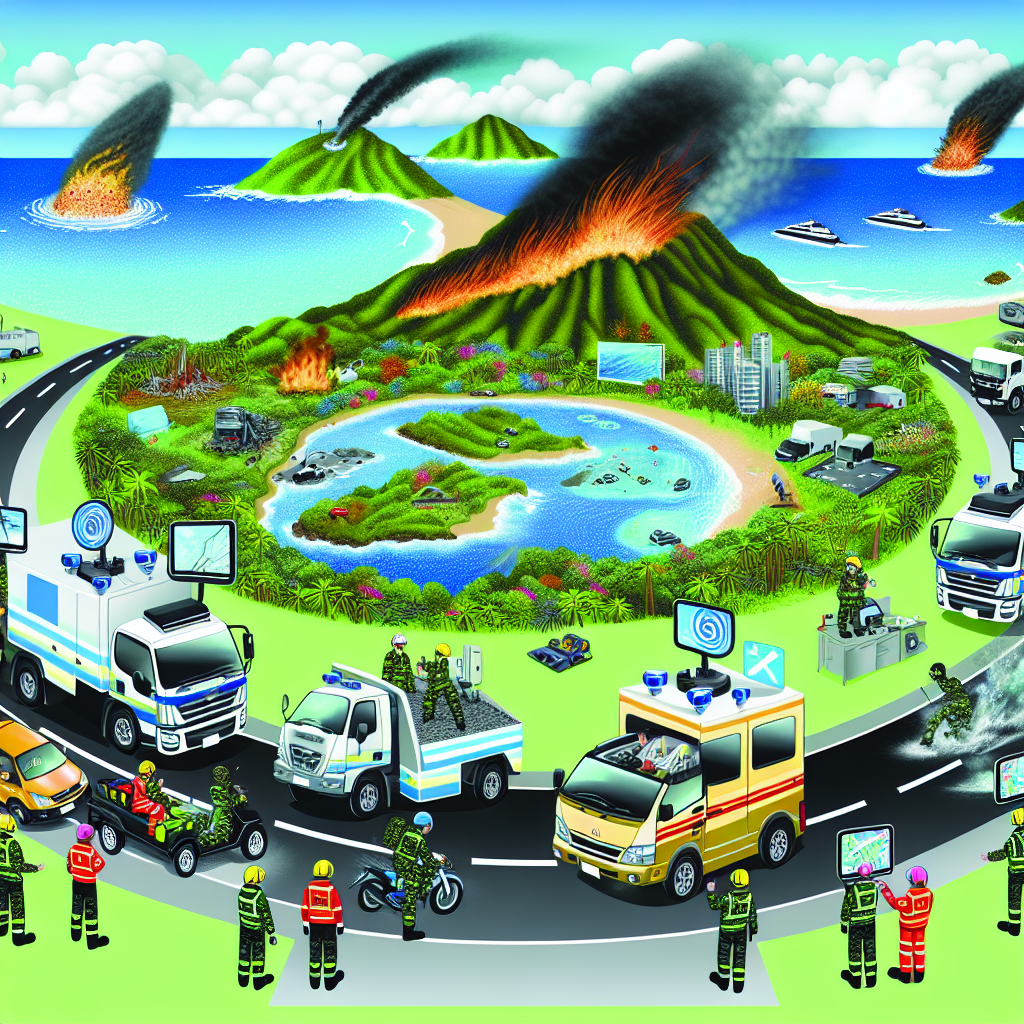
The question of whether to tip a tow truck driver can create confusion among vehicle owners, particularly in island communities where customs and expectations may vary significantly. For local auto repair shops, car dealerships, property managers, resort operators, and commercial fleet operators, understanding the context behind tipping practices is not merely a matter of courtesy; it’s about fostering appreciative relationships between service providers and customers. This article delves deep into the situational factors influencing tipping, local cultural norms, instances of exceptional service warranting gratuity, and regional variability in these practices. By examining these chapters, readers will gain a comprehensive understanding that empowers them to make informed decisions about tipping in the towing industry.
Situational Signals on the Road: Navigating When to Tip Tow Truck Drivers
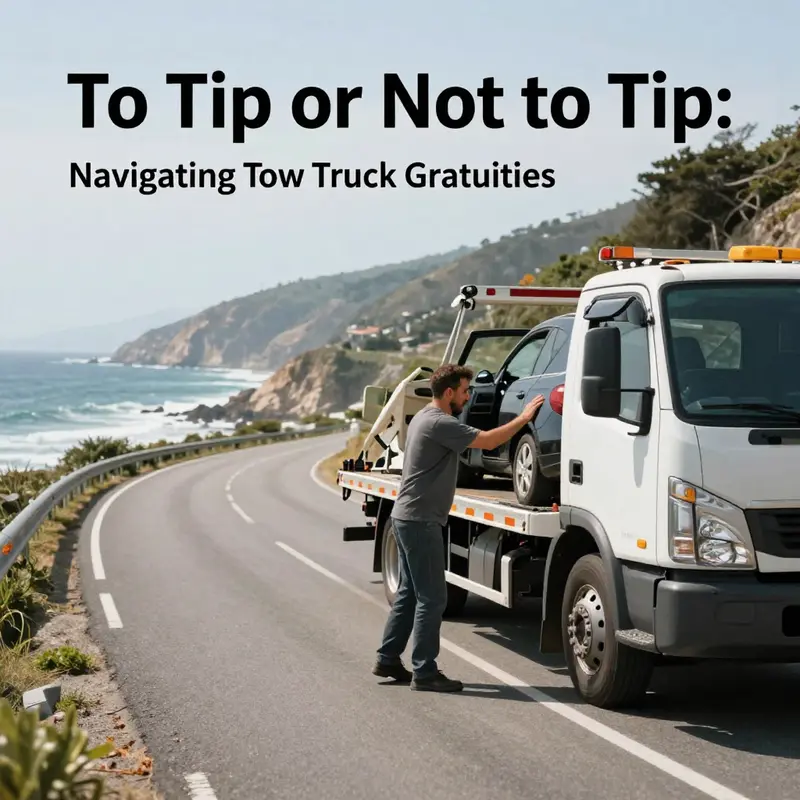
Tipping a tow truck driver sits in a curious space between an ordinary transaction and a moment of personal judgment. The roadside scene that precedes and follows a tow is rarely a stage for standard courtesy, and yet the choice to tip—if you choose to tip at all—carries meaning. It signals appreciation for extra effort, acknowledges a job done under pressure, and, at times, respects local custom. The reality is complexity wearing a uniform. Fees for towing are typically set to cover the driver’s labor, the equipment, and the company’s overhead. In most standard tow experiences, the posted price and any written charges already represent the compensation for service. The driver’s time, skill, and risk are absorbed into that rate, not into a separate gratuity expectation. With that baseline in mind, the question becomes not should you tip as a universal rule, but rather under what situational cues does a discretionary tip feel appropriate, and how do you navigate that choice with fairness, regional nuance, and personal comfort?
The situational landscape for tipping a tow driver is not one-size-fits-all. It varies with urgency, terrain, and the complexity of the task, and it shifts from one region to another. The most reliable guide is to consider the driver’s actual performance in the moment: speed, communication, safety, and the degree to which they meet or exceed expectations. When a driver arrives quickly in an emergency, when they navigate a narrow alley, a tough vehicle recovery, or a vehicle stuck in a difficult position, those actions can elevate the service above a routine tow. In such moments, a small token of appreciation can feel fitting. The research on situational factors highlights precisely these kinds of circumstances that elevate the gratuity from optional to honorable, albeit not obligatory. A tip in the range of five to twenty dollars is commonly cited as a reasonable gesture for standout service, though discretion keeps the final amount firmly in the tipper’s hands and should reflect the perceived effort and outcome.
To this careful accounting of effort, time, and risk we must add the reality that tipping practices vary by region. Some areas have a longer-standing habit of gratuities, while others see tipping as less common in the towing sector than in hospitality or food service. The driver’s culture and the company’s policies can influence the available options for gratuity—whether a tip should be delivered in cash, offered at the outset as a gesture of goodwill, or accepted after the vehicle has been delivered to its destination. The key is to observe and adapt to what feels appropriate in the moment, never assuming a universal standard where none exists. It helps to remember that regional norms are not just about money exchanged at the curb; they reflect community expectations about generosity, respect for professional labor, and the etiquette of acknowledging a job well done when you’re in a high-stress situation.
Another dimension in this conversation is the fundamental question of compensation. Tow truck companies typically do not include tips in base pay. While some drivers report feelings about how gratuities are perceived within the industry, the practical takeaway remains clear: tipping is discretionary. It should never be viewed as a substitute for fair wages or dependable, transparent pricing. The driver is performing a service that may also involve personal risk, exposure to tough weather, and a degree of unpredictability, such as recovering a vehicle from a ditch or extracting a car from a cramped space. Those challenges are part of the job, and the base rate is meant to cover them. A tip acknowledges particular extra measures, not the routine execution of the assignment.
With this understanding, the decision to tip becomes a personal calculation rooted in the driver’s effort, the quality of service, and your own comfort level. It invites a reflective approach rather than a reflex action. If the driver communicates clearly about what to expect—what the plan is, what options exist, and what additional tasks can be completed without extra charges—this level of transparency can influence whether you feel satisfied enough to leave a tip. A drivers’ ability to explain the process, to calm nerves during a stressful moment, and to ensure your vehicle is secure and ready for transport all contribute to a sense of professional care that families and individuals remember long after the tow is complete. In these moments, a tip becomes not an obligation but a gratitude for the human touch in a mechanical, potentially frightening scenario.
Consider the range of exceptional service that can justify tipping. Quick arrival in an emergency often means the difference between continuing a chaotic day and regaining a sense of control. A driver who navigates difficult terrain—mud, snow, or a tight space between parked cars—without compromising safety or damaging your vehicle demonstrates skill that goes beyond the standard expectation. When a tow involves a complex sequence, such as retrieving a vehicle from a ditch, navigating a precarious angle, or preserving the interior and exterior condition of the car during transport, the extra care and competence can merit a gratuity. In such cases, the tip serves as an immediate, tangible acknowledgment of the driver’s problem-solving, patience, and insistence on a safe outcome. Even when the service goes beyond a mere tow, delivering your vehicle to an exact location or assisting with loading and securing the car with meticulous attention can be the kind of assist that deserves special mention with a tip.
In contemplating when a tip is appropriate, it is helpful to consider the broader ecosystem in which tow services operate. A professional outfit may dispatch a driver who is skilled at reading road hazards and communicating under pressure. They may juggle a schedule that includes road assistance, jump-starts, lockouts, tire changes, and sometimes even minor mechanical checks. While not all of these tasks fall under the exact umbrella of a tow, the ability to respond quickly, coordinate with you and, if necessary, coordinate with other parties such as hospitals or roadside assistance programs, often requires a level of coordination and courtesy that the average consumer does not encounter in a casual initial interaction. In a moment like this, tipping can function as a straightforward, immediate expression of appreciation for a job done with empathy and efficiency under trying circumstances.
Regional customs will shape expectations in more subtle ways. In some places, tips are seen as a natural extension of good service, much like tipping a waiter after a meal. In others, tipping the tow driver may be less commonplace, and a well-phrased compliment or a simple thank-you can carry the same weight as monetary gratitude. Recognizing this variance is not about playing a regional stereotype but about showing respect for local etiquette and your own comfort with the gesture. If you are unsure, you can observe the driver’s response to a suggestion or a question about payment options. Some drivers will politely set expectations up front—perhaps explaining that tips are optional and appreciated when the service is beyond the ordinary. In turn, your response to that information can guide your action, aligning courtesy with the actual service delivered.
An important thread in this discussion is the awareness that tipping is not a performance metric for the driver. It should never pressure or coerce them to work harder than necessary. If a driver doesn’t meet your expectations—if the response time is slow, if there is poor communication, or if the vehicle is not handled with care—you may choose not to tip. The absence of a tip does not indicate a failure of a professional job; it signals your judgment about the service quality and the value you place on the experience you received. Conversely, if the service is exemplary, a tip can be a concise, practical way to reinforce the behavior you want to see continued.
For those who want to prepare for tipping without feeling awkward in the moment, a small amount can be carried in advance and offered at the appropriate time. The standard range of five to twenty dollars provides flexibility to adapt to local norms and the scale of the service. In some cases, a tip may be offered at the end of the interaction, after the driver has confirmed that the vehicle has been loaded securely and arrived at the requested destination. In other cases, a tip might be given directly after the completion of the tow, when you have a moment to reflect on the service and the driver’s conduct. The manner of delivery matters as well: cash left in the hand with a brief word of thanks is timeless; a tip handed through a card reader or digitally can be equally effective if the driver has indicated a preference for electronic gratuities. The key is to ensure that the act feels voluntary and respectful, avoiding any sense that tipping is mandatory or expected beyond the genuine demonstration of exceptional care.
To connect these practical thoughts with a broader resource, consider how these principles align with broader professional guidance on roadside assistance and emergency response. One resource explores how rapid, reliable, and respectful service can be critical in moments of vehicle failure, and it emphasizes the value of clear communication and safe handling as hallmarks of quality work. For readers who want to explore the alignment between everyday roadside practices and organizational standards, emergency response strategies for island fleets can offer a broader frame for understanding how professionals approach time-sensitive, high-stakes tasks and why that level of care might prompt appreciation in the form of a gratuity in certain contexts. This reference is not a directive but a lens through which to view the behavior that often justifies tipping and the ways in which drivers strive to deliver calm, competent assistance when the clock is ticking.
As you weigh these factors, a final but essential takeaway should anchor your decision: tipping remains a personal choice rooted in respect for the service provided, not an obligation tethered to the price tag of a tow. The most meaningful decisions arise when you feel satisfied with the outcome and the process—when the driver’s actions align with your expectations for safety, efficiency, and courtesy. In many cases, you will not tip, and that is perfectly acceptable. In others, a modest tip can reinforce consistent, high-quality performance and acknowledge the human element of roadside support. The aim is to reflect your assessment of value, not to enforce a policy. If you are unsure, err on the side of gratitude expressed through a sincere, concrete gesture rather than through an abstract sense that tipping should occur in every circumstance.
For readers navigating this dilemma in real time, it can help to remember the broader context: the provider has likely operated under a schedule that demands rapid response, decision-making under pressure, and careful handling of your vehicle in potentially hazardous conditions. When those factors coalesce into a favorable outcome—your car safely towed to a desired location, no damage incurred beyond what was necessary, and clear communication throughout—the tip becomes a compact signal of appreciation for someone who has labored under stressful conditions for your benefit. If you do choose to tip, keeping it modest and specific—such as a cash amount that corresponds to the level of service, or a small tip for a sequence of complex actions—helps preserve the integrity of the gesture and ensures it is received as a genuine token of thanks rather than as a transactional burden.
In closing, the practice of tipping tow truck drivers in the moment of need reflects a blend of personal judgment, regional habit, and respect for professional effort. It is not a universal rule, and it is not a price-set policy. It is a discretionary act that recognizes exceptional service when it occurs and respects the baseline value of routine, reliable performance. The most thoughtful approach is to evaluate the circumstances, consider the driver’s conduct, and respond in a way that feels appropriate to you and respectful to the service you received. If you decide to tip, let the gesture be straightforward, timely, and proportional to the extra effort shown. If you decide not to tip, a clear, courteous expression of thanks and acknowledgment of the work done can be just as meaningful. Either way, your reaction should reflect a balanced assessment of the service, the region’s customs, and your own comfort with gratuity as a form of appreciation rather than a mandated ritual.
For broader guidance on the expectations and practices surrounding towing tips and best practices, you may consult formal resources dedicated to roadside assistance standards. These resources can provide a structured framework for understanding what constitutes high-quality service and how gratuity intersects with professional compensation in the towing industry. AAA’s towing tips and best practices offer a comprehensive reference point for drivers and consumers alike, grounding the conversation in a widely recognized perspective on service standards and fairness when navigating roadside emergencies.
Gratuity on the Road: Understanding Cultural Norms About Tipping Tow Truck Drivers

A roadside stop can feel like a moment outside ordinary life. The hum of tires, the glow of a hazard light, and the sudden dependence on a stranger’s help all converge in a single scene. In that moment, a question may drift into your mind: should I tip the tow truck driver? The short answer is simple, but the reasoning behind it is nuanced. In the United States, tipping tow truck drivers is not a strict cultural norm, and there is no universal mandate that you must or must not tip. Yet many people choose to offer a small gratuity when the service has been satisfactory or when the driver goes beyond the basic duties of hauling a vehicle from point A to point B. The decision hinges on the specifics of the situation, the quality of service rendered, and the local customs you observe in your area. This chapter unfolds that nuance, linking the idea of gratuity to the broader landscape of expectations, fairness, and practical courtesy that frames roadside assistance.
For most ordinary towing tasks—when a car is simply hooked up and transported to a shop or a safer spot on the shoulder—the fee charged by the towing company is designed to reflect the driver’s time, labor, and vehicle wear. This is not a stingy assessment but a standard arrangement. The paperwork, dispatch, fuel, and the driver’s skill all factor into that single bill. In these cases, tipping is not expected. The driver’s compensation already acknowledges their work, and many reputable companies schedule their pricing with that in mind. If you assume tipping is automatic in every tow, you might overlook the business practices that keep towing services accessible and consistent for all customers, especially in regions where competition is stiff and pricing is transparent.
Yet life on the road is rarely that uniform. The same tow truck operator who arrives during a routine breakdown may also be your lifeline in a crisis during a snowstorm or after a high-speed incident. In emergencies, service becomes more than a transaction. It evolves into a moment that can influence safety, timeliness, and even the driver’s ability to manage a delicate scenario under pressure. In such moments, many people find it natural to show appreciation through a gratuity. The gesture communicates gratitude not merely for doing a job, but for doing it with care, patience, and a steady hand when fear or frustration could easily take over the situation. A small tip can feel like a nod to the driver’s perseverance and problem-solving under stress, especially when they calm tense passengers, answer questions clearly, or arrange options that minimize risk.
Service quality also matters. When a driver demonstrates courtesy, clear communication, and practical expertise—like offering sound advice about weather changes, road closures, or best routes to a repair shop—the encounter often warrants a token of thanks. The tipping practice that follows such experiences tends to align with a simple rule of thumb: if you feel the service exceeded your expectations, a gratuity of modest size is a reasonable expression of that feeling. The commonly cited range in many consumer etiquette discussions lands around 10 to 15 percent of the total tow fee, provided the service is satisfactory. Some people also opt for a flat amount, such as five to twenty dollars, rather than calculating a percentage. Either approach still leaves room for personal judgment and the realities of the moment. The crucial point is that these figures remain optional, never as a mandate.
You may wonder how this translates when the pricing itself includes a “service gratuity” or when a company explicitly says tips are not expected. In that case, the tipping landscape shifts again. Some tow companies embed gratuities into their pricing structure, absorbing the tip into the total charge. Others publish a clear policy that tips are welcome but not required. When you encounter such policies, it makes sense to respect the company’s framework. A polite confirmation with the dispatcher or a quick glance at the receipt can reveal whether gratuity is already factored in or if your tip would be a personal gesture separate from the bill. The point remains robust: tipping is not a universal expectation, but it can be a meaningful way to acknowledge exceptional service or extraordinary effort.
Regional variation adds another layer of complexity. Tipping norms vary widely across the country, and even within a single state, you can find divergent expectations from one city to the next. In some areas, it is common to offer a tip more freely, while in others, drivers may not expect it at all. If you are new to a region or you are visiting, a quick conversation with the driver, or a casual observation of what other customers do, can help you gauge the appropriate behavior. Observing local patterns is not about conforming to pressure but about aligning with a shared understanding that can fluctuate with culture, cost of living, and local service norms.
The practicalities of tipping also deserve attention. If you have cash on hand, a small bill handed directly to the driver can feel more personal and immediate. In many cases, a card payment that allows a tip to be added after the fact is perfectly acceptable. If you’re short on cash or want to avoid handing a payment instrument directly to a stranger, you can still express gratitude through a verbal compliment and a courteous attitude that recognizes the driver’s effort. In a field where drivers often work long hours and in challenging conditions, a kind word, a thank-you note, or a positive online review can be as valuable as a monetary tip. These gestures reinforce the sense that their work is seen and appreciated, even when a financial gratuity is not possible.
The decision to tip can also reflect the broader context of roadside services. Some drivers assist in ways that extend beyond traditional towing: they may provide guidance on how to manage a vehicle with a compromised system, help you secure belongings, or coordinate a smooth handoff to a repair facility. When a driver takes extra steps—like delivering your vehicle within a reasonable distance without charging extra, or staying with you during a difficult situation to ensure your safety—the tipping question becomes more salient. In such moments, a modest gratuity is often viewed not as a bribe or an obligation but as an acknowledgment of reliability, trust, and the human touch that makes a stressful event feel more manageable.
If you find yourself unsure about whether tipping is appropriate, a practical approach is to ask directly, but respectfully. A simple, polite question such as, “Is tipping expected or appreciated in this situation?” can set clear expectations without putting the driver in an uncomfortable position. In many cases, the driver’s answer will reflect the company’s policy as well as regional practice. You can also take cues from the overall tone of the interaction. If the driver is patient, informative, and eager to help, that combination often signals that your appreciation is appropriate. If the driver keeps the conversation focused on the task at hand and avoids any sense of personal attention beyond the service, a tip may feel out of place.
In seeking clarity, the role of policy can be as important as personal judgment. The American Automobile Association (AAA) and other consumer resources commonly emphasize that tips are optional and situational. These guidelines encourage customers to rely on personal satisfaction rather than ritualized expectations. They also recommend considering whether the driver has provided additional value, such as safety checks, route optimization, or emotional reassurance in a high-stress moment. The principle behind such guidance is simple: gratitude should match value received, not a fixed formula.
A broader takeaway for readers navigating these choices is to treat tipping as a signal of appreciation rather than a boundary of service. When you tip, you affirm the driver’s competence and dedication. When you do not, you affirm your understanding of fair pricing and your personal comfort with the exchange. Either stance is valid as long as it respects the driver, the company’s policies, and the norms of the community you’re in. The heart of the matter is not a universal rule but a shared practice that can adapt to context, personal finances, and the day’s unique pressures.
For readers who want to explore how these norms are evolving, a closer look at industry discussions and consumer etiquette writings can be illuminating. A good starting point is to explore the broader conversation about roadside gratuities and to compare how different regions, car-recovery services, and even weather conditions influence tipping behavior. The social fabric surrounding tipping is not fixed; it flexes with time, culture, and the day-to-day realities of being stranded on the road.
In terms of practical guidance, many people find it helpful to keep a small amount of cash on hand just for emergencies like a tow or a taxi ride. This preparation makes it easier to respond with a tip when warranted. If you’re traveling with a family or in a group, having a plan for tipping before the tow arrives can reduce stress and avoid debates in the moment. You could decide in advance that if the driver provides a calm explanation of options, a tip would be appropriate; if the driver goes beyond the basic task, you might escalate the amount slightly. These preconceptions aren’t rigid rules, but they provide structure in a stressful scenario. The goal is to preserve agency, fairness, and mutual respect in the interaction.
In closing, tipping tow truck drivers sits at the intersection of cultural norms, personal judgment, and situational context. It’s not a required ritual, but it can be a meaningful form of appreciation when service is solid and the driver has extended themselves beyond the ordinary. The best approach is to stay informed, observe regional practices, consider the specific services rendered, and act in a way that aligns with your values and your understanding of fair compensation. If you want to dive deeper into related topics about how communities think about roadside care and emergency responses, you can explore the broader resources and discussions linked through the industry landscape—and you may discover patterns that help you feel more confident when you encounter that tow truck at the side of the road. For an ongoing sense of practical context and community insights, the following resource may be worth a visit: The Island Tow Truck blog.
External reference for further reading on tipping etiquette related to roadside services: https://www.nytimes.com/2023/07/19/style/tipping-tow-truck-drivers.html
Lifting Etiquette on the Road: When a Tow Truck Deserves a Tip
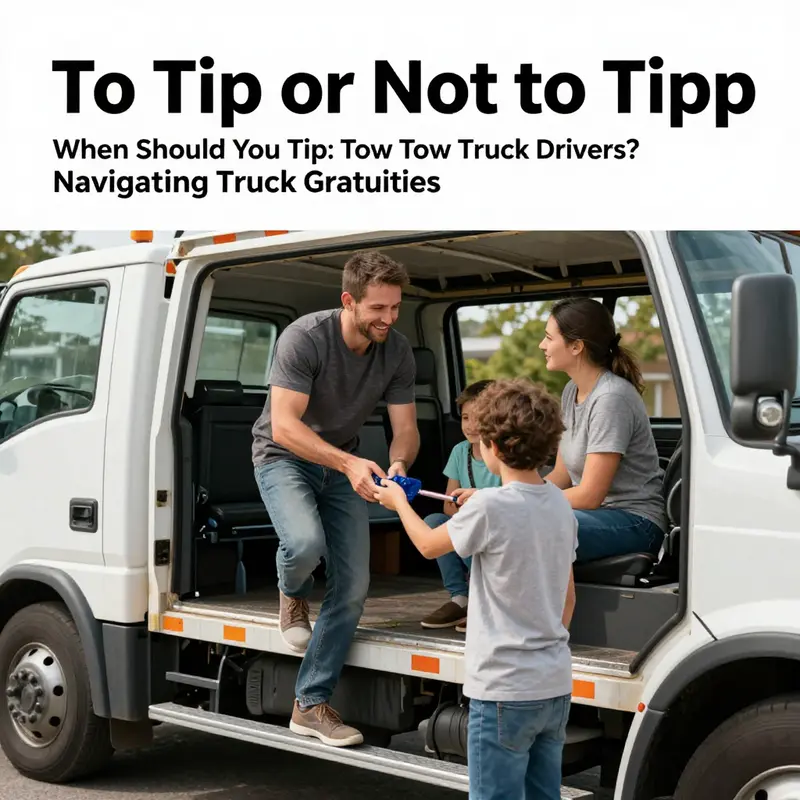
When a tow truck pulls into view on a quiet stretch of highway or a crowded city street, the scene often unfolds under pressure: a vehicle sidelined by a mechanical failure, a driver facing unfamiliar surroundings, and a passenger trying to manage fear, frustration, or practical concerns. In that moment the question of tipping can feel almost existential—should it be offered, and if so, when and how much? The short answer is that tipping a tow truck driver is not a universal expectation, and many people treat the act as optional, reserved for moments when service rises above the ordinary. Yet the conversation around tipping is not a binary one. It is a nuanced dance of circumstance, regional culture, company policies, and personal judgment that centers on how the driver has eased a chaotic situation. In this chapter we explore that nuanced landscape with care, connecting practical guidance to the larger themes of road-side service, safety, and customer experience, so readers can move through moments of breakdown with clarity and choice rather than hesitation or guilt.
The backdrop against which tipping decisions unfold is simple and persistent: towing is a service, and service costs are typically built into the trip charge. A standard tow can involve several moving parts—the driver’s labor, the vehicle’s secure handling, the fuel and equipment needed to tow, and the time spent coordinating with dispatch. In most cases, that base fee is meant to compensate the driver for the immediate work and the company for the overhead that keeps the service available around the clock. Because of that, tipping is not expected as part of the transaction. It would be odd, in many communities, to reach for a tip as a matter of routine when the invoice arrives with a clearly posted rate. The social contract here is different from waiting staff at a restaurant or a technician visiting a home for a repair. The driver’s payment is often structured through the company and the dispatch system, not through a cash tip gathered at the roadside. Still, if a driver earns extra points for exceptional service, the question becomes not whether to tip as a rule, but whether to acknowledge outstanding effort with a small gesture of appreciation.
That distinction—between a standard service paid for by the company and a discretionary moment of gratitude for exceptional behavior—shapes the guidance that readers will find practical. The core message is straightforward: if the driver delivers routine, timely service under standard conditions, tipping is optional and not required. If, however, the driver demonstrates extraordinary care or makes a stressful experience more bearable, a modest tip can serve as a meaningful thank-you. The challenge is to recognize when a gesture is appropriate and to calibrate it to the situation rather than to a reflexive impulse. A good rule of thumb is to measure your appreciation against the driver’s actions, not the invoice, and to anchor any tipping decision in your own comfort and the norms of the area you’re in.
In emergency moments, speed and composure become more than conveniences; they can be lifelines. A tow truck that arrives promptly during a roadside emergency, for instance, can dramatically reduce the risk associated with a breakdown. In such cases a tip—say, a modest amount in recognition of the driver’s urgent, calm, and professional handling of the situation—can acknowledge the extra effort involved. When the weather is harsh, traffic is heavy, or the terrain is challenging, a small gratuity can signal appreciation for the extra miles a driver might travel to reach you or to get your vehicle to safety. The math of these moments is not complicated: the driver has added stress and potential risk to complete the job, and a tip can be seen as acknowledging that commitment.
Beyond speed and safety, there is the human dimension of service. A tow truck driver who stays patient under pressure, who offers clear explanations of options, who coordinates with you to determine the best destination for your vehicle, or who helps locate a critical item inside the car, creates a sense of relief in a situation that often feels out of control. Service attitude matters as much as technical competence. People remember how they are treated in their moments of vulnerability, and kindness can transform a stressful episode into a manageable memory. In those moments, the gesture of a tip may be less about the money and more about the expression of gratitude that the driver’s professionalism has helped you regain a sense of control and safety. This alignment with emotional relief is where tipping most commonly lands as a thoughtful practice rather than a transactional requirement.
The chapter’s center of gravity, then, rests on nuanced judgments rather than rigid rules. Regional variation matters: tipping norms for roadside assistance do not map perfectly across the country. Some communities may view tipping in this context as a customary courtesy, while others will see it as unnecessary or even inappropriate due to company policies that discourage or prohibit cash tips. The social script can shift with a few miles or a few blocks, shaped by local expectations, the driver’s demeanor, and the specific service performed. The driver may also be bound by corporate guidelines that regulate how tips are accepted, or whether they are permitted at all. In other words, there is no universal script. The right choice is often the one that respects local norms, adheres to the policy of the service provider, and acknowledges the driver’s effort without pressuring them into a payout they do not need to depend on.
To navigate these subtleties with confidence, it helps to focus on the driver’s actions and on the context in which the service occurs. If the driver arrives quickly in an emergency and explains choices clearly, if they expedite the towing process without sacrificing safety, or if they go beyond the call of duty by retrieving an item from your car or helping you coordinate a difficult handover at a distant location, these are moments when a tip may be appropriate. A tip of five to twenty dollars is often cited in anecdotal guidance as a reasonable range for such circumstances, but the exact amount should fit your budget and your perception of the service quality. The amount is not as important as the intent: a respectful acknowledgment that the driver has done something that improved your situation beyond the ordinary. It is also important to keep the gratuity discreet and unobtrusive, so the interaction remains comfortable for both you and the driver and does not interrupt the flow of the work.
There is another layer to consider—the practicalities of the tipping gesture itself. Not all drivers prefer cash, and some may have company policies that discourage accepting tips directly. If you’re unsure, a polite, direct question in a respectful moment can resolve the uncertainty without awkwardness. If cash is preferred, a small bill or two, placed in a folded note or envelope, can be a tidy approach. If digital tipping is available through the driver’s equipment or through the company’s payment platform, and you are comfortable using it, that approach can be both convenient and discreet. In all cases, the timing matters: if the driver has already completed the tow and the vehicle has been safely secured, a short, sincere verbal expression of thanks followed by the tip—if offered—can close the interaction with dignity. If the driver is already on the way to their next call or if you must leave immediately, a brief note of gratitude on a receipt or a quick message via the delivery address you provide can carry the sentiment without interrupting essential operations.
The decision to tip, and the manner in which you tip, should also reflect your broader understanding of the service ecosystem. Towing teams do work that blends manual skill, risk management, and customer service. The work can be strenuous, the hours irregular, and the pace relentless. In that light, tipping is a modest, optional token rather than a moral obligation. It should not be used as a lever to demand faster service or additional tasks beyond the agreed scope. A tip should come after the work is completed and the outcome is satisfactory. It should be a genuine expression of appreciation, not a bargaining chip. In this sense tipping becomes part of an entire continuum of service quality—one that includes how staff communicate, how they handle the vehicle, and how they conduct themselves in the face of stress. The best tips are those that reinforce positive behavior and that drivers can reasonably expect in the context of their local norms and company guidelines.
For readers who want to embed these considerations into a larger framework of road-side readiness, it can be instructive to view tips not as a stand-alone act but as part of a broader culture of professional courtesy. If you are a frequent traveler or a professional driver yourself, the experience of receiving quality roadside assistance can color how you judge service in future encounters. A driver who explained options clearly, who avoided rushing the process, who treated your car with care, and who stayed calm in a tense moment contributes to a positive sense of safety and trust that can extend beyond a single incident. In such contexts, a tip becomes a way of reinforcing the standard you hope to see replicated across the industry, a quiet endorsement of care when seconds count.
The conversation about tipping is also a conversation about accountability. Company policies differ, and some firms may actively discourage tipping or assign a fixed gratuity policy. Others may welcome tips as a way to recognize outstanding performance. When you encounter a policy that restricts tipping, there is still room for appreciation in other forms—public feedback, a written commendation to the company, or a personal word of thanks to the driver. In those cases, the value of the gesture lies not in breaking rules, but in supporting the driver’s sense of professional recognition within the bounds of the organizational framework. Readers who face such constraints can still derive value from the broader message: the aim is to support service providers who demonstrate competence, empathy, and safety-first conduct in the face of potential hazards and uncertainty.
The practical takeaway for readers is to approach tipping with intention and discretion. If you decide to tip, do so as a brief, respectful acknowledgment of exceptional service and only when it feels right in the moment. If you choose not to tip, that decision should be equally deliberate, rooted in regional norms or company policy, and accompanied by a clear expression of gratitude for the service received. Either choice can maintain a sense of fairness and respect in a situation that can be emotionally charged. It is also valuable to remember that tipping is not a substitute for proper feedback. If you believe a driver went above and beyond, consider sharing your experience with the company or through wider consumer channels. Positive feedback can motivate teams to maintain high standards, while constructive comments can help organizations refine training and policies so that future roadside encounters are safer and more seamless for everyone involved.
From a broader perspective, the question of tipping in the context of tow services sits at the intersection of service excellence, safety, and regional culture. The act, when offered, is a social signal that you value the driver’s skill, composure, and care under pressure. The absence of a tip can also signal respect for a protocol that emphasizes fair compensation through formal channels. Either path can be ethical and appropriate, provided it aligns with local expectations, company rules, and personal comfort. To readers who want to explore how these dynamics play out in practice, a useful step is to connect with resources that discuss emergency response and service standards more broadly. For example, one can consult perspectives on “Essential Fleet Emergency Response Strategies” to understand how organizations balance speed, safety, and customer care in high-stress roadside scenarios. Essential Fleet Emergency Response Strategies.
As the road unfolds and the tow is secured, the moment of truth recedes into memory—the practical tasks completed, the vehicle towed to safety, the driver released from an you-are-not-in-control moment. The tipping decision, when it arises, should feel like a natural extension of the service experience: a quiet act that aligns with your values, supports good service, and respects the realities of roadside work. And even when you choose not to tip, recognizing the driver with a courteous thanks can go a long way. The point is not to chase a rulebook but to cultivate a sense of shared respect between civilians and the people who keep traffic moving and families safe when machines fail and plans go awry. In that spirit, readers can carry forward a flexible, thoughtful approach that fits their circumstances and their place on the map.
For readers seeking additional guidance beyond the immediate encounter, it can be helpful to consult established resources on towing practices and customer service standards. The American Automobile Association (AAA) offers guidelines and information about what to expect when using towing services, and their materials can provide a broader frame for interpreting the service you receive. If you are curious about how professional organizations guide roadside assistance, you may find it worthwhile to explore their recommendations and then translate them into the tipping decisions that reflect your local norms. In this way tipping remains a personal choice, grounded in a solid understanding of what constitutes fair compensation, what constitutes excellent service, and how to balance both with the realities of the road. For more information on towing practices and customer service standards, refer to AAA. AAA
Tipping Town to Town: How Regional Norms Shape When and How Much You Tip Tow Truck Drivers
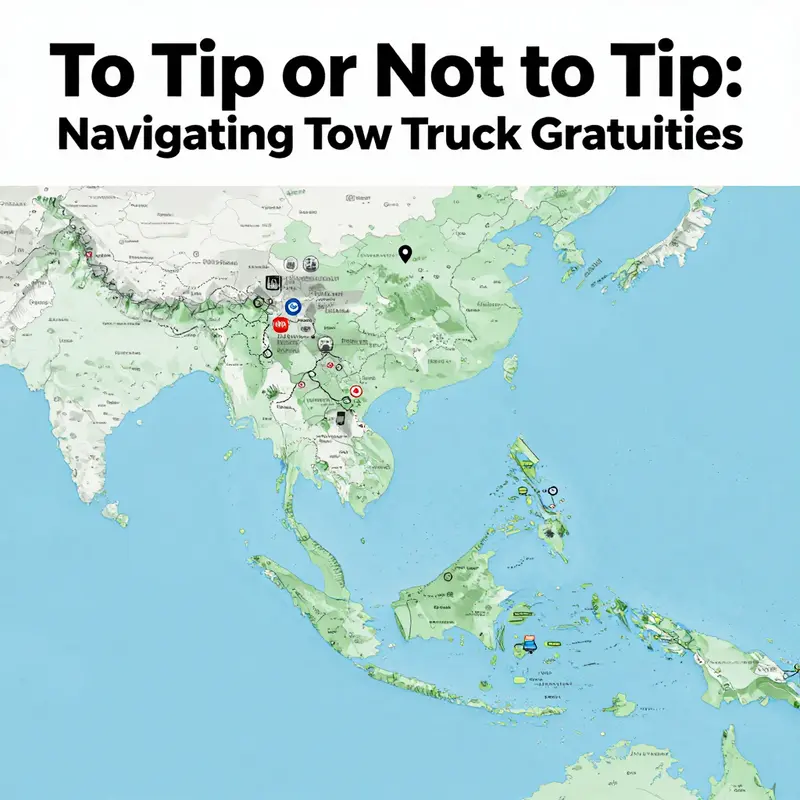
When a roadside crisis arrives, the scene often unfolds under the glare of streetlights, in a rainstorm, or on a winding rural road where cell service is spotty and the clock seems to stall. In those moments, a tow truck may be the difference between a delayed day and a smooth, controlled rescue. The question of tipping arises not as a universal rule but as a flexible judgment call shaped by where you are, who you hire, and what service was delivered. Across the United States, tipping tow truck drivers is not uniformly expected or required. Yet regional habits bend the practice in different directions, reflecting broader patterns in service culture, regulatory frameworks, and the way local communities value emergency assistance. This variability is not a contradiction but a reflection of the lived realities of roadside support. A fair way to think about it is that tipping is a gesture of appreciation for exceptional effort or personalized care, rather than a missed obligation if tip jars are absent or if the posted price already seems comprehensive. In practice, the amount and even the decision to tip can shift depending on where you are and what happened during the service call.
The general rule holds that towing services are priced to cover the basic labor, equipment, and the operational costs involved in a vehicle recovery. No universal gratuity is built into every bill, and in many jurisdictions the company’s fee structure is designed to be straightforward and non-dependent on tips. Still, that does not erase the reality that many customers do choose to offer a tip when the driver goes above and beyond. The extra miles, the extra help, or the extra patience shown in a stressful moment can prompt a small token of appreciation that acknowledges the driver’s extra effort. The amounts people consider appropriate can span a broad range—from a modest $5 to a more generous $20 or more—depending on the circumstances. But even here, regional variation matters. In some parts of the country, tipping for tow services is almost expected when the driver goes out of their way; in others, it is rarely seen or explicitly discouraged by firms that prefer customers to rely on posted rates and contract terms. Understanding this regional texture is essential for anyone who wants to navigate the topic with sensitivity and practicality.
To understand regional variability, it helps to consider the factors that shape tipping norms. First, local customs around service industries color how people perceive gratuities. In areas with a long tradition of tipping as a form of informal compensation for “on-site” help and personal service, drivers may be more likely to receive a tip, especially when the call involves unusual challenges—such as a vehicle that is stuck on a shoulder during a busy rush hour, a difficult winch operation, or coordinating a delivery of the vehicle to a specified location without delays. In these environments, a tip signals not just gratitude but recognition of the driver’s problem-solving, patience, and professionalism when time is of the essence.
Second, regional pricing and regulatory structures can dampen or amplify tipping incentives. Some regions have towing services that operate under highly standardized pricing, often set by regulations or by the contractual terms that roadside assistance plans offer. In such places, customers may feel that tipping could disrupt a clear fee schedule or undermine the perceived fairness of the price. Conversely, in markets where rates are more fluid or where independent operators predominate, drivers may rely more on tips as a way to express appreciation for exceptional service that falls outside typical expectations. In practice, this can translate into a wider range of tip amounts in places where drivers routinely take on more labor-intensive tasks—like heavy towing in rough terrain or assistance in adverse weather conditions.
Third, the customer base and the operating model of the towing company can influence tipping norms. In regions with dense populations and high competition among service providers, drivers may encounter more uniform expectations, with some customers tipping as a standard courtesy to acknowledge reliable and timely service. In more rural settings where response times may be longer or resources more limited, customers may still tip, but the amounts might be smaller, reflecting different local spending norms and the scale of everyday discretionary expenses. A few customers may also view tipping as a personal way to express thanks when the driver has offered additional help, such as guiding a vehicle through a tricky parking scenario after recovery or coordinating with a dispatcher for a smooth handoff to a chosen destination.
The research results suggest a broad, region-by-region map of tipping behavior. In many parts of the United States, customers do tip tow drivers, particularly when the service includes extra effort or involves challenging conditions. The tip is often a personal gesture rather than a formal expectation, and it reflects the driver’s willingness to go beyond keeping the vehicle safe and mobile. In areas where tipping is common, the norm tends to be a higher range of generosity when the service is thorough, when the driver provides clear communication, or when they display a level of care that reduces the customer’s stress during an already difficult experience. The typical range in these regions often falls between twenty and fifty dollars for good service. For exceptional circumstances, higher tips may be offered, especially if the driver takes extra steps—like staying with the vehicle to ensure it is safely parked at a destination, or assisting with arrangements that reduce the customer’s overall disruption.
That said, tipping is not uniformly expected everywhere. In regions with strong consumer protection norms, strict pricing rules, or standardized service packages, drivers may receive smaller tips or none at all, particularly if the company uses a firm pricing structure designed to ensure consistency and fairness. Among other considerations, drivers in these areas may be more likely to politely decline tips to avoid conflicts of interest or to emphasize that the posted price should reflect the service provided. This is not a sign of poor service; rather, it is a reflection of a conscientious approach to maintaining clear boundaries between compensation and appreciation. The practical takeaway for consumers is simple: while you may tip after a well-handled tow, you should not feel compelled to do so in a jurisdiction where the local practice leans away from gratuities, or where the company instruction discourages additional payments beyond the posted rate.
A practical approach to determining whether and how much to tip begins with reading the room and considering the service’s quality. If a driver arrives promptly, communicates clearly about the process, and executes the recovery with minimal risk to the vehicle and personal safety, that level of competence often merits reinforcement. If, in addition, the driver offers useful extra help—such as recommending a secure drop-off location, easing the vehicle into a difficult space, or coordinating an onward transport without delaying the customer—these are the moments when a tip becomes especially appropriate. When deciding on an amount, it can help to remember that tipping should feel like a personal acknowledgment rather than a mandatory add-on. In some parts of the country, twenty dollars can be a meaningful gesture for solid service in a routine scenario; in tighter markets or where the driver has absorbed extra costs, a forty-dollar tip might be more fitting. If the service falls short of expectations, a tip is not a substitute for constructive feedback to the company, and a brief note about what could improve the process can be more helpful than any monetary gesture.
An additional dimension to consider is how regional tipping interacts with broader cultural norms and the context of the incident. For example, if you were to call for roadside assistance during a medical emergency, the priority is safety and speed, and the driver’s role may extend beyond mere recovery to helping preserve temporary medical or safety-related concerns. In those moments, a tip may be a small but meaningful way to acknowledge the driver’s sensitivity and attention to urgent circumstances. If the call involves technical navigation, on-scene problem solving, or the driver staying to supervise the vehicle’s secure removal from a hazardous area, these are the cases most likely to attract a gratuity in tipping-friendly regions. Conversely, if the driver performs the service efficiently but without extra effort or without requiring unusual risk, a tip may be optional or even unnecessary, depending on local norms and personal judgment.
Alongside personal judgment, it helps to leverage available resources that outline professional expectations for towing and roadside services. For instance, consumer guidance from national associations can offer insights into ethical service standards, typical practice expectations, and the interplay between pricing, service quality, and gratuities. An external resource of particular relevance to consumers seeking to understand regional differences and industry standards is the NAAC, which provides guidelines and resources on towing tips and standards. For a broader look at official recommendations and consumer expectations, you can consult the NAAC’s guidance on towing tips and standards: https://www.naac.org/towing-tips-and-standards. This kind of resource helps ground personal judgment in a framework that reflects professional ethics and consumer protection across regions.
Within the broader narrative of tipping, there is also value in considering how tips fit into a responsible approach to service selection and preparation. When you know you may need towing or recovery, building a small mental checklist can prevent moments of stress from becoming moments of regret. If you live in or travel to regions where tipping is more common, you might carry a small amount in cash or have a quick digital option available to handle a tip if the service exceeds expectations. If you move through areas where tipping is less customary, you can still express appreciation through other means—such as a positive review, a thoughtful compliment to a supervisor, or simply choosing to recommend the local service to others who may need assistance in the future. The important point is to align your actions with the local cultural norms and with your own sense of fairness and gratitude.
For readers who want to think ahead and prepare, the discussion about tipping and regional norms can be made part of a broader mindset about emergency readiness. In island or remote regions, for example, predictable response times, clear communication, and safe handling of vehicles are critical. That’s why some operators and communities emphasize the importance of preparedness in the same spirit that guides emergency response planning. A practical way to integrate these ideas is to view tipping as a potential signal of appreciation for the human aspects of service in addition to the technical task of lifting and transport. In locales where it’s appropriate, tipping can reinforce positive behaviors—courtesy, transparency, and a willingness to go the extra mile. In places where it’s not customary, appreciating the driver through feedback or a public acknowledgment can accomplish much the same ends without creating confusion about expectations.
To connect these reflections to the lived experiences of readers, consider how a single tow encounter can embody regional values. A driver who communicates clearly, explains the steps in the process, and completes the recovery with minimal disruption to your plans embodies the service ethos that many communities prize. If that same driver also helps coordinate a drop-off at a preferred location, or ensures you have a functional plan for the next steps, a tip may be a natural extension of a positive interaction. In contrast, if a service call arrives with opaque pricing, unclear instructions, or perceived delays that escalate stress, the decision about tipping becomes more nuanced. The driver’s gratitude or the company’s policy should not be exploited as a justification for poor service, nor should the absence of a tip be interpreted as a verdict on the overall value of the work performed. Regional norms may guide the expectation, but good service should stand on its own merits.
For readers seeking practical, immediately usable guidance, a short synthesis can help. If tipping is common in your region and the service is above standard expectations, a tip in the range of twenty to fifty dollars often aligns with the value delivered. If the service is truly exceptional—handling multiple complications, staying with you through a difficult process, or delivering the vehicle exactly where you asked—tips toward the higher end of the range, or even beyond, are reasonable. If you’re in a region where tipping is less common, you may opt for a smaller gratuity or skip it altogether, focusing instead on providing feedback that supports quality service in the future. The critical point is to make a choice that reflects the reality of the moment, your personal budget, and your respect for the driver’s expertise and dedication. A thoughtful, region-sensitive approach ensures that you honor the professional relationship and reinforce a culture of appreciation without undermining the clarity of pricing or the integrity of local practice.
One practical note connects back to what you might have ready in your planning documents. If you want to prepare for the unexpected and also stay aligned with regional norms, you could keep a small emergency fund or a set of prepared notes about your preferences for after-service follow-up. This can be part of a broader strategy for island or regional fleets, where emergencies have a distinctive cadence and demands. For readers involved in fleet management or who are responsible for regional coverage, thinking about tipping within the context of company policy, customer expectations, and local norms can be part of a larger conversation about customer experience and operational excellence. And if you want to explore how those broader considerations fit into a well-orchestrated emergency response plan, you may want to consult content focused on essential fleet emergency response strategies and how regional norms inform practice: essential-fleet-emergency-response-strategies.
In weaving together the threads of region, regulation, service quality, and personal judgment, this chapter has aimed to illuminate how tipping practices for tow truck drivers are not a single, monolithic rule but a living set of customs that shift with place and circumstance. The most reliable compass remains simple: assess the quality of the service, consider whether the driver exceeded expectations, and respond in a way that respects local norms and your own financial comfort. In a world of mobile, uncertain journeys, this approach helps maintain dignity for both the customer and the driver, while acknowledging the human effort that keeps people safe and moving when the road is rough. As you move from one region to another, carry that flexibility with you, and let your tipping decision be a quiet, context-aware acknowledgment of good work rather than a rigid obligation tied to a single fixed amount.
For further reflection beyond pricing and percentages, it can be helpful to stay informed about evolving standards in the industry and to rely on credible sources that outline expectations around service quality and ethical practices. As you plan for future road trips, plan for emergencies, and consider how you will respond in the moment, this awareness can transform a stressful situation into a more manageable experience. It isn’t only about the money; it is about expressing appreciation in a way that resonates with the service you received and the community norms you inhabit. Read the surrounding guidance, absorb the regional cues, and you will be better equipped to make a choice that feels fair, respectful, and appropriate for the circumstances you encounter on the road.
External reference: https://www.naac.org/towing-tips-and-standards
Final thoughts
Understanding the nuances of tipping tow truck drivers is essential for vehicle owners and local businesses alike. While tipping is generally not expected in standard service situations, recognizing the impact of service quality and local customs can lead to positive relationships and experiences. A thoughtful tip can be a meaningful gesture for exceptional service, especially in challenging situations within island communities. Ultimately, whether you choose to tip should fit the context and your own values, fostering goodwill in your interactions with service providers.