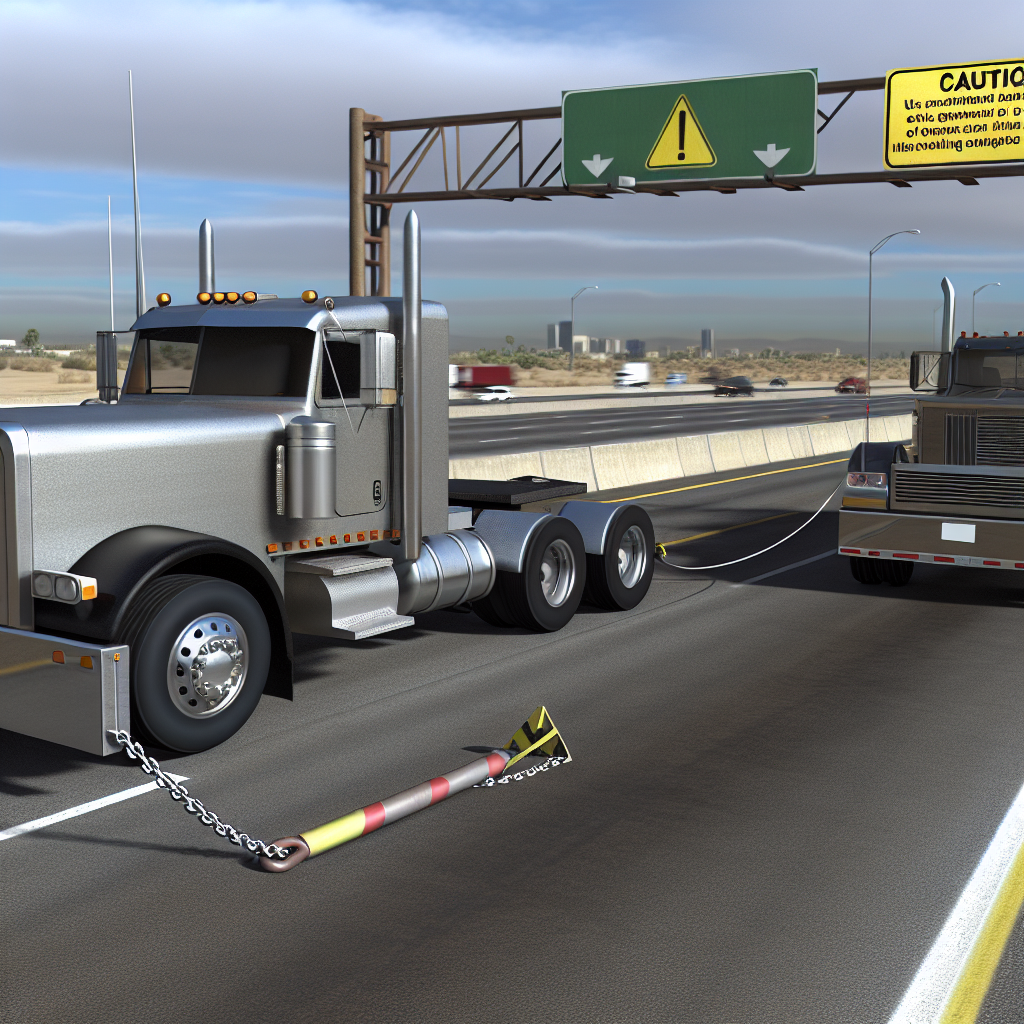
In a world where safety on the highways is paramount, the recent incident involving the California Highway Patrol serves as a stark reminder of the perils associated with improper towing methods. Picture this: a big rig tractor being towed using nothing but a metal pipe and a chain. This reckless act not only highlights the disturbing reality of illegal towing practices but also raises critical questions about the safety of our roads.
The CHP swiftly intervened, emphasizing the necessity of using professional equipment and expertise to prevent potentially catastrophic accidents. As drivers, we must be deeply aware of the importance of adhering to legal and safe towing practices, not just for our own safety, but for the wellbeing of everyone who shares the road with us.
Each unsafe tow is a reminder that, when it comes to towing, cutting corners can lead to dangerous outcomes, and we must advocate for safe solutions on our highways.
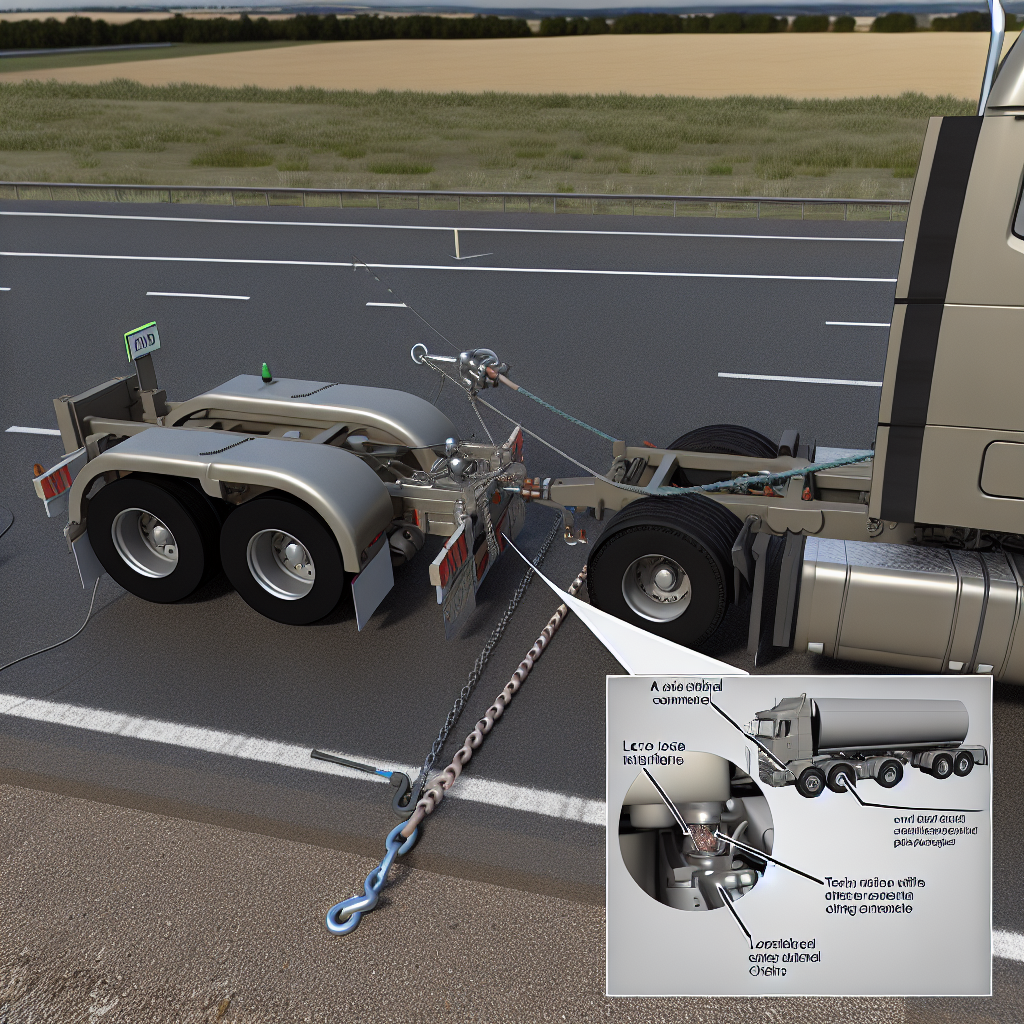
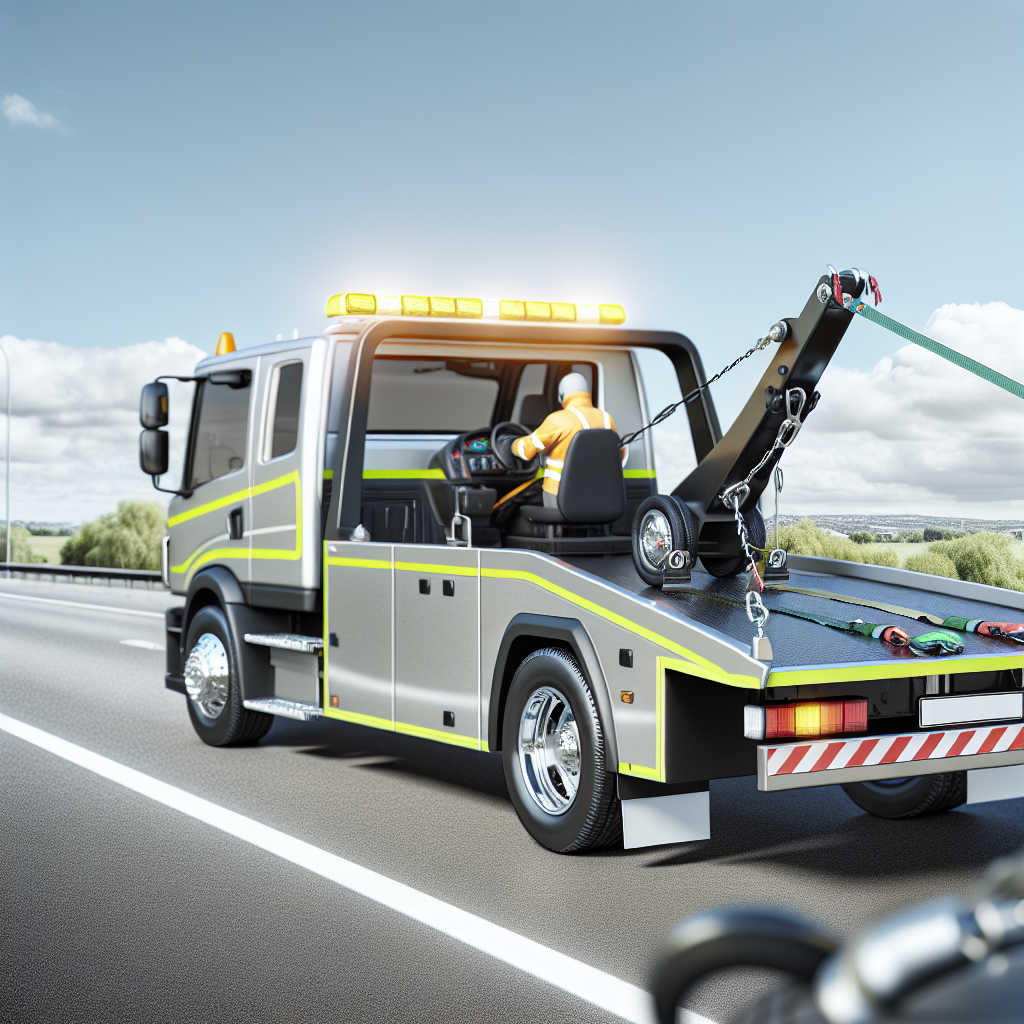
In September 2025, the California Highway Patrol (CHP) confronted a hazardous towing situation that illustrated the significant dangers of makeshift towing methods. Officers found a driver towing a big rig tractor with an improvised setup of a metal pipe and chains. This method is not only illegal but also poses serious risks to everyone on the road.
Upon receiving reports about this incident, the CHP responded quickly. They identified that the towed vehicle had clear safety issues. Its brake chambers were dragging on the ground, which meant the brakes were not working. This critical failure could lead to very serious accidents and put the lives of other drivers at risk. As a result, the driver was cited for using an unsafe towing method, reinforcing the message that towing with a metal pipe and chains can have disastrous consequences.
CHP Statement on Towing Practices
In response to the incident involving the use of a metal pipe and chain for towing, a spokesperson for the California Highway Patrol stated, “Towing another vehicle with a pipe and some chain is NOT legal or safe!” This statement underscores the severe safety risks associated with improperly secured towing methods. The CHP continues to emphasize that such practices not only violate regulations but also significantly endanger the lives of other road users. They highlighted the necessity of proper equipment and training for operators to ensure public safety when towing vehicles.
Moreover, the CHP credited an alert driver who reported the unsafe towing situation, which helped prevent a potential disaster on the freeway. Such community vigilance is crucial in maintaining safe roadways.
The urgency of this message resonates throughout the article, advocating for strict adherence to legal towing practices and the use of professional equipment to avoid catastrophic outcomes.
Safety Regulations Checklist for Towing Operations
Ensuring safety during towing operations is critical, not only for the operator but also for all road users. Here is a comprehensive checklist to adhere to legal standards and best practices in towing:
- Proper Equipment: Use only professional towing vehicles and equipment that meet state and federal regulations.
- Vehicle Condition: Ensure that both the towing and towed vehicles are in proper working condition, checking for operational brakes, lights, and steering.
- Weight Limits: Abide by the manufacturer’s specifications for weight limits; do not overload the towing vehicle.
- Secure Connections: Use appropriate and secure connections for towing, such as safety chains, shackles, or other approved attachments.
- Legal Compliance: Familiarize yourself with and follow state laws governing towing practices, including specific restrictions on non-professional towing methods. For more information on the regulations, refer to federal guidelines here: Federal Regulations on Towing Practices.
- Clear Visibility: Ensure that the towing vehicle provides clear visibility for both the driver and other road users during the towing process.
- Reflective Gear: Use reflective triangles or other warning signals if the vehicle is immobilized on the road.
- Informed Drivers: Ensure that drivers are trained and aware of safe towing practices and emergency procedures.
- Regular Checks: Conduct regular maintenance checks and inspections on towing equipment to guarantee safety.
- Insurance Coverage: Verify that appropriate insurance coverage for towing operations is in place to protect against liability.
This checklist should be regarded as a foundational guide to maintain safety and legality during towing operations. By following these regulations and best practices, drivers can significantly reduce the risk of accidents and injuries on the road.
Key Facts of the CHP Incident
- The incident occurred on Tuesday morning when the California Highway Patrol (CHP) received a report regarding an unusual vehicle combination on the highway.
- A big rig tractor was being towed under unsafe conditions, using only a makeshift setup consisting of a metal pipe and a chain to do the job.
- The CHP cited the driver involved in this dangerous operation for using an unsafe towing method.
- Investigators found that the towed vehicle had inoperable brakes, as evidenced by dragging brake chambers that were a serious safety concern.
- The situation was reported by an alert driver, which prompted the CHP to intervene and prevent a potential accident from occurring.
This incident serves as a critical reminder that unsafe towing practices can lead to severe consequences, not only for those directly involved but also for all road users. It stresses the importance of adhering to professional towing standards and legal regulations for the safety of everyone on the highway.
Conclusion
The incident involving the California Highway Patrol’s intervention in an unsafe towing practice serves as an urgent reminder of the potential dangers associated with improper towing methods. Key lessons from this event underscore the absolute necessity for drivers to adhere strictly to legal and safe towing practices. The use of makeshift equipment, such as a metal pipe and chains, not only compromises road safety but also violates established regulations designed to protect all road users.
In light of this, it is vital for everyone to remain vigilant and proactive in reporting unsafe towing practices they might observe. Whether it’s a questionable towing method or equipment that seems substandard, your report can prevent serious accidents and save lives. As responsible road users, let us commit to fostering a culture of safety by promoting adherence to professional towing standards.
Together, we can ensure that our highways remain safe for everyone. Always choose safety over convenience and never hesitate to speak up when you witness unsafe behavior. Every call to report such practices could prevent a tragedy, making a significant difference in road safety.
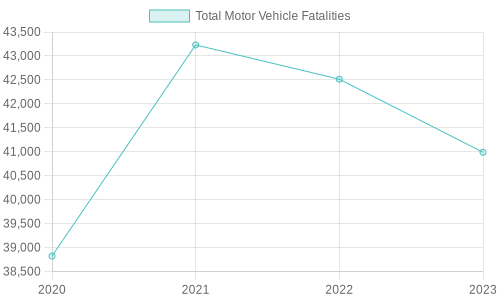
Graph depicting the trends in total motor vehicle fatalities from 2020 to 2023, which highlights the need for safer towing methods and showcases the correlation between unsafe towing incidents and increased road hazards.
| Safe Towing Practices | Unsafe Towing Practices |
|---|---|
| Utilizes professional towing equipment and methods | Uses makeshift items like metal pipes or chains |
| Complies with state and federal towing regulations | Violates laws leading to citations and fines |
| Ensures both vehicles are in proper working condition | Tows vehicles with inoperable braking systems |
| Conducts thorough safety checks before towing | Skips inspections, increasing risk of failure |
| Trains drivers on proper towing techniques | Lacks training, endangering public safety |
| Maintains legal weight limits | Overloads towing vehicles beyond safe limits |
| Uses secure connections such as safety chains | Uses unsecured or inadequate towing attachments |
| Provides visibility during towing operations | Impairs visibility, increasing accident risk |
In a World Where Safety on the Highways is Paramount
The recent incident involving the California Highway Patrol serves as a stark reminder of the perils associated with improper towing methods. Picture this: a big rig tractor being towed using nothing but a metal pipe and a chain. This reckless act not only highlights the disturbing reality of illegal towing practices, such as predatory towing, but also raises critical questions about the safety regulations that govern our roads. The CHP swiftly intervened, emphasizing the necessity of using professional tow truck equipment and expertise to prevent potentially catastrophic accidents. As drivers, we must be deeply aware of the importance of adhering to legal and safe towing practices, not just for our own safety, but for the wellbeing of everyone who shares the road with us. Each unsafe tow is a reminder that, when it comes to towing, cutting corners can lead to dangerous outcomes, and we must advocate for safe solutions on our highways.
Detailed Account of the CHP Incident
In September 2025, the California Highway Patrol (CHP) took decisive action against a dangerous towing operation that highlighted the severe risks associated with makeshift towing methods. A driver was caught in the act of towing a big rig tractor using an improvised setup consisting of a metal pipe and chains. This method not only contravenes safety regulations but poses substantial risks to public safety.
Upon receiving reports of this alarming incident, CHP officers responded swiftly. They discovered that the towed vehicle exhibited clear signs of danger: its brake chambers were dragging on the ground, indicating that the brakes were inoperative. Such a critical failure could lead to severe accidents, potentially endangering the lives of other drivers on the road. Subsequently, the driver was cited for the unsafe towing method, emphasizing that using a metal pipe and chains for towing is illegal and can lead to disastrous consequences.
Implications of Using Substandard Equipment
The CHP incident raises essential concerns regarding the use of substandard equipment in towing operations. The use of metal piping, chains, or any improvised materials—far removed from regulated and professional towing systems—can lead to disastrous failings, causing dangerous detachments of the towed vehicle. Such detachments could potentially result in vehicle collisions, severe injuries, or even fatalities.
- Legal Consequences: Engaging in unauthorized towing practices can lead to significant fines, citations, and the potential for liability in the event of an accident caused by negligent towing methods.
- Safety Hazards: As exemplified by the CHP incident, improper towing methods can result in a complete failure of the towing method, loss of vehicle control, and severe accidents due to lack of proper braking systems in the towed vehicle.
In conclusion, the California Highway Patrol’s intervention serves as a critical reminder of the necessity for adherence to proper towing practices. It reinforces the fundamental principle that safety must always be prioritized on the road. Utilizing only professional equipment and trained operators is crucial to ensuring the safety and wellbeing of all road users. Each instance of unsafe towing practices demands our attention and advocacy for stricter compliance with legal safety standards.
CHP Statement on Towing Practices
In response to the incident involving the use of a metal pipe and chain for towing, a spokesperson for the California Highway Patrol stated, “Towing another vehicle with a pipe and some chain is NOT legal or safe!” This statement underscores the severe safety risks associated with improperly secured towing methods. The CHP continues to emphasize that such practices not only violate regulations but also significantly endanger the lives of other road users. They highlighted the necessity of proper equipment and training for operators to ensure public safety when towing vehicles.
Moreover, the CHP credited an alert driver who reported the unsafe towing situation, which helped prevent a potential disaster on the freeway. Such community vigilance is crucial in maintaining safe roadways.
The urgency of this message resonates throughout the article, advocating for strict adherence to legal towing practices and the use of professional equipment to avoid catastrophic outcomes.
Safety Regulations Checklist for Towing Operations
Ensuring safety during towing operations is critical, not only for the operator but also for all road users. Here is a comprehensive checklist to adhere to legal standards and best practices in towing:
- Proper Equipment: Use only professional towing vehicles (tow truck) and equipment that meet state and federal regulations.
- Vehicle Condition: Ensure that both the towing and towed vehicles are in proper working condition, checking for operational brakes, lights, and steering.
- Weight Limits: Abide by the manufacturer’s specifications for weight limits; do not overload the towing vehicle.
- Secure Connections: Use appropriate and secure connections for towing, such as safety chains, shackles, or other approved attachments.
- Legal Compliance: Familiarize yourself with and follow state laws governing towing practices, including specific restrictions on non-professional towing methods.
- Clear Visibility: Ensure that the towing vehicle provides clear visibility for both the driver and other road users during the towing process.
- Reflective Gear: Use reflective triangles or other warning signals if the vehicle is immobilized on the road.
- Informed Drivers: Ensure that drivers are trained and aware of safe towing practices and emergency procedures.
- Regular Checks: Conduct regular maintenance checks and inspections on towing equipment to guarantee safety.
- Insurance Coverage: Verify that appropriate insurance coverage for towing operations is in place to protect against liability.
This checklist should be regarded as a foundational guide to maintain safety and legality during towing operations. By following these regulations and best practices, drivers can significantly reduce the risk of accidents and injuries on the road.
Key Facts of the CHP Incident
- The incident occurred on Tuesday morning when the California Highway Patrol (CHP) received a report regarding an unusual vehicle combination on the highway.
- A big rig tractor was being towed under unsafe conditions, using only a makeshift setup consisting of a metal pipe and a chain to do the job.
- The CHP cited the driver involved in this dangerous operation for using an unsafe towing method.
- Investigators found that the towed vehicle had inoperable brakes, as evidenced by dragging brake chambers that were a serious safety concern.
- The situation was reported by an alert driver, which prompted the CHP to intervene and prevent a potential accident from occurring.
This incident serves as a critical reminder that unsafe towing practices can lead to severe consequences, not only for those directly involved but also for all road users. It stresses the importance of adhering to professional towing standards and legal regulations for the safety of everyone on the highway.
Conclusion
The incident involving the California Highway Patrol’s intervention in an unsafe towing practice serves as an urgent reminder of the potential dangers associated with improper towing methods. Key lessons from this event underscore the absolute necessity for drivers to adhere strictly to legal and safe towing practices. The use of makeshift equipment, such as a metal pipe and chains, not only compromises road safety but also violates established regulations designed to protect all road users.
In light of this, it is vital for everyone to remain vigilant and proactive in reporting unsafe towing practices they might observe. Whether it’s a questionable towing method or equipment that seems substandard, your report can prevent serious accidents and save lives. As responsible road users, let us commit to fostering a culture of safety by promoting adherence to professional towing standards.
Together, we can ensure that our highways remain safe for everyone. Always choose safety over convenience and never hesitate to speak up when you witness unsafe behavior. Every call to report such practices could prevent a tragedy, making a significant difference in road safety.
Ensuring Safety on Highways: The Need for Proper Towing Practices
In a world where safety on the highways is paramount, the recent incident involving the California Highway Patrol serves as a stark reminder of the perils associated with improper towing methods. Picture this: a big rig tractor being towed using nothing but a metal pipe and a chain. This reckless act not only highlights the disturbing reality of illegal towing practices but also raises critical questions about the safety regulations that govern our roads. The CHP swiftly intervened, emphasizing the necessity of using professional equipment and expertise to prevent potentially catastrophic accidents. As drivers, we must be deeply aware of the importance of adhering to legal and safe towing practices, including towing safety laws and secure towing methods, not just for our own safety, but for the wellbeing of everyone who shares the road with us. Each unsafe tow is a reminder that when it comes to towing, cutting corners can lead to dangerous outcomes, and we must advocate for safe solutions on our highways.
Detailed Account of the CHP Incident
In September 2025, the California Highway Patrol (CHP) took decisive action against a dangerous towing operation that highlighted the severe risks associated with makeshift towing methods. A driver was caught in the act of towing a big rig tractor using an improvised setup consisting of a metal pipe and chains. This method not only contravenes safety regulations but poses substantial risks to public safety.
Upon receiving reports about this alarming incident, CHP officers responded swiftly. They discovered that the towed vehicle exhibited clear signs of danger: its brake chambers were dragging on the ground, indicating that the brakes were inoperative. Such a critical failure could lead to severe accidents, potentially endangering the lives of other drivers on the road. Subsequently, the driver was cited for the unsafe towing method, emphasizing that using a metal pipe and chains for towing is illegal and can lead to disastrous consequences.
Implications of Using Substandard Equipment
The CHP incident raises essential concerns regarding the use of substandard equipment in towing operations. Using metal piping, chains, or any improvised materials—far removed from regulated and professional towing systems—can lead to disastrous failings, causing dangerous detachments of the towed vehicle. Such detachments could potentially result in vehicle collisions, severe injuries, or even fatalities.
- Legal Consequences: Engaging in unauthorized towing practices can lead to significant fines, citations, and the potential for liability in the event of an accident caused by negligent towing methods.
- Safety Hazards: As exemplified by the CHP incident, improper towing methods can result in a complete failure of the towing method, loss of vehicle control, and severe accidents due to lack of proper braking systems in the towed vehicle.
In conclusion, the California Highway Patrol’s intervention serves as a critical reminder of the necessity for adherence to proper towing practices. It reinforces the fundamental principle that safety must always be prioritized on the road. Utilizing only professional equipment and trained operators is crucial to ensuring the safety and wellbeing of all road users. Each instance of unsafe towing practices demands our attention and advocacy for stricter compliance with legal safety standards.
CHP Statement on Towing Practices
In response to the incident involving the use of a metal pipe and chain for towing, a spokesperson for the California Highway Patrol stated, “Towing another vehicle with a pipe and some chain is NOT legal or safe!” This statement underscores the severe safety risks associated with improperly secured towing methods, including those identified in towing safety laws. The CHP continues to emphasize that such practices not only violate regulations but also significantly endanger the lives of other road users. They highlighted the necessity of proper equipment and training for operators to ensure public safety when towing vehicles.
Moreover, the CHP credited an alert driver who reported the unsafe towing situation, which helped prevent a potential disaster on the freeway. Such community vigilance is crucial in maintaining safe roadways. The urgency of this message resonates throughout the article, advocating for strict adherence to legal towing practices and the use of professional equipment to avoid catastrophic outcomes.
Safety Regulations Checklist for Towing Operations
Ensuring safety during towing operations is critical, not only for the operator but also for all road users. Here is a comprehensive checklist to adhere to legal standards and best practices in towing:
- Proper Equipment: Use only professional towing vehicles (tow truck) and equipment that meet state and federal regulations.
- Vehicle Condition: Ensure that both the towing and towed vehicles are in proper working condition, checking for operational brakes, lights, and steering.
- Weight Limits: Abide by the manufacturer’s specifications for weight limits; do not overload the towing vehicle.
- Secure Connections: Use appropriate and secure connections for towing, such as safety chains, shackles, or other approved attachments.
- Legal Compliance: Familiarize yourself with and follow state laws governing towing practices, including specific restrictions on non-professional towing methods. For more information on the regulations, refer to federal guidelines here: Federal Regulations on Towing Practices.
- Clear Visibility: Ensure that the towing vehicle provides clear visibility for both the driver and other road users during the towing process.
- Reflective Gear: Use reflective triangles or other warning signals if the vehicle is immobilized on the road.
- Informed Drivers: Ensure that drivers are trained and aware of safe towing practices and emergency procedures.
- Regular Checks: Conduct regular maintenance checks and inspections on towing equipment to guarantee safety.
- Insurance Coverage: Verify that appropriate insurance coverage for towing operations is in place to protect against liability.
This checklist should be regarded as a foundational guide to maintain safety and legality during towing operations. By following these regulations and best practices, drivers can significantly reduce the risk of accidents and injuries on the road.
Key Facts of the CHP Incident
- The incident occurred on Tuesday morning when the California Highway Patrol (CHP) received a report regarding an unusual vehicle combination on the highway.
- A big rig tractor was being towed under unsafe conditions, using only a makeshift setup consisting of a metal pipe and a chain to do the job.
- The CHP cited the driver involved in this dangerous operation for using an unsafe towing method.
- Investigators found that the towed vehicle had inoperable brakes, as evidenced by dragging brake chambers that were a serious safety concern.
- The situation was reported by an alert driver, which prompted the CHP to intervene and prevent a potential accident from occurring.
This incident serves as a critical reminder that unsafe towing practices can lead to severe consequences, not only for those directly involved but also for all road users. It stresses the importance of adhering to professional towing standards and legal regulations for the safety of everyone on the highway.
Conclusion
The incident involving the California Highway Patrol’s intervention in an unsafe towing practice serves as an urgent reminder of the potential dangers associated with improper towing methods. Key lessons from this event underscore the absolute necessity for drivers to adhere strictly to legal and safe towing practices. The use of makeshift equipment, such as a metal pipe and chains, not only compromises road safety but also violates established regulations designed to protect all road users.
In light of this, it is vital for everyone to remain vigilant and proactive in reporting unsafe towing practices they might observe. Whether it’s a questionable towing method or equipment that seems substandard, your report can prevent serious accidents and save lives. As responsible road users, let us commit to fostering a culture of safety by promoting adherence to professional towing standards, including towing safety laws and secure towing methods.
Together, we can ensure that our highways remain safe for everyone. Always choose safety over convenience and never hesitate to speak up when you witness unsafe behavior. Every call to report such practices could prevent a tragedy, making a significant difference in road safety.