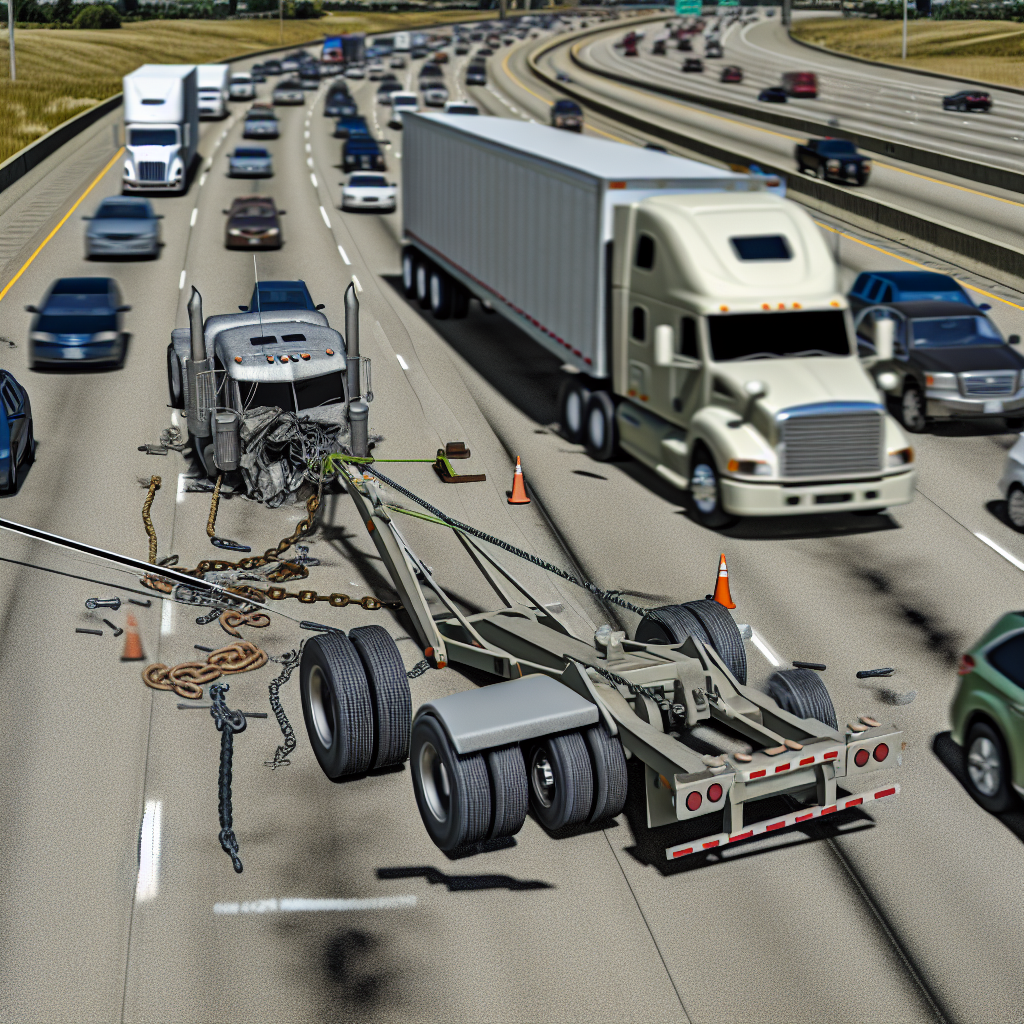
Illegal towing practices are dangerous for vehicles and everyone on the road. A recent alarming incident reported by the California Highway Patrol (CHP) highlights these risks. Authorities intervened when a big rig was towed using only a metal pipe and a chain. This unsafe method not only broke several safety regulations but also risked the towing vehicle’s functionality, as it had inoperable brake chambers dragging on the ground. This reckless behavior emphasizes the importance of following safe towing protocols.
The CHP’s quick action reminds us that these illegal practices are dangerous and can lead to serious penalties. Understanding this incident helps us see why proper towing should only be done by trained professionals with approved equipment. Following safe towing procedures is about more than just compliance; it protects lives and ensures safer roads for all.
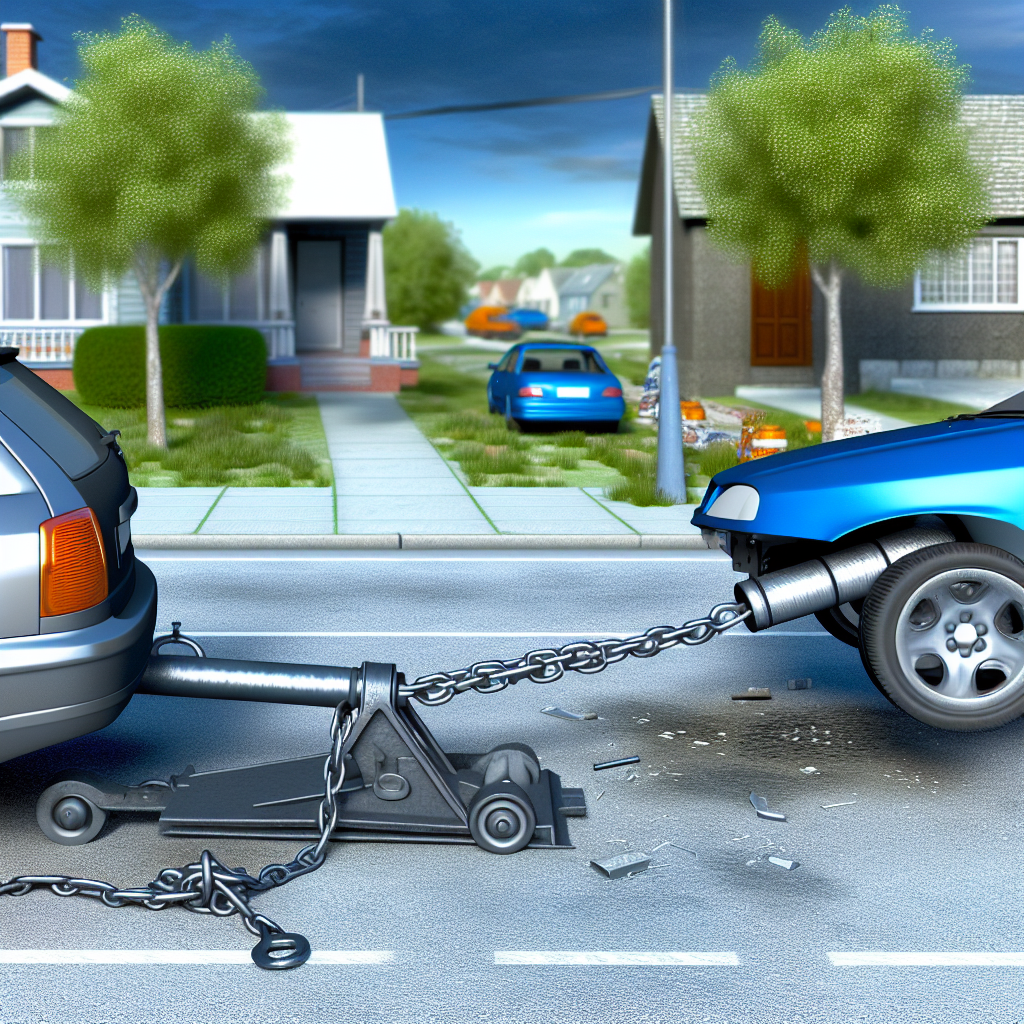
In early October 2025, the California Highway Patrol (CHP) intervened in a hazardous towing situation on a San Francisco freeway. An observant citizen reported an unconventional vehicle combination: a big rig towing another big rig tractor using only a metal pipe and chain. Upon stopping the vehicles, CHP officers discovered that the towing truck’s brake chambers were dragging on the ground, indicating they were nonfunctional. The driver received a citation, and both trucks were properly towed from the scene.
This incident underscores the critical importance of adhering to safe towing practices and maintaining vehicle equipment to ensure road safety. The swift response from law enforcement not only addressed the immediate danger but also served as a clear message about the severe risks associated with unsafe towing methods. The use of makeshift equipment like pipes and chains is a blatant violation of legal towing protocols, and such actions can lead to devastating consequences on the road.
Law enforcement’s intervention highlights the community’s role in ensuring safety; the prompt report from a vigilant driver was instrumental in preventing a potentially catastrophic accident. The CHP’s actions serve as a reminder to all drivers that compliance with towing regulations is not merely a legal obligation but a matter of public safety and responsibility.
The California Highway Patrol (CHP) has been vocal about the dangers associated with unsafe towing practices. In a recent incident, they stated,
“Towing another vehicle with a pipe and some chain is NOT legal or safe!”
This quote underscores the inherent risks that come with makeshift towing equipment.
Additionally, a CHP representative expressed gratitude towards a vigilant public, remarking,
“A big thank you to the alert driver who picked up the phone and called 9-1-1 so that we could remove this dangerous vehicle from the road before anything bad could happen.”
These warnings from the CHP not only highlight the legal violations stemming from unsafe towing methods but also emphasize the critical importance of community involvement in reporting such activities. The swift actions taken to address these safety concerns illustrate the need for strict adherence to towing regulations and the role that every driver plays in ensuring public safety.
Legal Consequences of Illegal Towing Practices
Drivers involved in illegal towing practices face significant penalties, which can vary depending on the jurisdiction and the specifics of the violation. In California, several key consequences include fines, citations, and the potential loss of towing permits:
- Fines and Citations:
- Misdemeanor Charges: Engaging in unauthorized towing can lead to misdemeanor charges. Offenders may incur fines up to $2,500, imprisonment for up to three months in county jail, or both. FindLaw
- Civil Liability: Individuals or towing companies conducting illegal tows may be held civilly liable to the vehicle owner for four times the amount of the towing and storage charges. This emphasizes the financial repercussions of unauthorized practices. FindLaw
- Permit Revocation: Authorities may suspend or revoke the operating licenses of towing companies found violating regulations. This consequence ensures compliance with state laws and protects consumers from unlawful practices. ST Towing LLC
- Local Jurisdiction Penalties:
- Administrative Citations: Local officials are empowered to issue administrative citations for towing code violations. Such citations often result in additional fines and penalties determined by local ordinances. CA Cities
- Civil Penalties: Cities may impose civil penalties reaching up to $1,000 for violations of local towing-related ordinances. This potential for substantial fines further illustrates the importance of adhering to legal towing practices. CA Cities
Being aware of the legal landscape surrounding towing practices is crucial. As local laws can vary significantly, it is advisable for drivers and towing companies to familiarize themselves with the regulations specific to their jurisdiction to understand the full spectrum of potential legal repercussions.
Illegal towing not only jeopardizes road safety but can also lead to severe financial consequences for those involved. Ensuring compliance with established towing protocols is essential to avoid these substantial penalties.
| Safe Towing Practices | Unsafe Towing Practices |
|---|---|
| Use of approved towing equipment (e.g., tow truck, tow bars) | Use of makeshift towing equipment such as metal pipes or chains |
| Ensuring the vehicle’s braking system is functioning properly | Towing with a vehicle that has inoperable brakes |
| Following weight limits specified by the towing equipment | Exceeding weight limits, risking equipment breakage |
| Securing the towed vehicle with proper safety chains or straps | Lack of secure connections, leading to detachment |
| Professional drivers trained in towing procedures | Operators without proper training or understanding of towing regulations |
| Regular maintenance checks on towing vehicles | Ignoring maintenance, leading to equipment failure |
| Compliance with local towing laws and regulations | Engaging in illegal towing practices, incurring fines and penalties |
The Role of the California Highway Patrol in Towing Safety
The California Highway Patrol (CHP) plays a vital role in maintaining towing safety across the state. Their proactive measures include a range of initiatives tailored to protect the public and uphold towing standards.
One of the most significant aspects of CHP’s involvement is their commitment to public awareness campaigns. Through these campaigns, the CHP educates both the towing industry and the general populace about the legal requirements and safety protocols tied to towing practices. They emphasize the necessity of using approved equipment and the importance of following local towing laws.
Additionally, the CHP actively enforces towing regulations, ensuring that all operators adhere to safety standards. They monitor towing practices, respond to reports of unsafe towing operations, and hold violators accountable through citations and penalties.
Moreover, the CHP fosters community engagement efforts, encouraging citizens to report suspicious or unsafe towing activities. By building a relationship with the public, the CHP enhances safety through community vigilance. They make it clear that everyone has a role to play in ensuring that towing operations are executed safely and legally.
This holistic approach has proven effective in reducing the occurrence of illegal and unsafe towing practices, creating a safer environment for all road users.

Conclusion: The Imperative of Towing Safety
The importance of adhering to safe towing practices cannot be overstated, as evidenced by the alarming incident reported by the California Highway Patrol (CHP). When a big rig was towed using a mere metal pipe and chain, it served as a stark reminder that illegal towing practices can pose severe risks not only to the vehicles involved but to all motorists on the road. Such unsafe methods can lead to catastrophic accidents and legal repercussions, including hefty fines and the revocation of towing permits.
Throughout this article, we have emphasized the need for towing operations to be conducted using approved equipment, performed by trained professionals, and in compliance with established regulations. Moreover, community vigilance plays a crucial role in upholding towing safety. The CHP’s message is clear: we all have a responsibility to report unsafe towing practices to help safeguard our roads.
We encourage you to take action. If you notice any illegal or unsafe towing situations, do not hesitate to report them to the proper authorities. By doing so, you become an active participant in the promotion of road safety, ensuring that towing operations are safe, legal, and conducted by professionals. Let’s work together to eliminate dangerous towing practices and foster a safer driving environment for everyone.
Additional Towing Safety Resources
Safe towing practices are crucial for ensuring the security of all road users. Here are several valuable resources and organizations that provide guidance on safe towing procedures and regulations:
-
National Association of Trailer Manufacturers (NATM)
Website: natm.com
This organization focuses on improving the safety of trailer manufacturing and towing through education and certification programs. NATM offers a ‘Towing Safely Guide,’ which provides comprehensive information about trailer components, cargo securement, and best practices for maintenance to ensure safe towing. -
American Trucking Associations (ATA)
Website: truckline.com
ATA serves as a major advocacy group for trucking safety and regulations. They provide resources related to transportation laws, equipment standards, and operational safety for truck drivers and towing companies, equipping them with necessary towing guidelines. -
State of Virginia Department of Criminal Justice Services
Website: dcjs.virginia.gov
This state department provides detailed information on towing codes and legal regulations specific to Virginia. It is a helpful resource for understanding compliance standards for towing practices in that state, including specific statutes governing tow truck operations and driver conduct. -
Dade County Consumer Protection
Website: miamidade.gov
Managed by the county government, this office oversees vehicle safety standards, insurance requirements, and maximum towing rates for non-consent tows. It provides residents with resources related to consumer protection in the towing industry, promoting safe and fair practices. -
Towing and Recovery Association of America (TRAA)
Website: traa.net
TRAA is a nationwide association dedicated to promoting safe and ethical towing practices. They provide training programs, industry certifications, and guidelines for operators and businesses to follow, ensuring adherence to safety protocols in the towing and recovery industry. -
National Highway Traffic Safety Administration (NHTSA)
Website: nhtsa.gov
The NHTSA offers valuable information regarding vehicle safety, including towing considerations. Their website has resources and safety tips specifically aimed at minimizing risks associated with towing and ensuring compliance with federal regulations.
Enhancing Emotional Engagement with Statistics and Anecdotes
The risks associated with illegal towing practices are more than just regulatory breaches; they are deeply personal and can have devastating repercussions on the lives of individuals. Here are some statistics and anecdotes that highlight these emotional impacts:
- Unsafe Towing Practices and Their Impact:
- The National Highway Traffic Safety Administration (NHTSA) reports that annually, approximately 730 fatalities and 17,000 injuries result from road debris, with improper cargo securement being a significant contributing factor. This stark statistic underscores the serious consequences of unsafe towing.
- Real-Life Anecdotes:
- In 2019, Angelica Untalan faced a heart-wrenching situation when her car was impounded by the CHP for 30 days due to a minor infraction. Unable to pay the fees, her vehicle was auctioned off, leaving her with nearly $2,000 in debt. This incident showcases how illegal towing practices can lead to significant emotional and financial stress.
- Another incident in King City involved a towing scheme where police officers received kickbacks from a towing company, disproportionately targeting low-income Latinx workers. Many lost their vehicles due to unable to pay the towing fees, illustrating how corrupt practices affect marginalized communities.
These anecdotes not only reflect the serious nature of illegal towing but also serve as a reminder that behind every statistic is a person whose life has been disrupted due to unsafe practices. Recognizing the emotional weight of these stories could inspire greater compliance with towing regulations and foster community vigilance.
By understanding the real-world implications of illegal towing, we emphasize that adherence to safe towing practices is not merely a legal obligation; it is essential for protecting lives and livelihoods.
This deeper emotional engagement reinforces the importance of the CHP’s role and preventative measures in ensuring a safer driving environment for everyone, ultimately fostering a sense of community responsibility to report illegal and unsafe towing practices.
Introduction: The Importance of Towing Regulations in Road Safety
Illegal towing practices are dangerous for vehicles and everyone on the road. A recent alarming incident reported by the California Highway Patrol (CHP) highlights these risks related to towing regulations. Authorities intervened when a big rig was towed using only a metal pipe and a chain—an example of improper towing equipment. This unsafe method not only broke several safety regulations but also risked the towing vehicle’s functionality, which had inoperable brake chambers dragging on the ground. This reckless behavior emphasizes the importance of following safe towing protocols. The CHP’s quick action reminds us that these illegal practices can lead to serious penalties. Proper towing should only be done by trained professionals with approved equipment as it protects lives and ensures safer roads for all.
Incident Details: Identifying Unsafe Towing Equipment
In early October 2025, the California Highway Patrol (CHP) intervened in a hazardous towing situation on a San Francisco freeway. An observant citizen reported an unconventional vehicle combination: a big rig towing another big rig tractor using only a metal pipe and chain. Upon stopping the vehicles, CHP officers discovered that the towing truck’s brake chambers were dragging on the ground, indicating they were nonfunctional. The driver received a citation, and both trucks were properly towed from the scene.
This incident underscores the critical importance of adhering to safe towing practices and maintaining towing equipment to ensure road safety. The swift response from law enforcement not only addressed the immediate danger but also served as a clear message about the severe risks associated with unsafe towing methods—particularly those that violate towing regulations.
Legal Consequences of Violating Towing Regulations
Legal Consequences of Illegal Towing Practices
Drivers involved in illegal towing practices face significant penalties, which can vary depending on the jurisdiction and the specifics of the violation. In California, several key consequences include fines, citations, and the potential loss of towing permits:
- Fines and Citations:
- Misdemeanor Charges: Engaging in unauthorized towing can lead to misdemeanor charges. Offenders may incur fines up to $2,500, imprisonment for up to three months in county jail, or both. (FindLaw)
- Civil Liability: Individuals or towing companies conducting illegal tows may be held civilly liable to the vehicle owner for four times the amount of the towing and storage charges, further illustrating how important it is to follow towing regulations.
- Permit Revocation:
Authorities may suspend or revoke the operating licenses of towing companies found violating regulations. This consequence ensures compliance with state laws and protects consumers from unlawful practices. (ST Towing LLC) - Local Jurisdiction Penalties:
- Administrative Citations: Local officials may issue administrative citations for towing code violations, adding further risk to reckless operators.
- Civil Penalties: Cities may impose civil penalties reaching up to $1,000 for violations of local towing-related ordinances. This potential for substantial fines further illustrates the importance of adhering to towing regulations.
Safe vs Unsafe Towing Practices
| Safe Towing Practices | Unsafe Towing Practices |
|---|---|
| Use of approved towing equipment (e.g., tow truck, tow bars) | Use of makeshift towing equipment such as metal pipes or chains |
| Ensuring the vehicle’s braking system is functioning properly | Towing with a vehicle that has inoperable brakes |
| Following weight limits specified by the towing equipment | Exceeding weight limits, risking equipment breakage |
| Securing the towed vehicle with proper safety chains or straps | Lack of secure connections, leading to detachment |
| Professional drivers trained in towing procedures | Operators without proper training or understanding of towing regulations |
| Regular maintenance checks on towing vehicles | Ignoring maintenance, leading to equipment failure |
| Compliance with local towing laws and regulations | Engaging in illegal towing practices, incurring fines and penalties |
Conclusion: The Imperative of Road Safety and Towing Regulations
The importance of adhering to safe towing practices cannot be overstated, as demonstrated by the alarming incident reported by the California Highway Patrol (CHP). When a big rig was towed using a mere metal pipe and chain, it served as a stark reminder that illegal towing practices can jeopardize not only the vehicles involved but also the safety of all motorists on the road. Such unsafe methods can lead to catastrophic accidents and serious legal repercussions, including hefty fines and the revocation of towing permits.
Throughout this article, we have emphasized the need for towing operations to be conducted using approved equipment, performed by trained professionals, and in compliance with established towing regulations. Moreover, community vigilance plays a crucial role in upholding towing safety. The CHP’s message is clear: we all have a responsibility to report unsafe towing practices to help safeguard our roads. If you notice any illegal or unsafe towing situations, do not hesitate to report them. Together, we can promote road safety and ensure that towing operations are conducted legally and safely.
Enhancing Credibility with Source Data and Statistics
In the section on “Safe vs Unsafe Towing Practices,” incorporating reliable statistics and data from reputable sources can significantly boost the article’s credibility. Here are some pertinent findings that can be included:
- According to the National Highway Traffic Safety Administration (NHTSA), approximately 730 fatalities and 17,000 injuries occur annually due to road debris, with improper cargo securement being a major contributor. This highlights the dire consequences of unsafe towing practices.
- The California Department of Motor Vehicles study illustrates that first-time offenders who had their vehicles impounded saw a 23.8% reduction in subsequent convictions, showing the legal and behavioral consequences tied to illegal towing practices (source).
- Practices such as not properly securing loads lead to increased risks on the road, which 50 states have recognized by implementing laws requiring cargo to be safely secured, with penalties for violations. NHTSA emphasizes the necessary safety precautions to take when towing to prevent accidents and legal violations.
Utilizing these statistics and citations will enhance the article’s authority and provide readers with a clearer understanding of the scope of the issue at hand.