
Understanding the costs associated with tow trucks is essential for local auto repair shops, car dealerships, commercial fleet operators, and property managers. As the demand for towing services rises in our ever-expanding communities, deploying the right equipment can mean the difference between seamless service and costly delays. This article delineates key aspects influencing tow truck prices, delves into the various models available today, and assesses the additional expenses that may arise in acquiring these vehicles. We’ll explore current market conditions, provide insights into used truck pricing, and discuss how global trends can impact your choices locally. Each chapter is designed to empower you, ensuring you make informed decisions tailored to your specific operational needs.
Pricing the Rig: How Much New Tow Trucks Cost in 2026 and What Shapes That Price
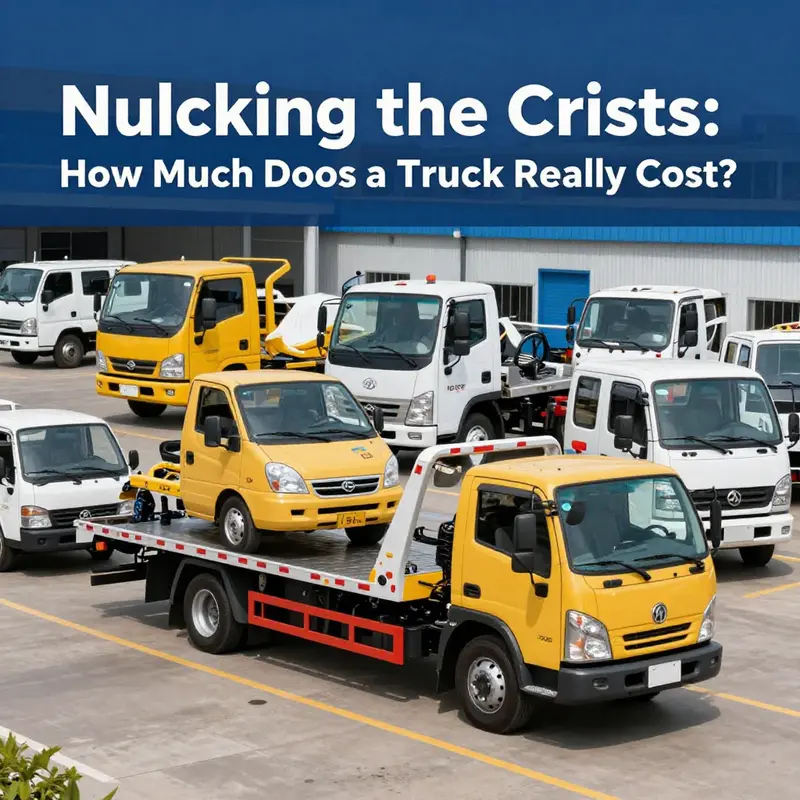
Understanding what a new tow truck costs in 2026 means more than quoting a single number. Prices span a broad spectrum because tow trucks serve very different roles. A light flatbed handling local breakdowns will be priced very differently from a heavy-duty wrecker built for highway recoveries or an advanced rotator for complex rollovers. Below is a cohesive look at current new-truck price ranges, what drives those figures, and practical angles to weigh when budgeting for a purchase.
Cost ranges you can expect
At the most basic end, smaller flatbed tow trucks designed for light-duty use can start in the low tens of thousands. Models with modest capacity aimed at sedans and small SUVs are available around the low-to-mid five-figure mark. Moving up, light and mini recovery vehicles commonly appear in listings between about $17,500 and $22,000 when quoted on a per-unit basis or FOB. Standard heavy-duty wreckers designed for larger commercial vehicles or highway incidents can begin in the mid-five-figure range and extend well into the tens of thousands. Specific mid-range heavy wreckers commonly list between $32,000 and $90,000, depending on configuration. At the high end, specialized rotator trucks with 360-degree crane rotation and substantial lifting capacity typically start in the low six figures and can exceed $150,000 to $300,000 or more when outfitted with advanced hydraulics and control systems.
Used units offer a separate spectrum. Market listings for pre-owned tow trucks usually fall between $10,000 and $75,000, again depending on age, condition, and included equipment. Used purchases can be economical up front but often carry higher maintenance and retrofit costs.
Why prices vary so widely
Capacity and intended duty are the primary determinants. Light-duty trucks require smaller frames, lighter winches, and less powerful drives, which reduces cost. Heavy-duty wreckers need reinforced chassis, stronger transmissions, larger winches, and sometimes multi-axle configurations to safely handle commercial rigs. Each incremental increase in lifting capacity or winch rating raises the engineering and material costs.
Towing equipment and hydraulics are another major factor. A basic tilt-bed with an electric winch is far less costly than a hydraulically driven integrated boom, long-reach crane, or a rotator assembly. Winch capacities, hydraulic pump ratings, crane length, and rotation capability directly influence price. Electronics and control systems also matter: modern remote controls, load-sensing hydraulics, and stability aids add both capability and cost.
Build quality, brand reputation, and origin affect price. Manufacturers with local support networks and established reliability records typically charge premiums. Conversely, certain international manufacturers may offer lower sticker prices but vary in warranty terms, parts availability, and after-sales service. Certifications and regulatory compliance add to manufacturing costs. Trucks built to meet international standards, emissions rules, or safety certifications typically carry higher prices because of additional testing and higher-spec components.
Add-ons and optional equipment can increase the final invoice by thousands. Common optional extras include GPS and fleet telematics, heavy-duty lighting and siren packages, palletized safety gear, secondary winches, hydraulic outriggers, and integrated fleet management software. Even seemingly small items such as upgraded seating, climate control packages, or reinforced towing arms can push a model from one pricing tier into another.
Shipping, customs, and taxes must not be overlooked. An FOB price reflects the unit cost at the factory or port. Delivered cost can be substantially higher after freight, insurance, import duties, and regional compliance work. Buyers sourcing trucks internationally should expect to add freight and clearance fees and possibly local modifications to meet domestic regulations.
How to turn those numbers into a purchasing decision
Begin by defining job requirements precisely. Determine the heaviest vehicle you will tow, the frequency of tows, and whether recoveries will include complex winching or rollovers. Match capacity and equipment to those use cases. Overbuying capacity increases purchase cost and operating expense. Underbuying risks damage and unsafe recoveries.
Cost of ownership includes fuel, maintenance, insurance, and downtime. Heavy-duty rigs consume more fuel and often need specialized maintenance. Factor in service intervals, availability of replacement parts, and whether you can do in-house repairs. Warranty terms and local service support can save money over the truck’s life.
Financing and leasing are common for fleet buyers. Compare interest rates, residual values, and lease-end buyout terms. Leasing can reduce initial capital outlay and allow periodic upgrades, while buying often lowers long-term cost if you keep the truck for many years.
Consider total fleet integration. If you plan to operate multiple units, prioritize telematics and fleet management systems that deliver fuel and route efficiencies, preventive maintenance alerts, and asset tracking. These systems add to initial cost but often pay back through reduced downtime and lower operating expenses. For guidance on matching towing assets with broader fleet response planning, see essential fleet emergency response strategies.
Negotiation and purchase tips
Always request a detailed, itemized quote. A clear breakdown should include base vehicle cost, installed towing equipment, any optional accessories, freight or FOB terms, estimated delivery time, warranty coverage, and compliance work. Ask for serialized spec sheets and photographs of the exact configuration when possible.
Compare like-for-like configurations across multiple suppliers. Small differences in winch rating, axle configuration, or hydraulic pump size can create big price gaps. Verify the included winch capacity, bed material, and any required certifications for your operating jurisdiction.
Check lead times. Popular models with specialized equipment may have long manufacturing queues. If seasonality affects demand, prices or lead times can shift quickly. Where lead time matters, consider local dealers who can supply trucks with minimal import delays, even if unit price is slightly higher.
Inspect pre-delivery thoroughly. Whether buying new or used, conduct an inspection that includes chassis, undercarriage, hydraulics, winch operation, and electrical systems. For international purchases, arrange an independent pre-shipment inspection if possible.
Balancing cost and capability
The right tow truck is the one that balances purchase price with long-term value. A low upfront price can be offset by frequent repairs, limited functionality, or higher fuel costs. Conversely, the most expensive model may never justify its price if its extra capacity sits unused.
Prioritize safety and regulatory compliance. Investing in a certified, well-built truck reduces liability and often lowers insurance premiums. Factor in operator training costs as well. More capable equipment requires skilled operators to use it safely and efficiently.
Finally, plan for resale. Tow trucks with documented maintenance, serial-numbered major components, and widely available parts retain value better. That future resale value should factor into the purchasing calculus, especially for fleet buyers who upgrade on fixed cycles.
If you need current market listings or a baseline for detailed quotes, see the recent comprehensive industry pricing overview here: https://www.example.com/tow-truck-prices-2026
What Drives Tow Truck Prices: Understanding the Cost Factors Behind Every Tow
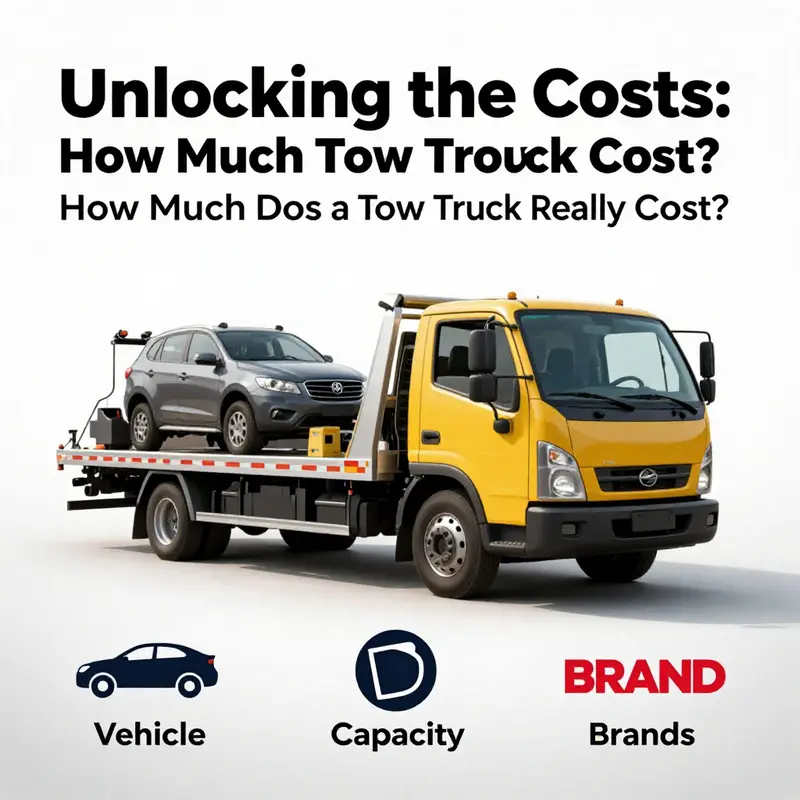
A single tow bill reflects many invisible decisions and costs. From the model you hire to the moment the operator secures your vehicle, factors compound. Knowing these influences helps you predict expenses and make smarter choices when buying or contracting a tow truck.
Distance and geography are immediate, measurable drivers of price. Rural tows tend to cover long stretches to reach repair facilities or impound lots. That translates to higher fuel costs and more driver hours. Urban tows often travel shorter miles, but they face slow traffic, restricted access, and higher local operating expenses. When demand rises in dense areas, companies may use surge pricing or minimum fees to cover their higher overhead. The result is a bill that depends as much on place as on the vehicle being towed.
Vehicle type and weight change the playbook entirely. A compact sedan can be towed with light-duty equipment. Heavy pickups, box trucks, and commercial rigs need stronger frames, larger winches, and more powerful hoists. Those heavy-duty systems cost more to buy and maintain. They also require operators trained in safe recovery of larger loads. When a tow requires specialized attachments or an extended winch, expect the fee to reflect that complexity.
The tow truck’s technical capabilities shape both purchase price and per-job cost. Rollback beds, for example, allow vehicles to be loaded without lifting wheels off the ground. Their hydraulic systems, anti-skid decks, and integrated winches increase safety and speed, but they also raise acquisition costs. Similarly, trucks with advanced hydraulic cranes, rotators, or remote-control systems handle complex recoveries more efficiently. Their higher initial prices are balanced by faster job completion and lower damage risk, but operators still pass the premium on to customers.
Equipment condition and maintenance history matter. Well-maintained units reduce breakdown risk and shorten recovery times. Older fleets, or those with deferred maintenance, carry higher failure risk. That risk increases operational costs through more frequent repairs, longer service calls, and potential liability. Buyers should consider long-term service intervals and replacement parts availability. A higher upfront investment in a reliable chassis and durable towing gear often reduces total cost of ownership across years of service.
Time of day and emergency status affect rates in predictable ways. Nights, weekends, and holidays typically attract premium charges. Emergency calls—accidents on busy roads or situations that threaten safety—demand immediate attention and specialized skills. Operators may need escorts, scene lighting, and extra safety equipment. These add-ons justify urgency-based fees, which appear on bills as flat emergency surcharges or higher per-mile rates.
Brand perception and origin influence price but not always value. Trucks and components made under strict certification standards often cost more. Compliance with safety and environmental certifications means manufacturers incur higher production expenses. Those costs reflect in the sale price, but they also translate to predictable performance, better warranty coverage, and a wider service network. Conversely, lower-priced options may look attractive initially, but they can mean higher operating and repair costs over time.
Optional features and integrations are another lever on price. GPS tracking and fleet management software streamline dispatch and reduce idle time, boosting productivity. Remote controls for winches, upgraded lighting packages, and integrated communications systems improve safety and coordination. These extras add thousands to the purchase price, but they pay dividends through faster job turnover, improved documentation, and reduced liability exposure.
Shipping, import fees, and regional market dynamics shift buyer calculations. International purchases add freight, customs, and local modification costs. Those expenses can be substantial, particularly where conversion to local safety standards is required. Always request a fully itemized quote that includes freight, duties, and expected delivery timelines before committing to an overseas supplier.
Used tow trucks offer lower entry price points but carry trade-offs. A well-maintained used unit can be a cost-effective choice for light to moderate service needs. However, used equipment may lack modern safety features and can demand higher maintenance. Buyers should evaluate frame integrity, winch condition, hydraulic lines, and the vehicle’s service history. A short-term saving on purchase price may evaporate if major components need replacement soon after acquisition.
Labor, licensing, and insurance create ongoing cost layers. Tow operators require training and certifications in many jurisdictions. Insurance premiums for commercial tow operations can be high because of liability exposure during roadside recoveries. Licensing fees, permits for heavy hauling, and compliance inspections add recurring costs. Those operating expenses are usually built into per-tow pricing or service contracts, and they vary by region and regulatory regime.
Market demand and competition also shape rates. In areas with many providers, competitive pressure may keep rates lower. In markets with limited competition, companies can sustain higher fees, especially for urgent or specialized services. Seasonality affects demand too—road conditions, tourism cycles, and commercial traffic patterns all influence how often and when tow services are needed.
Beyond immediate operational costs, consider lifecycle economics. A tow truck’s total cost equals purchase price plus maintenance, downtime, fuel, operator salaries, insurance, and eventual resale value. Choosing durable components and signing service agreements can reduce unexpected expenditures. Warranty terms and access to local service centers are important. A higher initial cost that offers broad service coverage often reduces long-term expense and improves uptime.
Transparency matters for consumers and fleet managers alike. Request detailed pricing that separates hook-up fees, per-mile charges, after-hours surcharges, and equipment-specific costs. For fleet operators, data from telematics and dispatch systems reveals patterns. Those insights help optimize routing, staffing, and equipment allocation. You can reduce per-tow cost by aligning vehicle capability with typical call types. For example, keep at least one rollback for accident recovery and a heavier unit for commercial incidents.
Practical strategies help control costs. For buyers, define primary use cases before choosing a model. Buying a heavy-capacity truck for mostly light-duty work wastes capital. For fleets, preventive maintenance schedules cut unscheduled downtime and expensive repairs. For consumers, comparing quotes, checking whether roadside assistance covers towing, and understanding rate structures prevents surprises. When hiring, ask if the company provides documentation of equipment used and time stamps for arrival.
Regulatory compliance and certifications deserve attention when comparing prices. Trucks built to stringent standards cost more, but they often reduce liability and meet local regulations without costly retrofits. In regions with strict emissions limits or safety inspections, compliant equipment avoids penalties and service interruptions.
Finally, remember that costs are interdependent. A higher-quality truck reduces labor time per job. Better diagnostics and fleet software lower idle miles. More capable equipment eliminates the need for multiple trucks on a single complex tow. This interplay means the lowest purchase price can be the most expensive choice in the long run. Operators and buyers who weigh immediate and lifetime costs find better value.
For fleets seeking operational guidance, practical frameworks and response plans can reduce premiums and improve service levels. See this resource on essential fleet emergency response strategies for more operational ideas: essential fleet emergency response strategies.
For a focused look at the factors that determine service pricing, this detailed analysis provides clear categories and examples: https://www.towtruckguide.com/factors-affecting-tow-truck-costs/.
Additional Costs Impacting How Much Tow Truck Cost: Beyond the Base Price
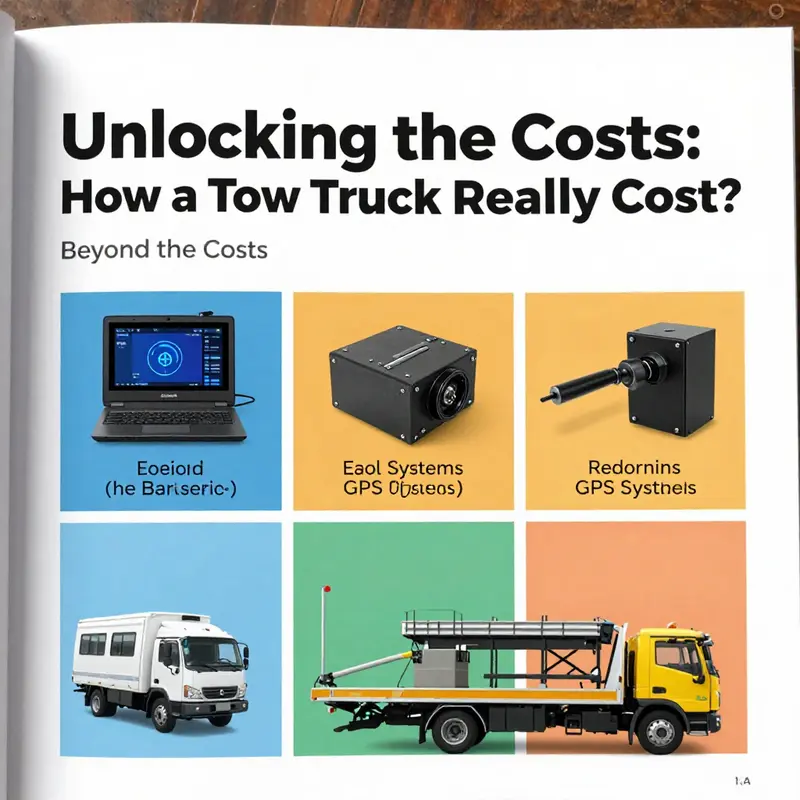
The sticker price of a tow is only part of the picture. When people ask how much a tow truck costs, the instinct is to quote a base figure, usually tied to the truck’s type, weight rating, and the core equipment it carries. Yet the real total often arrives in a much less predictable way, shaped by a cluster of add-ons, situational charges, and the specific needs of each call. In the current market, new basic flatbeds can begin around twelve thousand dollars for smaller, light‑to‑medium duty models, while mid‑range wreckers suitable for heavier recoveries sit in the thirty‑plus thousand range. Advanced rotators with 360‑degree rotation for complex recoveries command six figures or more. Even with these base-level ranges in mind, the final invoice for a single tow can creep well beyond the initial price tag because the cost structure expands the moment a call leaves the shop’s driveway. What follows is a grounded exploration of the drivers that push tow bills past the base price, along with practical guidance on how to anticipate and manage them as part of any vehicle recovery plan.
Distance traveled is one of the simplest yet most impactful cost factors. A tow that starts at a highway breakdown on a crowded interstate and ends at a repair facility a few blocks away can still incur substantial fees due to traffic delays, fuel burn, and time on the clock. Rural tows, by contrast, may carry higher mileage charges because the service area is more spread out and the driver must cover longer routes to reach a shop, a lot, or a secure impound. In both cases, distance translates to incremental costs that pile up quickly if the destination is far, there are detours, or the tow spans multiple legs. The cumulative effect is not just the miles but the exposure to longer service windows and potential waiting periods that accompany longer trips.
Vehicle type and weight add another layer of complexity. Heavier, bulkier vehicles demand larger cranes or heavier winch systems, reinforced frames, and a more robust set of recovery tools. A small car requires a different configurations than a large pickup with cargo, a commercial van, or a heavier bus. The heavier the load, the more specialized the equipment, the greater the risk of tire wear and labor intensity, and the higher the chance that a bigger payout will be necessary to cover fuel, maintenance, and crew hours. It is not merely the mass of the vehicle but the geometry of the recovery. Some situations demand carefully choreographed lifting, stabilization, and winching that can extend professional time on site and introduce contingency fees for additional equipment or personnel.
The method of towing itself plays a critical role in cost. Flatbed towing, often preferred for low ground clearance, transmission concerns, or vehicles with damaged axles, tends to be pricier than traditional wheel-lift or dolly towing. The upfront premium for a flatbed is justified by the reduced risk to transmission and suspension and by the protection it offers during transport. But even if a flatbed is not strictly necessary, the choice matters. A more complex approach—such as a rollback with multi-point stabilization or a trailer-assisted set-up—can inflate the final cost due to longer rigging times, more precise alignment work, and additional crew. The decision between a simple tow and a more elaborate recovery is rarely just about the vehicle’s condition; it’s about safeguarding the asset and preventing further damage, even if that protection comes at a higher price tag.
Time-related fees shape the total in ways that often catch drivers and vehicle owners off guard. Waiting time at the scene, whether caused by traffic cones, police clearance, or a slow unlock process, adds a per-minute charge that can accumulate rapidly in busy urban centers or during peak hours. Late‑night, weekend, or holiday calls frequently carry higher labor rates to reflect the inconvenience and the need for staffing beyond ordinary business hours. Emergency incidents, especially after storms or in remote outages, may trigger rush premiums, rapid-response surcharges, and the possibility of a reserved slot for urgent retrieval. In many cases, the clock starts the moment the tow truck leaves its base and continues until the vehicle reaches the destination, with the final balance hinging on the exact service window and any delays encountered along the way.
Beyond the core towing operation, a range of additional services can add multiple line items to the bill. Lockout assistance, jump starts, fuel delivery, or the need for extra safety gear and site cones can all appear as separate charges. Some situations require the use of safety equipment such as wheel chocks, reflective vests, or traffic safety devices, which may be billed as consumables or as a bundled safety package. If the incident requires coordination with an impound lot, a storage fee can begin to accrue daily, even from a few hours’ delay in processing the vehicle. Each optional add-on carries its own margin; taken together, they can push a routine tow into a broader service package that looks far different from the original estimate. The growth of these add-ons is not inherently bad—many preserve vehicle condition, personal safety, and efficient operations—but they do demand awareness and clear documentation from the outset.
Compliance and certifications also factor into pricing, albeit in less direct ways. Some trucks and operators carry certifications such as ISO standards, safety credentials, or regional compliance marks that reflect a higher level of manufacturing discipline, safety protocols, and after-sales support. These factors often translate into higher base costs for the equipment itself, and sometimes into higher service costs that cover more stringent safety practices on the road, higher insurance premiums, and more thorough on-site procedures. While it is reasonable for reputable providers to pass along these costs, the effect on the customer bill varies with the region, the operator’s business model, and the complexity of the job. Informed buyers recognize that a lower initial quote may hide more expensive add-ons later, while a higher quote can incorporate a stronger safety and reliability framework that reduces risk and potential damage.
For operators who source equipment from abroad or through import channels, shipping and import fees can also influence the total cost. International purchases, especially those involving large, specialized heavy-duty rigs, can incur freight charges, duties, and logistical coordination costs that are not always evident in the sticker price. When a tow is arranged via a dealership or a regional distributor with overseas supply chains, the buyer should expect a detailed breakdown that includes freight, taxes, and delivery time. The temptation to simplify a quote by omitting shipping specifics can backfire if the vehicle arrives later than promised or if unexpected duties arise. The prudent path is to request an itemized estimate that explicitly itemizes every component of the cost, including freight and delivery timelines.
These broad drivers are tempered by practical considerations in the field. A tow contractor may present a baseline quote for a specific call, but the moment a driver evaluates the site and the vehicle’s condition, real-time decisions can alter the final price. The alignment between customer expectations and the operator’s assessment is critical. This is why the industry emphasizes transparent quoting—detailed, line-by-line estimates that reveal what drives the total and why certain choices may be warranted. As a consumer or fleet manager, asking for an up-front, itemized estimate that lists mileage, labor hours, equipment used, any after-hours charges, and all add-ons is the best guard against surprise bills. It is also sensible to confirm whether the proposed figure includes mandatory fees such as environmental handling charges or disposal fees if a vehicle requires impound or storage.
The practical takeaway is straightforward: base prices set a ceiling, but the final cost is a mosaic of factors that vary by call. To navigate this mosaic, seek guidance that translates the technicalities of recovery into transparent dollars. One useful starting point is to consult a trusted industry resource that explains the components of towing costs and helps you compare quotes on a like-for-like basis. For broader, consumer-focused understanding of what drives towing costs, reference a well-established guide that outlines the core factors and typical ranges. Practical considerations also emerge from hands-on sources, such as the industry blog that discusses cost factors in real-world terms—an accessible way to connect the theory of pricing with the realities of road-side situations. You can explore their practical perspectives through the blog linked here. The Island Tow Truck blog.
Ultimately, the safest path to a fair price lies in proactive communication and detailed documentation. Before a tow is confirmed, request a written estimate that itemizes: travel distance, vehicle weight class, the procedural method chosen (flatbed versus alternative recovery), anticipated labor hours, time-of-day surcharges, and any optional services. If a call evolves into a multi‑stage recovery, insist on interim estimates for each stage so you can track incremental costs rather than receiving a single, large final figure. This disciplined approach reduces the chance of sticker-shock at the end of a stressful event and helps fleet managers forecast maintenance budgets with greater confidence. It also builds a relationship with the service provider rooted in transparency, safety, and accountability—qualities that matter as much as the bottom line when a vehicle is stranded or damaged on a highway.
For the broader context of pricing dynamics in towing and recovery, consider the consumer guidance provided by established industry resources. They outline typical cost structures, the rationale behind different service offerings, and practical tips for minimizing unnecessary charges. As you plan for routine needs or anticipate emergencies, these insights complement the base pricing you see advertised and help you calibrate expectations against real-world scenarios. If you want to explore the overarching framework of towing costs, a widely cited external reference offers a thorough overview of factors and price ranges. Understanding Car Towing Costs: What Factors Affect How Much You’ll Pay (AAA, 2026).
Buying Pre-Owned Tow Trucks: Real Prices, Hidden Costs, and How to Make a Smart Purchase
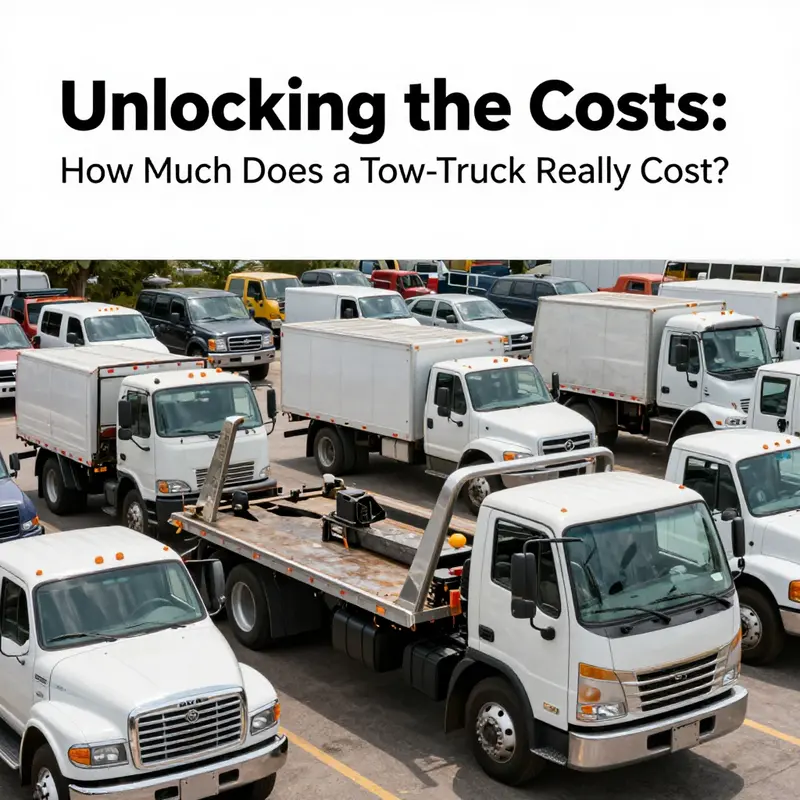
Assessing Value in the Pre-Owned Tow Truck Market
The pre-owned tow truck market offers a wide spectrum of price points. At one end are smaller, light-duty units that fit urban recovery and roadside assistance. At the other are used heavy-duty wreckers meant for commercial recovery and highway incidents. Understanding what drives those price differences is key when you ask how much a tow truck will cost on the pre-owned market.
Used tow trucks for light and medium duties typically range from a few thousand dollars up to the low tens of thousands. A functioning, well-maintained light-duty rollback or flatbed can sell for roughly $3,000 to $8,000. These vehicles are often attractive to small operators who need a reliable platform but cannot justify a high new-vehicle outlay. They handle sedans, small SUVs, and many common roadside jobs.
Used heavy-duty tow trucks and truck tractors occupy a different price band. Second-hand heavy tractors and wreckers intended for hauling large trucks, buses, or overturned rigs often trade between approximately $5,000 and $75,000. Entry-level heavy units can appear near the lower end, while robust, fully equipped recovery trucks fetch higher sums. The spread depends on drivetrain condition, winch and hydraulic capacity, and the integrity of the chassis and boom.
Fully equipped flatbeds and rollbacks will usually command a premium on the used market. Their hydraulic systems, tilt mechanisms, and reinforced beds add value. Buyers pay more for types that safely carry AWD, 4WD, or low-clearance vehicles. If your operation focuses on damage-free transport, a well-serviced flatbed is worth the extra spend.
Beyond headline prices, several persistent factors affect value. Age and mileage remain simple but powerful indicators. A newer truck with moderate miles often outperforms an older unit with heavy use. More important are the condition and service history of core components. Engines, transmissions, hydraulics, and winches define utility. A clean maintenance record for these components justifies higher offers.
Equipment specification matters. Tow capacity, winch rating, hydraulic condition, and bed length determine the truck’s usability. A light-duty rollback with a low-capacity winch will not serve a heavy recovery route. Buyers should match specifications to intended work rather than chase low prices.
Certifications, safety features, and modifications also affect price. Trucks with updated lighting, brakes, and safety gear cost more. But these investments reduce downtime and liability. Regulatory compliance and local requirements for commercial vehicles can make a higher-priced, compliant unit the more economical choice in the long term.
Ongoing ownership costs are crucial. A bargain-priced unit may carry higher maintenance, repair, and parts expenses. Older hydraulic pumps and consecutive transmission issues can quickly nullify savings on the purchase price. Consider total cost of ownership when you estimate value.
Financing and acquisition strategies shape what you ultimately pay. Some buyers secure loans, while others prefer leasing or structured payments. Financing terms influence monthly outlays and the total cost over time. When interest rates are low, taking on a newer, more reliable used truck can be preferable to acquiring a very old unit with high maintenance risk.
Inspections and testing should not be skipped. A methodical pre-purchase inspection reduces surprises. Start with a visual check of the chassis for cracks, rust, or prior repair work. Verify the winch cable condition and drum. Test hydraulic functions under load. Drive the vehicle under varied conditions to assess transmission shifts, braking, and engine behavior. If possible, load-test the lift and towing gear to the truck’s rated capacity. Professional inspections by a mechanic familiar with towing equipment are worth the fee.
Evaluate replacement parts availability. Some older models may have dwindling parts support. If parts are scarce or expensive, downtime and repair costs increase. Ask sellers for parts invoices, recent repair records, and any warranties that can transfer. A truck with recent, documented preventative maintenance is often the smarter buy than a lower-priced unit with an incomplete history.
Negotiation tips focus on risk allocation. Use inspection findings to negotiate price reductions or demand repairs before transfer. Ask sellers to include spare parts, recovery straps, or essential accessories as part of the deal. Consider requesting a limited warranty on hydraulic systems or the drivetrain. If shipping is required, clarify who pays freight and how transit damage is handled.
Sourcing channels vary. Local dealerships, auctions, and online B2B marketplaces list used tow trucks. Each channel brings trade-offs. Auctions can yield bargains but carry risk and limited inspection opportunities. Dealerships may offer certified pre-owned units and support, at a premium. Online marketplaces provide breadth and comparables, but require careful vetting of listings and sellers.
If you operate a fleet, align the purchase with fleet strategy and response plans. Pre-owned tow trucks should fit your operational tempo and emergency response needs. For guidance on integrating assets and building robust response plans, review essential fleet emergency response strategies for practical standards and procedures that reduce downtime and improve safety. (https://theislandtowtruck.com/essential-fleet-emergency-response-strategies/)
Shipping and import fees must not be overlooked when sourcing from distant sellers. Freight, customs, taxes, and local registration add material cost. Buyers should factor these into the landed cost, not just the invoice price. Request complete shipping quotes and timelines before committing. International purchases sometimes require additional modifications to meet local regulatory standards, which affect cost and time to service.
Insurance and licensing affect both upfront and ongoing expenses. Commercial towing insurance and appropriate driver endorsements have a meaningful cost. Some insurers price policies higher for older equipment or trucks without modern safety upgrades. Budget for insurance quotes before finalizing the purchase.
For buyers who want documentation on market availability and pricing, consulting verified B2B platforms is useful. Listings on specialized supplier sites often indicate recent sale prices and comparative models. Use these resources to benchmark realistic price ranges and to locate sellers who provide detailed equipment histories.
When you evaluate offers, think long term. A used tow truck is a tool with a service life measured in years and heavy cycles. Pay attention to how the truck was used previously. Recovery-heavy work accelerates wear. Highway or light-duty service preserves components. Matching a truck’s history to your intended workload pays dividends in reliability and lower cost per hour of operation.
In every negotiation, aim to balance acquisition cost with expected uptime and repair risk. A somewhat higher price for a well-documented, mechanically sound truck often beats a low-cost purchase that immediately requires expensive repairs. Factor in availability of local service, parts, and trained operators. These practical factors determine whether a used tow truck is a great buy or a recurring expense.
For immediate reference to typical listings and second-hand availability, consult current B2B listings that specialize in used heavy equipment and commercial vehicles. These sources provide detailed specifications and often include seller contacts for verification and further negotiation. https://www.made-in-china.com/products/699773852122.html
Choosing a used tow truck requires a clear picture of operational needs, a disciplined inspection process, and a realistic assessment of ongoing costs. When you blend market knowledge with careful due diligence, the pre-owned market can deliver excellent value for operators seeking to grow capacity without paying new-vehicle prices.
Global Market Currents and the True Cost of Tow Trucks: What Drives Prices Today
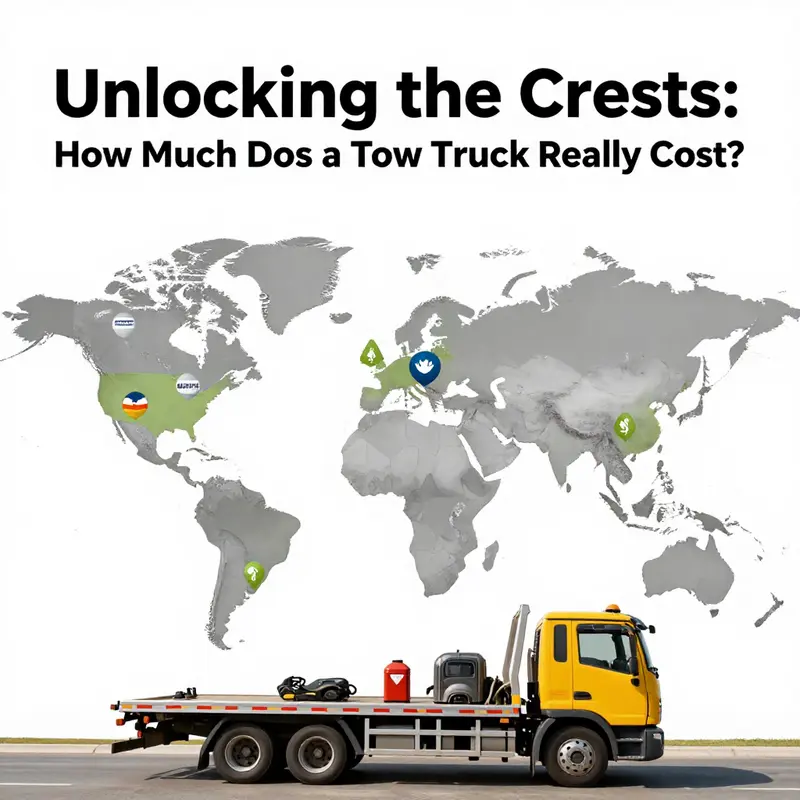
Prices for tow trucks do not sit in a vacuum; they drift with the currents of a global economy, the cost of materials, and the rising demand for quick, reliable roadside recovery. In 2026 the market reached about USD 6.79 billion, and projections point to a rise toward USD 11.12 billion by 2035. That growth is not a mere backdrop; it reshapes the sticker price, the total cost of ownership, and the value operators place on different configurations. When buyers ask, “how much does a tow truck cost?” they are really asking to read a complex ledger: upfront price, long-term maintenance, and the cost of staying compliant and competitive in a changing landscape. The numbers and the narratives surrounding them are linked, and neither can be understood without considering the other.
Material costs stand out as one of the most direct levers on price. Steel and aluminum prices, along with the hydraulic components that power winches, tilting beds, and cranes, swing with global supply chains. When geopolitical tensions tighten access to raw materials or disrupt shipping lanes, manufacturers feel the squeeze and pass portions of those increases along. The ripple effects arrive as higher base prices for new units and more careful budgeting for fleets that must balance short-term procurement with longer-term reliability. In practice, this means a light- to medium-duty flatbed in 2026 may still be within reach, but its overall cost of ownership might reflect a higher baseline than a few years prior as components age and spare parts pricing adjusts to new market realities.
Technology adds a second, subtler layer to pricing. The latest tow trucks increasingly bundle smarter safety, fuel efficiency, and telematics features. These innovations improve uptime, route planning, and incident prevention, which translate into lower operating costs over the vehicle’s life. Yet they also introduce specialized systems that require skilled service and sometimes expensive diagnostics. The result is a higher initial purchase price, even as the long-term savings on fuel and fleet optimization help justify the investment. Buyers are weighing not just what the machine can lift or tow today, but how well it integrates with a modern maintenance program and a data-driven fleet strategy. In other words, the cost calculus now frequently includes potential savings from advanced software, predictive maintenance, and remote monitoring, alongside the obvious price tag for the hardware itself.
Regional manufacturing hubs shape price geography in notable ways. China remains a dominant force in producing medium-duty commercial vehicles, including many 12-ton configurations. The ecosystem anchored in provinces like Shandong, Hubei, and Jiangsu operates with integrated production lines and efficient logistics through gateways such as Xuzhou and Wuhan. This mature infrastructure creates price competition that can benefit buyers seeking cost-effective, high-performance units, particularly for municipalities and construction firms that require large orders and timely delivery. However, the same ecosystem often means that total landed costs still reflect regional realities—shipping, duties, and after-sales support costs can tilt the final price depending on where the unit is destined and how spare parts and service networks are structured in that geography. The result is a nuanced map of value where a unit sourced from a manufacturing hub can offer lower upfront prices but different long-term service considerations than a locally sourced alternative.
Customization is another driver. The market increasingly rewards designs tailored to specialized needs—rotator trucks with powerful rotating cranes for complex recoveries, or flatbed models with delicate restraint systems for high-value or antique vehicles. Each layer of customization adds engineering time, testing, and often bespoke components, which pushes up the sticker price. It also broadens the range of available configurations, making it possible for buyers to specify a unit that aligns with the exact recovery scenarios they encounter. The trade-off is a longer lead time and a higher initial outlay, balanced by improved operational readiness and reduced risk during critical recoveries.
Labor and ongoing operating costs further complicate the price story. Training operators to handle advanced systems, especially those found on rollback and rotator variants, adds to the total cost of ownership. Wages, facility overhead, and regional labor dynamics feed into the price of both new units and long-term maintenance. All these factors come together to shape the overall expense profile, reminding buyers that a tow truck is not a one-time purchase but a long-term commitment to reliability and uptime.
Within this pricing ecosystem, recent price bands for new units illustrate the spectrum operators must navigate. Basic flatbed tow trucks, well-suited for light to medium-duty work, commonly begin around USD 12,800 for smaller two- to four-ton capacities. They provide a straightforward recovery capability with fewer moving parts and simpler maintenance. For heavier, more capable machines, mid-range wrecker configurations commonly land in the USD 32,100 to USD 35,200 range. These models are designed for highway responses and more demanding recoveries, with sturdier frames, more robust winches, and broader reach. At the far end of the spectrum, advanced rotator tow trucks—equipped to overturn and manage complex recoveries—tend to fall between USD 150,000 and USD 300,000 or more, depending on crane capacity, rotation speed, and integrated safety systems. It is a reminder that the most capable units carry not only technical prowess but a commensurate price tag that reflects the investment in safety, control, and uptime.
Used units offer a different calculus altogether. A well-maintained used tow truck can range from USD 10,000 to USD 75,000, depending on age, mileage, and the equipment bundle included. The economics are attractive for smaller fleets or startups, but buyers must weigh potential drawbacks—reduced access to modern safety features, higher maintenance needs, and possible downtime. The decision to buy new versus used becomes a broader risk-and-reward analysis that includes the price of potential downtime, maintenance cycles, and the reliability required to meet service commitments. In many cases, buyers combine a strategic mix of new and used units to balance cash flow, risk, and capability across different recovery scenarios.
Beyond the frame and the crane, the total cost picture includes add-ons that can escalate price quickly. GPS tracking and fleet management software, enhanced lighting and siren packages, safety gear, and robust communication systems all add to the initial outlay. Shipping and import fees are particularly salient for international purchases and can materially alter the landed cost, especially when a unit moves across borders or continents. Given these variables, the prudent buyer does not rely on a single price quote. Instead, they request a detailed quote that itemizes freight, taxes, delivery timelines, and any configuration-specific costs. Suppliers often respond with a “contact for shipping” line item, underscoring the importance of clarity in the final agreement.
The practical upshot for buyers is a more dynamic cost horizon than in the past. A decision-maker must balance upfront affordability with long-term value, operating efficiency, and risk management. A high-capability rotator, for example, may command a premium that pays off in fewer recoveries, lower incident risk, and better insurance terms. Conversely, a basic flatbed may suffice for a smaller operation that prioritizes low upfront risk and predictable maintenance costs while accepting higher frequency of calls for simple tows. The optimal choice hinges on an analyst’s view of typical call volume, typical recovery complexity, regional traffic patterns, and the reliability of a fleet’s maintenance program. In that sense, the price becomes a proxy for capability, risk management, and strategic fit rather than a mere line item on a purchase order.
For practitioners seeking to deepen their understanding, practical industry discussions can offer fresh perspectives and on-the-ground benchmarks. A well-regarded resource in this space is the Island Tow Truck blog, which frequently explores fleet management, maintenance planning, and the realities of daily operations in the field. You can explore practical insights at the island tow truck blog.
As buyers navigate this price terrain, it helps to anchor decisions in a broader view of the market. Global demand patterns for roadside assistance, the pace of infrastructure development, and the adoption of safer, more efficient recovery technologies all feed into price dynamics. The same forces that push an early-2020 price up or down will continue to shape 2026 and beyond, even as individual models and configurations vary by region and vendor. For readers looking for formal market benchmarks and forecasts, industry analyses emphasize the same themes: rising material costs, the premium for advanced safety and efficiency, and the balancing act between customization and predictable procurement budgets.
External research provides a broader lens on these dynamics. For a comprehensive industry perspective and forecasts, see the latest market studies on tow truck pricing and market sizing, which synthesize macroeconomic conditions, regional production trends, and technology-driven cost changes across the sector. https://www.grandviewresearch.com/industry-analysis/tow-truck-market
Final thoughts
Navigating the costs of tow trucks involves understanding both current pricing and the various factors that influence these costs. From new to used trucks, and the additional expenses that can arise during the buying process, each detail counts when making a purchase. As you analyze your specific needs—whether for a local auto repair shop, a dealership, or fleet operations—consider how these elements play into your budget. Equipped with the insights from this article, you can confidently approach your next purchase decision, ensuring you secure the right tow truck for your service requirements without compromising financial feasibility.