
Towing services are crucial for keeping roads safe and vehicles operational. Understanding how much a tow truck costs per mile is essential for auto repair shops, car dealerships, property managers, resort operators, and commercial fleet operators. Various factors influence tow truck pricing, including location, vehicle type, service models, and the time of day. This guide explores these aspects in depth, enabling you to make informed decisions about towing services and anticipate costs effectively.
Distance, Dollars, and Drive Time: How Location Shapes Tow Costs Per Mile
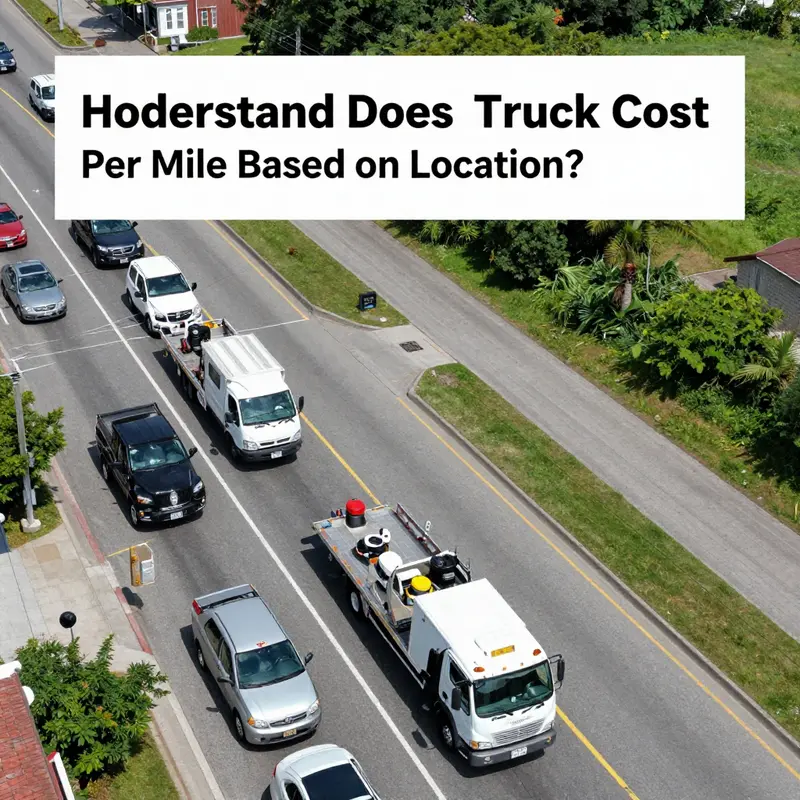
Tow costs per mile are not a single, fixed number. They are a moving target shaped by geography, vehicle weight, service models, and the rhythm of the day. When people ask how much a tow costs per mile, they often expect a tidy figure. The reality is more nuanced. The map itself matters as much as the odometer. The miles billed for a tow represent only a portion of the total price. Behind every mile lies a web of costs: the base hookup, the size of the tow rig, the number of crew members required, fuel and maintenance, insurance, and the time of day when the call comes in. To understand why a mile costs what it costs, it helps to walk through how location interacts with every other price lever in the business of towing. In practice, location sets the ceiling and sometimes the floor for rates, but it is never the only factor at play.
In urban centers the perception of expense is reinforced by numbers that often feel precise: per-mile rates that sit in a relatively high band and a substantial base fee that kicks in the moment the truck is dispatched. In many major metros, a tow begins with a base hookup fee typically ranging from about 75 to 150. That base covers the truck’s arrival, the initial setup, and the time a crew spends getting ready to move the vehicle. After that, the mile increments accumulate. The per-mile rate in these dense environments commonly falls between 2.50 and 5.00 dollars. The reason for this seemingly wide range is straightforward: urban operators shoulder higher operating costs. Parking, insurance premiums, mortgage or lease payments on larger shops, and the need to keep crews available for rapid response all contribute to higher per-mile pricing. Congestion itself becomes a cost driver. More time spent in traffic translates to more fuel burn and more wear on equipment, which filters into the customer bill. When a call lands in a city during peak hours or late at night, the price can tilt toward the upper end of the range or beyond. The same mile, measured on a highway outside the city, might be priced differently by the same company simply because the surrounding costs of doing business shift with the local economy, licensing requirements, and the availability of competing services.
Rural and suburban areas, by contrast, present a different economics of distance. The per-mile tag often sits in a lower band, typically about 1.50 to 3.00 dollars per mile. The logic here is not that rural service is cheaper in every dimension. Rather, the overall cost structure balances a lower cost of living and lower wages with longer distances to service providers and sometimes longer miles driven to reach a vehicle in need. Fewer shops and less competition can mean longer travel times for the tow truck to reach a broken-down car or a vehicle in a remote location. Yet the per-mile rate stays lower because the shop’s fixed costs per mile are spread over longer jobs, and labor costs in many rural markets run lower than their urban counterparts. The fundamental dynamic to grasp is that the quote a driver offers is a function of both the distance and the economic context in which that distance is traveled. A short, urban tow may carry a hefty base plus a robust per-mile charge, while a longer rural tow could rely more on distance and less on hefty urban overhead, producing a different total that still makes economic sense for the shop and the customer.
These broad patterns give only part of the story. A second crucial variable is the type of vehicle being moved. Heavier vehicles such as large trucks, commercial vans, or SUVs require larger tow rigs, more aggressive equipment, and sometimes a two-vehicle setup to move safely. The added gear and manpower do not simply add a few dollars; they can shift the pricing architecture in meaningful ways. A sedan being towed with a light-duty tow truck will typically incur a lower per-mile rate than a heavy tow for a pickup with a flatbed or a multi-axle trailer. The vehicle’s mass also influences the time spent on the job. Extra rigging, the need for wheel lifts, and the potential for hazardous or restricted access areas can all extend the duration of service, which in turn affects the all-in cost. In other words, location interacts with vehicle weight in a compound way: the same mile can feel cheaper or pricier depending on what is being towed and how that tow is configured.
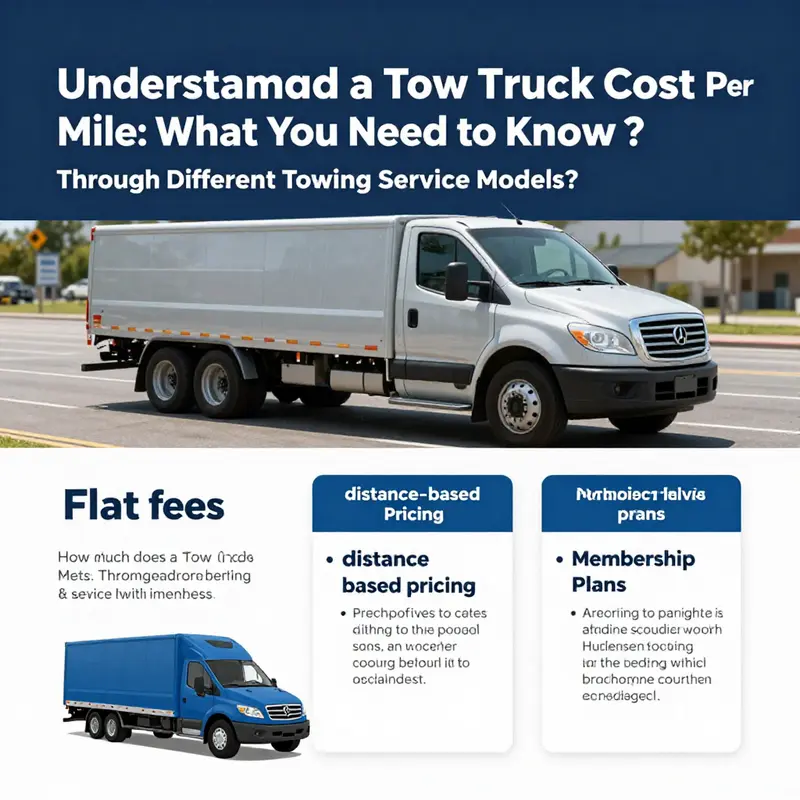
Service models further shape the mile-by-mile equation. Some companies adopt a hook and roll model. This means a fixed hookup fee is charged in addition to a per-mile charge. Others use tiered pricing, which creates distance brackets such as 0–10 miles, 10–25 miles, and beyond. Each model has its own logic and its own incentives for the operator. The hook and roll approach guarantees a predictable entry price, making it easier for a customer to plan a budget, even if the mile rate fluctuates with location. Tiered pricing, however, can be more transparent for longer distances, because the per-mile cost shifts in predefined steps as the journey lengthens. Consumers and fleets should compare both structures when they get quotes, because the same job might appear cheaper under one model and more expensive under another once the bracket logic is applied at the end of the trip. The implications of choosing one pricing approach over another become evident when a tow crosses a bracket boundary. A few extra miles can push the total into a higher tier and create a noticeable jump in the final bill, even if the per-mile rate within that tier remains constant.
Time of day adds another layer of complexity. Emergency or after-hours towing demands greater staffing and sometimes special overtime rates. The world outside standard business hours is a different cost environment. Overnight, weekends, and holiday calls require crews to be ready with limited daylight and more intense scheduling. Some shops manage this with a surcharge, while others incorporate it into the per-mile price or base fee. In practical terms, a tow requested in the early hours of the morning can easily carry a premium that makes the price per mile rise above the daytime norm. In effect, time-of-day surcharges do not just add a fixed cost; they also influence the perceived value of speed and reliability when a vehicle breaks down at an inconvenient moment. For the consumer, recognizing the possibility of an after-hours premium helps in negotiating a quote and avoiding surprise charges when the driver clocks in.
Within this framework of location, weight, model, and time, we can sketch a few concrete scenarios that illustrate the price dynamics. A short tow of five to ten miles is often anchored by a base fee in the 75 to 125 range. The per-mile charges then push the total in line with the local price environment. In urban settings, that small distance can still land near the higher end of the per-mile spectrum, given the overheads described earlier. For a long-distance tow of a hundred miles or more, the base fee becomes a smaller percentage of the overall bill, while the per-mile charges accumulate significantly. In many cases the long-distance scenario might run roughly 300 to 600 dollars or more, with additional per-mile fees applying beyond the initial distance. The financial math grows more intricate when you factor in possible add-ons. Winching time, fuel surcharges, storage charges if the vehicle cannot be dropped immediately, and even environmental or disposal fees can creep into the total. Every line item matters because, for the customer, those extras are not merely marginal—they can swing the final cost when the distance is long or the service window is constrained by time.
Regulatory landscapes contribute additional variation, and they can be a hidden driver of location-based pricing. Some states or municipalities regulate towing rates, especially in policing contexts where vehicles are impounded or where authorities regulate the impound process. California, for instance, is known for state-mandated fees and limits on charges for certain types of towing services. In California, the interplay of state policy and local practice can create a predictable framework in which customers can anticipate a ceiling on certain fees. In Texas, the environment is generally less regulated, allowing wider variations by company. The absence of a uniform cap means that local competition, shop strategy, and regional operating costs can create steeper or more lenient charges in different corners of the same state. The effect of regulation is not merely to cap prices; it sometimes shapes the kinds of services included in a quote, such as whether after-hours calls are eligible for premium surcharges, or whether certain situations trigger additional diagnostic or winch fees. Consumers who are price-conscious or who manage fleets across multiple jurisdictions can benefit from knowing how local rules influence the total cost of a tow. The practical upshot is that a quote from one town may look different from a quote from the next town not because the miles differ, but because the regulatory context changes the baseline of what is considered legitimate charge.
With all these factors in play, how should a consumer navigate pricing when towing becomes necessary? The most reliable move is to request a detailed estimate before the work begins. Ask for a breakdown that lists the base hookup fee, the per-mile rate, any after-hours surcharges, fuel surcharges, and any other potential add-ons such as winching or storage. If a provider cannot provide this level of detail in writing, that is a strong signal to shop around. It is common for a price to shift once the vehicle is loaded and the clock starts, especially when a tiered pricing model is in use. A written quote helps prevent surprise charges when the job is complete. For fleet operators and individuals alike, a standardized approach to quoting—one that treats location as a variable but codes it consistently across trips—can save money and reduce friction during a stressful event. At the same time, it is worth recognizing that some costs are unavoidable in the service industry. The skill of the operator, the safety protocols in place, and the readiness of the equipment all contribute to a fair price that reflects value as well as risk.
Beyond the immediate costs, there is value in looking at how location interacts with operational planning in a broader sense. For fleet managers, knowing the per-mile tendencies of nearby providers can inform route planning, maintenance scheduling, and emergency response drills. In urban centers, it may be prudent to build a buffer for higher surge costs during peak hours, to have preferred partners with documented turnaround times, and to invest in contingency quotes so that emergencies do not hinge on a single vendor. In rural contexts, planners might emphasize reliability and distance coverage. The goal is not to chase the lowest per-mile figure but to secure dependable access to service with transparent pricing. When a vehicle is stranded, time can be as costly as money. A predictable pricing framework that clients and providers understand fosters trust and reduces the likelihood of heated disputes when a tow is required at inconvenient moments.
For readers who manage fleets or plan for island contexts where distances to repair shops can be considerable, it is especially helpful to consider targeted resources that discuss cost structures and pricing philosophy at scale. To gain a broader understanding of how pricing operates across markets and to compare regional benchmarks, you can consult the essential fleet emergency response strategies page for practical guidance on aligning pricing with service objectives. If you want a national benchmark, reference a comprehensive towing cost guide that aggregates data across regions and vehicle types. This broader lens can help you set expectations, evaluate quotes, and negotiate more effectively when a tow is necessary outside your home market. As you prepare for emergencies, bearing in mind the location effect on per-mile costs will improve budgeting accuracy and decision making in real time.
In the end, the question of how much a tow costs per mile resolves into a broader assessment of value, safety, and reliability. Location matters, but it does not determine everything. A thoughtful, well-documented quote that discloses base fees, per-mile charges, and potential surcharges—paired with an understanding of the specific vehicle being towed and the service model used—provides the clearest path to a fair price. For operators who must respond quickly to incidents across varied geographies, this approach also supports smoother operations, better customer communication, and a more predictable cost structure when miles accumulate under pressure. The best practice is simple: ask for clarity, compare models, and consider how the city, suburb, or rural road shapes the overall equation as you drive toward a safe, timely resolution. To explore practical implications for fleets navigating these questions, see the essential fleet emergency response strategies and consider how the pricing framework can align with your operational goals.
External resource reference: for broader benchmarking and policy context, see the NAAC towing cost guide at https://www.naac.org/towing-costs
Miles, Machines, and Means: How Vehicle Type Shapes Tow Costs Per Mile
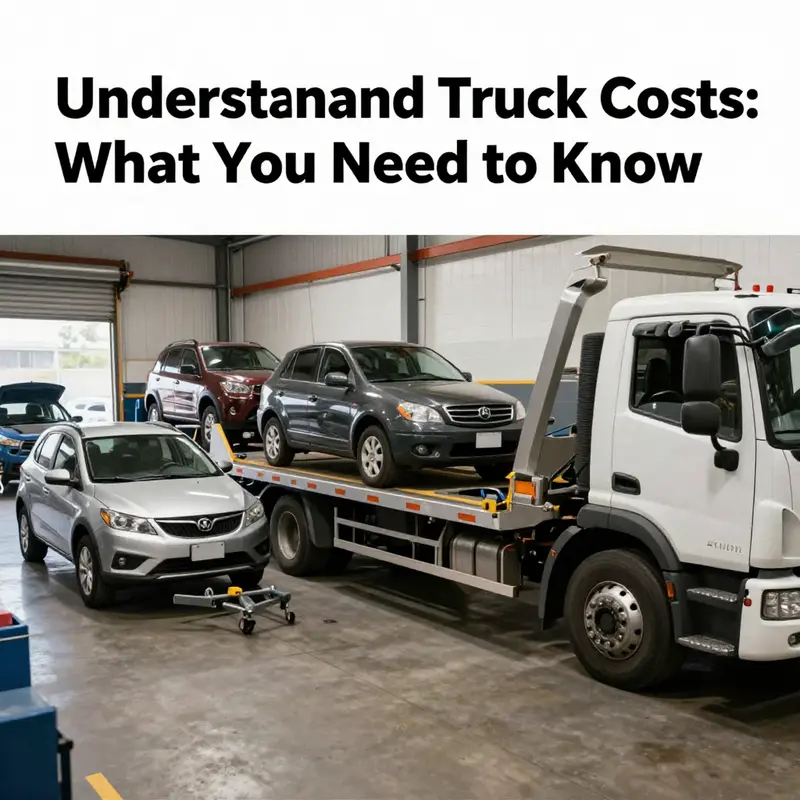
When a vehicle breaks down and a tow truck is on the way, the clock isn’t ticking for the driver alone; it’s ticking for the total bill that will be handed over to the owner. The money that changes hands per mile is more than a simple multiply of distance; it’s a product of the many realities that define modern towing. Among these realities, vehicle type stands out as one of the most influential forces shaping the per-mile cost. The rough baseline that many customers encounter—roughly two dollars and fifty cents to seven dollars per mile after an initial base fee—can look straightforward at first glance. Yet that range becomes a map when you consider what kinds of cars are being moved, how the tow is performed, and where the service is being delivered. To understand exactly why a sedan and a luxury sports car can end up with very different mile-for-mile charges, we must follow the path of the tow from the moment the dispatcher takes the call through the final mile on the odometer, and we must keep in view the realities that every tow operator contends with. A base fee still matters, and an initial distance often sets the frame for the rest of the pricing conversation. But beyond that shell of a model, the specific vehicle types invoke different equipment needs, different handling techniques, and different risk profiles that all translate into the per-mile line item that appears on the bill.
The most generalized rule is that heavier, more expensive, or more fragile vehicles drive higher per-mile rates. Standard passenger cars, cheered by their ubiquity on U.S. roads, typically fall toward the lower end of the per-mile spectrum. When a tow operator hooks a light sedan to a standard tow truck, the tire contact points, the winch torque, and the machine’s fuel burn are all calibrated toward efficiency and predictability. The per-mile charge in such cases often lands in the lower-to-mid portion of the $2.50 to $7 range, particularly when the tow is a short distance and the service model relies on a predictable base plus a modest distance fee. The narrative shifts when the vehicle type moves away from the ordinary toward the extraordinary, and the miles that follow become more than just distance traveled—they become a sequence of specialized steps that demand higher costs per mile.
Luxury and sports cars are perhaps the most conspicuous case. These vehicles are designed with performance in mind, and their owners expect that any incident won’t compromise their prized machines. Tow operators respond with a combination of care, precision, and equipment that minimizes risk to the undercarriage, suspension components, and sensitive drivetrain elements. Flatbed tow trucks are commonly chosen for such vehicles because lifting them on a non-flatbed rig can expose the car to scrapes or misalignment. Flatbed towing—a two-step process that involves winching the vehicle onto a flatbed and then transporting it—adds both time and complexity to the job. Time, in turn, translates into higher costs, and the need for specialized equipment translates into higher per-mile rates. The result is that the per-mile charge for luxury or sports cars often sits at the upper end of the standard range, and in some cases can exceed it, depending on the exact service scenario, the equipment used, and the relative risk that the operator assumes by handling a high-value vehicle.
The weight and size of the vehicle also swing the economics in favor of higher per-mile rates. Heavy trucks, recreational vehicles, and large commercial vehicles require tow trucks with more powerful winches, longer booms, and additional stabilizing gear. They also test the capacity of a dispatcher’s crew to manage the logistics of a long-haul tow, where the distance to be covered compounds the complexity. A long-distance tow of a heavy vehicle isn’t merely longer; it’s more demanding on the truck’s engine, transmission, and fuel system, since the operator must plan for safe routing, possible detours, and the systemic risks of transporting oversized loads. Because of these factors, per-mile charges for heavy trucks and large commercial vehicles frequently inhabit the upper tail of the pricing spectrum. The equipment that’s necessary to protect both the vehicle and the tow operator’s crew from harm translates into a higher baseline and a higher incremental charge per mile.
SUVs and minivans occupy a middle ground, but even there differences in design and weight influence pricing. A mid-size SUV placed on a tow bed may be heavier than a compact sedan; its dimensions can complicate positioning, strap-down methods, and road clearance. The result is often a per-mile rate that sits above the sedan’s baseline but below the heavy truck’s ceiling, reflecting the practical realities of lifting and securing a larger, taller vehicle while maintaining safety and efficiency on the road. The variability becomes even more pronounced when you consider the type of tow model used. Some providers adopt a hook-and-roll or “flat-hook” approach that establishes a fixed hookup fee, followed by a per-mile distance charge. Others use tiered pricing that segments miles into brackets such as 0–10, 10–25, and beyond. Each model has its own subtle incentives that interact with vehicle type. A luxury car being towed a short distance under a flat-rate regime might end up costing more per mile than a similar distance for a sedan simply because the base structure is designed to cover the premium handling and equipment, whereas the suburban tow for a basic car is designed to maximize throughput and keep the rate closer to a standard baseline.
Because pricing also reflects the time of day, the time zone, and the operator’s operational model, the urgency of the call can tilt the cost. Emergency tows or after-hours calls are frequently priced with a premium—sometimes a surge in the hourly rate and sometimes a higher per-mile figure—to account for staffing realities, insurance considerations, and the limited availability of crews. If the capture of a high-value or fragile vehicle is involved, emergency or after-hours calls may also see additional protective procedures that extend the time on scene and the miles traveled, further elevating the per-mile tally. The cost narrative thus becomes threefold: the vehicle’s type and weight, the equipment and handling required to move it safely, and the situational context in which the tow is requested. A short city tow for a compact sedan might cost a base of around $75 to $125 with a modest per-mile charge, whereas a long-distance move of a luxury car or a heavy-duty truck can push the total well into hundreds of dollars with miles priced aggressively beyond the initial segment.
To illustrate how these elements play out in real-world pricing, consider the scenario of a 12-mile tow of a mid-size SUV in an urban setting. The base hookup fee could be in the neighborhood of $90 to $140, reflecting the need to stabilize and secure a larger vehicle and the time spent on dispatch, arrival, and hookup. The per-mile rate for the SUV, given its weight and size, might land near the upper portion of the typical range, say around $5 to $7 per mile, particularly if the operator is using a larger carrier to ensure safe handling and adequate clearance in dense traffic. The total bill, before any surcharges or additional services, would thus be the sum of the base plus the per-mile product of distance, yielding a figure that might be expected to hover around $150 to $250, depending on the precise circumstances and any after-hours considerations. If the tow is longer—say 40 miles—the base fee remains a constant entry point, but the mileage charges accumulate more rapidly, and the total can approach or exceed the mid-three-figure range when equipment requirements and the need for specialized transport tools are factored in. In such cases, the operator may also apply a lift-towing surcharge or other service-specific fees, which can be the difference between a reasonable, predictable cost and an unexpectedly steep bill.
The nuanced nature of vehicle-type pricing is why many seasoned drivers and fleet managers advocate for a careful, upfront pricing conversation. Requesting a detailed cost estimate before committing to service becomes not merely prudent but essential. A robust estimate typically discloses the base hookup fee, the per-mile mileage charge, any distance brackets that apply, and the applicable surcharges for after-hours service or specialized equipment. It also notes whether the rate structure is hook-and-roll or flatbed-centric, and it identifies any variables that could alter the final tally, such as route restrictions, the need for additional personnel, or ancillary services like tire changes, winching ramps, or immobilization challenges that can add to both time on site and miles billed. In practice, the best approach is to treat the pricing conversation as a transparency exercise: the customer communicates the vehicle type, location, and desired service window, while the provider outlines what equipment will be used, what handling promises, and what the final price ceiling would be under the chosen plan. A written quote or contract that captures all these elements reduces ambiguity and helps prevent sticker shock when the bill arrives.
This pricing dynamic, driven by vehicle type and allied considerations, also intersects with broader operational models within the towing industry. Some companies maintain a consistent, nationwide framework that handles all passenger cars and light-duty vehicles with a standard base and a tiered mileage rate. Others operate with more local flexibility, calibrating their pricing to reflect regional cost structures, traffic conditions, and the typical vehicle mix of the market they serve. Urban areas, with their higher operating costs, traffic constraints, and more frequent use of premium equipment, tend to present higher per-mile figures, particularly for heavier or more delicate vehicles. Rural or remote areas, while potentially charging more for the distance, may leverage lower base rates or different service models to offset transportation costs. The net effect is that the same vehicle moving the same distance in different places can yield noticeably different totals, even when the underlying mileage is identical.
Yet another layer worth noting is the potential for emergency roadside services to change the economics of a tow. A vehicle may require lifting, winching, or stabilization on uneven terrain, especially after an accident. Lift towing, in particular, can add a distinct surcharge because it involves specific equipment configurations and additional time. If a vehicle is immobilized in a difficult location—a shoulder with limited access, a steep incline, or a scenario requiring a full unload and reposition—the rider along the cost line can climb higher than anticipated. The prudent customer who asks for a breakdown that shows base, per-mile, and any lift or after-hours surcharges is not being penny-pinching; they’re ensuring that they’re prepared for the actual service scenario when the tow arrives. In practice, this level of detail fosters a mutual understanding and reduces the likelihood of disputes when the bill lands.
For readers who want to explore these pricing dynamics in greater depth and from multiple perspectives, industry resources and consumer-focused pricing guidance provide valuable context. A practical way to expand understanding is to browse content that synthesizes cost structures across carriers and regions, while also highlighting what factors lead to higher or lower charges. The knowledge gained from such sources complements the personal, local estimates a customer receives from a provider and helps set realistic expectations for what a given vehicle type might cost per mile in a particular situation. To connect with practical pricing discussions and ongoing pricing discussions relevant to this topic, you can visit The Island Tow Truck Blog, which offers insights and case discussions that reflect real-world pricing across different service models and vehicle types: The Island Tow Truck Blog.
Beyond the specifics of price per mile, the broader point remains clear: vehicle type drives a meaningful portion of the total tow cost, and the rest of the components—the base hookup, the service window, and any extra services—interact with that per-mile figure to create the final bill. Understanding these connections helps individuals, fleets, and households plan more effectively for roadside contingencies. It helps a person answer questions like: If I drive a mid-size SUV in a city and I’ll need a flatbed for safety, what should I budget? If I’m in a rural area and I’m towing a heavy truck, how should I frame my expectations about the quote? If my call is after hours, what is a reasonable premium to anticipate? These are not trivial questions; they reflect the realities of a service industry that must balance the needs of people in distress with the practicalities of equipment, labor, risk, and the big costs of keeping fleets moving.
For those who want to broaden their understanding with additional external references, the towing cost landscape is well mapped in consumer and industry analyses. For example, a detailed resource on typical towing costs, including per-mile considerations and the impact of base fees and surcharges, is available at https://www.roadside.com/towing-costs. This external reference offers a complementary perspective to the chapter’s focus on vehicle type, helping readers compare variations across different providers and contexts. It’s important to compare not only the price tag but also the services included in that price—whether lift towing is needed, whether a flatbed is used, and what the backup options are if extra miles are required to reach a safe location for the tow.
In summary, the per-mile cost of a tow truck is a nuanced price signal that encodes more than distance. Vehicle type—ranging from a compact sedan to a luxury sports car or a heavy commercial vehicle—acts as a major driver of how that mile is billed. The care required to protect valuable or fragile vehicles, the equipment necessary to lift and secure heavy loads, and the operational realities of where and when a tow happens all converge to push the per-mile figure higher or lower. Consumers who understand these dynamics are better positioned to navigate the pricing conversation with clarity and confidence, ensuring they receive a fair quote that reflects the actual work involved and the risks assumed by the tow operator. It is through this lens that the seemingly simple question—how much does a tow truck cost per mile? becomes a thoughtful inquiry into the hiring of a complex, safety-critical service, one that demands transparency, preparedness, and an appreciation for the many variables that determine the final number on the bill. The journey from call to tow and miles traveled is a narrative about value as much as distance, and recognizing the vehicle type’s role in that narrative helps everyone move more smoothly through the inevitable roadside tows of life.
External resource for further reading: https://www.roadside.com/towing-costs
null
null
Price by the Hour: How Time of Day Shapes Tow Truck Cost Per Mile
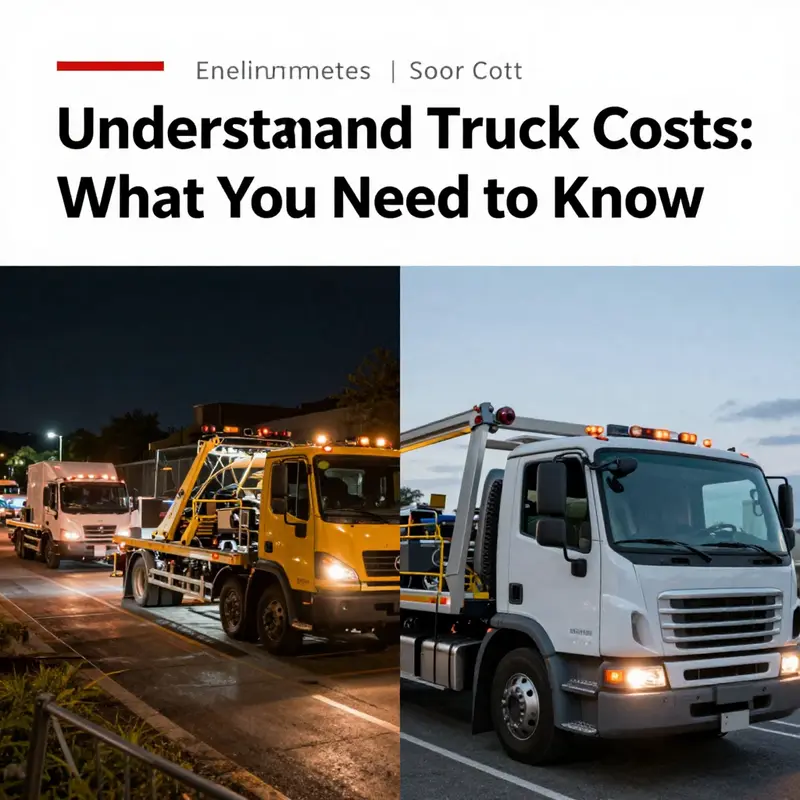
Tow costs are rarely a single number you can memorize at a glance. They are a careful blend of a base hookup fee, a per-mile charge, and a clock that can speed up or slow down the final total. The idea that the price per mile is fixed simply doesn’t hold in practice. Most providers structure a tow with an initial base or hookup fee, then apply a per-mile rate that can shift depending on when the tow happens. Add in the variable of the vehicle being moved and the geographic realities of urban streets or rural roads, and you begin to see why the clock matters just as much as the road itself. Time, in this context, isn’t just a matter of minutes or hours; it’s a pressure point that can tilt the math toward higher numbers when demand collides with limited availability, driver shortages, or the logistics of moving a heavy vehicle through congested streets. Understanding this helps you navigate the ordering process with eyes wide open and reduces the chance of sticker shock when the bill arrives. The base fee, the per-mile rate, and the time-of-day adjustments all interact to shape the final figure, and that interaction is the heart of what this chapter explores.\n\nThe most common starting point for a tow is a fixed hook-up fee that covers getting the tow equipment in place, connecting to the vehicle, and initiating the tow. After the hook-up, the distance traveled is where the per-mile charge comes in. In ballpark terms, you’ll typically see a per-mile rate in a broad range—from roughly $2.50 to $7 per mile after any base fee—but this rate is not carved in stone. Several factors can nudge it higher or lower on any given call. Location is a major driver: urban areas tend to push both the baseline and the per-mile cost upward due to higher labor costs, stricter traffic conditions, and the need for more precise coordination in dense streets. Rural or remote routes can also push costs up, but for different reasons—longer travel times, fewer nearby service options, and the opportunity cost of returning to a base with fewer jobs waiting. Vehicle type matters as well. A heavy-duty tow for a large pickup, a commercial van, or a chassis with specialized equipment requires a bigger rig, heavier machinery, and more exertion from operators. Those realities translate into higher per-mile charges, even when the distance isn’t dramatically longer. Within the same city, a small car tow and a heavy vehicle tow can unfold into two very different cost trajectories, particularly if the call requires out-of-hours staffing or a special arrangement to safely secure the load. The model a company uses also matters. Some operators run a “hook and roll” model—an upfront hook-up fee plus a per-mile charge—while others use tiered pricing or distance brackets that shift the per-mile rate as the distance increases. All of this matters because time of day and demand sit on top of these base structures, and that is what leads to the surcharges and peaks that many customers notice when they wake up to a bill far higher than expected.\n\nThe timing of a tow introduces another layer of complexity. Daylight hours often produce the most predictable prices, but even within a day there can be a rhythm: weekday business hours may be steadier, while early mornings, evenings, weekends, and holidays can bring a different balance of supply and demand. After-hours towing frequently incurs a higher rate due to overtime, the premium drivers must be compensated for working outside the standard schedule, and the additional logistics involved in keeping crews ready during off-peak times. The practical effect is a rise in both the base component and the per-mile component when a job is scheduled or requested during these windows. A number of providers incorporate a time-of-day surcharge that could range from about 25% to 50% more per mile than the daytime rate, and some operations may push those numbers even higher during peak demand. The exact percentage varies by location, the specific service model, and the urgency of the call. The Drive’s 2025 analysis highlights how urban centers like New York City or Los Angeles exhibit the most pronounced differences, with after-hours or Sunday requests sometimes producing double-digit increases per mile when availability is tight and labor costs are elevated. These patterns aren’t universal, but they’re common enough to be a real factor in budgeting for a tow.\n\nTo put some of these ideas into a practical frame, consider the spectrum of typical scenarios you might encounter. A short tow—say five to ten miles—often starts with a base of roughly $75 to $125, depending on the precise hook-up and the company’s pricing model. The per-mile component adds on top of that base, so a short move could hover in a certain range if done during normal hours. Longer tows, spanning a hundred miles or more, begin with a larger base and then accumulate miles at a higher rate beyond the initial distance. In one model, you might see a base of a few hundred dollars plus a per-mile charge that applies from the first mile onward. In another, the base covers a shorter distance with more aggressive per-mile pricing for every mile traveled beyond that distance. Either approach comes with its own set of expectations and risk points for the consumer, particularly when the call is urgent and the dispatcher prioritizes speed and safety over a coolly calculated estimate. The most important practical step is to insist on an upfront, itemized quote that clearly identifies the hook-up fee, the per-mile rate, any time-of-day surcharge, and any minimum charge or minimum miles included in the base. This transparency helps you compare options and avoid unexpected charges after the tow is complete.\n\nThe monthly and regional fluctuations in price reflect the broader economics of running a tow business. When you’re dealing with the clock as a factor, the conversation with the dispatcher should include a clear discussion of whether the tow is expected to be emergency or non-emergency. Emergency towing is almost always priced at a premium because it entails immediate dispatch, rapid mobilization, and the readiness to respond regardless of the hour. Non-emergency tows, by contrast, often offer more room to negotiate or to select period-based pricing that aligns with the consumer’s convenience and budget. If you can schedule a non-emergency tow during daytime hours, you’ll likely encounter a lower per-mile rate and a smaller base charge than you would for the same distance at night, on weekends, or during holidays. It’s also worth noting that some providers implement surge pricing during peak travel times or during periods of heavy demand, much like other service industries do during times of peak activity. The practical implication for consumers is straightforward: when you have flexibility, plan towing service during off-peak periods to minimize both the base and the per-mile components of the bill.\n\nThe human element behind these pricing structures matters as well. Operators must balance safety, speed, and reliability with the realities of labor markets and fuel costs. A driver who can reach you quickly and secure a vehicle safely is delivering value that goes beyond the miles driven. In dense urban environments, the time spent negotiating parking, navigating tight streets, avoiding hazards, and coordinating with roadside assistance or insurance partners compounds the cost. In rural settings, while traffic might be lighter, the distance itself becomes a significant factor, and the crew’s readiness to travel long stretches with heavy payloads drives up the per-mile rate to account for wear and tear, fuel, and the opportunity cost of long drives without earnings elsewhere. That is why a simple per-mile figure on a brochure never tells the full story; you’re often paying for a bundle of factors that include equipment, labor, scheduling efficiency, and the value of timely service in stressful moments.\n\nFrom a reader’s standpoint, the best practice is to seek a detailed estimate up front and to ask precise questions: Does the quote include the hook-up fee? What is the per-mile rate, and does it apply to the first mile or only after the initial distance? Is there a time-of-day surcharge, and if so, how is it calculated (as a percentage or a fixed amount)? Are there additional charges for after-hours service, holidays, or weekends? Is there a minimum bill that could kick in if the vehicle is stranded in a location with limited access? And crucially, is there a cap on the mileage rate or a maximum total for the tow, regardless of distance? These questions help you compare apples to apples across providers and give you a realistic expectation before any driver arrives. The more you know at the outset, the less surprise there will be when the invoice lands.\n\nIn contemporary practice, the interplay between time, distance, and weight is not merely theoretical; it translates into real-world numbers that can swing by the hour. When a tow truck is called during a busy late-evening period in a major city, the combination of a higher base charge, a premium per mile, and perhaps a small fuel surcharge can all converge to push the final amount well beyond the daytime equivalent. The same distance, to a different market or under different conditions, could look notably different on the balance sheet. That variability is why it is sensible to treat the quoted figure as a live estimate rather than a fixed promise, and why seeking an itemized breakdown is the single most valuable precaution a consumer can take. It is also why every consumer should consider context: whether the call is a priority due to an accident or breakdown, whether the vehicle is critical to a business operation, and whether there are any accessibility challenges in the pickup location. These factors will naturally influence the cost and the perceived value of the service you receive.\n\nFor those who want to explore broader perspectives on fleet readiness and emergency response strategies, the Island Tow Truck blog offers practical insights that complement the pricing discussion. The site discusses how fleets plan for incidents, coordinate multiple responders, and align response times with operational constraints. You can read more there to better understand the coordination side of roadside assistance, which ultimately connects to how pricing plays into rapid, reliable service. the Island Tow Truck blog.\n\nFinally, while the numbers and scenarios above sketch a comprehensive picture, there is always nuance in pricing. The two core takeaways stay constant across markets: timing matters, and transparency matters more. A clear, upfront quote that itemizes the hook-up fee, per-mile rate, and any time-of-day surcharges will empower you to make informed decisions quickly and with confidence. If a provider cannot give you a detailed breakdown before dispatch, you may want to compare with another option or request a written estimate before agreeing to service. In some cases, it may even be worth waiting for a window of lower demand if your schedule allows. The goal is not to capture every possible variation in a single call but to establish a reliable framework for anticipating costs across the common scenarios you are likely to encounter. By understanding how the clock interacts with distance, vehicle type, and location, you can approach tow costs with a practical mindset rather than a sense of mystery.\n\nExternal resource for deeper analysis: https://www.thedrive.com/towing/46788/how-much-does-a-tow-truck-cost-per-mile
Final thoughts
Understanding the complexities of tow truck costs per mile is essential for those in the automotive and fleet management industries. By considering factors like location, vehicle type, service models, and time, you can better anticipate towing expenses. This knowledge empowers you to make informed choices that ultimately enhance your business operations and customer satisfaction.