The question of whether to tip a tow truck driver often sparks debate among vehicle owners, business operators, and service providers alike. This topic holds specific relevance for local auto repair shops, car dealerships, property managers, resort operators, and commercial fleet operators who frequently engage with tow services. Understanding the nuances of tipping in this industry not only cultivates goodwill but also acknowledges the hard work of tow truck drivers who often operate under demanding conditions. In this exploration, we will echo the significance of tipping based on service quality, dive into the compensation structure of tow drivers, identify situations when tipping is essential, and address regional differences in social norms surrounding tips. Each chapter contributes to a comprehensive understanding of the topic and serves as a reference for best practices for your business relationships.
Tow Truck Tipping Decoded: Service Quality, Fair Pay, and the Etiquette of Gratitude
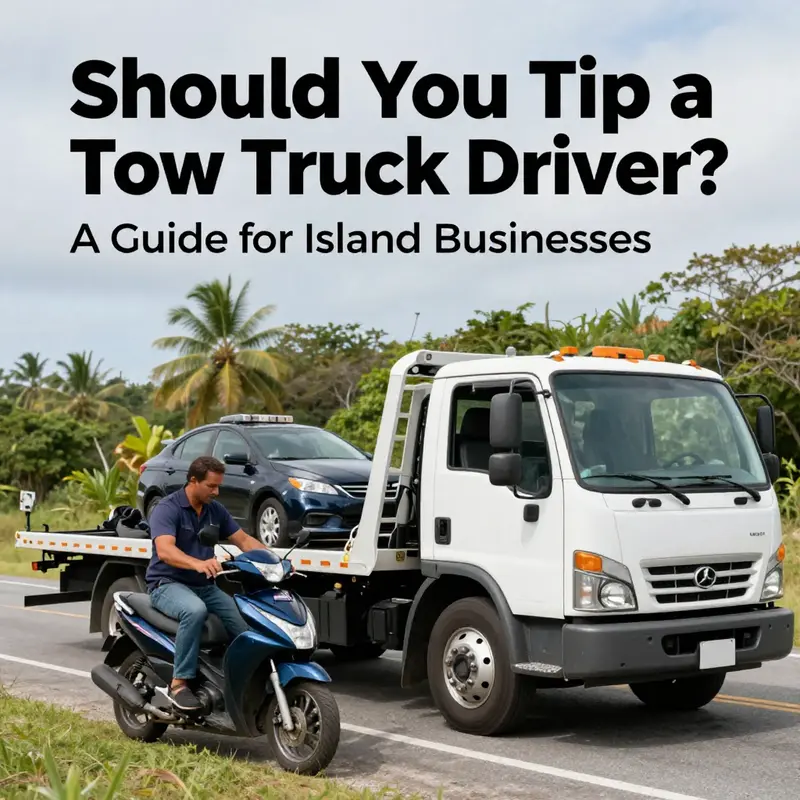
When the roadside lights flash and a tow truck appears in your moment of need, a simple question rises with the glow of the emergency beacon: should you tip the driver who pulls you back from the edge of a bad day? The answer, in practice, is nuanced. Tipping a tow truck driver is not an obligation baked into the transaction the way it is in some service industries. Yet it remains a meaningful gesture when the driver delivers service that feels above and beyond the call. The heart of the matter sits at the intersection of fair pay, professional conduct, and the social script that governs our everyday acts of gratitude. To understand when a tip is appropriate, it helps to first understand how tow work is structured and what service quality really means in this line of work.
Tow truck drivers usually operate for towing companies or as independent contractors. Their compensation typically comes from the fee charged for the tow itself, which covers labor, fuel, equipment, insurance, and the overhead of running a vehicle that can be costly to maintain. Because these fees are determined in advance or by a standard rate schedule, they do not inherently include a guaranteed wage or benefits for the driver in the same way a salaried employee might receive. In such a setup, tips are not built into the business model for most drivers, and thus they carry less of a expectation and more of a personal, discretionary value. This philosophical point is not a hard rule etched in stone, but a reality that shapes how drivers perceive gratuities and how customers weigh their own sense of fairness in the moment.
The same practical reality that a tow fee covers many heavy costs also helps illuminate why tipping is not universally expected. Yet the service experience itself can still create a bridge for generosity. A driver who arrives promptly in the middle of a crisis, treats your vehicle with care, communicates clearly about the process, and minimizes your inconvenience can earn more than a simple nod of thanks. In those moments, tipping becomes an outward sign of appreciation for competence under pressure. It signals recognition of effort, time, and professionalism, which can feel especially valuable when the driver has performed under less than ideal conditions—stormy weather, a flatbed that needs extra handling, or a location that complicates the pickup—conditions where good judgment matters just as much as technical skill.
If you pull back from the urge to tip with a fixed percentage, you may notice that the traditional 10 to 15 percent guideline, sometimes cited in consumer etiquette discussions, is not a universal standard for towing. In fact, the general consensus among many industry professionals is that tipping is not expected or customary for routine tows. Instead of a fixed formula, approach tipping as a discretionary expression of gratitude for service that goes beyond the ordinary. The distinction can feel subtle in the moment, but it is important for keeping expectations aligned with the realities of the job. A small token of appreciation can feel appropriate when a driver goes out of their way to assist beyond the minimum requirements, and it stays unnecessary when the service is standard without notable extra effort.
Beyond the tone of arrival and the speed of response, service quality plays a decisive role in tipping decisions. In emergencies, communication becomes part of the service. A driver who keeps you informed about ETA, potential routes, and what happens next helps you regain control in a tense moment. A driver who takes steps to secure your vehicle properly, whether that means using protective blankets, recommending a safe curb or lot, or coordinating with the destination of the tow, shows an attentiveness that deserves recognition. A calm, professional demeanor can transform a stressful scenario into a manageable one. In such cases, a tip—however modest—acts as a bridge between gratitude and acknowledgment of the mental labor involved, not merely the physical labor. It is a symbol that the helper who stood at your side during a vulnerable moment is seen, appreciated, and valued for their expertise.
Consider also the variety of contexts in which towing occurs. A short tow across a mile or two after a minor fender bender might feel routine, while a long-distance tow through night hours or across weather barriers introduces additional layers of risk and fatigue for the driver. When the distance is substantial or the weather is harsh, the driver faces greater exposure to risk, consumes more fuel, and commits more time away from their own commitments. In those situations, offering a larger tip can reflect the extra effort demanded by the environment. Even when the company policy states that tips are not expected, a driver who has demonstrated exceptional dedication to safe driving, meticulous attention to securing the vehicle, or a polite and reassuring communication style might deserve a little more than the ordinary courtesy. The intention remains to acknowledge service quality without turning tipping into a performance metric that dominates the encounter.
Some readers will wonder about the best way to handle the figure itself. While a percentage of the tow fee is a tempting heuristic, the realities of towing fees often make such calculations impractical. Tow fees can include a base charge, per-mile charges, and sometimes additional fees for remote locations or special equipment. In a scenario where a tow costs several hundred dollars, offering a fixed cash tip of five to twenty dollars can feel proportionate to the service level and the moment at hand. On the other hand, if the tow involves significant complexity or the driver has navigated multiple tricky steps, you might consider a larger amount in recognition of the added skill and perseverance. The key point is to let the level of service guide your generosity, not a rigid rule. If the service was exemplary, a tip in the upper range of a personal budget may be appropriate. If the encounter was straightforward, a modest tip or no tip at all may be more aligned with the situation.
Another dimension worth considering is the policy framework that governs tipping within the company you are engaging. Many towing firms, aware of the realities of independent contractor status for drivers, do not encourage or require tipping. This stance reflects not only a respect for fair wage practices but also a recognition that tipping should not be demanded or expected, even when service is satisfactory. A courteous driver will greet this reality with the same professionalism you expect: they will focus on delivering a solid service, communicate clearly, and respect your preferences for payment and vehicle handling independent of any gratuity. If you encounter a driver who explicitly states that tips are not expected, you can still choose to tip if you feel the service merits it. The option exists precisely because tipping is a personal act of appreciation rather than a contractual obligation.
For readers who want to anchor their decision in broader etiquette while also managing practicalities, a practical approach is to prepare in advance. Have a small amount of cash ready in case you decide to tip, or confirm with the dispatcher whether gratuities are accepted if you plan to pay by card. Some drivers accept tips via electronic methods, while others prefer cash. The key is to respect the driver’s preference and safety concerns—never put yourself in a hazardous position to hand over money. If you are unsure, a brief, respectful question at the end of the service can clarify whether tipping is appropriate and what form it should take. As with any customer service interaction, the aim is to preserve dignity, safety, and courtesy for both parties.
In weaving together these considerations, the rhythm of tipping becomes less about a static rule and more about a learned sensitivity to service quality, context, and fairness. A driver who arrives quickly, communicates openly, handles your vehicle with care, and offers practical guidance in the moment has earned your appreciation through action. The gesture need not be grand, but it should feel earned and proportionate to the experience. It is a small ritual that recognizes the human effort behind every tow—the knowledge, skill, and judgment that allow someone to do difficult, demanding work with steadiness and care. When done thoughtfully, tipping supports not only the driver you are thanking but the broader ecosystem of roadside assistance that keeps people moving, even under pressure.
If you want to explore how etiquette plays out across different service sectors, consider the nuance that emerges when service fees are included in a bill. Some readers may find a tipping convention in one setting hard to translate to another. The Balance offers a broader perspective on tipping when a service fee is included, illustrating that the social norms can shift depending on how the total is framed and what the customer expects to pay. The central takeaway remains consistent: tipping is a voluntary act of appreciation, shaped by service quality, context, and personal values rather than a fixed rule. For readers who want to understand this broader logic, the external resource provides a useful frame of reference to compare tipping practices in related service contexts.
If you are seeking further reading that situates tipping within the broader world of roadside service and fleet management, you can explore additional perspectives from industry discourse and practical guides. For a deeper dive into how dispatch teams and emergency response frameworks shape the experience of a tow, consider visiting the Island Tow Truck blog, which offers insights into fleet operations and safety practices that influence how tow teams deliver service in challenging environments. You can access that resource at the following internal link: theislandtowtruck.com/blog/. This connection provides a broader context for how service quality is built, from training and equipment to communication protocols and emergency preparedness, all of which inform the value a tip can signal in the right moment. The discussion in this chapter aligns with the spirit of that coverage, which emphasizes not just how to tip, but how to recognize and support professional service with fairness and respect.
In the end, tipping a tow truck driver remains a flexible matter. When you stand at the curb with a driver who has navigated a tense scene with competence and care, a small tip can be a meaningful expression of gratitude. When the service is routine, or when the company clearly states that tips are not expected, your choice should reflect your own financial comfort and your read on the situation. The goal is to honor the work and to encourage a standard of service that makes a difficult moment a little easier for everyone involved. Keeping this balance in mind helps maintain a culture of appreciation that recognizes the humanity behind the vehicle, the skill behind the tow, and the shared responsibility to look after one another on the road.
External reading: https://www.thebalance.com/tipping-delivery-drivers-when-service-fee-is-included-4169787
Should You Tip a Tow Truck Driver? Decoding Compensation and When Gratitude Pays Off
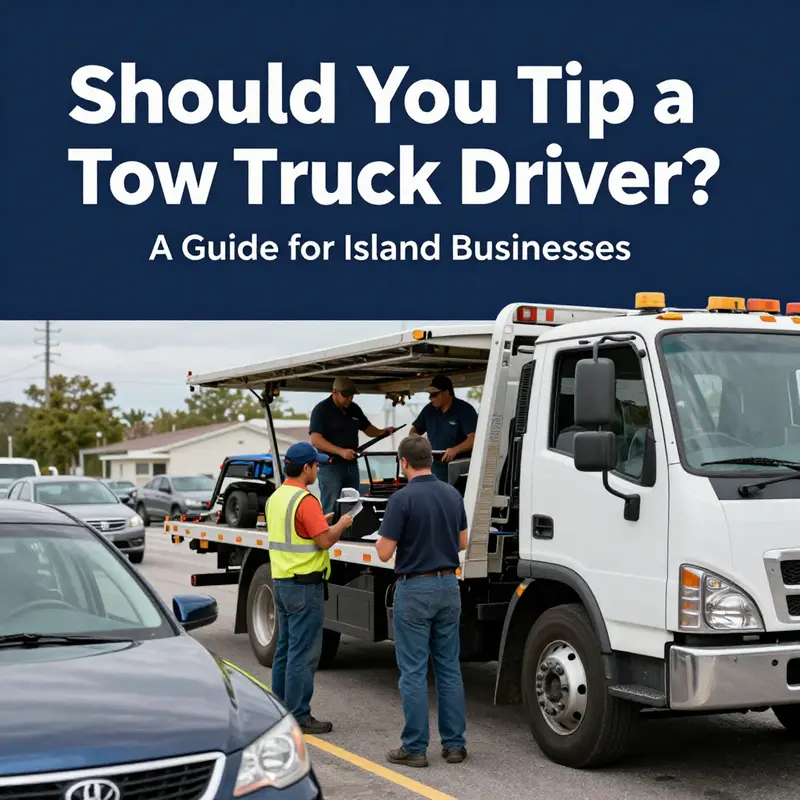
When a tow truck arrives, the scene can feel hurried, tense, and crowded with decisions. You must decide how to move your vehicle, ensure everyone stays safe, and weigh practical concerns about cost, liability, and timing. In that moment, tipping can feel like a small, almost incidental gesture, yet its meaning is rooted in a driver’s compensation structure and the realities of their work. Understanding both sides helps you decide not only whether to tip, but how to tip in a way that respects the driver, the company, and your own financial situation. The question—Should you tip a tow truck driver?—has an answer that is as much about service quality as it is about the economics of the job. Tow truck drivers are often not paid a guaranteed wage in the same way as other workers. Many operate as independent contractors or work for companies where the base pay for a tow ends up being the primary revenue stream, with tips acting as a supplement that reflects the customer’s experience. This reality shapes the etiquette and the intention behind tipping. When the service is routine and straightforward, tipping is not expected. When the driver arrives promptly, handles your vehicle with care, offers safe transport, and shares practical, calming guidance, a tip becomes a tangible acknowledgment of that effort. In this sense, tipping is not a rule but a signal—an expression of gratitude that aligns with the broader values of service culture across the country and, importantly, supports the individuals who often shoulder irregular hours, unpredictable weather, and strenuous physical work.
The practical mechanics of compensation matter here. The typical service model for towing is anchored in a fee that covers the labor, fuel, and vehicle wear, plus an additional charge for the tow itself. Your total bill is influenced by distance, time, fuel costs, type of vehicle, and whether extra services are required—like winching, rooftop loading, or after-hours dispatch. The driver’s base pay may be framed by the company’s pricing structure or by a contractual arrangement with the client who called for service. In many cases, the tip is not factored into that base price; it sits outside the formal calculation and appears as a voluntary expression of appreciation. Some drivers describe tips as “comfort money”—not because the driver cannot survive without tips, but because tips often reflect the perceived value of the service delivered in that moment. When a driver travels in challenging conditions, navigates busy roadways, or ensures the safety of your vehicle in a delicate maneuver, the effort merits recognition beyond the standard fee.
A practical guideline that emerges from both industry commentary and consumer etiquette is to consider tipping in the ballpark of 10% to 15% of the total tow fee. That range is not a universal decree, but a commonly accepted middle ground that can be adjusted up or down depending on the circumstances. When the service is exemplary—arriving quickly in an emergency, arriving after hours, handling your vehicle with exceptional care, or providing additional constructive help such as storing the vehicle safely, offering maintenance suggestions, or pointing out important safety considerations—the tip can move toward the higher end. Conversely, if the service is routine and the interaction is curt, the decision to tip may be to reflect the minimum courtesy you feel comfortable offering, or to pass on any tip if you’re simply unable to spare it. The important distinction is that tipping remains a voluntary gesture tied to the quality of service, not a mandatory component of the transaction.
In parsing this issue, it helps to situate tipping within the broader context of the service industry. Drivers of tow trucks are performing physically demanding, time-sensitive work that often occurs during off-peak hours, in adverse weather, and in situations that demand patient, careful handling of people and property. The emotional load of a breakdown or breakdown-related stress can be substantial for the customer, and a courteous, professional driver can significantly ease that burden. The same logic applies to the driver: they are balancing safety, efficiency, and customer satisfaction all within the constraints of a single dispatch, a single tow, and a potentially tight timetable. The result is a human exchange in which generosity can have a meaningful impact on morale and fair compensation, expressly when profit margins are slim and the job is sporadic rather than steady. It is this human dimension—the care with which the driver approaches the scene—that often warrants a tip, even in societies where tipping norms are evolving.
Certain conditions warrant heightened consideration. If the driver arrives instantly after a call placed during a vehicle incident, if they navigate treacherous roads, if they secure the vehicle without incident on a difficult surface, or if they provide guidance that prevents further damage, these are all clear cues that the service quality justifies a generous acknowledgment. Long-distance transits, mountain routes, or towing in heavy weather amplify the labor intensity, and that intensity often correlates with the magnitude of your tip. If the driver offers beyond-the-call assistance—helping you arrange a ride, suggesting alternative routes, answering questions about insurance coverage, or explaining how the tow process works—these acts of added value push tipping from a nice-to-do into a meaningful form of recognition. In such moments, the tip is less about the money itself and more about the signal of appreciation—an affirmation of effort, skill, and professionalism.
There is a practical, ethical nuance to tipping that warrants attention. Some tow companies explicitly state that tips are not expected, and in these cases, the decision to tip should still reflect the service you received. If the company has a policy that tips aren’t expected or accepted, consider whether a small gesture might still be appropriate, or whether an alternate form of thanks—such as a positive online review or a direct word of thanks to the dispatcher—could reinforce the driver’s good work without troubling company policies. When tipping is not possible due to financial constraints or policy constraints, a sincere, respectful acknowledgment goes a long way. A quick note of appreciation, a follow-up call to the company praising the driver, or a public review highlighting the driver’s professionalism can offer support that mirrors the impact of a monetary tip. The central principle remains: the choice to tip should be grounded in the service quality you experienced, not in a rigid expectation.
For readers seeking a broader sense of tipping etiquette and service standards beyond the tow category, resources from reputable outlets offer reflective guidance. The BBC, for example, examines tipping norms and how they intersect with service quality, worker compensation, and customer expectations in contemporary markets. Access to such guidance can help you calibrate your own tipping impulse in a way that aligns with your values and with the realities of the service economy. If you want a broader dive into these norms, the BBC article provides a grounded context that complements the practical advice in this chapter. BBC News.
As you navigate whether to tip, consider also the broader ecosystem in which tow truck drivers operate. Many fleets and independent contractors rely on dispatch systems, maintenance contracts, insurance relationships, and local regulations that shape daily work life. The typical tow may be a one-off service in a moment of crisis, yet behind that single call lies a network of training, safety protocols, and procedural standards meant to protect you, your vehicle, and the driver. The training that drivers receive—often focused on safe loading, secure tie-down practices, and situational awareness—reflects a professional discipline that deserves recognition when it is demonstrated in real time. A tip, when offered, becomes a small but meaningful investment in the human element of that discipline.
If you are looking to deepen your understanding of towing operations and the practical side of emergency response for fleets, you may find value in ongoing resources that address these topics. The Island Tow Truck blog provides ongoing commentary on towing operations, strategy, and field experience that can broaden your appreciation of the logistics behind a single tow. You can visit the blog for broader context and practical insights here: the Island Tow Truck blog.
When tip timing matters, the moment you hand over the tip matters too. If you hand the driver cash, place it in a direct, courteous gesture rather than leaving money on the seat or in a place where it could be forgotten or misplaced. A calm thank-you and a direct “this is for you” phrase often conveys your appreciation more clearly than the mere exchange of funds. If digital tipping is available through the company’s payment app, use it with the same level of courtesy you would show in cash transactions. In all cases, simplicity is best: a straightforward amount, a direct expression of thanks, and a clean, respectful exchange that preserves the dignity and safety of everyone involved. If you are carrying small change, a modest tip on the lower end of the range can still be meaningful and appropriate, particularly if the service was routine and delivered without incident. If the service was clearly beyond what was expected, a larger sum in the same ballpark is reasonable. The key is to let the tip reflect your judgment of value—how well the driver earned your trust, your sense of security, and your confidence that your vehicle would be treated with care.
In closing, the question of tipping a tow truck driver is not merely about economics or etiquette in a vacuum. It is a practical, values-driven choice that sits at the intersection of compensation structure, service quality, and human connection. The typical model places the base fee at the center of compensation, with tips serving as a voluntary acknowledgment of exceptional effort and professionalism. By keeping the 10% to 15% guideline in mind, and by recognizing when circumstances justify bending toward the higher end of that range, you honor the work that goes into a tow operation. You acknowledge the dispatch, the road conditions, and the careful handling of your vehicle. You reinforce a culture of respect for frontline workers who operate under pressure, often with limited predictability in their schedules. And you provide a tangible form of gratitude that can sustain drivers who, in many cases, face income fluctuations as part of their daily routine.
The most important takeaway is this: tipping should reflect the service you received, not the transaction itself. If the driver arrives promptly, communicates clearly, and treats you and your vehicle with care, your tip becomes part of a broader practice of fair recognition in a service economy that depends on discretionary income to sustain workers between guaranteed wages. If the company policy discourages tipping, you can still express appreciation in non-monetary ways that matter—through a positive review, a thank-you note to the dispatcher, or a personal recommendation that supports the driver’s professional reputation. And if you find yourself in a situation where tipping feels natural and deserved, proceed with a mindful amount that honors the effort without creating discomfort for either party. The goal is for the gesture to reflect a positive, respectful encounter that strengthens trust and encourages ongoing professionalism in a challenging line of work.
Ultimately, the answer to should you tip a tow truck driver hinges on the encounter you’ve had and the value you perceived in the service. Tipping is not a rigid requirement but a practiced courtesy that, when offered thoughtfully, aligns with the broader ethos of service and fairness. It is a small act that, in the right moment, can reaffirm the dignity of skilled labor, support a driver’s livelihood, and remind us that—even in the anxious hours after a roadside incident—mutual respect remains a reliable compass for human interactions. The choice is yours, and the context surrounding the tow will often guide you toward a decision that feels right in the moment. If you want further practical perspectives on towing operations and emergency response strategies for fleets, the linked resources above can deepen your understanding and help you navigate future calls with greater confidence.
Tipping Tow Truck Drivers: Reading the Moment When Gratitude Is Deserved
When you’re stalled on the roadside or waiting for a tow, you juggle practical questions—will the driver get you to safety, will the bill be fair, and how long will it take? A quieter question often sits beside them: should I tip? There is no universal rule, only a read of the moment, fairness, and a gesture that acknowledges the driver’s time, skill, and the stress of helping in a difficult situation. Towing blends logistics, safety, and customer care, and pay structures in the industry can be uneven. Many tow operators are independent contractors or work for companies that pay fixed fees or hourly rates rather than a guaranteed wage. In such setups, tips can be a meaningful supplement that recognizes responsiveness, care for your vehicle, and willingness to go the extra mile. The decision to tip remains discretionary, shaped by context, local customs, and the encounter itself. It’s not just about money; it’s about recognizing effort in a moment when someone is handling your vehicle and your safety is at stake. In practice, many people start with a simple framework: consider the driver’s punctuality, how well the car was handled, the complexity and distance of the tow, and any extra help beyond loading the vehicle. Guidance from reputable sources generally frames tipping as optional and based on service level and satisfaction, not a required fee. A common guideline is to tip roughly 10% to 15% of the tow fee, with adjustments for exceptional service—quick arrival, careful handling, or additional assistance like locating a nearby repair shop or providing practical advice. If the service is ordinary, a tip is still appreciated by some, but it remains optional. Some towing companies state that tips are not expected; in those cases, a tip is a personal gesture if you felt the service went above and beyond. Cash has long been the most straightforward option, but many drivers can accept card tips if available. When a tip isn’t possible, a sincere thank you or a written compliment to the company can also convey appreciation. Beyond the moment, consider leaving a positive online review or a brief note to the company for good service. The tipping conversation also reflects broader realities: drivers’ wages are often tied to fees and discretionary tips, not guaranteed pay, and regional norms vary. If you’re curious about tipping practices in the larger service economy, sources like The Balance provide context on when tipping is appropriate and how to gauge the right amount. In some regions, tipping tow drivers is routine; in others, it’s less common. If you’re facing a scenario where the driver has gone out of their way, a larger tip can reflect the extra effort. If the service was straightforward, a smaller tip or no tip may be appropriate. The central idea remains simple: assess the moment with fairness, recognize the driver’s effort, and respond in a way that aligns with your gratitude. The broader ethics are: tipping should acknowledge a human who stepped into a stressful situation and helped you regain safety and mobility, not a forced charge or a substitute for fair pay. For readers seeking deeper context, practical guidance often covers how tipping fits into the wider service economy, including perspectives from The Balance and industry blogs. The Island Tow Truck blog, for example, frequently revisits roadside scenarios and customer interactions to offer ongoing tips for navigating emergencies. In short, tipping a tow truck driver is a discretionary gesture that can be appropriate when service meets or exceeds expectations, with the amount guided by the situation, your finances, and local custom. If circumstances are ordinary, a tip is optional but still appreciated by some customers. If the driver goes above and beyond—saving time, handling the vehicle with extra care, or offering clear, helpful advice—a larger tip can be a meaningful acknowledgment. The key is to read the moment, communicate clearly, and show appreciation in a way that respects both the driver and your own circumstances. External reference for further reading: https://www.thebalance.com/should-you-tip-a-tow-truck-driver-4175326
Tow-or-Tip: Navigating Regional Norms, Service Quality, and Fair Pay in Tow-Truck Etiquette
When breakdowns or accidents strike, the tow truck arrives with a mix of urgency and calm that can feel almost theatrical. The driver steers a heavy, reliable machine into your lane, assesses the scene with practiced eyes, and begins to orchestrate the move from danger to safety. In that moment, a single gesture can carry more weight than it might on a normal weekday ride: the tip. The question of whether to tip a tow truck driver isn’t simply a matter of cash changing hands; it’s a window into regional etiquette, the economics of a profession that often relies on tips as a meaningful portion of take-home pay, and the simple human courtesy that can transform a tense hour into a smoother, safer experience for everyone involved. Read this way, tipping becomes less about obligation and more about reading a social script that varies by place, situation, and service level, while keeping fairness and respect at the center of the exchange.
In the United States, tipping tow truck drivers has long hovered between customary and expected, depending largely on the quality of the service and the specific circumstances surrounding the tow. A driver who arrives promptly at the scene of a stalled car, who handles the vehicle with care on a shaky roadside, who offers practical safety tips, and who communicates clearly about what will happen next is more often rewarded with a gratuity than the driver who shows up late, rushes the job, or leaves you with questions and uncertainty. The general guidance tends to fall in a range that is straightforward enough to be practical yet flexible enough to reflect the nuances of each encounter: tipping between about 10 percent and 15 percent of the tow fee is a familiar benchmark in many parts of the country. In some cases, when the service is particularly helpful or when the tow involves constraints that make the job harder—towing in foul weather, performing a long-distance haul, or assisting after hours—the tip can be higher. A common alternative, especially when the fee is modest, is to tipping within a broader band of roughly five to twenty dollars to acknowledge the driver’s effort and professionalism. These figures are not hard-and-fast rules etched in stone; they function as practical guidelines that help both sides navigate the moment with clarity and fairness.
What makes the tipping dynamic especially interesting is how regional norms shape expectations. The United States spans a wide landscape of local cultures, and tipping etiquette has always been a patchwork of practices rather than a single nationwide standard. In practice, some areas may lean toward tipping as a formal acknowledgment of service—more akin to a professional courtesy—while others treat it more as a discretionary reward for outstanding conduct under stress. The variability is not just about geography; it’s also about the driver’s role. Many tow truck operators are independent contractors or work for companies where wages do not include a guaranteed base pay, benefits, or a predictable schedule. In these settings, tips can be an important part of income, helping to balance the unpredictability of on-call hours, traffic hazards, and the physical demands of the job. When a driver goes above and beyond, the tip becomes more than a thank-you; it becomes a tangible contribution to the driver’s livelihood.
Of course, this nuance invites questions about fairness and prudence. If the company explicitly states that tips are not expected, should a customer still tip? The answer, guided by both etiquette and empathy, is often yes—when the service has been notably good. The key is to keep the exchange respectful and straightforward. A tip offered in the spirit of appreciation rarely creates pressure or discomfort; it simply acknowledges the driver’s effort in a way that aligns with the circumstances of the moment. In regions where tipping culture is more subdued, a sincere word of thanks and a quick, clear summary of what was done can also convey appreciation without tipping. The objective is not to enforce generosity but to reflect it where it feels natural and fair.
Across the Atlantic, the picture shifts. In the United Kingdom, for example, tipping tow truck drivers is not typically part of the standard practice. Wages and pricing structures in many service sectors are arranged so that drivers’ compensation is viewed as sufficient for the service rendered. In that context, a tip can feel unnecessary or even awkward, since it may appear to be an exception rather than a rule. Yet even in places where tipping isn’t customary, there remains room for a discretionary gesture if the service has been exceptional, if the driver has offered additional safety guidance, or if the situation presents unique challenges that call for recognition beyond the bill. The point is not to apply a universal rule but to interpret the local social script with an eye toward fairness, respect, and the practical realities of the workforce.
What helps many people navigate this terrain is a practical framework anchored in service quality and situational context. The first consideration is the level of service provided. A driver who arrives quickly in an emergency, who communicates clearly about the towing plan, who demonstrates careful handling of the vehicle, and who offers practical safety measures—like securing loose parts or recommending the safest route—merits recognition. The tip, in this case, acts as a reward for competence and composure under pressure. The second consideration is the context: a lengthy or difficult tow, a hazardous roadway, or a challenging weather condition can justify a higher tip to reflect the extra effort and risk. The third consideration is the customer’s own ability to tip. There is an ethical dimension here: tipping should be commensurate with the service and the customer’s means, rather than a rigid obligation that puts undue stress on someone who may already be at a vulnerable point in their day.
An important thread running through these reflections is the practical reality of income for tow drivers. In many cases, the fee charged for a tow represents the fee that covers materials, labor, and the use of specialized equipment, but not a guaranteed wage. The tip becomes a meaningful extension of the driver’s income, helping to bridge the gap between the base charge and the total compensation that supports the driver’s livelihood, especially in off-peak hours or on long, arduous jobs. The generous tip offered after a successful, safe, and efficient tow can be a sign of respect for professionalism and a practical acknowledgment of the risk and effort involved. This context matters because tipping should be understood less as a “bonus” and more as a recognition of the way the profession is structured and valued in the moment.
Yet tipping is not a universal passport to good service. It is not a guarantee of better outcomes, nor is it a substitute for reasonable pricing and fair treatment. A fair price for a tow should reflect the time, distance, vehicle type, and complexity of the job. If a provider quotes an amount that feels excessive from the outset, the tip cannot—and should not—make that number acceptable. Price transparency matters, and the social dynamic surrounding tipping should not coerce or disguise overpricing. In this sense, tipping functions best when understood as a genuine option that students of etiquette and ordinary decency place on the table after evaluating the service, rather than as an implicit tax paid to obtain good service.
For travelers and drivers alike, a basic rule of thumb can help keep the exchange smooth: observe local practice, honor the driver’s effort, and avoid making tipping a negotiation point. If you are unsure whether tipping is expected, a quick, respectful question can do wonders. You might say, “Is tipping customary here, or would you prefer I don’t?” or “Would you like cash or card?” These simple questions remove guesswork and place the choice in the hands of the recipient, who may have a preferred method of receiving gratuities that aligns with their payment systems. In many cases, drivers appreciate a straightforward approach, which reduces awkward moments and ensures that everyone feels comfortable with the arrangement.
The social texture of tipping also interacts with broader cultural norms around service and gratitude. Some people place high value on punctual, professional, and safety-focused service, and they see tipping as a straightforward acknowledgment of those attributes. Others prefer to reserve tipping for exceptional instances or for situations that involve the most challenging conditions, such as severe weather, high-traffic areas, or long-haul recoveries from an incident. Still others align with a more conservative practice in which tipping is reserved for particularly helpful or empathetic behavior, or when the service helps to defuse a tense moment. The beauty of this approach is that it invites a flexible, thoughtful response rather than a rigid protocol. You are not required to tip in every instance; you are encouraged to tip when the service earns it, and to withhold it when the service is fair but unremarkable, or when local norms counsel restraint.
Embedded in these conversations is a practical sense of how to balance gratitude with fairness and clarity. If you feel a tip is warranted, the amount can reflect both the level of service and your capacity to give. In many households and contexts, a tip ranging from five to twenty dollars for a tow is a straightforward way to communicate appreciation without creating an awkward moment. For larger or more complex jobs, or for service delivered under challenging conditions, tipping toward the higher end of that range or even beyond it can be entirely appropriate. The driver’s response to a tip, in turn, often reinforces the value of the gesture: a brief thank-you, a nod to the safe handling of the vehicle, or a reiteration of safety considerations may accompany the handoff, and that moment becomes part of the shared experience of getting back on the road with confidence.
In keeping with the broader understanding of tipping as a cultural and practical act, it is worth acknowledging that not all guidelines fit every scenario. In some instances, particularly when payment is made through a company or when a client is dealing with a fleet that operates on a different tax or compensation structure, gratuities may be discouraged or discouraged by policy. In these situations, a well-timed word of thanks or a written compliment to the dispatcher can still carry weight and contribute to a driver’s sense of recognition. The bottom line remains that tipping is a personal decision grounded in the quality of service, the circumscribed norms of the location, and the ethics of mutual respect. A thoughtful tip, when appropriate, serves as a bridge between good service and fair remuneration, while avoiding the trap of treating tipping as a mandatory supplement to subpar service or unreasonable pricing.
For readers seeking a broader perspective on tipping etiquette beyond the roadside, it can be helpful to consider how regional norms apply to other fast-response services—such as food-related or mobile services—as a comparative barometer. A trusted reference on tipping etiquette in similar contexts points to nuanced regional differences that can inform your approach in any service encounter. While you don’t have to memorize every local custom, a basic awareness can prevent missteps and help you show up with grace when the moment calls for it. If you want to explore that broader landscape and see how tips operate in related fields, a useful external guide offers a close look at tipping culture across various settings. For a wider cultural frame, see this external resource that examines tipping practices and social norms in related service contexts: https://www.theguardian.com/money/2025/dec/16/should-you-tip-at-food-trucks-or-is-it-already-included.
Beyond the specifics of the tip itself, the practice of tipping a tow truck driver can be seen as part of a larger ethos of emergency response and roadside assistance. Planning for breakdowns, emergencies, and urgent evacuations often begins well before the moment of tipping, with prep work that includes maintaining a properly stocked vehicle, understanding local emergency channels, and knowing what to do when the tow is needed. In some communities, fleets and organizations emphasize not only the technical readiness of their drivers but also the human readiness to respond with patience, empathy, and clear communication in the face of stress. This broader approach aligns with the practical realities of island or remote settings as well, where the availability of late-night assistance and the distance to the next repair facility can profoundly shape both service expectations and the way gratitude is expressed. If you are curious about how preparedness intersects with roadside services in more complex logistical environments, you can find deeper discussion on emergency planning in island settings through this internal resource: Emergency preparedness for island fleets. Emergency preparedness for island fleets
As the scene closes—the tow truck pulling away, the vehicle secured, the road clearing again—you carry with you a sense of how a simple tip can reflect a composite of regional habits, personal generosity, and a practical economy. The practice is not about forcing a universal standard into a fluid moment but about reading the social weather with empathy: recognizing when a driver has gone beyond, acknowledging the realities of the job, and balancing your own resources with the value you place on safety, care, and clear communication. The next time you face a roadside decision about tipping a tow truck driver, you may find it helpful to pause, observe the service you received, consider the local norms, and ask yourself whether a small gesture feels right in the moment. The gesture, in its simplest form, becomes less about the amount and more about the relationship between the person who helps you get back on the road and the person who, in that instant, offers a measure of relief, reassurance, and trust. In that light, tipping—when it counts—becomes a humane, pragmatic expression of gratitude that fits comfortably within a broader culture of respectful, attentive service.
Final thoughts
Tipping a tow truck driver is more than an act of gratitude; it represents a recognition of their efforts and the challenges they face in providing vital roadside assistance. For businesses such as auto repair shops, property managers, and commercial fleet operators, understanding tipping etiquette enhances professional relationships and encourages service excellence. By being aware of compensation structures and assessing specific circumstances that warrant tips, you contribute to the financial stability of these essential service providers. Moreover, acknowledging regional differences in tipping practices aligns your business operations with local customs, fostering goodwill among both clients and service providers. In the end, a simple tip can go a long way in supporting those who assist us in our times of need.