Becoming a tow truck owner operator is a journey laden with opportunities and challenges, especially in island communities where reliable transportation is crucial. This comprehensive guide is tailored to key stakeholders like local auto repair shops, car dealerships, property managers, resort operators, and commercial fleet operators. Our exploration will cover the legal requirements necessary to start, how to establish your unique business identity, the importance of acquiring the right insurance and equipment, and effective strategies for building a loyal client base. By the end, you’ll have a holistic understanding of what it takes to thrive in this rewarding industry, positioned to serve your community with confidence and professionalism.
Laying the Legal Groundwork: How to Legally Become a Tow Truck Owner-Operator
Turning a wrench and buying a truck only gets you so far in the world of towing. The confidence to operate legally, responsibly, and sustainably rests on a solid foundation of compliance that begins long before your first dispatch. This chapter traces the legal road map you must navigate to transform from an aspiring operator into a bona fide tow truck owner-operator. It’s a journey that blends personal qualifications with business formation, regulatory demands, and a mindset tuned to safety, accountability, and long-term viability. While the mechanics of running a tow business are built in the shop and on the street, the rules that govern who may tow and how are written in state law, licensing standards, and insurance requirements. Understanding these prerequisites isn’t merely about avoiding penalties; it’s about creating a durable platform from which a professional service can grow, earn trust, and weather the inevitable bumps along the road.
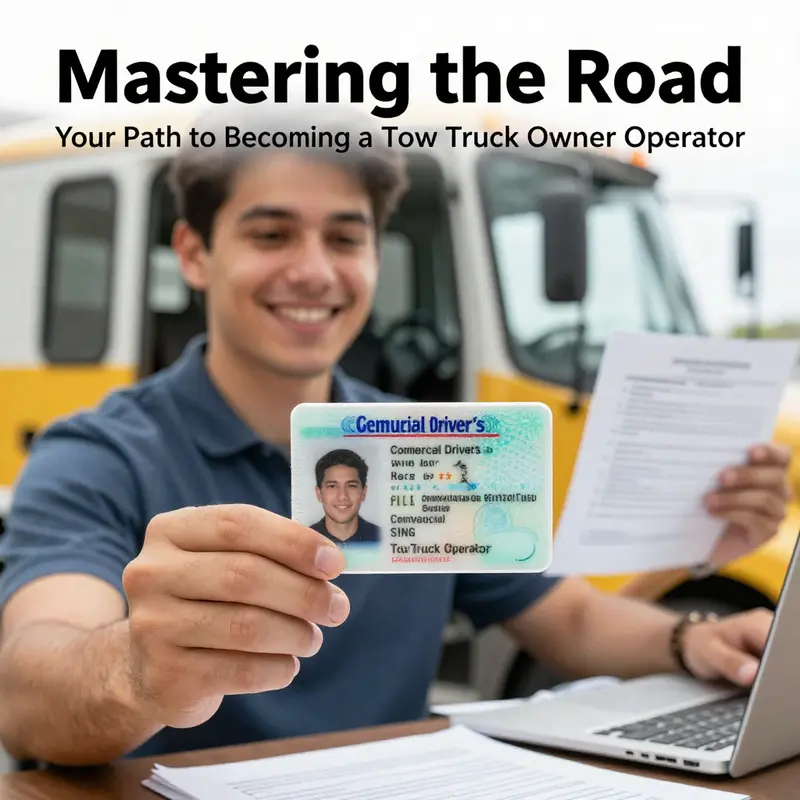
First comes the gatekeeping of eligibility. In most places, you must be at least 18 years old, though many employers and jurisdictions place a higher threshold, often 21. The next crucial step is obtaining a Commercial Driver’s License with the appropriate endorsement for the type of tow you intend to operate. The license you’ll typically target is Class B, which covers larger vehicles used for towing and recovery. Passing both the knowledge tests and the practical road skills test is standard, and a clean driving record is expected. Beyond the CDL, a hands-on grasp of vehicle mechanics and towing procedures becomes your practical ballast. You’ll be expected to demonstrate competence in hitching, winching, stabilizing loads, securing cargo, and the safe handling of a vehicle that might be damaged or unstable in the course of a tow. A background check is a routine hurdle in many jurisdictions, reflecting the sensitive nature of roadside work that frequently intersects with vulnerable motorists and high-stakes situations. This blend of licensing, skill, and character checks creates a baseline of safety that protects the public, your future customers, and your own business reputation.
Once the personal qualifications are established, the emphasis shifts to turning a vehicle into a legitimate business operation. You’ll need to register your business name and structure, obtain an Employer Identification Number from the IRS, and secure any licenses required at the local, state, or federal level. The legal entity you choose—whether a sole proprietorship, LLC, or another structure—will shape everything from taxes to liability exposure and how you contract with customers. In the towing world, this is not cosmetic paperwork; it’s the scaffold that supports contracts, insurance, financing, and the ability to grow beyond a one-truck operation. You’ll want to align your business formation with a plan for risk management that can include a clear delineation between personal and business assets. This is not merely prudent; it is a foundational element of professional standing in the industry.
Insurance is another pillar that sustains professional capacity and public trust. Tow operations are inherently high-risk: you’re moving large vehicles, often under time pressure, in dynamic roadside environments. Comprehensive coverage tailored to tow operations is essential. This typically includes liability coverage to protect against third-party claims, physical damage to the tow vehicle, and cargo coverage for the towed vehicles and equipment in your care. Insurers will scrutinize your operation’s safety procedures, maintenance records, and driving history as part of underwriting. The better your safety culture and the more complete your documentation, the more favorable your insurance terms and the greater your capacity to bid for contracts with bigger clients such as municipalities, dealerships, and repair shops.
Beyond licensing and insurance, there are still regulatory hurdles that can trip new owner-operators if you’re not careful. A standard requirement in many states is to register as a Registered Tow Truck Operator (RTTO) or to register your business with a transportation or public safety authority. The RTTO process often involves submitting application forms, providing a surety bond—commonly around the five-thousand-dollar mark—and presenting proof of insurance that meets the state’s minimum liability standards. These steps are designed to ensure financial responsibility and accountability in case of accidents, property damage, or disputes arising from towing operations. Even if your state uses a different label, the underlying principle remains the same: a formal commitment to responsibility and a mechanism to protect the public and your customers.
As you plan to tackle these steps, it’s essential to recognize the variability across states. Licensing and registration requirements, bond amounts, and even the exact forms you must submit can differ significantly from one jurisdiction to another. What’s standard in one state may be novel territory in another. The most reliable way to proceed is to consult your state’s official DMV or transportation authority website for the precise procedures, current fees, and any recent amendments to regulations. The process can appear labyrinthine, but the payoff is straightforward: clear legal permission to operate, defined boundaries for compliance, and a framework that supports long-term growth rather than short-term risk. If you want a practical entry point into the broader landscape of tow operations, the Island Tow Truck blog offers resources that complement this legal groundwork and help illuminate how other operators navigate the day-to-day realities of compliance and practice.
To illustrate how these requirements come together in a real-world context, consider the typical sequence many new owner-operators follow. You begin with the personal qualifications—ensuring you meet the age threshold and preparing for and obtaining your Class B CDL with the appropriate endorsements. You then pursue the state-specific RTTO or equivalent registration, assembling the necessary paperwork, securing the required bond, and demonstrating financial responsibility through proof of insurance that meets the state’s standards. Parallel to this, you establish your business entity, register the name, obtain an EIN, and apply for any business licenses that your locality or state requires. Alongside these steps, you cultivate a margin of safety by implementing preventive maintenance schedules for your tow truck, standard operating procedures for roadside work, and a system for documenting incidents and customer interactions. Each element reinforces the others: the CDL credentials enable you to operate; the RTTO or equivalent registration legitimizes your business; the insurance and bond protect both you and your clients; and the business registration provides a platform from which you can contract with clients, manage taxes, and pursue growth opportunities.
Where exactly you stand on this map will depend on your location, but the principle remains constant: legal compliance isn’t a hurdle to clear and then forget; it is the backbone of a credible, scalable operation. In some places, you’ll also encounter additional requirements, such as specific training in safety, equipment inspections, or periodic renewals of licenses and registrations. Staying current is not a one-off task but a recurring discipline. It means setting up reminder systems for license renewals, bond renewals, insurance policy reviews, and any mandated continuing education. It also means building a relationship with trusted professionals—an attorney who understands transportation compliance, a stable insurance broker who can translate risk into level premiums, and a compliant, licensed mechanic who can keep your fleet in peak operating condition. The more you invest in understanding and integrating these elements, the better positioned you are to avoid delays, fines, and the kind of reputational hits that can hinder a startup in a service economy.
As you navigate this terrain, you’ll likely encounter questions about how to balance compliance with business growth. It is natural to feel pressure to accelerate entry into the market—after all, demand for towing services can be immediate, especially in certain locales or during emergencies. Yet rushing through licensing and registration can create vulnerabilities that are hard to repair later. The smarter approach is to build a timeline that aligns your compliance milestones with your business development goals. For instance, you might schedule the CDL testing and RTTO registration in a window where you can simultaneously secure provisional insurance coverage and begin building a client network. Early partnerships with local auto repair shops, body shops, and dealerships can begin as soon as you have a legal foothold and a basic maintenance program in place, but you should avoid committing to long-term service agreements before you’re fully compliant. In practice, this means treating compliance as a first-class strategic asset rather than a box to check. It’s the difference between starting with a lean, legally sound operation or a dream that stalls at the gate because you failed to cross one regulatory threshold.
As you close in on securing your place in the market, you may find it helpful to reference official sources for the precise requirements that apply to your state. The path is rarely identical from coast to coast, and that variability is precisely why the official guidance matters so much. For a broad sense of how the licensing landscape is discussed in public resources and to see how the theory translates into practice, you can explore industry-focused content that elaborates on the practical implications of these rules. For additional context on industry basics and how to approach the regulatory landscape, you may consult the Island Tow Truck blog, which collects perspectives and experiences from operators across different jurisdictions. This kind of resource can complement your formal requirements with real-world insights, helping you anticipate bottlenecks, costs, and timelines as you plan your move from concept to compliant operation.
Ultimately, the aim of this groundwork is simple: create a lawful platform that protects you, your customers, and your business partners while enabling you to operate with confidence in a competitive market. When you pair clear licensing, reliable insurance, and a properly structured business with disciplined record-keeping and ongoing professional development, you establish a durable foundation for growth. With the legal box checked, the next chapter can focus on turning that foundation into a practical, market-facing operation. You’ll be ready to think about how to assemble a dependable fleet, secure ongoing contracts, and deliver a level of service that earns repeat business and referrals, while continuing to stay within the boundaries of the law. For many operators, that blend of compliance, capability, and customer trust is what ultimately separates a one-truck venture from a scalable, sustainable enterprise.
External resource: https://www.dmv.ca.gov/online/cdl-requirements.htm
Blueprint for Launch: Setting Up Your Tow Truck Owner-Operator Business
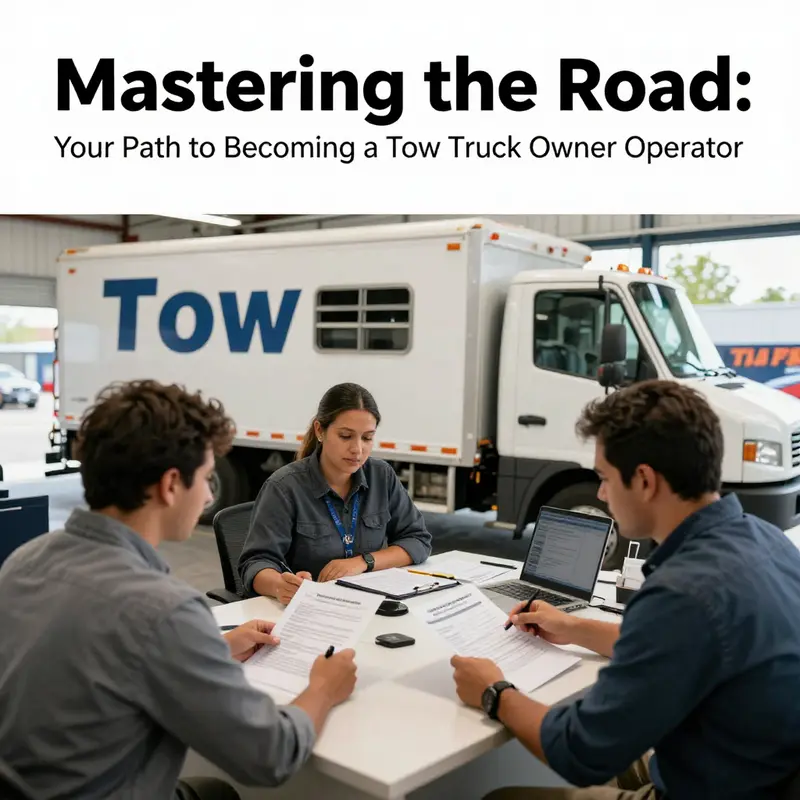
Choosing the right legal foundation and operational framework will determine how smoothly your tow truck business runs. Becoming an owner operator means wearing many hats: driver, mechanic, marketer, financial manager, and safety officer. Every decision you make at the start affects liability, tax obligations, and long-term growth. This chapter walks through the essential steps you must take to convert driving experience into a sustainable business. It ties together business structure, registration, licensing, insurance, equipment, and practical systems that let you operate legally and profitably.
Start with a clear choice of business structure. Many owner operators begin as sole proprietors because setup is simple. That simplicity comes at a price: personal assets stay exposed to business risk. Forming a limited liability company (LLC) offers separation between personal and business assets. Partnerships can work if you share ownership with another trusted person, but they require solid agreements about responsibilities and profit splits. Choose the structure that fits your appetite for paperwork, liability protection, and tax planning. State rules vary, so review your Secretary of State’s guidance before filing.
Once you select a structure, register your business name. Use a name that communicates reliability and professionalism. Register that name with the state so it becomes your business identity. This step also protects the name locally and sets the stage for opening a business bank account. Open a dedicated account without delay. Keeping personal and business finances separate simplifies bookkeeping and protects tax deductions. You will also need an Employer Identification Number (EIN) from the IRS. An EIN is free, easy to obtain online, and required for hiring employees, filing certain tax forms, and establishing payroll if you expand.
Licensing and regulatory compliance come next. Towing is a regulated trade. Check your state and local DMV for towing-specific permits and vehicle registration rules. If you plan to operate trucks with gross vehicle weight above the typical threshold, get the appropriate commercial driver’s license (CDL). Even with smaller trucks, some municipalities require special towing endorsements. Background checks and driving record reviews are common when you contract with municipal agencies or insurance companies. Understand these requirements before investing in a vehicle, so you avoid surprises that could delay operations.
Insurance is not optional. Tow operations carry higher liabilities than many small-business activities. You must secure commercial auto insurance that covers wreckers and tow trucks. Typical policies include liability coverage for third-party damage, physical damage coverage for your vehicle, and cargo coverage for customer vehicles while in your care. Consider additional protections for on-the-job injuries and equipment loss. Work with an agent experienced in towing risks. Make sure policy limits meet the minimums required by local regulations and by contracts with impound yards, municipalities, and private companies.
Equip your truck for safety and efficiency. A reliable tow truck is the backbone of your business. Whether you choose a wheel-lift, flatbed, or combination unit, prioritize mechanical integrity. Invest in core accessories: winches, chains, straps, and rated hooks. Stock safety gear: cones, flares, reflective vests, and a first aid kit. Keep an inventory of spare parts and tools you will need for common field repairs. Properly rated tow equipment reduces the risk of cargo damage and claims. Periodic inspections, maintenance schedules, and clear logbooks will prolong your assets and support insurance claims if incidents occur.
Technology can elevate your service. GPS tracking enhances route efficiency and proof of arrival. A reliable dispatch system helps you manage jobs, track invoicing, and keep customers informed. Consider a simple cloud-based solution to log calls, record payment status, and retain digital copies of release forms. Mobile payment acceptance is increasingly expected by customers at roadside calls. A basic customer relationship record will speed repeat business and referrals.
Pricing and contracts require careful thought. Your rates should cover fuel, maintenance, insurance, loan payments, and a fair owner-operator wage. Research local market rates for hookup fees, per-mile charges, and storage costs. When working with fleet accounts, impound lots, or municipalities, verify contract terms on response time, payment cycles, and liability limits. Use written authorization before towing privately owned vehicles. Create clear release and liability forms to minimize disputes. When in doubt, consult a small-business attorney to draft or review contract language.
Records and bookkeeping form the backbone of sustainable operations. Track every job, expense, receipt, and payroll event. Separate records help you identify profitable routes, costly repairs, and seasonal trends. A simple accounting package will reconcile bank statements, track sales tax if applicable, and generate reports you need for quarterly estimated taxes. Keep copies of all vehicle inspection reports, maintenance logs, and employee training records. These documents matter in insurance claims and regulatory audits.
Marketing and building a steady client base begins locally. Network with auto repair shops, parking enforcement units, dealerships, and roadside assistance providers. These businesses frequently need towing and can provide steady referrals. Offer reliable, courteous service and prompt response times; reputation carries weight in recalls and municipal contracts. List your business in local directories and keep a professional, mobile-friendly website. A clear description of your services and service area avoids mismatched calls. Consider targeted outreach to fleet managers and property owners who require recurring towing or recovery services.
Safety protocols protect your team and your bottom line. Develop standard operating procedures for roadside operations, winching, and loading vehicles. Train for traffic scene management and use of personal protective equipment. Create a simple checklist for each job: vehicle securement, documentation, damage inspection, and post-job cleaning. Emergency response plans should outline steps for injuries, hazardous spills, and vehicle fires. These procedures lower the risk of accidents and strengthen your position with insurers and clients.
Hiring and managing help requires structure. If you hire additional drivers, establish clear qualifications. Require clean driving records, proper endorsements, and routine drug screenings if local rules or contracts demand them. Provide training on equipment use and customer interaction. A written employee handbook helps define shifts, pay, and conduct expectations. Payroll systems and workers’ compensation insurance are legal necessities in many states. Treat employees as assets and invest in their training to keep retention high and turnover low.
Scaling up needs forethought. When demand grows, expand prudently. Add vehicles only after your revenue covers new payments and operating costs. Consider leasing versus buying based on cash flow. Diversify services to include roadside assistance, vehicle recovery, or impound management to smooth revenue across months. Maintain strong relationships with parts suppliers and local repair shops to support faster vehicle turnaround. Monitor margins closely and adjust pricing when fuel or insurance costs fluctuate.
Risk management is an ongoing task. Regularly review your insurance coverage and policy exclusions. Conduct periodic safety audits of equipment and driver performance. Maintain communication lines with lenders, insurers, and municipal clients. A claims-ready file for each incident speeds resolution and reduces long-term exposure. Pay attention to local and federal regulation changes that affect towing standards and driver qualifications.
Finally, commit to continuous improvement. Attend industry workshops, join local towing associations, and subscribe to regulatory updates. Network with peers to learn about efficient routing, equipment longevity, and emerging safety practices. For specific guidance on licensing, vehicle requirements, and federal rules that may affect your operations, consult the U.S. Department of Transportation for authoritative direction: https://www.dot.gov.
To deepen your emergency response capabilities, study existing fleet protocols. Practical fleet response strategies provide templates for staging, communication, and rapid deployment. See a detailed resource on essential fleet emergency response strategies for ideas you can adapt to a small towing fleet: essential fleet emergency response strategies.
Establishing your tow truck business is both legal work and craftsmanship. Choose your legal structure carefully. Secure the right licenses and insurance. Outfit trucks to operate safely. Build systems for dispatch, bookkeeping, and customer service. With disciplined operations and steady outreach, you move from day-to-day survival to a predictable, scalable enterprise. Stay organized, protect your assets, and keep improving. That approach turns a single tow truck into a resilient business you can rely on.
Insuring Your Business and Equipping Your Rig: The Owner-Operator Playbook
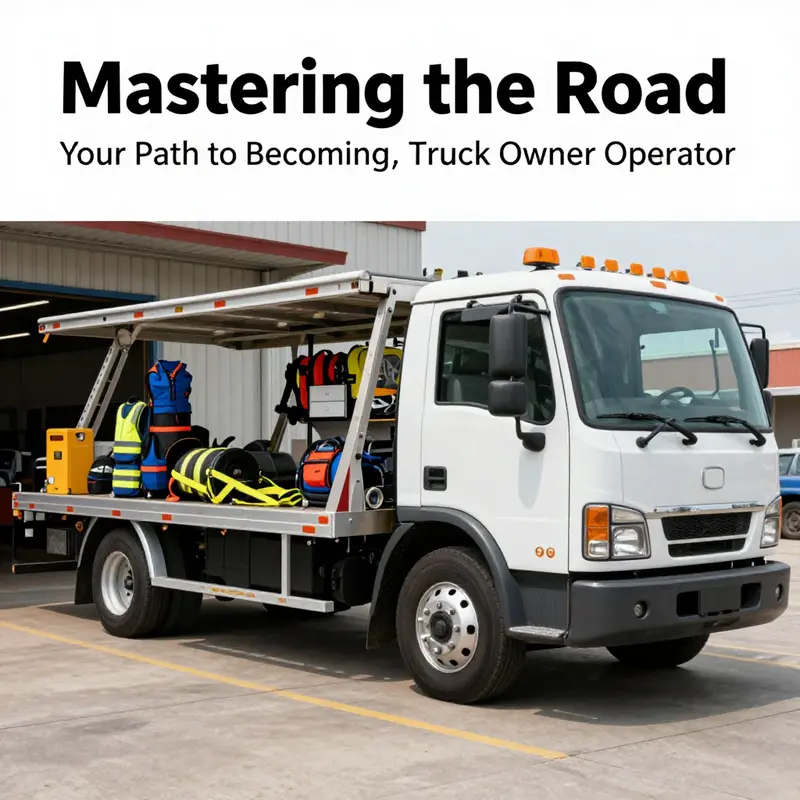
Insurance and Equipment: The Owner-Operator Playbook
Becoming a successful tow truck owner operator means running two businesses at once: a roadside recovery operation and a risk management company. Your truck and tools are the visible edge of the work, but insurance and equipment choices form the backbone that keeps you solvent, compliant, and ready for whatever the road throws at you. Treat insurance as a strategic investment and equipment as capital that protects revenue. Both require deliberate selection, disciplined maintenance, and a clear plan for how they work together when incidents happen.
Start with insurance because it shapes how you operate and what equipment you must carry. Commercial auto liability is non-negotiable; it protects you when your truck damages someone else’s vehicle or causes injury. For most owner operators, minimum limits that make sense begin around $1 million, as tow-related incidents can quickly escalate into large claims. Physical damage coverage—comprehensive and collision—keeps your truck in service after a crash, theft, or weather loss. Without it, a single serious claim can wipe out your primary revenue asset.
Beyond those fundamentals, specialized coverages matter as much as the deductibles you choose. Cargo or property damage liability covers vehicles while in transit. Theft and vandalism in a storage yard can be covered under garage liability or specific storage endorsements. Towing and labor expense coverage reimburses the operational costs of towing jobs when they fall outside standard billing or when you’re ordered by impound authorities to move a vehicle. Uninsured and underinsured motorist coverage protects you when another driver at fault has inadequate coverage. These pieces reduce the likelihood that a single incident becomes an existential crisis for your business.
Choosing limits and endorsements is not about the cheapest premium. It’s about matching exposure to policy language. Two policies with similar price tags can vary dramatically in what they cover. Read the declarations and policy forms. Ask your broker to show examples of claims that are included and excluded. Request plain-language summaries of any ambiguous clauses. A reputable insurer with strong claims handling will be worth a few hundred extra dollars a month when you need them. Insist on fast claims response times, clear communication channels, and local adjusters familiar with towing operations.
Insurance and equipment choices are linked. The wrong equipment increases the chance of a claim; the right equipment reduces it. Think of your tow truck as a platform: choose a chassis and body that match the weight and types of vehicles you will handle. Flatbeds are the safest choice for many modern vehicles, especially heavier vehicles and electric cars with low ground clearance and battery packs. Wheel-lifts and hook-and-chain methods remain useful for certain scenarios, but they increase the risk of drivetrain and body damage when used improperly. Decide which jobs you will accept and equip the truck accordingly.
Invest in durable recovery systems: winches with rated capacity above the maximum vehicle weight you expect to handle, reinforced anchor points, and straps rated to industry standards. Avoid improvisation; using the wrong method or underspecified gear is a common cause of damage claims. Carry a calibrated scale or have established charts to estimate vehicle weights, especially when dealing with SUVs, heavy-duty trucks, or electric vehicles. Weight rating compliance protects your truck’s suspension, braking, and legal limits for road use.
Safety and visibility equipment play double duty: they protect people and reduce liability. High-quality lighting, reflective signage, and traffic control devices decrease the chance of secondary collisions while you work. Personal protective equipment for you and any crew—gloves, eye protection, high-visibility garments, and weather-appropriate clothing—helps avoid injury claims and demonstrates due care. Document that you trained staff on their use; insurers value documented safety programs when underwriting and settling claims.
Maintenance is where policies meet reality. An aggressive preventive maintenance schedule reduces roadside failures that can lead to accidents or delayed responses. Keep detailed records: date, mileage, work performed, parts replaced, and who approved the work. These logs support warranty claims, help with resale value, and strengthen your position in insurance disputes. Regularly inspect recovery gear for wear, corrosion, and proper operation. Replace straps, chains, and cables on a known schedule instead of waiting for failure.
Operational habits matter as much as hardware. Use pre-tow and post-tow checklists to document vehicle condition, strap placement, and operation steps. Take photos before loading and after securing any vehicle you tow. Time-stamped photos and notes are invaluable evidence if a customer later claims pre-existing damage or alleges your crew caused new damage. Digital recordkeeping—photos, work orders, invoices, and GPS logs—streamlines claims and helps you demonstrate adherence to best practices.
Think holistically about your workspace. If you store vehicles, your yard needs secure fencing, controlled access, and perimeter lighting. Surveillance cameras and gate logs deter theft and provide clear evidence on disputes. Garage liability insurance will interact with your physical security choices; insurers often offer better terms when you can show robust loss-prevention measures. Keep arranged parking that prevents crushing or damage between towed vehicles, and post clear signage about customer liability and storage fees.
Financial planning for equipment is critical. New, high-quality gear reduces downtime and claims but comes with higher upfront cost. Consider financing options that match equipment life to loan term. Reserve funds for unexpected replacements; a reserve reduces pressure to accept high-risk jobs out of cashflow need. Factor in depreciation, routine upgrades, and seasonal requirements—like extra heavy-duty chains and snow equipment if you operate in winter climates.
Training is an extension of equipment. A well-equipped truck in untrained hands is still a liability. Invest in hands-on recovery training for yourself and any crew you hire. Document certifications and refreshers. A documented training program not only improves safety but also often results in lower insurance premiums. Training should cover new vehicle technologies: EV recovery procedures, lithium battery hazards, and manufacturer-specific towing instructions. If you handle commercial vehicles, secure knowledge of load securement rules and weight distribution practices.
Claims handling deserves a process. When an incident occurs, secure the scene if safe, document everything, collect witness information, and notify your insurer promptly. Use your phone to record audio or video where lawful and appropriate. Keep a single point of contact for claims so communications are consistent. A quick, professional response reduces escalation and preserves relationships with customers and law enforcement.
Finally, build relationships that broaden capacity. Network with repair shops, dealerships, and local enforcement. These partners can steer appropriate jobs to your truck and help when specialized lifting or storage needs exceed your equipment. Consider joining or reviewing guidance on larger-scale emergency response planning to align your procedures with municipal expectations—resources on essential fleet emergency response strategies can give useful frameworks for coordination and mutual aid.
Equipment and insurance must evolve as your business grows. Reassess your policies and gear annually and whenever you add new services. Adding light-duty flatbeds, heavy-haul capabilities, or impound storage will change exposures and likely require endorsements or new coverage. Likewise, adding specialty equipment—like remote winches, underlift adapters, or EV-specific adapters—should be reflected in policy schedules and maintenance plans.
The right combination of coverage, durable equipment, disciplined maintenance, and documented procedures shields your assets and your reputation. Think of insurance as a contract you must understand and manage, not a checkbox. Treat equipment as a capital investment that requires lifecycle planning. Together, these elements let you accept jobs confidently, defend against claims effectively, and grow without constantly reacting to preventable losses.
For a practical checklist and deeper operational strategies that fit small fleets and solo operators, review a focused resource on towing careers and business setup at the following external guide: https://www.indeed.com/career-advice/finding-a-job/how-to-become-a-tow-truck-driver
For insights that help integrate resilience into your daily operations, see the guide on essential fleet emergency response strategies: https://theislandtowtruck.com/essential-fleet-emergency-response-strategies/
Growing a Reliable Client Base: Practical Strategies for Tow Truck Owner Operators
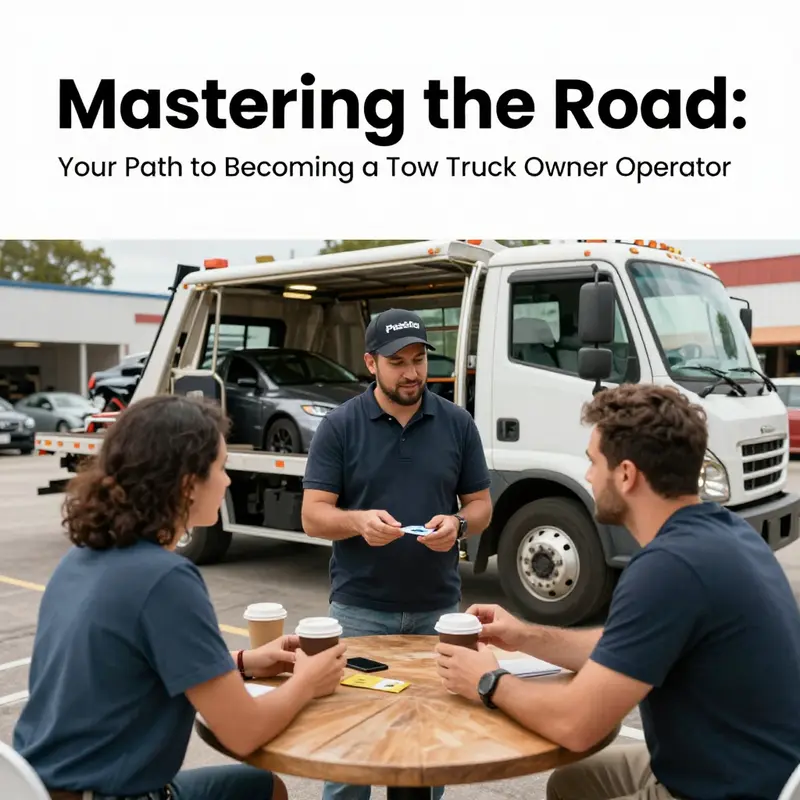
Growing a Reliable Client Base: Practical Strategies for Tow Truck Owner Operators
Building a client base for your tow truck business is more than chasing calls. It is shaping a reputation that brings steady work, predictable revenue, and opportunities to specialize. Start with a clear view of who you serve and why they would choose you over others. Define a service profile that matches your equipment, skills, and local market needs. If your rig is a light-duty flatbed, aim for roadside assistance, dealer transports, and low-clearance vehicle moves. If you operate heavy recovery rigs, target accident recovery, commercial fleet support, and municipal contracts. Specialization helps you craft precise marketing messages and differentiate your service in a crowded field.
Once you know your niche, align every outward-facing detail with that focus. Your pricing, service area, estimated response times, and even the photos on your website should reinforce the message. Clients search for reasons to trust you quickly. A clear promise such as “fastest safe recovery in X county” or “specialists in low-clearance and luxury vehicle transport” sets expectations. Match that promise by maintaining equipment that supports your claims. A hydraulic winch with rated capacities, secure flatbed tie-down systems, and well-kept safety gear are not optional. They reduce damage risk and speed jobs, which both improve customer satisfaction and lower costs over time. For technical reference on winch systems and specifications, review the material linked below.
Reliability is the single most powerful client retention tool you own. Answer calls promptly. Provide realistic ETAs. Arrive in uniform or clearly marked vehicles when possible. Be polite and calm under pressure. A tow call often comes at a stressful moment for the client. Professionalism turns anxiety into appreciation. Build simple scripts for dispatch conversations so your crew collects the right information every time: vehicle make, exact location, condition, and any hazards. Use that information to plan tools and personnel required for the job. Fewer surprises mean faster turnarounds and better reviews.
Use basic digital tools to manage relationships and repeat business. A lightweight client-management system keeps service histories, invoice records, and follow-up reminders. Track which local shops, dealerships, and insurance adjusters send the most work. Monitor response time and first-time success rates. These metrics identify where you should invest training or equipment. Automate reminders for recurring clients with fleet accounts. A short, courteous check-in message after a major job can convert a single call into a standing referral source.
Partnerships amplify your reach faster than cold marketing. Call garages, collision centers, and car dealerships in your service area. Offer a trial period or priority scheduling for partners who commit to sending work. Meet insurance adjusters and explain your damage-prevention processes. Municipal and highway agencies often list preferred vendors; pursue those relationships with documentation of your safety practices and proof of insurance. Consider attending local trade group meetings and chamber events where fleet managers gather. Those conversations create awareness and trust in person, which translates into steady contracted work.
Marketing still matters, but it should be precise. Create a professional online presence that highlights your niche. A single page that states your service area, typical response times, insurance and bonding info, and contact methods can win calls. Maintain an accurate Google Business profile so local customers find you. Use benefit-focused messaging rather than generic claims. If you serve luxury vehicles, explain your secure loading and padding methods. If you respond to emergencies, share average arrival windows and crew training levels. Encourage satisfied customers to leave reviews. Real feedback improves search visibility and converts hesitant clients.
Referral and loyalty programs work for towing too. Offer small incentives for shops that refer repeatedly or for customers who schedule multiple transports. A simple discounted rate after a certain number of jobs creates loyalty and predictable cash flow. Offer account terms for fleet customers that include monthly billing and a service-level agreement. Clear contracts protect you and set client expectations about response times, fees, and damage liability. Keep contracts concise and readable, and always get signed authorization for special recovery work.
Pricing communicates value. Avoid undercutting as a default strategy. Low rates attract low-margin jobs and unreliable clients. Instead, price to reflect your specialization and reliability. Offer tiered options: emergency response at a premium, standard transport at a lower rate, and scheduled pickup with a discounted flat fee. Provide transparent fee schedules that list common surcharges, such as winching, long-distance hauls, or heavy recovery. Transparency reduces disputes and builds trust.
Operational excellence keeps clients coming back. Maintain a rigorous maintenance schedule for your trucks and equipment. Train for safe, efficient recoveries and document that training. Keep a simple operations manual that covers job intake, scene safety checks, equipment selection, and billing. Use checklists for complex recoveries so nothing is missed under pressure. Accurate, professional invoices speed payment and present you as a dependable business partner.
Leverage data to refine your client portfolio. Track job frequency, average job value, and client profitability. Identify accounts that cost more in time than they return in revenue. For high-touch clients, record special preferences and common issues. Tailor service plans to increase the lifetime value of those relationships. At the same time, recognize when to decline low-value work or refer clients to a more suitable provider. Being selective protects margins and preserves your reputation for quality.
Build a predictable pipeline by blending reactive and proactive work. Reactive calls arrive at all hours. They are essential but volatile. Balance that with proactive contracts: scheduled transports, fleet support agreements, and municipal or commercial accounts. Proactive work smooths cash flow and allows you to allocate resources deliberately. When approaching potential long-term clients, present a simple proposal that outlines benefits, response expectations, and a pilot period. Back your promises with references and clear terms.
Communication keeps relationships healthy. After every job, record brief notes about the interaction and any follow-up needed. A same-day thank-you message or invoice helps reinforce competence. For fleet or dealership clients, schedule quarterly check-ins to review performance metrics and adjust service levels. These meetings reveal issues early and demonstrate your commitment to continuous improvement.
Safety and compliance are non-negotiable parts of client retention. Carry appropriate insurance and current operating permits. Train on load securement, hazard recognition, and scene control. When clients see documentation that you meet or exceed standards, they feel safer referring business to you. Public agencies and large fleets often require proof of training and equipment specifications before awarding contracts.
Local reputation can be your most powerful marketing channel. Sponsor a community event or support a local roadside safety campaign. These actions raise brand recognition and show you invest in the community you serve. Encourage your team to present a consistent, tidy appearance. A well-maintained truck and courteous crew create word-of-mouth referrals that cost nothing.
Emergency preparedness matters for both service quality and partnerships. Demonstrate that you can respond reliably in severe weather or peak travel times. Share your continuity plans with large clients and agencies. That assurance often wins preferred status during outages or disasters. For further guidance on developing fleet-level response plans and working with emergency managers, see this resource on essential fleet emergency response strategies: essential fleet emergency response strategies.
Finally, invest in reputation-building content. Short how-to videos explaining safe vehicle pickup or articles that clarify charges reduce client confusion. Publish simple guides for drivers who need to prepare vehicles for towing. Useful content positions you as an expert and increases trust. Over time, a steady stream of helpful interactions builds a client base that values your reliability, pays on time, and refers new business.
For equipment details that affect service capabilities, such as winch selection and material grades, consult technical references that outline specifications and industrial implementation. This helps you choose gear that matches the jobs you plan to dominate: https://www.example.com/hydraulic-tow-truck-winches
Combine specialization, consistent professionalism, and intelligent outreach. Focus on a few strong partnerships, deliver exceptional service, and use clear contracts and communication to secure repeat work. As your reputation grows, scale deliberately: add trucks that expand your niche or deepen your capacity in high-value sectors. The result is a stable, profitable client base that supports long-term ownership and growth.
Final thoughts
The journey to becoming a tow truck owner operator encompasses several aspects—from understanding the legalities to building a solid client base. Each chapter in this guide is designed to arm you with the knowledge and skills necessary to navigate the complexities of the towing industry effectively. By prioritizing legal compliance, careful business establishment, proper investment in equipment and insurance, and leveraging community connections, you are not just starting a business; you’re investing in a critical service that supports your local community.