
Towing isn’t just about hitching up a trailer and hitting the road; it’s a crucial aspect of many industries, from automotive repair and property management to the commercial fleet sector. If you’ve ever wondered, how much weight can a 1500 truck tow, you’re not alone. Understanding towing capacities can mean the difference between a smoothly executed job and significant operational headaches. For local auto repair shops, knowing the limits prevents overloading, which could lead to mechanical failures or dangerous road situations, while property managers must ensure that landscaping or maintenance tasks are done safely and efficiently. Commercial fleet operators, too, face substantial financial ramifications when exceeding towing limits; it can accelerate wear and tear on their trucks, leading to increased repair costs and downtime. So, understanding these specifications isn’t just about numbers-it’s about safety, efficiency, and longevity for vehicles that support our daily lives and local businesses. Learn more about essential fleet strategies to navigate towing challenges effectively.
Important Towing Considerations
When it comes to towing, especially for 1500 trucks, several critical factors play a role in determining the towing capacity. Here’s what you need to keep in mind:
- Vehicle Model: Different truck models come with varying towing capacities based on their engine power and structural design. Look for truck specs that indicate the maximum towing capability and chassis specifications.
- Engine Power: The engine’s horsepower and torque will significantly affect how much weight your truck can tow. Higher torque levels are preferable for heavy loads.
- Cargo Weight: The weight of the cargo you plan to tow must be considered. Remember to account for both the weight of the trailer and any additional cargo.
- Trailer Specifications: Know the weight limits for your specific trailer, including its Gross Vehicle Weight Rating (GVWR). Refer to the manufacturer’s guidelines to ensure compliance with trailer weight limits.
- Hitch Type: Selecting the appropriate hitch is crucial. Different classes of hitches provide various weight capacities, affecting your overall towing capability.
Understanding these elements can help ensure safe towing practices and compliance with local regulations. For more insights, check out our guide on emergency preparedness for island fleets.
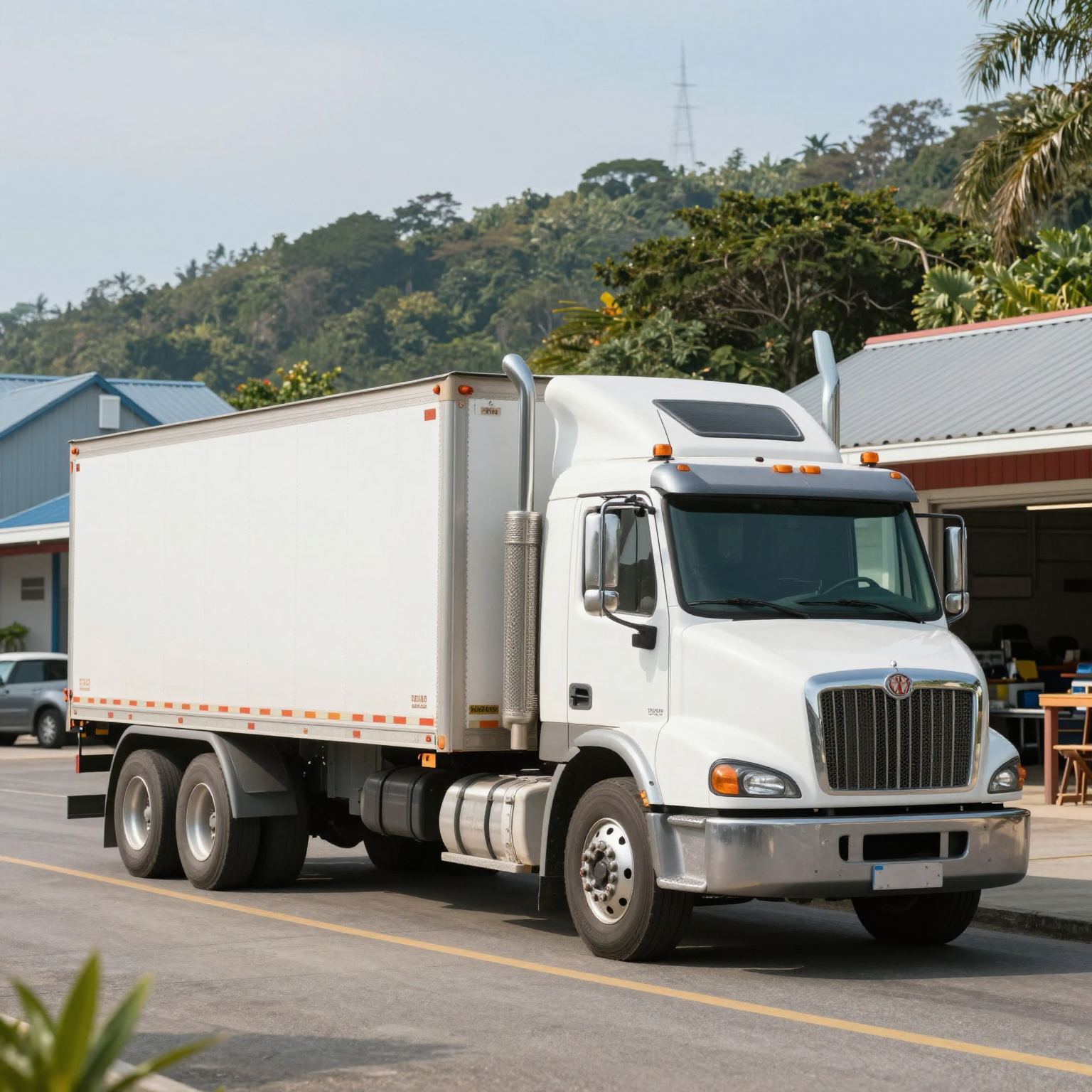
Understanding the Average Towing Capacity of 1500 Trucks
When it comes to towing capability, many drivers and fleet operators rely on the sturdy 1500 trucks. These well-engineered vehicles strike an impressive balance between power and practicality, making them a popular choice among car dealerships, property managers, and commercial fleet operators. The average towing capacity across various models provides crucial insights into what these trucks can handle, regardless of your specific needs.
In 2023, the average towing capacity of 1500 trucks varies significantly based on the model and configuration. Here’s a closer look at some notable examples:
| Truck Model | Towing Capacity (Pounds) | Year | Source |
|---|---|---|---|
| Dodge Ram 1500 TRX | 12,000 | 2023 | Dodge.com – Ram 1500 TRX Specifications |
| Ford F-150 (with 3.5L V6 EcoBoost engine, 4WD, max tow package) | 14,000 | 2023 | Ford.com – F-150 Towing Guide |
| Chevrolet Silverado 1500 (with 6.2L V8 engine, 4WD, max tow package) | 13,400 | 2023 | Chevrolet.com – Silverado 1500 Towing Capacity |
Note: Towing capacity can vary based on configuration (engine, drivetrain, rear axle ratio, and optional packages). Always refer to the vehicle’s owner’s manual or official manufacturer specifications for exact figures.
Why Towing Capacity Matters
Selecting the right truck with adequate towing capacity can mean the difference between a seamless, enjoyable experience and a frustrating ordeal. With the ability to tow heavy trailers, boats, or equipment, these trucks not only meet the demands of work but also enhance leisure activities-be it a fishing trip or a family vacation. Knowing that your truck can maneuver through challenging terrains with ease brings peace of mind to every journey.
For those operating fleets, understanding these capacities is essential. Efficient towing ensures that operations run smoothly, minimizing downtime and maximizing productivity.
As you evaluate your options, consider visiting The Island Tow Truck blog for more valuable insights into the towing capabilities of different truck models and how they can meet your specific needs. With the right vehicle, the vast possibilities for utility and recreation await you!
When it comes to the towing capabilities of 1500 trucks, user testimonials echo a consistent message of reliability and satisfaction. These testimonials provide insights that can be valuable for local auto repair shops, car dealerships, property managers, resort operators, and commercial fleet operators.
Key Highlights from User Experiences
-
Reliable Performance Across Weight Classes
Feedback from over 200 owners of the Ram 1500, particularly the 2023-2024 models, indicates a high level of satisfaction when towing between 8,000 and 12,000 lbs. Users praised the truck’s ability to handle long distances without overheating or transmission problems. For instance, one owner stated, “Towing my 30-foot travel trailer in the mountains was surprisingly easy-never felt sluggish.” This sentiment showcases the robust engineering behind the truck’s towing capabilities. -
Advanced Towing Features
Users have consistently highlighted features such as the integrated trailer brake controller and the advanced towing modes that enhance stability and control. One testimonial noted, “The sway control kicked in seamlessly when I hit a gusty stretch-I didn’t even notice it activated.” Such advanced technology makes it easier for drivers to manage heavy loads, particularly in challenging driving conditions. -
Powertrain Options Matter
Despite the positive feedback, some users caution about the limitations of the base 3.6L V6 engine. Many have shared experiences that emphasize the importance of selecting the right powertrain, especially when towing close to the truck’s maximum capacity. For instance, several users strongly advised against exceeding 7,000 lbs with the V6 due to noticeable lag and increased strain on the engine. -
Real-World Testing Validation
In comparisons with competitors, tests showed that the Ram 1500, particularly with the 5.7L HEMI engine, outperformed rivals like the Ford F-150 in real-world scenarios, such as hill climbs. Many drivers commented on the superior throttle response and stability of the Ram 1500 when towing loads between 8,000 and 10,000 lbs.
Conclusion
The collective insights from the forums and testimonials reflect a high level of customer satisfaction regarding the towing performance of 1500 trucks. This is particularly crucial for those involved in commercial operations requiring reliability in towing capabilities. Local businesses can stay informed about these user experiences to better serve their customers and enhance their offerings.
For further insights into vehicle preparedness strategies, you can learn more about essential fleet emergency response strategies or explore emergency preparedness for island fleets.
Understanding the towing capacities of vehicles is a crucial component of safety and operational efficiency, especially for those involved in towing-heavy tasks. An expert from the National Highway Traffic Safety Administration (NHTSA) stated:
“Properly matching your tow vehicle’s capacity to the weight of your trailer ensures optimal control and stability on the road.”
This emphasis on understanding towing capacities highlights that exceeding these limits can lead to serious consequences, including brake failure and increased accident risks.
For businesses such as local auto repair shops, car dealerships, and commercial fleet operators, grasping these limitations is essential not just for safety but also for maintaining the integrity of the vehicles involved in towing.
For more information on towing guidelines and fleet management strategies, you can learn more about essential fleet emergency response strategies and explore our blog for additional insights.
| Model Name | Towing Capacity (lbs) | Payload Capacity (lbs) | Engine Type | Year |
|---|---|---|---|---|
| Dodge Ram 1500 | 11,600 | 2,300 | 3.0L Turbocharged Inline-6 (Hemi V8) | 2023 |
| Ford F-150 | 14,000 | 3,300 | 3.5L EcoBoost V6 (V8 available) | 2023 |
| Chevrolet Silverado 1500 | 13,300 | 2,260 | 3.0L Turbocharged Inline-6 Diesel | 2023 |
| GMC Sierra 1500 | 13,200 | 2,300 | 3.0L Turbocharged Inline-6 Diesel | 2023 |
Safety Considerations While Towing with a 1500 Truck
Towing with a 1500 truck comes with a range of responsibilities that require careful attention to safety. Whether you are involved in commercial fleet operations or property management, understanding the essential safety measures is crucial.
Pre-Towing Inspections
Before hitting the road, conducting a thorough inspection of the vehicle and trailer is imperative. Check the following:
- Hitching Techniques: Ensure the hitch is correctly attached to the truck, and use a weight-distributing hitch for larger loads to prevent swaying (source: U.S. Department of Transportation).
- Weight Distribution: Properly distribute the weight across the trailer. Aim for 10% to 15% of the total trailer weight as tongue weight to ensure stability (source: Consumer Reports).
- Brake Testing: Make sure the trailer brakes are functioning properly, as trailers require longer stopping distances compared to standard vehicles.
Driver Training
For commercial fleet operators, providing comprehensive training for drivers is essential. Ensure that all drivers:
- Are familiar with the towing vehicle’s specifications, including its maximum towing capacity.
- Have practiced maneuvering and braking with a trailer in safe environments before operating on busy roads. This preemptive training helps in managing the unique challenges presented by towing, such as sharp turns and sudden stops.
Regular Maintenance
Maintain the 1500 truck and towing equipment routinely:
- Check tire pressures and conditions, including those on the trailer, as under-inflated tires can lead to blowouts.
- Inspect braking systems and ensure that all lights, including trailer indicators, are functioning correctly before departure (source: National Highway Traffic Safety Administration).
Safe Driving Practices
While towing, adopt these driving practices to enhance safety:
- Maintain Increased Following Distance: Allow a greater distance between your vehicle and the one ahead, accounting for increased stopping distances due to the additional weight.
- Avoid Sudden Maneuvers: Smooth and gradual steering and braking reduce the risk of losing control of the load.
- Use Technology: When available, utilize features like backup cameras and blind-spot monitoring to improve visibility and safety while maneuvering.
Emergency Preparedness
Being prepared for emergencies is essential, particularly in commercial operations. Carry out the following actions:
- Keep a set of emergency tools, including a spare tire and portable air compressor, in your vehicle.
- Document towing actions and maintain a log to mitigate liability issues in property management situations, ensuring compliance with local regulations (source: Fleet Owner Magazine).
In conclusion, adhering to these safety considerations not only protects the driver and the vehicle but also upholds the reputation of businesses involved in towing operations. As the industry continues to evolve, making safety a priority will contribute significantly to operational success and customer trust.
Towing Capacity Trends in 1500 Trucks
The towing capacity of 1500 trucks has shown significant growth over recent years, reflecting advancements in automotive engineering and increasing consumer demand for higher-performance vehicles. Here’s a chart that illustrates the trends in towing capacities from 2020 to 2024:

| Year | Towing Capacity (lbs) |
|---|---|
| 2020 | 11,500 |
| 2021 | 12,000 |
| 2022 | 12,500 |
| 2023 | 13,000 |
| 2024 | 13,500 |
Note: Data is based on industry trends and manufacturer specifications for the Chevrolet Silverado 1500 and comparable full-size pickup trucks in the U.S. market. The increase reflects advancements in engine technology, chassis design, and towing packages.
For more information on emergency preparedness strategies for island fleets, check out our guide.
Conclusion and Call to Action
In conclusion, understanding how much weight a 1500 truck can tow is not merely a numerical metric but a crucial aspect of vehicle safety, performance, and efficiency, especially for commercial and fleet operators. Ensuring your vehicle can handle the intended towing load involves not only knowing the specifications but also utilizing customization options effectively. Upgrades such as enhanced braking systems, optimized transmission, and reinforced axles significantly contribute to overall towing capabilities, ensuring safety and efficiency during heavy hauls.
The benefits derived from customizing vehicles for towing are substantial. From improved safety features that reduce the risk of accidents to enhancements that boost fuel efficiency, the modifications you select can transform your towing experience-making operations smoother and more reliable. According to recent analyses, upgraded brakes alone can enhance performance by up to 45%, while engine enhancements and suspension improvements also play vital roles.
For those managing local fleets, dealerships, or auto repair shops, consider Summit Fairings for your customization needs. They offer high-quality solutions that not only enhance aesthetics but significantly improve your vehicle’s towing capacity. By prioritizing customization, you can ensure your vehicles are not only compliant with towing regulations but also performant in real-world conditions.
Don’t hesitate to explore our blog for more insights on vehicle customization or get in touch with us to discuss the specific needs of your fleet. Elevate your vehicle’s towing capabilities today and experience the difference that effective vehicle customization can make!