
Understanding towing costs is essential for everyone from auto repair shops to fleet operators – especially in island settings where unique challenges arise. Towing fees can fluctuate based on multiple elements such as distance, vehicle type, and even the time of day, leaving many businesses unsure of how to budget for these necessary services. This article unpacks the various factors that influence tow truck fees, providing local businesses with clarity and insights to help manage expenses effectively. By breaking down costs by distance, vehicle type, and additional fees, we’ll empower you to navigate towing services with confidence so you can focus on what matters most—serving your customers.
Tow Tollways: Decoding the Real Cost of a Tow Truck Ride
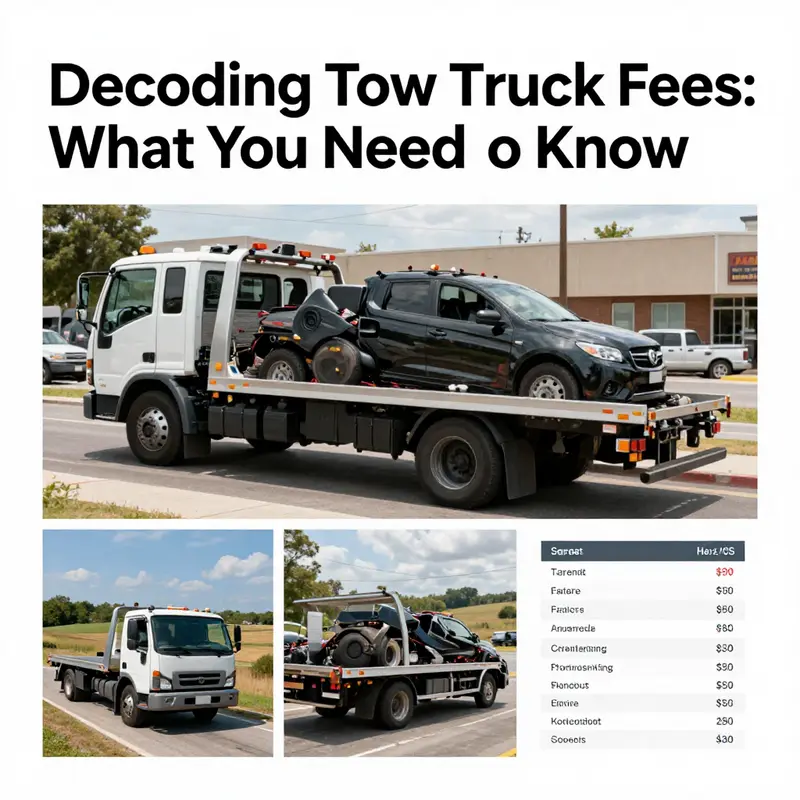
When a vehicle breaks down, the quarry of questions begins to form almost as quickly as the emergency roadside scene itself. How much will this tow cost? What hidden fees might lurk in the fine print? And how can a driver protect themselves from being blindsided by a price that feels more like a moving target than a concrete figure? The honest answer is that tow truck fees are not a single fixed number. They emerge from a blend of factors that interact in predictable, yet sometimes surprising, ways. The price you see is rarely driven by a single variable; it is the result of a calculation that weighs distance, vehicle characteristics, timing, location, terrain, and the policies of the service provider. Understanding that interplay not only helps a motorist prepare for the bill before a tow happens, it also makes it easier to choose a service strategically in a moment of stress and urgency. In practice, this means recognizing which elements have the most leverage over the final sum and how to negotiate or verify a quote with clarity and confidence.
Distance traveled is typically the most influential factor, and it often serves as the backbone of the pricing structure. Most tow outfits operate with a base fee that covers the first few miles, followed by either a per-mile or per-kilometer rate for any distance beyond that threshold. When you break down real-world examples, the pattern becomes clear even if the exact numbers vary by region. A short distance, say around five miles, might land you in the neighborhood of seventy-five dollars under many plans. This aligns with a common industry expectation: the base is meant to cover the hook-up and initial maneuvering, while the incremental miles accumulate the rest. On the other end of the spectrum, a longer journey—fifty miles or more—can push the total past three hundred dollars, or higher depending on the route, terrain, and the company’s mileage scale. Some operators describe a “hook and roll” model, where a fixed hookup fee is charged upfront and a separate mileage rate applies per mile towed. That type of structure mirrors the practical reality of mobilizing heavy equipment, staffing, fuel burn, and logistical planning required for longer hauls. The fundamental lesson here is straightforward: the nearer you are to the starting base, the more the quote will resemble the base fee plus a modest mileage sum; the farther you go, the more the per-mile component shapes the final bill, and occasionally the base itself rises to reflect the additional complexity of maintaining a longer engagement.
Vehicle type and size inject additional nuance into the cost picture. The size, weight, and purpose-built requirements of a vehicle dictate the equipment and manpower needed to complete the tow safely and efficiently. Small cars and compact sedans typically ride on standard tows because the regular equipment can handle their profile with minimal risk. Larger vehicles—think mid-size SUVs, MPVs, or light-duty trucks—often trigger incremental charges for larger tow trucks or extra operators who must assist during loading, securing, and transport. The difference can be modest, perhaps an extra fifty dollars or so, but it compounds as the vehicle weight climbs. Heavy vehicles, including full-size pickups and commercial vans, demand heavy-duty rigs and, by extension, higher costs. In some cases, the price tag for a heavy tow can double relative to a basic car tow if the job requires specialized gear, extra crew, or more time to maneuver a heavier chassis safely. Luxury or high-performance cars add yet another layer of consideration. When the vehicle requires specialist handling, extra straps and protection, or careful alignment to avoid damage, a premium is not unusual. In all these scenarios, the responsibility of the tow operator to protect the vehicle translates into additional labor, equipment wear, and the possibility of matching or exceeding the base rate with a supplemental charge.
Time of service and urgency are the wildcards that often tilt the total cost in the moment. Roadside incidents rarely occur on a predictable schedule, and emergency response can impose immediate, tangible costs. A common pattern across markets is a nighttime premium. Between ten in the evening and early morning, many providers add a substantial uplift—often in the range of thirty to fifty percent—to compensate for staffing and the inconvenience of off-hours work. Weekends and holidays amplify the effect, as demand rises while the crew must be available around the clock. In peak emergency situations, especially those that involve highway incidents or remote locations, a rush or emergency fee can appear, reflecting the pressure and rapid mobilization required to extract the vehicle and transport it to safety or to a repair facility. The upshot is simple: if you can wait for daytime service and are not facing an urgent deadline, you may see a more favorable rate. If the opposite is true, you should anticipate a premium and plan accordingly.
Location and regional costs shape the baseline expectations for tow pricing. Urban centers typically feature higher labor costs, regulated towing rates, and the operational realities of traffic, parking, and access constraints. A base starting point for a small car in a major city might be higher than a similar job in a rural area, even if the distance is only slightly shorter. Conversely, rural tows can require longer drives to reach a repair shop or lot, and the total distance can push the bill higher despite a lower hourly rate. It’s not uncommon for regional differences to yield a few hundred dollars of variance on a comparable job. The broader message is that price transparency benefits from knowing not just the distance but the local market structure, which can influence everything from the base fee to the per-mile charge and from access fees to waiting time.
Terrain and access challenges add another layer of cost, sometimes a sizable one. The road conditions, terrain, and location of the breakdown all affect the technical difficulty of the tow. Steep hills, mountain routes, heavy traffic corridors, construction zones, or private properties that require special access can escalate the time and effort the operator must invest. Difficult environments can carry surcharges that reflect the extra risk or extended duration of the job. In extreme cases, if a vehicle ends up in a precarious position—such as a ditch, a collapsed curb, or a tight alley that demands crane-like maneuvers or other specialized rescue techniques—the additional equipment and labor can morph into substantial fees, occasionally climbing into the thousands. These scenarios are not common, but they underscore why a one-size-fits-all price rarely exists in towing. Instead, the final number often emerges after the dispatcher has weighed the easiest and safest retrieval approach against the most ambitious options that might be required under the circumstances.
Service provider policies and the specifics of the contract also leave fingerprints on the final figure. Reputable operators strive for transparency and will share core charges upfront, but the line between honesty and hidden costs can blur if a company relies on ambiguous terms or vague estimates. Hidden fees, such as waiting time after a grace period, equipment rental, or access charges, can accumulate quickly if the vehicle ends up held at a yard or if the driver must wait for paperwork or secure storage. A prudent consumer practice is to request a detailed estimate before the tow begins and to secure a written agreement that itemizes the base fee, mileage, time-based charges, and any potential access or storage costs. This is not simply a bureaucratic exercise; it is a safeguard against surprise bills when nerves are jangling and options feel limited. When possible, ask the dispatcher to explain the pricing model in plain terms and to provide a realistic price range for the current situation, including a hard cap on the potential charges if the scenario escalates.
The spectrum of additional services further enriches the calculus. For long-distance or cross-region tows, the pricing landscape becomes more complex, and the total can be higher than a local trip due to the extended mobilization, coordination across multiple facilities, and potential cross-state regulations. On-site repairs, if offered, are usually billed separately from the tow and can affect the overall cost, as could any required insurance prerogatives. Insurance requirements, too, can play a quiet but meaningful role. Some policies specify the use of preferred providers or authorize reimbursement only when the service is performed by a network-approved operator. If a driver finds themselves in a situation where an insurer is involved, clarifying coverage in advance can prevent a later dispute over what the policy will cover and what the consumer must pay out of pocket.
Taken together, these elements reveal why the final tow truck fee is not a single fixed number, but a composite sum shaped by distance, vehicle specifics, timing, location, terrain, and the particular pricing practices of the provider. A thoughtful approach during the decision phase can make a considerable difference in the experience and the final accounting. The central recommendation remains simple: always pursue an estimated total before consenting to a tow, and seek clarity on every potential fee that could appear along the way. If you are in a rush or under duress, your best protection is to insist on a written quote that breaks down the base charge, the mileage, any time charges, and all auxiliary fees so you can review them calmly, line by line, without the pressure of the moment.
For readers who want a broader, more regional sense of how pricing can vary and how price research is conducted, the following resource offers practical context and examples that mirror the considerations described here. The Island Tow Truck blog compiles regional insights and pricing dynamics that help readers understand the variability across landscapes and markets. You can explore those discussions here: The Island Tow Truck Blog.
As you prepare for the eventuality of needing a tow, keep in mind the principle of price transparency. Have a plan for how to obtain a precise quote that accounts for the variables above, and know what you’re asking for before the toe truck arrives. Request a breakdown that includes the base fee, per-mile rate, any after-hours premiums, potential access charges, and storage or waiting time if relevant. If possible, inquire about any guarantees or caps on charges in emergency settings. Some operators will offer a cap or a max-not-to-exceed figure when the scenario is uncertain, which can be a valuable safeguard during a stressful moment.
Lastly, broaden the context by recognizing that the practical value of this knowledge extends beyond a single incident. A solid understanding of towing costs supports better decision-making when choosing a service provider, negotiating with dispatchers, and planning for potential repairs after a breakdown. The goal is not merely to minimize the price on a receipt but to maximize the clarity of the entire process—from the moment a tow is contemplated to the moment the vehicle is safely delivered and the bill is settled. When you treat the estimate as a living document that reflects the evolving realities of the call, you empower yourself to navigate the experience with less anxiety and greater confidence. This approach aligns with broader emergency-readiness practices, where anticipation and preparedness reduce stress and improve outcomes when fleets and individuals confront unexpected vehicle failures.
External reference for further reading on consumer guidance related to towing costs can be found here: https://www.consumer.ftc.gov/articles/towing-vehicles
Decoding Tow Truck Fees by Distance: How the Mile Shapes the Final Bill
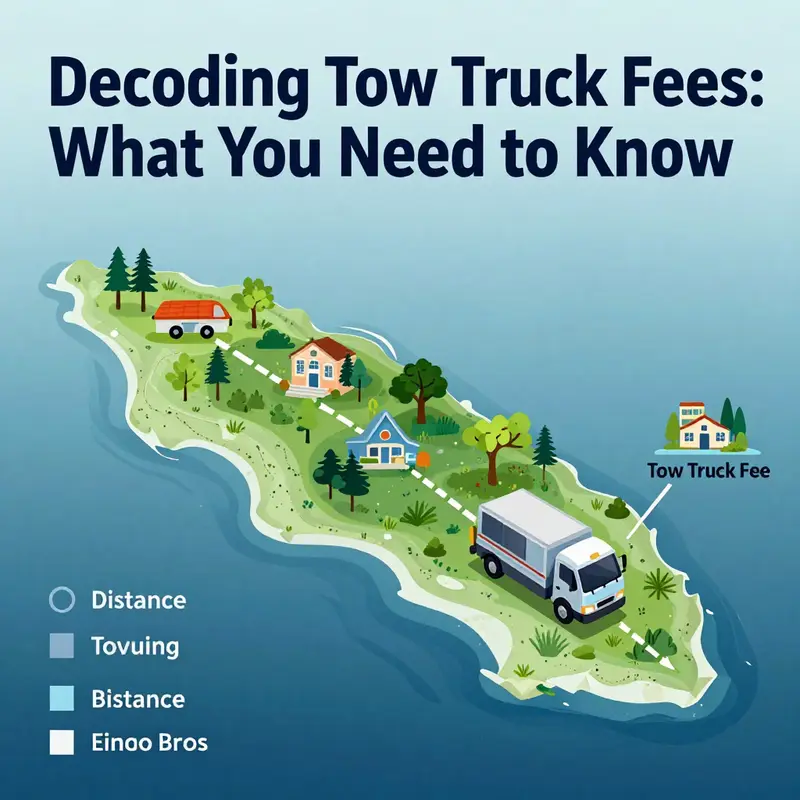
Distance functions like a loud, unambiguous gauge in a field of shifting fees. When a vehicle breaks down or is involved in an accident, the distance to be towed becomes the dominant influence on the total charge, but it is hardly the only factor. The size of the vehicle, the time of day, and the specific local market all interact with distance in ways that can magnify or dampen costs. The result is a pricing landscape that can feel opaque in the moment of stress, especially if you are facing a roadside emergency rather than planning a routine move. Yet the structure beneath the surface is fairly straightforward: a base charge that covers the tow truck’s mobilization and the driver’s time, plus a distance-based component that scales with how far the vehicle must travel to reach a repair facility, auction yard, or impound lot. The distance element is typically presented as either a flat rate per mile or a base fee plus a per-mile rate after that base. Either model shares one constant: the miles you need to cover will push the final price higher, and often more quickly than most drivers expect when the distance triggers additional operational costs along the route. The practical upshot is simple on a first pass but nuanced in real life: knowing how distance translates to dollars helps you budget and also equips you to ask better questions when you call a tow service in a time of need.
A common way to frame the math is to think of the base rate as the cost of getting a tow truck to your location and ready for service. The per-mile component then charges for the actual distance to the destination. Industry guidance suggests that, in many markets, the base rate commonly falls in a familiar band—roughly $75 to $125—while the incremental cost per mile tends to be in the range of about $3 to $6. The real-world spread, however, reflects regional economics: denser urban areas with higher overheads and greater demand can push the effective per-mile cost upward, while rural areas may offer longer distances with comparatively lower per-mile charges but fewer nearby repair options, which can complicate the timing and routing of a tow. This moving target means a five-mile tow can land somewhere near the base rate, while a ten, twenty, or fifty-mile tow can quickly accumulate into substantially higher totals, especially if the route navigates heavy traffic, incidents, or detours.
To anchor this discussion, consider the logic behind a short tow; even when the distance is modest, the margin for the driver’s time, fuel, and equipment wear can produce a price that feels disproportionate to the miles traveled. On a five-mile trip, the price might cluster around the base rate with a modest per-mile addition, yet the same base plus miles could escalate if the path involves gridlock, frequent starts and stops, or a stop at a placement point such as an impound yard or a repair shop that requires additional handling. When the distance stretches to ten miles, the cost envelope broadens. In some markets, a ten-mile tow can exceed what a casual observer might expect for a simple move, especially if the driver encounters congestion that slows travel, extra waiting time due to port or warehouse procedures, or the need to reposition equipment to meet safety or regulatory requirements. The key point is that distance amplifies not only the distance-based charge but the likelihood of ancillary fees that are more likely to surface when a tow extends beyond a short, straightforward hop.
Vehicle type compounds the distance effect in meaningful ways. Heavier vehicles—full-size pickups, larger SUVs, or commercial vans—require more powerful tow trucks, specialized rigging, and sometimes multiple personnel. The heavier the payload, the more fuel is burned, and the more wear gets placed on a truck that is already operating under pressure. That combination tends to translate distance into a higher cumulative cost per mile than a lighter sedan would experience over the same mileage. The interplay of weight and distance is a practical reason many drivers notice steeper bills for towing a heavy vehicle over long distances than for a lighter car along the same route. The geographic context matters as well. In densely populated urban cores, the miles might accumulate quickly because a tow truck must traverse several blocks to avoid dangerous streets, deliberate detours caused by traffic control, or restricted zones. In rural zones, the miles add up more slowly, but the journey can take longer due to fewer nearby outlets and longer routing to get from the breakdown site to a suitable repair facility. These patterns help explain why distance is the loudest variable when you ask, “How much is a tow truck fee?” yet the total cost reflects a headline figure that hides a larger, more intricate accounting under the hood.
The mathematics of distance and pricing are further complicated by a standard menu of additional fees that can accompany a tow, especially when the journey runs through time-of-day constraints, loading and unloading specifics, or logistical delays. The base rate and per-mile charge are the skeleton; the surrounding flesh includes a fuel surcharge that offsets rising costs at the pump, a chassis fee that can accrue per day for the frame and trailer, and a variety of port or yard charges that can appear if the vehicle is held in storage or pulled from a yard to meet a delivery schedule. The classic haywire of fees also features a pre-pull charge when the trailer must be extracted from a port or rail yard early to align with delivery timelines, a chassis split fee when the chassis and trailer are not co-located, and a yard storage fee should the trailer need to remain on-site at the towing company for any length of time. When a tow involves complex routing—perhaps a stay near a port, a wait for a truck repair, or a staged transfer through a series of facilities—these items can accumulate quickly. Even a free period, often offered for a short window at a port or warehouse, gives way to waiting time fees, typically priced per hour once the grace period expires. In sum, distance is the anchor, but the surrounding fees can pull the total upward in meaningful ways, sometimes enough to surprise someone who assumed the journey would be a straightforward, short hop.
From a budgeting perspective, the easiest way to manage the distance in pricing is to separate expectations from the schedule. If you know a tow will involve city streets, the odds of higher per-mile costs rise due to navigation complexity and time spent in traffic, which can translate into operator time and fuel spent idling. Rural routes, by contrast, might have longer distances but steadier per-mile costs, albeit with fewer nearby repair options and potential waits if the vehicle needs a secure place to be held during the process. The best practice remains consistent: ask for an estimated total cost before agreeing to tow service. That estimate should be itemized to show the base rate, per-mile charges, and any potential fees that could apply given the specific scenario. A clear quote helps you compare options across providers and avoids unpleasant surprises when the bill arrives. If you want to delve deeper into the variables and see how they play out in practice, a well-curated resource like a towing-focused blog can be a useful companion; it provides scenarios, market context, and practical pointers for negotiating terms and understanding what the numbers represent. For readers seeking ongoing guidance, you can explore relevant discussions at the The Island Tow Truck blog, which collects practical perspectives on towing logistics and costs over time. The Island Tow Truck blog.
Beyond the base framework, it helps to keep a forward-looking view. If you are preparing for potential emergencies, understanding distance as a driver of cost empowers you to plan more effectively and to have a clearer conversation with the dispatcher. You can describe the typical landscape of your region—urban cores with heavy traffic, suburban corridors with fluctuating demand, or rural lanes where service may be farther apart—and ask the dispatcher how those factors might tilt the estimate. Open dialogue about distance can also reveal whether a company uses a hook-and-roll model, where a fixed hookup fee is followed by a per-mile charge, or whether a combined rate hides inventory costs that could surface in the final bill. In every case, the goal is to arrive at a reasonable expectation for the total, given the constraints of the journey.
For those who want to anchor themselves to an external benchmark, a real-time towing cost estimator is available through an official online tool. This estimator lets you input your location, vehicle type, and a distance estimate to produce a personalized cost range. While no tool can replace a direct quote based on the specifics of your situation, such resources provide a framework for comparison and can be especially helpful during emergencies when time is short and decisions matter. It is sensible to use these tools as a reference point rather than a final figure, pairing them with direct inquiries to local providers who can confirm the exact charges once they assess the vehicle, the route, and any site-specific considerations. For a practical, real-world sense of how distance and related factors influence pricing, visit the comprehensive resources referenced in this chapter and consider the broader context provided by industry discussions on the towing ecosystem. If you want to explore more about how fleets approach emergency response and pricing, the following resources can be helpful: the Island Tow Truck blog offers ongoing insights into cost considerations and service dynamics, and the general guidance provided here aligns with the broader conversations you’ll find there. See The Island Tow Truck blog for additional context: The Island Tow Truck blog.
In the end, distance travels with you as the primary driver of the bill, but the journey does not end there. The total you finally pay reflects a combination of base mobilization costs, miles traveled, vehicle weight, plus a suite of potential supplemental charges tied to timing, storage, and special handling. The best approach is to enter conversations with a clear sense of the possible fee structure: a base charge, a per-mile component, and the list of add-ons that could arise given the specifics of your location and the scenario. When you can speak in terms of “base rate plus miles” or “hook and roll plus per-mile distance,” you remove ambiguity and place yourself in a stronger position to negotiate or to select the quote that makes the most sense for your needs. As you navigate these conversations, keep in mind the practical tip not just to compare numbers but to compare the transparency of the estimate itself. Ask for a line-item breakdown and a clear explanation of what each component covers. If a provider balks at offering a detailed breakdown, that may be a signal to seek a second opinion or to request a formal written estimate before the tow begins.
For readers who want more practical guardrails on distance-based pricing, consider consulting the external reference that consolidates current market data and pricing norms. Access to a real-time cost estimator is available at https://www.aaa.com/automotive/towing-cost-estimator/. This resource helps illuminate the typical bands of base rates and per-mile charges, while also highlighting common supplementary fees that can accompany longer journeys, waiting times, or complex logistical steps. While it cannot replace a direct quote from a local provider who will assess the specific vehicle, route, and timing, it serves as a useful benchmark to prevent sticker shock and to support informed decisions during stressful moments. As you move through the chapter of costs, let distance ground your expectations, and let the surrounding factors—vehicle weight, urban versus rural terrain, time of day, and the potential for storage or port-related charges—inform the budgeting process. The result is a more navigable path through a topic that can feel overwhelming at first glance, with distance serving as the anchor that clarifies the rest of the bill and the choices you face when selecting a tow service.
External reference (for broader context and benchmarking): https://www.aaa.com/automotive/towing-cost-estimator/.
Sizing the Price Tag: How Vehicle Type Shapes Tow Truck Fees and What It Means for You
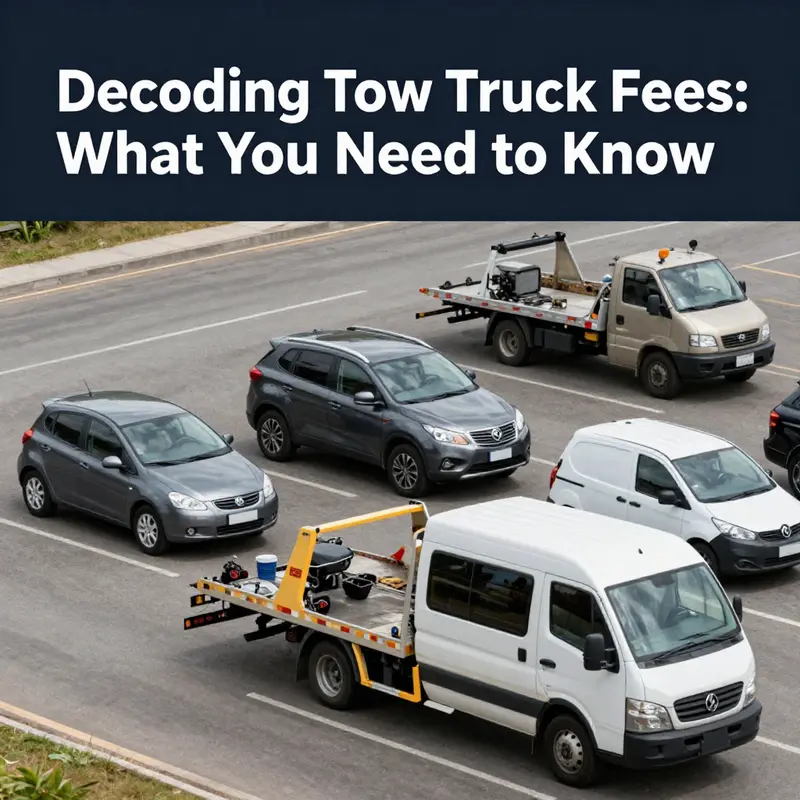
When you’re stranded on the side of the road, the last thing you want to wrestle with is a complex pricing chart. Yet when you pull back the curtain on tow truck fees, one factor rises above the rest: the type of vehicle being towed. Vehicle size, weight, and the mechanical intricacies involved in safely recovering and transporting it drive the core costs that emerge in a quote. This isn’t simply a matter of distance or labor; it’s a reflection of risk, equipment needs, and the specialized skill set required to move a given vehicle without causing further damage. In the corridors of towing work, the vehicle type becomes the loudest signal you hear when a dispatcher pulls up a rate sheet, and understanding that signal helps customers anticipate what they’re paying for, even before a driver arrives on scene.
The framework used by many towing operators divides vehicles into tiers that mirror the increasing demands of lifting, securing, and hauling. At the most basic level, smaller cars and light-duty trucks fall into what many practitioners label Type I, and they are commonly cited with base fees that cover the hookup and transport within a relatively modest radius. The price range attached to Type I—roughly two hundred sixty to seven hundred dollars as a starting point—reflects the core service, the equipment that must be deployed, and the staffing necessary to perform a safe recovery. It is important to note that the base fee often represents a minimum charge; many operators have additional charges that can kick in for miles beyond an initial segment, waiting time, or specialized handling. In practice, the precise total can swing widely depending on local market norms, the time of day, and how far the vehicle needs to travel beyond the initial pickup.
As the size and weight of the vehicle increase, so too does the complexity of the operation. Type II vehicles—think of eight- to nineteen-passenger configurations or mid-range medium-duty trucks—introduce not only a tougher physical lift but also the need for more robust winching gear, better securing equipment, and heightened risk management. The base fee here tends to sit in the three hundred fifty to four hundred fifty dollar range, acknowledging the additional labor and logistics involved even before any distance is added. Beyond the base, many operators apply a per-mile charge for distance traveled beyond an agreed initial distance. In the Type II category, this per-mile rate commonly falls between twenty and twenty-five dollars for each mile beyond the cutoff. In other words, a short tow of a moderately heavy vehicle may still be contained within the base, but longer hops accumulate a meaningful portion of the total as miles accrue.
The momentum continues with Type III and Type IV, which include larger buses, heavy trucks, and, in some cases, unusually heavy equipment or containers. Type III vehicles—ranging from twenty to thirty-nine passenger equivalents or five- to ten-ton ratings—often carry a base fee around four hundred dollars, with a per-mile component generally set at about twenty-two dollars. Type IV vehicles—forty passenger units, ten- to fifteen-ton trucks, or even twenty-foot shipping containers—command a base around five hundred dollars, plus a per-mile charge near twenty-five dollars. The progression is not merely a matter of larger wheels and longer chassis; it’s a reflection of how much tow equipment must be deployed, how much winching torque is required, and how much time the crew must spend in securing the load and maintaining safety during the journey to the destination. In all these cases, a higher base and per-mile rate are not arbitrary penalties but practical acknowledgments of the resources and expertise demanded by more substantial payloads.
For the heaviest category—Type V vehicles, which include very large trucks and the heaviest payloads—the price floor rises again. The base fee for these units sits around six hundred dollars, with a per-mile rate near twenty-seven dollars. These figures are not merely numbers on a ledger; they correspond to the realities of moving equipment that can exceed several tons in weight, requiring heavy-duty integrated tow trucks, specialized booms, and highly trained operators who can execute complex recoveries in a controlled, safe manner. The larger the load, the more critical precise rigging becomes, as does the need to protect the integrity of the vehicle being towed and the road users around it. A misstep in securing a heavy load can lead to additional costs, extended on-site time, or extra equipment rentals, all of which can push the final bill higher.
Across these tiers, the broader architecture of towing costs also depends on the kinds of equipment that modern fleets deploy. Flatbed tow trucks, often favored for vehicles with sensitive drivetrains or all-wheel-drive systems, use hydraulics to slide or drive the vehicle onto a stable platform. The benefit is clear: it minimizes drivetrain wear and tear during transport, which makes flatbeds the preferred choice for many premium or high-value vehicles and for certain recovery scenarios where damage prevention is paramount. The trade-off is that flatbeds can require more operator skill and sometimes more crew coordination, especially when the vehicle’s position on the platform needs careful alignment for safe loading. Rotator tow trucks, which feature a 360-degree rotating boom, bring another dimension of capability. They are employed in challenging environments—multi-vehicle pileups, overturned units, or situations with constrained access—where the flexibility of a rotating boom dramatically reduces the time and risk of a complex lift. But rotators are also the most costly to deploy. Their use signals high risk coupled with high operator expertise, and the fees reflect that advanced capability.
These equipment choices illuminate why the price tag tied to vehicle type is not solely about weight and dimension. The heavier and more complex the vehicle, the more likely a towing operation will rely on heavy-duty integrated tow trucks, exposure to longer on-site times, and the need to employ specialized procedures to safely immobilize, lift, and transport without causing collateral damage. The shift from a chain-and-hook approach to modern methods such as flatbeds and rotators marks a broader commitment within the industry to safety and precision. The old, less sophisticated methods are increasingly deemed unsuitable for modern AWD and 4WD platforms, as their use can invite unintended drivetrain stress and misalignment. The move toward advanced equipment is not only about being able to lift heavy payloads; it’s about protecting the vehicle, the material being transported, and the people nearby during a high-stress incident. Those elevated standards contribute to higher cost, but they also reduce the likelihood of further damage and the potential liability that can accompany a hurried, ill-considered recovery.
To help readers visualize how this translates into real-world costs, consider a few scenarios. A Type I tow—a compact passenger car—may be charged somewhere in the broad range of two hundred sixty to seven hundred dollars as a base, with the possibility of additional mileage or fees if the vehicle must be moved more than a short distance or if it sits in a holding area while solutions are arranged. A Type II situation—a mid-size SUV or small delivery van—often starts with a base in the mid-three-hundreds, followed by a per-mile charge in the twenty-dollar neighborhood for distances beyond the initial miles; the total hinges on the distance, the complexity of securing the load, and any on-site time spent arranging proper transport. For heavier, larger loads such as a mid-range bus or a larger commercial truck falling into Type III, the base reaches around four hundred dollars, and each extra mile adds roughly twenty-two dollars. When a Type IV payload comes into play, a heavier unit or container, the base nods to five hundred dollars, with a per-mile cost of about twenty-five dollars. And at the upper end, a Type V unit can push the initiating fee to around six hundred dollars with a per-mile component near twenty-seven dollars. These are not abstract numbers; they represent the predictable escalation that operators reckon with as the vehicle’s size, weight, and complexity rise.
Distance remains a pivotal variable, but it is not the only driver of total cost. Urban environments can elevate the hourly rate due to congestion, labor intensity, and the need for additional traffic control measures. Rural areas may require longer travel times and longer storage periods if the nearest repair shop or impound facility is far away. Timing matters too: emergency towing, nighttime dispatches, and weekend or holiday service carriers—often with premium surcharges—contribute to higher final bills. In the end, the vehicle type interacts with all of these contextual factors to determine the total, and that total is always a sum of base fees, per-mile charges, and whatever premium applies to the situation at hand.
The practical upshot for consumers is straightforward but often overlooked: the vehicle you are trying to move sets a floor on the price and a ceiling on the type of operation you’ll receive. If you are dealing with a small car, you can anticipate a lower entry point but still expect additional costs for distance or time on site. If you’re dealing with a large vehicle, you’ll be facing a higher baseline along with the likelihood of significant per-mile costs and perhaps longer on-site durations, as securing and transporting that payload demands careful choreography, the right equipment, and seasoned professionals who can manage complex setups without compromising safety. From a planning perspective, that means a straightforward, honest conversation about the vehicle’s class and the anticipated distance can yield a more accurate estimate upfront. It also highlights why a pre-service cost estimate is vital and why many towing professionals will walk through a transparent breakdown: base charge, distance, and any supplemental fees, plus tap into their knowledge of the local terrain and typical response times.
This approach also clarifies the role of modern fleet capabilities in shaping fees. The industry trend toward flatbed and rotator solutions aligns with the imperative to protect vehicles, staff, and other road users while enabling recoveries that would have been impractical a decade ago. Flatbeds have made the transport of sensitive drivetrains and all-wheel-drive systems more reliable, reducing the risk of in-transit damage and, by extension, the likelihood of additional liability and costs. Rotators, with their rotating booms and precise control, expand the operator’s toolkit for complex scenes where conventional lifts are impractical. These capabilities, while increasing the upfront costs, reduce the chance of a more expensive, last-minute rescue operation or a second tow due to improper handling. The overall effect is a cost structure that reflects both the physical requirements of the job and the strategic investment in safer, more efficient recovery technologies.
For readers seeking a practical touchstone, the broader literature on tow truck operations emphasizes that a thoughtful assessment of a vehicle’s type and the associated recovery plan can prevent surprises at the curbside. In the field, drivers are trained to assess the weight distribution, the possible need for wheel lifts or additional tie-downs, and the potential for on-site bottlenecks that could extend the operation. In terms of policy and practice, the industry has moved toward greater standardization of categories and a clearer articulation of what each tier demands. This not only helps customers estimate costs more reliably but also fosters consistency across providers and regions, which is essential for building trust during highly stressful moments.
If you want to take a proactive step before a tow is even necessary, consider bookmarking a resource that outlines industry standards and practical applications for heavy haul operations. A technical guide to car carrier tow trucks, a cornerstone reference in professional circles, offers detailed context on standards, properties, and the varied applications of specialized towing equipment. Specifically, the guide discusses the spectrum from light to heavy recovery, the roles of different tow trucks, and how operational choices impact safety and efficiency under real-world conditions. This background can be helpful when you’re evaluating quotes or discussing your needs with a dispatcher, because it frames the conversation around the core determinants of cost: vehicle type, required equipment, and the complexity of the recovery scenario.
In the end, the vehicle type remains the most influential determinant of tow truck fees. It governs the choice of equipment, the level of risk, and the technical expertise necessary for a safe, effective recovery. The industry’s ongoing evolution toward more capable, safer, and more efficient tools—such as flatbeds and rotators—naturally shifts the pricing landscape upward in some cases, but it also enhances the reliability and safety of the service you receive. When you combine this with urban versus rural considerations and the timing of the request, you get a nuanced picture in which the vehicle type anchors the overall cost while other factors reshape the final figure. By understanding that anchor, you’ll be better prepared to discuss estimates with a towing professional, ask the right questions, and avoid sticker shock when the bill arrives.
For readers who want a concise touchpoint, here is a practical takeaway: ask for a clear, all-in estimate before accepting tow service, and request a breakdown that includes the base fee, per-mile charges, and any location- or time-based surcharges. While vehicle type will be the major driver, transparency about distance, time on site, and potential storage or waiting fees can make a stressful situation a little more predictable. When in doubt, consult a local provider who can translate these tiered rates into a context-specific quote that reflects the realities of your region and your vehicle’s class. This approach not only protects you from surprise charges but also supports a smoother recovery operation that prioritizes safety and efficiency above all else.
For further context on industry standards and applications beyond the scope of everyday incidents, you can refer to external technical resources that delve into the properties and practices of car carrier tow trucks, which illuminate how specialized vehicles and trained operators adapt to a wide range of towing challenges. See the external resource at https://www.towtruckindustry.org/guide-to-car-carrier-tow-trucks for a deeper dive into the mechanics, equipment choices, and considerations that underpin the charges you see on the road. And for ongoing guidance and practical strategies relevant to island fleets and emergency readiness, the internal resources at theislandtowtruck.com/blog/ offer a window into the kinds of planning, cost awareness, and response coordination that help keep tow operations reliable and transparent in real-world settings.
Beyond the Base Rate: How Hidden Charges Drive Tow Truck Fees
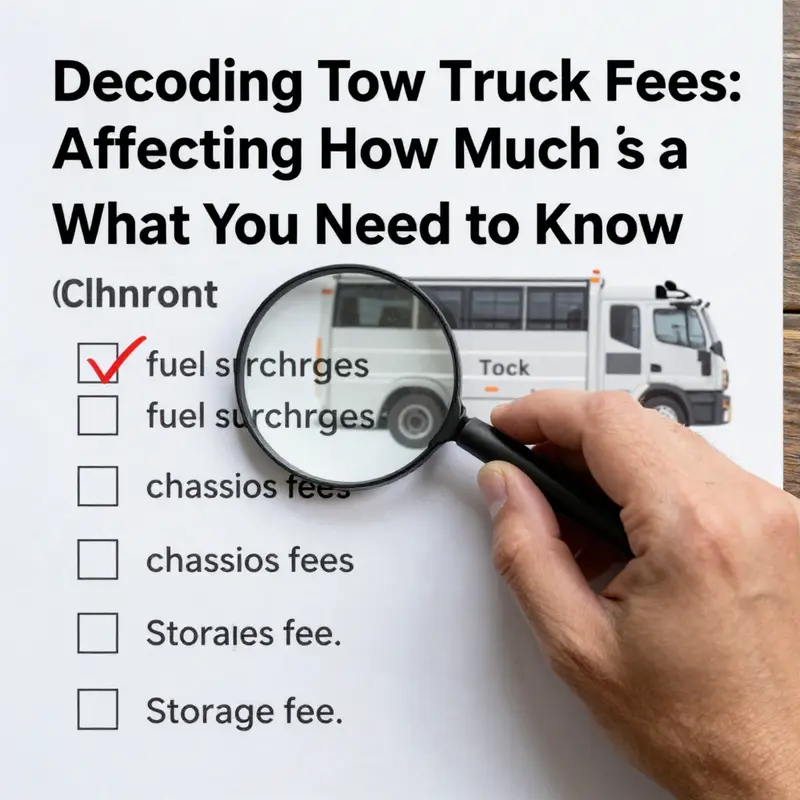
When you suddenly realize your car won’t start or has slipped off the shoulder onto a busy street, the last thing you want is a surprise on the bill. Yet in a roadside breakdown, many drivers discover that the sticker price at the end of a tow is rarely a single, simple number. The base tow, the hook-up, and the distance traveled lay the groundwork, but a cluster of additional charges can swell the total far beyond the initial quote. Understanding these hidden costs isn’t just about budgeting for a random emergency; it’s about arming yourself with the information you need to make quick, informed decisions under pressure. This chapter dives into the charges that often ride along with the base rate, how they accumulate, and what you can do to minimize or at least anticipate them before a tow begins.
Distance sits at the core of most tow pricing, yet it rarely tells the whole story. The base fee covers the pickup and the essential logistics of getting your vehicle into a tow truck. Beyond that, many providers apply a per-mile or per-kilometer rate that escalates with the journey’s length. A short five-mile tow might hover around seventy-five dollars in many markets, a reminder that the base rate is only part of the equation. On longer jobs, such as a fifty-mile haul to a distant repair shop or impound lot, the bill can quickly exceed three hundred dollars. Some operators adopt a hook and roll model: a fixed hook-up fee to secure the vehicle, plus a separate running charge for each mile towed. This structure, while common, makes the total cost more sensitive to the exact route, traffic conditions, and the efficiency of the tow truck’s setup. In practice, two tows of the same distance can diverge by a surprising margin if one route requires more time in traffic, a longer hook-up, or a need for back-road detours to avoid hazards. In other words, distance becomes a multiplier only when the surrounding fees are layered on top.
Vehicle type and weight are quiet but powerful determinants. A compact sedan is lighter, easier to hook, and typically requires less fuel and wear on the tow truck. Heavier vehicles such as full-size pickups, large SUVs, cargo vans, or commercial fleets demand bigger equipment, more specialized rigs, and additional manpower. The heavier the load, the more challenging the maneuver, and the more fuel is consumed during the tow. The price tag reflects this increased resource use, even when the distance is modest. When you factor in the possibility of needing a flatbed or heavy-duty trailer for certain wheels or a vehicle with low ground clearance, the difference can be substantial. In some markets, the weight category alone can push a quote into a higher tier of pricing, underscoring the importance of telling the dispatcher about the exact vehicle when requesting an estimate.
Location and time swirl into the calculation in nuanced ways. Urban environments tend to have higher operating costs due to insurance, labor, and the need to negotiate dense traffic and restricted streets. Even if a tow is shorter in miles, the time spent navigating a crowded landscape translates into higher hourly rates or premium surcharges. Rural tows, by contrast, might extend across longer distances because nearby repair options or impound facilities are sparse, potentially increasing the total cost even if the hourly rate is lower. Then there is the clock to consider: emergency calls at night, on weekends, or during holidays frequently bring a premium. These after-hours charges reflect the demand for round-the-clock service and the inconvenience of arranging help during nonstandard times. The reality is that a tow price is not merely a function of distance but a carefully balanced equation of location, time, and risk.
Beyond the straightforward base rate and distance, several additional charges frequently appear on invoices. One common structure involves a base rate for the tow plus a separate line item for each mile towed. Even when the mileage is modest, this practice can produce a larger total than anticipated if you are not prepared for the per-mile expansion. Time charges can also creep in when the operation takes longer than expected, perhaps due to traffic, difficult access, or weather-related slowdowns. In some cases, a tow might be held up in a queue while waiting for access to a service bay or to clear an impound area, and the clock starts running on labor hours or waiting time.
Special equipment fees are another common source of sticker shock. Vehicles with unusual configurations or those that require non-standard equipment such as a flatbed tow for rear-wheel-drive cars, lowboy trailers for oversized trucks, or lift gates for off-road vehicles often incur additional charges. These fees reflect the extra setup, securement, and handling complexity involved. The more specialized the equipment, the more the operator must allocate in terms of fuel, maintenance, and manpower to ensure a safe, compliant transport. The result is a price bump that isn’t tied directly to distance but to the unique demands of the tow job.
After-hours or emergency service fees are a familiar part of many urban markets. Night-time, weekend, or holiday towing tends to command higher prices, sometimes doubling or tripling the standard rate during peak stress periods. The logic is straightforward: companies work through odd hours, accept the inconvenience of nonstandard hours, and assume the heightened risk of roadside assistance in dangerous or weather-laden scenarios. In practice, this means a tow that would be affordable in daylight could become a much less forgiving expense after dusk. If you can, scheduling a daytime tow or arranging for someone to help secure a safe pickup window can mitigate some of these costs. Of course, emergencies do not always bend to planning, so a clear understanding of the potential for after-hours pricing is essential.
Storage fees are a frequent, often overlooked, consequence of towing. If your vehicle cannot be retrieved immediately, it may be stored at a tow yard or impound facility for a period that can range from a few days to a week or more. Daily storage charges accumulate quickly and become a persistent line item on the final bill. Even if the tow itself is completed promptly, inadequate retrieval planning or delays in making arrangements with the storage facility can turn a simple incident into a multi-day cost. If you expect a delay, perhaps due to scheduling a repair appointment or negotiating with an insurance adjuster, ask for a detailed storage policy, including per-day rates and any minimum storage charges. Being aware of this potential cost helps you weigh the value of immediate retrieval against the convenience of later pickup.
Fuel surcharges are another variable that can alter the final tally. Some towing companies implement a fuel surcharge that fluctuates with changes in gas prices or fuel availability. While this fee can be minor on shorter tows, it can become meaningful on longer trips, especially if fuel prices are volatile or elevated at the time of service. The surcharge is not always clearly itemized at the outset, so it is wise to ask whether a fuel component is included in the estimate and, if so, what the current rate is and how it is calculated. A few markets may include this as part of a general operational fee, but the effect is the same: fuel costs are real, and they often travel with the tow across the miles to be covered.
Location-based premiums reflect market dynamics that vary from one city to another. Urban hubs with high demand and limited competition tend to push prices upward, while rural areas with more competition may offer relief in certain circumstances. The same distance may yield different totals depending on where the tow takes place. This variability is not inherently unfair, but it is essential to recognize it as a real factor in pricing. If you are in a city where towing is consistently expensive, it may be worth asking for a regional call-out rate or shopping around for a second quote to ensure you are not paying above market value.
Some charges are more specialized and less common, but still widely encountered in certain regions or situations. A pre-pull fee might apply if the trailer needs to be removed from a port or rail yard to meet a delivery schedule, adding a niche but burdensome line item. A chassis fee charged per day for the frame the trailer sits on can be billed for extended storage or complex recoveries. A chassis split fee can appear when the chassis and trailer are not at the same location, adding another layer of logistical expense. Port or warehouse waiting time fees can compound quickly when a tow is tied to shipping schedules; these penalties typically apply after a short grace period, often one to two hours, and can escalate rapidly with each additional hour of waiting. While not universal, these charges illustrate how specialized industry practices can propagate a broad range of costs into the final invoice.
Understanding the total landscape of charges is not merely an academic exercise. It is a practical habit that reduces financial stress during a roadside crisis. The first step is to request an estimate that explicitly separates base fees from extra charges. Ask for an out-the-door price that encompasses all potential add-ons and contingencies. If the provider uses a time window for the price, insist on a clear cap or a range that reflects the uncertainties you might face depending on traffic, weather, and the ease of access to your vehicle. If a company cannot provide a transparent breakdown, consider calling another operator to compare quotes. The aim is to avoid a scenario where you are surprised by a charge you did not anticipate or understand.
An important tact for consumers is to provide the dispatcher with as much accurate information as possible about the vehicle and the circumstances of the breakdown. Details such as the exact vehicle weight class, transmission type, and whether the vehicle is on or off a curb can influence the choice of equipment and the fee that follows. If your car is in a precarious position or requires a special retrieval approach, communicate this early. The dispatcher may be able to provide an adjusted estimate that reflects the added complexity, or at least warn you about the types of charges you should expect. If the tow involves storage or long-distance planning, ask about the implications for storage fees and whether there is any flexibility in pickup timing. The more you know, the more you can plan ahead.
Communication is the ally here. Request a single, consolidated estimate before any work begins, ideally with a written quote. Ask for a breakdown that lists the base rate, distance charges, time charges, per-mile rates, and all potential extras such as fuel surcharges, special equipment fees, after-hours premiums, storage charges, and any port or yard waiting time. If the provider insists on adding a fee after the fact, ask for a justification and the exact calculation method. In some cases, the timing of a tow, whether it starts during business hours or after, will determine the applicability of certain charges. A written estimate protects you by creating a documented expectation for both sides and gives you a basis for disputing any deviations from the agreed scope.
For readers who want to deepen their understanding or explore practical stories from the field, the industrys broader discussion is available at The Island Tow Truck blog, which offers ongoing perspectives on pricing, service models, and best practices for avoiding surprises in tow pricing. The Island Tow Truck blog link can be a helpful companion as you navigate the often opaque world of towing costs. In addition to this chapter, a wider view of the factors at play is provided in reputable consumer guides, like those that examine how various charges accumulate and affect the total cost of a tow. The Balance article linked below offers a comprehensive overview of the factors that influence towing costs and can be a useful external reference for readers seeking a broader context of price dynamics in the industry. External resource: https://www.thebalance.com/towing-costs-what-factors-affect-how-much-youll-pay-4172593
Final thoughts
In navigating the often-confusing landscape of towing fees, understanding the many variables at play is essential for businesses that rely on tow services. As we explored, costs are influenced by distance, the type of vehicle being towed, and an array of potential additional fees that vary by company and situation. By gaining insight into these elements, you can better prepare for unexpected events and manage your budgeting effectively. In our island communities, where every detail matters, being informed means being ready for anything on the road.